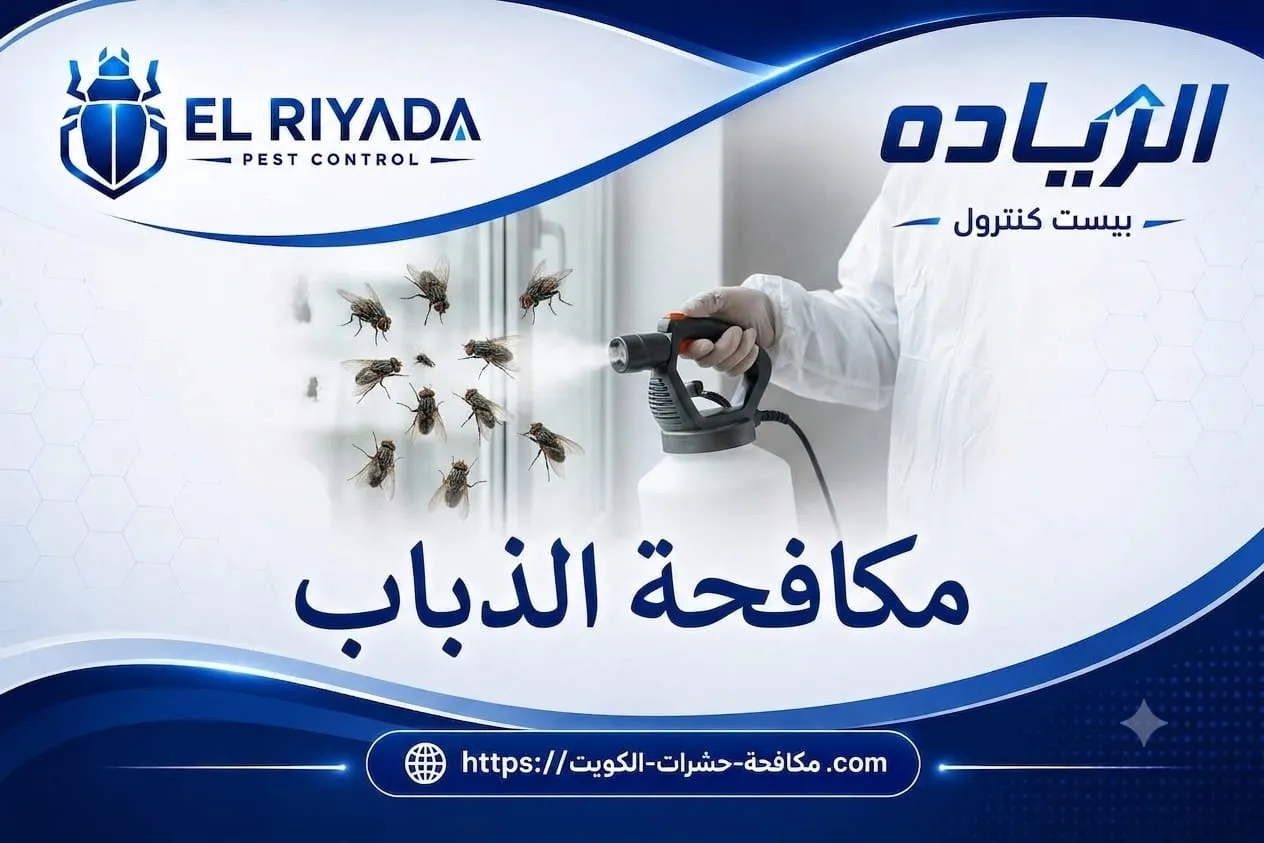
Many people assume that every fly control method produces the same results, so they immediately purchase an insecticide or install a trap without first determining whether that solution is actually appropriate for the type of infestation they are experiencing. Practical field experience shows that successful fly management depends on selecting the treatment method that matches the source of the infestation, the level of fly activity, the size of the affected area, and the nature of the property requiring protection. Fly traps may provide excellent performance in certain situations, while professional spraying may deliver significantly better results in others. In some cases, the most effective strategy combines both approaches within one integrated pest management program. Based on extensive professional experience controlling flies throughout Kuwait, accurate inspection before selecting a treatment method remains the single most important factor in achieving stable long-term results while preventing recurring infestations.
Fly Spraying or Fly Traps
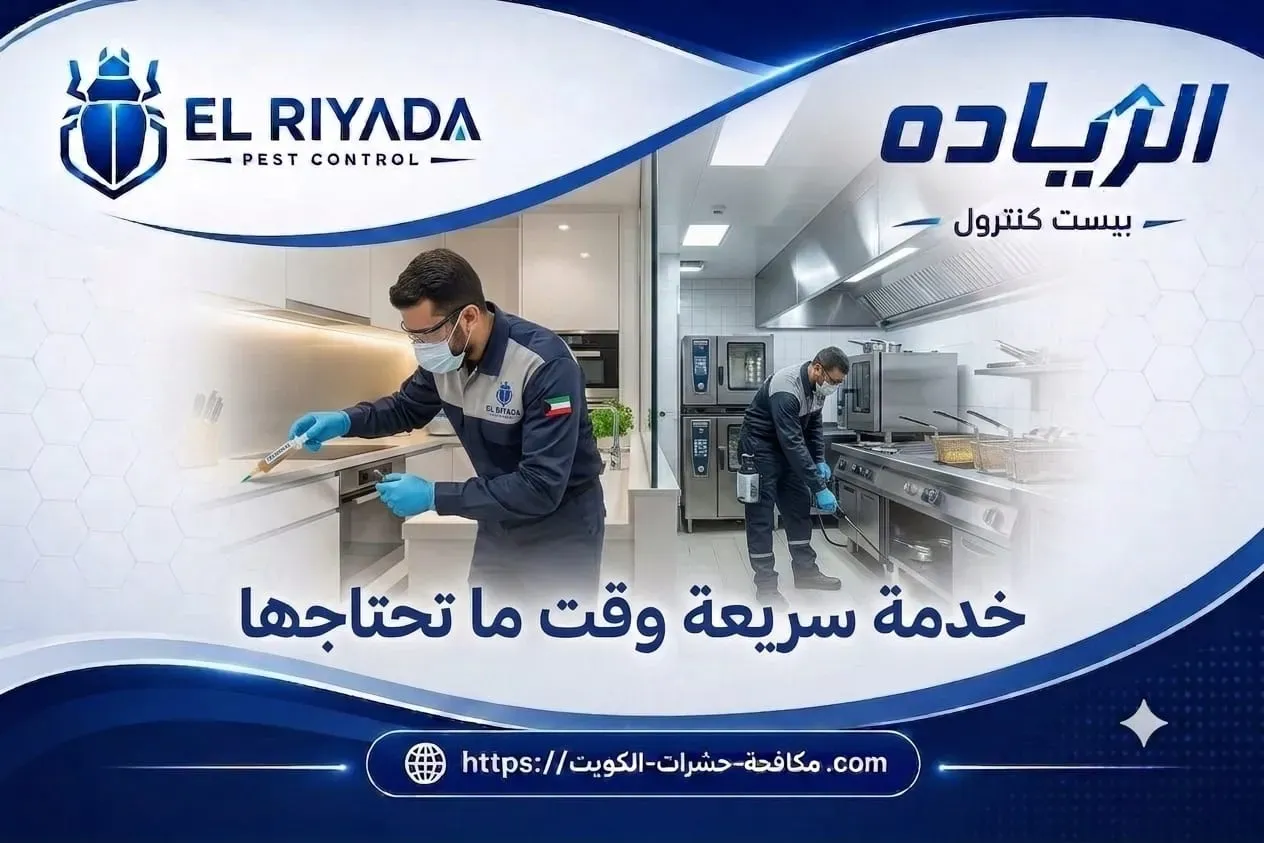
One of the most common questions asked by homeowners, restaurant managers, farm owners, warehouse operators, and commercial facility managers is whether they should choose Fly Spraying or Fly Traps. The correct answer depends entirely on the nature of the infestation rather than personal preference. When flies enter a property from outside in limited numbers, traps may effectively monitor activity and gradually reduce populations. However, if an active breeding site exists inside the property or the infestation has already become widespread, professional spraying generally provides faster and more comprehensive control.
Every property also presents different environmental conditions. Restaurants require pest management strategies different from farms, while residential homes differ from warehouses and industrial facilities. Certain environments benefit from combining traps with preventive spraying programs to achieve maximum protection. Extensive practical experience consistently demonstrates that relying on only one control method without identifying the true source of the infestation usually produces only temporary improvement.
• Treatment methods are selected according to infestation characteristics.
• Fly traps are appropriate for certain situations but not every infestation.
• Professional spraying provides better control during widespread outbreaks.
• Some environments require combining multiple treatment methods.
• Professional inspection should always precede treatment selection.
Best Fly Control Method
There is no single Best Fly Control Method suitable for every property because the appropriate solution depends on the breeding source, fly population size, property type, operational activity, and environmental conditions supporting fly reproduction. Some residential properties require only environmental improvements together with monitoring devices, while restaurants, farms, warehouses, food processing facilities, and commercial buildings often require integrated programs involving professional spraying, trapping systems, sanitation improvements, and preventive management.
Professional pest control companies always perform detailed property evaluations before recommending treatment because selecting the wrong method frequently allows the infestation to continue despite repeated control attempts. Extensive field experience consistently demonstrates that choosing the correct management strategy from the beginning saves time, reduces unnecessary costs, and significantly lowers the likelihood of recurring infestations.
• No single treatment method fits every situation.
• Infestation sources determine treatment selection.
• Residential and commercial properties require different solutions.
• Professional inspections improve treatment effectiveness.
• Integrated programs provide longer-lasting protection.
Electric Fly Traps
Electric Fly Traps are widely used in many environments to reduce flying insect populations, particularly inside commercial facilities, restaurants, warehouses, and locations requiring continuous insect monitoring. These devices attract flies using ultraviolet light or specialized attractants before trapping or eliminating them depending on the trap design and operating technology.
Although electric traps perform effectively in many situations, they cannot eliminate breeding sites or remove the environmental conditions responsible for producing new flies. Consequently, they should never be considered a complete solution whenever significant infestations are present. Practical experience consistently demonstrates that electric fly traps produce their greatest value when incorporated into comprehensive pest management programs including sanitation improvements, breeding source elimination, and professional treatment whenever necessary.
• Electric traps reduce flying insect populations.
• They provide continuous monitoring in many facilities.
• They do not eliminate breeding locations.
• Performance improves within integrated management programs.
• Proper installation locations significantly influence effectiveness.
Difference Between Fly Spraying and Fly Traps
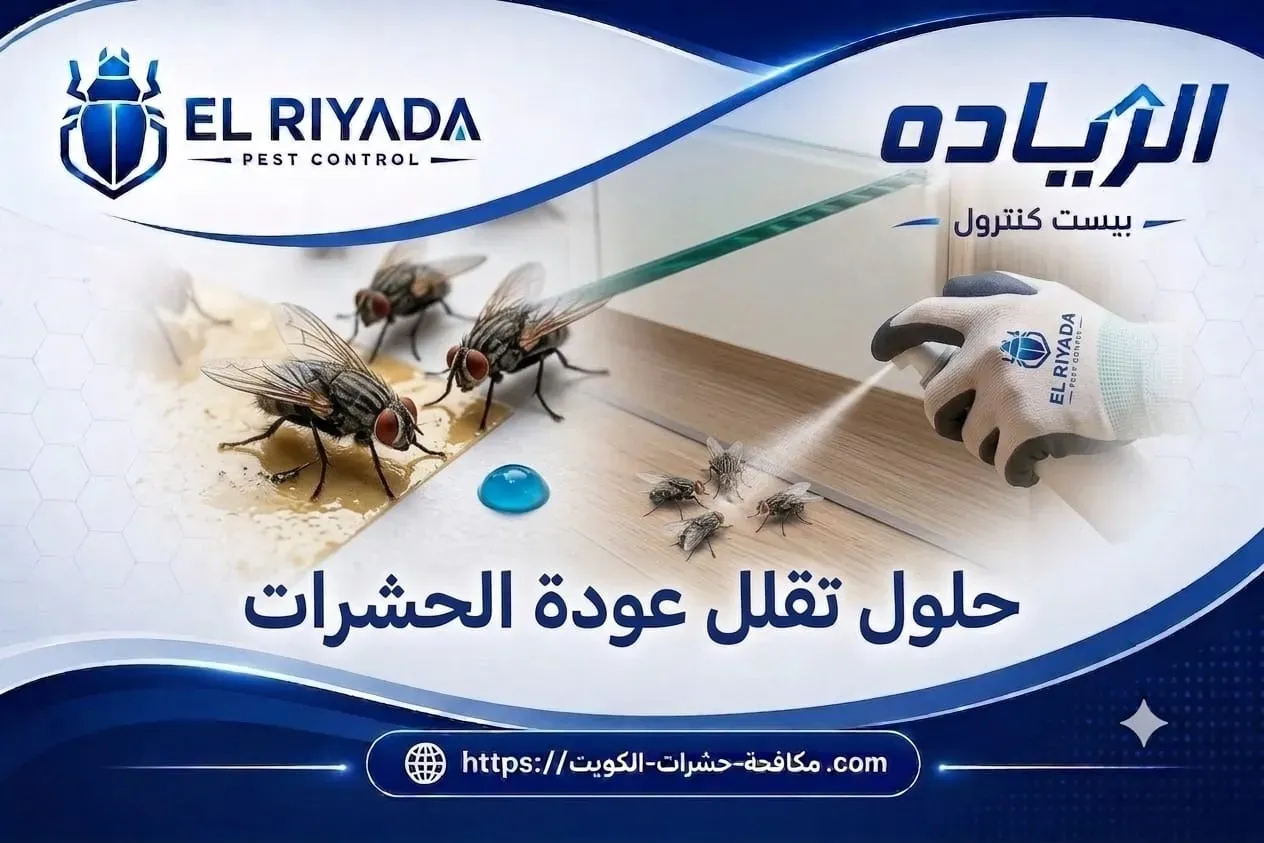
The Difference Between Fly Spraying and Fly Traps becomes very clear when considering the purpose of each control method. Professional spraying is designed to eliminate active fly populations quickly by treating resting areas, activity zones, and locations where flies frequently gather. Fly traps, on the other hand, primarily function by attracting, monitoring, capturing, or gradually reducing adult fly populations rather than eliminating breeding sources responsible for producing additional insects.
Consequently, relying exclusively upon fly traps when active breeding locations remain untreated rarely resolves the infestation because newly emerging flies continuously replace those already captured. Similarly, spraying alone may fail to provide lasting protection if breeding sites remain active or long-term monitoring is ignored. Extensive practical experience consistently demonstrates that combining both techniques frequently produces the strongest long-term results, particularly within commercial properties, food facilities, and locations maintaining strict hygiene standards.
• Professional spraying rapidly suppresses active infestations.
• Fly traps monitor activity while gradually reducing populations.
• Traps cannot eliminate breeding locations.
• Source elimination remains essential regardless of treatment method.
• Combining both techniques often produces superior long-term protection.
Effective Fly Insecticides
The effectiveness of Effective Fly Insecticides depends not only upon product strength but also upon selecting the appropriate formulation, applying it correctly, and matching the treatment to the property's environmental conditions. Products producing excellent results on farms may not represent the best option inside restaurants, while treatment materials suitable for outdoor environments often differ considerably from those used inside occupied buildings.
Professional pest management companies therefore select treatment materials only after conducting detailed inspections evaluating infestation severity, breeding locations, property activities, and environmental risks. Extensive practical experience consistently demonstrates that improper application frequently reduces treatment success even when premium products are used because application technique remains just as important as product quality.
• Products are selected according to property conditions.
• Indoor and outdoor environments require different formulations.
• Application technique strongly influences effectiveness.
• Professional diagnosis determines product selection.
• Expert application provides more reliable long-term results.
Residential Fly Control
Residential Fly Control differs significantly from fly management inside restaurants, food factories, or industrial facilities because the primary objective within homes involves protecting family members while permanently eliminating infestation sources. Professional inspections therefore focus on kitchens, bathrooms, waste storage areas, drainage systems, gardens, moisture sources, compost areas, and organic waste accumulation because these locations frequently attract breeding flies.
Following inspection, treatment methods are selected according to infestation severity. Environmental improvements alone may successfully resolve certain situations, while others require professional spraying, trapping systems, or structured follow-up programs. Extensive practical experience consistently demonstrates that eliminating breeding sources consistently provides much stronger long-term results than simply destroying visible adult flies.
• Treatment begins by identifying attraction sources.
• The surrounding residential environment receives careful inspection.
• Treatment methods vary according to infestation severity.
• Preventive measures remain essential.
• Eliminating breeding sources prevents future infestations.
Eliminating Flies Permanently
Successfully Eliminating Flies Permanently requires much more than applying insecticides or installing traps because lasting success depends upon destroying breeding sites, eliminating attraction sources, improving environmental conditions, and implementing preventive management procedures. Professional companies therefore begin with comprehensive inspections, identify infestation causes, eliminate breeding environments, implement appropriate treatment strategies, and complete structured follow-up inspections confirming long-term success.
Treatment programs also differ substantially between homes, restaurants, farms, warehouses, commercial facilities, and industrial sites because each environment presents unique conditions supporting fly activity. Extensive practical experience consistently demonstrates that properties maintaining preventive sanitation measures after treatment experience dramatically fewer recurring infestations than locations relying solely upon spraying.
• Breeding site elimination remains the highest priority.
• Attraction sources must be removed.
• Treatment programs differ according to property type.
• Follow-up inspections support lasting success.
• Preventive management preserves long-term protection.
Fly Control Solutions
Successful Fly Control Solutions always begin by addressing infestation causes rather than simply reducing visible fly numbers. Professional companies therefore inspect surrounding environments carefully while searching for breeding sources including organic waste accumulation, moisture problems, refuse containers, drainage systems, animal waste, and any environmental conditions supporting fly reproduction. Following this evaluation, customized management programs may include professional spraying, trapping systems, sanitation improvements, environmental correction, or integrated combinations of several treatment methods.
Management strategies differ significantly between homes, restaurants, farms, warehouses, food facilities, and commercial buildings because every environment presents unique attraction sources requiring specialized solutions. Extensive field experience consistently demonstrates that integrated programs combining source elimination, professional treatment, and preventive follow-up consistently provide longer-lasting results than relying upon any single technique.
• Solutions begin by identifying infestation causes.
• Breeding sources receive priority attention.
• Treatment programs vary according to property conditions.
• Spraying and trapping may be combined.
• Follow-up maintains long-term effectiveness.
Types of Fly Traps
Several Types of Fly Traps are available, each designed for different operating environments and infestation conditions. Electric traps attract flies using ultraviolet light, while baited traps rely upon specialized attractants to capture insects. Certain trap designs perform best outdoors, whereas others are specifically intended for indoor environments including restaurants, warehouses, food preparation areas, and commercial facilities.
Selecting the correct trap depends upon property activities, infestation severity, fly movement patterns, and installation location because improperly positioned traps often perform poorly regardless of equipment quality. Extensive practical experience consistently demonstrates that selecting the appropriate trap together with correct placement substantially improves overall fly management performance.
• Different trap technologies serve different purposes.
• Indoor and outdoor traps differ significantly.
• Proper placement greatly improves effectiveness.
• Infestation severity influences trap selection.
• Traps perform best within integrated management programs.
Choosing the Best Fly Control Method
Choosing the Best Fly Control Method should always depend upon professional inspection findings rather than popular opinion or lower treatment costs. Certain infestations respond rapidly to professional spraying, while others benefit more from trapping systems, and many locations require combining multiple treatment methods simultaneously to achieve complete long-term control.
Professional technicians evaluate property type, fly population size, breeding locations, operational activities, and environmental sensitivity before selecting the most suitable treatment program because restaurants require different management strategies from residential homes, while farms differ substantially from warehouses and industrial facilities. Extensive practical experience consistently demonstrates that selecting the correct treatment program from the beginning reduces repeat visits, lowers long-term costs, and provides stronger lasting protection.
• Treatment selection depends upon inspection findings rather than assumptions.
• Property characteristics determine the most appropriate solution.
• Multiple techniques may be combined when necessary.
• Correct planning reduces future treatment costs.
• Professional diagnosis remains the foundation of successful fly control.
Why Al Reyada Pest Control Is the Best Choice

Al Reyada Pest Control specializes in professional fly management throughout Kuwait by following a scientific approach beginning with identifying infestation sources, evaluating surrounding environmental conditions, determining breeding locations, and analyzing every factor responsible for increasing fly activity before selecting the most appropriate treatment strategy for each individual property. Rather than relying upon random spraying or identical treatment programs, the company develops customized solutions combining professional spraying, trapping systems, environmental improvements, and preventive management whenever necessary.
The company utilizes approved professional materials while employing experienced technicians capable of serving homes, restaurants, farms, warehouses, commercial buildings, and industrial facilities. Customers receive preventive guidance, structured follow-up programs, environmental recommendations, and customized long-term protection plans designed to eliminate infestation causes rather than simply reducing visible fly populations. Accurate diagnosis, rapid response, integrated treatment strategies, and commitment to long-term customer satisfaction have established Al Reyada Pest Control as one of Kuwait's most trusted professional fly control companies.
• Professional inspections precede every treatment program.
• Customized solutions are designed for every property.
• Approved materials and modern technologies are utilized.
• Follow-up programs maintain long-term protection.
• Treatment focuses upon eliminating infestation causes.
Conclusion
There is no universal answer to the question of Fly Spraying or Fly Traps because the correct solution depends entirely upon infestation severity, breeding sources, property characteristics, operational activities, and long-term management objectives. When treatment methods are selected following professional inspection and combined with preventive environmental improvements, customers achieve significantly more reliable long-term results while dramatically reducing the likelihood of recurring fly infestations.
Frequently Asked Questions
Is spraying always better than fly traps?
No. The appropriate treatment depends upon infestation characteristics, breeding sources, property type, and operational requirements. In many situations, combining both methods provides superior long-term protection.
Can electric fly traps eliminate flies permanently?
No. Electric traps reduce adult fly populations and provide monitoring, but they cannot eliminate breeding locations or environmental causes responsible for producing new flies.
When is professional fly spraying necessary?
Professional spraying becomes necessary whenever infestations become widespread, flies continue returning despite home treatments, or active breeding sources remain inside the property.
How is the best fly control method selected?
Professional technicians evaluate infestation sources, fly populations, property activities, environmental conditions, and operational requirements before selecting the most appropriate integrated management strategy.
Why do customers choose Al Reyada Pest Control?
Customers choose Al Reyada Pest Control because of its scientific inspections, customized treatment programs, approved professional materials, experienced technicians, integrated fly management strategies, preventive follow-up services, and long-term protection against recurring infestations.