Termite Control
Professional Termite Control service in Kuwait using the latest approved pesticides.
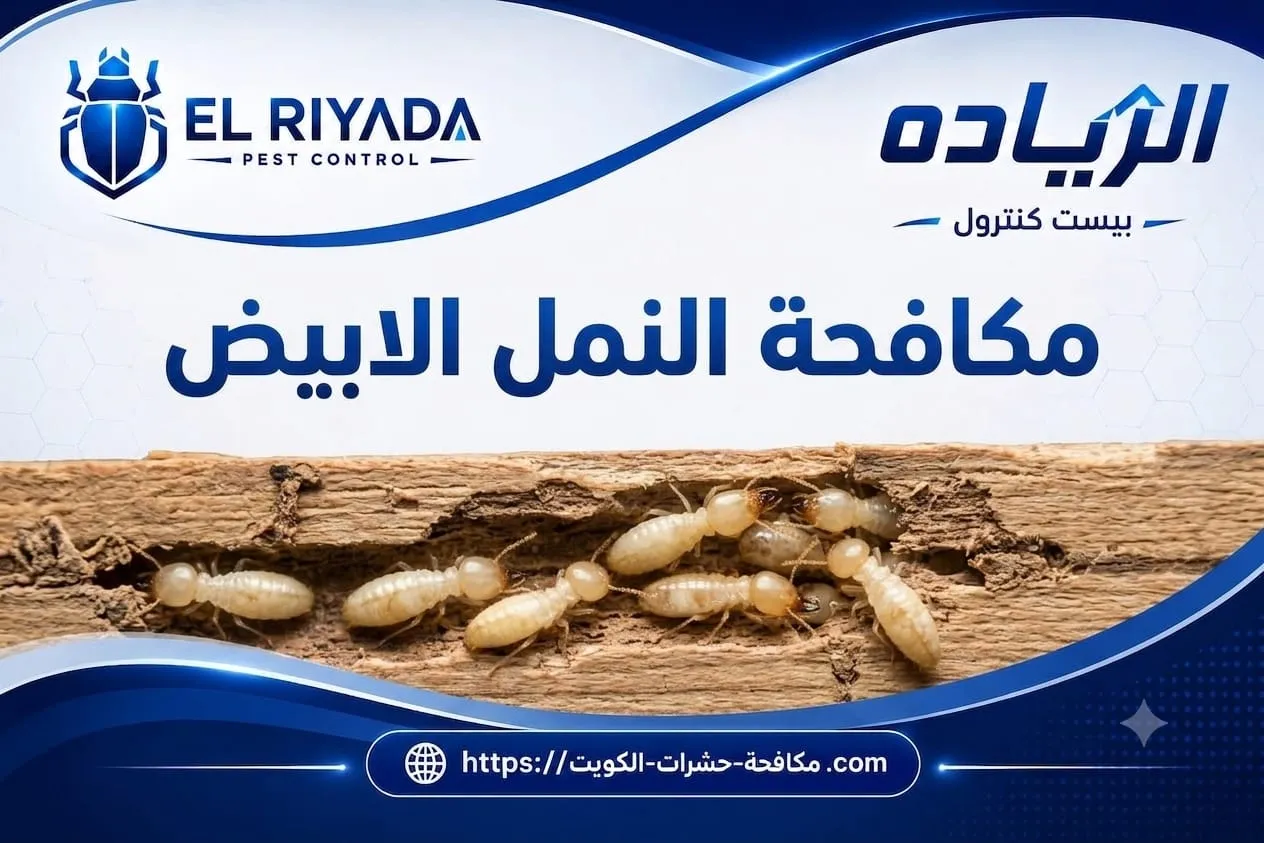
Termite Control in Kuwait is one of the most important pest management services requiring early professional intervention because termites work silently inside wooden structures, walls, foundations, and hidden construction elements. They can continue causing extensive structural damage for months or even years before property owners become aware of the infestation. Their danger goes far beyond damaging furniture, as they can attack doors, window frames, ceilings, flooring, wooden structural supports, and other essential building components, leading to costly repairs if treatment is delayed. Based on extensive field experience across Kuwait, successful termite control always begins with a detailed inspection, accurate early detection, followed by a carefully designed treatment and prevention program that eliminates the colony while protecting the building from future infestations.
Termite Control in Kuwait
Termite Control in Kuwait always begins with an accurate diagnosis of both the infestation type and its origin before selecting any treatment method because termite colonies may exist beneath the soil, underneath flooring, behind walls, or deep inside wooden structures without showing any visible signs during the early stages. Practical field experience has consistently shown that treating only the visible damage never eliminates the colony itself and often allows termites to continue spreading unnoticed throughout other areas of the building. Professional technicians therefore perform a comprehensive inspection, trace termite mud tunnels, identify feeding locations, determine colony size, and develop a customized treatment strategy that matches the property's construction type, infestation level, and environmental conditions while implementing preventive measures that greatly reduce the risk of future termite activity.
• Conduct a comprehensive inspection to locate the true source of infestation.
• Trace termite mud tunnels throughout the building and surrounding soil.
• Determine the size and activity level of the termite colony before treatment.
• Develop a customized control strategy for each property.
• Apply preventive measures that minimize future infestations.
Termite Control Company
Choosing a professional Termite Control Company requires focusing on practical expertise rather than simply comparing prices or selecting the fastest available service because effective termite management depends upon understanding termite biology, colony behavior, and hidden infestation patterns. Extensive field experience has demonstrated that professional companies rely on detailed inspections using advanced detection techniques capable of identifying termite activity even within concealed structural areas. After completing the inspection, technicians design a treatment program specifically tailored to the property's condition while providing recommendations that help protect wooden structures and building foundations against future infestations. Professional follow-up inspections are also conducted to confirm that termite activity has been completely eliminated.
• Perform a detailed inspection before beginning treatment.
• Utilize professional detection methods for hidden infestations.
• Eliminate the entire colony rather than treating visible damage only.
• Design customized treatment programs for every property.
• Monitor treatment effectiveness after completion.
Termite Treatment
Successful Termite Treatment requires a complete understanding of termite feeding behavior and colony expansion because eliminating a small number of visible termites does not indicate that the infestation has ended. Practical experience has shown that a single termite colony may contain thousands of individuals operating in different hidden sections of the property simultaneously. Professional treatment therefore begins by identifying the colony's central activity area, locating the tunnels termites use to reach food sources, and applying specialized treatment methods capable of reaching the colony itself instead of addressing only the damaged locations. Following treatment, technicians also evaluate the condition of wooden structures to determine whether additional restoration or replacement is necessary.
• Identify the colony's primary activity area before treatment begins.
• Treat the tunnels used by termites throughout the structure.
• Target the colony itself instead of visible damage alone.
• Evaluate wooden structural elements after treatment.
• Develop preventive strategies that stop future termite activity.
Termite Spraying
Termite Spraying is an effective treatment method only when it is performed according to a carefully planned strategy rather than through random chemical application. Successful spraying depends on reaching the actual locations where termites travel, including underground colonies, beneath flooring systems, around building foundations, and inside hidden structural cavities. Extensive field experience has shown that properly distributing professional treatment products creates a protective barrier that prevents termites from expanding into new sections of the property while significantly reducing colony activity. Spraying methods vary according to building design, construction age, and infestation severity, making professional inspection an essential step before selecting the most appropriate treatment approach.
• Apply treatment directly to active termite travel routes.
• Create protective barriers around vulnerable structural areas.
• Select spraying techniques appropriate for each property.
• Reach concealed areas where termite activity occurs.
• Perform treatment only after completing a detailed inspection.
Termite Elimination
Achieving complete Termite Elimination requires much more than removing visible signs of infestation because termite colonies often remain active in hidden locations long after surface damage appears to disappear. Professional extermination programs therefore focus on eliminating the source of the infestation rather than merely repairing its visible consequences. Practical field experience has demonstrated that many infestations return within months when damaged wooden materials are replaced without destroying the original colony. Professional treatment combines detailed inspection, colony elimination, and continuous post-treatment monitoring to ensure that termite activity has completely stopped while implementing preventive measures that reduce the possibility of future colony development.
• Eliminate the primary termite colony rather than visible damage alone.
• Verify that all termite activity has completely stopped.
• Address infestation causes in addition to structural damage.
• Reduce the likelihood of future termite colony formation.
• Monitor the property to ensure long-term treatment success.
Protecting Homes from Termites
Protecting Homes from Termites often begins long before an infestation develops because preventive measures are considerably more effective and less expensive than repairing serious structural damage afterward. Practical experience has shown that maintaining dry conditions around the property, repairing plumbing leaks promptly, regularly inspecting wooden components, and preventing direct wood-to-soil contact all significantly reduce the likelihood of attracting termite colonies. Routine professional inspections also help detect hidden termite activity during its earliest stages before widespread damage affects wooden structures, interior finishes, or critical structural elements.
• Reduce environmental conditions that attract termite colonies.
• Protect wooden structures from soil contact and moisture.
• Schedule routine inspections for early termite detection.
• Repair plumbing leaks that increase infestation risk.
• Implement preventive strategies that protect the property.
Termite Inspection
A professional Termite Inspection is the most important step before making any treatment decision because it accurately determines infestation severity, identifies colony locations, and evaluates how extensively termites have spread throughout the property. Inspection involves much more than examining visibly damaged areas. Professional technicians inspect walls, ceilings, floors, doors, window frames, structural wood, and surrounding exterior areas while searching for mud tubes, hollow timber, hidden galleries, and other indicators of concealed termite activity. The information gathered during inspection allows technicians to develop the most effective treatment strategy while avoiding unnecessary repairs or replacement of undamaged structural components.
• Determine infestation severity before treatment begins.
• Detect concealed termite activity throughout the property.
• Evaluate the condition of structural wooden components.
• Select treatment plans based on inspection findings.
• Reduce unnecessary repair costs through accurate diagnosis.
Termite Insecticide
Selecting the correct Termite Insecticide depends on the specific infestation type and location rather than simply choosing the strongest available chemical product because every infestation requires a different treatment strategy. Underground termite colonies require different solutions than infestations found inside wooden structures or around foundations, while older buildings may require treatment methods that differ from newly constructed properties. Practical field experience has shown that professional-grade approved termiticides achieve the best results when incorporated into a comprehensive treatment program involving detailed inspection, carefully planned injection or application points, precise distribution of the active product, and strict adherence to professional safety procedures that protect building occupants and the surrounding environment.
• Select the appropriate insecticide according to infestation type and location.
• Use professional approved products with long-lasting effectiveness.
• Apply treatment materials according to carefully designed technical plans.
• Follow strict safety procedures throughout every treatment stage.
• Combine chemical treatment with long-term preventive programs.
Termite Control Prices
Termite Control Prices vary according to property size, infestation severity, building type, treatment method, and whether the work includes foundation protection, wooden structures, or both. Accurate pricing cannot be provided without conducting a professional on-site inspection because some infestations remain limited and relatively simple to treat, while others require comprehensive multi-stage treatment programs. When comparing service providers, property owners should consider inspection quality, technician experience, treatment methodology, and long-term protection rather than focusing exclusively on the lowest available price.
• Determine treatment costs after a complete property inspection.
• Calculate pricing according to infestation severity and property size.
• Clearly explain every treatment stage before work begins.
• Provide customized solutions for homes and commercial properties.
• Prioritize treatment quality instead of choosing the lowest price.
Termite Control Before Renovation
Termite Control Before Renovation is one of the most valuable preventive investments before beginning flooring replacement, interior remodeling, woodworking installation, or structural renovations because renovation work can temporarily conceal an active infestation without eliminating the underlying termite colony. This allows termites to continue damaging newly installed materials after renovation has been completed. Professional treatment therefore begins with a comprehensive inspection followed by preventive and corrective termite control before installing new flooring, doors, decorative woodwork, or other finishing materials. Practical experience has consistently demonstrated that this proactive approach significantly reduces future repair expenses while preserving renovation quality for many years.
• Inspect the property before beginning renovation work.
• Eliminate existing infestations before installing new finishes.
• Protect newly installed wooden materials from future termite attacks.
• Reduce the possibility of reopening completed renovation work.
• Preserve the long-term value of renovation investments.
Why Choose Our Termite Control Services
Our Termite Control in Kuwait service follows a scientific and experience-based approach that begins with precise infestation detection before selecting customized treatment programs designed specifically for each property instead of applying one standard solution to every situation. Our experienced technicians have successfully treated termite infestations in residential homes, villas, warehouses, commercial facilities, and industrial buildings using professional techniques capable of locating hidden colonies and eliminating them effectively. Beyond treatment, we also provide comprehensive preventive solutions that continue protecting the property long after extermination has been completed because our goal is not only to remove today's infestation but also to prevent tomorrow's.
• Perform professional inspections before every treatment program.
• Eliminate infestation sources rather than visible damage alone.
• Apply customized treatment methods for every building type.
• Employ highly experienced termite control specialists.
• Deliver preventive protection programs for long-term security.
Conclusion
Termite Control in Kuwait represents a valuable long-term investment in protecting residential and commercial buildings from one of the most destructive hidden structural pests. The earlier termite activity is detected and professionally treated, the lower the repair costs and the greater the opportunity to preserve wooden structures, foundations, and essential construction elements. Routine inspections, accurate professional treatment, and continuous preventive protection remain the three essential pillars for maintaining termite-free properties for many years.
Frequently Asked Questions
How can I tell if my home has a termite infestation?
Common warning signs include mud tubes appearing along walls or foundations, hollow sounds when tapping wooden structures, unexplained internal wood damage, weakened doors, damaged window frames, or other concealed deterioration without an obvious cause.
Can termites be eliminated permanently?
Yes. Long-lasting termite control is achievable when the entire colony is professionally eliminated and supported by preventive measures that reduce the possibility of future colony development.
Does every termite infestation require spraying?
Not necessarily. The most effective treatment method depends on the infestation location, building structure, and inspection findings. Professional treatment may involve spraying, injection techniques, preventive soil treatment, or a combination of methods according to the property's specific condition.
When should a termite inspection be performed?
Professional inspections are highly recommended before purchasing a property, before beginning renovation projects, or immediately after noticing any signs of damage affecting wooden structures, foundations, flooring, or structural components.
Is termite control necessary before renovation work?
Yes. Treating termites before renovation prevents hidden colonies from damaging newly installed flooring, woodwork, or decorative finishes after construction is completed, helping property owners avoid expensive future repairs while protecting their renovation investment for the long term.