Fly Control
Professional Fly Control service in Kuwait using the latest approved pesticides.
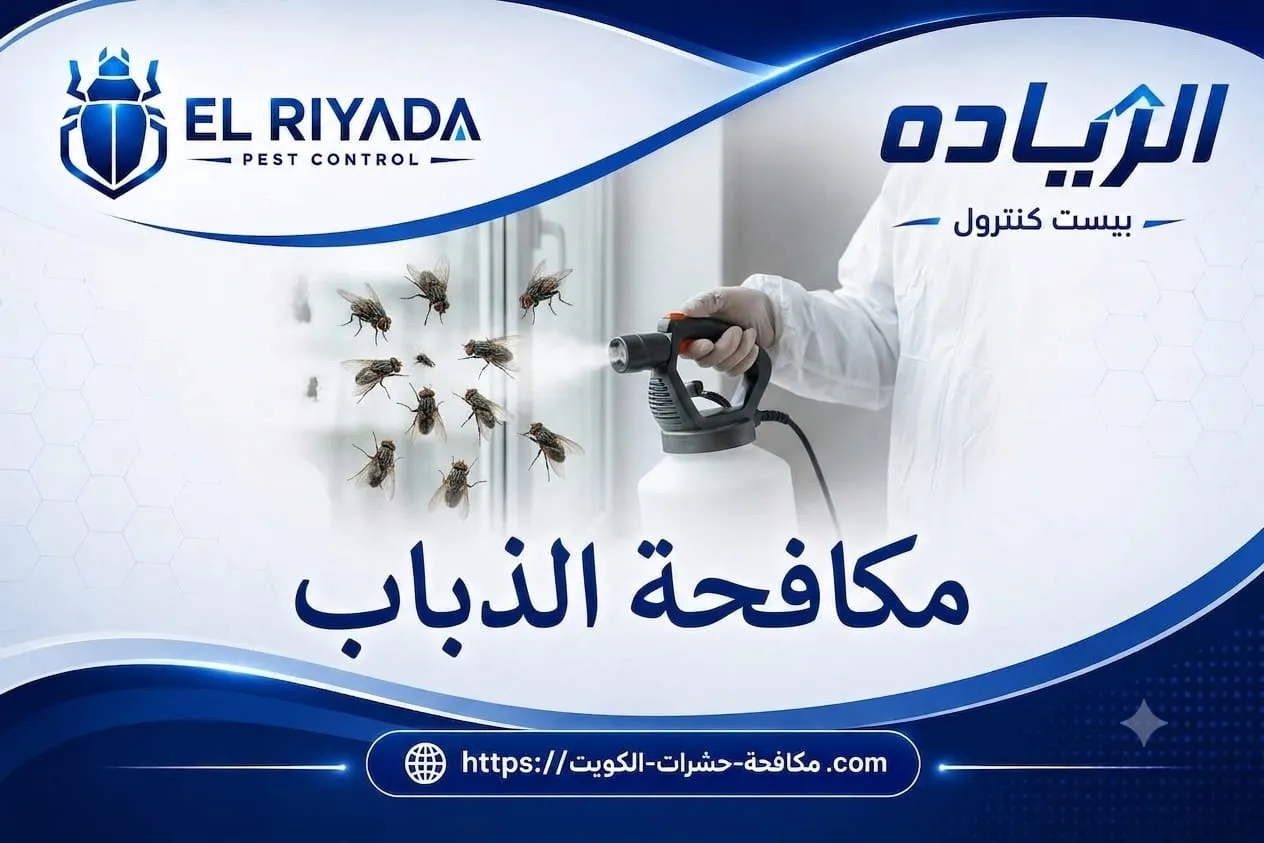
Fly Control in Kuwait is one of the essential pest control services for maintaining a clean and healthy environment in homes and commercial facilities because flies are not only a nuisance but also among the most common insects capable of carrying bacteria, contaminants, and harmful microorganisms from waste areas to food preparation surfaces and living spaces. Through extensive field experience providing fly control services in homes, restaurants, warehouses, and commercial properties across Kuwait, it has become clear that the real problem is not simply the number of flies visible inside the property but the existence of breeding sources that allow new generations to emerge continuously. Professional fly control therefore begins by identifying the root cause of the infestation, treating breeding sites, selecting the most effective methods to eliminate both adult flies and larvae, and implementing preventive measures that reduce future infestations while keeping the property clean, healthy, and protected.
Fly Control in Kuwait
Fly Control in Kuwait focuses on interrupting the complete life cycle of flies because eliminating only the flying insects does not prevent new populations from emerging within a few days if breeding areas remain untreated. Practical field experience has shown that flies rapidly multiply wherever moisture, food waste, garbage, organic matter, or decomposing materials are present. For this reason, professional treatment always begins with a thorough inspection of the entire property to identify the true source of the infestation rather than concentrating solely on visible fly activity. After completing the inspection, specialists develop a customized treatment program that targets breeding sites, eliminates adult flies using professional control methods, and provides customers with practical recommendations that reduce environmental conditions attracting flies in the future. This comprehensive strategy consistently produces more reliable and long-lasting results than temporary solutions that only address the visible insects.
• Conduct a complete inspection to identify the source of the fly infestation.
• Treat breeding areas before targeting adult flying insects.
• Use control methods appropriate for the property's conditions.
• Reduce environmental factors that encourage fly reproduction.
• Implement preventive strategies that minimize future infestations.
Fly Elimination
Successful Fly Elimination requires much more than using a household spray or a traditional fly trap because flies reproduce rapidly and can quickly return if the conditions responsible for their presence are not properly addressed. Practical field experience has demonstrated that the best results are achieved by combining environmental sanitation, breeding site treatment, and professional control techniques selected according to the property's specific conditions. Professional technicians inspect the surrounding areas of the building, garbage collection points, drainage systems, waste storage areas, and locations where organic materials accumulate before selecting the most appropriate treatment strategy. Customers also receive practical recommendations that help maintain a cleaner environment and significantly reduce conditions that encourage future fly infestations.
• Remove fly breeding sources before beginning treatment.
• Inspect both indoor and outdoor areas connected to the infestation.
• Apply solutions tailored to the property's activities and conditions.
• Reduce the likelihood of future fly infestations through preventive measures.
• Maintain healthier surroundings that discourage insect activity.
Residential Fly Spraying
Residential Fly Spraying is an effective solution when performed professionally according to a treatment plan based on identifying active fly locations both inside and outside the home. Practical field experience has shown that random spraying usually produces only temporary results, whereas professional applications rely on selecting the correct insecticide, identifying strategic treatment areas, and addressing the entry points flies use to enter residential properties. Experienced technicians carefully choose approved products suitable for residential environments while following strict safety procedures, particularly in homes occupied by children, elderly family members, or pets. Following treatment, homeowners receive practical recommendations that help preserve the effectiveness of the service and maintain fly-free living conditions for a longer period.
• Apply treatment directly to active fly locations.
• Use insecticides approved for residential applications.
• Treat the entry points flies use to enter the property.
• Follow professional safety standards throughout treatment.
• Provide practical recommendations that maintain treatment effectiveness.
Restaurant Fly Control
Restaurant Fly Control requires a significantly higher level of precision than residential treatment because the presence of even a single fly inside food preparation or serving areas can affect hygiene standards and create serious food safety concerns. Extensive field experience treating restaurants, commercial kitchens, and food preparation facilities has shown that successful fly management depends on much more than spraying insecticides. Professional technicians carefully evaluate fly entry routes, waste storage areas, ventilation systems, food delivery zones, drainage systems, and moisture sources that support fly breeding. Based on this assessment, a customized treatment plan is developed for each restaurant to provide maximum protection without disrupting daily operations. Safe professional control methods suitable for food environments are used together with routine inspections that verify the continued effectiveness of the control program.
• Carefully inspect every food preparation and service area.
• Monitor waste storage locations and moisture sources.
• Use professional treatment methods suitable for food establishments.
• Reduce opportunities for flies to enter through open access points.
• Perform routine monitoring that maintains hygienic conditions.
Permanent Fly Removal
Many customers ask whether Permanent Fly Removal is truly possible, and the answer depends on eliminating the underlying causes before focusing on the flying insects themselves. Practical field experience has consistently demonstrated that flies return rapidly whenever breeding areas or food sources remain untreated, even after powerful insecticides have been applied. Professional fly management therefore begins by removing conditions attracting flies, including exposed garbage, standing water, organic waste, and decomposing materials. Once these issues have been corrected, a complete treatment program targets both adult flies and larvae simultaneously. Preventive measures are then implemented to reduce the development of new breeding sites, providing far more stable and long-lasting results while reducing the need for repeated treatments.
• Remove breeding sources before applying professional treatments.
• Eliminate flies throughout every stage of their life cycle.
• Correct environmental conditions encouraging future infestations.
• Implement long-term preventive solutions.
• Monitor treatment effectiveness to ensure lasting protection.
Electronic Fly Control
Electronic Fly Control has become one of the preferred solutions for restaurants, retail stores, and commercial facilities requiring continuous fly management. These systems attract flies using specialized lighting technologies before trapping or eliminating them without requiring continuous insecticide applications throughout the building. Practical experience has shown that electronic fly control devices perform best when integrated into a comprehensive pest management program because they effectively reduce visible fly populations but cannot eliminate breeding areas by themselves. Professional technicians therefore carefully determine the most effective installation locations according to fly movement patterns while combining electronic systems with sanitation improvements and additional preventive treatments for maximum effectiveness.
• Install electronic units according to fly movement patterns.
• Continuously reduce indoor fly populations.
• Combine electronic devices with additional control methods whenever necessary.
• Support cleaner and healthier working environments.
• Perform routine maintenance to maintain maximum equipment efficiency.
Causes of Fly Infestations
The Causes of Fly Infestations vary from one property to another, but they all share one common factor: the presence of conditions that provide food, moisture, and breeding opportunities. Through practical experience across Kuwait, the most common causes include accumulated garbage, standing water, drainage leaks, exposed food waste, poorly maintained waste containers, and leaving doors or windows open without appropriate protective barriers. Fly activity also increases significantly during periods of high temperatures because warmer conditions accelerate the insect's reproductive cycle, allowing populations to grow rapidly within a short period. Understanding the true cause of an infestation allows technicians to implement targeted treatment programs that prevent the problem from returning after professional control has been completed.
• Remove waste regularly to reduce breeding opportunities.
• Repair water leaks that create attractive environments for flies.
• Keep food and organic materials properly covered.
• Install protective barriers on windows and entry points.
• Maintain high sanitation standards that support successful fly control.
Best Fly Insecticide
When searching for the Best Fly Insecticide, the most important consideration is selecting the right product for the specific environment and applying it correctly rather than choosing a product based solely on its name. Practical field experience has shown that professional insecticides deliver the best results only after technicians accurately identify the source of the infestation and determine the most suitable formulation for the fly species and infestation level. Products used in homes differ significantly from those appropriate for restaurants, warehouses, factories, and commercial facilities. Professional technicians therefore rely on approved insecticides applied at carefully calculated treatment rates while maintaining the highest safety standards. In many situations, insecticides are combined with additional control measures to produce longer-lasting protection.
• Select insecticides only after evaluating the infestation.
• Use approved products with proven professional performance.
• Apply treatments according to recommended application rates.
• Consider property type when selecting treatment products.
• Combine insecticides with preventive measures for better results.
Fly Control Service
A professional Fly Control Service follows a structured process beginning with detailed inspection and ending with preventive measures that reduce future infestations. Experienced technicians inspect the entire property, identify breeding locations, analyze the causes of fly activity, and select the most effective treatment methods according to the property's purpose, whether it is a residence, restaurant, warehouse, or commercial facility. Modern professional equipment and approved treatment products are used to maximize effectiveness while minimizing disruption to daily business operations. Following treatment, customers receive practical recommendations that help maintain a fly-free environment for the longest possible period.
• Perform comprehensive inspections before treatment begins.
• Develop treatment plans appropriate for each property.
• Use advanced professional equipment and technologies.
• Deliver services through experienced pest control specialists.
• Provide preventive guidance after treatment is completed.
Fly Control Prices
Fly Control Prices vary according to property size, infestation severity, business type, the number of treatment visits required, and the professional methods used throughout the control program. Because every infestation is unique, there is no universal price suitable for every property. Following inspection, technicians recommend an appropriate treatment program while clearly explaining every aspect of the service before work begins. When comparing service providers, customers should evaluate treatment quality, technician experience, approved products, and long-term effectiveness rather than considering price alone because investing in professional fly control significantly reduces future infestation risks and eliminates the cost of repeated ineffective treatments.
• Determine treatment costs after evaluating infestation severity.
• Consider property size when preparing service quotations.
• Clearly explain all services before treatment begins.
• Offer treatment programs suitable for different budgets.
• Focus on long-term value and treatment effectiveness.
Why Choose Our Fly Control Services
Our Fly Control in Kuwait program follows a comprehensive approach that extends far beyond eliminating visible flies. We begin by identifying the true causes of infestation, treating breeding areas, and selecting professional control methods suited to each property's unique conditions. Our experienced technicians use approved professional products together with modern equipment that delivers highly effective results while maintaining strict safety standards in homes, restaurants, warehouses, and commercial facilities. We also provide practical preventive guidance that significantly reduces the likelihood of future fly infestations, delivering more reliable and sustainable long-term protection for every customer.
• Identify the causes of fly infestations before treatment begins.
• Develop customized control programs for each property.
• Use approved professional equipment and treatment products.
• Perform services through experienced field technicians.
• Provide preventive strategies that preserve long-term treatment success.
Conclusion
Fly Control in Kuwait is one of the most important steps toward maintaining healthy, hygienic environments in homes and commercial facilities because flies are capable of spreading contamination rapidly whenever infestations are not professionally managed. Practical field experience has demonstrated that lasting success depends not only on eliminating adult flies but also on identifying breeding sources, treating every stage of the fly life cycle, and implementing preventive measures that discourage future infestations. When a complete professional fly control program is properly carried out, properties remain cleaner, healthier, and protected against recurring fly activity for extended periods.
Frequently Asked Questions
Why do flies become more common during the summer?
Higher temperatures accelerate the fly life cycle and create ideal breeding conditions, especially when moisture, food waste, garbage, or organic materials are readily available.
Is spraying alone enough to eliminate flies?
No. Spraying mainly targets adult flies, while successful long-term control also requires eliminating breeding areas and treating larvae to prevent new generations from developing.
Are electronic fly control devices effective?
Yes. Electronic fly control devices are highly effective when used as part of a comprehensive pest management program that also addresses breeding sources and preventive sanitation measures.
How long does professional fly control take?
Treatment time depends on the size of the property and the severity of the infestation, but careful inspection and selecting the appropriate control strategy are the most important factors in achieving fast and long-lasting results.
How can I reduce the return of flies after treatment?
Maintain good sanitation practices, remove garbage regularly, repair water leaks, prevent the accumulation of organic waste, and follow the preventive recommendations provided after professional treatment.