
When signs of rats appear inside a warehouse, storage facility, commercial property, or home in Kuwait, the first question is usually how much professional treatment will cost. However, providing an accurate price after a brief phone conversation without understanding the infestation can produce an unrealistic estimate. Rat Control Cost in Kuwait varies according to property size, infestation severity, the number of active areas, accessibility of nesting locations, and the type of control program required. A single rat appearing in a limited area is completely different from recurring activity throughout a large warehouse containing food, storage zones, and multiple entry points. This guide explains how professional rat control pricing is calculated, which factors influence the final cost, what a quotation should include, and how to distinguish between a temporarily inexpensive service and a comprehensive program designed to eliminate the underlying causes of the infestation.
Rat Control Cost in Kuwait
The Rat Control Cost in Kuwait cannot be calculated accurately according to property size alone because rat infestations require technicians to evaluate activity levels, movement routes, nesting locations, food sources, and structural entry points before determining the amount of work required. A large property may have rodent activity concentrated around a single loading area, while a considerably smaller building may have a complicated infestation extending through suspended ceilings, utility rooms, wall voids, or concealed storage spaces. In the second situation, treatment may require considerably more time and monitoring despite the property's smaller overall size.
Professional services therefore begin with a detailed inspection looking for droppings, gnaw marks, grease trails, nesting evidence, structural openings, and other indicators revealing where rats are entering, feeding, and travelling throughout the property.
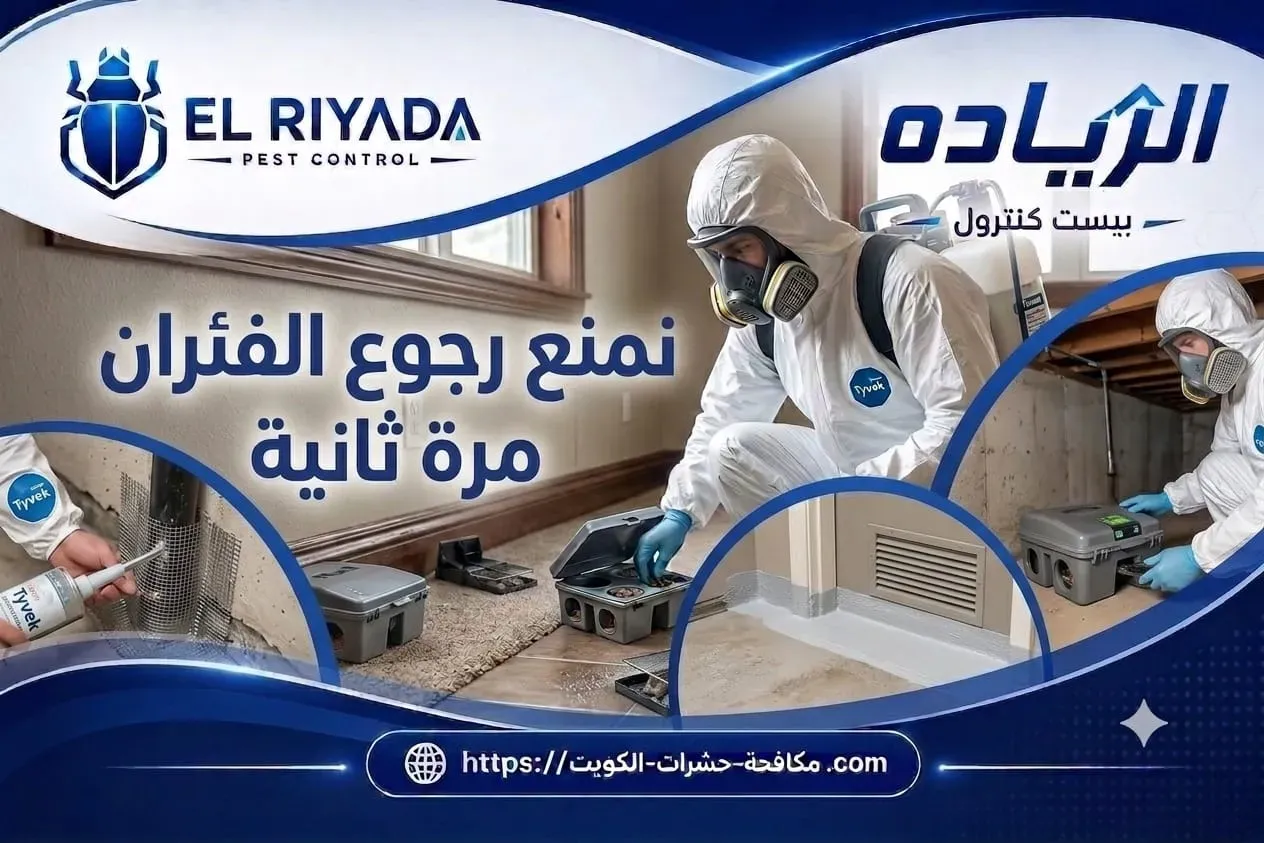
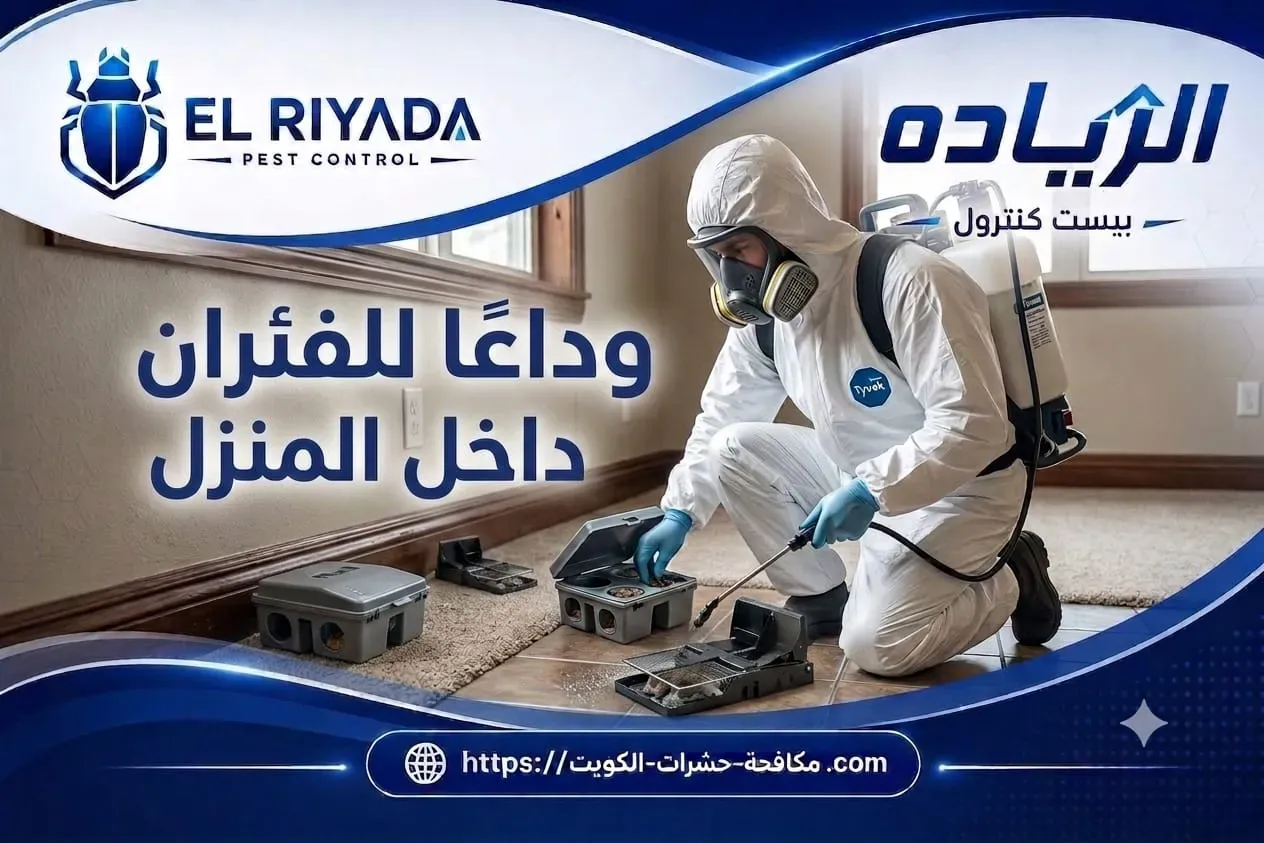
Following inspection, technicians develop an appropriate control program that may include mechanical traps, tamper-resistant bait stations, monitoring points, targeted treatment of active pathways, and recommendations for sealing openings and reducing food and water availability. The number of control points, their distribution throughout the property, and the number of follow-up visits required all influence the overall treatment cost.
Practical field experience consistently demonstrates that the most accurate quotation is based upon actual infestation conditions rather than a generalized service described simply as "rat spraying." Rats are not effectively managed by spraying products throughout a property. Successful treatment requires an organized management and monitoring program designed to reduce existing activity and prevent future entry.
• Treatment costs increase when activity extends throughout several separate areas requiring independent monitoring and control points instead of one clearly identified source.
• A smaller property may cost more to treat when rats are nesting inside inaccessible structural spaces that require additional inspection and monitoring.
• The number of bait stations and traps should be determined according to documented rodent activity rather than distributed randomly throughout the property.
• A service including scheduled follow-up inspections provides substantially different value from a single visit that ends immediately after traps or bait stations are installed.
• Professional pricing should reflect both control of the existing infestation and measures designed to reduce recurrence rather than simply the cost of products used during the visit.
Rat Treatment Prices in Kuwait
Customers frequently search for Rat Treatment Prices in Kuwait using terms that suggest rats can simply be controlled by spraying pesticides. However, this description can be misleading because professional rat management does not primarily depend upon insecticide spraying as many insect control services do. Rats are rodents whose behavior, movement patterns, feeding habits, and nesting locations must be considered when selecting treatment methods.
A professional program may therefore rely on secure bait stations, appropriate mechanical traps, monitoring devices, structural exclusion measures, or an integrated combination of several techniques. Comparing two companies based only on a general "spraying price" may consequently mean comparing two completely different services without realizing the difference.
Before accepting a quotation, customers should determine exactly what they will receive for the quoted amount. Does the service include a property inspection? How many control points will be installed? Are professional tamper-resistant bait stations included? Is a follow-up inspection provided? Will the technician identify structural entry points and provide recommendations for correcting them? These details explain why prices may differ substantially even when two properties have similar floor areas.
For example, a warehouse where rats appear only near one loading door may require a concentrated treatment program around that specific entry point. Another warehouse of identical size showing droppings in storage areas, utility rooms, and several entrances requires broader coverage and longer monitoring. Pricing therefore reflects infestation complexity rather than property size alone.
• Do not treat the word "spraying" as a complete description of rat control because professional rodent management requires specialized strategies that differ from conventional insect spraying.
• Ask how many control points will be installed and which methods will be used before comparing final prices between pest control companies.
• Follow-up visits may increase the initial program cost but allow technicians to measure declining activity and reposition traps or bait stations when necessary.
• Properties containing food products or sensitive inventory require more careful planning to ensure control methods are compatible with normal operations.
• The cheapest quotation can ultimately become the most expensive option if it temporarily removes existing rats while leaving entry points and underlying causes unresolved.
Cost of Getting Rid of Rats
The Cost of Getting Rid of Rats can only be estimated accurately after defining the actual objective of the service. Is the customer dealing with a single rat observed once, or does repeated activity indicate that several rodents or an established population may be present? The difference is significant because the first situation may require only a limited number of monitoring and control points, while the second requires a structured program that begins by measuring activity, reducing the rodent population, monitoring treatment performance, and correcting the conditions allowing the infestation to continue.
Property type also influences cost. Residential treatment generally involves smaller areas, but the presence of children or pets requires additional precautions when selecting and positioning control devices. Restaurants and food-related businesses require treatment strategies that prioritize food protection and operational safety. Warehouses and storage facilities frequently require larger monitoring networks because of their extensive areas, multiple entrances, and numerous hiding locations.
One common mistake that increases eventual treatment costs is delaying professional intervention until evidence of rodent activity appears throughout several areas. Addressing a limited infestation early is generally easier than controlling a long-established population that has developed regular movement routes, multiple shelters, and reliable food sources.
Treatment cost should therefore not be viewed merely as the price of a technician's visit. It represents the cost of a management program designed to achieve measurable results. When activity decreases after treatment and entry points and attractants are subsequently addressed, professional service provides considerably greater long-term value than repeatedly paying for temporary interventions whenever another rat appears.
• Seeing one rat does not automatically mean treatment requirements will equal those of a property showing repeated evidence of activity throughout multiple areas.
• Property type changes treatment requirements because homes, restaurants, storage facilities, warehouses, and large commercial properties operate under different conditions.
• Difficult access to nesting areas and rodent pathways may increase inspection time and the number of follow-up visits required to evaluate treatment performance.
• Early professional intervention frequently limits the scope of treatment before the infestation expands and requires substantially more control points.
• Never compare rat elimination prices without comparing the service scope, follow-up visits, monitoring procedures, and preventive measures included in each quotation.
Rat Extermination Cost for Warehouses
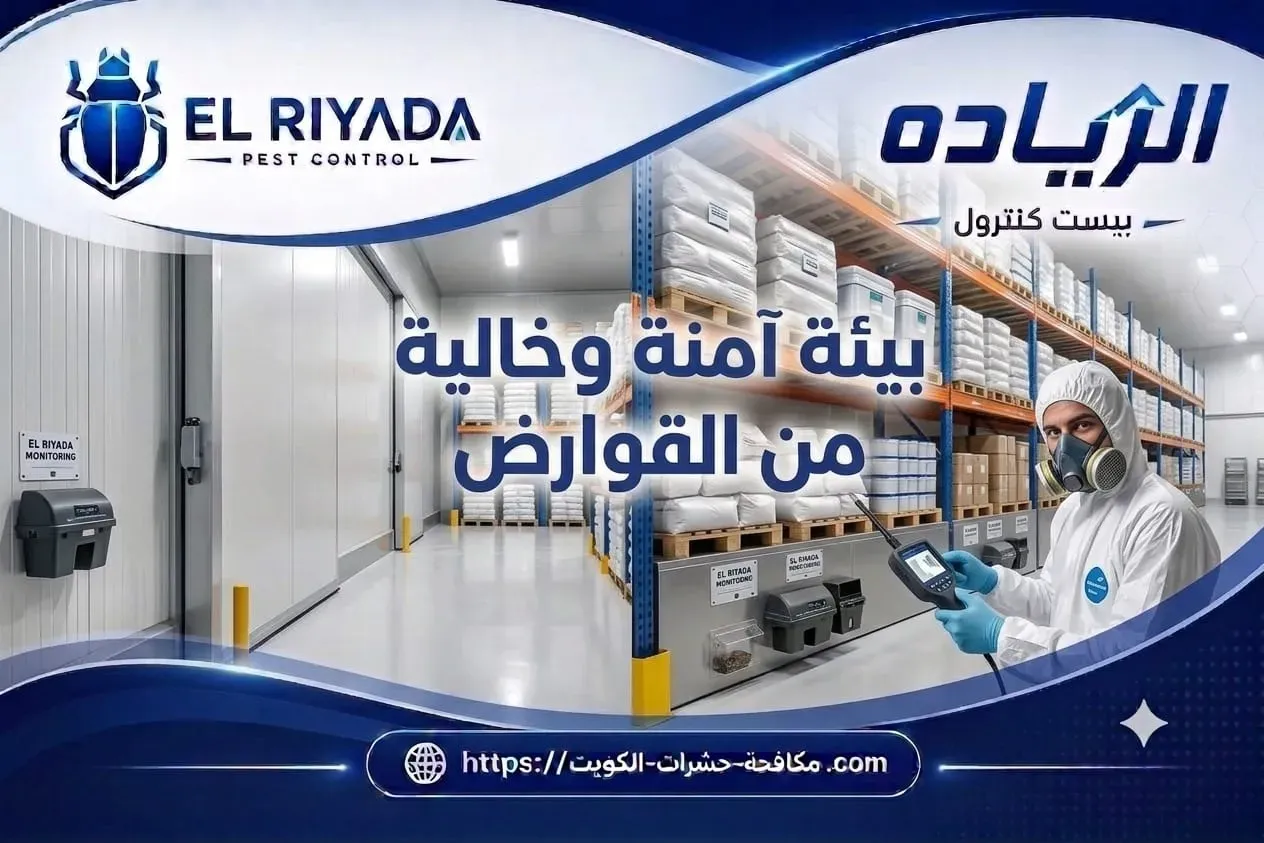
The Rat Extermination Cost for Warehouses differs significantly from residential treatment because warehouses are evaluated according to the number and complexity of risk zones rather than total floor area alone. Loading and unloading doors, cardboard storage areas, shelving systems, utility rooms, internal traffic routes, waste collection areas, pipe penetrations, and surrounding outdoor spaces may all provide rodents with reliable entry routes, shelter, or food sources. As the number of these risk points increases, the facility requires a broader network of monitoring and control devices, causing treatment costs to differ even between warehouses of similar size.
Professional warehouse treatment should never consist of simply distributing bait and leaving the property. Technicians begin by mapping rodent activity and identifying areas containing droppings, gnaw marks, damaged packaging, grease trails, or other evidence. Traps and bait stations are then positioned according to documented movement patterns. Warehouses storing food products or sensitive inventory require even more careful planning because protecting products and maintaining operational safety are essential components of the control program.
The potential financial impact of rodent damage should also be considered when evaluating treatment costs. Rats may damage packaging, electrical wiring, stored products, insulation, and equipment, creating losses that significantly exceed the cost of a professional prevention program. Continuous monitoring therefore becomes particularly valuable in facilities containing high-value inventory.
• Warehouse size influences treatment costs but the number of identified risk zones often has a greater effect on the required management program.
• Warehouses with multiple loading doors and extensive storage areas generally require more monitoring points than enclosed facilities with limited access.
• Food products and sensitive inventory require control methods specifically selected according to the operational characteristics of the facility.
• Scheduled inspections allow technicians to evaluate bait consumption, inspect traps, and identify whether rodent activity has shifted to different areas.
• Preventive monitoring programs may cost substantially less than losses caused by damaged inventory, packaging, electrical wiring, and equipment.
Rat Control Cost for Storage Facilities
When calculating the Rat Control Cost for Storage Facilities, it is important to distinguish between a small storage room connected to a shop or restaurant and a central storage facility containing large quantities of products with continuous movement of incoming and outgoing goods. Inventory volume, storage arrangements, shipment frequency, and accessibility around shelving all influence the likelihood of rat activity and the technician's ability to inspect walls, corners, service areas, and potential nesting locations.
A storage facility packed with merchandise directly against walls, for example, creates numerous concealed areas while making professional inspection considerably more difficult. By comparison, an organized facility maintaining clear inspection spaces between shelving and walls allows technicians to detect droppings, gnaw marks, grease trails, and other activity indicators much more efficiently. Treatment costs can therefore differ even when two storage facilities have almost identical floor areas.
Professional quotations should also clarify whether the treatment program covers the external perimeter or only interior areas. Treating rodents inside a building while ignoring an active external entry route may allow new rats to replace those already eliminated. Customers should additionally determine whether the quotation covers a single treatment or a structured program including follow-up inspections because persistent infestations in storage facilities generally require monitoring rather than one isolated intervention.
• Storage arrangements influence inspection accessibility and therefore indirectly affect the amount of professional work required.
• Facilities receiving frequent deliveries should carefully monitor receiving areas because rodents may enter with goods or from surrounding environments.
• External perimeter treatment may be necessary when inspections confirm that rodent activity originates outside rather than exclusively from an internal population.
• Customers should confirm the number of follow-up visits before accepting a quotation because controlling persistent activity differs from treating an isolated incident.
• Organized and clean storage facilities are easier to monitor and allow new rodent activity to be identified before it develops into a widespread infestation.
Rat Control Company Prices
There can be considerable variation between Rat Control Company Prices because different companies do not necessarily provide identical services even when they use the same general description. One quotation may include only a single visit with a limited number of traps, while another may include a comprehensive inspection, tamper-resistant bait stations, strategically positioned traps, follow-up visits, and a detailed assessment of structural entry points. Comparing only the final price therefore provides an incomplete picture of the actual value being offered.
A professional company should be capable of explaining why each control method has been selected rather than simply telling customers that a powerful pesticide will be used. Rat management depends upon understanding behavior, movement routes, food availability, nesting areas, and structural access. Technician expertise and the time invested in inspection are therefore important components of service quality. Prices may also differ considerably between a one-time residential treatment and a commercial monitoring contract designed to protect a facility over an extended period.
When comparing providers, customers should request clear quotations describing treatment areas, the number or type of visits, monitoring procedures, and responsibilities assigned to the property owner, such as repairing structural openings or improving waste management. Clear documentation makes comparisons more accurate and reduces unexpected costs later.
• Compare the written scope of service rather than the quoted amount alone because similarly named treatments may include substantially different procedures.
• Ask how the infestation will be diagnosed before treatment because companies that do not properly inspect the property may rely on generalized plans that fail to address actual conditions.
• Professional traps and secured bait stations provide a very different control strategy from randomly placing products in locations unsupported by evidence of rodent activity.
• Commercial contracts generally differ from one-time treatments because they include monitoring, documentation, and responses to new activity throughout the agreement period.
• A slightly higher initial price may provide greater overall value when professional follow-up prevents repeated infestations and eliminates the need to purchase another temporary treatment.
Cost of Permanent Rat Elimination
The phrase Cost of Permanent Rat Elimination requires careful interpretation because no responsible professional company should promise that rats can never enter a property again regardless of future environmental or structural changes. What professional rodent management can realistically achieve is elimination of the current infestation, reduction of food and shelter opportunities, correction of accessible entry points, and establishment of monitoring procedures capable of detecting new rodent activity at an early stage. This represents the practical meaning of long-term rodent control.
A comprehensive program may therefore involve several stages. The first stage reduces the existing rodent population. Subsequent visits evaluate remaining activity and determine whether traps or bait stations require repositioning. Structural entry points and environmental attractants are then reviewed, followed by preventive monitoring in properties requiring continuous protection. Customers may also need to complete minor building repairs outside the pest control company's normal scope, such as repairing poorly closing doors or sealing openings around utility penetrations.
For commercial properties, monitoring becomes especially important because warehouses and storage facilities continuously receive goods, vehicles, employees, and deliveries. Risk conditions therefore change over time. A structured preventive program may consequently provide better financial value than waiting for another infestation to develop before restarting treatment from the beginning.
• Long-term elimination begins by controlling the existing population but must also address the conditions allowing new rodents to enter the property.
• Several visits may be required because measuring declining rodent activity depends upon actual monitoring data rather than assumptions made after the first treatment.
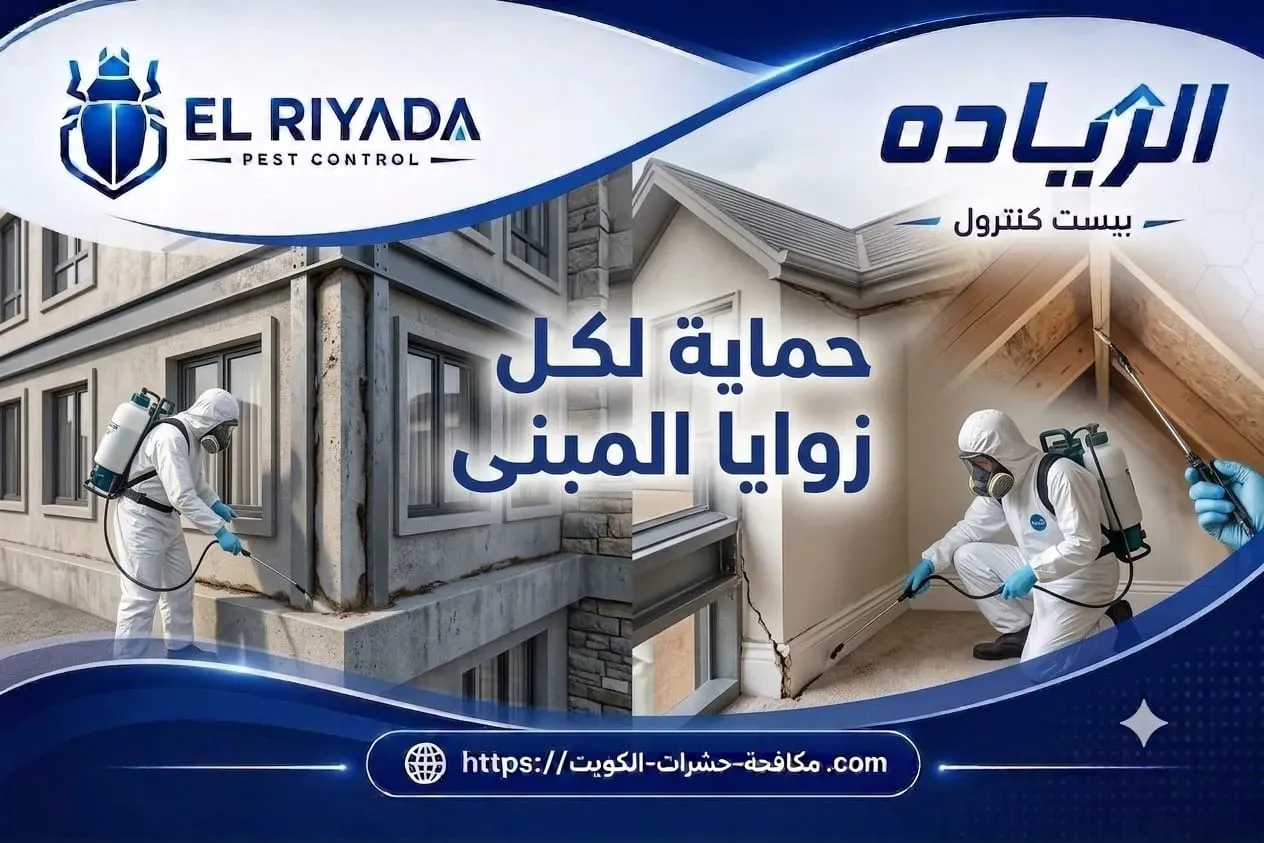
• Sealing structural openings helps protect treatment results and reduces long-term dependence upon traps and bait stations alone.
• Commercial facilities require different levels of continuous monitoring because deliveries, waste, loading doors, and daily operations constantly influence rodent risk.
• Professional services should provide measurable infestation control and prevention strategies rather than unrealistic promises that rats can never appear again.
Rat Control Offers in Kuwait
When searching for Rat Control Offers in Kuwait, customers may encounter substantial differences between advertised prices. However, the word "offer" does not automatically mean the customer is receiving better value. A worthwhile promotion reduces cost without removing essential components of the control program. If a discounted price eliminates the inspection, reduces monitoring points below what the property requires, or excludes necessary follow-up visits, the initial saving may quickly disappear when rodents return and another treatment becomes necessary.
The value of packaged offers becomes particularly clear for warehouses, storage facilities, and commercial properties requiring multiple visits. A company may provide better overall pricing for a complete program covering inspection, initial treatment, monitoring, and scheduled reviews instead of charging separately for every visit. Pricing may also vary according to property size, infestation severity, the number of facilities managed by the customer, and the services included in the agreement.
Before accepting any offer, customers should request a precise explanation of what the quoted amount includes. Does it cover traps or tamper-resistant bait stations? Are follow-up inspections included? Will exterior access points be examined? Will the technician provide recommendations for correcting structural weaknesses? Once these details are clear, it becomes much easier to determine whether the offer represents genuine value or merely an attractive headline price.
• A worthwhile offer preserves essential control procedures instead of lowering prices by reducing service below the level required for the infestation.
• Large commercial properties may benefit from multi-visit programs when the complete package costs less than purchasing each inspection separately.
• The number of control points and included visits should be established in advance to prevent unexpected additional expenses after treatment begins.
• Discounts should never become the only selection criterion because inadequately controlled rat infestations may damage inventory and equipment far beyond the amount initially saved.
• Compare the outcome each treatment package is designed to achieve rather than focusing only on the amount paid on the first service day.
Rat Control Technician Visit Cost
The Rat Control Technician Visit Cost depends significantly on the actual purpose and scope of the appointment. There is an important difference between an inspection visit intended only to evaluate the infestation and a service visit that combines inspection with the installation of traps, tamper-resistant bait stations, or other initial control measures. Likewise, an initial appointment differs from a follow-up visit, which focuses primarily on interpreting activity indicators, inspecting control devices, measuring treatment progress, and adjusting the management program according to recorded results.
A professional technician does not measure the value of a visit according to how much bait has been placed throughout the property. Instead, the real value comes from the information collected during the inspection. Where are the rats travelling? How are they entering the building? Which food and water sources are available? Are the droppings recent or old? Are there fresh gnaw marks? Is the activity originating inside the property or entering from the surrounding environment? Accurate answers to these questions determine the quality of the diagnosis and the effectiveness of the treatment strategy that follows.
Large commercial properties naturally require more inspection time because technicians may need to examine exterior perimeters, interior areas, utility rooms, loading zones, storage sections, waste areas, and concealed spaces. It would therefore be unrealistic to expect an extensive warehouse inspection to cost exactly the same as a brief residential visit. Some pest control companies may also deduct the inspection charge when customers proceed with the recommended treatment program, so pricing policies should always be confirmed before booking.
• Ask whether the quoted visit price covers inspection only or includes initial treatment so that two completely different services are not mistakenly compared.
• Property size and inspection time influence the scope of the visit because large warehouses cannot be evaluated using the same process required for a small residential property.
• Follow-up appointments serve a different purpose from initial inspections because technicians use recorded results to identify areas where rodent activity remains active.
• A detailed professional inspection helps prevent ineffective product selection and reduces the likelihood of placing traps or bait stations in locations with little rodent activity.
• Confirming visit costs and included services before the technician arrives prevents misunderstandings and allows customers to understand exactly what they are purchasing.
Factors That Determine Rat Control Cost
Several Factors That Determine Rat Control Cost influence the final quotation, which is why providing an exact price without understanding property conditions can amount to little more than guesswork. Property size represents only the starting point. Infestation severity, the number of active zones, property type, accessibility of nesting areas, structural entry points, operational conditions, and the nature of products or goods stored inside the building all influence treatment complexity.
The number and type of control devices required also affect overall pricing. A property requiring numerous secured bait stations, mechanical traps, and monitoring points will naturally involve different treatment requirements from a site where rodent activity is limited to one clearly identified location. The number of follow-up visits must also be considered, particularly when dealing with established infestations or commercial properties requiring regular monitoring to maintain control.
Property condition represents another important factor that customers sometimes overlook. Excessive clutter, poor storage practices, accumulated waste, damaged doors, and multiple structural openings can make rat management substantially more complicated. Conversely, an organized property where recommendations can be implemented quickly is generally easier to protect.
The most reliable way to obtain realistic pricing is therefore to provide accurate information when requesting service and allow a professional inspection whenever the infestation appears complex. A quotation based upon genuine diagnosis provides substantially greater value than an artificially low estimate that changes immediately after the technician arrives.
• Property size affects pricing but cannot independently reveal the amount of professional work required to control the infestation effectively.
• Infestation severity and the number of active zones determine how many control points and follow-up visits the property requires.
• Property type changes treatment requirements because warehouses, restaurants, storage facilities, and homes operate under significantly different conditions.
• Easy access to rodent pathways and nesting areas may reduce treatment time while complicated structural spaces require additional inspection and monitoring.
• The number of visits and preventive procedures included in the program should always be clearly identified when comparing quotations from different companies.
Why Al Reyada Pest Control Is a Leading Choice in Kuwait
Al Reyada Pest Control approaches rat management in Kuwait by diagnosing the infestation before determining either the treatment strategy or the final cost. Rather than treating every rodent problem with an identical method, technicians begin by identifying active areas, movement routes, food and water sources, possible nesting locations, and structural entry points. A treatment program is then developed according to the property's actual conditions, whether the site is a home, storage facility, warehouse, restaurant, or commercial property.
This diagnostic approach becomes particularly valuable when dealing with complicated infestations. Installing traps or bait stations without understanding rodent movement can waste time and leave the actual source of the problem untreated. Control devices are therefore positioned according to physical evidence discovered during inspection, while follow-up findings help determine whether activity has declined, remained concentrated in one area, or shifted to another section requiring additional intervention.
Al Reyada Pest Control also places considerable emphasis on prevention alongside active treatment. Customers receive recommendations regarding structural weaknesses that may allow rats to enter, storage practices that provide shelter, waste management problems, and food or water sources that may support continued activity. These measures are essential because even an effective control program cannot maintain its results indefinitely if the property remains accessible and attractive to new rodents.
The value of professional service is therefore not determined by the quantity of products applied. It comes from having an organized management strategy with results that can be monitored and evaluated. This makes Al Reyada Pest Control a strong option for customers seeking systematic rodent management rather than temporary solutions focused exclusively on visible activity.
• Every program begins by evaluating infestation severity instead of applying one standardized treatment method to properties with completely different conditions.
• Traps and bait stations are positioned according to documented rodent movement so that every control point serves a specific purpose within the overall program.
• Treatment strategies are adapted to homes, storage facilities, warehouses, restaurants, and commercial properties rather than applying an identical approach to every customer.
• Customers receive recommendations for reducing attractants and correcting entry points so that treatment results can be maintained for longer periods.
• Emphasis on diagnosis, monitoring, and prevention directs the service toward addressing the underlying causes of infestation rather than temporarily reducing rodent numbers.
Conclusion
There is no single answer to the question of Rat Control Cost in Kuwait because professional pricing depends upon property size, infestation severity, building type, the number of control points required, accessibility, and the number of follow-up visits necessary to achieve reliable results. Comparing companies according to the lowest quoted amount alone may therefore lead to selecting a service that does not address the infestation completely.
A better approach is to compare the actual scope of work and determine whether pricing includes inspection, traps or secured bait stations, monitoring, follow-up visits, and preventive recommendations. This is especially important for warehouses and storage facilities, where prevention and continuous monitoring protect valuable inventory and property rather than representing unnecessary additional expenses. When diagnosis is accurate and the treatment program matches actual site conditions, professional rat control becomes an investment in preventing substantially greater losses in the future.
Frequently Asked Questions
How much does rat control cost in Kuwait?
There is no universal fixed price because costs vary according to property size, infestation severity, building type, the number of required control points, accessibility, and follow-up visits. Professional inspection provides a more accurate estimate for large or complicated infestations.
Why do rat control prices differ between companies?
Service scopes can differ substantially. One quotation may cover only a single treatment visit, while another may include a detailed inspection, traps or tamper-resistant bait stations, follow-up visits, monitoring, and identification of structural entry points. Customers should therefore compare what each quotation includes before comparing the final price.
Is warehouse rat control more expensive than home treatment?
Warehouses often require broader management programs because of their larger areas, multiple entrances, storage zones, loading areas, and need for additional monitoring points. However, the actual cost still depends upon infestation severity and the individual conditions of each facility.
Is one visit enough to eliminate rats?
A single visit may provide sufficient initial intervention for certain limited cases, but established infestations and commercial properties generally require follow-up inspections to measure activity, inspect traps or bait stations, and modify the treatment program whenever necessary.
Does the cheapest price mean the best rat control service?
Not necessarily. The most important consideration is what the price actually includes, such as professional inspection, treatment, monitoring, follow-up visits, control equipment, and preventive recommendations. A cheap service that fails to address the source of the infestation may result in recurring rodent activity and additional treatment costs later.