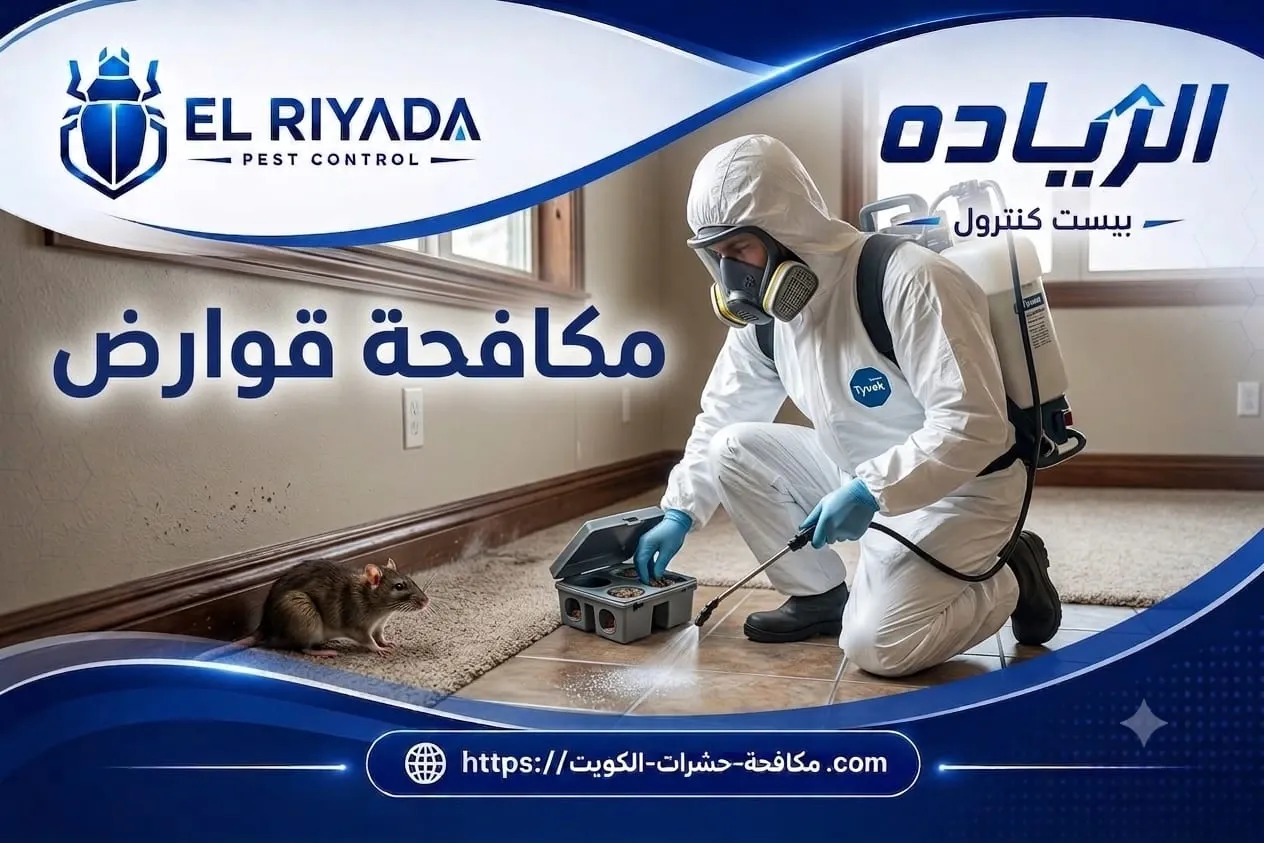
Many homeowners initially rely on household methods when they notice signs of rats or mice, believing that a few traps or store-bought bait will solve the problem. In some situations these methods may temporarily reduce rodent activity, but this does not necessarily mean the infestation has been eliminated. Rodents often continue breeding inside wall cavities, ceilings, storage areas, or underground spaces where household solutions cannot reach them. As a result, they frequently return in larger numbers after a short period. Based on extensive field experience throughout Kuwait, early intervention by a professional rodent control company reduces property damage, prevents the infestation from spreading, and provides a more reliable long-term solution than repeated temporary treatments.
When Do You Need Rodent Control?

Many people assume that seeing a single rat or mouse inside a property is not a serious concern. However, practical experience shows that spotting even one rodent during the day or night often indicates a much larger hidden population inside the building. Therefore, the question of When Do You Need Rodent Control? is not determined simply by the number of rodents you see, but by the warning signs indicating that an established colony already exists inside walls, ceilings, storage rooms, or service areas. Repeated scratching noises during the night, continuous discovery of droppings, damaged electrical wiring, or gnawed food packaging all indicate that the problem has progressed beyond the capabilities of ordinary household solutions.
When rodents continue appearing despite repeated use of traps or commercially available bait, this usually means that the breeding sites remain active and the infestation continues to expand in locations beyond your reach. Field experience consistently demonstrates that delaying professional intervention often leads to larger rodent populations and significantly higher treatment costs because rats and mice reproduce rapidly and easily move throughout buildings using extremely small openings. Professional intervention at the appropriate time therefore prevents the infestation from expanding while saving both time and money.
• Repeated rodent sightings inside the property indicate the need for professional inspection.
• Continued activity despite household traps usually suggests a much larger hidden infestation.
• Scratching sounds inside walls or ceilings should never be ignored.
• Droppings and fresh gnaw marks indicate ongoing rodent activity.
• Early professional intervention minimizes damage and prevents further spread.
Signs of Rodent Infestation
The Signs of Rodent Infestation extend far beyond simply seeing a rat or mouse because these animals are primarily active during nighttime and spend daylight hours hidden inside inaccessible locations. For this reason, homeowners often notice other indicators first, including small dark droppings near kitchens or storage rooms, gnaw marks on cardboard boxes, food packaging, wood, or plastic containers, and scratching sounds inside ceilings or wall cavities once the building becomes quiet.
Additional warning signs include unpleasant odors caused by accumulated droppings or nesting materials hidden inside structural spaces, together with greasy rub marks along walls created by repeated rodent movement. Practical field experience consistently shows that identifying these warning signs early allows infestations to be controlled much faster before rodent populations spread throughout the property. These indicators should therefore never be ignored, even if no rodents have been directly observed.
• Small droppings appearing in multiple locations.
• Scratching noises inside ceilings or walls.
• Gnaw marks on food packaging furniture or structural materials.
• Persistent unusual odors within certain areas.
• Repeated movement paths along walls or corners.
Causes of Rodent Infestation
Several important Causes of Rodent Infestation encourage rats and mice to enter homes and commercial buildings. The most common factors include easily accessible food sources, available water supplies, and protected hiding places. Rodents naturally seek environments offering safety together with reliable food, making poorly stored food products, exposed garbage, cluttered storage rooms, and neglected outdoor areas particularly attractive.
Structural cracks, damaged drainage openings, poorly sealed doors, and accumulated cardboard boxes, wood, or construction materials further increase the likelihood of infestation by creating ideal nesting locations and easy access routes. Practical experience consistently demonstrates that eliminating these environmental conditions is just as important as removing the rodents themselves because leaving favorable conditions unchanged often results in new infestations shortly after treatment has been completed.
• Easily available food and water strongly attract rodents.
• Structural openings allow rats and mice to enter buildings.
• Cluttered storage areas provide ideal nesting locations.
• Waste accumulation increases infestation risk.
• Correcting environmental causes prevents future infestations.
Household Rodent Solutions
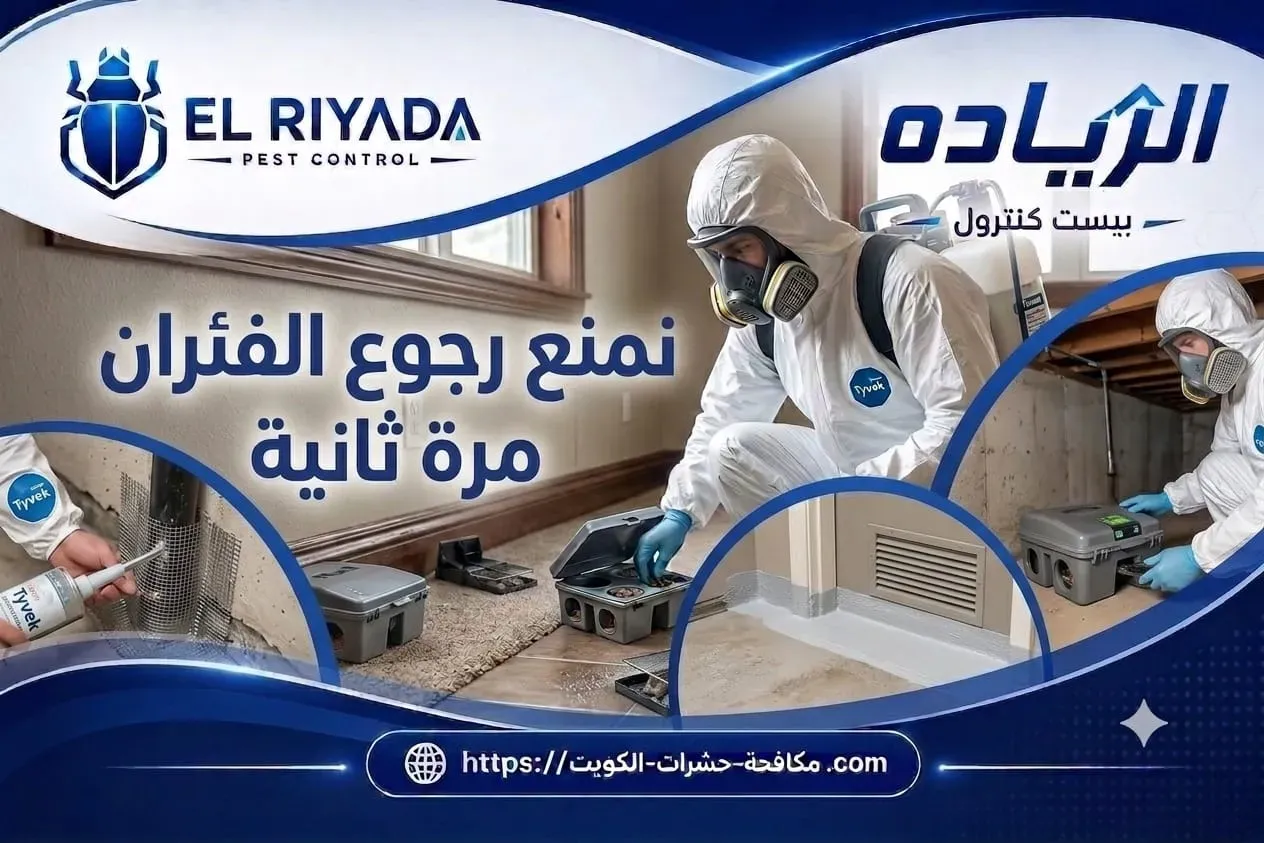
Many homeowners begin with Household Rodent Solutions immediately after noticing early signs of rodent activity. These often include traditional traps, commercially available bait stations, adhesive boards, or various home remedies widely promoted online. Such methods may occasionally reduce rodent numbers when infestations remain extremely limited, but they rarely reach the nests or breeding colonies hidden inside walls, ceilings, crawl spaces, or beneath floors. Homeowners may therefore believe the problem has disappeared after catching one or two rodents while an active colony continues reproducing unnoticed elsewhere inside the property.
Improper use of household bait may also produce undesirable consequences. Rodents may avoid the bait completely, relocate to different sections of the building, or die inside inaccessible spaces where unpleasant odors later develop. Extensive practical experience consistently demonstrates that household methods should be considered temporary measures suitable only for very small infestations. Once rodent activity becomes repetitive or widespread, relying exclusively on household solutions generally wastes valuable time while allowing the infestation to grow much larger.
• Household methods may help only during the earliest stages of infestation.
• They rarely reach hidden nesting and breeding locations.
• Temporary improvement does not necessarily mean complete elimination.
• Incorrect bait placement often reduces effectiveness.
• Large infestations require professional intervention.
Residential Rodent Control
Residential Rodent Control requires a specialized approach that differs considerably from rodent management in warehouses, restaurants, or industrial facilities because protecting household occupants remains the highest priority. Professional technicians begin by inspecting kitchens, storage rooms, ceilings, utility areas, gardens, garages, and the entire property perimeter to identify nesting sites, movement routes, and structural entry points before selecting appropriate treatment methods.
Professional service extends beyond placing traps or bait stations. It includes identifying why rodents entered the property, recommending structural improvements that prevent future entry, sealing access points, improving storage practices, and eliminating environmental conditions encouraging rodent activity. Practical experience consistently demonstrates that combining active treatment with preventive measures produces much more stable long-term protection than treating current rodents alone.
• Complete inspection covers every section of the home.
• Safe treatment methods are selected for residential environments.
• Structural entry points are identified and corrected.
• Customers receive detailed prevention recommendations.
• Individual treatment programs are developed for each property.
Professional Rodent Control Technician
A skilled Professional Rodent Control Technician plays a decisive role in successful rodent elimination because practical experience is essential for identifying hidden nests, movement routes, feeding behavior, and the most effective trap or bait placement locations. Experienced technicians can evaluate infestation severity simply by interpreting subtle evidence such as droppings, gnaw marks, grease trails, and movement patterns without relying on random treatment methods.
Professional technicians also distinguish between different rodent species because rats and mice display different behaviors requiring different management strategies. In addition to performing treatment, they provide customers with practical guidance that reduces future infestation risks, making their role much broader than simply placing bait or traps.
• Experienced technicians accurately locate hidden rodent activity.
• Different rodent species receive appropriate treatment strategies.
• Professional methods replace random trial-and-error approaches.
• Practical prevention advice is provided after treatment.
• Expert planning significantly reduces future infestations.
Permanent Rodent Elimination
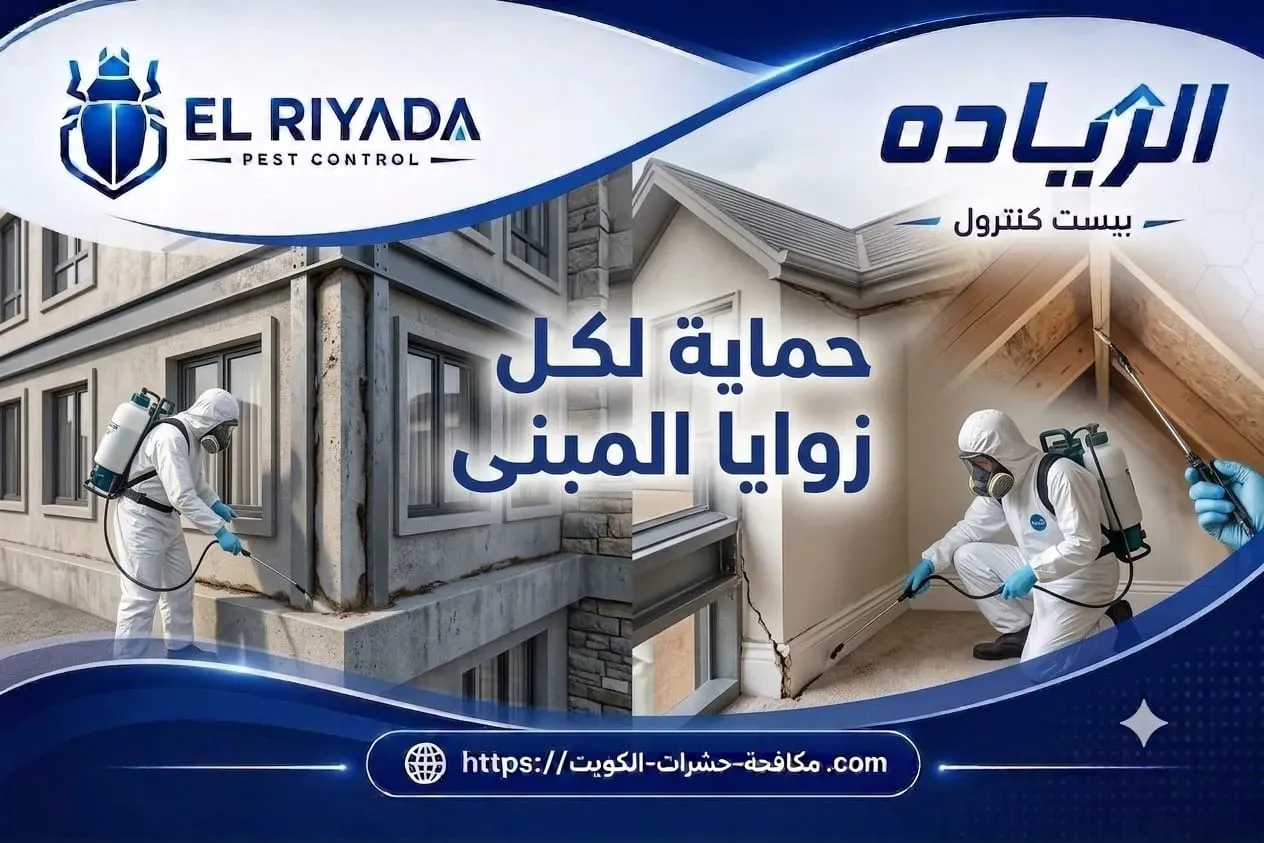
Many property owners seek Permanent Rodent Elimination, but achieving this objective requires addressing the causes of infestation rather than simply removing existing rodents. Eliminating active rodents without sealing entry points or removing food sources often allows new infestations to develop shortly afterward. Professional rodent control programs therefore combine active elimination with environmental improvements and long-term prevention.
Treatment strategies also vary according to property type because residential homes require different approaches than restaurants, farms, warehouses, or commercial facilities. Extensive field experience consistently demonstrates that comprehensive management programs provide significantly longer-lasting results than temporary solutions addressing only one aspect of the infestation.
• Eliminating current rodents alone is not sufficient.
• Entry points and food sources must also be corrected.
• Treatment plans vary according to property type.
• Regular monitoring maintains successful results.
• Prevention forms an essential part of permanent rodent control.
Best Rodent Control Company
Selecting the Best Rodent Control Company should never depend exclusively on price because treatment success depends much more on professional inspection, accurate diagnosis, identification of nesting sites, and selection of appropriate control methods. Professional companies never begin by randomly placing traps or bait. Instead, they perform comprehensive inspections, determine infestation severity, identify rodent species and entry routes, and develop customized treatment plans according to the specific conditions of each property.
Professional companies also focus on providing long-term solutions rather than temporary relief by combining rodent elimination with structural improvements, entry-point sealing, and practical prevention advice. Extensive field experience consistently demonstrates that companies emphasizing scientific diagnosis and post-treatment follow-up achieve considerably more reliable long-term success than companies providing only rapid one-time visits.
• Professional inspections precede every treatment program.
• Rodent species and infestation severity are accurately identified.
• Customized treatment plans suit every individual property.
• Follow-up support and prevention recommendations are included.
• Long-term protection is prioritized over temporary solutions.
Damage Caused by Rodents
The Damage Caused by Rodents extends far beyond contaminated food products. Rodents create significant health concerns by contaminating food preparation areas with droppings and urine while potentially spreading disease-causing organisms indirectly. They also gnaw electrical wiring, wooden structures, insulation materials, and plastic pipes, creating expensive repair costs and even increasing potential fire hazards.
Rodents additionally create constant disturbance through scratching sounds inside ceilings and walls while damaging furniture, stored belongings, and household materials for nesting purposes. Practical field experience consistently demonstrates that delaying treatment allows rodent populations to increase rapidly, causing progressively greater structural and financial damage over time.
• Food contamination presents important health concerns.
• Electrical wiring insulation and furniture may be seriously damaged.
• Financial losses increase as infestations continue.
• Constant nighttime activity disrupts household comfort.
• Delayed treatment allows damage to multiply significantly.
Professional Rodent Control Service
A Professional Rodent Control Service differs greatly from conventional household methods because it follows a complete management process beginning with inspection and ending with long-term prevention. The property is thoroughly examined to identify active rodent locations, appropriate treatment methods are selected according to infestation conditions, entry points and environmental causes are corrected, and follow-up evaluations confirm treatment success whenever necessary.
Professional services also adapt treatment strategies according to each property's unique characteristics, whether residential homes, villas, restaurants, warehouses, or commercial facilities. Extensive practical experience consistently demonstrates that programs integrating active treatment with preventive management provide significantly longer-lasting protection while reducing the need for repeated emergency interventions.
• Comprehensive inspections begin every treatment program.
• Appropriate techniques are selected for each infestation.
• Root causes are corrected rather than treating symptoms alone.
• Preventive measures reduce future infestation risks.
• Follow-up evaluations confirm treatment success.
Why Al Reyada Pest Control Is the Best Choice
Al Reyada Pest Control follows a scientific and systematic approach to rodent management by beginning every project with detailed inspection, identification of nesting locations, entry routes, and infestation severity before selecting treatment methods. Rather than placing bait randomly, the company develops integrated management programs combining active rodent elimination, correction of environmental conditions, structural improvements, and preventive strategies that significantly reduce future infestations.
The company employs approved professional products together with experienced technicians who provide customers with practical recommendations for maintaining treatment success. Transparent communication, customized treatment plans, professional follow-up, and attention to every property's unique requirements have established Al Reyada Pest Control as one of Kuwait's most trusted companies for reliable long-term rodent management.
• Every project begins with detailed professional inspection.
• Treatment plans are customized according to infestation conditions.
• Approved professional products are used correctly and safely.
• Active treatment and prevention work together.
• Follow-up services help maintain long-term protection.
Conclusion
Determining When You Need Professional Rodent Control Instead of Household Solutions depends on infestation severity, repeated rodent activity, and the effectiveness of previous attempts. Once warning signs continue appearing or household methods repeatedly fail, professional intervention becomes the most effective solution. Professional rodent management not only eliminates existing rodents but also addresses the conditions allowing infestations to develop, providing stronger long-term protection for both the property and its occupants.
Frequently Asked Questions
When should I call a professional rodent control company?
Professional assistance is recommended when rodent activity continues despite household traps, warning signs increase, or rodents are repeatedly seen inside the property.
Are household rodent solutions effective?
They may help with very small infestations, but they rarely eliminate hidden nests or prevent future infestations when rodent populations become established.
What are the most common signs of rodents?
Typical warning signs include droppings, gnaw marks, scratching sounds inside walls or ceilings, unusual odors, and visible rodent activity or movement paths.
Why do rodents sometimes return after treatment?
Rodents often return when entry points remain open, food sources remain available, or hidden nesting sites have not been completely addressed.
Why do customers choose Al Reyada Pest Control?
Customers choose Al Reyada Pest Control because of its detailed inspections, customized treatment plans, professional products, preventive strategies, experienced technicians, and ongoing follow-up designed to deliver reliable long-term rodent protection.