Finding a mouse in a restaurant should not be treated as an isolated sighting that can be resolved simply by placing a trap beside the location where it appeared. In food establishments, the problem is connected to entry routes, food and water sources, hiding places, deliveries, storage practices, and product safety, as well as the need to document what has been detected and corrected. Professional mouse control therefore relies on reading evidence such as droppings, gnaw marks, and sightings, identifying risk areas, establishing appropriate monitoring and control measures, sealing usable entry points, and correcting operational conditions. The objective is not merely to make the visible mouse disappear but to build a system that interrupts ongoing activity, detects recurrence early, and protects the facility through measures whose results can be monitored and evaluated.
Mouse Control for Restaurants in Kuwait

Effective mouse control for restaurants in Kuwait requires treating the establishment as a network of connected routes rather than as one kitchen. A mouse seen near the food preparation area may have entered during a delivery, through a utility opening, or beneath a rear door and then travelled along walls until reaching the place where it was eventually observed. Placing a trap only at the sighting location may capture one animal, but it does not answer the more important question: how did mouse activity reach the restaurant in the first place?
A good assessment begins by collecting evidence instead of relying on assumptions. Recent droppings, gnaw marks, damaged packages, sighting locations, noises, and recurring signs can help identify areas that require closer inspection. It is important to distinguish recent evidence from older signs because old droppings in a storage area that was previously cleaned and treated do not, by themselves, prove that current activity is continuing. Likewise, failing to see a mouse during a daytime inspection does not prove that the facility is free from mouse activity.
In a realistic situation, employees may report seeing a mouse near the storage room at night, while a review later reveals that the rear door remains open during deliveries and that a gap beneath it provides a possible route into the building. In this case, correcting the entry point and reviewing receiving practices become part of the solution rather than simply increasing the number of traps inside the storage room.
When comparing services, restaurants should evaluate inspection, monitoring, entry-point exclusion, follow-up, and documentation rather than looking only at the price of one visit. The cheapest service may eventually cost more if it addresses the sighting but leaves the route that allowed the problem to occur.
• Connecting every sighting with a specific location and time helps reconstruct mouse movement through the restaurant and gives the inspection a practical direction instead of placing traps randomly in every corner as a precaution.
• Distinguishing old signs from recent evidence prevents the severity of the problem from being exaggerated and ensures that treatment decisions are based on current activity rather than signs that may belong to a previously resolved issue.
• Reviewing receiving doors and utility entrances together with preparation and storage areas reveals the relationship between how a mouse may have entered and where it was eventually seen instead of assuming that the sighting location is the source.
• Comparing mouse control quotations according to the scope of inspection, monitoring, exclusion, follow-up, and documentation gives the establishment a more accurate standard than choosing the lowest price for a visit that does not explain what happens after traps are placed.
Mice in Commercial Kitchens
The presence of mice in commercial kitchens creates a different level of concern from finding a rodent in an outdoor location far from food handling because activity within preparation or storage environments increases the importance of protecting products, surfaces, and equipment. A common mistake is to begin by chasing the mouse itself before protecting the affected area and determining whether food or packaging may have been exposed to contamination or damage. The condition of affected materials should be evaluated according to the establishment's procedures and applicable food safety requirements.
Dividing the kitchen into functional zones can make inspection more useful. The preparation area is different from the washing area, dry storage, and spaces behind fixed equipment. One area may provide access to water while another may offer accessible food or a quiet route for movement. Understanding these differences helps explain why activity may concentrate in one part of the kitchen instead of treating the entire kitchen in exactly the same way.
Another recurring mistake is cleaning away signs before recording where they were found. Cleaning is obviously necessary, but photographing the location of damage or recording where droppings were discovered before appropriate cleaning preserves useful diagnostic information for the pest control team. At the same time, droppings or potentially contaminated materials should not be handled with bare hands or cleaned in a way that may spread contaminants. The establishment should follow appropriate hygiene and safety procedures.
Inspection may ultimately reveal that the problem was not primarily related to kitchen cleanliness at all but to an opening behind a utility line or a gap beneath a service door. Describing every restaurant where mice appear as "unclean" is therefore an oversimplification that can distract attention from the actual cause.
• Dividing the kitchen into preparation, washing, storage, and behind-equipment areas helps identify the resources a mouse may use in each section and makes corrective actions specific instead of simply telling employees to improve cleanliness in general.
• Recording the location of signs before they are removed preserves information that can help a specialist trace movement while appropriate cleaning afterward remains essential according to the facility's safety procedures.
• Reviewing products and packages showing gnawing or possible contamination protects restaurant inventory from remaining in circulation before its condition has been evaluated according to the food safety procedures used by the establishment.
• Avoiding the automatic assumption that mice indicate poor cleanliness allows the inspection to consider entrances, utility penetrations, delivery activity, and structural weaknesses that may be the primary cause even in a well-managed commercial kitchen.
Bait Stations for Restaurants
Using bait stations for restaurants requires proper planning and management rather than simply purchasing boxes and placing them around the establishment. A bait station is one component of a rodent management program, and its location and use should reflect the product, its instructions, the characteristics of the property, and the level of risk. In food establishments in particular, baits and other pest control materials should never be placed randomly where they could create a contamination risk for food or food-contact surfaces.
It is also important to distinguish between the station itself and the bait placed inside it. Some stations may be used as part of monitoring or with other suitable control devices, while the use of bait depends on the product label, instructions, and permitted location. For this reason, having a large number of boxes does not prove that a program is strong. The real value appears when station locations have a clear purpose and can be inspected, numbered, and monitored over time.
For example, if one monitoring point repeatedly records activity near a receiving door while the other stations remain inactive, that pattern may provide evidence that directs attention toward the door and its surrounding route. In this way, the station becomes a source of information rather than simply another device sitting on the floor. Continually moving stations without documentation or failing to track changes in activity can remove much of the program's diagnostic value.
From a pricing perspective, quotations should be compared according to the number of points the site genuinely requires, the type of follow-up, inspection frequency, and documentation rather than according to which company offers the largest number of stations. A higher number does not automatically mean a better program when the locations are poorly selected or the resulting information is not being reviewed.
• Numbering bait stations and linking each station to a fixed location on a facility map makes it possible to compare activity between visits and identify points requiring further inspection instead of relying on the memory of technicians or employees.
• Selecting station locations according to movement routes, entrances, and risk levels gives every monitoring point a clear purpose and prevents the program from becoming a long row of boxes that produces little useful information.
• Following product directions and permitted uses within food environments protects food and sensitive surfaces while preventing baits from being used in a manner that does not suit the restaurant or the specific location where they are placed.
• Evaluating a quotation according to the quality of station placement, inspection, and recordkeeping provides a better standard than being impressed by station numbers because a smaller number of carefully selected and consistently monitored points may provide greater value than a larger number whose data is never properly reviewed.
Rodent Control for Food Establishments
Effective rodent control for food establishments requires managing risk throughout the entire operational cycle rather than focusing only on the kitchen. A problem may begin in the receiving area and then extend into storage or pass through service rooms before signs eventually appear close to food preparation areas. An inspection that concentrates only on where a mouse was seen while ignoring receiving, storage, waste areas, exterior entrances, and utility access points may therefore miss the most important part of the problem.
One practical consideration is reviewing incoming goods when there are signs that justify closer attention. Damaged packaging, gnaw marks, or other unusual evidence should not automatically move into storage without being evaluated according to the facility's procedures. This does not mean that every delivery is a source of mice. It means that the supply chain itself is one of the possible pathways that deserves attention within a prevention program, particularly when mouse activity repeatedly appears after receiving operations.
Responsibilities should also be clearly divided. A pest control provider can inspect evidence, identify activity zones, manage appropriate monitoring and control measures, and provide structural and operational recommendations. Facility management, however, remains responsible for implementing many repairs and for managing storage, sanitation, waste, and receiving practices. If a service door remains open or an opening documented in every report is never repaired, repeatedly scheduling pest control visits will not resolve the underlying weakness.
Within food establishments, any control method should be used according to its permitted application and product directions while food and sensitive surfaces are protected. Having a rodent management program does not eliminate other food safety responsibilities, nor does it independently guarantee the outcome of an official inspection.
• Tracking the movement of goods from receiving through storage helps identify points where rodent activity could enter the facility or where signs may first become visible before products reach more sensitive areas of the establishment.
• Separating pest control responsibilities from maintenance and operational responsibilities makes recommendations actionable because identifying an opening provides limited preventive value if no responsible party is assigned to repair it and verify that it remains properly closed.
• Handling packages that show damage or possible contamination according to food safety procedures prevents them from continuing through normal operations before their condition is assessed and ensures that mouse control is not reduced to simply catching the rodent.
• Evaluating rodent management as part of the facility's broader safety system prevents the mistaken belief that having a pest control contract can compensate for weaknesses in storage, sanitation, maintenance, or other applicable operational requirements.
Monitoring Mouse Activity
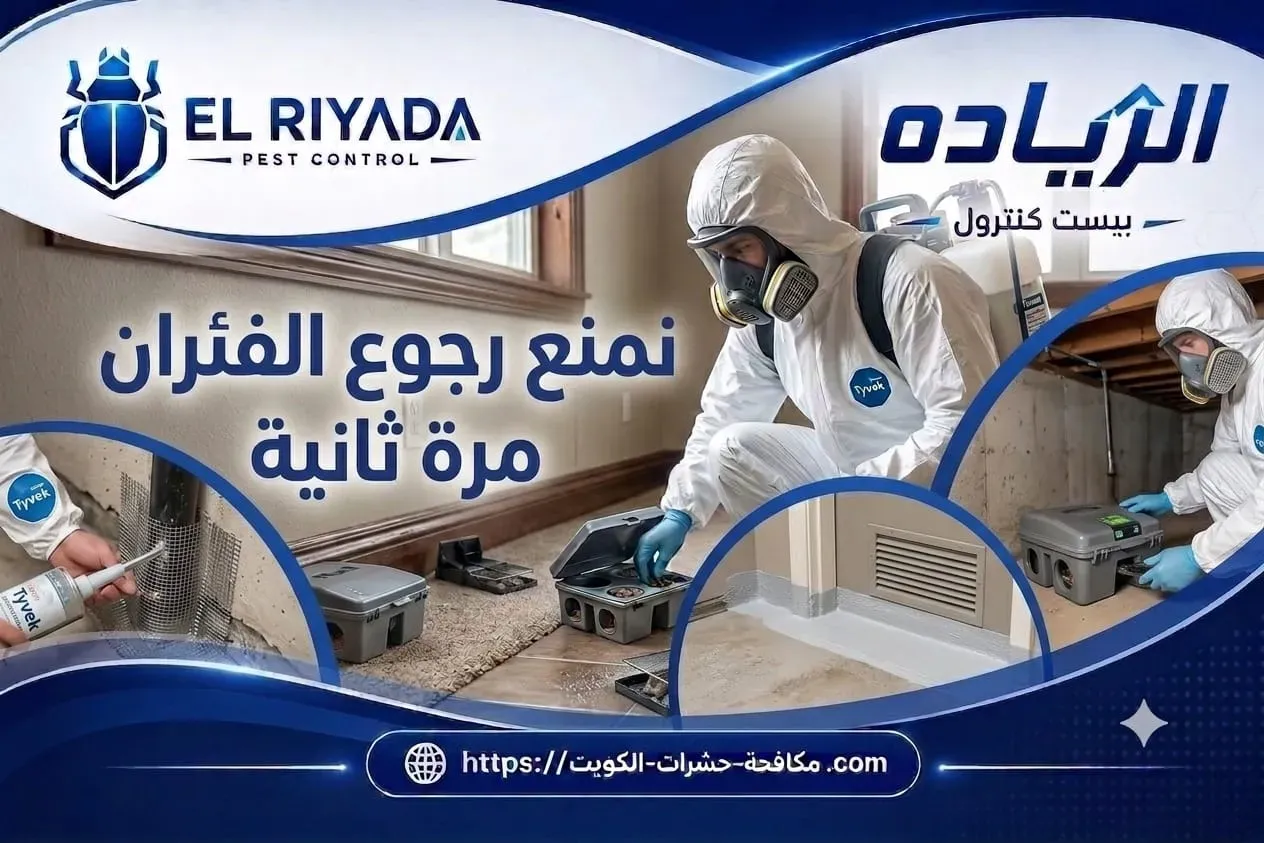
Effective monitoring of mouse activity turns scattered observations into information that can be compared over time. A statement such as "we occasionally see mice" provides little help in determining the extent or direction of the problem. In contrast, recording that a mouse was seen near the storage-room door after closing on three occasions during one week gives the inspection team a much clearer direction. The more specific the information becomes, the easier it is to determine where attention should be focused and whether previous corrective measures have actually changed the activity.
Monitoring is not limited to direct sightings. It may include indicators such as droppings, gnaw marks, damaged packages, activity recorded at monitoring points, and other evidence identified by the specialist. Every sign, however, needs to be interpreted within its context. Finding an old mark does not prove that an infestation is still active, just as the absence of sightings during business hours does not prove that no activity occurs during quieter periods.
A simple record containing the date, time, location, type of evidence, and action taken can be particularly useful. If indicators decline in an area after a specific opening has been sealed, that provides information supporting the effectiveness of the correction. If activity shifts to another location, an additional opening or movement route may still exist. Follow-up therefore becomes a decision-making tool rather than merely proof that a service visit took place.
One common mistake is repeatedly moving monitoring devices without a clear reason or without numbering them. If the team cannot determine where a particular monitoring point was located during the previous visit, comparing results and understanding activity trends becomes much more difficult.
• Recording the exact time of a sighting adds diagnostic value because activity during closed hours may direct the inspection differently from a mouse observed during deliveries or periods of active goods movement.
• Comparing new evidence with previous records reveals whether activity is declining, remaining stable, or shifting to another area and prevents the success of the program from being judged on the basis of one isolated visit.
• Maintaining and numbering monitoring locations when appropriate produces comparable information and ensures that any relocation of a device is a justified decision rather than an unexplained change that reduces the value of the historical record.
• Using one consistent reporting system between employees and the pest control provider replaces vague statements such as "we saw it in the back" with useful information containing a location, time, and type of indicator that can guide the inspection.
Sealing Mouse Entry Points in Restaurants
Effective sealing of mouse entry points in restaurants is one of the strongest preventive measures when it follows a proper building inspection because removing rodents already present without reducing opportunities for new ones to enter can allow the problem to return. Inspection should consider exterior doors, service entrances, openings around pipes and utilities, structural joints, and connections between storage or service areas and the exterior according to the design of the establishment.
Exclusion does not simply mean filling every opening with a temporary material. The repair should suit the type of opening, the surrounding surface, and the way the area is used while remaining durable under site conditions. Functional ventilation, drainage, or service openings should not be blocked in a way that interferes with their purpose. Instead, an appropriate structural solution should be selected in coordination with facility maintenance. The objective is to restrict rodent access while preserving the safe operation of the building.
The timing of exclusion also requires careful consideration. If evidence suggests that rodents may already be inside a void or enclosed section, extensive sealing should not be performed in a way that could trap an animal inside a sensitive location. Control and exclusion measures should be coordinated according to inspection findings so that an otherwise useful preventive action does not create another operational problem.
Verification comes after the repair. If sightings had repeatedly occurred near a particular door and then stop after the gap is corrected without new indicators appearing, that provides practical evidence supporting the effectiveness of the repair. If activity continues, the inspection should move toward other potential entrances or routes instead of repeatedly modifying the same location without evidence.
• Measuring openings and understanding their function before selecting an exclusion method prevents temporary repairs that do not suit the surface or deteriorate quickly and makes rodent-proofing part of proper building maintenance rather than superficial gap filling.
• Coordinating exclusion work with the internal control program reduces the possibility of trapping a rodent inside a void or operational area and ensures that the sequence of actions reflects actual site conditions rather than a rushed attempt to close every opening.
• Reviewing doors frequently used for receiving and waste removal is important because even good structural exclusion loses part of its preventive value when doors remain open for extended periods during normal operations.
• Inspecting the site after repairs are completed helps determine whether the corrected entry point was actually connected with the previous activity and prevents any sealing work from being considered successful merely because the opening is no longer visible.
Commercial Rodent Control Program
A commercial rodent control program should not become a fixed schedule in which a technician performs exactly the same steps during every visit without considering new information from the site. A stronger program changes according to what is actually happening. A new sighting near the receiving area requires a different review from activity inside a storage room, while discovering and repairing an entry point should influence the monitoring locations and the plan used during the next follow-up visit.
The program can be built around a facility map identifying receiving, storage, preparation, waste-handling areas, exterior doors, service rooms, and monitoring points. This does not mean that every one of these locations has rodent activity. Instead, the map helps show where evidence has appeared and where relevant risk factors exist. When the map is updated after meaningful changes, the facility can evaluate mouse activity as a developing pattern rather than treating every sighting as an unrelated incident.
The frequency of service should vary according to the type of establishment, history of activity, and level of risk. A food facility with frequent deliveries and several external entrances does not necessarily require the same program as a smaller location with limited exposure to the outdoors. A well-designed program therefore does not sell the number of visits as the final objective. It defines what will be inspected, how results will be measured, and when the strategy should be adjusted.
When comparing commercial contracts, the facility should determine whether inspection, monitoring, reports, corrective recommendations, and follow-up are included and whether exclusion or structural repairs form part of the service or remain a separate responsibility. Clarifying these details before the contract begins reduces future disagreements and makes pricing comparisons more meaningful.
• Updating the activity map after every confirmed sighting or important repair allows the program to develop with the facility and prevents monitoring devices from continuing to be distributed according to outdated conditions that no longer represent the current risk.
• Defining measurable indicators such as sighting frequency, evidence locations, and monitoring-point results allows the contract to be evaluated using information that can actually be reviewed instead of judging its effectiveness only by the number of completed visits.
• Adjusting follow-up frequency according to activity history and operational changes gives the establishment a program that reflects its actual risk rather than imposing the same schedule on a small restaurant and a large facility with multiple external entrances.
• Clarifying what is included in the rodent control contract and what requires separate maintenance work or additional cost prevents every structural opening or repair from being automatically assumed to be part of the service and makes quotations from different providers easier to compare fairly.
Protecting Food Stock from Mice
Effective protection of food stock from mice begins before gnawed packages are discovered. Receiving practices, storage organization, and routine inspection of the storage area influence how quickly a problem can be identified and how effectively employees can isolate materials suspected of being damaged. The objective is not only to prevent mice from reaching food but also to make unusual signs visible early rather than allowing them to remain concealed behind accumulated stock that is difficult to inspect.
Organized storage can help maintain enough visibility around products and storage areas for inspection according to the design and operational requirements of the facility. When packages are stacked in a way that prevents surrounding areas from being checked, detecting droppings, gnaw marks, or damaged packaging becomes more difficult. Stock rotation and reviewing goods during receiving can also reduce the likelihood that a damaged package will remain unnoticed for an extended period.
If gnaw marks or possible contamination are discovered on a product, the decision to continue using it should not be based simply on whether the visible damage appears minor. The affected material should be isolated and evaluated according to the food safety procedures adopted by the establishment. Rodent management in this context is directly connected with product protection rather than simply removing the animal.
It is also useful to separate the reason mice can enter a storage room from the conditions that allow them to benefit once inside. Sealing an entry point addresses access, while improved storage practices and management of spills and packaging address available resources. Combining both approaches is more effective than relying exclusively on either one.
• Organizing inventory so that packages and surrounding areas remain accessible for inspection makes signs of mouse activity easier to detect early and prevents heavily crowded storage areas from becoming difficult to assess after a new report.
• Inspecting deliveries when they arrive helps identify damaged packages before they are combined with existing inventory and adds a preventive layer at the beginning of the product cycle instead of waiting until signs appear inside the storage room.
• Isolating products showing gnaw marks or possible contamination until they are handled according to the facility's food safety procedures protects the establishment from making an uninformed decision about materials that may still appear partially intact from the outside.
• Combining entry prevention with management of available food resources interrupts two different parts of the problem because exclusion reduces access while organized storage reduces the ability of any rodent that reaches the facility to benefit from the food inventory.
Rodent Control Documentation
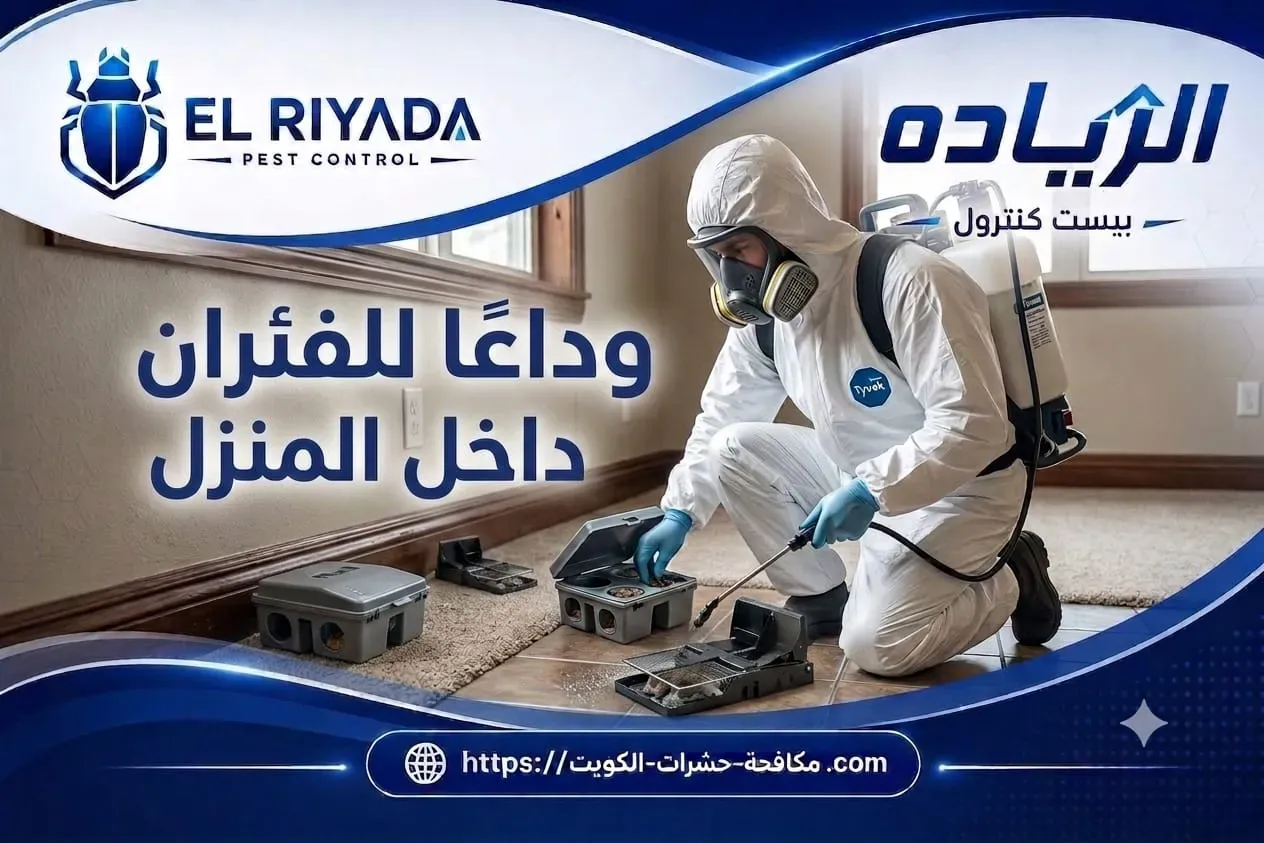
Effective rodent control documentation should not be treated as paperwork that is simply placed in a file after every service visit. A useful report acts as the memory of the program and makes it possible to understand what has changed from one inspection to the next. It should explain which areas were reviewed, what evidence was identified, where that evidence appeared, what actions were taken, and which recommendations still require implementation by facility management.
The record should clearly distinguish between a confirmed sighting, possible evidence, and a structural observation. Recording "mice in the storage room" simply because an opening was discovered confuses potential risk with confirmed activity. A more accurate report would state that a potential entry opening was identified when no additional evidence confirms active rodent presence and would then explain the recommended corrective action. This approach improves the reliability of the record and avoids exaggerating the problem.
Monitoring points can also be documented with numbers or codes connected to a facility map so that the responsible manager can identify which point recorded activity and which remained without an indicator. When the next report reviews previous findings, it becomes possible to determine whether activity decreased, moved to another location, or continued despite a particular corrective measure.
For food establishments, maintaining these records supports internal management and follow-up and demonstrates that sightings and corrective actions have not simply been ignored. However, having a folder full of pest control reports does not automatically mean that every requirement of a regulatory authority has been satisfied because compliance involves many additional aspects of facility operations.
• Recording the location, type, and date of evidence instead of using a general description of infestation makes the report reviewable and allows someone who was not present during the visit to understand what occurred without depending on a later verbal explanation.
• Separating confirmed activity from a potential structural weakness maintains the accuracy of the document and prevents an opening from being presented as proof of rodent activity when no other evidence confirms that conclusion.
• Linking monitoring-point numbers with a fixed site map allows the results of each location to be tracked over time and turns consecutive reports into a record that can be used for trend analysis rather than a collection of unrelated documents.
• Recording the recommendation, the party responsible for implementing it, and its status during the next visit reveals which corrective actions remain unresolved and prevents the same recommendation from appearing in every report without explaining why it has not been completed.
Mouse Control Service for Food Establishments
When requesting a mouse control service for food establishments, the only question should not be: how much does the visit cost? It is more important to understand exactly what the service includes. There is a clear difference between a visit intended to deal with a single mouse sighting and a full inspection of a food establishment that covers the kitchen, storage areas, receiving zones, waste areas, entrances, and utility access points, followed by monitoring, exclusion recommendations, and continued follow-up. Two services may therefore appear similar by name while differing significantly in their actual scope.
Before accepting a quotation, the establishment can ask how mouse activity will be assessed and whether the service includes a monitoring-point map, a report describing the signs found, and recommendations for corrective actions that the facility needs to implement. It is also important to understand what will happen if sightings continue after the initial service. Professional follow-up does not mean adding more control devices indefinitely. It means reviewing the available information to determine why activity continues and whether an entry point remains unresolved or an area was missed during the original inspection.
Pricing is influenced by factors such as the size of the facility, the number of operational zones and entrances, the nature of the business, the level of activity, the amount of follow-up required, and the number of monitoring points that are genuinely needed. A higher-priced quotation may provide better value if it includes a clearly defined scope of inspection, monitoring, documentation, and follow-up, but a higher price by itself does not prove better quality. A fair comparison should be made between services with reasonably similar scopes.
Within food environments, rodent management should operate as part of a system that respects food safety and the way the establishment functions. Any control method should be suitable for the location and used according to its directions while practices that could expose food or sensitive surfaces to unnecessary risk should be avoided.
• Requesting a written scope of service before approving a quotation clarifies whether the visit includes kitchens, storage rooms, entrances, and relevant exterior areas and prevents different expectations between facility management and the pest control provider after work begins.
• Comparing providers only after identifying the elements included in each quotation creates a fairer decision because the cost of inspection, treatment, monitoring, documentation, and follow-up cannot be directly compared with the cost of a visit intended only to place a limited number of traps.
• Agreeing on a clear procedure for responding to continued activity turns follow-up from a series of undefined additional visits into a diagnostic process that searches for the reason indicators remain and adjusts the plan according to new findings.
• Choosing a pest control provider that understands the sensitivity of food establishments reduces the likelihood of control measures being used in unsuitable locations and makes the protection of food and sensitive surfaces part of service design rather than an afterthought.
Why Al Reyada Pest Control Is a Strong Choice in Kuwait
When discussing why Al Reyada Pest Control is a strong choice in Kuwait for restaurant mouse control, the decision is better connected to criteria that a facility can actually evaluate rather than promotional descriptions that cannot be measured. A strong service begins with evidence. Where were droppings discovered? When did the sighting occur? Which doors or openings are nearby? Are there gnaw marks? Did activity change after the previous corrective action? These questions transform mouse control from chasing an animal into diagnosing how the problem is moving through the facility.
Al Reyada Pest Control can distinguish its service by connecting inspection, monitoring points, entry-point exclusion, operational recommendations, and documentation. If follow-up shows that activity repeatedly occurs near the receiving door, for example, the value of the service does not come from simply adding another station. The door itself, the way it is used, and any gap requiring repair should also be reviewed. If the problem is associated with a storage area, recommendations should be specific and actionable instead of being reduced to a general statement about improving cleanliness.
Reliability also appears in the way evidence is interpreted without exaggeration. A potential opening does not, by itself, prove that there is an active infestation, and old droppings should not be presented as recent activity without additional supporting evidence. Similarly, fewer sightings do not necessarily justify immediately declaring the problem completely resolved. Follow-up findings should be considered together with the other indicators available at the site.
In food establishments, trust is also connected to using pest control measures according to their instructions and permitted applications, protecting food and sensitive surfaces, and clearly explaining which responsibilities belong to the pest control provider and which belong to facility management. This approach can make Al Reyada Pest Control a strong choice for establishments seeking a manageable rodent-control system rather than a visit intended only to close the latest complaint.
• Basing diagnosis on recent evidence and documented sighting locations gives the facility an explanation that can be reviewed and prevents expensive decisions from being made on the assumption that every old sign automatically indicates a currently active infestation.
• Connecting monitoring-point data with building entrances and operational conditions helps turn findings into practical corrective actions such as repairing an opening or changing a receiving practice instead of simply increasing the number of control devices.
• Providing a report that distinguishes the work completed by the pest control provider from repairs or actions required from restaurant management prevents responsibility from becoming unclear and makes recommendations easier to review during the next visit.
• Avoiding absolute promises while providing a plan that includes inspection, monitoring, exclusion, control, and follow-up strengthens trust because the establishment receives a risk-management program whose results can be evaluated instead of general guarantees that do not explain how they will be achieved.
Conclusion
Mouse control in restaurants and food establishments does not succeed by focusing only on the mouse that was seen. Effective control begins by understanding how the rodent entered, where it is moving, and which resources it may be able to access, then turning this information into practical measures that include monitoring, sealing entry points, protecting inventory, and correcting operational conditions associated with the risk.
The value of the program increases when information can be compared from one visit to the next. Sighting records, monitoring-point maps, and repair reports allow the establishment to determine whether activity is genuinely declining and which corrective actions remain incomplete. Protecting products, food, and sensitive surfaces should also remain a central consideration in every treatment decision made within a food environment.
When selecting a mouse control service, comparing the number of traps or the price of one visit is not enough. It is more useful to compare the scope of inspection, quality of monitoring, entry-prevention plan, follow-up process, documentation, and clarity of each party's responsibilities. With this approach, rodent management changes from a reaction after every sighting into a preventive and diagnostic system designed to protect the establishment, its inventory, and its operations more sustainably.
Frequently Asked Questions
Does Seeing One Mouse in a Restaurant Mean a Large Infestation?
The size of the problem cannot be determined from one sighting alone. A single mouse may have entered recently, or there may be broader activity that has not yet been detected. Signs, entry points, storage areas, receiving areas, and monitoring results should therefore be inspected before the level of activity is estimated.
What Should We Do First After Seeing a Mouse in the Kitchen?
The location and time of the sighting should be recorded, and any food or products that may have been exposed to contamination should be protected and handled according to the facility's food safety procedures. The person responsible for the rodent control program should then be informed so that the area can be properly inspected. Simply chasing the mouse without investigating how it entered can leave the underlying problem unresolved.
Does the Presence of Mice Mean the Restaurant Is Unclean?
Not necessarily. Sanitation and the management of food and waste can influence rodent risk, but mice may also enter through structural gaps, doors, utility openings, or during the movement of goods. The cause should therefore be diagnosed rather than automatically assuming that the establishment has poor hygiene.
Are Bait Stations Alone Enough to Control Mice?
Not necessarily. Stations can form part of a broader rodent management program that includes inspection, monitoring, entry prevention, and management of operational risk factors. Any bait or control method should also be used according to its instructions and only in suitable and permitted locations.
Where Should Rodent Control Stations Be Placed in Restaurants?
Locations should be selected according to inspection findings, movement routes, entrances, risk levels, and the characteristics of each area rather than through random distribution. Food establishments must also consider food safety and the protection of sensitive surfaces when choosing monitoring or control locations.
Why Should Monitoring Points Be Numbered?
Numbering allows every monitoring point to be linked to a fixed location and its results to be compared between visits. If activity repeatedly appears at one particular point, the inspection can then focus on the nearby route, opening, or operational condition that may be contributing to the problem.
Should Every Opening Be Sealed Immediately After a Mouse Is Found?
Openings should not be sealed blindly. Their function should first be identified, and a suitable repair method should be selected. Exclusion also needs to be coordinated with the control plan so that a rodent is not accidentally trapped inside a void and so that necessary ventilation, drainage, or utility functions are not disrupted.
How Can Food Stock Be Protected from Mice?
Protection begins with inspecting incoming deliveries, organizing storage, monitoring packages, recording gnaw marks or possible contamination, sealing entry points, and managing rodent activity. Products suspected of being damaged or contaminated should be handled according to the food safety procedures adopted by the establishment.
Do Old Droppings Mean Mice Are Still Present?
Not necessarily. Droppings need to be interpreted according to their apparent age and the other evidence available. This is why recording signs, cleaning them appropriately, and then monitoring for new indicators can provide a more accurate understanding of whether activity is continuing.
What Determines the Cost of Restaurant Mouse Control?
Cost can be influenced by the size of the establishment, the number of operational areas and entrances, the level of activity, the scope of inspection, the number of monitoring points required, follow-up needs, documentation, and any additional services included in the agreed scope.
Is a One-Time Service Better Than a Recurring Rodent Program?
The appropriate choice depends on the level of risk, the history of activity, and the characteristics of the establishment. A limited incident associated with one clearly identified and repaired entry point is different from a restaurant or food facility with frequent deliveries, multiple entrances, and recurring activity that requires structured monitoring.
Why Do Mice Return After One Has Been Caught?
Removing one mouse does not necessarily eliminate the entry point, available resources, or the possibility that other animals remain. If the same opening is still accessible or the conditions allowing entry continue, mouse activity may return even though the first trap successfully captured an individual.
Why Is Rodent Control Documentation Important?
Documentation preserves the history of sightings, evidence, monitoring points, corrective actions, and recommendations. It allows results to be compared between visits and helps determine whether corrective measures were implemented and whether they produced a measurable change in activity.
Does a Rodent Control Contract Guarantee Passing an Inspection?
No. A rodent management program is one part of managing risk within a food establishment, but it does not independently guarantee the outcome of a municipal or regulatory inspection. Compliance may also involve sanitation, food safety, storage, maintenance, operating practices, and other applicable requirements.
Why Choose Al Reyada Pest Control for a Food Facility?
Al Reyada Pest Control can be a strong choice when the service is based on interpreting evidence, tracking activity, positioning monitoring measures according to actual need, identifying rodent entry points, providing practical corrective recommendations, documenting findings, and following up on results instead of focusing only on the mouse that was seen.