Seeing a rat or mouse inside your home does not mean the solution is simply to place a trap where it was spotted and wait for the problem to disappear. The real questions are: where did the rodent enter from, is there actually only one rodent or is there broader activity, and where are the main movement routes, food sources, and hiding areas? For this reason, choosing the Best Rat Control Company depends more on the quality of diagnosis, the control plan, and follow-up than on an advertisement promising to eliminate the problem during one quick visit. This guide explains how to evaluate a rat control company in Kuwait, what a technician should do before selecting traps or bait stations, how to understand guarantees, residential services, and emergency response, and which criteria can help you choose the right provider instead of making your decision based on price alone.
Best Rat Control Company

Searching for the Best Rat Control Company should begin by understanding the difference between removing a rodent that has been seen and managing a rodent problem within the property. A trap may successfully catch one mouse or rat, but that result does not prove the entire problem has ended if the entry point remains open or there are signs of activity elsewhere. A good company does not automatically consider one successful trap the end of the job. Instead, it tries to identify the conditions that allowed rodents to enter and remain inside the property in the first place.
The first stage involves evaluating the available evidence. Seeing a rodent is clear evidence of activity, but it is not the only information a technician needs. Droppings, gnaw marks, movement routes, food storage locations, nighttime sounds, and protected hiding areas behind appliances or within storage spaces can all help create a more accurate picture of the situation. The time and location of sightings can also help identify which areas deserve priority during inspection.
Entry points should then be considered carefully. Rodents can take advantage of small openings, gaps around utility lines, doors, and areas connected to the outside. For this reason, a control program that focuses only on removing rodents already inside the property without considering how additional rodents may enter can produce temporary results. A professional company distinguishes between controlling existing activity and exclusion work that may require openings to be sealed or structural defects to be repaired by an appropriate service provider.
The control method should then be selected according to the property and the level of activity. Not every case is suitable for exactly the same approach. The use of traps or bait stations should be a decision connected to inspection findings and the surrounding environment rather than a fixed procedure applied automatically in every home. The presence of children or pets, the way the property is used, and the location of rodent activity are all factors that should be considered when designing the plan.
Finally, there is follow-up. The absence of sightings for two or three days is not sufficient by itself to prove that rodent activity has completely ended. Signs of activity should be reassessed, control devices should be reviewed, and technicians should determine whether any new evidence has appeared. This is where the difference becomes clear between a service targeting one visible rodent and a program designed to address the causes of the problem and reduce the likelihood of recurrence.
• The best company does not measure success only by the disappearance of the rodent that was seen but also reviews other evidence that may indicate continuing activity elsewhere inside the property.
• Inspecting entry points is an essential part of evaluating the problem because removing existing rodents without addressing appropriate access points may allow new activity to develop later.
• Choosing traps or bait stations should depend on property conditions, activity level, and safety considerations rather than automatically using one method in every situation.
• A good technician asks about sighting locations, sounds, droppings, and the timing of activity because these details help direct the inspection instead of placing control devices randomly.
• Follow-up after implementation helps determine whether signs of activity are decreasing and whether the plan is working or needs adjustment instead of declaring the problem solved after the first positive result.
Licensed Rat Control Company
When a customer searches for a Licensed Rat Control Company, they are essentially looking for a provider that can be trusted to handle the service in an organized and responsible manner rather than simply sending someone carrying pesticide or traps. Rodent control inside residential properties requires decisions about where control devices should be positioned, how they should be handled, and how residents, pets, and food areas should be protected. Choosing a professional provider therefore becomes part of the safety and quality of the service itself.
The first step is to verify the identity and business details of the company performing the work and determine what clear information it can provide about the service. Customers should know who they are dealing with, how the company can be contacted after the visit, and what scope of work has been agreed upon. Relying on an advertisement or an unidentified phone number without knowing the actual service provider can become a problem if follow-up is needed or questions arise after treatment.
The technician should also be able to explain the proposed plan in understandable language. The homeowner does not need to become a rodent control specialist, but they should understand where activity appears to be concentrated, what method is proposed, why that method was selected, and what actions may be required after the visit. If the only explanation is, "We will place poison and the problem will disappear," that does not provide enough information to evaluate service quality.
The use of rodent control products and baits also requires adherence to applicable product instructions and appropriate placement that reduces unintended access according to property conditions. Control products should not be left randomly in locations where children or pets could reach them. When suitable bait stations are used, their placement should form part of the overall control strategy rather than simply distributing them wherever there happens to be empty space.
Written service details can provide another level of clarity. An invoice or service statement together with follow-up or guarantee conditions, when offered, makes the agreement easier to review than verbal promises that may be difficult to verify later.
• Choose a provider that can be clearly identified and contacted after service because rodent management may require follow-up and should not end simply when the technician leaves the property.
• Ask for an explanation of the control method and why it was selected so you can determine whether the plan is based on the actual property rather than a fixed procedure used for every customer.
• Safe placement of baits and control devices is particularly important in homes with children or pets and should be considered when evaluating service quality.
• Written agreements, invoices, or clear descriptions of the service scope help customers understand exactly what they purchased instead of relying on broad and undefined promises.
• Professionalism is demonstrated not merely by claiming that a company is licensed but by clear procedures, reliable follow-up, and responsible handling of rodent control devices and products.
Rat Control Company Phone Numbers
Searching for Rat Control Company Phone Numbers often happens during a stressful moment, particularly when a rodent suddenly appears in the kitchen or storage room or when residents hear movement at night inside a concealed area. In that situation, it can be tempting to call the first number appearing in search results and request the fastest possible visit. Fast response can certainly be useful, but it should not replace a few simple questions that can reveal a great deal about the quality and organization of the company before the technician arrives.
Begin by describing what you actually observed instead of simply saying, "I have rats." Explain where the sighting occurred, when it happened, and whether you noticed droppings, gnaw marks, or nighttime sounds. An organized company will use this information to develop an initial understanding of the situation and may ask about the type of property, areas surrounding the activity location, and whether any previous rodent control attempts have been made.
Next, ask what the visit includes. Does the technician inspect the property before placing control devices? Does the quoted price include follow-up? What happens if signs of activity continue after the first visit? Are certain services, such as sealing openings or repairing damage, excluded from the price? These questions prevent misunderstandings that occur when a customer expects comprehensive service while the quoted amount covers only one limited stage.
Do not make statements such as "we can arrive within minutes" the primary selection criterion. A technician who arrives quickly and immediately places traps in the first visible location may provide less value than a structured visit that begins by understanding movement patterns and identifying suitable control areas. In rodent control, the quality of decisions made on site can be more important than how quickly equipment is taken out of the service vehicle.
Customers should also be cautious about absolute promises made over the phone before the property has been inspected. The number of rodents, all possible entry points, and the time required to control activity cannot be accurately determined from a short telephone conversation. A more professional provider can explain likely steps and possibilities without making claims that cannot yet be supported by inspection findings.
• When calling, explain where and when activity was observed and what signs you noticed because this information helps the company develop a better preliminary understanding before the visit.
• Ask whether the service begins with an inspection and whether follow-up is included in the price so you do not choose an apparently inexpensive offer and later discover that every additional step is charged separately.
• Do not use response speed as the only selection criterion because the first technician to arrive is not necessarily the most capable of identifying movement routes and potential entry points.
• Avoid providers that promise complete elimination over the phone before evaluating the property because the extent and causes of rodent activity cannot be confirmed through a telephone conversation alone.
• Keep the company's contact information and agreement details so you can reach the provider if the situation requires reassessment instead of relying on an unidentified number that may be difficult to contact later.
Rat Extermination Company in Kuwait
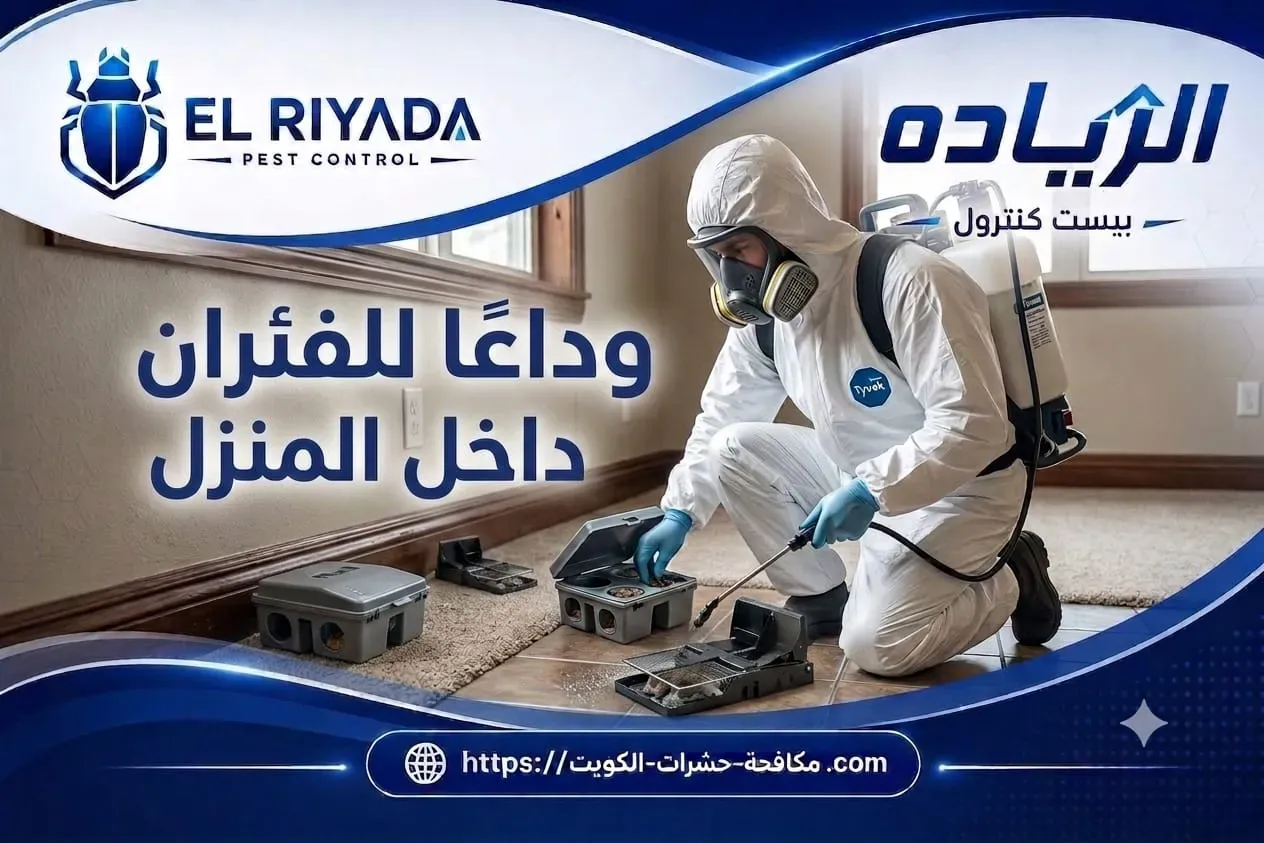
Choosing a Rat Extermination Company in Kuwait should not be based on the assumption that the service simply involves placing a toxic product and waiting for rodents to disappear. The word "extermination" itself can sometimes create the impression that there is one quick procedure that solves the entire problem, while effective rodent management actually requires several factors to be considered at the same time. The rodent currently inside the property is only one part of the problem. Movement routes, food and water sources, hiding areas, and entry points can all help explain why the rodent appeared and what needs to change to reduce the likelihood of renewed activity after the existing problem has been controlled.
In residential properties, for example, activity may first become noticeable in the kitchen because food is easily accessible there, but that does not necessarily mean the kitchen is the original entry point. A mouse or rat may enter through a utility area or an opening around a service line and then travel to the kitchen during nighttime activity. If traps are placed only beside the location where the rodent was seen without evaluating the route it may be using, the control process can become slower and less accurate. A professional company therefore considers the property as a network of potential movement routes rather than treating one sighting location as the entire problem.
Warehouses and heavily cluttered storage areas present another challenge because they provide numerous hiding places and can make early activity more difficult to detect. Improving storage organization, creating sufficient inspection access, and reducing available food sources can become important parts of the recommendations. The purpose is not to make the customer responsible for professional pest control but to reduce environmental conditions that continue to give rodents an advantage regardless of the control measures being implemented.
The selected control method must also suit the location. A trap that works effectively in one environment may not be the most appropriate option elsewhere, while bait use requires proper management, suitable placement, and safety considerations. A company that arrives with one standard solution and applies it to every property therefore does not provide the same level of customization as a program developed according to actual evidence.
It is also important to agree on how success will be evaluated. Is the problem considered finished simply because no rodent has been seen for several days, or will activity indicators, control devices, and previously affected areas be reviewed? Establishing this standard helps the customer understand that rodent control is a process that can be evaluated rather than an undefined promise.
• The place where a rodent is seen does not necessarily identify its entry point because rodents may travel through concealed routes before reaching areas where residents eventually notice them.
• Evaluating food, water, and hiding sources helps reduce environmental conditions supporting rodent activity and can make professional control measures more effective and sustainable.
• Control methods should vary according to property conditions, and the same trap or bait approach should not automatically be applied in exactly the same way inside every home or storage facility.
• Organizing storage areas and maintaining inspection access can help reveal new evidence instead of providing rodents with protected spaces where activity becomes difficult to monitor.
• The end of the infestation should be evaluated according to the reduction or disappearance of activity indicators after appropriate follow-up rather than simply because residents have not seen a rodent for a few days.
Trusted Rodent Control Company
The description Trusted Rodent Control Company should not be earned simply because an advertisement uses phrases such as "the best," "the fastest," or "complete elimination." Trust is built through a series of actions that customers can observe before, during, and after the service. It begins when a company clearly explains what can reasonably be understood from the available information and what cannot be confirmed until the property is inspected. It continues when the proposed control plan reflects the evidence found on site instead of relying on absolute promises that cannot be verified.
One positive sign is whether the company distinguishes between controlling current rodent activity and preventing the problem from returning. A pest control provider may be able to deal with rodents already inside the property, while a structural opening may still need to be sealed, a door may require adjustment, or storage conditions may need improvement. A trustworthy provider explains these distinctions clearly instead of suggesting that the use of a control product alone will permanently solve every contributing factor within the property.
Pricing transparency is equally important. Customers should know whether the quoted price covers only the initial visit or includes follow-up and which services are included or calculated separately. If exclusion work or sealing openings is not included, for example, this should be explained before treatment begins. There is nothing inherently wrong with additional services being priced separately. The problem appears when the customer discovers them only after the initial agreement and the bill starts multiplying almost as enthusiastically as the rodents.
Trust can also be evaluated by the way customer expectations are managed. Homeowners should not be frightened into assuming that every dropping indicates an enormous infestation, but clear evidence of activity should not be dismissed either. A professional technician explains what can reasonably be concluded from the available signs, what still requires further assessment, and which areas deserve priority.
Communication after the initial visit is another important factor. If the control program requires reassessment, customers should understand when that review will take place, why it is needed, and what will be evaluated. A service that ends without explaining which signs should be monitored leaves the homeowner unable to determine whether the situation is genuinely improving.
• Trust begins with explaining the limits of preliminary diagnosis instead of making final claims about infestation size or elimination time before sufficient evidence has been collected.
• A professional company distinguishes between removing current rodent activity and preventing future entry and clearly identifies repairs or exclusion work that may fall outside the pest control service.
• Transparent pricing explains whether follow-up, sealing work, or other services are included so customers can compare competing quotations on an equal basis.
• Fear should not be used to persuade customers to purchase an unnecessarily large program, while clear indicators of activity should never be ignored when they require appropriate inspection and control.
• Communication after treatment and clear monitoring instructions provide customers with a practical way to evaluate progress instead of waiting without knowing whether the observed results are expected.
Rat Control Technician
A Rat Control Technician is the person who turns a company's promises into actual work inside the property, which makes the technician's approach one of the strongest indicators of overall service quality. A professional technician should not immediately begin placing traps upon entering the building. Instead, the technician gathers information from residents and connects those details with evidence discovered during inspection so priority areas can be identified more accurately.
The questions asked during the visit matter. When was the rodent seen? At what time of day? Have sightings happened repeatedly? Where were droppings discovered? Have sounds been heard above ceilings or behind walls? Is stored food available nearby? Is there a waste area close to the affected location? Have traps or baits already been used? Every answer can change how the technician interprets the situation and where the inspection should concentrate.
A visual inspection of relevant areas should then follow. The technician looks for gnaw marks, droppings, possible movement routes, potential openings, and environmental attractants. Finding an opening does not automatically prove that it is the entry point currently being used. Potential access points should be considered together with the surrounding evidence and known activity patterns rather than every visible gap being sealed randomly without understanding its relevance.
The technician's ability to select suitable locations for control devices is equally important. A trap placed in the middle of an open room simply because it is easy to see or access is not necessarily positioned effectively. Rodents often travel along edges and through protected routes, so control devices should be distributed according to inspection findings and likely movement patterns while also considering safe use of the property.
A good technician should also explain what has been done. Customers need to know which areas require monitoring, what environmental changes are recommended, and what will happen during follow-up. This explanation is not an unnecessary extra. It helps prevent residents from accidentally moving control devices or changing conditions in ways that could interfere with the program.
Most importantly, a professional technician does not claim to know something that cannot reasonably be proven. Determining an exact number of rodents from a limited amount of droppings, for example, may not be possible. It is more appropriate to describe the level of activity based on the available evidence and update that assessment as follow-up results provide additional information.
• A professional technician begins by gathering the history of the problem before positioning control devices because the location, timing, and frequency of activity can directly influence the control plan.
• Inspection considers multiple forms of evidence instead of relying on one sighting so a more accurate understanding can be developed of the locations requiring intervention.
• Finding an opening does not automatically prove that it is the active entry point, and potential access locations should be connected with movement evidence before decisions are made.
• Placing traps or bait stations requires an understanding of rodent movement and property conditions rather than simply choosing locations that are easiest for the technician to reach.
• Explaining the control plan helps protect the results because residents understand what signs to monitor, which devices should not be moved, and which recommendations should be implemented.
Rat Control Guarantee

A Rat Control Guarantee can be an important factor when comparing pest control companies, but it should not be understood as a promise that no rat or mouse will ever enter the property again regardless of future conditions. Rodents can gain access through new openings, move from shared areas, or appear after changes in storage and property maintenance. For this reason, a professional guarantee should clearly define its duration, service scope, the circumstances under which a return visit can be requested, and the responsibilities of the property owner.
The first question to ask is simple: what exactly does the guarantee mean according to this particular company? It may include reassessment of rodent activity during a specified period if indicators continue, or it may apply only to a defined scope of work or a particular number of follow-up visits. The word "guarantee" appearing in an advertisement is not enough to determine the value of the service unless the customer understands the conditions governing how that guarantee can actually be used.
It is also important to understand the relationship between guarantee conditions and rodent entry points. If a technician identifies an opening and recommends that it be properly sealed but the opening remains accessible and additional rodents later enter through it, the situation may be treated differently from continued activity involving rodents already present within the treated area. The responsibilities of the company and the property owner should therefore be clear from the beginning.
Customers should also ask what work is actually covered under the guarantee. Does it include reassessment of control devices? Does it include repositioning traps when necessary? Is there a distinction between continuation of the original problem and new activity appearing in a different part of the property? Answers to these questions reveal the practical value of the guarantee instead of allowing it to remain only a marketing phrase.
A useful guarantee is also easier to apply when the original condition has been documented properly. When activity locations, control devices, and recommendations are recorded, follow-up visits can more objectively determine whether new signs represent continuation of the previous infestation or a different situation requiring a revised assessment.
Most importantly, a guarantee should never be treated as a substitute for quality during the initial service. A long guarantee attached to a weak inspection and an unsuitable control plan does not become a better service simply because the coverage period is longer. The guarantee adds value when it follows accurate diagnosis and appropriate implementation.
• Ask about the guarantee period and the specific situations it covers instead of relying on the word "guarantee" in an advertisement because eligibility conditions can differ considerably between services.
• Property owners should understand their responsibilities regarding recommendations such as sealing entry points or reducing attractants because ignoring these measures may affect the stability of control results.
• Continued activity from the original infestation may be treated differently from rodents entering later through a new access point, so customers should understand how the company distinguishes between these situations.
• Documenting activity locations, recommendations, and completed control measures helps make follow-up more objective instead of relying only on memory or general impressions.
• A guarantee cannot compensate for a poorly designed control program, so inspection quality, implementation, and follow-up should be evaluated before guarantee duration is considered as an additional benefit.
Residential Rat Control Services
Residential Rat Control Services require a greater level of customization because a home is not an empty warehouse where control devices can simply be distributed without considering everyday use. Residential properties contain children, food, appliances, furniture, and sometimes pets, while family members continuously move through different areas. The control strategy must therefore combine effective management of rodent activity with appropriate consideration for residents and the way each room is used.
Work usually begins in the areas where signs have been reported. In the kitchen, inspection may include food storage locations, spaces beneath appliances, areas around utility lines, and waste management points. Storage rooms require attention to how items are arranged and whether protected spaces provide hiding opportunities. Exterior areas connected to the home may also reveal possible entry opportunities that would be missed if the inspection focused only on interior rooms.
One common mistake is moving everything in the house immediately after seeing a rodent. Randomly relocating furniture, boxes, or stored items may make movement routes more difficult to identify and can cause a rodent to change its hiding location. It is generally more useful to obtain clear instructions from the technician about which areas require organization or partial clearing and which areas should remain undisturbed until they have been inspected.
Control devices inside residential properties also require careful placement. Traps should be positioned where there is a realistic likelihood of rodent movement while avoiding locations where they can be disturbed accidentally. If the control plan includes bait, it should be managed according to appropriate use and safety requirements rather than being left exposed randomly throughout living areas.
After existing activity has been controlled, prevention becomes important. Appropriate food storage, waste management, organization of stored items, and repair of relevant openings or gaps can reduce the conditions that contribute to recurring rodent problems. These measures are not substitutes for professional control when an active infestation exists, but they can strengthen the results of a properly implemented program.
A good residential service should leave the family understanding what was discovered, what actions were taken, and what changes are recommended. Uncertainty after the visit can cause residents either to interpret every sound as evidence of another rodent or to assume the problem has completely ended before there is enough evidence to support that conclusion.
• Residential control plans should consider residents, children, pets, food areas, and daily movement when selecting control methods and device locations instead of applying a commercial program directly inside a home.
• Inspecting kitchens, storage areas, utility connections, and exterior access locations helps connect visible sightings with potential attractants and movement routes.
• Do not randomly move furniture or stored items before inspection; follow specific instructions so movement patterns and useful evidence are not unnecessarily disturbed.
• Control devices inside residential spaces should be positioned according to both likely rodent movement and safety requirements rather than simply being placed where they are easiest to access.
• Prevention after existing activity has been controlled includes appropriate food storage, waste management, organization, and attention to entry points so the home does not continue providing favorable conditions for renewed activity.
24-Hour Rat Control Company
The need for a 24-Hour Rat Control Company often arises when a rodent appears at the worst possible time: a rat crossing the kitchen in the middle of the night, repeated movement sounds near a bedroom, or activity inside a facility that cannot reasonably wait until normal business hours. Emergency availability is useful because it gives customers access to rapid assistance, but a company operating 24 hours a day is not automatically the best rodent control provider simply because it can answer the phone at night.
The first step is to determine the actual urgency of the situation. A rodent inside a residential space deserves attention, but not every sighting requires an uncontrolled intervention at that exact moment. A professional company may provide initial instructions about isolating the affected area, reducing access to food, and avoiding attempts to chase the rodent in ways that could push it into more difficult hiding locations before arranging an appropriate visit.
If a technician arrives during the night, fast response should not become an excuse to eliminate basic assessment. Placing a trap exactly where the customer points and then immediately leaving may address one temporary situation, but it does not explain why activity occurred. Even during an emergency visit, the technician should collect essential information, evaluate accessible areas, and establish what needs to be reviewed later if a complete inspection cannot reasonably be performed at that time.
Customers should also ask whether emergency service involves additional charges. Visits outside normal working hours may be priced differently by some providers, and it is better to understand those charges before dispatching a technician rather than discovering them after arrival. Customers should also ask whether the emergency price includes follow-up or whether the nighttime visit is treated separately from the complete rodent management program.
In some situations, the real value of a 24-hour service is the ability to provide an immediate initial response and then return under better conditions to complete the assessment. This can be more professional than claiming that the entire rodent problem has been permanently solved during one rushed nighttime visit without being able to inspect all relevant locations.
The appropriate emergency company is therefore not simply the provider that says, "We can come now." It is the provider that understands what should be done upon arrival, what can reasonably be resolved immediately, and what requires structured follow-up.
• A 24-hour service can be valuable when unexpected rodent activity occurs, but rapid response does not remove the need for diagnosis because arrival speed alone does not determine control quality.
• Initial instructions can be provided before the technician arrives to reduce rodent access to food and isolate certain areas without uncontrolled chasing that could make the situation more difficult.
• An emergency visit should gather essential information and implement appropriate immediate measures rather than placing one device at the sighting location and considering the entire problem solved.
• Ask in advance about charges for service outside normal working hours and whether follow-up is included so the terms of the emergency visit are clear before the technician arrives.
• If a complete inspection cannot be performed during the emergency visit, a plan should be established for completing the assessment rather than making a final elimination promise based on limited intervention.
Criteria for Choosing a Rat Control Company
The Criteria for Choosing a Rat Control Company help turn the decision from a simple comparison of advertisements and prices into an actual evaluation of service quality. Many companies can use the same phrases, such as "experienced," "fast," and "guaranteed," so customers need practical criteria they can evaluate themselves. The first criterion is the company's diagnostic approach. Does the provider ask about evidence, activity locations, and the history of the problem before recommending a solution, or does the conversation immediately move toward quoting a price and promising complete elimination?
The second criterion is the completeness of the proposed plan. A comprehensive program does not necessarily mean that a company must perform ten different procedures in every home. It means that the provider considers the essential elements of the particular situation, including existing rodent activity, possible movement routes, entry points, attractants, the selected control method, and follow-up. A simple case may require only limited intervention, but that conclusion should follow an assessment rather than being decided before the property is inspected.
Safety is another essential criterion. Ask how control devices are managed in homes with children or pets and how suitable placement locations are selected. A company that can answer these questions clearly provides a stronger indication of professional service than one that treats safety as an afterthought.
Price should then be evaluated according to what is actually included. Do not search only for the lowest number. Ask what the quotation covers. A slightly more expensive service may include inspection and follow-up, while the cheaper quotation may cover only one visit. Accurate comparison requires the scope of competing services to be made as similar as possible before prices are judged.
Communication after treatment is equally important. If new signs appear, do you know who to contact? Are reassessment conditions clearly defined? Did you receive specific recommendations, or were you simply told to "wait and the problem will disappear"? These details can reveal the company's actual level of organization.
Finally, consider whether the promises being made are realistic. Rodent control is not an appropriate field for absolute claims before inspection. A company that explains what can reasonably be assessed and identifies what requires follow-up is generally more credible than a provider promising guaranteed results without understanding the property's conditions.
• Evaluate the diagnostic approach before comparing prices because a company that gathers information about rodent activity before recommending a solution provides a stronger indication that the program will reflect the actual property conditions.
• Make sure the plan considers existing rodents, movement routes, entry points, attractants, and follow-up instead of reducing the entire service to the distribution of traps or bait.
• Ask about safety procedures when children or pets are present because control devices and their placement should be selected according to the way the property is used.
• Compare prices only after clarifying the services included so you do not compare a single visit with a program containing inspection and follow-up and incorrectly conclude that the first option is better value.
• Choose a company that makes realistic promises, provides clear follow-up conditions, and remains available after implementation rather than relying on marketing statements that do not define responsibilities.
Why Choose Al Reyada Pest Control for Rat Control?
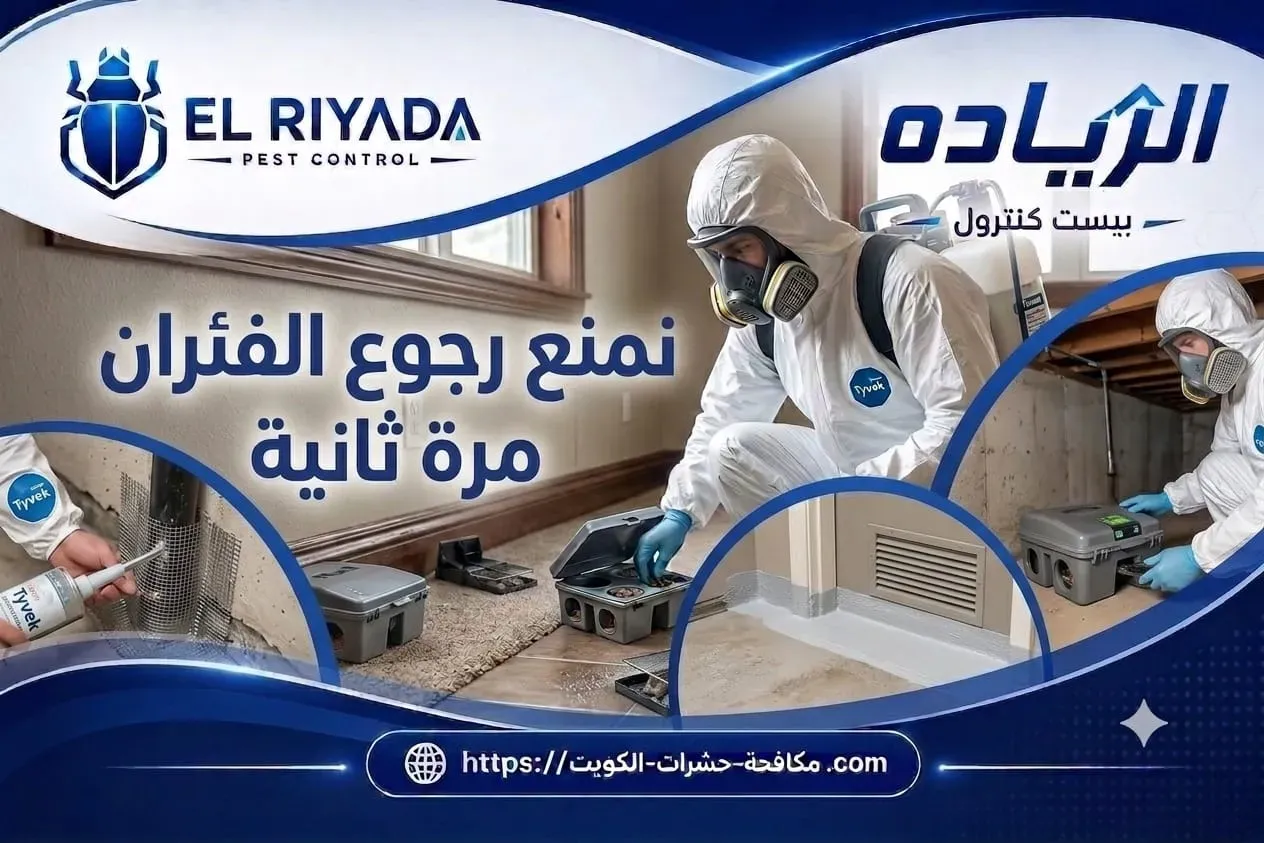
When evaluating Al Reyada Pest Control as an option for rodent management, the important point should not simply be whether a technician can reach the property and place traps. The service should be built around diagnosing activity and identifying the conditions that allow the problem to continue. A customer who has seen a rat or mouse naturally wants the rodent removed, but before that can become a complete solution, it is important to determine whether the sighting represents limited activity or whether additional evidence indicates that a broader program may be required.
The service can begin by collecting details about the situation and inspecting areas connected to the reported activity. This includes looking for droppings, gnaw marks, possible movement routes, and potential access points. This type of assessment helps control devices to be positioned according to evidence instead of simply being distributed around the location where the rodent happened to be seen.
The value of the plan becomes clearer when the control method is selected according to property conditions. Traps may be appropriate in some locations, while other situations may require a different strategy or a combination of measures. The objective is not to use the largest possible number of devices. It is to use the appropriate method in suitable locations while considering safety and the normal use of the home.
The service should also identify entry points or attractants requiring action by the property owner or an appropriate maintenance provider. If an opening allows rodents to enter, controlling the rodents already inside while leaving that opening unchanged may not provide a stable long-term result. Similarly, if storage conditions continually provide food and protected hiding spaces, customers should understand how those conditions can be reduced.
Follow-up makes the service easier to evaluate objectively. Reviewing control devices and activity indicators after implementation can help determine whether rodent movement has decreased, whether device locations should be adjusted, or whether new evidence changes the original understanding of the problem. This is more reliable than assuming the infestation has ended simply because no rodent has been seen immediately after the initial visit.
In this way, the value of Al Reyada Pest Control can be connected to a program combining inspection, control of existing activity, prevention, and follow-up. This is what customers should look for when choosing a trusted provider instead of relying on a quick service that addresses only the visible rodent without investigating why it appeared.
• The plan begins by understanding the location, timing, and evidence of rodent activity so the service can be designed around actual findings rather than using one standard program for every property.
• Inspecting possible entry points and movement routes helps move the service beyond removing existing rodents toward reducing conditions that may allow the problem to return.
• The selection of traps, stations, or other control methods should reflect property conditions, activity level, and household safety considerations.
• Explaining recommendations related to storage, food sources, and openings allows the customer to contribute to prevention without transferring responsibility for professional rodent control to the homeowner.
• Follow-up provides an opportunity to evaluate activity indicators and adjust the control plan when necessary instead of treating the first positive result as automatic proof that every stage of the problem has ended.
Conclusion
Choosing the Best Rat Control Company in Kuwait should not begin only by asking which technician can arrive fastest or which provider offers the lowest price. Rodent activity requires an understanding of possible entry points, movement routes, food and hiding sources, and the level of activity before the appropriate control method can be selected. A company that begins with diagnosis, explains its plan, considers safety, and clearly defines follow-up conditions gives customers a stronger basis for making an informed decision.
When comparing companies, do not allow an advertisement or the word "guarantee" alone to determine your choice. Confirm the scope of the service, whether the visit includes inspection and follow-up, how the company approaches possible entry points, and what responsibilities the customer may have after implementation. If children or pets are present, ask specifically about control device placement and relevant safety procedures.
Do not automatically assume that a higher price means better service or that a lower price represents genuine savings. Compare what you actually receive for the amount being charged. A limited service may be completely appropriate for a simple case, while recurring activity may require a broader program. Understanding the Criteria for Choosing a Rat Control Company helps you identify this difference before paying for the service.
The ultimate objective is not merely to remove the rodent that happened to be seen. It is to reach a situation where there are no continuing indicators of activity while addressing relevant risk factors and monitoring the results when necessary. At that point, selecting a rodent control company becomes a decision based on the quality of the work rather than the strength of the advertisement.
Frequently Asked Questions
How do I choose the best rat control company in Kuwait?
Begin by evaluating how the company diagnoses the problem. Then ask about service scope, control methods, follow-up, guarantee conditions, and safety procedures. The appropriate provider should be able to explain the proposed plan and the reasons behind it instead of making a general promise to eliminate rodents before inspecting the property.
Does seeing one rodent mean there are more?
Not necessarily, but one sighting also cannot confirm that only one rodent is present. Other indicators such as droppings, gnaw marks, sounds, and movement routes should be evaluated to develop a better understanding of the level of activity.
Are traps better than rat bait?
There is no single method that is best for every situation. The choice depends on the activity location, property type, infestation level, and safety considerations. The appropriate method should therefore be selected after evaluating the specific situation rather than simply choosing an approach because it worked in another property.
What does a rat control guarantee cover?
Guarantee conditions vary between companies. Customers should understand the duration, covered situations, return-visit conditions, and their responsibilities regarding recommendations intended to reduce future entry. The word "guarantee" alone does not provide enough information without the actual terms.
Are residential rat control services safe?
Rodent control can be carried out in a way that considers residential conditions when appropriate control devices and locations are selected and relevant use and safety instructions are followed. The technician should be informed when children or pets are present so this information can be incorporated into the control plan.
When do I need a 24-hour rat control company?
Emergency service may be useful when unexpected rodent activity occurs in a sensitive area or when the customer needs rapid assistance outside normal business hours. However, fast response does not eliminate the need for inspection and follow-up when the problem requires broader assessment.
Should entry points be sealed immediately after seeing rodents?
Potential entry points should be identified and evaluated before openings are sealed randomly. Some gaps may require exclusion or maintenance work, but these actions are more effective when they form part of a clear plan connected to rodent movement patterns and property conditions.
Is the cheapest rat control company the best choice?
Not always. Compare the scope of service first. A low price may cover only one visit, while another quotation may include inspection and follow-up. At the same time, a higher price does not automatically mean better service, so the actual work included should be compared rather than prices alone.
What does a rat control technician do on the first visit?
A technician should gather information about sightings and other signs, inspect areas associated with activity, assess possible entry points and attractants, and then select appropriate locations and control methods. The technician should also explain recommendations and any required follow-up.
Why choose Al Reyada Pest Control for rat control?
The value of the service comes from using a program that begins by assessing rodent activity, considers movement routes and possible entry points, selects appropriate control methods, takes residential safety into account, and evaluates activity indicators after implementation. This approach treats rodent activity as a condition requiring diagnosis and management rather than simply treating one visible rodent as a problem that needs a trap.