
Finding a mouse in the kitchen requires identifying its hiding place, positioning a suitable trap along its movement route, and sealing the entry opening after confirming that the mouse has been removed. The problem does not end simply because the mouse disappears behind the cabinets, since gaps around sink pipes and appliances may allow it to return. In Kuwaiti homes, these entry points can be difficult to detect because fixed cabinets and large appliances conceal sections of the walls. It is therefore important to recognize the signs of mouse activity and distinguish between the place where the mouse hides and its actual entry point. Proper handling of traps and contaminated food also helps address the problem without exposing household members or kitchen utensils to additional risks.
Mouse in the Kitchen

When a mouse appears in the kitchen, the first step is not to chase it or attempt to catch it immediately. Instead, identify the area toward which it moved and examine the surrounding objects. A mouse may disappear beneath cabinets or behind appliances within seconds while its entry route into the kitchen remains open. For this reason, the sighting should be treated as the starting point for a systematic inspection rather than sufficient evidence to determine the extent of the infestation.
Begin by removing exposed food and storing dry ingredients in tightly sealed containers. Then examine the area where the mouse was seen without moving heavy appliances randomly. If you discover gnawed packaging or fresh droppings, these signs can help identify the area of activity that requires attention.
A common mistake is assuming that the mouse entered through the kitchen door simply because it was seen nearby. It may have reached the kitchen through an opening behind the cabinets and then traveled along the wall before appearing elsewhere. It is therefore necessary to distinguish between the sighting location, the movement route, and the entry opening.
-
Observing the direction in which the mouse moves when it appears helps identify the area that should be inspected first without having to empty every kitchen cabinet or chase the animal between appliances.
-
Removing available food sources before setting a trap reduces the food alternatives accessible to the mouse and helps make the bait inside the trap more attractive than exposed food scraps.
-
Inspecting the lower sections of the kitchen with adequate lighting makes it possible to identify gnaw marks, droppings, and gaps near the floor without inserting a hand into places whose contents cannot be seen.
-
Distinguishing a single sighting from repeated activity prevents exaggerating the estimated number of mice while also ensuring that the problem is not ignored when new signs appear after cleaning or movement is detected in several locations.
Mouse Inside a Kitchen Cabinet
Finding a mouse inside a kitchen cabinet presents a different problem from seeing one crossing the kitchen floor because the cabinet may contain food, dishes, and utensils used every day. Some cabinet designs also include spaces behind interior panels or beneath wooden bases that are not visible when the doors are opened.
If signs of activity appear inside a particular cabinet, its contents should be removed carefully, and food items should be separated from nonfood items. Packaging should be inspected for holes or gnaw marks, while shelves and corners should be examined to determine the extent of contamination. Food that may have been directly exposed to rodent droppings should not be kept.
The cabinet beneath the kitchen sink deserves particular attention because water supply and drainage pipes pass through it. A gap around a pipe may be larger than necessary and allow a mouse to travel from the space behind the cabinets into the cupboard.
Finding droppings inside a cabinet does not necessarily mean that the mouse lives there continuously. It may use the cabinet as a passage to reach food and then return to another hiding place. Cleaning the shelves and closing the cabinet door are therefore insufficient without inspecting the openings behind it.
-
Inspecting bags and cardboard packages stored inside the cabinet helps identify containers affected by gnawing or contamination before reorganizing the contents or moving them to another cupboard.
-
Examining gaps around sink pipes from inside the cabinet reveals possible movement routes that may not be visible from outside the kitchen because wooden panels and finishing materials conceal them.
-
Cleaning contaminated surfaces using a suitable disinfectant and a wet-cleaning method reduces the risk of disturbing potentially contaminated dust when removing droppings and avoids dry sweeping or using an ordinary household vacuum cleaner on the waste.
-
Avoiding exposed rodent poisons near dishes and food supplies helps maintain the safety of storage areas and encourages the selection of a control method that can be monitored and allows the rodent to be removed after capture.
Best Bait for a Mouse Trap
Choosing the best bait for a mouse trap depends on how effectively the bait attracts the rodent and how securely it can be attached to the trap rather than on the quantity of food used. Peanut butter is a popular option because of its smell and sticky consistency, which allows a small amount to be placed on the designated bait area.
However, no single bait works equally well in every kitchen. If the mouse is already feeding on grains or food scraps near its hiding place, it may show less interest in another type of bait. Available food sources should therefore be removed before assessing the trap's effectiveness.
It is also important to choose bait that suits the trap's design. Some mechanical traps require a small amount of bait to be secured properly so that the mouse approaches the triggering mechanism instead of pulling the food away without activating the trap.
Food bait should not be confused with poisoned bait. The former attracts a mouse to a suitable trapping device, while the latter contains a rodent-control substance and requires specific safety precautions. In kitchens, the priority should be to avoid treatments that may contaminate food or produce outcomes that are difficult to control.
-
Using a small amount of peanut butter in the designated bait position keeps the attractant close to the trap mechanism instead of scattering food around it and allowing the mouse to eat without approaching the capture point.
-
Trying bait that matches the type of food showing gnaw marks may be useful when a mouse ignores the first bait, provided the trap's position and bait are not changed repeatedly before the activity can be assessed.
-
Paying attention to how securely the bait is attached to a mechanical trap prevents it from falling off or being removed easily and makes the attachment method an important part of successful trapping rather than merely choosing a food type.
-
Keeping traps and bait out of reach of children and pets protects household members and prevents trapping equipment from being placed on food preparation surfaces or inside easily accessible cupboards.
Mouse Behind the Refrigerator
Finding a mouse behind the refrigerator does not necessarily mean that this location is its entry point into the kitchen. The mouse may use the space between the appliance and the wall as a temporary hiding place or as a route to an adjacent cabinet. Detecting its movement becomes more difficult when the refrigerator is surrounded by fixed cupboards or installed inside a narrow recess.
Before moving the refrigerator, it is important to determine whether the area behind it can be accessed safely. Some appliances are large and heavy, and their connections may be damaged if they are pulled incorrectly. Inspection can begin with a flashlight to examine the floor and side edges without touching wires or internal components.
If droppings or gnaw marks appear behind the appliance, their distribution should be identified before cleaning. Signs along the wall may indicate a regular movement route, while gaps near the floor may reveal how the mouse reaches the space behind the refrigerator.
-
Examining the gap between the refrigerator and the wall from both sides with adequate lighting helps identify visible signs without unnecessarily pulling the appliance or putting strain on its electrical connections.
-
Inspecting the floor around the refrigerator's base may reveal movement traces or gnawed materials that help determine whether the mouse passes through the area or uses it as a hiding place.
-
Avoiding placing traps directly against wires or appliance ventilation openings protects the refrigerator's operation and prevents trapping equipment from obstructing maintenance or necessary ventilation.
-
Getting suitable assistance when a heavy refrigerator needs to be moved reduces the likelihood of personal injury or damage to the floor and appliance while attempting to reach the mouse's hiding place.
Mouse Droppings in the Kitchen

Finding mouse droppings in the kitchen means that the affected area should be treated as potentially contaminated even if the mouse itself has not been seen. Droppings may appear inside cabinets, beneath appliances, or near food packaging. The number of mice cannot be accurately determined from the quantity of droppings alone because one rodent may leave traces in several locations.
The priority is not to remove the droppings as quickly as possible by any means, but to prevent contaminated particles from spreading during cleaning. Dry sweeping and using an ordinary household vacuum cleaner directly on the waste should therefore be avoided.
The area should be ventilated where possible, suitable gloves should be worn, and the droppings should be moistened with an appropriate disinfectant according to its instructions and required contact time. They should then be removed using cleaning materials that can be disposed of securely.
Exposed food or packages damaged by gnawing should be discarded when their contents may have been contaminated. Food preparation surfaces also require appropriate cleaning and disinfection before they are used again.
-
Identifying the locations where droppings appear before cleaning begins helps determine the extent of contamination and prevents cleaning only the visible area while leaving waste inside neighboring cabinets.
-
Moistening droppings with an appropriate disinfectant before removing them reduces the possibility of particles becoming airborne during cleaning and makes handling the waste safer than collecting it while dry.
-
Examining food packaging near the droppings allows potentially contaminated items to be discarded without unnecessarily exposing the remaining kitchen contents to indirect contamination.
-
Monitoring whether new droppings appear after cleaning helps determine whether rodent activity is continuing, provided that the absence of droppings alone is not treated as definitive evidence that the problem has ended.
Mouse Hiding Places in the Kitchen
Mouse hiding places in the kitchen vary according to cabinet design, appliance positions, and the gaps between furniture and walls. A location that provides darkness, limited disturbance, and a quick escape route may offer suitable shelter even when no food scraps are present.
Areas worth inspecting include spaces beneath cabinet bases, concealed sections behind the dishwasher or oven, and interior areas close to sink installations. The space behind several cabinets may also be connected, allowing a mouse to travel without crossing the kitchen's open floor.
A hiding place should not be confused with an entry point. A mouse may enter through a gap in a wall and then temporarily settle behind an appliance some distance away. A good inspection therefore connects the available evidence with possible movement routes.
-
Inspecting lower cabinet bases and removable panels helps identify concealed spaces that a mouse may use without unnecessarily dismantling permanently installed kitchen cabinets.
-
Examining narrow gaps behind built-in kitchen appliances reveals locations that are difficult to clean during daily routines and may allow rodents to move away from household activity.
-
Paying attention to areas surrounding drainage openings and utility installations helps distinguish cavities that connect different parts of the kitchen from enclosed spaces that do not provide movement routes.
-
Avoiding inserting a hand into any concealed opening before its contents can be seen protects against bites or contact with waste while preventing accidental interference with wires and pipes behind cabinets.
Mouse Trap for the Kitchen
Choosing a mouse trap for the kitchen depends on the characteristics of the location, how easily it can be accessed, and whether the trap can be inspected after installation. A suitable trap for a food storage area may differ from one used in a passage behind appliances, particularly when children or pets may be nearby.
Mechanical traps are used to capture mice as they pass through a specific location, while some electronic traps operate inside a designated chamber according to the device's design. A higher price does not necessarily make one type the best option for every kitchen. Correct placement and ease of monitoring remain essential factors.
The trap needs a stable surface and a position that does not interfere with cabinet doors or appliance movement. It should not be placed on food preparation surfaces or in locations that are difficult to access when the captured rodent needs to be removed.
-
Choosing a trap that fits the width of the mouse's movement passage helps position it along the wall without interfering with normal kitchen use or leaving it in an open area away from the rodent's route.
-
Considering how easily the trap can be inspected and retrieved prevents a captured rodent from remaining in a concealed location and allows the trap to be handled and the area cleaned without dismantling kitchen components.
-
Using an appropriate protective trap enclosure when necessary reduces the possibility of children or pets reaching the trapping mechanism, provided the enclosure is compatible with the trap and its operating instructions.
-
Reassessing the trap's location if signs of activity continue without a capture helps identify a different movement route instead of repeatedly increasing the bait quantity in a trap positioned in the wrong place.
Sealing Mouse Entry Points into the Kitchen
Sealing mouse entry points into the kitchen is an essential step in preventing the problem from recurring after the existing rodent has been controlled. However, successful sealing depends on identifying the opening actually being used and choosing a material suitable for its location, rather than simply filling every visible gap around the cabinets.
Some entry points are found around water pipes, behind cabinet bases, or where walls meet the floor. An opening may look small from the outside while connecting to a larger cavity that allows a mouse to pass through.
Relying on ordinary expanding foam alone in areas exposed to gnawing is not recommended because it may not provide an adequate barrier. Gnaw-resistant sealing methods appropriate to the location can be used while observing safety requirements around electrical installations and pipes.
An opening that may have a mouse behind it should not be sealed before the existing activity has been addressed. Otherwise, the animal may become trapped inside the wall or move into a cavity that is difficult to access.
-
Identifying openings connected to mouse movement routes before sealing begins helps direct repair work toward actual entry points rather than superficial cracks unrelated to the problem.
-
Choosing gnaw-resistant materials compatible with the wall or cabinet construction reduces the likelihood of the route being reopened while protecting the installations surrounding the opening.
-
Avoiding the closure of ventilation openings or access points intended for appliances prevents interference with equipment operation or future maintenance while protecting the kitchen from mice.
-
Reviewing the sealing work after rodent control has been completed helps identify remaining gaps around edges or pipes that could allow another rodent to enter through the same route.
Mice in the Kitchen
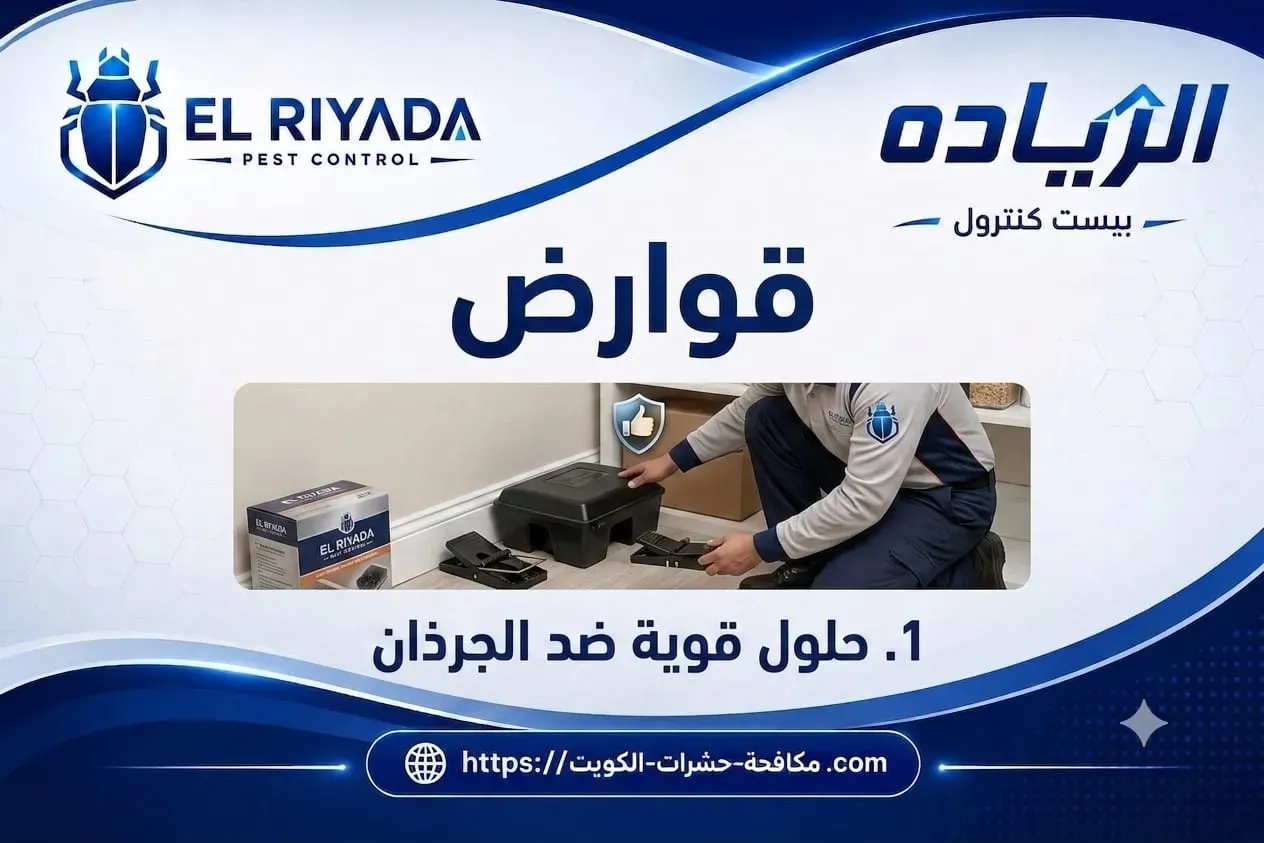
When mice are repeatedly seen in the kitchen or signs of activity appear in several locations, it becomes important to assess the extent of the problem rather than treating every sighting as an unrelated incident. Repeated appearances may indicate the presence of more than one rodent or continued entry through an opening that has not been addressed.
Ongoing activity may be suggested by fresh droppings after cleaning, recently gnawed packages, or repeated sightings at different times. However, these signs alone cannot establish the exact number of mice present.
Recurring cases require a plan that includes inspecting entry points, distributing suitable trapping devices, and monitoring the results. Food storage and waste disposal practices should also be reviewed because continued access to food may support ongoing activity.
-
Recording sighting locations and the times when rodents appear helps identify areas where activity repeatedly occurs instead of distributing traps evenly throughout the kitchen without evidence that those locations are being used.
-
Comparing new signs with those observed before control began helps determine whether activity is continuing or declining without assuming that treatment has succeeded simply because no mouse has been seen for a short period.
-
Extending the inspection to areas connected to the kitchen when necessary helps identify a shared entry route that may explain why rodents appear in several cabinets or behind multiple appliances.
-
Requesting professional assistance if sightings continue despite trapping and sealing allows the treatment plan to be reviewed and the reasons for persistent activity to be identified instead of repeating the same measures without a clear result.
Cost of Residential Mouse Control in Kuwait
The cost of residential mouse control in Kuwait depends on the extent of the problem, the kitchen's layout, and the work required to address existing activity and prevent recurrence. A case involving one mouse near an easily accessible cabinet differs from repeated signs of activity behind built-in appliances or inside cavities that are difficult to inspect.
The cost does not depend solely on the number of traps because identifying the entry point and inspecting areas connected to the kitchen may require additional time and work. Treatment requirements also differ when droppings are widespread or openings need to be repaired by a qualified technician.
Before agreeing to a service, homeowners should find out whether the quotation includes inspection, installation and monitoring of control devices, and entry-point sealing. Responsibility for moving appliances or removing cabinet components when necessary should also be clarified.
-
The number of activity locations within the kitchen affects the inspection scope and distribution of control devices because signs in several cabinets require a broader assessment than activity limited to one location.
-
The difficulty of reaching concealed spaces may increase the work required when a mouse is behind heavy appliances or inside fixed cabinet sections that cannot be opened without technical assistance.
-
The type of treatment needed for mouse entry points varies according to the opening's location, the materials suitable for sealing it, and whether finishing work is necessary after rodent control.
-
A clear description of the services included in the quotation helps homeowners compare options without confusing the cost of trapping mice with separate charges for cleaning, repairs, or follow-up visits.
Why Al Reyada Pest Control Is a Strong Choice in Kuwait
When considering why Al Reyada Pest Control may be a strong choice for pest control in Kuwait, the focus should be on the nature of the problem requiring treatment rather than simply describing the company as the best. In the case of mice inside a kitchen, good service should be evaluated by its ability to identify the source of activity, address the rodents already present, and reduce the likelihood of their return without exposing food or household members to additional risks.
Al Reyada Pest Control's service can be evaluated through the clarity of its inspection procedures, its method of selecting traps, and its approach to sensitive locations such as food storage cabinets and the area behind the refrigerator. Homeowners should also understand how droppings and openings around pipes will be handled and whether sealing work is included in the service.
Technical knowledge is particularly important when distinguishing traces of old activity from recent signs that require intervention. Treating every dropping or opening as evidence of a major infestation may lead to unnecessary measures, while ignoring repeated signs may allow the problem to continue.
No company can be established as superior to every competitor without a documented comparison. However, customers can make better decisions when they receive a clear explanation of the problem, an appropriate treatment plan, and accurate details about the work required.
-
Evaluating how the kitchen is inspected before rodent control begins helps determine whether treatment targets actual activity areas instead of placing traps randomly without identifying movement routes.
-
Prioritizing the safety of food and utensils during service delivery is an important consideration when choosing a pest control company because kitchens require precautions that differ from those used in outdoor areas or nonfood storage facilities.
-
Explaining the connection between trapping the mouse and sealing its entry point helps address the underlying reason the problem may recur instead of assuming that removing the existing rodent completes the work in every case.
-
Clearly defining the service scope and follow-up arrangements gives homeowners a practical basis for evaluating Al Reyada Pest Control and comparing its proposed work with the kitchen's actual needs without relying on undocumented promises or claims.
Conclusion
Getting rid of a mouse inside the kitchen involves more than setting a trap. It requires identifying where the animal hides, choosing a suitable trapping method, and addressing the entry opening after existing activity has been controlled. Inspection becomes especially important when droppings appear inside cabinets or movement repeatedly occurs behind appliances because cleaning the visible area without identifying the cause may not prevent the problem from returning.
Protect food, use control methods that can be monitored, and avoid exposed poisons inside food storage and preparation areas. If signs continue or the mouse's location cannot be accessed, it is advisable to request a professional inspection that clearly establishes the extent of the problem and the steps required to address it.
Frequently Asked Questions
How can I tell if there is a mouse inside a kitchen cabinet?
Small droppings, gnawed food packaging, or movement noises may appear inside the cabinet. The area should be inspected carefully because these signs may indicate that the mouse is passing through the cupboard rather than living there continuously.
Where is the best place to put a mouse trap in the kitchen?
Choose a location close to a likely movement route along the wall while following the trap's instructions and keeping it away from children, pets, and food preparation surfaces.
Is peanut butter the best bait for a mouse trap?
Peanut butter is a popular bait because of its smell and sticky consistency. However, its effectiveness also depends on the trap's location and the other food sources available to the mouse.
Why does a mouse hide behind the refrigerator?
A mouse may use the space behind the refrigerator because it is relatively undisturbed and difficult to access. However, finding a mouse there does not mean that the refrigerator area is its original entry point into the kitchen.
Can a mouse enter through an opening around a sink pipe?
Yes. A mouse may use the gap surrounding a pipe where it passes through a wall or cabinet. The appropriate gap should be sealed without interfering with the pipe's operation.
How can I safely clean mouse droppings from the kitchen?
Moisten the droppings with an appropriate disinfectant before removing them, wear gloves, and follow the disinfectant's instructions. Avoid dry sweeping or using an ordinary household vacuum cleaner directly on the waste.
Is sealing the mouse's entry point enough to get rid of it?
No. If the mouse is still inside the kitchen, sealing the opening too early may trap it in a concealed cavity. It is better to address existing activity before closing appropriate entry points.
When should I hire a residential mouse control company in Kuwait?
Professional assistance is appropriate when sightings recur, fresh droppings appear, or the hiding place or entry opening cannot be identified, particularly when the problem involves fixed cavities that cannot be accessed safely.