
Choosing a home pest control contract company should not begin by asking which provider offers the cheapest annual contract. The more important question is what will actually happen after the agreement is signed. A good contract is not simply a number of visits written on paper. It is a clear program that identifies covered pests, follow-up timing, how new activity between visits is handled, the limits of the guarantee, and the responsibilities of both parties. The real difference between companies often becomes visible after the first treatment, when follow-up is needed or pest activity appears in another part of the home. In this guide, we explain how to choose the right company in Kuwait, what to look for inside the contract, how to distinguish a genuine preventive program from a group of visits packaged under the name “annual contract,” and why Al Reyada Pest Control can be a suitable option for homeowners looking for organized year-round follow-up.
Home Pest Control Contract Company

Choosing a home pest control contract company requires a different type of evaluation from choosing a provider for a single spraying visit. With a one-time visit, the objective is usually to deal with an existing problem such as cockroaches in the kitchen or ants in a specific area. An annual contract, however, creates a service relationship that continues for several months, so the company should be evaluated according to its ability to inspect, follow up, document, and respond to changes that may appear inside the home throughout the agreement period.
The first point to review is the range of pests included. The word “pests” is extremely broad, and a customer may assume that the contract covers everything while some pests are excluded or require a separate program because of their behavior and treatment requirements. The agreement should therefore state clearly what is included instead of relying on one general service title.
The second point is the number and nature of visits. Having four or six appointments during the year does not, by itself, reveal the quality of the program. The important question is what happens during each visit. Is the property inspected before treatment? Are active areas identified? Are previous observations reviewed? Or does the technician simply arrive, spray the same locations every time, and leave?
The third point is how the company handles pest activity that appears between scheduled visits. This is one of the most important indicators of contract quality because pests do not open a calendar and check the date of the next appointment before deciding to appear. If activity develops one month after treatment, the homeowner should know whether follow-up is included and under what conditions.
The company should also consider seasonal changes in pest activity. Some problems may become more noticeable during certain periods of the year or may be influenced by internal conditions such as food sources, moisture, and access openings. A professional company should not treat the entire year as though the property's conditions never change.
It is also useful to know whether the company provides recommendations after inspection. Pest control is not only about pesticide application. A leak, open access point, or poor storage practice can contribute to continuing activity, so identifying these conditions forms an important part of professional service.
Ultimately, do not choose a company simply because a salesperson says, “Don’t worry, we are with you for a whole year.” It sounds lovely, but before we begin this long-term relationship, we need to know exactly what that year actually contains.
• The contract should clearly identify the pests included so the customer does not discover after a new problem appears that the required pest falls outside the agreement.
• The number of visits alone does not determine service quality because the value of each visit depends on inspection, activity identification, and review of previous treatment results rather than repeated spraying.
• The procedure for responding to pest activity between scheduled appointments is one of the most important contract terms to understand before signing a year-long agreement.
• A good program considers seasonal changes and changing conditions inside the home instead of applying exactly the same treatment automatically during every visit.
• Recommendations related to moisture, access points, storage, and other contributing conditions help homeowners reduce factors that support recurring pest activity.
Best Home Pest Control Contract
The best home pest control contract cannot simply be defined as the agreement offering the highest number of visits or the lowest price. The best option is the program that matches the nature of the property and the pest problems most likely to occur while clearly explaining what the company will do throughout the contract period. A villa with a garden, outdoor kitchen, and storage room is not the same as an apartment inside a high-rise building, so the two properties should not automatically receive the same service plan.
The correct starting point is property assessment. The company should understand the size of the home, the nature of its indoor and outdoor areas, and any previous pest activity. A property with a recurring cockroach problem requires a different level of attention from a home where the primary objective is preventive maintenance.
The visit plan comes next. The objective should not be to distribute a fixed number of appointments across twelve months simply to fill a schedule. Timing should support the purpose of the program, while there should also be a defined process for handling pest activity that appears outside the scheduled appointment according to the contract conditions.
A good contract should also clarify what happens during each visit. Inspection before treatment is important because it identifies whether there is new activity or whether infestation patterns have changed. Treatment can then be connected to actual observations instead of applying the same procedure to every room without a reason.
Another important element is defining the limits of the service. Some pests require specialized treatment that differs from routine maintenance programs, so the agreement should explain whether those cases are included or require separate assessment. Clarity protects both the homeowner and the company from different expectations later.
The contract should also explain certain responsibilities of the homeowner when relevant. If a problem is connected to a persistent leak or an opening that allows pests to enter from outside, leaving the condition unchanged may reduce the effectiveness of treatment. The company can control the activity, but it cannot personally negotiate with every cockroach and convince it to stop using the open entrance all year.
Price should be considered only after all these elements are understood. Once the service scope, visit schedule, follow-up conditions, and covered pests are clear, contracts can be compared fairly instead of placing two unrelated numbers beside each other.
• The best contract is built around property type and previous pest activity instead of applying one ready-made plan to every apartment and villa.
• Visit timing should support both preventive and treatment objectives while including a clear process for dealing with pest activity appearing outside scheduled appointments.
• Inspection at the beginning of each visit allows treatment to be adjusted according to the current condition instead of repeating the same procedure even when the problem has changed.
• Clearly identifying included and excluded pests prevents disagreement when an infestation appears that requires a specialized treatment program.
• Price comparisons become useful only after confirming that the contracts being compared provide a similar level of service and follow-up.
Approved Annual Home Pest Control Company
When searching for an approved annual home pest control company, customers should not rely only on the word “approved” appearing in an advertisement or promotional post. The practical requirement is to deal with a legitimate provider that can clearly identify its business information, service scope, and contract terms because the customer is not purchasing a visit that ends the same day. The customer is entering a longer agreement and needs a company that can be contacted and referred back to later.
Start by asking for a written contract that can be reviewed before payment. This simple step reveals a great deal about how professionally the provider operates. The document should identify the contract duration, number of visits, covered pests, method for requesting follow-up, and any conditions affecting guarantees or additional appointments.
Company details should also be clear on documents, invoices, or official communication channels used for the service. The purpose is not to collect paperwork for the sake of collecting paperwork. It is to make sure there is a clear reference if the customer later needs to review an appointment, contract term, or follow-up request.
Then consider the company's diagnostic approach. A professional provider should not promise one identical result for every infestation before seeing the property or understanding the problem. Ant control is not a copy of cockroach control, and bed bugs are not simply cockroaches that decided to change careers. Every pest has different behavior, activity areas, and treatment requirements.
Customers should also ask about the products used and how they are applied inside residential properties. Homes containing children, pets, or food preparation areas require proper attention to product instructions and relevant precautions. The customer should understand what is expected before and after treatment.
The company’s visit-recording system should also be reviewed. When a contract continues for a full year, it is useful to have a record showing when visits occurred, what important observations were made, and whether any location requires further monitoring. This prevents each appointment from starting from zero as though the technician has never entered the property before.
Finally, the word “guarantee” should never replace reading the actual conditions. A genuine guarantee has a defined scope, duration, and conditions, while a general promise with no explanation may be far less valuable than it sounds.
• The written agreement should clearly state the contract period, number of visits, covered pests, and follow-up procedures so homeowners know what service they are actually purchasing for the year.
• Clear company details and service documentation give customers a practical reference when reviewing appointments or contract-related requests later.
• Diagnosis should come before treatment selection because different pest behavior means that using the same plan for every infestation is not a strong sign of specialization.
• Clear product instructions and safety precautions are especially important in homes containing children, pets, or food preparation areas.
• Maintaining a record of visits and observations creates continuity throughout the annual service and prevents each appointment from becoming a completely separate event with no connection to previous work.
Pest Control Contract With a Guarantee
Having a pest control contract with a guarantee can give homeowners greater confidence, but the guarantee should not be understood as a magical phrase meaning that every pest appearing during the year will automatically be treated without conditions or limitations. A professional guarantee is connected to a clearly defined scope: which pests are covered, what situations qualify for a return visit, what responsibilities the homeowner has in following recommendations that reduce recurring activity, and which circumstances may involve an external factor requiring separate attention.
The first thing to review is what the guarantee actually means. Does it guarantee follow-up for a particular treated pest during a defined period? Is it connected only to scheduled visits? Or does it include additional follow-up when activity returns under specific conditions? These details should be written clearly rather than left to verbal interpretation.
It is also important to know whether guarantee conditions differ according to pest type. Some infestations require a specialized program or several treatment stages, so customers should not assume that every pest is covered under exactly the same terms. Clear conditions protect the homeowner from unrealistic expectations and protect the company from vague promises that cannot reasonably apply to every situation.
Another important consideration is the relationship between the guarantee and post-treatment recommendations. If a technician identifies a persistent leak, an entry opening, or a storage problem and the recommendation is ignored, the conditions supporting pest activity may remain. The agreement should therefore explain whether the homeowner has responsibilities that affect the continued effectiveness of the program.
A good guarantee does not eliminate the importance of periodic follow-up. In fact, it works better when there is a record of visits, reported activity, treatment decisions, and results. This makes it possible to determine whether a problem is repeatedly occurring in the same area or whether a new condition has developed elsewhere in the property.
The guarantee should also never become a marketing phrase used to hide weaknesses in the rest of the contract. Too few meaningful visits, poor inspection, or an unclear service scope does not suddenly become an excellent annual program simply because the word “guaranteed” has been printed in very large letters.
• The guarantee should identify the pests and situations it covers instead of using a general promise that does not explain when the homeowner can request additional follow-up.
• Conditions for return visits or repeat treatment should be written clearly so neither party has to rely on verbal promises when a problem appears.
• Some pests may require different treatment programs or guarantee conditions so customers should confirm whether the same terms apply to every covered infestation.
• Following recommendations such as sealing openings or addressing moisture can be important for maintaining the effectiveness of the pest management program.
• A genuine guarantee complements an organized contract and cannot replace proper inspection, documentation, follow-up, or a clearly defined service scope.
Periodic Home Pest Maintenance Company

Choosing a periodic home pest maintenance company is different from calling a technician only after a problem appears because maintenance is based on continued observation and identifying warning signs before they develop into a larger infestation. This type of service can be particularly useful for homes that want to manage pest risk throughout the year rather than treating every new sighting as a completely separate incident.
A good company begins by developing an understanding of the property's history. Have cockroaches repeatedly appeared in the kitchen? Does pest activity usually begin in the yard? Are there particular periods when activity increases? This information helps determine which areas deserve closer attention rather than applying exactly the same plan during every visit.
In periodic maintenance, the value of a visit should not be measured by the amount of pesticide applied. Sometimes the most valuable visit is the one in which a technician identifies a new entry point, moisture source, or unsuitable storage condition before pest activity becomes established. Recognizing these factors can prevent a problem rather than waiting for it to become serious enough to require extensive treatment.
There should also be continuity between appointments. If a technician identified activity during an earlier visit, that location should normally be reviewed during the next one. If every technician starts from zero and has no information about previous observations, the service becomes a collection of separate visits wearing an annual-contract costume.
A professional provider should also determine when active treatment is necessary and when inspection and monitoring are sufficient. Excessive spraying is not evidence of high-quality maintenance because the objective is to apply an appropriate intervention according to actual need rather than perform broad treatment automatically every time.
Homeowners should also have a clear method for reporting activity between scheduled appointments. If a new problem appears, they need to know whether it falls within the contract and how follow-up will be arranged.
• Good periodic maintenance uses the property's pest history and recurring activity areas instead of beginning every appointment without reference to previous conditions.
• The value of a visit is not measured only by pesticide quantity because identifying risk factors early can be more useful than carrying out unnecessary broad treatment.
• Maintaining records between appointments allows the company to determine whether pest activity is improving, continuing, or moving into new areas.
• A professional company distinguishes between situations requiring treatment and those requiring monitoring rather than turning every visit into automatic whole-property spraying.
• The process for reporting new activity between scheduled visits should be clear so homeowners know exactly what to do if pests appear before the next appointment.
Annual Pest Control Contract for Villas
An annual pest control contract for villas generally requires broader planning than many apartment contracts because villas often contain yards, several entrances, gardens, storage areas, outdoor kitchens, utility rooms, or other spaces that can influence how pests enter and where they become active. The best villa contract should therefore begin with an understanding of the property's layout rather than simply counting the number of rooms.
The first step is to divide the villa into clearly defined service zones. Indoor areas differ from outdoor spaces, kitchens differ from storage rooms, and yards differ from utility areas. This approach helps establish priorities instead of treating every part of the property in exactly the same way.
The relationship between outdoor and indoor environments should also be considered. Some pests may begin their activity in a yard or garden and later find access to the interior. Ignoring exterior areas can therefore reduce the effectiveness of the annual program when those locations are connected to the source or route of pest activity.
Entrances and openings require particular attention as well. Villas can have numerous doors, windows, utility penetrations, and service connections that create potential pest entry routes. Preventive recommendations related to these areas can therefore become an important part of the program.
How the villa is used also matters. A property occupied throughout the year differs from one used mainly during holidays or particular seasons. Similarly, a villa with a frequently used outdoor kitchen has different risk factors from a property where no such area exists.
The contract should also clarify whether gardens, storage rooms, yards, and separate structures are included. Leaving these areas undefined is one of the easiest ways for different expectations to develop later.
A larger property does not automatically require twice as many visits simply because it has more rooms. What it does require is a broader inspection and more accurate identification of priority areas. There is no need to give every villa the “super deluxe pest package” just because it happens to have an extra staircase. The program should match the property rather than the drama.
• Villa contracts should clearly identify indoor areas, outdoor spaces, and separate structures instead of referring to the entire property with one vague description.
• Yards and gardens can form part of the entry route for certain pests and should be evaluated when they are relevant to the property's pest activity.
• The larger number of doors, utility openings, and exterior connections in villas makes preventive recommendations particularly important.
• The way a villa is occupied throughout the year can help determine appropriate follow-up timing and the areas that require greater attention.
• The best villa contract expands the quality and scope of inspection according to the property rather than automatically increasing the number of visits.
Home Pest Management Program
Choosing a home pest management program should not be based on the number of visits alone because a genuine program is a method for managing pest risks throughout the year rather than simply a calendar filled with appointments. A home experiencing recurring cockroach activity in the kitchen requires a different follow-up approach from a property mainly affected by ants or pests entering from a garden. The real value of the program therefore appears in its flexibility and its ability to respond to the nature of the property rather than imposing exactly the same plan on every household.
The first step is to determine the level and type of risk. Is there an active infestation that requires treatment now, or is the primary objective prevention? Does the problem appear during particular seasons, or does activity continue throughout the year? These questions help determine whether the program should begin with a more intensive treatment stage followed by monitoring or whether an organized preventive plan is sufficient from the beginning.
Priority areas should then be identified. Kitchens, utility rooms, storage spaces, yards, drainage areas, and other locations may require different levels of inspection depending on the property. A good program does not distribute attention equally across every room simply because equal treatment sounds organized. It directs greater attention toward locations where pest activity is more likely to develop.
The program should also contain a clear mechanism for adjustment. If a new pest problem appears halfway through the year, the service plan should not continue unchanged as though nothing has happened. Professional follow-up means modifying the approach when the indicators inside or around the property change.
Prevention should form another part of the program. Sealing suitable entry points, improving storage practices, reducing unnecessary moisture, and maintaining hygiene in sensitive areas can all help reduce repeated pest activity. Depending entirely on pesticides while ignoring these contributing conditions creates an incomplete pest management strategy.
Documentation is also important. Recording where activity appeared, when treatment was performed, what observations were made, and what happened during the following visit allows the program to become more informed over time. Instead of repeatedly reacting to isolated incidents, the company can recognize patterns and adjust its approach accordingly.
• A home pest management program should begin by determining whether the property needs treatment for an existing infestation or an organized preventive approach because that distinction affects the structure of later visits.
• Higher-risk areas inside and around the home deserve different levels of attention instead of distributing treatment equally across every location without considering actual pest activity.
• A good program should be flexible enough to change when a new pest appears or when the location and pattern of an existing infestation change during the contract period.
• Preventive measures such as sealing entry points, reducing moisture, and improving storage are important parts of pest management and should not be treated as unrelated to pesticide application.
• Documenting the results of each visit creates a more accurate long-term program and prevents the company from repeating the same procedure without learning from previous observations.
Periodic Pest Follow-Up Company
The value of a periodic pest follow-up company depends on its ability to recognize small changes before they become major problems. Follow-up does not simply mean that a technician arrives every few months and sprays exactly the same locations. It means reviewing signs of activity, comparing current conditions with previous visits, and deciding whether the situation remains stable or requires a change in the pest management approach.
One of the clearest signs of good follow-up is maintaining a record of the property's condition. If cockroach activity was found in a particular area during an earlier visit, that location should naturally receive attention during later inspections. If a different technician arrives and knows absolutely nothing about what happened two months earlier, a significant part of the annual contract's value has already disappeared.
Clear communication is another important sign. The homeowner should know how to report a problem between scheduled visits and what information will help the company understand it. A clear photograph, description of the location, or information about when activity was noticed can help the company determine the appropriate priority before arriving.
Professional follow-up also avoids unnecessary intervention. Some appointments may not require extensive spraying. Inspection, monitoring, or targeted treatment may be more appropriate. A company that measures the value of every visit according to how much pesticide was applied is not necessarily providing better service.
Treatment results should also be reviewed. Did the activity stop? Did it move to another location? Has a new condition appeared that may be contributing to the problem? Asking these questions turns the service into results-based management rather than a repetitive sequence of appointments.
Homeowners should also know exactly how to contact the provider when assistance is required. Having a clear communication channel is considerably better than searching for a different telephone number every time or explaining the entire history of the property from the beginning to a new person.
• Maintaining records from previous visits allows the company to compare pest activity over time instead of treating every appointment as though it were the first inspection of the property.
• A clear communication channel helps homeowners report new pest activity quickly and reduces the possibility of important information being lost between different employees.
• Professional follow-up does not require extensive spraying during every appointment because some situations are better managed through inspection, monitoring, or limited targeted intervention.
• Reviewing treatment results shows whether the problem has improved, remained active, or moved to another location and provides a basis for adjusting the program.
• Having a consistent contact method makes annual follow-up easier and prevents customers from repeatedly explaining the entire case whenever they need assistance.
Home Pest Control Contract Services
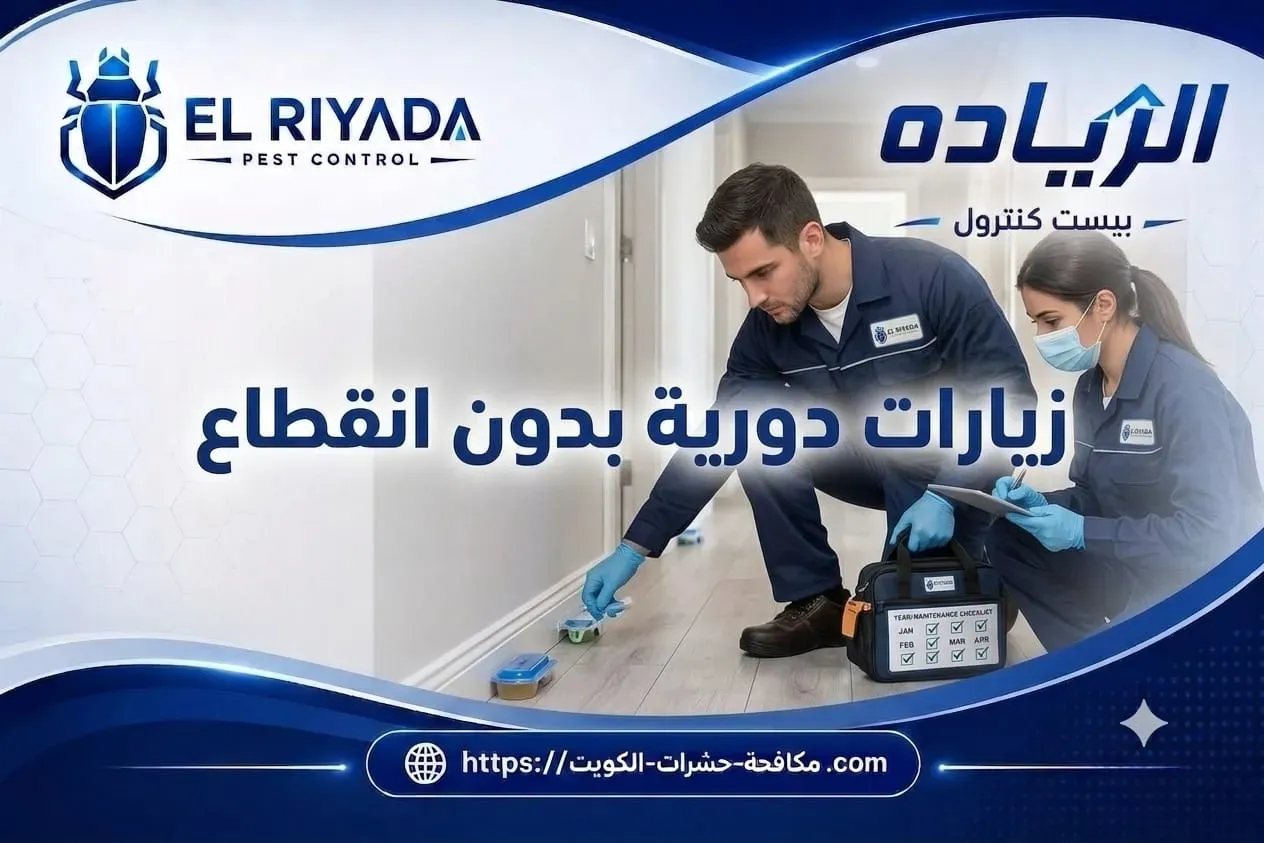
Home pest control contract services can differ considerably between companies, which is why homeowners should understand the individual components before signing an agreement. Some contracts focus mainly on scheduled treatment visits, while others may include inspection, follow-up, preventive recommendations, and responses to certain problems between appointments under clearly defined conditions. The phrase “home pest control contract” alone therefore tells the customer very little about the actual service being purchased.
The first service to look for is inspection. An assessment at the beginning of the contract helps establish the condition of the property before treatment starts. This creates a logical foundation for the rest of the program instead of immediately applying pesticides without understanding the problem.
The second service is scheduled visits. The customer should know how many visits are included, how they are distributed, and whether timing is completely fixed or can be adjusted when circumstances justify a change.
The third service is follow-up between scheduled appointments. This is particularly important because pest activity may not conveniently appear according to the company's calendar. Understanding the conditions for additional follow-up helps prevent disagreements later.
The fourth service is preventive guidance. Some pest problems cannot be managed effectively through pesticide application alone. Recommendations related to moisture, storage, sanitation, or pest entry points can increase the practical value of the annual agreement.
The fifth service is documentation. A simple report or record after each appointment helps both the company and homeowner understand what was observed, what action was taken, and what should be reviewed during future visits.
The sixth element is clarity regarding exclusions. If particular pests, treatment types, or conditions fall outside the annual contract, they should be identified before the agreement begins rather than being discovered only when the customer requests assistance.
• Initial inspection helps the company design the contract around the actual condition of the property instead of beginning with a generic program that may not reflect existing risks.
• Scheduled visits should be clear in number, timing, and expected service scope so homeowners understand what the annual program actually includes.
• Follow-up conditions between appointments are among the most important contract elements because they determine what happens when pest activity appears before the next scheduled visit.
• Preventive recommendations provide additional value by addressing conditions that contribute to recurring infestations instead of focusing exclusively on visible pest activity.
• Clearly identifying exclusions and pests that are not included prevents different expectations and creates a more transparent agreement for both parties.
Criteria for Choosing a Home Pest Contract Company
The criteria for choosing a home pest contract company should combine professional experience, organization, contract clarity, and quality of follow-up. The decision should therefore not be made solely according to price or the number of promised visits. A more useful question is whether the company is genuinely capable of managing pest risks inside the property for an entire year.
The first criterion is contract clarity. Homeowners should know exactly what is included, what is excluded, how many visits are provided, and how additional follow-up can be requested.
The second criterion is the company's experience with common household pests. General service claims are not enough if technicians cannot distinguish between the behavior of different pests and select appropriate treatment methods accordingly.
The third criterion is documentation. A company that records observations and reviews them during future visits can provide a connected management program instead of a collection of unrelated appointments.
The fourth criterion is communication quality. Being able to reach the company when a problem appears between scheduled appointments is extremely important in an annual contract.
The fifth criterion is guarantee clarity. Customers should understand exactly what the guarantee covers, when it applies, and which conditions may affect it.
The sixth criterion is flexibility. A good annual agreement should be able to respond to changes in pest activity rather than following a fixed schedule regardless of what happens inside the property.
The seventh criterion is balance between treatment and prevention. A provider that focuses only on pesticide application while ignoring the reasons pests enter or remain in the property is delivering an incomplete service.
The eighth criterion is realistic promises. Homeowners should be cautious with any company promising that they will never see a single pest for an entire year regardless of property conditions. A promise that sounds larger than the building itself deserves a second look before anybody signs underneath it.
• A clear written agreement is the first criterion because it defines the service scope and reduces reliance on verbal promises that may later be interpreted differently.
• Technician experience in distinguishing between pest types is essential because an effective program begins with accurate identification before treatment is selected.
• Documentation and continuity between visits increase the value of the annual agreement by connecting current decisions with the property's previous pest history.
• Easy communication when new activity appears is essential because an annual contract loses much of its value if reaching the company becomes difficult when assistance is actually needed.
• The strongest providers combine treatment with prevention and make realistic commitments instead of presenting an absolute guarantee as a marketing phrase.
Why Choose Al Reyada Pest Control for Annual Contracts?
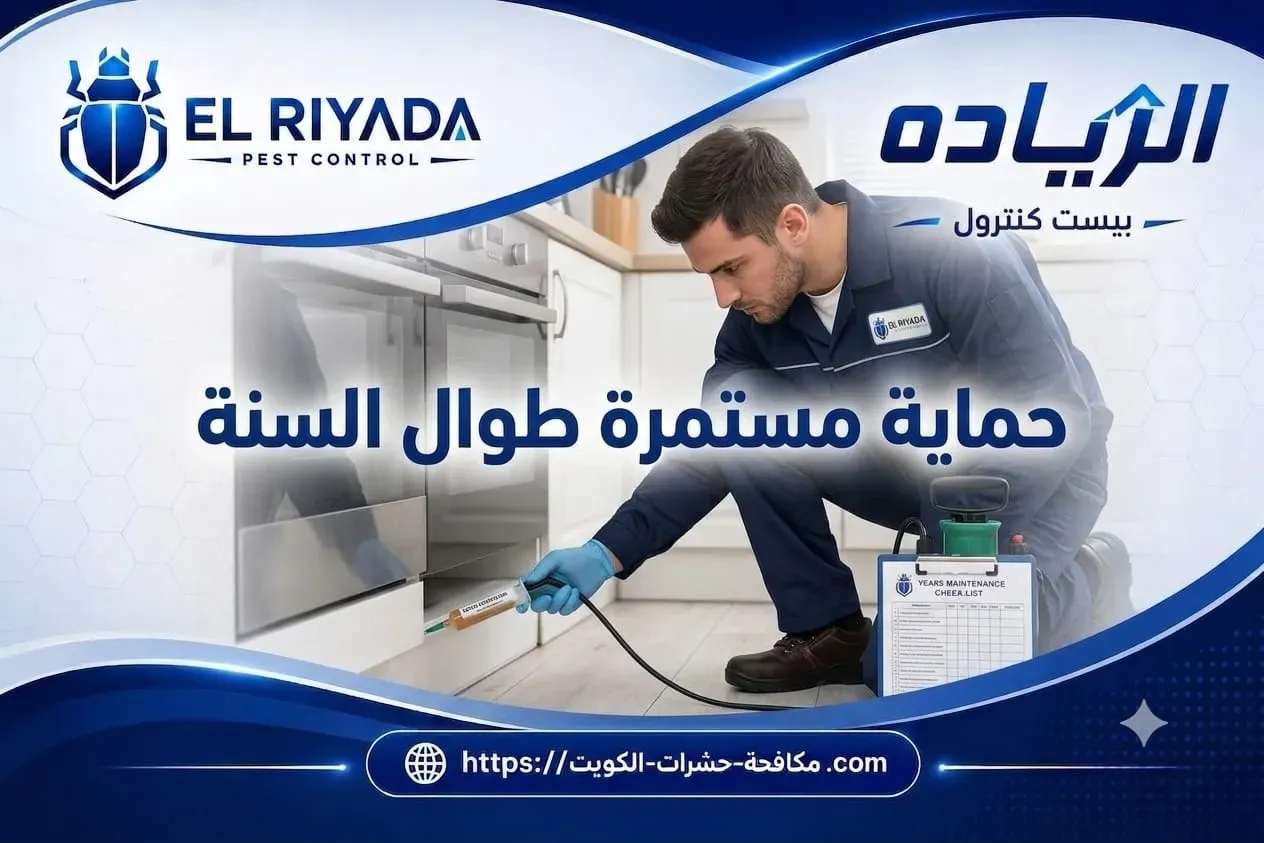
The value of Al Reyada Pest Control in annual home pest control contracts becomes clear when the property is treated as an individual case with its own history, risk areas, and pest activity rather than simply an address that needs a predetermined number of visits. The correct starting point is understanding the current problem, the type of property, previous pest activity, and whether the primary objective is to treat an existing infestation or establish an organized preventive program for the year.
The scope of the contract and the pests included should then be identified clearly. This helps homeowners understand what they will receive throughout the contract period and prevents dependence on broad phrases such as “comprehensive annual coverage” without explaining what that coverage actually means.
The importance of professional follow-up also appears in the connection between visits. If a problem is identified during an earlier appointment, it should be reviewed during later visits instead of allowing every technician to begin the assessment from zero. This continuity is one of the main differences between a genuine annual pest management program and a collection of unrelated treatment appointments.
Communication, guarantee conditions, and the procedure for requesting assistance between scheduled appointments should also be considered when evaluating Al Reyada Pest Control. A homeowner needs to know what to do if pest activity appears before the next scheduled visit rather than simply knowing the date of the next appointment.
Prevention is another important part of an effective annual contract. Identifying access openings, moisture sources, storage conditions, or other factors that can support pest activity helps reduce the possibility of recurring infestations instead of relying entirely on pesticide application.
The overall value of an annual contract therefore comes from combining assessment, treatment, prevention, documentation, and follow-up into one connected program. This is the standard homeowners should use when deciding whether Al Reyada Pest Control or any other provider is suitable for long-term pest management.
• A good annual contract begins by understanding the condition of the property and determining whether the homeowner needs treatment for an existing infestation or an organized preventive program.
• Clearly identifying included pests and covered areas helps homeowners understand the actual service scope instead of relying on a general promise that the contract covers everything.
• Connecting previous visits with later inspections helps measure treatment results and prevents technicians from repeating the same procedures without evaluating what happened previously.
• Having a clear process for communication and follow-up between scheduled appointments adds important value when new pest activity appears during the year.
• Paying attention to prevention and conditions that support pest activity makes the service more comprehensive than simply performing periodic pesticide applications.
Conclusion
Choosing the best annual home pest control company in Kuwait should not depend only on finding the lowest price or the contract offering the highest number of visits. The more important consideration is the quality and organization of the pest management program the homeowner will receive throughout the year.
Begin by evaluating a home pest control contract company according to the clarity of its agreement, the pests included, the way scheduled visits are managed, and the procedure for requesting follow-up. Then consider whether the best home pest control contract being offered actually matches the type of property and the pest risks present inside and around it.
When dealing with an approved annual home pest control company, customers should look for clear service documentation and an agreement they can refer back to when necessary. Similarly, a pest control contract with a guarantee should explain the conditions of that guarantee rather than simply displaying the word prominently in promotional material.
A periodic home pest maintenance company should connect each visit with previous observations and treatment results instead of treating every appointment as an unrelated service. An annual pest control contract for villas may require broader assessment because yards, gardens, storage spaces, utility areas, and exterior entry points can influence pest activity.
A home pest management program should remain flexible enough to respond when conditions change during the year, while a periodic pest follow-up company should provide homeowners with a clear method for reporting new activity between scheduled appointments.
Before signing, review the home pest control contract services individually and apply practical criteria for choosing a home pest contract company. Check the inspection process, follow-up system, guarantee conditions, communication, preventive guidance, documentation, and realistic service commitments.
Ultimately, a good annual contract is not simply a long document carrying a large company stamp. Its real value is that the homeowner understands who will do what, when it will be done, why it is necessary, and what happens if the situation changes during the year. Otherwise, every visit becomes a new surprise, and nobody needs twelve months of plot twists from cockroaches.
Frequently Asked Questions
How do I choose the best annual home pest control company?
Compare the clarity of the contract, covered pests, number and quality of visits, follow-up procedures, guarantee conditions, preventive guidance, and the company's ability to manage different household pest problems. The strongest option is usually the provider offering the clearest and most organized long-term program rather than simply the lowest initial price.
Does a larger number of visits mean a better annual contract?
Not necessarily. The quality of inspection, treatment decisions, documentation, and follow-up is more important than the number alone. Five well-planned visits based on actual pest activity may provide more value than ten superficial appointments in which the same treatment is repeated without evaluating results.
What should a home pest control contract include?
The agreement should clearly identify the contract duration, covered pests, number of scheduled visits, areas included in the service, follow-up procedure, guarantee conditions, important exclusions, and any responsibilities expected from the homeowner. These details help prevent misunderstandings during the contract period.
Does a pest control guarantee cover every pest that appears?
Not necessarily. Guarantee conditions can vary according to the pest, treatment type, and service agreement. Some infestations may require specialized programs or fall outside the standard annual contract, so homeowners should read the written conditions rather than assuming that the word “guarantee” means unlimited treatment for every possible pest.
Is an annual pest control contract suitable for every home?
No. Some properties may only need a one-time treatment, while homes experiencing recurring pest activity or requiring organized preventive monitoring can benefit more from an annual program. The decision should be based on the property's history, current pest conditions, and level of risk rather than automatically purchasing a yearly agreement.
What is the difference between periodic pest maintenance and repeated spraying?
Periodic pest maintenance includes inspection, monitoring, review of previous activity, preventive recommendations, and treatment when necessary. Repeated spraying focuses mainly on pesticide application without necessarily investigating why pests are appearing or whether previous treatment has achieved the intended result.
Do villas need a different pest control contract from apartments?
They often require a broader assessment because villas can contain yards, gardens, outdoor kitchens, storage rooms, utility areas, multiple entrances, and other exterior connections. However, the correct program should always be based on the actual property rather than assuming that every villa automatically requires the same contract.
Why are pest control visit records important?
Visit records allow the company to track previous activity areas, treatments, observations, and results. This makes future visits more informed and helps determine whether the problem has improved, remained active, or moved to another part of the property.
Should an annual contract include the yard and garden?
That depends on the agreement. If the homeowner wants yards, gardens, storage areas, or separate structures included, these locations should be stated clearly in the contract rather than assumed to be part of general home coverage.
What is the most important sign of good periodic pest follow-up?
One of the strongest signs is the company's ability to review the history of the property and connect current observations with previous visits. A genuine follow-up program should not restart the entire assessment from zero every time a technician arrives.
Can an annual pest management program be adjusted during the year?
A good program should have enough flexibility to respond when pest activity changes, a new pest appears, or a previously affected area requires additional attention. Following exactly the same plan regardless of changing conditions reduces the practical value of annual monitoring.
What should I check before signing an annual pest control contract?
Check the pests included, areas covered, number and timing of visits, follow-up procedure, guarantee conditions, exclusions, preventive recommendations, documentation process, and what happens when activity appears between appointments. These details provide a much clearer picture than price alone.
Why choose Al Reyada Pest Control for an annual home contract?
The value of an annual program comes from clearly defining the service scope, connecting visits through continued follow-up, monitoring previous pest activity, maintaining communication when new problems appear, and paying attention to preventive conditions in addition to treatment. Homeowners should evaluate Al Reyada Pest Control according to these practical standards so the annual agreement functions as an organized pest management program rather than a collection of separate spraying visits.