
In commercial facilities, pest control success is not measured only by what happens on the day of treatment. It is also measured by whether the program can reduce recurring activity, identify its causes, and keep sensitive areas under observation as operating conditions change. This creates an important decision for business owners and facility managers: is one treatment visit enough when a problem appears, or is a periodic annual contract more suitable for long-term protection? The answer depends on the type of business, facility size, risk sources, storage practices, movement of staff and goods, and the sensitivity of the operation itself. An administrative office is not the same as a restaurant, and a warehouse receiving regular shipments is not the same as a low-traffic commercial unit. In this guide, we compare a one-time visit with an annual program, explain when periodic follow-up provides greater value, and show how to choose a plan that protects the facility without paying for unnecessary services.
Benefits of an Annual Pest Control Contract for Companies

The benefits of an annual pest control contract for companies become clearer when pest management is treated as an ongoing risk-management process rather than a temporary response after someone sees a cockroach or rodent inside the facility. A business operates throughout the year, and many internal conditions can change. New shipments arrive, materials move between storage areas, staffing levels vary, moisture sources may develop, and new entry points can appear after maintenance or operational changes. The condition of a facility in January may therefore be very different from its condition in June or October. This is where a structured annual program becomes valuable because it reviews risks regularly instead of waiting for an obvious problem to develop.
The first major benefit is the creation of a site history. When visits form part of one connected program, observations can be compared over time. If cockroach activity was identified near a food-preparation area and then decreased after treatment, the same point can be reviewed later instead of every visit starting from zero. If new signs appear in a warehouse or utility room, they can be added to the site's monitoring history.
The second benefit is the possibility of detecting activity at an earlier stage. Rodent signs or insect indicators in a limited area may not always be noticed immediately by staff. Periodic inspection increases the chance of identifying the problem before it becomes a customer complaint or spreads into a larger section of the facility.
An annual contract also allows attention to be distributed according to risk level. Kitchens, waste areas, receiving zones, storage rooms, and utility areas do not carry the same level of risk, so sensitive locations can receive more focused inspection rather than treating the entire facility in exactly the same way.
Another important benefit is clearer organization of responsibilities. When there is a defined schedule, a reporting process, and documented visit records, facility management knows when service was completed, what was observed, and which corrective actions require internal follow-up.
However, an annual contract does not become useful simply because a document says “annual.” If every visit is an exact copy of the previous one with no inspection or review of results, then the facility is receiving repeated spraying on a schedule rather than a genuine pest-management program.
• An annual contract helps build a cumulative record of pest activity inside the facility so observations and treatment results can be compared instead of treating every pest sighting as an isolated event with no history.
• Regular inspection increases the chance of identifying early activity in less visible areas before a limited issue develops into a larger operational problem requiring more extensive intervention.
• Dividing the facility according to risk level helps focus attention on kitchens, warehouses, receiving zones, waste areas, and utility rooms instead of applying identical procedures to spaces with very different exposure levels.
• A clear schedule, reporting process, and responsibility structure makes service easier for facility managers to monitor and provides a practical reference for completed work and pending corrective actions.
• The real value of an annual contract appears when the plan changes according to inspection findings because repeating the same procedure at every appointment without evaluation does not represent specialized pest management.
One Pest Control Visit or an Annual Contract?
The choice between one pest control visit or an annual contract should not begin with the question of which option costs less. A more useful question is whether the existing problem is a limited incident that can be treated and monitored or whether the nature of the business creates repeated opportunities for pests to enter and return. This distinction can change the decision completely because a one-time visit has situations where it is appropriate, while an annual contract becomes more logical when risks are ongoing.
A single visit may be suitable when the problem is clearly defined and there are no signs of continuing activity elsewhere in the facility. For example, if insects entered an office because of one temporary condition and the source was identified and corrected, automatically converting that small incident into a full annual agreement may not be necessary. The important point is accurate diagnosis and confirmation that there are no operating conditions likely to make the problem recur.
Facilities containing kitchens, food products, storage areas, loading zones, receiving operations, or continuous movement of goods are different. These sites face renewed risk sources even after the first treatment is successful. A pest may arrive with a new shipment, activity may develop around a drain, or storage conditions may change. Relying only on calling a pest control company after someone sees a problem keeps management permanently in reaction mode.
An annual contract can shift the approach from “something appeared, so we called” toward planned preventive monitoring. This does not mean spraying pesticide every month simply because an appointment exists. It means checking indicators, reviewing high-risk areas, and applying an appropriate level of intervention when actual need is identified.
The operational impact of pest activity should also be considered. Seeing an insect in an internal warehouse has a different effect from seeing one in front of customers inside a restaurant or reception area. The more sensitive the business is to visible pest activity, the more valuable proactive monitoring can become.
At the same time, companies should not buy oversized annual programs purely out of fear. A low-risk facility does not need an excessive contract filled with visits that add little value. The service should match the real exposure level.
So the choice is not “one visit is bad and the annual contract is the hero of the movie.” A one-time visit is excellent when the situation genuinely needs one visit, while an annual program is better when risks are renewed and require continued observation. Unfortunately, pests do not read the contract and say, “This place is covered for a year, boys, let’s go next door.”
• A single visit can be appropriate for a limited problem when the source is identified and there are no operating conditions making repeated activity likely inside the facility.
• An annual contract becomes more relevant in locations receiving goods, handling food, operating storage areas, or containing service zones that create changing sources of pest risk throughout the year.
• Facilities where visible pest activity can affect customers should consider the operational and reputational impact of the problem rather than looking only at the cost of treatment after it appears.
• Periodic follow-up does not mean heavy pesticide use at every appointment because inspection, monitoring, and targeted intervention can be more important than unnecessary broad treatment.
• The correct decision depends on recurrence risk, business sensitivity, and operating conditions rather than assuming in advance that an annual contract is better for every facility.
Comparing Commercial Pest Control Contracts

When comparing commercial pest control contracts, the number of visits and the annual price are not enough to judge the quality of an offer. One contract may provide a large number of visits but fail to explain what happens during them, while another may offer fewer appointments combined with organized inspection, monitoring, documentation, and a clear response process when pest activity appears between scheduled visits. The service content must therefore be compared before the price at the bottom of the quotation.
The first comparison point is the range of pests included. The business should know exactly what the program covers and whether certain problems require separate treatment. The phrase “all insects included” sounds comforting in an advertisement, but it is not detailed enough for a commercial agreement that needs clear responsibilities.
The second element is the physical scope of the facility. Does the contract cover warehouses, offices, kitchens, loading areas, utility rooms, and exterior surroundings? Many commercial facilities contain several zones with very different risk levels, so the covered areas should be clearly defined.
The third element is the follow-up method. Management should know whether technicians review previous results or whether every appointment begins as though the facility is being seen for the first time. Continuity of information is essential because the purpose of an annual contract is to understand how pest activity changes over time.
The fourth element is how the company responds to reports between visits. What happens if activity appears one week after a scheduled appointment? Is there a clear process for communication and assessment? This point may be more important than adding two extra routine visits to the contract.
The fifth element is reporting. Commercial facilities benefit from records that explain observations, actions taken, and corrective points such as entry openings, leaks, or storage practices that may contribute to continued activity.
The sixth element is suitability for the type of business. A restaurant contract should not be an exact copy of an office contract, and a warehouse agreement should not ignore receiving areas and movement of goods.
Only after these elements are understood should price become the focus. Comparing two contract figures without equalizing the service scope is like comparing two cars because both have four wheels and stopping there. The details are what tell you what you are actually comparing.
• Pests and facility areas included in each quotation should be compared before price because two contracts carrying the same name can provide substantially different service scopes.
• The method used to review previous visit results is an important indicator of contract quality because an annual program should build knowledge of the site instead of restarting diagnosis at every appointment.
• The process for handling reports between scheduled visits deserves particular attention because pest activity can appear at any time and does not wait for the date written on the service calendar.
• Reports documenting observations, treatment actions, and corrective recommendations help facility management address conditions that support pest activity instead of relying entirely on the pest control provider.
• The nature of the commercial activity should influence contract design because the needs of restaurants, warehouses, offices, and multi-department facilities are not identical even when their total floor areas are similar.
Year-Round Pest Protection for Commercial Facilities
Achieving year-round pest protection for commercial facilities does not mean reaching an unrealistic condition in which not a single insect can ever enter the building regardless of changing circumstances. It means having a structured system that reduces risk factors, detects activity early, and determines how to respond before a limited issue develops into a larger operational problem. This concept is particularly important in commercial properties because pest entry sources do not remain constant throughout the year. New risks may appear because of changes in inventory, maintenance work, movement of goods, seasonal conditions, or changes around the building.
Continuous protection begins by dividing the facility into zones according to risk level. Food preparation areas, waste zones, receiving sections, storage rooms, utility areas, and external entrances generally require a different level of monitoring from administrative offices or meeting rooms. This classification prevents effort from being wasted equally across low-risk spaces while more sensitive locations require detailed inspection.
Protection also depends on understanding possible pest entry routes. Gaps beneath doors, openings around utility penetrations, drains, and certain service points can become access routes if they are not reviewed. In these situations, a corrective building measure may provide greater long-term value than repeatedly applying chemical treatment to the same location.
Cleaning, waste management, and storage practices are equally important. A pest control provider cannot fully compensate for exposed food residue, accumulated cardboard, poorly managed waste, or continuous moisture leaks. A strong program therefore connects inspection findings with practical actions facility management can take to reduce conditions supporting pest activity.
Monitoring should also remain flexible according to seasonal and operational conditions. Risk levels can increase during certain periods or after changes within the site, making it necessary to reassess priorities instead of following exactly the same schedule regardless of what is happening.
From an operational perspective, an important performance indicator is not simply how many pests were eliminated. It is how many recurring problems had their underlying causes identified and reduced. If activity continues to appear at exactly the same point after every visit, the correct response is to investigate why it keeps returning rather than celebrating each time because the area was successfully sprayed again.
• Dividing the commercial facility into risk zones allows inspection and monitoring to focus on locations with greater exposure instead of distributing identical service across areas with completely different operating conditions.
• Reviewing doors, structural openings, utility penetrations, drains, and service points can reveal entry routes that allow pest problems to recur even after temporary treatment has initially succeeded.
• Cleaning, storage, waste management, and moisture control form part of continuous pest protection because pesticides alone cannot correct every environmental condition that encourages pest activity.
• Reassessing risk levels when inventory, maintenance work, or operating conditions change allows the pest management program to develop with the facility rather than remaining tied to a rigid plan.
• The success of long-term protection should include reduced recurrence and correction of contributing causes rather than being measured only by the number of visits completed during the year.
Pest Control Contract for Institutions
A pest control contract for institutions differs from requesting an emergency treatment because the relationship between the pest control provider and facility management needs to be clearly defined from the beginning. An institution may contain several departments, different managers, multiple operational areas, and more than one person involved in reporting problems. Unclear responsibilities can therefore make even a technically strong pest control program difficult to implement. A well-organized contract should define the service scope, communication process, scheduled visits, covered areas, and actions expected from each party.
The first step in developing the contract is assessing the facility itself. The provider should understand the type of activity, site size, number of buildings or floors, storage conditions, utility areas, food and water sources, and movement of incoming goods. This information helps create a program suited to the actual property rather than applying one standard template to every institution.
The target pests should then be identified. Not every commercial operation is exposed to the same risks, so the contract should reflect the pest problems reasonably associated with the site. A food-storage facility has different priorities from an administrative office or commercial center.
The monitoring schedule comes next. The number of visits should result from a risk assessment rather than being chosen as a marketing number. Some areas may require more frequent inspection than others, and the monitoring level may need to change if new activity is detected.
A designated contact person inside the institution is also important. Having one person or department responsible for receiving reports, submitting pest observations, and following corrective recommendations reduces the possibility of information being lost between employees. If a warehouse worker notices pest activity but the information never reaches the person managing the contract, even the most impressive pest control program on earth cannot respond to a problem it does not know exists.
Documentation is another essential element. Observations, actions, activity locations, and corrective recommendations should be recorded. This history helps management review patterns instead of depending on memory.
The contract should also explain what happens if a problem develops between scheduled visits. How is the report assessed? What follow-up is included? Which situations fall within the program? Clarifying these details reduces disagreements precisely when the facility needs a response.
Finally, a successful contract does not remove the institution's own responsibilities. Repairing leaks, sealing openings, improving storage, and managing waste can all be necessary for the program to succeed. The pest control technician cannot realistically arrive carrying pesticide in one hand, plumbing tools in the other, and reorganize the warehouse on the way out. Cooperation between both parties is what makes the plan practical.
• Assessing business activity, facility size, storage areas, and utility zones before defining the contract helps create a program based on the institution's actual risks rather than a generic service package.
• Identifying target pests and covered areas gives facility management a clear understanding of what falls within the service scope and what may require separate arrangements.
• Assigning a designated contact person within the facility helps centralize reports, receive documentation, and follow recommendations instead of allowing important information to become lost between departments.
• Continuous documentation allows previous activity areas to be reviewed and makes it easier to recognize trends that may not be visible when every visit is treated independently.
• Contract success depends partly on the institution implementing corrective actions involving storage, moisture, structural openings, and hygiene when those conditions contribute to pest activity.
Periodic Pest Control Maintenance

The concept of periodic pest control maintenance is much broader than having a technician arrive on a fixed date, spray several locations, and leave. Genuine maintenance means every visit has a purpose based on the current condition of the facility and the results of previous monitoring. Depending on the site, the visit may include inspection, monitoring, review of previous activity points, targeted treatment where necessary, and corrective recommendations for facility management.
A periodic visit should begin by reviewing what has happened since the previous appointment. Were any pest reports submitted? Did the facility implement previous recommendations? Have signs appeared in a new area? This information directs the inspection and prevents technicians from treating the property as though they are visiting it for the first time on every occasion.
Priority locations should then be reviewed. If there is a history of pest activity around a receiving area, for example, that zone should not disappear from the monitoring plan simply because no obvious signs were found during the previous visit. The objective is to confirm that control remains effective rather than waiting for the problem to return at full strength.
Maintenance should also evaluate surrounding conditions. Accumulated cardboard, a new moisture leak, changes in warehouse organization, or openings created during maintenance work can all introduce new risk factors. These changes can be more significant than whether one visible insect happens to be present at the exact moment of inspection because they may increase the probability of future activity.
This does not mean chemical treatment should be applied to every point during every visit. Intervention should correspond to actual need, pest type, and site conditions. In some cases, monitoring or targeted treatment of one location may be more appropriate than broad pesticide application without a clear reason.
Documentation follows the visit. A useful service report should not merely say “service completed.” It should record what was observed, which actions were taken, and what needs further attention. This turns the next appointment into a continuation of previous work.
The value of periodic maintenance becomes even clearer as accumulated data begins to create a recognizable picture of the facility. If pest reports repeatedly occur after receiving days, in one specific zone, or following a particular operational change, management and the pest control provider can direct attention toward that pattern rather than repeatedly treating the symptoms.
In other words, the technician should not walk into the facility at every appointment and behave as if saying, “Nice to meet you, I don't believe we've met before.” After several visits, there should be an established site history. Otherwise, the company is paying for an annual contract with memory loss.
• Reviewing pest reports and previous recommendations at the beginning of each appointment turns periodic maintenance into a continuous process based on the facility's history rather than a collection of unrelated service dates.
• Monitoring locations where activity previously occurred helps confirm continued control even when no obvious signs are visible during the current inspection.
• Identifying changes in storage, moisture, structural openings, and maintenance conditions allows new risk factors to be addressed before they develop into visible infestations.
• Chemical application is not the only objective of a periodic visit because inspection, monitoring, and targeted intervention may be more appropriate depending on current site conditions.
• Documenting results over time helps reveal recurring patterns and connect pest activity with particular operational conditions instead of treating every report as an isolated event.
Pest Management Program for Companies
The success of a pest management program for companies depends on making pest control part of the facility's operational management rather than treating it as a separate service requested only when a problem becomes visible. An effective program begins by understanding the nature of the business, identifying high-risk areas, and determining potential pest entry routes. This information is then converted into a monitoring plan whose results can be measured and adjusted over time. This approach is fundamentally different from repeatedly spraying the same locations on fixed dates without knowing whether pest activity has actually decreased, moved elsewhere, or changed in nature.
The first step in the program is developing a risk map. Receiving areas, storage zones, food-handling locations, waste areas, utility rooms, exterior entrances, and any other points with an increased probability of insect or rodent activity should be identified. This map should not necessarily remain unchanged throughout the year because the way a facility operates can change.
The second step is determining the monitoring method. Some locations require regular observation of specific pest indicators, while others may require visual inspection and review of surrounding environmental conditions. The objective is to detect changes before a limited sign develops into a widespread problem.
The third step is connecting every action to a clear reason. If pest activity appears in a warehouse, the investigation should consider incoming shipments, storage practices, and entry routes instead of simply treating the visible location and waiting to see what happens. If activity develops near a damp area, that condition should become part of the corrective plan.
The program should also include a method for dealing with urgent reports. An annual plan can look magnificent on paper, but it provides limited practical value if a facility manager has no idea what to do when pest activity appears before the next scheduled visit.
Regular review of results is equally important. A reduction in reports or lower activity in previously affected areas can indicate improvement. Repeated activity at the same point, however, suggests that the plan may need to be adjusted.
A strong pest management program does not measure success by how many liters of pesticide were used or how many areas were sprayed. It measures success by reduced activity and better control of risk factors. We are not holding a competition to see who can finish the most pesticide here. The objective is to make the facility less supportive of pest activity in the first place.
• Developing a risk map helps identify areas requiring greater monitoring instead of distributing identical service across every section of the commercial facility.
• Regular monitoring allows early changes to be detected before limited pest indicators develop into larger operational problems.
• Connecting activity with possible causes such as incoming shipments, moisture, or storage conditions makes the program more effective than treating only the visible location.
• Having a defined process for responding to pest reports between scheduled appointments is essential because pest activity does not follow the service calendar.
• Periodically reviewing results allows the program to be adjusted when a problem continues, changes in intensity, or moves to another area.
Annual Contract Cost vs One-Time Pest Control Visit
When comparing annual contract cost vs one-time pest control visit, a business should consider the total value received over the service period rather than looking only at the amount paid on the day of treatment. A one-time visit generally costs less initially because it addresses a specific problem during one appointment. An annual contract, however, includes a series of scheduled visits, monitoring, documentation, and potentially a defined process for responding to pest activity between appointments according to the terms of the agreement.
If a facility has a low pest risk and experiences an isolated problem whose source can be identified and controlled, a one-time visit may be the more economical choice. Purchasing an annual contract in this situation simply for reassurance may not represent the most efficient use of the company's budget.
The calculation changes for a facility experiencing recurring activity or operating in an environment where the possibility of pest entry remains consistently high. Paying for an emergency visit every time may appear less expensive when each invoice is viewed separately, but over an entire year the total can become higher while management remains permanently stuck in reaction mode.
There is also the indirect cost of pest activity itself. Temporary closure of a working area, damaged inventory, a customer complaint, or emergency cleaning can cost more than the pest control service. The comparison should therefore not be limited to the provider's fee.
The scope of the annual agreement should also be considered. A contract containing inspections, reports, follow-up, and response procedures between scheduled visits cannot accurately be compared simply by multiplying the cost of one treatment visit by the number of appointments.
The opposite assumption should also be avoided. An annual contract is not automatically more economical simply because it covers a full year. If the program is larger than the facility needs or includes visits that provide no meaningful value, the business may be paying for unnecessary service.
A better financial comparison reviews the site's history of pest problems, the number of previous interventions, the level of exposure, the sensitivity of the business, and the full annual cost of each approach.
If you are calling a technician every couple of months, paying separately each time, and explaining the same story from the beginning on every visit, then yes, it is probably time to calculate the annual option properly. But if one pest problem appeared once in two years, there is no reason to sign a major annual agreement as though the cockroach has just become a business partner.
• A one-time visit may be more economical for isolated problems in low-risk facilities when the source can be identified and controlled clearly.
• An annual contract can provide greater value for facilities facing recurring pest activity or continuous risk factors that require monitoring throughout the year.
• The comparison should include indirect costs such as operational disruption, damaged materials, emergency cleaning, or customer complaints rather than considering pest control fees alone.
• The contract scope, including inspections, reporting, follow-up, and response to pest reports, should be included in the financial comparison instead of looking only at the number of visits.
• The best economic decision depends on the site's pest history and actual risk level rather than assuming that either option is always cheaper.
Pest Control Contract for Restaurants and Warehouses
A pest control contract for restaurants and warehouses requires more careful planning than many other commercial facilities because the nature of operations in these locations continuously creates potential pest attractants and entry opportunities. Restaurants contain food, water, preparation areas, and waste, while warehouses receive shipments, cartons, and products from multiple sources. Relying entirely on a one-time treatment after a problem appears can therefore be less suitable when the underlying risk factors remain present every day.
In restaurants, the program should begin by identifying preparation areas, storage zones, drains, waste locations, rear entrances, and receiving points. These areas do not all carry the same level of risk, so the intensity and type of monitoring should differ between them.
In warehouses, greater attention should be given to receiving operations and signs of activity around incoming goods, shelving, corners, and lower-traffic spaces. Every new delivery introduces another variable into the property, so the program should be capable of responding to continuous movement.
Reviewing cleaning and storage practices is another important part of the contract. Pest treatment cannot fully compensate for exposed materials, accumulated cardboard, waste, or unresolved moisture problems. Facility management should therefore receive clear corrective recommendations when these conditions are identified.
Observations should also be documented in an organized way. In restaurants and warehouses, knowing where activity appeared, when it occurred, and what action was taken can help identify patterns instead of waiting for the same problem to develop again.
The reporting and response process should be clear because these operations can be particularly sensitive to pest activity. An insect observed in a food-preparation area, for example, cannot necessarily be assigned the same priority as one found in an unused storage room.
The contract should also clarify whether exterior areas, loading zones, and receiving points are included. Many pest problems begin at these locations before moving farther inside the facility.
The appropriate contract does not simply mean more spraying. It means better monitoring. If a restaurant or warehouse waits for every pest to complete an official check-in at reception before taking action, the program is going to remain one step behind.
• Restaurant contracts require particular attention to preparation areas, drains, waste zones, receiving points, and storage locations because these areas can contain higher levels of pest attraction.
• Warehouses need monitoring of goods movement, cartons, shelving, and receiving areas because pest risks can enter or change with new shipments.
• Cleaning, storage, and moisture recommendations are essential because continued environmental problems can reduce the effectiveness of any treatment program.
• Documenting the location and timing of pest activity helps identify recurring patterns and connect problems with particular stages of facility operations.
• Loading areas and exterior surroundings should be clearly included in the contract when they form part of the pest entry routes into the facility.
Benefits of Commercial Pest Control Contracts
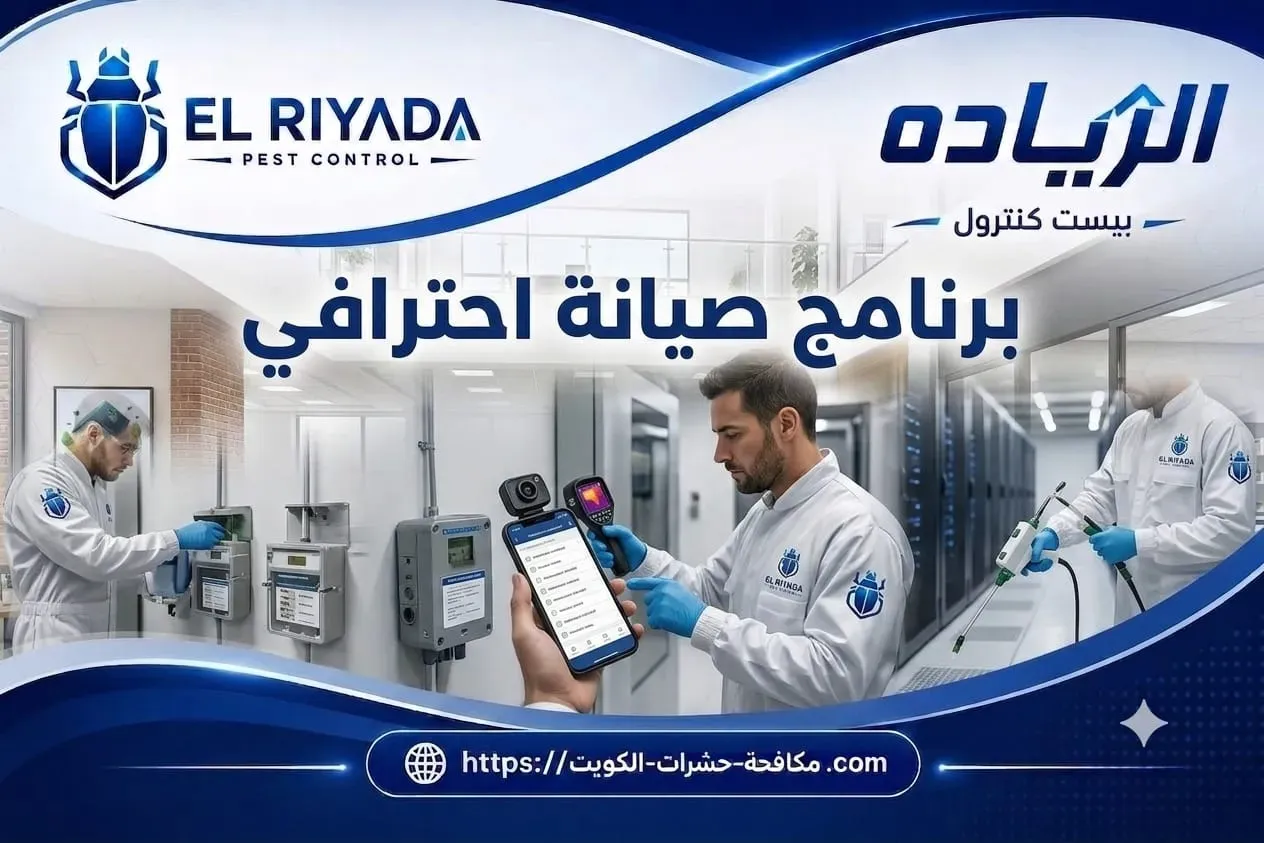
The benefits of commercial pest control contracts come from transforming pest control from a reactive service into a structured monitoring system that management can follow throughout the year. A commercial facility does not only need a technician who arrives when a problem appears. It benefits from a defined process that monitors risks, documents changes, assigns responsibilities, and provides a clear point of contact when action is required.
The first benefit is continuity. Maintaining one connected program throughout the year makes it possible to build genuine knowledge of the facility and its sensitive areas instead of repeating the diagnostic process from the beginning.
The second benefit is the ability to compare results. When reports and records are available, management can determine whether pest activity is decreasing, increasing, or moving to another area. Decisions can then rely more on documented patterns and less on impressions.
The third benefit is improved response organization. A clear agreement defining how reports and follow-up are handled saves time when a problem develops because management does not need to begin searching for a new provider every time.
The fourth benefit is stronger prevention. A good contract does not focus exclusively on treatment. It can also identify structural openings, moisture, storage issues, and waste-management conditions that need corrective attention.
The fifth benefit is easier service administration. Having scheduled visits, reports, and a designated contact process makes pest control easier to manage in businesses containing several departments.
The sixth benefit is the ability to modify the program. If pest activity changes, the facility expands, or a new risk area appears, the plan can be reassessed instead of continuing unchanged.
However, these benefits do not appear automatically just because a contract has been signed. A weak agreement can become nothing more than repeated visits that add no knowledge and do little to reduce risk. The method behind the service matters more than the label attached to it.
• Continuity builds cumulative knowledge of the property so every visit can use information from previous inspections instead of restarting from the beginning.
• Reports and service records help measure activity trends and determine whether the problem is improving or requires a different intervention.
• A defined response process saves management time when pest activity appears and reduces dependence on finding a new service provider for every incident.
• The preventive element of a commercial contract helps address site conditions that support pest activity rather than concentrating only on eliminating visible pests.
• The ability to adjust the program allows the contract to respond to changes in facility operations, expansion, or new risk areas during the year.
Why Choose Al Reyada Pest Control for Annual Contracts?
The value of Al Reyada Pest Control for annual commercial pest control contracts becomes clearer when pest management is treated as part of facility management rather than simply a recurring spraying visit. A commercial property requires a clear understanding of high-risk areas, previous pest activity, entry points, moisture sources, movement of goods, and waste-management conditions because these factors can change during normal operations and directly influence the likelihood of insect or rodent activity.
A professional approach begins by assessing the type of business and the way the facility operates. A restaurant requires particular attention to food-preparation areas, waste zones, drains, and receiving points, while a warehouse requires monitoring of incoming goods, cartons, shelving, and loading areas. Offices and administrative facilities may have different priorities. Recognizing these differences prevents the same pest control program from being applied automatically to every type of commercial property.
The value of follow-up also appears in the way individual visits are connected. If signs of pest activity were identified in one area during a previous inspection, that location should be reviewed during later visits. If operating conditions change or a new risk point develops, the plan should respond instead of repeating exactly the same procedure in exactly the same places throughout the year.
Documentation is another important element. Maintaining records of observations, actions, and corrective recommendations gives facility management a clearer picture of how conditions are developing and allows decisions to rely more on documented information than memory or impressions.
There should also be a clear process for communication and pest reports between scheduled visits. A commercial facility cannot always wait for the next appointment when activity appears in a sensitive area, so understanding how reports are handled forms an important part of the value of an annual contract.
Another valuable aspect of a structured service is the focus on prevention. Sealing an opening, correcting a moisture source, or improving storage practices can sometimes be more important for long-term control than repeatedly treating the same location.
For these reasons, Al Reyada Pest Control can be considered when a business needs an organized program connecting inspection, follow-up, documentation, and preventive recommendations instead of simply purchasing a certain number of visits written into an agreement. If an annual contract consists only of “we will come by occasionally and spray,” then what the business has purchased is basically a calendar with pesticide attached to it, not a complete pest management program.
• A well-designed program begins by assessing the nature of the commercial activity and its actual risk areas instead of applying one standard plan to restaurants, warehouses, offices, and other facilities.
• Connecting previous inspection results with future visits helps determine whether a problem is improving, recurring, or moving to another part of the facility.
• Regular documentation provides facility management with a record that can be reviewed when evaluating pest activity or implementing corrective measures within the property.
• A clear reporting and response process between scheduled appointments increases the value of an annual contract for facilities that cannot postpone action when pest activity appears in a sensitive area.
• Combining treatment with prevention helps reduce underlying risk factors rather than relying completely on intervention after visible activity has already developed.
Conclusion
The choice between one pest control visit or an annual contract for a commercial facility cannot be settled with one answer that applies to every company. A single visit can be sufficient for a limited incident in a low-risk location, while a periodic annual program becomes more reasonable when pest entry sources are continuously renewed or when the facility is highly sensitive to visible pest activity.
The benefits of an annual pest control contract for companies become much more significant when the program is based on genuine monitoring, documentation, and continuous review of risk areas rather than simply repeating the same service throughout the year.
When comparing commercial pest control contracts, businesses should evaluate the pests and areas included, monitoring method, response process, reporting, and corrective recommendations before making price the deciding factor.
Achieving year-round pest protection for commercial facilities also requires participation from facility management through better cleaning, storage, moisture management, waste control, and correction of structural openings that may allow pests to enter.
A pest control contract for institutions should clearly define responsibilities and establish a designated contact person, documentation process, and method for responding to pest reports.
Effective periodic pest control maintenance should review previous conditions and identify new changes instead of automatically repeating pesticide application on a schedule.
A pest management program for companies should remain flexible and capable of being adjusted according to monitoring results and changing operational conditions.
When evaluating annual contract cost vs one-time pest control visit, indirect operational costs and the probability of recurring activity should be considered alongside the service fee.
A pest control contract for restaurants and warehouses requires greater attention because food, goods movement, receiving operations, storage conditions, and waste areas can create continuously changing risk factors.
Ultimately, the benefits of commercial pest control contracts are strongest when the agreement helps a facility move from reactive treatment toward organized prevention and monitoring. A good annual contract does not simply mean that the technician knows the company's address. It means the pest management program knows the history of the problem, where it appeared, how conditions have changed, and what should happen next.
Frequently Asked Questions
Is an annual pest control contract better than one visit for companies?
It depends on the nature of the facility and its level of pest risk. If the problem is limited, isolated, and unlikely to recur, one treatment visit may be appropriate. Facilities facing continuous sources of pest risk are more likely to benefit from periodic monitoring throughout the year.
What are the main benefits of an annual pest control contract for companies?
Important benefits include continuity of monitoring, earlier detection of activity, documented service history, organized response procedures, and reduced dependence on waiting until a pest problem becomes severe before taking action.
How should I compare commercial pest control contracts?
Compare the pests covered, facility areas included, number and type of visits, response procedures between appointments, reporting system, preventive recommendations, and exclusions before comparing the final price.
Does an annual contract guarantee that no pests will ever appear?
No pest management program can reasonably guarantee that a pest will never enter a commercial property under every possible condition. A strong program is designed to reduce risks, improve early detection, and provide an organized response when activity occurs.
What is the difference between periodic maintenance and repeated spraying?
Periodic maintenance includes inspection, monitoring, documentation, review of previous activity, identification of changing risk factors, and targeted intervention when necessary. Repeated spraying may simply involve pesticide application without continuous analysis of the facility.
Do restaurants need annual pest control contracts more than offices?
Restaurants often face higher pest risks because of food, water, waste, drains, and continuous deliveries. However, the final decision should still depend on the actual operating conditions and risk profile of each facility rather than business classification alone.
Do warehouses require special pest monitoring?
Yes. Warehouses can require particular attention to incoming shipments, cartons, shelving, receiving zones, loading areas, and lower-traffic spaces because pest risks may enter or change as goods move through the facility.
Is an annual contract cheaper than individual pest control visits?
It can provide better long-term value for facilities requiring repeated interventions, but it is not automatically the cheapest choice for low-risk sites experiencing only occasional isolated problems. The complete annual cost and expected level of service should be compared.
What should a pest control contract for institutions include?
The agreement should clearly define its duration, covered areas, target pests, visit schedule, reporting process, documentation, responsibilities, exclusions, follow-up procedures, and any conditions applying to additional service between scheduled appointments.
Why are reports important in commercial pest control contracts?
Reports document pest activity, actions taken, and corrective recommendations. They help management determine whether conditions are improving, recurring, or associated with a particular operational factor.
Should an annual pest control contract cover exterior areas?
Exterior surroundings, loading areas, and receiving zones should be clearly included when they form part of potential pest entry routes. Their importance depends on the design and operation of the individual facility.
Can a pest management program be changed during the year?
Yes. A useful program should remain flexible enough to adjust monitoring priorities, visit focus, or corrective measures when facility conditions change, operations expand, or new risk areas are identified.
What are the main benefits of commercial pest control contracts?
The primary benefits include continuity, documentation, organized response, preventive monitoring, trend analysis, clearer responsibilities, and the ability to adjust the program as conditions within the facility change.
Why choose Al Reyada Pest Control for annual company contracts?
Al Reyada Pest Control can be considered when the objective is to connect inspection, monitoring, documentation, and preventive recommendations within a structured commercial pest management program. The aim is for each visit to build on previous information so the service supports continuous management of pest risks rather than functioning as a series of disconnected treatment appointments.