
Pigeons on a commercial building or factory are not only a visual problem affecting the appearance of the property. They can become an operational issue when they repeatedly perch on signs, ledges, air-conditioning units, outdoor equipment, and service areas. For this reason, installing a pigeon deterrent should not begin by choosing a product and distributing it across the entire building. It should begin by understanding landing points, roosting areas, and the way birds use each part of the facility. A narrow ledge may require a completely different solution from a large rooftop or an air-conditioning unit that technicians need to access for maintenance. The more closely the deterrent design reflects the actual site, the easier it becomes to protect façades and equipment without interfering with routine maintenance work.
Pigeon Deterrents for Commercial Buildings
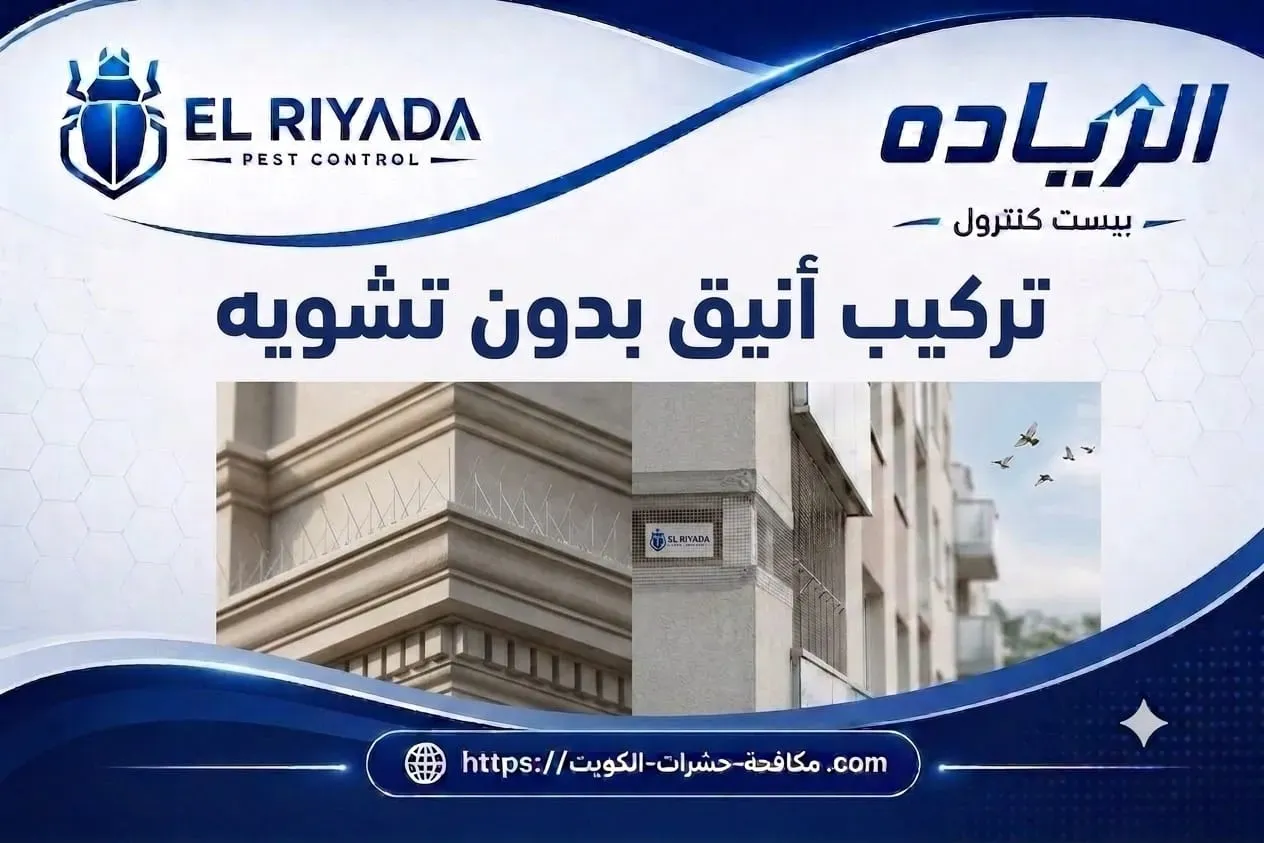
Choosing pigeon deterrents for commercial buildings first requires reading the façade as a space that birds use in different ways. There is a clear difference between a narrow ledge where pigeons stop temporarily, a sheltered recess that can become a regular roosting or nesting location, and a projecting sign that provides a suitable surface for perching. A professional approach therefore should not simply involve measuring the length of the façade and purchasing a corresponding quantity of deterrent material. The actual locations used by pigeons should be identified, and the characteristics of each point should be understood before selecting the appropriate system.
In a multi-story commercial building, for example, the problem may be concentrated above entrances, signs, and architectural ledges rather than across the entire façade. Installing a system only on the most visible locations while leaving a nearby side ledge unprotected may simply encourage the birds to move to that alternative point instead of resolving activity in the targeted area. This is why examining existing perching routes and nearby alternatives before installation can prevent the project from merely shifting pigeon activity a few meters away.
Maintenance requirements must also be considered before installation. Some commercial façades require periodic cleaning or technician access to lighting, signs, air-conditioning components, or other external features. A deterrent system that prevents access to these areas may create a new operational problem even if it reduces pigeon activity. The design should therefore balance the need to discourage roosting with the need to maintain practical access for future maintenance.
Cost should not be evaluated according to price per meter alone before considering height, access difficulty, number of ledges, surface conditions, and the type of deterrent system required. A shorter façade containing many architectural details may require more precise work than a longer but straight and easily accessible section.
• Surveying the façade before installation helps identify the ledges, recesses, signs, and other locations that pigeons actually use instead of distributing deterrents across areas that are not causing the problem while leaving the main perching points untreated
• Reviewing nearby locations around the targeted point reduces the possibility that pigeons will immediately move to an adjacent unprotected ledge and create a need for additional work that could have been considered during the original planning stage
• Considering façade cleaning, lighting maintenance, and sign servicing during the design process prevents the installation of a system that becomes difficult to remove or work around whenever technicians need access to external building components
• Comparing quotations only after defining the deterrent system, work area, height, and access difficulty provides a fairer understanding of cost than choosing the lowest price per meter without knowing exactly what the installation includes
Pigeon Deterrents for Factories
Pigeon deterrents for factories differ from installations on shopfronts or office buildings because factories often contain more complex outdoor environments, including rooftops, utility areas, structural frames, pipes, air-conditioning units, equipment, and elevated openings. The project should therefore begin with a map of the locations where pigeon activity actually occurs rather than treating the entire factory boundary as one large area requiring the same deterrent system.
An important observation in industrial environments is the distinction between a temporary perching point and a location used repeatedly for roosting. Several birds sitting briefly on an external fence do not necessarily represent the same priority as recurring activity above equipment that requires maintenance or near an opening leading toward an operational area. Priority should be based on the impact of the location and how pigeons use it rather than simply on the number of birds visible during a single inspection.
The deterrent system must also avoid interfering with workers, equipment access, and utility openings. If a unit has a cover that must be opened during maintenance, installing protection in a way that makes access difficult does not represent a complete solution. Protection can instead be designed around actual perching locations while keeping required service routes available according to the equipment and site conditions.
Another mistake is completing separate installations at different times without developing an overall understanding of the factory. One unit may be protected, after which pigeon activity moves to a nearby structure and then to another ledge. An initial survey makes it possible to establish priorities and divide a large project into planned stages rather than creating isolated installations that have no relationship with one another.
• Prioritizing factory locations according to the effect of pigeon activity helps direct attention toward equipment, openings, and sensitive service areas instead of beginning with the easiest places to access simply because they are more visible
• Distinguishing temporary stopping points from repeatedly used roosting locations prevents unnecessary spending on every surface where a bird is occasionally seen and keeps the system focused on areas where the actual problem occurs
• Coordinating deterrent installation with equipment maintenance requirements helps preserve access to covers and technical components without requiring the system to be removed whenever routine maintenance is performed
• Developing a complete view of the site before dividing installation into stages reduces the risk of shifting pigeon activity between factory areas and ensures that every stage forms part of one coordinated protection plan rather than a series of disconnected installations
Protecting Company Façades From Pigeons
Protecting company façades from pigeons begins with understanding that the objective is not simply to remove birds from view. The purpose is to reduce opportunities for perching and roosting at points that affect the cleanliness of façades, entrances, and signs. Droppings accumulating on an elevated ledge can repeatedly soil the area below it, which means cleaning the ground or lower façade addresses the result while leaving the original perching point unchanged.
A practical example is a company façade displaying raised lettering or a sign above an entrance canopy. The letters themselves or the space behind them may provide suitable perching locations. Installing a deterrent only across the top of the sign while ignoring rear gaps may leave part of the problem unresolved. The architectural design of the façade therefore needs to be examined rather than focusing only on the most obvious visible surface.
Appearance is also important for commercial properties. The deterrent system and its arrangement should respect the visual character of the façade as much as reasonably possible without sacrificing its intended function. At the same time, it should be fixed to a suitable surface using an installation method that does not depend on temporary solutions that may lose stability or negatively affect the façade material. The condition of the installation surface itself should be reviewed beforehand because fixing a system onto a damaged or unsuitable section can weaken the result.
When comparing different systems, there is no universal rule stating that the most visible or most expensive option is the best choice for every façade. The decision depends on ledge width and shape, intensity of pigeon activity, accessibility, appearance requirements, and future maintenance needs. A site assessment before pricing is therefore an essential part of selecting the correct solution rather than merely a step for measuring installation length.
• Tracing the source of repeated soiling to the ledge or sign located above it helps address the pigeons' actual perching point instead of repeatedly cleaning entrances and façades while the original cause remains unchanged
• Inspecting raised letters, canopies, and architectural recesses reveals perching locations that may not be visible from street level but can allow pigeon activity to continue even after the main ledges have been protected
• Reviewing the condition of the façade surface before installation helps determine a suitable fixing method for the existing material and avoids relying on a weak or damaged point that may affect the stability of the system later
• Balancing appearance with deterrent effectiveness and maintenance access makes façade protection part of the building's practical design rather than an arbitrary addition that solves one problem while creating difficulty elsewhere
Keeping Pigeons Away From Outdoor Equipment
Keeping pigeons away from outdoor equipment requires greater precision than protecting an ordinary architectural ledge because the equipment has a function that must remain fully usable after the deterrent system is installed. The area may contain covers that need to be opened for maintenance, ventilation openings, service lines, drainage points, or inspection areas that technicians need to access. For this reason, no deterrent system should be installed in a way that interferes with equipment operation or safe access, even when that equipment is one of the most frequently used pigeon perching locations within the facility.
The first step is to identify the specific parts that pigeons use for perching instead of assuming that the entire piece of equipment needs to be covered. The actual problem may be concentrated on a fixed frame, a nearby pipe, or a supporting structure, while other components must remain open for operational reasons. In some locations, protecting the surrounding perching area can be more practical than attempting to install a deterrent directly on every part of the equipment.
Coordination with the maintenance supervisor is also important before installation, particularly in industrial facilities. Understanding the direction in which covers open, the routes technicians use to reach the equipment, and the areas requiring periodic inspection helps create a deterrent system that does not need to be removed every time maintenance is performed. If the equipment is subject to technical requirements from its manufacturer, no attachment should be installed in a way that conflicts with those requirements or affects the equipment's intended function.
• Identifying the actual perching surfaces on and around outdoor equipment prevents unnecessary coverage of components that pigeons do not use and keeps the installation focused on locations responsible for repeated roosting or contamination
• Reviewing maintenance access routes before installation reduces the need to remove the deterrent system during every technical inspection and helps preserve practical access to covers and required components
• Avoiding obstruction of ventilation openings, drainage points, or other operational components protects the function of the equipment and prevents pigeon control from creating a new technical problem
• Involving the maintenance supervisor in defining installation boundaries helps ensure that the final decision reflects how the equipment is actually used rather than relying only on its external appearance
Bird Deterrents for Commercial Facilities

Choosing bird deterrents for commercial facilities requires identifying the nature of the problem before selecting the system because the term bird deterrent covers different solutions and no single method is suitable for every building or every location. Narrow ledges, signs, open rooftops, recesses, and sheltered areas are not used by birds in the same way, so the system should be matched to the location instead of choosing a product first and then looking for places where it can be installed.
The purpose of a deterrent is also not to harm birds but to prevent or reduce their use of specific points for perching or roosting according to the selected system and installation method. Before beginning work, attention should be given to any existing nests, young birds, or other conditions that require appropriate assessment. These situations should not be handled in a way that causes unnecessary harm or conflicts with requirements applicable to the site.
For larger facilities, the project can be divided according to priority. Protection may begin with entrances, façades, equipment, or locations where bird activity creates recurring operational or cleanliness problems before moving to lower-priority areas. This approach helps direct the available budget toward places where the intervention provides clear value instead of installing a broad system simply for the purpose of covering the largest possible area.
• Selecting the deterrent system only after identifying the shape of the perching point and the nature of bird activity reduces the risk of using an unsuitable solution simply because it is readily available or less expensive
• Checking for nests or established bird activity before installation helps determine the appropriate response for the location instead of beginning work immediately without understanding the existing conditions
• Ranking facility areas according to the level of impact allows the project to be completed in clearly planned stages that begin with the locations causing the greatest problem before moving to lower-priority areas
• Reviewing the area after installation helps determine whether activity has decreased at the targeted location or shifted to a nearby alternative point that requires further assessment
Protecting Factory Roofs From Pigeons
Protecting factory roofs from pigeons requires a different approach from protecting a façade because the roof may contain large open areas, equipment, utility lines, ledges, openings, and structures that pigeons do not use equally. Attempting to cover the entire roof with one system may increase costs without being necessary, while the actual problem may be concentrated at a limited number of points that provide shade, shelter, or suitable surfaces for repeated roosting.
A proper assessment looks for patterns of use. Accumulated droppings or nesting material in a particular area usually provides more meaningful evidence of repeated activity than simply seeing birds passing through during the inspection. Elevated ledges and structures around equipment should also be reviewed carefully without interfering with components that require ventilation, movement, or technician access.
Maintenance routes must remain available as well. A factory roof does not become an unused area after pigeon deterrents are installed. Air-conditioning technicians, electricians, and other maintenance teams may still need regular access. The deterrent design should therefore preserve access to required equipment and pathways instead of becoming an obstacle that has to be removed or worked around whenever maintenance is performed.
• Using evidence of repeated pigeon activity across the roof helps identify the areas that genuinely require protection before expanding the project to sections where no clear problem exists
• Separating deterrent installations from technician access routes preserves the ability to perform routine maintenance without dismantling the system or forcing workers to navigate it in an impractical way
• Prioritizing structures and ledges that provide genuine roosting locations reduces the cost of covering open spaces that pigeons do not use with the same frequency or purpose
• Reinspecting the roof after installation helps identify any movement of pigeon activity toward an alternative area and allows the protection plan to be adjusted according to actual bird behavior rather than assumptions
Keeping Pigeons Away From Signs
Keeping pigeons away from signs requires examining the design of the sign itself before selecting an installation method because the problem may not be limited to the upper surface. Raised letters, frames, rear gaps, and supporting structures can provide several different perching and roosting points. Installing a deterrent only along the upper edge while ignoring the rear or side sections may simply cause pigeons to move a short distance and continue leaving droppings around the sign.
Access for sign and lighting maintenance must also remain available. If a technician has to dismantle part of the deterrent system every time a lighting component needs replacement or a letter requires repair, the original design has not properly considered how the site is actually used. It is better to identify the parts that require periodic access before installation and arrange the deterrent system in a way that allows maintenance to continue without removing the protection.
The visual aspect is also important on commercial façades because the sign forms part of the identity and appearance of the facility. The installation should therefore balance the need to reduce pigeon perching with maintaining a neat appearance as much as reasonably possible, without selecting a less effective system solely because it is less visible.
• Inspecting the top of the sign, the areas behind raised letters, and the supporting frame reveals perching locations that may continue attracting pigeons even after the most visible upper edge has been protected
• Designing the installation around lighting components that require maintenance prevents the deterrent system from becoming an obstacle that must be removed and reinstalled every time technical work is required
• Identifying the source of droppings in relation to different parts of the sign helps direct protection toward the actual activity point instead of installing a system in a location that does not address the cause of contamination
• Considering the appearance of the façade when arranging the system helps create a practical solution that protects the sign without treating it like an industrial surface where visual presentation has no importance to customers
Commercial Bird Deterrent Systems
Comparing commercial bird deterrent systems should not begin by asking which system is the strongest. The more useful question is which system suits the shape of the location and the way pigeons use it. Certain points can be protected with systems designed to discourage perching on ledges, while different spaces or openings may require other solutions according to their characteristics. A good system can perform poorly when installed in an unsuitable location because of incorrect selection rather than because the product itself is ineffective.
One common mistake is choosing according to price alone. The cost of a deterrent system depends on more than the material used. It can also be influenced by the size of the protected area, installation height, access difficulty, surface preparation, number of architectural details, and future maintenance requirements. A quotation may appear less expensive initially but exclude certain ledges or pigeon activity points, creating the need for additional work later.
The ability to inspect and maintain the system after installation should also be considered. Accumulated dirt, damage to part of the installation, or changes in how the site is used may require review. Installation should therefore not be treated as a step that is permanently finished the moment the installation team leaves the site.
• Comparing systems according to the shape of the perching point and intensity of pigeon activity makes the selection relevant to the existing problem instead of relying only on the system name or how commonly it is used
• Standardizing the work scope before comparing quotations prevents a lower-cost proposal from being selected simply because it excludes important areas that another quotation has already included
• Inspecting the condition of the surface before installation reduces problems associated with fixing systems onto weak or damaged materials and allows the installation method to reflect the actual façade or structure
• Including later inspections within the facility's maintenance planning helps identify sections that require repair or adjustment instead of assuming that every deterrent system will maintain exactly the same performance without review
Protecting Air-Conditioning Units From Pigeons
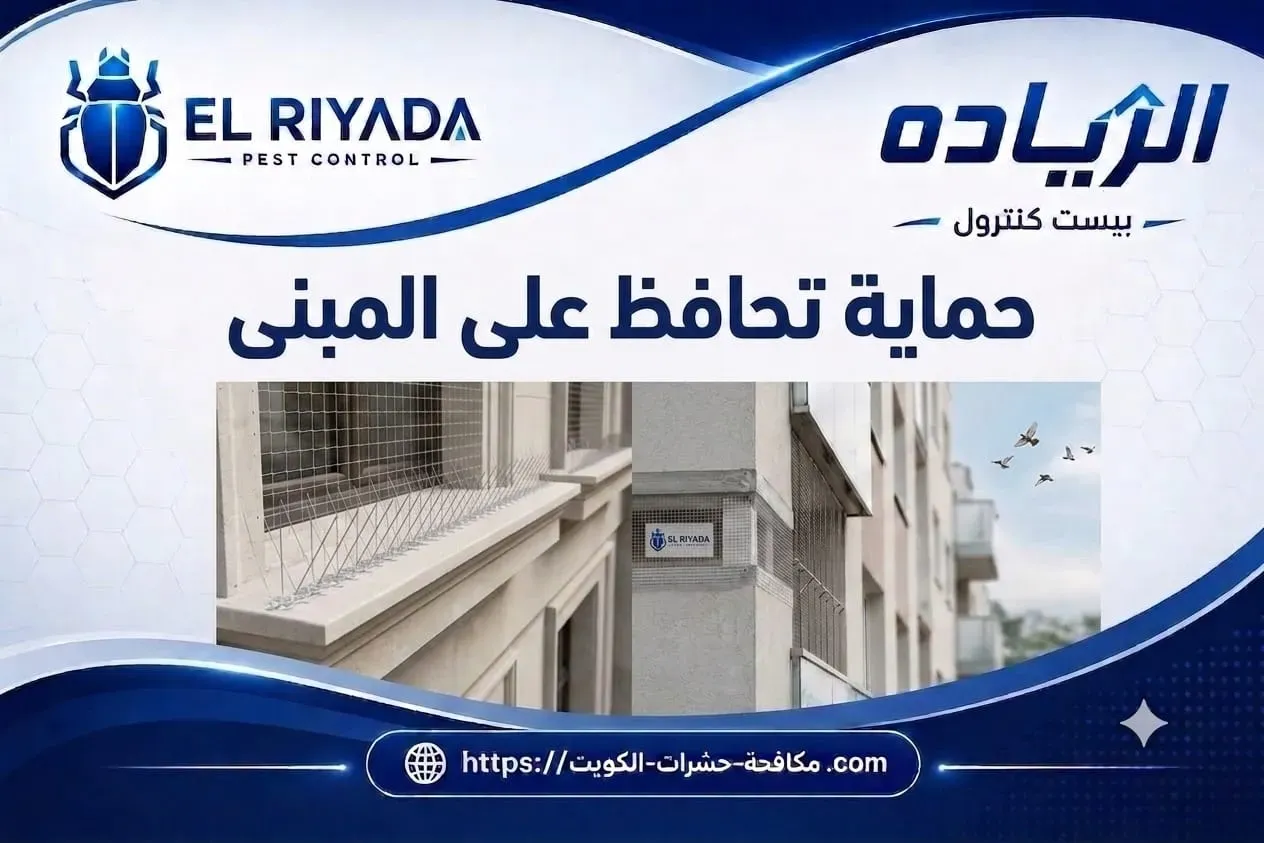
Protecting air-conditioning units from pigeons requires a clear balance between discouraging perching and preserving the unit's operation and maintenance access. Outdoor units contain ventilation areas, covers, and components that technicians need to reach. A deterrent, netting system, or other obstruction should therefore never be installed in a way that restricts airflow, prevents covers from opening, or interferes with access to service points.
In some situations, the problem is not actually located on the air-conditioning unit itself. Pigeons may be using a metal support, pipe, or ledge above the unit, causing droppings to fall onto the equipment below. Identifying the true source before installation can result in a simpler and safer solution than attempting to cover the entire unit.
The presence of droppings on an air-conditioning unit also does not automatically prove that pigeons are regularly roosting directly on it. The source may be a ledge positioned above the equipment, which is why the location of accumulated droppings and surrounding structures should be examined before deciding where the deterrent needs to be installed.
• Identifying the exact perching point responsible for contamination prevents unnecessary installation directly on an air-conditioning unit when the actual source is a ledge or structure positioned above it
• Keeping ventilation openings and airflow paths unobstructed protects the essential function of the unit and prevents a pigeon-control measure from negatively affecting equipment operation
• Coordinating with an air-conditioning technician regarding covers and service points helps preserve sufficient space for maintenance without requiring the deterrent system to be dismantled during every service visit
• Reviewing nearby units within the same area reduces the possibility that pigeons will simply move from a protected unit to a similar unprotected surface located only a short distance away
Pigeon Deterrents for Industrial Facilities
Choosing pigeon deterrents for industrial facilities requires treating the property as a changing operational environment rather than simply as a building with ledges that need protection. Equipment may be relocated, new service lines may be added, maintenance routes can change, and new perching points may appear after modifications to the site. The deterrent design should therefore be connected to a clear map of current pigeon activity, with the possibility of reviewing that map whenever significant changes occur within the facility.
It is also important to prioritize locations according to the actual impact of the problem. Pigeons using a remote section of an external fence do not necessarily create the same level of concern as pigeons repeatedly occupying a main entrance, outdoor equipment, signage, or an area that requires frequent cleaning. Establishing these priorities allows the available budget to be directed toward locations where protection provides greater practical value instead of attempting to install deterrents on every available surface throughout the facility.
The work does not end immediately after installation. The stability of the system and the condition of its fixing points should be inspected, while the surrounding area should be observed to determine whether pigeon activity has moved elsewhere. When pigeons are prevented from using a familiar location, they may search for another available point nearby. It is therefore useful to consider the area as a connected group of potential perching locations rather than treating each protected point as an isolated surface.
Safety and maintenance should also remain part of the decision. Work at height or around industrial equipment requires procedures appropriate to the site, and no installation should interfere with the function of machinery or prevent technicians from accessing it. If one part of the facility requires a different deterrent system because of its design or operational requirements, the solution should be selected according to those conditions instead of forcing a single installation method across every sector.
• Prioritizing areas of the industrial facility according to the impact of pigeon activity helps direct installation toward equipment, entrances, façades, and sensitive locations before allocating budget to lower-impact areas
• Reviewing changes made to the facility after installation helps identify new equipment or structures that may become pigeon perching points even though they did not exist when the original protection plan was prepared
• Periodically checking fixing points and the condition of the deterrent system helps identify damage or changes that may reduce protection before pigeon activity returns to its previous level
• Treating each industrial sector according to its function and maintenance routes prevents the use of one standardized solution across areas that differ significantly in shape, accessibility, and operational requirements
Why Choose Al Reyada Pest Control in Kuwait
When considering why Al Reyada Pest Control can be a strong choice for pest control in Kuwait for pigeon deterrent services in commercial buildings and factories, the practical standard should not be the installation of the largest possible quantity of deterrent systems. The more important factor is identifying the locations that genuinely require protection. Al Reyada Pest Control can be a strong option when the service begins with inspecting pigeon perching areas, identifying affected locations, and then selecting a protection method according to the characteristics of the façade, equipment, or rooftop rather than carrying out identical installations throughout the facility.
The importance of this approach becomes especially clear in facilities containing outdoor equipment. A properly designed system should not block ventilation, interfere with maintenance, or prevent access to technical components required by workers. Understanding the function of an area before installation is therefore just as important as identifying where pigeons are present.
A clearly defined work scope also helps build trust. The customer should know which ledges, signs, equipment, and rooftop areas are included in the quotation and which areas remain outside it instead of relying on a general phrase such as "complete building protection." This clarity makes price comparisons more accurate and reduces disagreements after installation regarding a location that was never included in the original scope.
A pigeon deterrent should also not be presented as an absolute guarantee that pigeons will disappear from the entire surrounding facility. The objective is to reduce or prevent their ability to use correctly protected locations while monitoring surrounding areas if activity moves elsewhere. This realistic explanation is more reliable than absolute promises that do not take bird behavior or the open nature of commercial and industrial buildings into account.
• Connecting the deterrent system to the actual perching point allows Al Reyada Pest Control to provide protection directed toward the real problem instead of distributing deterrents across areas that pigeons do not use significantly
• Considering access to air-conditioning units, equipment, and signs during the design stage keeps the protection compatible with daily facility operations and prevents the deterrent system from becoming an obstacle for maintenance teams
• Defining the installation scope and covered areas before pricing gives the customer a clear basis for comparison and shows whether the quotation includes all important locations or whether additional stages may be required
• Reviewing the surrounding area after installation helps evaluate the actual result and identify any alternative location to which pigeon activity may have moved instead of assuming that completion of installation always marks the end of monitoring
Conclusion
Installing pigeon deterrents on commercial buildings and factories requires more careful planning than simply attaching a system to the most visible ledges. A façade, sign, rooftop, air-conditioning unit, and outdoor equipment each have a different function, shape, and pattern of pigeon use. The actual perching and roosting points should therefore be identified before selecting the protection method.
In commercial properties, maintaining appearance and preserving access for façade cleaning and sign maintenance form part of the decision. Factories add further considerations such as equipment, technician access routes, ventilation openings, and utility areas. A system suitable for an office-building ledge may therefore be unsuitable for an air-conditioning unit or industrial structure.
When comparing installation quotations, consider the areas included, type of deterrent system, surface condition, access difficulty, and future maintenance requirements rather than looking only at the price per meter. Accurate assessment, suitable installation, and follow-up when necessary can help protect targeted locations without making unrealistic promises that pigeons will completely disappear from the entire surrounding facility.
Frequently Asked Questions
Can pigeon deterrents be installed on all types of commercial buildings?
Bird deterrent systems can be used on many types of commercial buildings, but the appropriate system and installation method depend on the façade design, surface material, pigeon perching locations, accessibility, and maintenance requirements.
Does the deterrent need to cover the entire façade?
Not necessarily. It is usually better to identify the ledges, signs, recesses, and other locations that pigeons actually use and then design the protection scope according to the existing problem.
Are pigeon deterrents suitable for factories?
They can be used in factories after evaluating activity areas, equipment, rooftops, and structures while considering the operational, maintenance, and safety requirements of the site.
Can outdoor equipment be protected from pigeons?
Yes. Protection can be designed around perching points associated with outdoor equipment as long as the installation does not obstruct ventilation, interfere with operation, or prevent access to components requiring maintenance.
How are commercial signs protected from pigeons?
The process begins by inspecting the top of the sign, raised letters, frames, and surrounding gaps, then selecting a system suitable for the identified perching points while maintaining access to lighting and components requiring maintenance.
Can pigeon deterrents be installed on air-conditioning units?
It depends on the design of the unit and the location pigeons are using. No system should be installed in a way that restricts airflow, prevents covers from opening, or interferes with maintenance work.
Do pigeon deterrents guarantee that pigeons will never return?
They should not be considered an absolute guarantee that pigeons will disappear from the entire area. Their purpose is to prevent or reduce bird use of protected locations, while activity in nearby areas may require assessment if the pigeons move there.
What determines the cost of pigeon deterrent installation?
Cost can be affected by the size of the work area, type of deterrent system, installation height, access difficulty, number of ledges and architectural details, condition of the installation surface, and site-specific execution requirements.
Is the lowest price per meter always the best option?
Not necessarily. A lower-priced quotation may cover a smaller scope or exclude important locations. Quotations should be compared only after confirming the required areas, deterrent system, and installation method.
Do pigeon deterrent systems require maintenance?
A system may require periodic inspection to confirm the stability of its fixing points and check for damage or changes in the site that could affect its performance.
What happens if pigeons move to a nearby ledge after installation?
The new location and its relationship to the protected area should be assessed to determine whether the deterrent system needs to be extended or adjusted.
Should the area be cleaned before installing pigeon deterrents?
The surface may require appropriate preparation before installation depending on its condition and the fixing method. Droppings and accumulated material should also be handled appropriately with suitable hygiene and safety precautions.
Can one deterrent system be used for the façade, equipment, and rooftop?
Not necessarily. Each location has different characteristics, and ledges, open areas, equipment, or other structures may require different solutions suited to their shape and function.
How do I choose between commercial bird deterrent systems?
The choice should be based on the shape of the perching location, level of activity, surface type, appearance requirements, and maintenance accessibility rather than price or the name of the system alone.
Why choose Al Reyada Pest Control for pigeon deterrents?
Al Reyada Pest Control can be a strong option when the service is based on inspecting pigeon activity points, defining the protection scope, selecting the system according to the façade or equipment, maintaining access for future maintenance, and reviewing the results after installation when necessary.