
Installing a pigeon deterrent does not mean the problem is permanently solved, but there is also no fixed period after which the system can automatically be considered worn out. Its actual lifespan depends on the type of deterrent, the quality of its materials, the installation method, its location, and how much exposure it receives to sunlight, dust, moisture, cleaning work, or maintenance activities around it. A system may remain in good condition for years, while a small component of another system may require maintenance much sooner. The important point is to monitor performance rather than relying on age alone. Pigeons returning to a previously protected location, movement in certain components, or visible damage are all signs that deserve inspection before deciding whether maintenance or complete renewal is necessary.
Pigeon Deterrent Lifespan

There is no single number that can accurately define the pigeon deterrent lifespan for every building because the term pigeon deterrent covers different types of systems, while installation and environmental conditions can vary significantly. Bird spikes installed along ledges are different from systems that rely on other components, and a deterrent installed above a relatively sheltered window ledge does not experience the same conditions as one installed on an exposed rooftop or facade where it is continuously subjected to sunlight, dust, wind, and other environmental factors.
When inspecting a system that has been in place for some time, the first professional question should not be, “How many years has it been installed?” The more useful question is, “What condition is it in now?” Some components may remain securely fixed and continue performing their intended function, while a single attachment point may have become loose because of previous cleaning or maintenance work. In this situation, there is no practical reason to replace the entire system simply because of its age if the damaged section can be repaired and the necessary coverage restored.
The materials and installation method also influence the system's working life. The visible deterrent component itself may remain intact while the base, adhesive, fasteners, or other attachment points begin to deteriorate. This is why the system should be evaluated as a complete installation that includes the deterrent components, their bases, attachment method, and continuity of coverage rather than looking only at the visible spikes or other external parts.
A common mistake is estimating the remaining lifespan from appearance alone. A system may look old because dust has accumulated on it while still remaining secure and effective. In contrast, a newer and cleaner-looking installation may contain a gap that allows pigeons to land comfortably. Actual performance and the condition of the installation are therefore more important than appearance or installation date alone.
• The true lifespan of a pigeon deterrent depends on the condition of its components, the stability of its attachment, and its continued ability to cover the intended landing areas, so replacement should not be based only on the number of years that have passed without first inspecting the system's actual condition.
• Systems installed in exposed locations deserve greater attention during inspection because continuous exposure to weather conditions and nearby maintenance activities can affect certain attachment points more quickly than systems positioned in relatively protected areas.
• One damaged section does not automatically mean that the entire system has reached the end of its useful life because localized repair may be more practical when the remaining components are secure and continue preventing pigeons from using the protected area.
• When evaluating an older deterrent, the components, attachment points, gaps, and pigeon behavior should all be examined together because relying on appearance alone can result in replacing a system that still works or retaining one that has already lost part of its effectiveness.
How Long a Pigeon Deterrent Remains Effective
How long a pigeon deterrent remains effective is not necessarily the same as how long its physical components last. The components may still be present and show no obvious breakage, yet the system may no longer prevent birds from using the location as effectively as it did when first installed. This distinction matters because the purpose of a deterrent is not simply to remain attached to a ledge. Its purpose is to keep the targeted landing or nesting area unsuitable for pigeons over time.
Consider bird spikes installed across a wide ledge with suitable coverage when the system was first fitted. After some time, part of one row may shift or a side gap may appear following maintenance work on the facade. The spikes themselves may remain in good condition, but pigeons can now take advantage of the newly available space. In this case, effectiveness has declined even though the entire system has not physically deteriorated.
Bird behavior around the building can also change. When a preferred landing point becomes inaccessible, pigeons may look for the nearest alternative, such as an air-conditioning unit, a neighboring projection, or an uncovered space behind the deterrent. When evaluating performance, it is therefore important to distinguish between failure of the deterrent in the area it actually covers and pigeons simply moving to another location that was never included within the original installation. Understanding this difference can prevent unnecessary maintenance on a system that is still functioning as designed.
A professional maintenance decision should not be based on the assumption that “a long time has passed, so the system must be replaced.” A better approach is to compare current conditions with the original purpose of the installation. Is the targeted area still unsuitable for pigeons to land on? Have gaps appeared? Has fresh contamination returned directly to the protected area? The answers to these questions provide much more useful information than the installation date written on an invoice.
• Deterrent effectiveness should be measured by whether pigeons can still use the targeted location rather than simply by whether the components remain physically present because a system may still be attached to the building while no longer providing complete practical coverage.
• Pigeons moving to a neighboring surface does not by itself prove that the original deterrent has failed because the new location may be outside the original protection area and should be assessed separately before extending the system.
• A newly available landing space between or beside deterrent components deserves inspection even when none of the components are broken because a relatively small gap may matter more to performance than the overall age of the system.
• The best way to judge continuing effectiveness is to compare pigeon behavior, the condition of the protected area, and the original purpose of the installation rather than using the installation date as the only measure of performance.
When Does a Pigeon Deterrent Need Maintenance?
Knowing when a pigeon deterrent needs maintenance starts with identifying changes rather than following a fixed replacement schedule. If the system remains secure, the coverage is complete, and there are no signs that pigeons have returned to the protected landing areas, periodic inspection may be all that is required. However, if components begin to move, a base separates from the surface, a gap appears, or pigeons start landing inside an area that should be protected, there is a practical reason to investigate and determine whether maintenance is needed.
External building maintenance is another situation after which the system deserves inspection. Air-conditioning technicians, painters, facade cleaners, or other maintenance workers may need access to areas close to the deterrent, and a component can sometimes be moved while they are reaching equipment or working around the ledge. The problem is not the maintenance work itself. The issue arises when the deterrent is left afterward without confirming that all components have been returned to their correct positions and remain securely attached.
It is also important to distinguish between maintenance and cleaning. Accumulated feathers or debris around the area do not automatically mean that the deterrent is damaged, but they can hide attachment points and make inspection more difficult. When bird droppings or other waste must be handled, appropriate hygiene and safety precautions should be followed rather than disturbing dry waste or handling it in a way that unnecessarily increases exposure.
Most importantly, early maintenance is often simpler than waiting for the system to deteriorate further. Securing a component that has started to move or closing a limited gap is very different from allowing the problem to continue until a much longer section loses its function. Inspection is therefore particularly useful after unusual conditions, nearby maintenance work, or any noticeable change in the performance of the protected area.
• The deterrent should be inspected when pigeons repeatedly return to land inside the protected area because this behavior may indicate a gap, movement, or loss of coverage, and the actual cause should be identified before choosing the appropriate repair.
• After facade work, air-conditioning maintenance, or cleaning performed close to the system, it is useful to confirm that all attachment points remain secure because human activity around the deterrent can shift a component even when there is no obvious visible breakage.
• A moving base or an edge lifting away from the surface is an early maintenance sign because a small attachment problem can expand over time and create a landing space that the system previously prevented pigeons from using.
• Do not treat accumulated dirt alone as a reason to replace the deterrent. Separate the need to clean the area from the need to repair the system, then assess the components, attachment points, and coverage before deciding what action is actually necessary.
Renewing a Pigeon Deterrent System
Deciding on pigeon deterrent renewal is different from carrying out limited maintenance. Maintenance makes sense when the original system is still generally serviceable and there is a clearly identifiable problem, such as a loose component, an attachment point that needs repair, or a small area that has lost coverage. Renewal becomes more practical when problems are spread across a larger area, older components are no longer suitable for the conditions of the location, or repeated repairs fail to restore the required level of performance.
Before renewing the system, it is important to understand why the previous installation lost effectiveness. Replacing an old deterrent with a new one using exactly the same arrangement may not solve the problem if the real cause is that the original coverage did not include the entire landing surface or pigeons discovered a side route that was never addressed. A proper renewal should therefore begin by reassessing the location as though it were a new project while using the history of the previous system to identify where its weaknesses developed.
This creates an important comparison between repair costs and renewal costs. There is no rule stating that the cheaper immediate option is always the better one. Repairing several separate points on a system whose overall condition is declining can become a recurring expense, while renewal may make more sense over the longer term. On the other hand, replacing many meters of a stable deterrent because one small section is damaged is equally difficult to justify when that section can be repaired correctly.
Renewal can also be partial rather than complete. A particular facade or ledge affected by construction or maintenance work may need to be reinstalled while other areas remain in good condition. This approach avoids removing serviceable components and allows the decision to be based on the condition of each section instead of treating the age of the building or the original installation date as a reason to replace everything.
• Renewal becomes more reasonable when damaged areas are widespread or repairs are repeatedly required across several sections and localized maintenance can no longer restore the stability and practical effectiveness of the system.
• Before installing a new system, the reason for the previous loss of performance should be identified because repeating the same design or coverage can reproduce the same problem even when every component being installed is brand new.
• A proper comparison between maintenance and renewal should consider the overall condition of the system, the expected cost of continuing repairs, and how much performance each option can restore rather than looking only at the immediate price of the work.
• Partial renewal deserves consideration when deterioration is limited to one specific area because retaining sections that remain secure and effective avoids unnecessary replacement costs while focusing the work where it is genuinely needed.
Signs of Pigeon Deterrent Damage
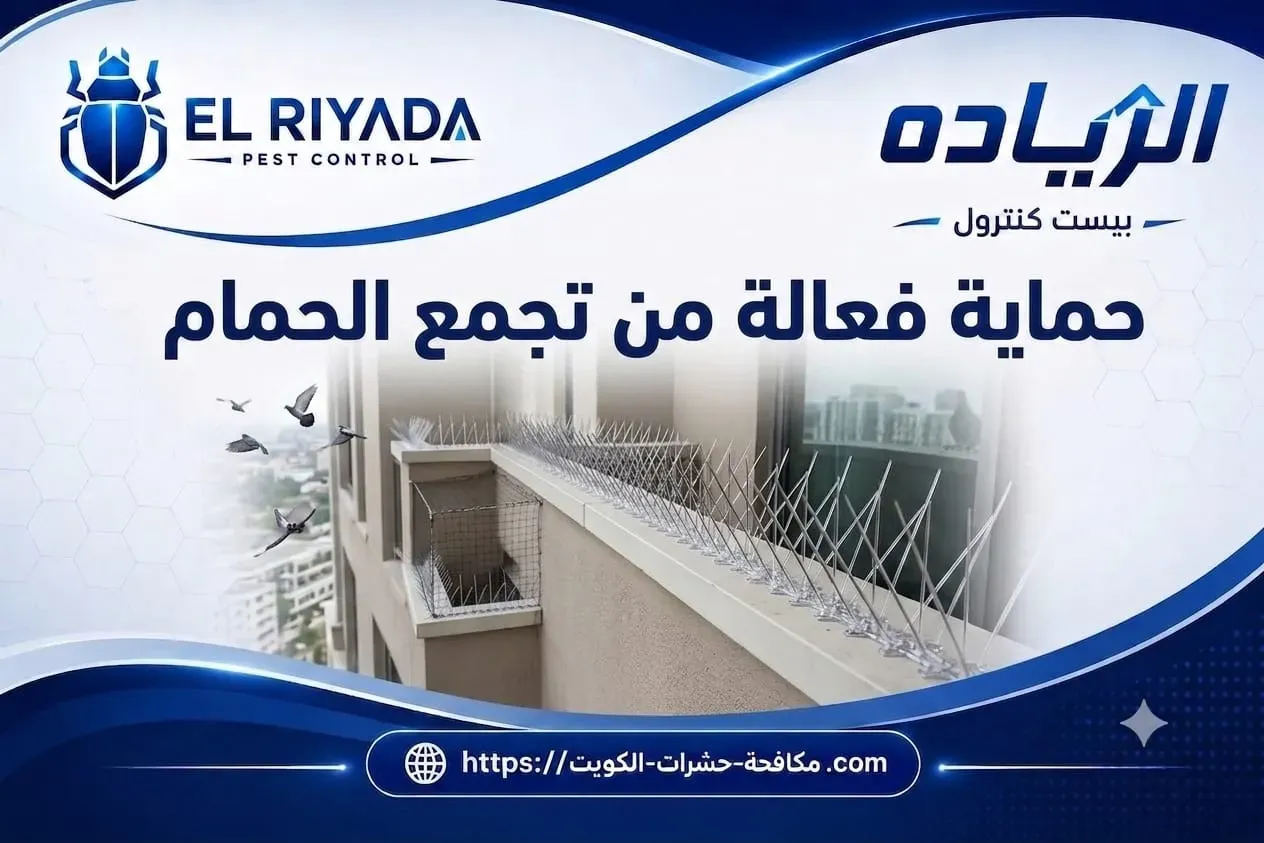
Recognizing the signs of pigeon deterrent damage can help identify a problem before returning birds become the only evidence that something is wrong. Some signs are easy to see, such as missing components, parts bent enough to affect coverage, or a base separating from the surface. Other signs are less obvious, including changes in spacing between components or the appearance of a new landing point that pigeons could not previously use.
It is also useful to look for evidence around the system rather than examining only the deterrent itself. Repeated accumulation of fresh droppings in an area that should be protected may indicate that pigeons have regained access to it. Old droppings alone, however, are not enough to make this judgment because they may have been present before the deterrent was installed or may simply remain because the area was never cleaned. The evidence should therefore be connected to its timing and, where possible, to observations of how pigeons are currently using the location.
In some cases, damage to the attachment system is more important than the condition of the visible deterrent component. Bird spikes, for example, may still appear straight while part of the base has begun separating from the ledge. Leaving this type of deterioration unattended can allow a larger section to move later, so it is worth investigating before the separation becomes more extensive.
Not every visual change should be considered functional damage. Discoloration or accumulated dust can affect appearance without preventing the deterrent from doing its job. A better assessment distinguishes between a cosmetic issue and a problem that genuinely affects stability, coverage, or the pigeons' ability to land.
• Missing, loose, or detached components are direct warning signs that deserve inspection because they can create a landing point within an area that the deterrent previously protected.
• Repeated fresh droppings inside the protected area provide stronger evidence than old contamination, so it is important to establish whether the activity is recent before concluding that the deterrent has lost its effectiveness.
• Inspecting attachment bases is just as important as examining visible components because early separation may be difficult to notice from a distance even though it can eventually affect a much larger section of the system.
• A change in appearance alone does not justify replacement because if the deterrent remains secure, maintains proper coverage, and pigeons are no longer using the protected location, the issue may be cosmetic rather than evidence that the system has reached the end of its working life.
Pigeon Spike Maintenance
Effective pigeon spike maintenance requires evaluating three elements together: the condition of the spikes themselves, the attachment base, and whether their distribution continues to prevent usable landing spaces from forming. Focusing only on the individual metal spikes can cause the real problem to be overlooked because the failure may be in the base or in a section that has shifted away from an adjacent row.
If a limited number of spikes are damaged, the entire row does not automatically need to be replaced. The affected section can be assessed to determine whether repair or partial replacement is practical based on the condition of the base and surrounding components. However, when multiple sections are damaged or the attachment itself has become unstable, attempting to repair every point individually may no longer be the most efficient option.
It is equally important to understand that pigeon spikes are not automatically suitable for every surface or every pattern of pigeon activity. If birds repeatedly land behind or in front of the spikes, the problem may be the width or arrangement of the protected area rather than the age of the spikes. Adding another row or redesigning the coverage may therefore be more appropriate than replacing the existing row with an identical one.
Maintenance on elevated locations also requires careful attention to safety. A small repair should not become a reason to take unnecessary risks. Facades, ledges, and rooftops require appropriate access methods and safe working procedures. Any cleaning of bird waste should also be carried out in a way that minimizes unnecessary exposure to dust and contaminated material rather than handling accumulated waste carelessly.
• A pigeon spike inspection should examine the alignment of the components, the security of the base, and the spacing between rows because one component remaining intact does not mean that the entire installation continues to provide the intended coverage.
• Damage affecting only a small number of components may allow localized repair when the rest of the system remains sound, while widespread deterioration makes partial or broader replacement more reasonable to consider.
• Pigeons landing in front of or behind the spikes may reveal a problem with the width of protection rather than damage to the spikes themselves, so the usable landing surface should be understood before purchasing replacement components.
• Maintenance on elevated ledges, facades, and rooftops requires suitable and safe access, and unnecessary risks should not be taken simply because the component requiring repair appears small.
Inspecting a Pigeon Deterrent System
The purpose of inspecting a pigeon deterrent system is to determine whether the installation still performs the function for which it was originally installed, rather than simply checking whether its components are still physically present. A useful inspection begins with the location itself. Where did pigeons usually land before the system was installed? Which surfaces does the deterrent currently protect? Have new landing points appeared that birds can now use? Looking at the system this way makes the inspection performance-based rather than a quick visual check of its external appearance.
The next step is to follow the deterrent across the entire protected area and pay particular attention to starting and ending points, corners, and connections between separate sections. These locations deserve closer attention because a gap does not necessarily develop in the middle of the system. The main row may remain securely attached while a small usable space appears at one end after a component moves or maintenance work is carried out on the facade.
The surrounding environment should also form part of the inspection. A newly installed air-conditioning unit, sign, utility line, or structural projection may create a landing point that did not exist when the deterrent was originally designed. In this situation, the old deterrent has not necessarily failed. Instead, the physical layout of the location has changed and the original protection area may need to be reassessed.
In terms of inspection methods, there is no need to dismantle the system every time it is checked. The process can begin with visual observation and a review of current bird activity, followed by a closer examination when a warning sign justifies it and safe access is available. The objective is to identify the problem with the least unnecessary intervention and determine whether the site requires cleaning, reattachment, replacement of a component, or an adjustment to the coverage.
• A useful inspection begins by comparing current conditions with the original reason the system was installed because knowing where pigeons previously landed helps determine whether they have returned to the same protected area or moved to a new location outside the original coverage.
• Particular attention should be given to system edges, corners, and connection points because protection can begin to fail in a limited space that may not be visible when the main row is viewed from a distance.
• Any new modification to the facade or rooftop should be included in the assessment because equipment, signs, utility lines, or projections added after installation may provide new pigeon landing points even when the original deterrent remains in good condition.
• The inspection result should identify the required action precisely, whether that means cleaning, securing a component, replacing a damaged section, or extending the coverage, instead of moving immediately toward complete system replacement.
Replacing Pigeon Deterrent Components
Replacing pigeon deterrent components is appropriate when the damage can be isolated from the rest of the system. If one specific component is missing, a short section of the base has separated, or a part has been damaged while the remaining installation is stable and effective, localized replacement can restore continuous protection without removing an entire system that is still suitable for use.
Selecting a replacement component should not be based only on an approximate size match. The new part needs to work with the existing system, its attachment method, and the surface on which it is installed so that the repair itself does not create another weak point. It is also important to recognize that adding a new component beside older ones will not correct an original design problem if the spacing or coverage was unsuitable from the beginning.
Consider a long ledge that remains effectively protected except for one section removed during maintenance work. In this situation, replacing the missing component and restoring the original coverage is more practical than replacing the entire ledge system. However, if inspection reveals separation at several locations and the bases are losing stability across a larger section, repeated localized replacement may no longer provide good value.
The reason a component was damaged should also be investigated before it is replaced. If the damage occurred because technicians repeatedly need access to equipment located behind the deterrent, it is useful to consider an arrangement that allows future maintenance access without damaging the system each time. A good repair does more than restore a missing component. Where practical, it also attempts to reduce the chance that the same cause will damage the system again.
• Localized replacement is suitable when damage is clearly limited and continuous protection can be restored without removing serviceable components that remain securely attached and continue performing their intended function.
• A replacement component should be compatible with the system design, surface, and attachment method because installing an unsuitable part may close the current gap while creating a new weakness in the installation.
• Separation or deterioration across several sections should lead to a comparison between the cost of repeated repairs and renewing a larger part of the system rather than continuing to replace individual components in an installation whose overall condition is declining.
• Identifying why a component was damaged before replacing it can reduce the likelihood of recurrence, particularly when the damage is associated with regular cleaning, facade work, or maintenance activities carried out close to the deterrent.
Declining Bird Deterrent Effectiveness

A decline in bird deterrent effectiveness does not always mean that the material itself has reached the end of its useful life. Sometimes the system remains physically sound while surrounding conditions have changed or pigeons have discovered an alternative location that allows them to remain close to the protected area. The first step should therefore be to determine where the birds are actually landing and whether they are using a space inside the deterrent's intended coverage or a neighboring surface that was never protected.
A decline in performance is better identified through a recurring pattern than through one brief visit from a single bird. If pigeons begin repeatedly landing in a specific gap, fresh droppings consistently accumulate beneath the same point, or nesting activity develops in an area connected to the deterrent, these are stronger indicators that performance needs to be assessed. A pigeon passing through the area or landing briefly on a nearby surface is not enough on its own to conclude that the deterrent has failed.
One mistake that can make the situation more expensive is adding more deterrent components immediately after seeing pigeons. Without identifying why the birds returned, the business or property owner may pay for an unnecessary extension when the actual problem is simply a shifted component or a small exposed point. The opposite can also happen: one small component may be replaced even though pigeons are now using an entirely new area that was not part of the original design.
For this reason, declining performance should be treated as a change that requires diagnosis. Where did the pigeons stay before installation? Where are they staying now? What has changed in the building or in the deterrent system? Answering these questions helps determine whether maintenance, extension, or redesign of a particular section is required instead of assuming that every return of pigeon activity means the deterrent has reached the end of its lifespan.
• Pigeons repeatedly returning to the same protected location is stronger evidence of declining performance than their presence on a neighboring surface because the neighboring area may have been outside the system's coverage from the beginning.
• Fresh droppings and repeated landing patterns can help identify the exact location where protection has weakened, while relying on a single sighting may result in an inaccurate diagnosis and unnecessary work.
• Adding new deterrent components without identifying the reason for declining effectiveness can increase costs without solving the problem because the actual fault may be a small attachment issue or a change that occurred around the protected area.
• Diagnosing declining effectiveness should compare pigeon behavior before and after installation while also considering recent changes to the building so that maintenance, extension, or renewal is selected according to an identifiable cause rather than an assumption.
Extending the Lifespan of a Pigeon Deterrent
Extending the lifespan of a pigeon deterrent depends more on protecting the system from the causes of deterioration than on performing unnecessary maintenance at frequent intervals. The process begins with appropriate installation and continues by making sure components are not moved or damaged during facade cleaning, air-conditioning maintenance, or other work carried out nearby. Many problems that appear over time are not caused by the natural end of the deterrent's lifespan but by activity around the installation that affects its attachment or creates a new gap.
Occasional visual inspection can also help identify problems while they are still limited. There is no need to wait until large numbers of pigeons return before checking the system. A raised edge, a loose component, or an area that is no longer covered as it was originally designed deserves early assessment. Correcting these issues when they first appear can help preserve the rest of the installation rather than allowing a small defect to spread and affect a larger section.
Maintaining the surrounding area is just as important as looking after the deterrent itself. Accumulated waste, newly installed equipment, structural changes, or continuing attractants can increase pressure from pigeons and change the locations they attempt to use. A deterrent is one part of managing the problem rather than a substitute for addressing surrounding conditions and new landing points that may develop as the building changes.
Extending service life also does not mean keeping a system indefinitely regardless of its condition. When repairs become frequent, several sections deteriorate, or the existing design no longer suits the location, carefully planned renewal may provide more practical value than continuing to repair a system that has lost much of its functional benefit. The objective is to achieve the best possible working life from the installation rather than simply postponing replacement for as long as possible.
• Protecting the deterrent during nearby maintenance and cleaning can reduce unnecessary damage because moving a secure component while accessing an air-conditioning unit or facade may create a problem that has nothing to do with the natural age of the system.
• Detecting separation or movement at an early stage allows a limited repair before a larger section is affected, which makes early inspection a way to preserve the installation rather than something that should happen only after pigeons return.
• Monitoring changes around the protected area is important because newly installed equipment, projections, or attractants can alter pigeon behavior and may require an adjustment to the protection area even when the original deterrent remains in good condition.
• Extending lifespan does not mean repairing a deteriorating system indefinitely. It means getting maximum practical value from components that remain serviceable while choosing renewal when repeated repairs are no longer the most effective option.
Why Al Reyada Pest Control Is a Strong Choice in Kuwait
When choosing a company to inspect or maintain a pigeon deterrent, asking only for the price of a new installation is not enough. The real value begins with determining whether the existing system actually needs replacement or whether the problem is limited and can be repaired. Al Reyada Pest Control can be a strong choice in Kuwait when the assessment is based on the condition of the system, pigeon behavior, and the characteristics of the location rather than assuming that every return of bird activity requires the entire old installation to be removed.
A useful inspection should distinguish between four different decisions: leaving the existing system unchanged, carrying out limited maintenance, replacing specific components, or renewing the protection. This distinction matters because it can prevent the customer from paying for complete replacement when the problem is confined to one point. At the same time, it avoids continuing with repeated small repairs when deterioration has become widespread throughout the system.
The assessment should also identify the reason the problem developed. If pigeons returned because a gap appeared after maintenance work, repairing that gap is different from dealing with a system whose design is no longer appropriate for the way birds are using the location. Practical expertise is demonstrated by reading these details and connecting signs of bird activity with attachment conditions and landing points instead of relying only on the age of the installation.
Trust also increases when the scope of work is clear before anything is carried out. Which section requires maintenance? What components need replacement? Are there newly exposed areas that now require protection? This level of clarity makes it easier for the customer to compare options and understand the reason behind the recommended action instead of purchasing a service without knowing whether it is actually necessary.
• Al Reyada Pest Control can provide stronger value when the decision begins with an inspection of the existing system because preserving serviceable components may benefit the customer more than recommending complete replacement without a clear technical reason.
• An assessment based on pigeon landing locations, gaps, and attachment conditions helps identify the reason for declining performance instead of treating only the visible result and later discovering that the birds can still use an alternative point.
• Clearly distinguishing between repair, partial replacement, and complete renewal allows the customer to compare options according to the actual condition of the property instead of making a decision based only on price or system age.
• Considering safe access to rooftops and facades as well as the conditions surrounding the protected area is an important part of service quality because maintaining a bird deterrent system cannot be separated from the environment in which it is installed.
Conclusion
There is no single fixed number of years that defines the pigeon deterrent lifespan because its functional life depends on materials, installation quality, location, and surrounding conditions. Likewise, how long a pigeon deterrent remains effective may differ from the physical lifespan of its components, which is why actual performance is more important than simply checking the installation date.
Knowing when a pigeon deterrent needs maintenance depends on practical warning signs such as movement, separation, newly formed gaps, and pigeons returning to the protected area. Renewing a pigeon deterrent system may become appropriate when deterioration is widespread, while recognizing the signs of pigeon deterrent damage and carrying out pigeon spike maintenance at the right time can help avoid replacing components that are still serviceable.
Inspecting a pigeon deterrent system helps determine whether the appropriate solution is a simple adjustment, replacing pigeon deterrent components, or a broader reassessment of the installation. When there is declining bird deterrent effectiveness, the cause should be identified before deciding what to do, while extending the lifespan of a pigeon deterrent depends on maintaining secure attachment, identifying problems early, and responding appropriately to changes around the protected area.
Frequently Asked Questions
How long does a pigeon deterrent usually last?
There is no single lifespan that applies to every system because durability depends on the type of deterrent, quality of its components, installation method, location, exposure to external conditions, and maintenance activities carried out around it.
Should a pigeon deterrent be replaced after a certain number of years?
Not necessarily. If the system remains securely attached, maintains suitable coverage, and continues preventing pigeons from using the targeted area, age alone may not justify replacement.
How can I tell if a pigeon deterrent needs maintenance?
Loose components, separation of the attachment base, new gaps, or pigeons repeatedly returning to an area that should be protected are all signs that the system deserves inspection.
Does the return of pigeons mean the deterrent is damaged?
Not always. The birds may have moved to a neighboring surface outside the original coverage, or a new landing point may have appeared after changes to the building, so the location of current activity should be identified first.
When is renewing a pigeon deterrent better than repairing it?
Renewal becomes more practical when deterioration is widespread, repairs are repeatedly needed across several sections, or the existing design no longer provides suitable coverage for the location.
Can only one damaged part of a pigeon deterrent be replaced?
Yes. If the damage is limited and the rest of the system remains stable and effective, replacing the affected component may be more practical than removing the entire installation.
Does accumulated dust mean the deterrent has reached the end of its life?
No. Dust can affect appearance without proving that the system has lost effectiveness, so attachment, coverage, and current pigeon behavior should be evaluated before judging its condition.
What are the main signs of damaged pigeon spikes?
Important signs include missing or loose components, spikes bent enough to affect coverage, detached bases, and newly available spaces where pigeons can land comfortably.
Do pigeon spikes require regular maintenance?
Periodic inspection can be useful, particularly after facade work or maintenance carried out close to the system. However, performing repairs on a fixed schedule when no defect exists is not an objective in itself.
What does a pigeon deterrent inspection include?
An inspection should assess the condition of the components, attachment points, gaps, system edges, changes in the surrounding area, and the locations pigeons are currently using.
Can air-conditioning maintenance affect a pigeon deterrent?
Yes. If the deterrent is installed near equipment, some components may be moved while technicians access it, so checking the system after work performed directly around it can be useful.
Can a deterrent still be effective if pigeons remain on the building?
Yes. The system may successfully prevent pigeons from using the specific area it protects while the birds move to another ledge or surface that was never included in the original coverage.
How can the lifespan of a pigeon deterrent be extended?
Appropriate installation, protecting the system during nearby maintenance, identifying loose components early, and monitoring changes around the location can all help preserve its functional lifespan.
Is repairing a pigeon deterrent always cheaper than renewing it?
No. A limited repair may be economical when the rest of the installation is sound, but repeatedly repairing multiple sections of a deteriorating system can eventually make renewal the more practical option.
Why choose Al Reyada Pest Control for pigeon deterrent inspection and maintenance?
Al Reyada Pest Control can be a strong choice when the service begins with diagnosing the condition of the existing system and determining whether maintenance, partial replacement, or renewal is actually required while connecting that decision to pigeon behavior and site conditions rather than automatically recommending complete replacement.