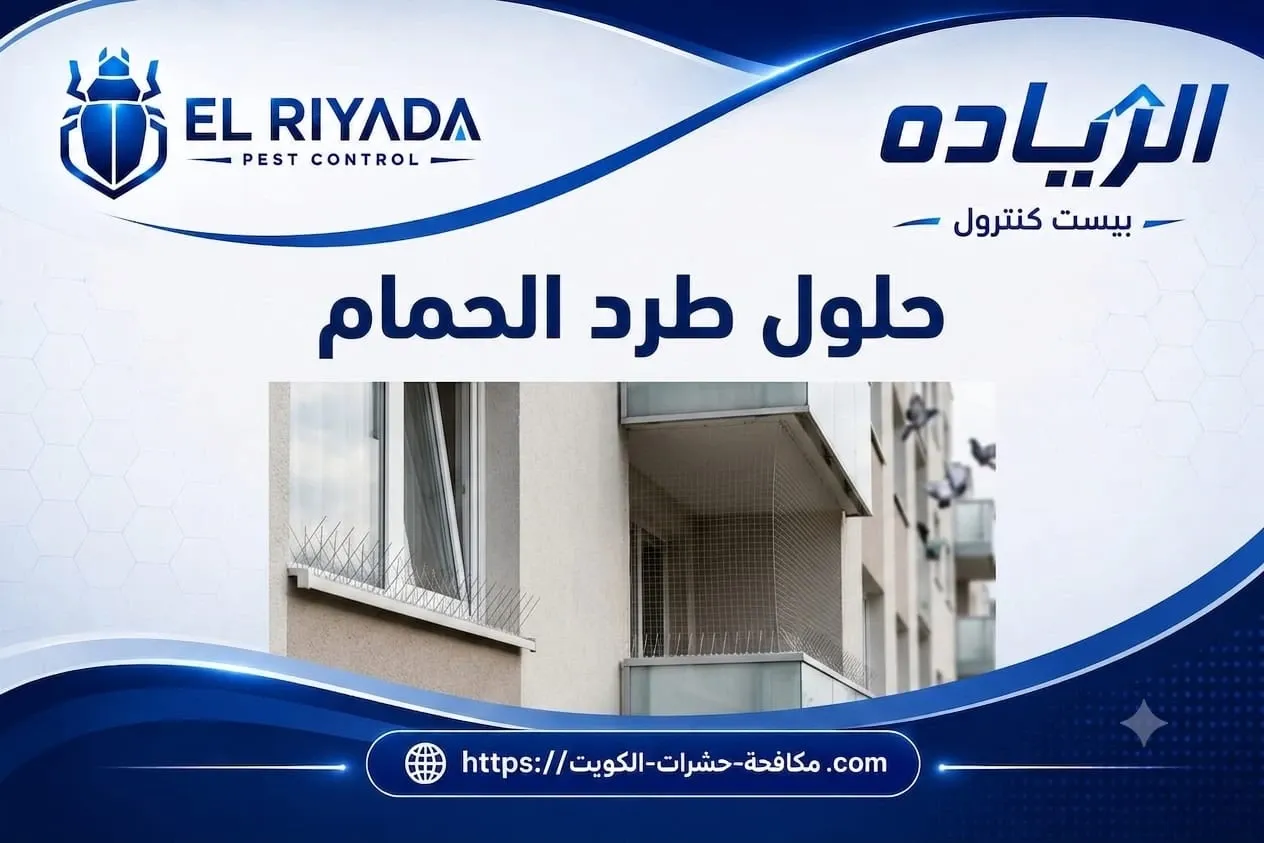
Ultrasonic pigeon repellents are not a guaranteed solution for keeping pigeons away from rooftops and balconies in Kuwait. Devices that rely on ultrasonic frequencies lack strong evidence demonstrating consistent effectiveness against pigeons, while some devices that produce audible alarm calls may trigger a temporary response under certain conditions. Results vary according to the type of device, its location, and how accustomed the birds have become to the sounds.
If you are considering purchasing a device to protect your home's rooftop or your company's building, it is important to understand the differences between device types and the limitations of their use before spending money. Al Reyada Pest Control can help you discuss your pigeon problem and consider a protection method suited to your property's characteristics. To inquire about pigeon control solutions in Kuwait,
Ultrasonic Pigeon Repellent: How Does It Work, and Can Pigeons Actually Hear It?
Acoustic bird deterrent devices are marketed as a way to disturb birds and encourage them to leave an area without installing netting or bird-perching deterrent strips. However, these devices do not all work in the same way, and it is essential to distinguish between audible sounds and ultrasonic frequencies.
Some devices produce sounds that humans can hear, such as recorded bird alarm calls or predator sounds. Other products are marketed as emitting high frequencies outside the normal range of human hearing.
This distinction matters because a pigeon's ability to hear and respond to a sound is not determined simply by how high its frequency is or whether the device is described as technologically advanced.
What Is the Difference Between Audible Sound and Ultrasound?
Audible sounds: These include alarm calls, recorded vocalizations, and certain sudden noises that may cause birds to respond if the sounds are relevant to their behavior.
Ultrasonic frequencies: These are frequencies above the usual upper limit of human hearing, commonly described as approximately 20,000 hertz, although hearing ability varies between individuals.
Pigeon responses: There is insufficient strong evidence to consider ultrasonic devices a reliable way of repelling pigeons, and not all bird species respond to frequencies in the same way.
Does Every Device That Produces Loud Sounds Repel Pigeons?
No.
Sound volume alone does not mean pigeons will interpret it as a threat. Birds may ignore repeated noises if they are not associated with any actual danger.
Using loud sounds in residential neighborhoods may also disturb neighbors, even when the device fails to produce the desired effect on birds.
Why Do Pigeons Continue Perching Despite the Device Operating?
The location may provide such favorable resting or nesting conditions that birds continue using it, particularly if the surrounding circumstances remain unchanged.
Other possible explanations include pigeons becoming accustomed to the sound, the device being unsuitable for the targeted birds, or obstacles interfering with sound propagation.
Can You Rely on the Device Alone?
It should not be considered the only solution when the problem is persistent, especially if pigeons are nesting inside openings or regularly using particular ledges.
In these situations, methods that prevent access or discourage perching may address the underlying problem more directly.
Are Pigeon Repellent Devices Effective? The Answer Depends on the Device and Its Location
The question "Are pigeon repellent devices effective?" is frequently asked by homeowners who want to stop birds from gathering without changing the appearance of their rooftops or balconies.
The accurate answer is that acoustic devices vary in effectiveness, and one result cannot be generalized to every product. Available evidence also does not support relying on ultrasonic devices alone to keep pigeons away consistently.
Devices that produce audible alarm calls may temporarily affect certain birds, but their response depends on the type of sound, how frequently it is played, the birds' behavior, and the surrounding environment.
When Might a Device Produce a Temporary Effect?
-
When an unfamiliar sound is played: Some birds may stop their activity or leave temporarily if they are startled by a sound they consider disturbing or associated with danger.
-
When the operating pattern changes: Varying the timing or nature of sounds may help reduce habituation in some circumstances, but it does not guarantee a lasting response.
-
When the location is not particularly important to the birds: Discouraging pigeons from an area they merely pass through may be relatively easier than driving them away from an established nesting site.
-
When combined with other measures: An acoustic device may serve as a supporting element in a broader plan, but it does not replace closing entry points or protecting suitable ledges.
-
When sounds are appropriate for the targeted species: The product should be designed for the birds concerned, without assuming effectiveness simply because it contains recorded sounds.
When Is Success Less Likely?
When pigeons have been using a location for a long time or have established nests and regular resting places, repeated sounds may not be enough to encourage them to leave.
Likewise, a device placed in one corner should not automatically be expected to protect every section of a large rooftop containing barriers and equipment.
Is There a Fixed Success Rate for Pigeon Repellent Devices?
There is no universal success rate that applies to all devices and locations.
Any advertisement claiming a high success rate should be evaluated according to actual tests conducted on the product, the targeted birds, and conditions comparable to the intended location.
How Can You Tell Whether the Device Has Made a Difference?
Pigeon activity should be compared before and after operation over a suitable period, while monitoring how often birds perch or nest and how much waste accumulates.
However, a short-term reduction in activity does not prove that the problem has been permanently resolved.
Acoustic Pigeon Repellent Devices: What Should You Check Before Buying One for Your Rooftop?

When choosing an acoustic pigeon repellent device, relying solely on promotional images or claims that it covers a large area is insufficient. Advertised specifications do not necessarily indicate how effectively the device will influence pigeons under real operating conditions.
It is important to review the type of sound produced, how the device operates, whether it is suitable for residential surroundings, and whether independent testing supports its effectiveness claims.
Which Specifications Deserve Attention?
Type of sound: Does the device produce audible alarm calls, random noises, or ultrasonic frequencies? These systems should be distinguished rather than treated as one technology.
Targeted birds: Check whether the manufacturer provides information specifically concerning pigeons or merely uses a general description covering all birds.
Operating method: The device may run continuously, at intervals, or when movement is detected. This affects how it is used and how likely birds are to become accustomed to the sounds.
Power source: Electricity, batteries, or solar power requirements should be reviewed according to the installation location.
Resistance to outdoor conditions: Specifications concerning protection against dust, moisture, and heat should be checked rather than assuming every device is suitable for exposed rooftops.
Potential disturbance: Audible devices may be unsuitable near bedrooms, windows, or closely spaced residential buildings.
Does the Coverage Area Printed on the Packaging Guarantee Effective Protection?
Not necessarily.
The advertised coverage area may refer to sound propagation under particular testing conditions, but it does not prove that pigeons will leave every part of that area.
Walls, water tanks, equipment, and speaker direction may also affect how sound travels.
Is a Solar-Powered Device Better?
Not necessarily when it comes to repelling pigeons.
Solar power describes how the device operates, not evidence that its sound-based deterrent is effective.
The position of the solar panel and charging requirements should be assessed alongside the effectiveness of the deterrent method itself.
Is an Acoustic Device Suitable for Residential Balconies?
This requires evaluating the sound level, proximity of neighbors, and nature of the pigeon problem.
If pigeons regularly perch on one particular ledge, considering a method that prevents perching on that ledge may be more appropriate than repeatedly playing sounds in a small residential space.
Ultrasonic Bird Repellent Devices: Why High Frequencies Alone Cannot Reliably Keep Pigeons Away
An ultrasonic bird repellent device is sometimes marketed as a product that is silent to humans but disturbing to birds. However, this description alone does not establish its ability to repel pigeons.
Hearing sensitivity differs between species, and it cannot be assumed that birds hear every frequency above the human hearing range or are affected by those frequencies in ways that make them leave an area.
For pigeons, there is insufficient strong evidence demonstrating that commercial ultrasonic devices provide consistent and reliable deterrence.
Why Doesn't Increasing the Frequency Automatically Improve Effectiveness?
Because a sound's effectiveness depends on whether an animal can hear it and what behavioral significance the sound has.
If the frequency is outside the bird's effective hearing range, making it higher will not automatically make it disturbing.
Even when a bird hears a particular sound, it may not interpret it as a threat serious enough to abandon a suitable resting or nesting location.
Do Ultrasonic Frequencies Travel Easily Around Obstacles?
This should not be assumed.
Sound propagation is affected by frequency, distance, obstacles, and surrounding materials. Some areas may receive substantially less sound than others.
Placing a device on a rooftop wall therefore does not necessarily mean that its effects will reach spaces behind water tanks or air conditioning units.
Are Ultrasonic Devices Safe for All Household Animals?
A universal statement cannot be made about every device and animal.
Animals differ in their sensitivity to higher frequencies, so product specifications and potential effects should be reviewed, particularly when pets are present nearby.
What Should You Do If You Have Bought a Device and Pigeon Behavior Has Not Changed?
First, review the operating instructions to confirm that the device is being used correctly. However, if pigeons continue perching or nesting, do not keep relying on it without reassessing the situation.
Addressing the actual entry and perching points may be more appropriate than purchasing another acoustic device without clear evidence that it suits the problem.
Pigeon Repellent Device Reviews and Experiences: Evaluating Results Beyond Advertising
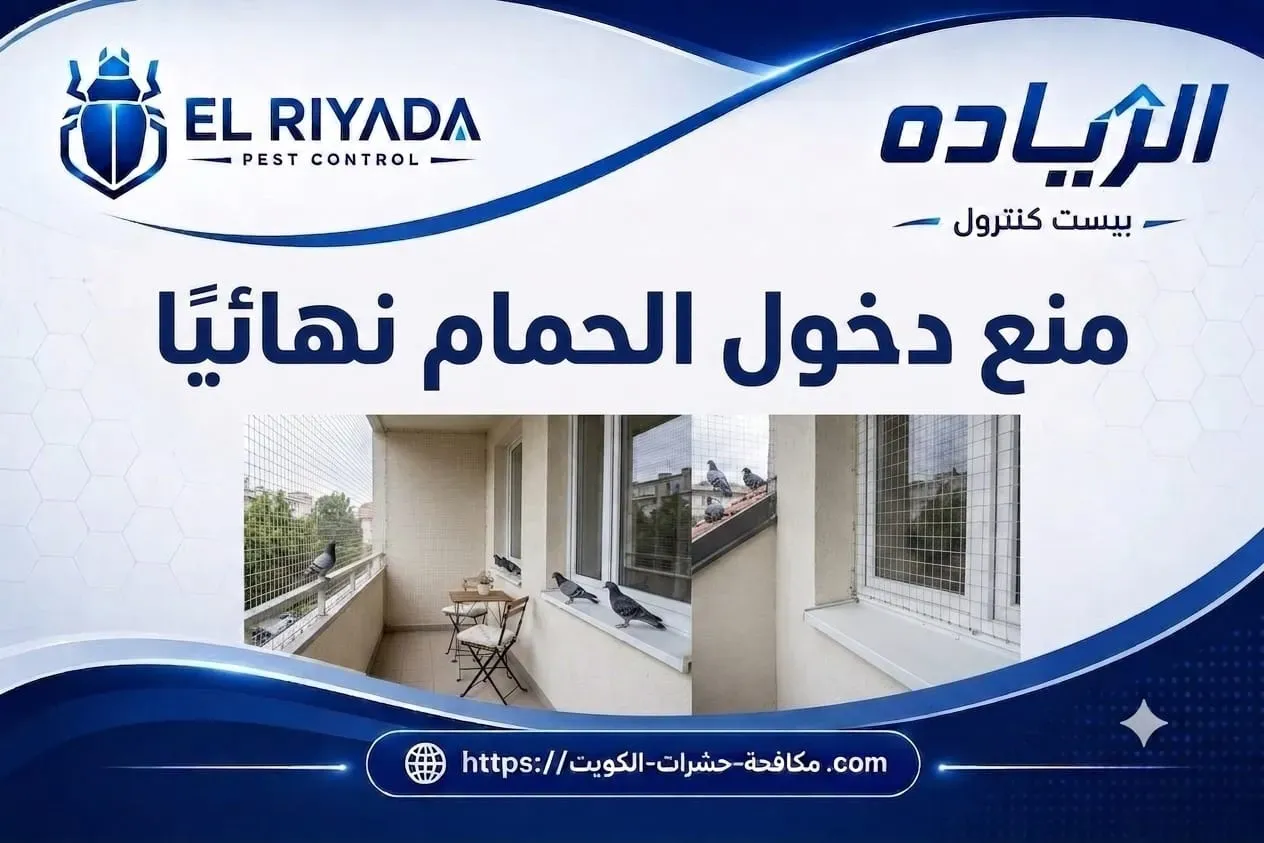
When researching pigeon repellent device reviews and experiences, you may find conflicting individual opinions. Some users report that birds moved away temporarily, while others describe pigeons continuing to appear despite the device operating.
These opinions alone cannot be considered conclusive evidence of a particular product's effectiveness because locations differ in size, bird numbers, nesting conditions, and available attractants.
What Makes a User Experience Useful?
-
Identifying the device type: It is important to know whether the product relies on ultrasonic frequencies or audible alarm calls because results cannot be generalized between the two technologies.
-
Describing the location: Using a device on a small balcony is different from operating it across a large rooftop containing equipment and barriers.
-
Explaining the nature of the problem: It matters whether birds merely pass through, perch daily, or have established nests.
-
Stating the observation period: Pigeons leaving on the first day does not prove that the result will continue for several weeks.
-
Providing a before-and-after comparison: Recording bird activity before and after use is more informative than relying on a general impression.
-
Disclosing other methods used: If bird spikes or netting were installed at the same time, the outcome cannot be attributed to the acoustic device alone.
Are Videos Showing Pigeons Flying Away Proof That a Device Works?
They may demonstrate an immediate response to a sound or movement, but they do not prove that birds will never return.
Establishing lasting effectiveness requires monitoring the location over a sufficient period under normal operating conditions.
Why Might Results Differ Between Two Neighboring Homes?
One location may simply be a passage point, while the other provides an established resting or nesting site.
Speaker placement, obstacles, surrounding noises, and the birds' familiarity with human activity may also differ.
Can You Conduct a Practical Assessment Before Making a Final Decision?
Pigeon activity can be monitored and the most frequently used locations identified before selecting a protection method.
If a device is already installed, bird behavior during operation can be compared with previous conditions, while recognizing that seasonal changes or changes in food availability may also influence the results.
Disadvantages of Acoustic Pigeon Repellents: What You Should Know Before Buying
One of the main disadvantages of acoustic pigeon repellents is that their effect may be temporary or difficult to establish, especially when devices rely on repeated sounds that are not associated with any real threat to the birds.
The device also does not physically prevent pigeons from reaching ledges or openings, so the problem may continue if the location provides favorable resting or nesting conditions.
Main Potential Disadvantages
-
Pigeons becoming accustomed to sounds: Birds may respond less to repeated noises when those sounds are not associated with any actual danger.
-
Limited evidence supporting ultrasonic effectiveness: Devices should not be purchased solely because they claim to repel pigeons using high frequencies without reliable supporting data.
-
Failure to address nesting locations: Spaces behind equipment and building openings may remain accessible even while the device operates.
-
Noise disturbance: Devices producing audible sounds may disturb residents, workers, or neighbors.
-
Interference from obstacles: Sound may not reach every part of the location, especially behind walls and equipment.
-
Power and operating requirements: Some devices need electricity, batteries, or regular monitoring of their charge level.
-
Difficulty evaluating results: Bird activity may change for unrelated reasons, making it difficult to attribute improvements to the device alone.
-
Risk of spending money without resolving the problem: Customers may purchase several devices while actual perching and nesting points remain untreated.
Do These Disadvantages Mean All Acoustic Devices Are Useless?
That conclusion cannot be applied to every system.
Certain audible acoustic deterrents may have specific applications within bird management programs, but their effectiveness depends on how they are used, the location, and the bird species involved.
However, relying on a commercial ultrasonic device alone as a guaranteed pigeon control solution is not supported by strong evidence.
Can the Device Cause Problems With Neighbors?
Yes, if it produces repeated audible sounds, particularly in closely spaced residential neighborhoods.
Potential disturbance and any applicable local noise requirements should be considered before operating the device.
When Does Continuing to Operate the Device Become Unreasonable?
If pigeons continue perching and nesting without noticeable change despite correct operation, reassessing the problem is preferable to relying on sound alone.
If you have tried an acoustic device and pigeons still gather on your rooftop or balcony, contact Al Reyada Pest Control to inquire about solutions that address the actual perching and entry locations.
Do Sound Waves Repel Pigeons? Temporary Responses vs. Lasting Protection
Answering the question "Do sound waves repel pigeons?" requires distinguishing between briefly disturbing a bird and preventing it from returning to a location.
A pigeon may move or fly away when it hears a sudden sound, but that does not mean it will permanently avoid the area.
Longer-term protection requires addressing the conditions that allow birds to perch, enter, or nest.
What Is a Temporary Response?
A temporary response is a short-term change in the bird's behavior, such as stopping its activity or moving away when a sound is played.
The pigeon may return after the sound stops or once it becomes accustomed to it, particularly if the location remains suitable.
What Is Meant by Lasting Protection?
It means reducing pigeons' opportunities to reach targeted locations through methods suited to the site, such as preventing entry into openings or discouraging birds from settling on ledges.
Lasting protection does not mean guaranteeing that all pigeons will disappear from the area surrounding the building.
How Does the Problem Differ by Location?
Open rooftops: Several perching locations may exist, so treating one point may not be sufficient if birds continue using other areas.
Balconies: A particular ledge or railing may be responsible for the problem, making a perching deterrent for that edge a direct option.
Air conditioning equipment rooms: If birds enter through openings, addressing entry points may be more important than playing sounds.
Warehouses: Doors, openings, ventilation, and operational requirements may need to be assessed before selecting a control method.
Areas around water tanks: Equipment should be protected without obstructing covers, ventilation openings, or maintenance work.
Is Dealing With Pigeons Already Occupying a Nest Different?
Yes.
If a nest contains eggs or chicks, methods that trap birds or separate young birds from their parents should not be used.
Local requirements should be reviewed, and the situation handled humanely before closing any opening or changing access to the nest.
Alternatives to Pigeon Repellent Devices: Which Solution Suits Rooftops, Balconies, and Buildings?
Alternatives to pigeon repellent devices include methods designed to prevent birds from reaching specific locations or settling on them. These may address the problem more directly when the cause is a suitable perching ledge or an opening used for nesting.
However, the alternative must be selected according to the location because netting, bird deterrent strips, and tensioned wires do not serve exactly the same purpose.
Comparing Alternatives According to the Problem
|
Problem |
Solution Worth Considering |
Important Considerations |
|
Pigeons perch on a rooftop wall |
Bird deterrent strips or specialized wires |
Edge width and secure attachment |
|
Pigeons enter a balcony |
Bird exclusion netting |
Avoid trapping birds or obstructing normal use |
|
Pigeons nest behind an air conditioner |
Suitable protection of entry points |
Preserve ventilation and maintenance access |
|
Pigeons perch on a window ledge |
Appropriate perching deterrent |
Do not obstruct window opening |
|
Pigeons enter an equipment room |
Protect openings not required for ventilation |
Do not block essential ventilation |
|
Droppings accumulate on the rooftop |
Suitable cleaning and treatment of perching locations |
Identify the source of droppings first |
When Is Pigeon Netting a Better Option?
Netting may be appropriate when birds enter a defined space through openings that can be protected without obstructing ventilation or normal use.
However, the area must be inspected to ensure that no birds or active nests could become trapped after installation.
When Are Bird Deterrent Strips Suitable?
They may be suitable when pigeons regularly use a stable edge, such as a rooftop wall, window ledge, or certain cornices.
The product and its arrangement should be selected according to the edge's width and surface characteristics, while avoiding sharp security wires.
Can More Than One Method Be Combined?
Yes, when the problem involves more than one type of location.
For example, rooftop edges may require perching deterrents, while a nearby opening may need protection that prevents birds from entering.
However, multiple methods should not be added without a clear reason because this may increase costs without providing a proportionate benefit.
Why Might a Site Assessment Be Better Than Buying Another Device?
An assessment helps determine whether pigeons use the location for perching, nesting, or entering through an opening.
A protection method can then be selected to address the actual cause rather than relying on a device whose suitability is uncertain.
Pigeon Repellent Device Prices in Kuwait: What Are You Actually Paying For?
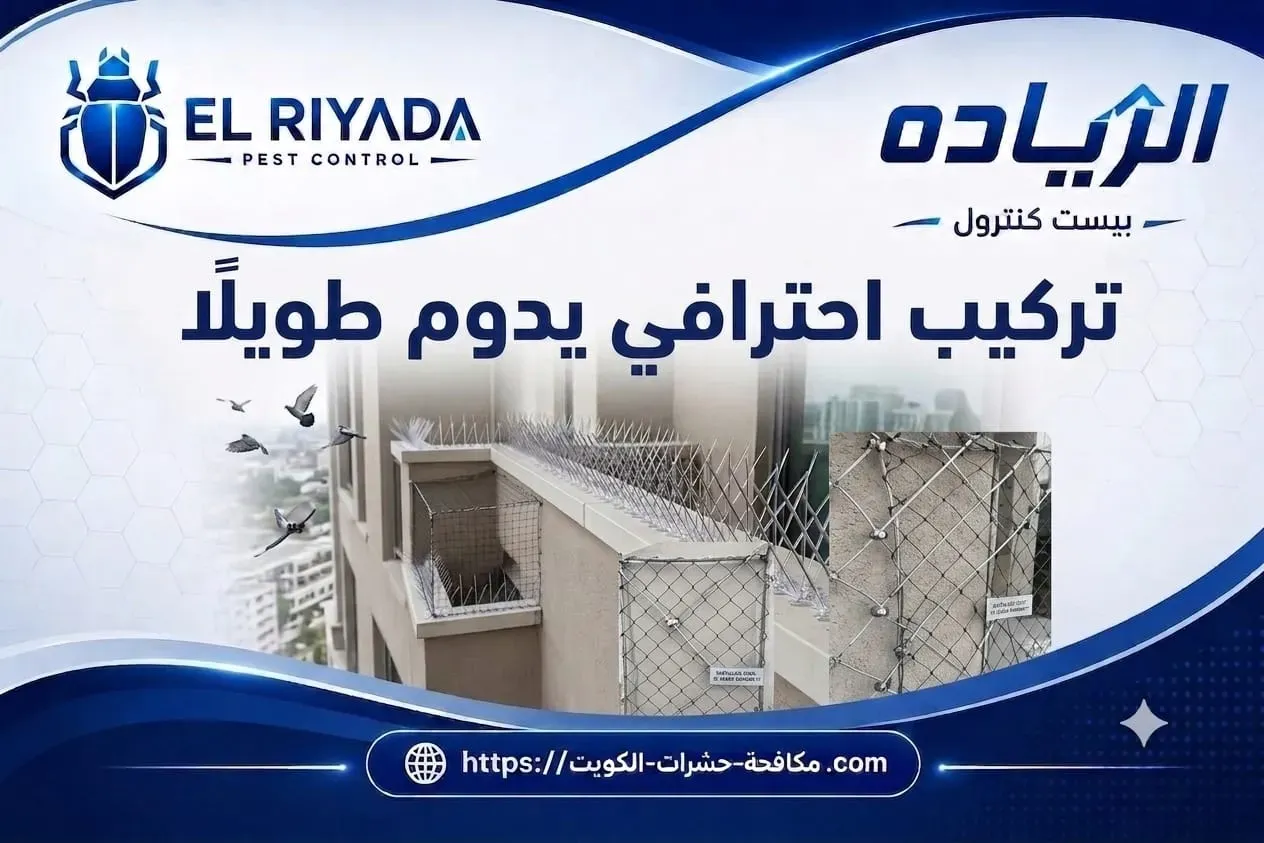
The price of a pigeon repellent device in Kuwait varies according to the technology used, device specifications, power source, resistance to outdoor conditions, and seller.
However, a higher price does not necessarily mean that the device is more effective at repelling pigeons, particularly when effectiveness claims are not supported by appropriate testing.
The cost should therefore be compared with the expected benefit and the nature of the problem, rather than simply the number of features advertised on the packaging.
Factors Affecting the Price
-
Technology type: Devices using audible alarm calls differ from products marketed as ultrasonic repellents.
-
Number of speakers: This may affect system specifications, but it does not independently establish deterrent effectiveness.
-
Power source: Devices may operate using electricity, batteries, or solar power, each with different operating requirements.
-
Resistance to outdoor conditions: Products may differ in their protection against dust, moisture, and exposure to the elements.
-
Adjustable operation: Some devices offer settings for timing, sound intensity, or operating patterns.
-
Coverage specifications: It is important to establish what the advertised area means and whether relevant testing supports it.
-
Accessories and installation: Some devices may require brackets, wiring, or additional equipment.
-
Return and warranty policies: Actual seller conditions should be reviewed without assuming a particular performance guarantee exists.
Is a Cheap Device an Economical Choice?
It may appear less expensive initially, but if it does not affect the pigeon problem, the customer may need to look for another solution.
Its suitability should therefore be assessed before purchasing rather than relying solely on a low price.
Does a More Expensive Device Produce Better Results?
Not necessarily.
The price may reflect additional features or different manufacturing materials, but it does not prove that pigeons will leave the location.
Looking for relevant performance evidence is preferable to treating price as a direct indicator of effectiveness.
Is Buying a Device Better Than Installing Netting or Bird Deterrent Strips?
The comparison depends on the problem.
If pigeons enter through a specific opening, addressing that opening may be more direct. If they perch on a fixed ledge, a perching deterrent may be more appropriate.
An acoustic device, by contrast, does not provide a physical barrier preventing entry or settlement.
How Can You Avoid Spending Money on an Unsuitable Solution?
First, identify where pigeons perch and whether there are nests or entry openings. Then compare methods that address those particular locations.
To inquire about suitable pigeon control solutions for rooftops and balconies in Kuwait, call Al Reyada Pest Control
Best Pigeon Repellent Device for Rooftops: Making the Right Decision Before Buying
Searching for the best pigeon repellent device for rooftops should not begin by choosing the most expensive product or the device advertising the largest coverage area.
A rooftop may contain water tanks, air conditioning units, cornices, and barriers that spread the problem across several locations, while pigeon activity may sometimes be associated with just one particular edge.
The better decision is to identify the nature of the problem and then evaluate whether an acoustic device is appropriate at all or whether another method addresses the reason pigeons gather there more directly.
Steps for Making the Decision
Step One: Identify the type of problem. Are pigeons perching on the wall, nesting behind equipment, or entering through openings?
Step Two: Observe their activity. Identify the locations and times when birds repeatedly gather.
Step Three: Review the limitations of acoustic devices. Do not rely on ultrasonic effectiveness claims without reliable evidence.
Step Four: Compare alternatives. Physical barriers or perching deterrents may be more appropriate than sound for certain locations.
Step Five: Consider site safety. Protection must not obstruct ventilation, maintenance, or people's movement.
Step Six: Request a clear explanation of costs. Compare the scope of work, materials, and maintenance requirements rather than looking only at the purchase price.
Is There One Device Suitable for Every Rooftop?
No.
Rooftops differ in size, design, equipment, and the nature of pigeon activity.
Acoustic devices also do not provide guaranteed results, so no single device can be identified as the best option for every situation.
When Is Requesting a Site Assessment Better Than Buying a Device?
When pigeons continue gathering despite the use of scaring methods or when nests or droppings repeatedly appear in particular locations.
In these cases, evaluating perching and entry points helps identify appropriate protection rather than trying several devices without addressing the cause.
Why Contact Al Reyada Pest Control?
Homeowners, villa owners, apartment building owners, and businesses in Kuwait can contact Al Reyada Pest Control to inquire about solutions for managing pigeon gatherings.
When requesting assistance, it is important to explain whether the problem affects a rooftop, balcony, windows, or equipment room and whether birds are using particular ledges or have established nests.
What Should You Confirm Before Agreeing to a Service?
-
Identify the source of the problem rather than simply describing pigeons being present in the area.
-
Choose a method suitable for the location while considering the safety of people and birds.
-
Do not close openings before confirming that no birds or chicks will be trapped inside.
-
Preserve equipment ventilation and access for maintenance.
-
Clarify the materials, included work, costs, and any warranty conditions that are actually available.
-
Avoid relying on absolute promises that all pigeons will disappear without an assessment of the location's conditions.
These criteria support a more informed decision without assuming that any device or company can guarantee results in every situation.
Conclusion: Is an Ultrasonic Pigeon Repellent Worth Buying in Kuwait?
An ultrasonic pigeon repellent is not a solution that can be relied upon alone to guarantee pigeons stay away from rooftops and balconies. Evidence supporting the effectiveness of ultrasonic devices against pigeons is limited and insufficient to justify promises of continuous deterrence. Some audible sounds, however, may produce temporary responses influenced by the location and the birds' familiarity with those sounds.
Before purchasing a device, it is better to identify why pigeons are gathering. Are they perching on the rooftop wall or cornices, entering a balcony, or nesting behind air conditioning units? Each problem may require a different protection method, and addressing edges or openings may be more direct than playing sounds.
The safety of birds and people must also be considered. Birds should not be trapped inside protected spaces, and solutions should not obstruct equipment ventilation or normal operation.
If pigeons repeatedly gather on your home's rooftop or at your business premises in Kuwait, and you want to identify an appropriate solution instead of buying a device that may not deliver the expected results, contact Al Reyada Pest Control to inquire about pigeon control options.
Frequently Asked Questions About Ultrasonic Pigeon Repellents in Kuwait
1. Are Ultrasonic Pigeon Repellent Devices Actually Effective?
There is insufficient strong evidence demonstrating that commercial ultrasonic devices provide consistent and reliable pigeon deterrence. They should therefore not be considered a guaranteed solution.
2. Do Pigeons Become Accustomed to Repellent Device Sounds?
Yes. Birds may become accustomed to certain repeated sounds, particularly when those sounds are not associated with an actual threat, potentially reducing their response over time.
3. Can an Acoustic Device Keep Pigeons Away From an Entire Rooftop?
This cannot be guaranteed, especially on large rooftops or those containing obstacles and nesting locations. Some areas may require methods that directly prevent perching or entry.
4. What Is a Suitable Alternative to an Acoustic Pigeon Repellent?
The appropriate alternative depends on the problem. Bird deterrent strips may suit rooftop edges, while netting may be suitable for certain openings and balconies, provided that ventilation and safety are preserved and birds are not trapped.
5. How Much Does a Pigeon Repellent Device Cost in Kuwait?
Prices vary according to the technology, power source, specifications, and seller. A higher price does not guarantee effectiveness. To inquire about pigeon control solutions suitable for your property, call Al Reyada Pest Control