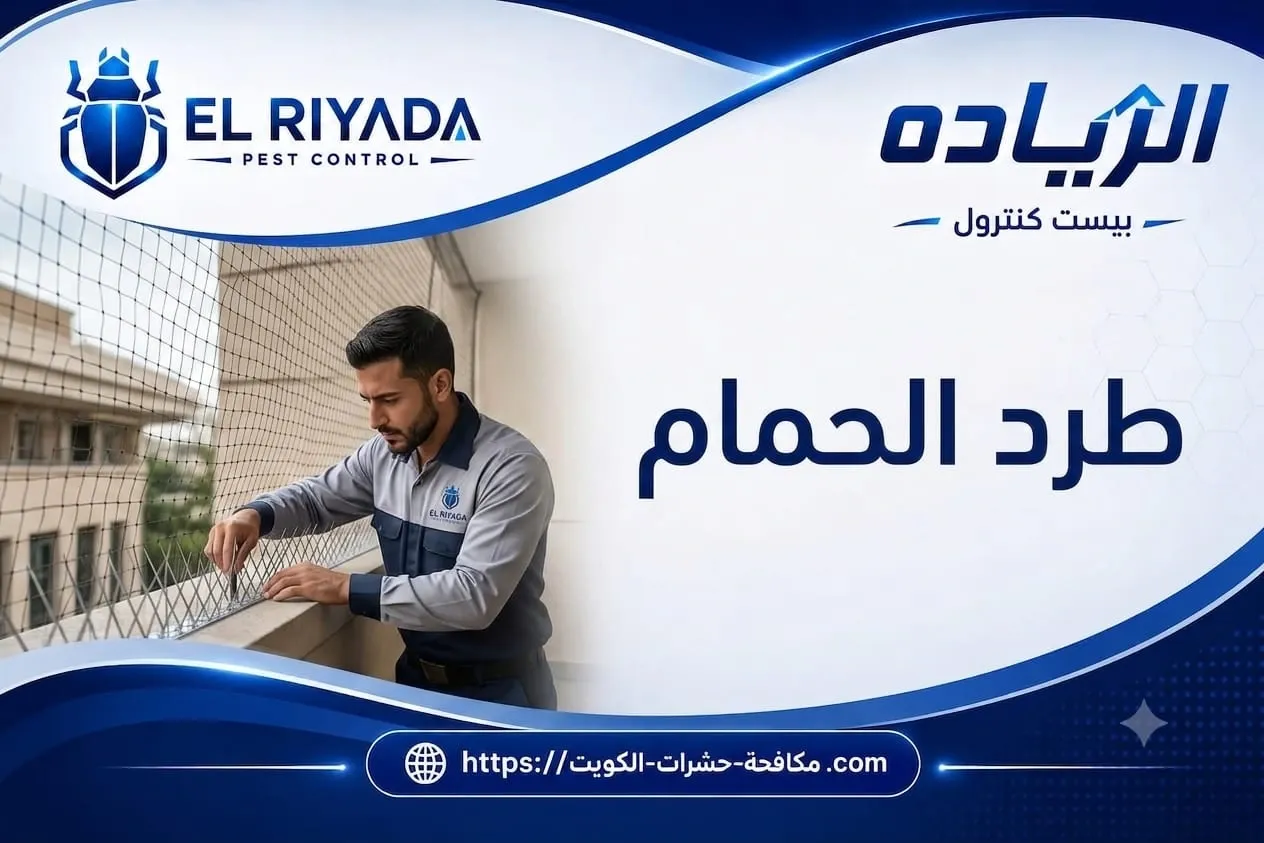
A pigeon problem on rooftops, cornices, and exterior ledges cannot be solved simply by purchasing any deterrent system and installing it wherever birds happen to appear. Successful protection begins by understanding landing areas, access routes, the design of the roof or ledge, and the extent of the problem before selecting the appropriate protection method. Therefore, searching for the best pigeon deterrent company in Kuwait should focus on inspection quality, identification of target areas, material specifications, installation accuracy, and warranty conditions rather than price alone. A specialized company distinguishes between an area that requires prevention of pigeon perching and a situation requiring broader protection because birds are entering internal building spaces. This guide explains how to choose the right company and which details deserve careful attention before agreeing to the service.
Pigeon Deterrent Installation Company

Choosing a pigeon deterrent installation company begins with evaluating its ability to understand bird behavior at the property before recommending a particular system. The presence of pigeons above a building does not mean that every ledge and rooftop area requires exactly the same treatment because birds may depend on specific points for landing, perching, or moving toward more protected spaces. At some properties, the problem may be concentrated on one cornice, equipment ledge, or architectural projection, while at others it may extend across several parts of the façade. A proper inspection should therefore identify the locations pigeons actually use rather than turning the project into random installation across every available meter.
The first thing that should be assessed is the nature of pigeon activity. Are the birds simply landing on the ledges and then leaving, or is there repeated accumulation of droppings suggesting that they remain there for extended periods? Are nests present, or are pigeons attempting to enter structural openings? The answer changes the type of solution required. Perching deterrent systems can be appropriate when the objective is to make a specific landing or resting area unsuitable, but they are not automatically a replacement for netting when birds are already entering a building shaft or another internal space.
The width, length, shape, and material of the ledges should then be examined. The method used to secure a deterrent system to a concrete surface may differ from the approach required for metal, stone, or another architectural material. Wider ledges may also require a different arrangement from narrow ones so that pigeons are not left with a usable perching strip beside the installed system.
One detail that can reveal the company's experience is whether it considers alternative perching routes. If the preferred location is protected but pigeons find another comfortable ledge half a meter away, they may simply move there. At that point, instead of solving the problem, we have basically arranged an internal office transfer for the pigeons.
Accessibility to the installation area should also be assessed because working at height or near exterior building edges requires planning according to the actual property. This can affect both the installation method and the cost and should not be ignored when preparing the quotation.
A professional company should also explain what the proposed system is designed to address and what falls outside its intended function. Clear expectations are more useful than broad promises because selecting the correct solution from the beginning is one of the strongest indicators of service quality.
• A professional pigeon deterrent installation company begins by identifying the landing, perching, and resting locations pigeons actually use instead of distributing deterrent systems across parts of the building without considering bird behavior.
• Distinguishing between pigeons that perch on exposed ledges and pigeons that enter building shafts or internal spaces helps prevent the use of a perching deterrent for a problem that actually requires a different type of barrier.
• Measuring the width and length of the ledge and identifying its construction material helps determine an installation arrangement and fixing method appropriate to the specific property rather than using a standard design everywhere.
• Reviewing ledges and architectural projections surrounding the primary activity point reduces the possibility that pigeons will simply move to another nearby location after their original perching point has been protected.
• Evaluating the height and difficulty of accessing the installation area before pricing creates a more realistic work plan and reduces unexpected complications after the installation has already started.
Professional Pigeon Deterrent Company
When searching for a professional pigeon deterrent company, the word “professional,” “approved,” or “certified” appearing in an advertisement should not be considered sufficient evidence by itself. A safer selection process begins by verifying the service provider's information and then understanding the proposed system specifications, fixing method, warranty conditions, and written scope of work. This is not simply a matter of buying a ready-made component and placing it on a ledge. The final result depends on whether the system suits the property and whether the smaller installation details are handled correctly.
Before agreeing to the service, request a clear description of what will be installed. Is the proposed system intended to prevent pigeons from perching on specific ledges? What material will be used? Which areas are included in the installation? Which locations will remain outside the service scope? Having these details makes the quotation easier to compare instead of relying on a vague description such as “complete pigeon deterrent installation.”
The proposed fixing method should also be understood according to the surface involved. A system that feels strong when held in the hand will not provide a reliable result if it is attached poorly or fixed in a way that is unsuitable for the ledge. Material quality and installation quality are connected and should not be assessed independently.
It is also useful to determine whether the inspection includes looking for evidence of pigeon activity and alternative perching areas. A company that measures only the number of meters may provide a quick quotation, but it does not necessarily answer the more important question: are these actually the meters that need protection?
Warranty details should also be reviewed rather than merely confirming that a warranty exists. The customer should know its duration, what it covers, whether it applies to installation problems or specific system components, and which circumstances are excluded. This is particularly important for outdoor areas where cleaning, maintenance, or work by other technicians may later affect the installation.
Professional service is also demonstrated through realistic recommendations. No single pigeon deterrent system is appropriate for every bird problem in every building. If pigeons are entering through a large opening, spikes will not suddenly transform themselves into protective netting simply because the quotation looks impressive.
For this reason, the idea of choosing a professional or approved company should be connected to verification, clear specifications, defined installation areas, and understandable service conditions rather than a single promotional label that does not explain what will actually happen at the property.
• Verifying the company's information and the type of service being provided gives the customer a stronger basis for selection than relying only on the description “professional” or “approved” without supporting details.
• A clear quotation should specify the type of pigeon deterrent system and the installation areas so the customer understands exactly what is being purchased and can compare it fairly with competing offers.
• The quality of a pigeon deterrent system depends on matching the material and fixing method to the surface because good components installed on an unsuitable base may not provide the expected stability.
• Reviewing pigeon activity evidence and nearby perching locations before calculating the required meters helps direct the service toward meaningful areas rather than increasing installation quantity without a practical reason.
• Warranty conditions should be understandable in terms of duration, coverage, and exclusions so the word “warranty” does not become a general promise interpreted differently after the installation has been completed.
Pigeon Deterrent Company Contact Numbers
Searching for pigeon deterrent company contact numbers is often the first step customers take when droppings repeatedly appear on a rooftop, balcony, or cornice and they want the problem resolved quickly. However, the purpose of the first phone call should not be limited to asking, “How much does it cost per meter?” A price provided before the company understands the property may be only a rough figure that does not reveal the real project cost and does not help determine whether the provider understands the problem. The call should instead be used to collect information that allows the customer to evaluate the company before reaching an agreement.
Begin by describing the problem specifically. Explain whether pigeons are perching on cornices, rooftop walls, air-conditioning units, window ledges, or other architectural surfaces and whether the activity is concentrated in one location or distributed across several parts of the building. If pigeons are entering a shaft or internal opening, mention this because the appropriate solution may not be a perching deterrent system at all.
Photographs can be extremely useful during the initial assessment when they clearly show the ledge and surrounding areas. Approximate measurements can also be provided when available, but they should not always be treated as a replacement for an on-site inspection, particularly for complex projects or locations that are difficult to assess accurately from photographs.
After describing the situation, ask which system the company recommends and why. A professional answer should not simply say, “This is the best type.” It should connect the proposed solution to the actual problem. If pigeons are perching on an exposed ledge, the company should be able to explain how the system will make that area less suitable for resting. If the problem involves birds entering an internal space, a different form of protection should be discussed.
Ask what the quoted price includes. Does it cover materials and installation? Can height, access difficulty, or unusual ledge designs affect the cost? Understanding these details prevents the customer from comparing two numbers that do not represent the same service.
Warranty deserves a separate question. Ask how long it lasts, what it covers, and what procedure applies if an installation-related problem appears. It can also be useful to ask what happens if pigeons move to another nearby perching point that was not included in the original scope.
Most importantly, do not use response speed as the only criterion for selecting a company. It is wonderful if somebody answers on the first ring, but the pigeons are not going to say, “Their customer service is excellent, so we should probably leave.” The final result depends much more on diagnosis and installation quality than on how quickly someone picks up the phone.
• When contacting pigeon deterrent companies, describing the exact perching location and nature of the problem helps the provider make an initial assessment based on the property rather than offering only a general price.
• Sending clear photographs of ledges, projections, and surrounding areas can help the company understand the situation initially and determine whether a more detailed site inspection is required.
• Asking why a particular deterrent system has been recommended can reveal the company's understanding because a professional solution should be connected to pigeon behavior and the characteristics of the protected area.
• Understanding whether the quotation includes materials and installation and whether height or difficult access affects the cost prevents comparisons between offers that may look similar numerically but contain different service scopes.
• Using the first conversation to understand warranty terms, installation methods, and service limitations makes the call a useful part of selecting the company rather than simply a search for the lowest price.
Pigeon Deterrent Installation with Warranty
Searching for pigeon deterrent installation with warranty makes sense because the system is usually installed in outdoor areas where it may remain exposed to sunlight, dust, wind, cleaning activities, and maintenance work. However, the value of a warranty should not be measured simply by whether the word appears in an advertisement. A useful warranty clearly defines what the company remains responsible for after installation and which situations fall outside the coverage. The customer needs a clear reference if an installation problem or an issue with a covered component appears later.
Before reaching an agreement, the customer should understand when the warranty begins, when it ends, and whether it covers installation workmanship, specific parts of the system, or both according to the quotation terms. The procedure followed when a covered problem appears should also be explained. Will the company inspect the installation first? How will the cause of the problem be evaluated? These details make the warranty practical rather than leaving it as an open promotional statement that can be interpreted differently by each party.
It is equally important to distinguish between a problem with the installed deterrent system and continued pigeon activity in another area that was never included in the original installation scope. If a deterrent is installed on one particular cornice and pigeons later move to an adjacent unprotected ledge, this does not automatically mean the original installation has failed. This is why a comprehensive assessment before installation and identification of influential alternative perching locations are so important.
External intervention after installation should also be considered. Façade cleaning, air-conditioning maintenance, installation of new cables, or other building work may affect parts of the deterrent system if technicians handle them incorrectly. The customer should therefore understand whether this type of damage is covered by the warranty or considered the result of third-party interference.
A warranty cannot compensate for selecting the wrong system in the first place. If the real problem involves pigeons entering an internal building space and a system designed only to prevent perching is installed, a long warranty will not suddenly turn that system into the correct solution. Diagnosis comes before warranty, not the other way around.
A reliable company also does not use warranty coverage as an excuse to reduce the quality of the initial installation. The objective should be to install the system correctly from the beginning and then provide a clear procedure for dealing with covered defects if they appear later.
A ten-year warranty on a pigeon deterrent installed in the wrong place is a bit like having a lifetime warranty on an umbrella that you keep open inside your living room. The paperwork may be magnificent, but the actual problem is still standing outside laughing.
• A pigeon deterrent installation warranty should clearly state the coverage period, covered installation issues or components, and the procedure for requesting an inspection when a problem appears after completion.
• Pigeons moving to a ledge that was not included in the original project is different from a defect in the installed deterrent itself, which is why the protected areas should be clearly defined before work begins.
• Understanding the effect of façade cleaning, air-conditioning maintenance, and later building work helps customers identify situations that may fall outside the installation company's responsibility.
• Warranty coverage cannot compensate for choosing a system that does not match the actual pigeon problem, so it is essential to determine whether the property requires perching prevention or protection against entry before installation.
• The real value of a warranty appears when it supports a properly planned and installed system with clear specifications rather than functioning as a substitute for inspection and workmanship quality.
Rooftop Pigeon Prevention Company
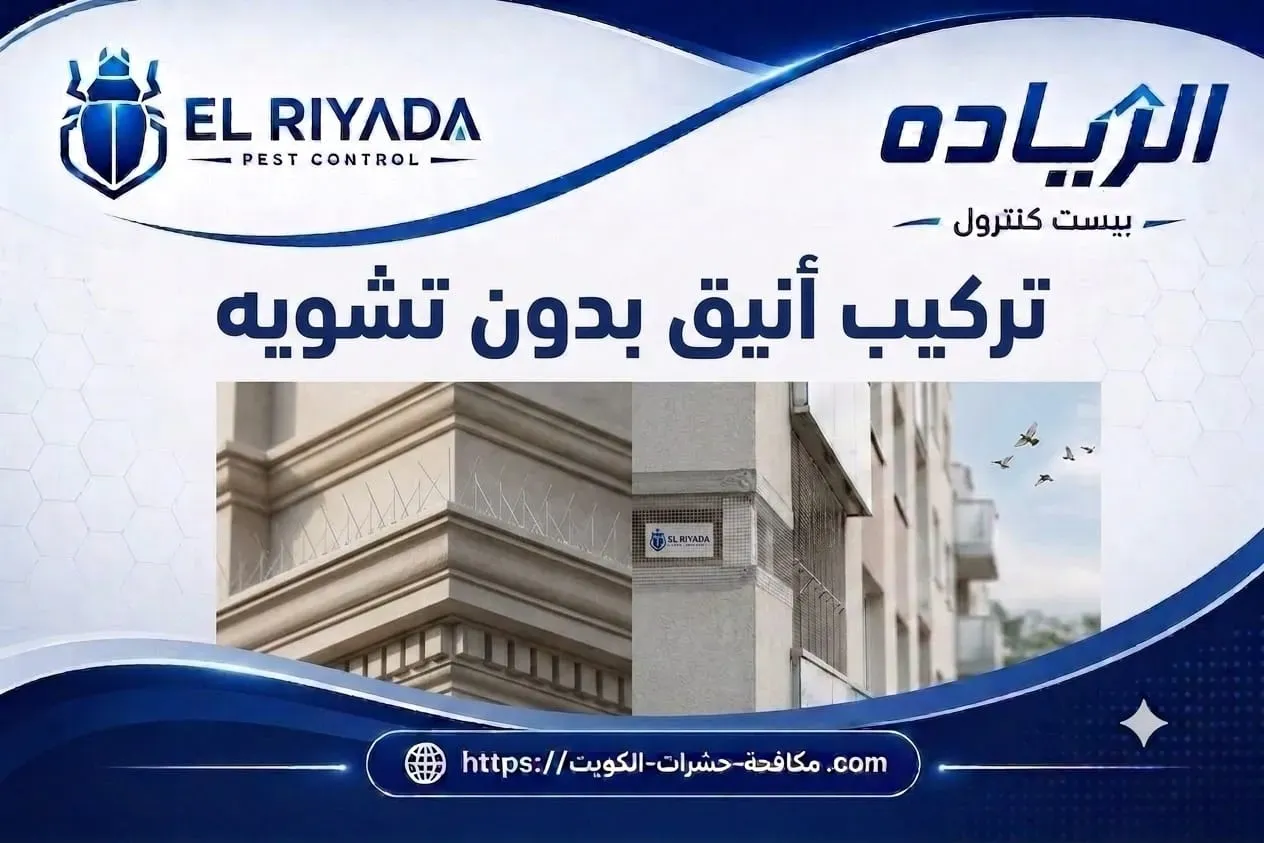
Choosing a rooftop pigeon prevention company requires a slightly different approach from protecting one small cornice or window ledge because a rooftop may contain numerous elements that provide birds with different places to land, perch, and remain. Water tanks, air-conditioning units, low walls, parapets, projections, canopies, and some utility structures can allow pigeons to move between several locations even after one point has been protected. The roof should therefore be assessed as a complete environment before deciding which areas require intervention.
The first step is observing how pigeon droppings are distributed because this can provide practical evidence of the areas birds use most frequently. Heavy accumulation beneath a particular ledge or beside specific equipment may indicate a primary perching point, while widespread droppings across several areas can suggest that pigeons are using multiple locations.
The reason each location attracts pigeons should then be considered. Some ledges provide a clear and convenient landing area, while others offer relative protection from movement or surrounding conditions. Understanding these differences allows the company to prioritize the most influential points instead of installing deterrents on the first surface visible to the technician.
The roof must also remain usable after installation. Air-conditioning equipment, water tanks, and building services require maintenance access, so pigeon protection systems should not become unnecessary obstacles for technicians or property users. A well-designed solution balances perching prevention with the normal functional requirements of the rooftop.
One common mistake is protecting only the exterior parapet while leaving other rooftop elements that are even more comfortable for pigeons completely untreated. In that situation, perching may decrease on the building façade while continuing on equipment, internal walls, or other elevated structures. A specialized company reviews possible alternative routes before determining where installation is actually required.
In some rooftops, a perching deterrent system alone may not solve every part of the problem. If there are openings through which pigeons enter a covered area or service space, those locations may require a different form of exclusion. The objective is not to use the same product everywhere but to prevent the specific behavior causing the problem at each point.
Existing droppings or nesting materials around the installation area should also be considered before protection is installed. Preparing the work area allows the system to be installed on a surface that can be properly assessed and handled in an organized way.
In simple terms, a rooftop is not one chair with a pigeon sitting on it waiting for someone to ask it to move. Sometimes the birds have already reserved the front row, the second row, and the VIP section beside the air conditioner. The important thing is identifying the locations that actually matter before installation begins.
• Examining the distribution of pigeon droppings across the rooftop helps identify the most frequently used perching areas rather than relying only on the location where birds happen to be seen during an inspection.
• Reviewing water tanks, air-conditioning units, walls, parapets, and projections can reveal alternative perching locations that pigeons may use if one ledge is protected while the rest of the roof remains untreated.
• Designing pigeon protection while preserving access routes to rooftop equipment reduces the risk that the deterrent system will interfere with future maintenance and building services.
• Openings leading into internal or covered spaces may require a different solution from perching deterrents because the primary problem in these cases is pigeon entry rather than resting on exposed ledges.
• Prioritizing rooftop locations according to activity density and practical importance allows protection to focus on influential areas instead of increasing material quantities without a clear relationship to pigeon behavior.
Pigeon Deterrent Installation Technician
The quality of a pigeon deterrent installation technician directly influences the final result because good materials cannot automatically correct inaccurate measurements, poor distribution, or a fixing method that does not suit the installation surface. The technician is responsible for turning the protection plan from an idea on paper into a functioning system installed on the actual ledge. Experience with site details should therefore be evaluated rather than measuring performance only by how quickly the required meters can be completed.
The first important skill is accurately reading the ledge. The technician should determine the width of the usable perching area and whether the proposed system will cover it appropriately. Leaving a comfortable space beside the deterrent may allow pigeons to use the remaining section. In that situation, the installation exists physically but does not fully perform the function for which it was installed.
The second skill involves preparing the installation point according to its condition. Dust, loose materials, or an unsuitable surface can affect workmanship if the area is not properly considered before installation. Concrete, metal, stone, and other materials should not automatically be treated as though they require exactly the same approach.
Accurate system distribution is another essential factor. Pigeon prevention does not depend on placing as many spikes or deterrent components as possible without planning. The objective is to make the targeted perching area unsuitable while maintaining an orderly installation where possible. Poorly considered gaps can become small spaces that birds continue to use.
A good technician also pays particular attention to corners and endpoints. Many installation weaknesses occur where a ledge begins or ends or around an architectural projection because the main straight section is relatively easy while smaller details require individual adjustment.
Safety is essential when working at height or near exterior building edges. Access to the installation area and the conditions surrounding the work should be considered part of technical planning rather than an irrelevant detail simply because the project appears small.
The technician should also be able to identify unexpected conditions during installation. Viewing the property from the actual work position may reveal a rear ledge, hidden projection, or opening that was not obvious in the initial photographs. The technician should communicate this information rather than continuing as though the newly discovered condition does not exist.
After installation, the complete protected route should be visually reviewed to identify any obvious point that requires adjustment before the project is considered finished. A professional technician does not measure success by what time the job was completed. Unfortunately, the pigeons are not going to ask for the technician's timesheet. They are going to look for the gap that was left behind.
• A pigeon deterrent installation technician should accurately measure the usable perching width so the system can be arranged without leaving a comfortable area for birds beside the protected section.
• Preparing the installation surface according to its material and condition is an essential part of workmanship because product strength cannot automatically compensate for an unsuitable or poorly prepared fixing base.
• Careful treatment of corners, endpoints, and architectural projections reduces the possibility of leaving gaps that remain suitable for perching even when the main section of the ledge has been protected.
• Assessing access and working conditions at elevated locations should be part of technical planning because installation quality cannot be separated from the practical conditions surrounding the work area.
• A final visual review of the complete installation route helps identify any location requiring adjustment before the project is considered complete and handed over to the customer.
Pigeon Spike Installation Company
Choosing a pigeon spike installation company requires looking at the service as a system designed to prevent perching at specific points rather than simply purchasing strips of spikes and attaching them to any ledge where pigeons happen to appear. The effectiveness of pigeon spikes depends on where they are installed, the width of the ledge, the distribution of perching areas, the method used to secure the base, and whether alternative spaces remain available for birds to use. Two companies may therefore use very similar materials while producing completely different results because of differences in planning and installation quality.
The first step is measuring the width of the targeted ledge. Some ledges are narrow enough for the usable perching area to be protected relatively directly, while wider ledges provide more space and require careful consideration of spike distribution so an open strip is not left available for pigeons. Installing spikes only along the middle of a ledge because the arrangement looks visually balanced is not particularly useful if enough room remains in front of or behind the system for birds to continue perching.
The spike material and supporting base should then be considered together. The specifications of the proposed system should be appropriate for its intended outdoor use according to the relevant product information, while the fixing method should be evaluated as part of the same installation. There is little benefit in focusing entirely on how strong the spikes are while ignoring the base that actually connects them to the building.
A specialized company should also review the full length of the ledge. If spikes are installed on one section of a cornice while an immediately adjacent section remains untreated without a practical reason, pigeons may simply move to the remaining space. The installation scope should therefore reflect the actual perching area rather than an arbitrary number of meters selected only to fit a particular budget without explaining how that limitation may affect the result.
Corners also require separate attention. The point where two ledges meet may provide a different type of usable space from the straight section, while nearby columns, projections, or equipment may continue to offer pigeons a resting location even after the main cornice has been protected.
Spikes should not automatically be used in every pigeon problem. If birds are entering a shaft or a large opening, the main problem is access to an internal space rather than perching on an exposed ledge. The solution should address the entry route instead of surrounding it with spikes and waiting for an architectural miracle.
A professional company explains these limitations before installation. Pigeon spikes provide value when they are used in the correct location. Simply increasing their quantity until the rooftop looks like it has personally declared war on every bird in the neighborhood does not make the solution more professional.
• Measuring the width of a cornice or ledge before installing pigeon spikes helps prevent an open space from being left in front of or behind the system where birds can continue to perch.
• Evaluating the specifications of the spikes together with their supporting base and fixing method provides a more accurate picture of system quality than focusing only on the appearance or density of the metal components.
• Determining the installation length according to actual pigeon activity areas helps prevent one small section from being protected while an adjacent part of the same ledge remains suitable for perching.
• Including corners, projections, and nearby equipment in the installation assessment reduces the possibility that pigeons will simply move from the protected section to an immediately adjacent point.
• Pigeon spikes should be used where perching prevention is the objective while problems involving pigeon entry into internal spaces require a protection method specifically designed to restrict access.
Pigeon Protection Services for Buildings
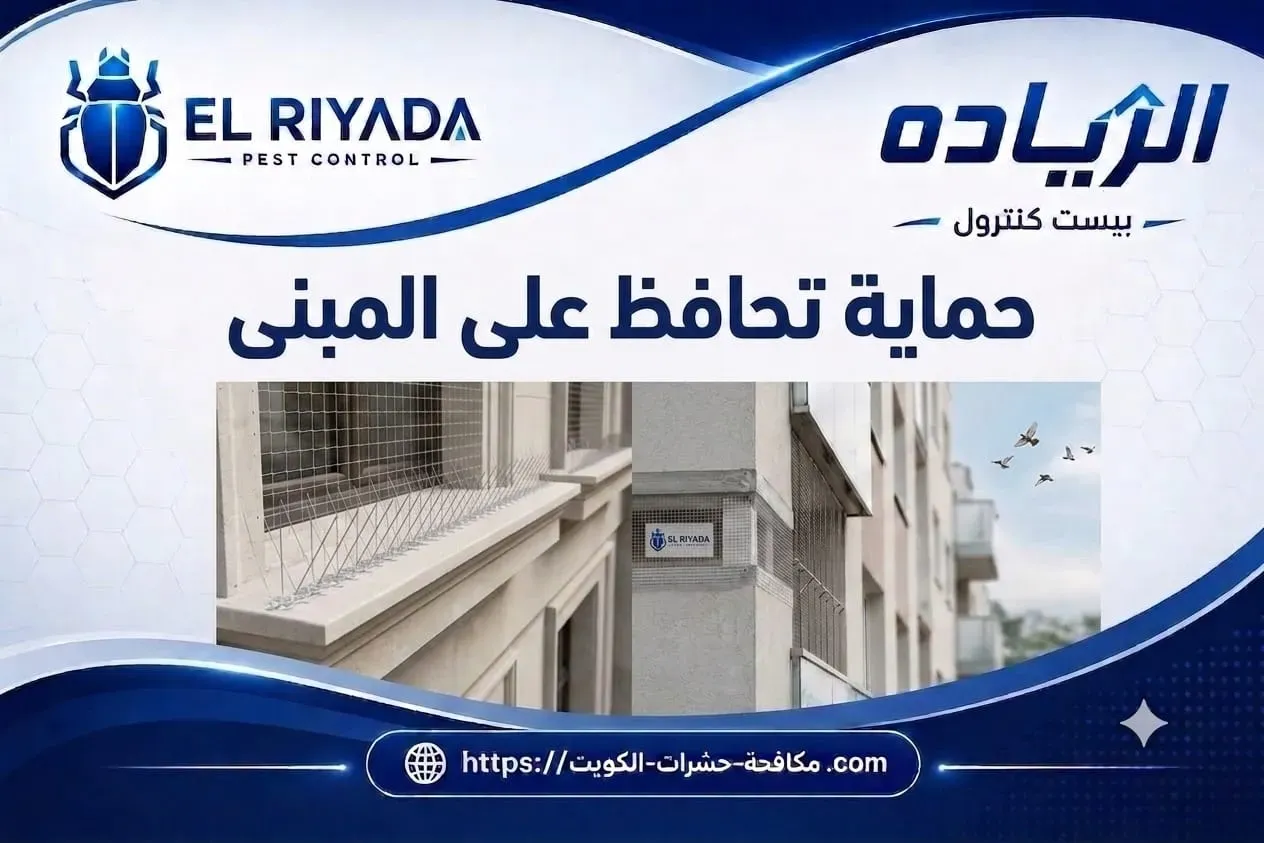
The concept of pigeon protection services for buildings is broader than installing one type of deterrent because a single building may contain ledges where pigeons perch, shafts they enter, openings suitable for nesting, and rooftops or equipment that provide elevated resting points. Attempting to address all these situations with one system can solve one part of the problem while leaving another completely unchanged. Integrated protection should therefore begin by dividing the property according to the type of pigeon activity occurring in each area.
The first category includes exposed perching locations such as cornices, projections, rooftop edges, and parapets. These areas can be assessed to determine whether they require a system designed to make the surface unsuitable for pigeons to settle on. The objective here is specifically to change the usability of the ledge as a resting point.
The second category includes spaces birds can enter, such as certain building shafts or wide structural openings. In these situations, making one ledge uncomfortable is not enough if pigeons can simply pass beyond it and enter the internal space. The protection method should address the access route itself.
The third category includes nesting locations. The presence of nests or repeated nesting material indicates that birds are using the property for more than temporary perching, so the location requires a broader assessment before a protection system is selected.
The practical impact of the problem on the building should also be considered. Droppings accumulating near entrances, windows, or air-conditioning equipment create a different priority from pigeon activity on a remote section of the rooftop. Establishing priorities helps direct the service toward the areas that have the greatest effect on occupants, employees, or building operations.
Future maintenance should also be considered. Any system installed around equipment or service openings should preserve reasonable access where required. A protection system that has to be dismantled the first time an air-conditioning technician arrives is not exactly a long-term system. At that point, it is basically a temporary project waiting for the first screwdriver to appear.
The visual impact should not be ignored either, particularly on visible façades and balconies. Planning the installation routes and arrangements carefully can help reduce visual disruption where possible without compromising the primary function of the protection system.
Finally, integrated protection includes observing what happens after major perching locations have been changed to determine whether pigeons begin using different areas. The objective is not to chase pigeons meter by meter around the entire building but to understand their behavior and select intervention points that produce the greatest practical effect.
• Dividing the building into perching, entry, and nesting areas allows the protection method to match the behavior occurring at each location instead of forcing one solution onto every part of the property.
• Prioritizing locations where pigeon droppings affect entrances, windows, equipment, or frequently used areas helps direct the available budget toward points with the greatest practical impact.
• Planning protection around air-conditioning equipment and building services while preserving maintenance access reduces the likelihood that the system will later need to be removed or damaged during routine servicing.
• Considering the appearance of the façade and the installation route can reduce visual impact because building protection should perform its intended function without unnecessarily ignoring the architectural character of the property.
• Reviewing possible alternative perching areas after the primary locations have been protected helps identify changes in pigeon activity before significant droppings accumulate somewhere else.
Pigeon Control Company in Kuwait
When choosing a pigeon control company in Kuwait, the main question should be whether the company can identify the type of pigeon problem affecting the property and then recommend a service appropriate to that specific situation. The term pigeon control is used broadly and can refer to several completely different solutions, while the customer needs to understand exactly what will be installed and why it is suitable. The quality of diagnosis should therefore come before the product name, number of meters, or final price.
The inspection begins by identifying the locations pigeons use. Are they active on an open rooftop, balconies, cornices, air-conditioning units, building shafts, or other architectural features? The company should then determine whether the birds are simply perching, entering internal spaces, or establishing nesting locations. These details guide the selection of the appropriate protection approach.
Outdoor locations in Kuwait also require systems and materials intended for the proposed exterior use according to their specifications. Exposure to sunlight, dust, and weather conditions makes questions about material characteristics and fixing methods more important than judging a deterrent by appearance alone.
Accessibility must also be evaluated. Installing several meters of deterrent on an easily accessible rooftop parapet is not the same as working on a high exterior ledge or another location requiring a different access arrangement. These conditions affect both the installation process and pricing and should be reflected in the assessment rather than applying one fixed rate to every property.
The company should provide a clear scope of work. Customers need to know which ledges and areas will be protected, whether the quotation includes materials and installation, whether any special preparation is required, and what warranty conditions apply.
A professional company should also avoid exaggerated promises such as claiming that the customer will “never see another pigeon around the building.” The realistic objective is to prevent or reduce the use of protected areas according to the intended function of the installed system. Pigeons are free-moving birds in the external environment, not company employees who can be issued an administrative order banning them from the entire neighborhood.
Experience is also demonstrated when the company explains that some buildings may require more than one protection method. Spikes may be appropriate for cornices while an open shaft may require netting, which means the solution should follow the building's actual characteristics instead of forcing the same product into every project.
• A specialized pigeon control company in Kuwait begins by identifying whether the problem involves perching, entry, or nesting because each type of activity may require a different protection method.
• Asking about material specifications for the intended outdoor application and the proposed fixing method gives the customer more useful information than accepting general descriptions such as strong or excellent.
• Building height, access difficulty, and ledge design should be considered during assessment and pricing because they can change installation requirements significantly from one property to another.
• A written scope of work should identify the protected areas, materials, installation, and warranty conditions so the customer understands exactly what is included in the agreed price.
• A professional company establishes realistic expectations and recommends more than one protection method when necessary instead of claiming that a single product can solve every type of pigeon problem in every building.
How to Choose a Pigeon Deterrent Company
Defining how to choose a pigeon deterrent company before contacting service providers makes the comparison much more accurate because a price difference between two quotations does not necessarily mean that one company is simply more expensive than another. The difference may come from the protected area, type of deterrent system, installation method, accessibility, or warranty coverage. Customers should therefore understand exactly what they are comparing before using price as the deciding factor. Otherwise, two completely different services may be compared as though they were identical.
The first criterion is the quality of problem diagnosis. Ask the company where it believes the main pigeon perching locations are and why those areas have been selected for protection. If the technician can connect droppings, bird movement, and frequently used ledges with the proposed system, that provides more practical value than immediately measuring meters without understanding pigeon behavior.
The second criterion is choosing the correct solution. Not every pigeon problem requires spikes, and not every property needs netting. If the problem involves pigeons perching on a cornice, systems designed to prevent perching can be evaluated. If birds are entering a shaft or internal space, the access route itself should be protected.
The third criterion is material specifications. Do not simply ask whether the material is good because, unsurprisingly, the company is unlikely to answer, “No, actually, we barely managed to find this stuff.” Ask what type of system is proposed and whether its characteristics are suitable for the intended outdoor application.
The fourth criterion is the fixing method. Installation should suit the ledge or surface rather than assuming that every architectural material can be treated in exactly the same way.
The fifth criterion is coverage of the important perching areas. Review whether the quotation includes all influential ledges or only a limited section. A lower price may result from a smaller installation scope rather than a genuinely lower cost for the same service.
The sixth criterion is how work at height will be organized. Access is part of the installation process, so the work method should be appropriate for the property.
The seventh criterion is warranty coverage. Review its duration, what it covers, exclusions, and the process for requesting follow-up instead of accepting the phrase “with warranty” without further explanation.
The eighth criterion is preserving normal building use. If equipment or building services require maintenance access, the deterrent system should not unnecessarily prevent technicians from reaching them.
The ninth criterion is price transparency. Customers should understand whether materials and installation are included and whether any site conditions could change the cost after inspection.
The tenth criterion is realistic advice. A company that explains the limitations of each system and recommends another solution when its preferred product is unsuitable provides a stronger indication that diagnosis comes before sales.
• The quality of pigeon activity diagnosis before pricing helps reveal whether the company is designing the service around actual bird behavior or simply attempting to sell the largest possible quantity of deterrent materials.
• Selecting the protection method according to the type of activity helps prevent a perching deterrent from being installed where the primary problem is pigeons entering an internal building space.
• Reviewing material specifications, fixing methods, and the extent of protected ledges allows customers to compare quotations on a technical basis rather than considering only the final price.
• Warranty conditions, organization of elevated work, and preservation of access to building equipment should be evaluated as part of service quality rather than being treated as secondary details.
• A company that clearly explains the limitations of each system and recommends another solution when necessary provides a stronger indication that technical assessment takes priority over selling a particular product.
Why Choose Al Reyada Pest Control for Pigeon Deterrents?
Al Reyada Pest Control can be evaluated when searching for a pigeon deterrent installation company in Kuwait by considering whether the service treats the problem as bird behavior connected to building design rather than simply calculating how many meters of deterrent material can be installed. This distinction matters because successful protection begins by identifying the locations pigeons actually use and then selecting an appropriate method for each area rather than applying the same product to every project.
An inspection should begin by examining cornices, rooftops, ledges, architectural projections, air-conditioning units, and other areas birds may use for perching. Droppings and nesting materials should also be considered because they can provide useful information about activity intensity and locations that deserve priority.
The nature of the problem should then be determined. If pigeons are perching on exposed ledges, a suitable perching deterrent system can be evaluated for those areas. If birds are entering a shaft or another internal building space, the solution should address the access route rather than focusing only on locations where the pigeons rest before entering.
Service quality can also be evaluated through accurate ledge measurements before determining the installation scope. Ledge width, shape, length, corners, and surrounding projections can all influence how the deterrent system should be arranged. Leaving sufficient usable space beside the system can reduce its effectiveness even when the material itself is suitable.
The fixing method should also be selected according to the surface. Deterrent quality cannot be separated from the quality of its base and installation, which means workmanship deserves as much attention as the material itself.
Customers can evaluate a quotation from Al Reyada Pest Control by reviewing how clearly it identifies the protected areas, proposed materials, installation method, cost, and warranty conditions. The more clearly these elements are defined, the less the customer has to rely on assumptions.
Future maintenance should also be considered. Air-conditioning units or other equipment near protected areas may need to be serviced later, so technician access should be considered during the design of the protection system to reduce the possibility of unnecessary damage.
Expectations should remain realistic as well. Pigeon deterrent installation is intended to prevent or reduce pigeon use of the areas protected according to the function of the selected system. It is not a curfew order issued to every pigeon flying over the neighborhood. Customers need a measurable solution, not an impossible marketing promise.
For this reason, Al Reyada Pest Control should not be evaluated simply because the phrase “best company” appears in promotional content. The stronger criteria are inspection quality, system selection, coverage, installation, warranty, and quotation clarity. These are practical factors customers can review before making a decision.
• Evaluating Al Reyada Pest Control begins with determining whether pigeon perching, nesting, and entry points are identified before a protection system is recommended so the installation addresses the actual problem.
• Distinguishing between protecting cornices and preventing entry into building shafts helps ensure that an appropriate solution is selected instead of automatically using a perching deterrent in every location.
• Measuring ledge widths and examining corners and surrounding projections reduces the possibility of leaving an alternative space pigeons can use after the main installation has been completed.
• Clearly identifying the proposed system, installation scope, fixing method, warranty, and cost gives customers practical information they can use to evaluate the quotation before reaching an agreement.
• Preserving access to air-conditioning units and building services after installation makes the protection system more compatible with future property maintenance and reduces the likelihood of damage during servicing.
Conclusion
Choosing the best pigeon deterrent company in Kuwait should not begin by searching for the lowest price per meter. The first step is identifying the actual pigeon problem affecting the property. Birds may perch on cornices and exposed ledges, remain above rooftop equipment, or enter shafts and structural openings, and each situation requires a different assessment before the appropriate protection method can be selected.
When choosing a pigeon deterrent installation company, customers should evaluate its ability to identify perching areas and movement routes and determine which ledges actually require protection. When searching for a professional pigeon deterrent company, company information, service specifications, installation scope, and warranty conditions should be reviewed instead of relying only on promotional descriptions.
When contacting pigeon deterrent company contact numbers, the first conversation should be used to understand the proposed solution, installation method, and what is included in the price rather than simply asking for the cost per meter. Photographs and initial measurements can support an early assessment, although some properties require a more detailed inspection.
The value of pigeon deterrent installation with warranty increases when the warranty clearly explains its duration, coverage, and exclusions. However, warranty coverage cannot correct the selection of an unsuitable system from the beginning.
A rooftop pigeon prevention company should assess the entire roof and examine water tanks, air-conditioning units, walls, parapets, and projections rather than protecting one ledge while leaving obvious alternative perching areas nearby.
The final result also depends on the experience of the pigeon deterrent installation technician in measuring the ledge, preparing the surface, arranging the system, treating corners and endpoints, and reviewing the completed installation.
When choosing a pigeon spike installation company, customers should confirm that spikes are being used in situations where the objective is preventing perching and that their distribution matches the width of the usable ledge.
Pigeon protection services for buildings may require more than one protection method because a property can experience perching, entry, and nesting activity in different areas at the same time.
When searching for a pigeon control company in Kuwait, attention should be given to materials intended for the proposed outdoor use, fixing methods, accessibility, and a clearly defined scope of work.
Ultimately, the most important factors in understanding how to choose a pigeon deterrent company are accurate diagnosis, appropriate system selection, material and installation quality, coverage of influential perching points, clear warranty conditions, and transparent pricing. Al Reyada Pest Control can be evaluated according to these same criteria so the final decision is based on the actual details of the service rather than promotional language alone.
Frequently Asked Questions
How do I choose the best pigeon deterrent company in Kuwait?
Begin by evaluating how the company inspects the building and identifies pigeon perching, entry, and nesting points. Then review the proposed system, material specifications, fixing method, protected areas, warranty, and price. A suitable company should be able to explain why its proposed solution matches the property instead of simply providing a price per meter.
What is the difference between pigeon deterrents and pigeon netting?
Pigeon deterrent systems installed on ledges are generally designed to make specific areas unsuitable for perching, while netting is used to prevent birds from entering or accessing a protected space. The correct choice depends on pigeon behavior and building design rather than assuming that one product is always better.
Are pigeon spikes suitable for every building?
No. Pigeon spikes can be useful when the problem involves birds perching on ledges that can be protected with this type of system. If pigeons are entering building shafts or larger openings, another protection method designed to restrict access may be more appropriate.
What should I send the company when requesting a quotation?
You can send clear photographs showing the ledges, surrounding areas, and locations where pigeons gather, together with approximate measurements if available. This information can help with the initial assessment, although complex or elevated locations may still require an on-site inspection.
What factors affect pigeon deterrent installation prices?
Cost can be influenced by the length and width of ledges, type of system, fixing method, building height, access difficulty, number of corners and projections, total protected area, and any additional installation requirements.
Is a warranty important for pigeon deterrent installation?
Yes, when the warranty conditions are clearly defined. Customers should understand its duration, whether it covers installation workmanship or specific components, what exclusions apply, and how follow-up is requested if a covered problem appears.
Does pigeons moving to another ledge mean the deterrent failed?
Not necessarily. If the new ledge was outside the original project scope, the installed system may still be performing correctly in the protected area while the birds have moved elsewhere. This is why alternative perching locations should be assessed before installation whenever possible.
Can pigeon deterrents be installed around air-conditioning units?
Suitable areas can be assessed according to the equipment design and property conditions, but the system should not interfere with equipment operation or necessary maintenance access. The location should therefore be evaluated before determining the protection route.
Should the area be cleaned before installing pigeon deterrents?
If droppings, nesting materials, dust, or other debris affect the work area, preparing the surface before installation can help the service be carried out more systematically and allows the fixing base to be properly assessed.
Why is the pigeon deterrent installation technician important?
The technician converts the protection plan into the actual installation through accurate measurements, surface preparation, system distribution, treatment of corners and endpoints, and final inspection. A small installation gap can remain usable for pigeons even when high-quality materials are used.
Can one pigeon deterrent system protect the entire building?
Not always. A building may contain cornices requiring perching prevention, shafts requiring entry protection, and openings used for nesting. Different areas may therefore require different protection methods.
How can I tell whether a pigeon deterrent quotation is clear?
A clear quotation should identify the protected areas, proposed system or materials, installation method, price and what it includes, warranty conditions, and any exclusions or site factors that could change the final cost.
What are the main criteria for choosing a pigeon deterrent company?
Important criteria include inspection quality, accurate identification of the problem, appropriate system selection, material specifications, fixing method, coverage of important ledges, organization of elevated work, warranty conditions, transparent pricing, and realistic service expectations.
Why choose Al Reyada Pest Control for pigeon deterrents?
Al Reyada Pest Control can be evaluated according to its ability to inspect pigeon perching and entry areas, select an appropriate protection method, assess ledges and corners, determine a suitable fixing approach, and clearly explain the service scope and warranty. The final decision should be based on the actual quotation and how well the proposed service matches the building and the specific pigeon problem.