
Most pigeon problems do not begin with large flocks gathering overnight. Instead, they usually start with a few seemingly harmless warning signs that many property owners overlook. A small number of pigeons may begin landing regularly on rooftops, balcony railings, building ledges, fences, or air-conditioning units. As days and weeks pass, those same birds repeatedly return because they consider the location safe, gradually attracting more pigeons until the area becomes a permanent resting and nesting site. Once this happens, droppings accumulate, exterior surfaces become stained, maintenance costs increase, and the appearance of the property begins to deteriorate. Recognizing these early warning signs allows property owners to take preventive action before the problem becomes much more difficult and expensive to manage. Installing Anti-Bird Spikes at the right time provides a practical long-term solution that prevents pigeons from settling on the building while protecting its appearance, cleanliness, and structural condition.
Signs You Need Anti-Bird Spikes
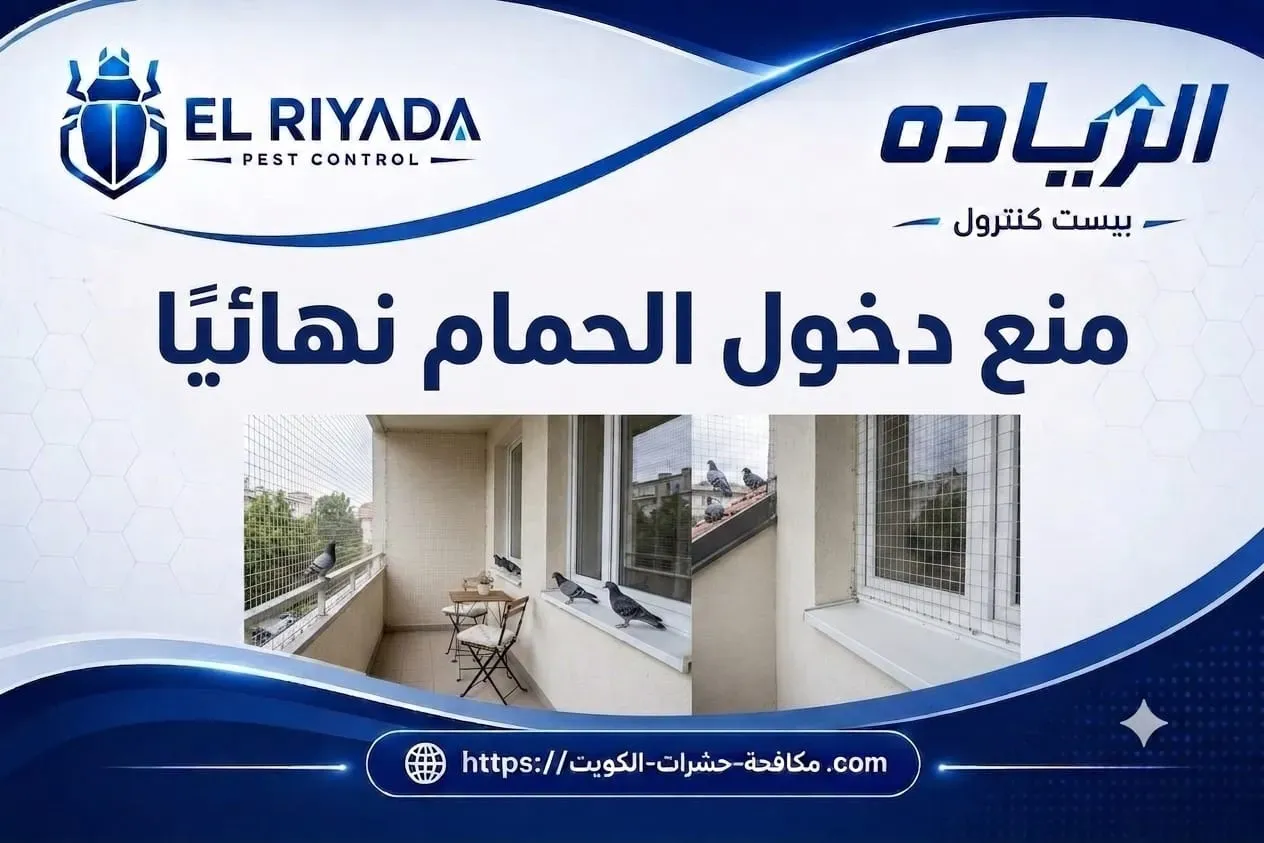
The Signs You Need Anti-Bird Spikes usually appear long before pigeons become a major nuisance. Unfortunately, many property owners assume that a few birds resting on rooftops or ledges are completely harmless. In reality, once pigeons repeatedly find a comfortable location, they quickly adopt it as a permanent resting place. Their consistent return gradually attracts additional birds until a small gathering develops into a much larger flock occupying the same area every day.
One of the clearest warning signs is observing pigeons landing on rooftop edges, balcony railings, outdoor air-conditioning units, boundary walls, building signs, canopies, or decorative architectural features on a daily basis. The continued presence of feathers, nesting materials, or fresh droppings strongly suggests that pigeons have already begun treating the location as a permanent habitat rather than a temporary resting place.
Extensive practical experience consistently demonstrates that installing preventive protection during these early stages significantly reduces future cleaning expenses, structural maintenance, and property damage because preventing pigeons from establishing permanent nesting sites is far easier than removing established colonies after nesting has already begun.
• Pigeons repeatedly return to the same location every day.
• Feathers and nesting materials begin accumulating.
• The number of pigeons gradually increases over time.
• Fresh droppings appear regularly on building surfaces.
• Early preventive action avoids more serious future problems.
Pigeons on Rooftops
The problem of Pigeons on Rooftops is one of the most common issues affecting residential and commercial buildings because rooftops provide quiet, elevated, and relatively undisturbed environments where pigeons feel protected from daily human activity. Once birds become accustomed to using rooftops for resting, they frequently begin nesting there, leading to increasing accumulations of feathers, nesting debris, and droppings while also creating maintenance challenges.
Continuous pigeon activity may also affect rooftop equipment such as air-conditioning systems, water tanks, ventilation units, communication equipment, and solar panels because accumulated droppings, dust, and nesting materials interfere with normal operation and increase cleaning requirements. In many situations, property owners do not fully appreciate the seriousness of the problem until pigeon populations have grown substantially and become much more difficult to discourage.
Extensive field experience consistently demonstrates that protecting rooftops immediately after the first signs of repeated pigeon activity appears is significantly more effective than attempting to eliminate large established populations later. Proper preventive installations preserve rooftop cleanliness while preventing permanent nesting activity.
• Rooftops are among the most attractive pigeon resting locations.
• Accumulated droppings increase maintenance requirements.
• Rooftop equipment may be affected by nesting materials.
• Preventing early settlement discourages future nesting.
• Preventive protection is less expensive than corrective treatment.
Pigeons Gathering on Building Ledges
Pigeons Gathering on Building Ledges is one of the strongest indicators that birds have already identified the structure as a suitable resting location. Elevated ledges provide excellent visibility, protection, and convenient landing areas, making them especially attractive to pigeons searching for secure places to remain for extended periods. As the birds repeatedly return, additional pigeons are naturally attracted to the same location, causing populations to grow steadily.
This situation commonly develops on residential buildings, commercial properties, balconies, decorative architectural ledges, advertising signs, fences, bridges, and similar elevated surfaces where pigeons can perch comfortably before eventually establishing nests if conditions remain favorable. Continuous occupation also results in droppings falling directly onto entrances, sidewalks, vehicles, storefronts, and surrounding public areas below.
Practical field experience consistently demonstrates that installing professionally designed anti-bird spikes along building ledges at an early stage effectively prevents pigeons from landing without harming them, making this one of the most widely used long-term bird control solutions throughout Kuwait.
• Building ledges naturally attract resting pigeons.
• Continuous perching often leads to nesting activity.
• Droppings accumulate beneath occupied ledges.
• Anti-bird spikes discourage landing without harming birds.
• Early installation protects both appearance and property value.
Damage Caused by Pigeon Droppings

The Damage Caused by Pigeon Droppings extends far beyond creating an unattractive appearance. Continuous accumulation affects the cleanliness, maintenance costs, and long-term condition of residential, commercial, and industrial buildings. When pigeons repeatedly occupy the same location, droppings begin covering rooftops, window ledges, air-conditioning units, balconies, exterior walls, walkways, signage, and surrounding structures. Cleaning quickly becomes more difficult, more expensive, and increasingly frequent as pigeon populations continue growing.
Pigeon droppings also contain moisture and naturally occurring chemical compounds that may gradually affect painted finishes, exposed metal components, decorative stone, and certain exterior building materials when they remain untreated for extended periods. Commercial properties face additional concerns because heavily soiled entrances, storefronts, restaurants, hotels, office buildings, and shopping centers create a poor first impression for customers, tenants, and visitors, negatively affecting the overall image of the business.
Extensive practical experience consistently demonstrates that many property owners spend significant amounts of money repeatedly cleaning pigeon droppings while ignoring the actual cause of the problem—continuous pigeon activity. Installing professional bird deterrent systems such as anti-bird spikes dramatically reduces future cleaning requirements by preventing pigeons from settling in the first place.
• Continuous droppings damage the appearance of buildings.
• Cleaning and maintenance costs increase significantly.
• Exterior finishes may deteriorate over time.
• Commercial image and customer impressions may suffer.
• Eliminating the source is more effective than repeated cleaning.
Protecting Buildings from Pigeons
Protecting Buildings from Pigeons requires preventive planning before bird activity develops into a permanent infestation. The objective is not simply frightening birds away temporarily but preventing them from selecting the property as a reliable location for resting or nesting. Professional bird control companies therefore begin by identifying the sections of the building that experience the highest levels of pigeon activity before selecting the most appropriate protection system.
Comprehensive inspections include rooftops, parapet walls, ledges, fences, balconies, outdoor air-conditioning units, canopies, decorative architectural features, signage, and other elevated structures commonly used by pigeons. Following inspection, technicians determine whether anti-bird spikes, protective netting, or alternative bird control systems provide the most suitable long-term solution according to the building's design and operational requirements.
Practical field experience consistently demonstrates that preventive bird protection substantially reduces long-term maintenance expenses while preserving building cleanliness, improving exterior appearance, and preventing nests from becoming established in difficult-to-access locations.
• High-risk pigeon activity areas are carefully identified.
• Protection methods are selected according to building design.
• Preventive systems reduce long-term maintenance costs.
• Early intervention prevents permanent nesting.
• Exterior appearance remains cleaner for longer periods.
Anti-Bird Spikes for Pigeons
Anti-Bird Spikes for Pigeons are among the most widely used professional bird deterrent systems because they discourage pigeons from landing without causing physical harm. Rather than injuring birds, professionally installed spikes simply eliminate comfortable landing opportunities, encouraging pigeons to relocate elsewhere instead of occupying the protected structure.
Anti-bird spikes can be installed on numerous building components including concrete ledges, decorative stone, steel fences, balcony railings, air-conditioning units, building signs, lighting fixtures, rooftops, and architectural projections. Modern systems are carefully designed to integrate with the appearance of the building while maintaining effective long-term protection against repeated pigeon activity.
Extensive practical experience consistently demonstrates that installation quality determines overall performance. Poor spacing, incomplete coverage, or incorrect placement allows pigeons to continue finding suitable landing areas despite the presence of spikes. Professional installation therefore remains essential for achieving reliable long-term results.
• Prevents pigeons from landing without causing injury.
• Suitable for residential and commercial buildings.
• Preserves architectural appearance.
• Professional installation ensures maximum effectiveness.
• Long-lasting protection reduces future maintenance.
Preventing Pigeons from Landing on Fences

Preventing Pigeons from Landing on Fences represents one of the most important preventive measures for homes, villas, commercial buildings, and industrial facilities because fences often become the first location pigeons occupy before gradually expanding toward rooftops, balconies, windows, and additional nesting areas. Ignoring repeated fence activity frequently allows pigeon populations to increase throughout the entire property.
Professional treatment begins by identifying the sections of fencing most frequently used by pigeons before selecting appropriate protective systems according to fence height, material, width, structural design, and surrounding environmental conditions. Properly installed anti-bird spikes create continuous protection that discourages birds from establishing regular resting locations while preserving the visual appearance of the fence.
Field experience consistently demonstrates that protecting fences during the early stages of pigeon activity significantly reduces the likelihood of birds spreading throughout the remainder of the property while helping maintain cleaner entrances, gardens, sidewalks, parking areas, and surrounding outdoor spaces.
• Fences are often the first pigeon landing locations.
• Early prevention reduces rooftop infestations.
• Installation methods vary according to fence construction.
• Cleaner entrances and surrounding landscapes are maintained.
• Early intervention prevents larger long-term pigeon problems.
The Best Solution for Pigeon Problems
When searching for The Best Solution for Pigeon Problems, many property owners initially believe that temporary bird repellents, sound devices, reflective objects, or other short-term deterrents will permanently solve the issue. Practical field experience, however, consistently demonstrates that pigeons gradually become accustomed to many temporary deterrents and eventually return to the same locations. A truly effective long-term solution focuses on preventing birds from landing and nesting rather than repeatedly chasing them away.
Professional bird control always begins with a comprehensive inspection of the property to identify pigeon resting areas, flight paths, nesting locations, and structural features attracting bird activity. Based on this assessment, technicians select the most appropriate protection system for each section of the building. Anti-bird spikes may provide the ideal solution for rooftop edges, parapet walls, fences, ledges, and architectural projections, while bird netting or other professional systems may be recommended for different structural areas depending on the building design.
Extensive practical experience consistently demonstrates that combining accurate inspection, professional installation, and periodic maintenance provides long-lasting protection for many years while significantly reducing future cleaning expenses and ongoing maintenance requirements.
• Permanent protection begins by preventing birds from landing.
• Different building areas require different protection systems.
• Professional installation greatly improves long-term performance.
• Periodic inspections maintain system effectiveness.
• Preventive protection costs less than repeated corrective work.
Anti-Bird Spike Installation in Kuwait
Professional Anti-Bird Spike Installation in Kuwait requires considerably more than attaching spikes to building surfaces. Successful installation depends upon understanding pigeon behavior, accurately identifying high-risk landing areas, selecting appropriate spike dimensions, ensuring complete coverage, and using installation techniques capable of withstanding Kuwait's challenging environmental conditions.
Professional technicians begin every project with a thorough property inspection before determining the exact locations requiring protection. Appropriate spike widths, mounting systems, adhesives, or mechanical fasteners are selected according to ledge dimensions, fence design, roofing materials, architectural finishes, and surrounding structural conditions. Installations must also withstand prolonged exposure to extreme summer temperatures, dust storms, seasonal rainfall, and strong sunlight without losing effectiveness.
Experienced installers additionally ensure that protection systems preserve the architectural appearance of the building while delivering reliable long-term pigeon deterrence. Practical experience consistently demonstrates that professional installation significantly reduces future maintenance while providing dependable protection for many years.
• Every installation begins with detailed site inspection.
• Spike dimensions are selected according to structural requirements.
• Professional mounting systems resist harsh weather conditions.
• Architectural appearance remains visually attractive.
• Expert installation maximizes long-term reliability.
Permanent Solutions to Prevent Pigeons
Permanent Solutions to Prevent Pigeons focus on eliminating the conditions allowing birds to settle instead of merely forcing them to leave temporarily. Professional bird management therefore combines preventive systems with environmental improvements that discourage pigeons from returning after installation has been completed.
Comprehensive programs frequently include installing anti-bird spikes, bird netting where appropriate, removing abandoned nests, cleaning accumulated droppings, sealing attractive nesting spaces, and providing practical recommendations that help property owners maintain effective long-term protection. These integrated strategies ensure that pigeons no longer view the property as a suitable resting or breeding location.
Extensive practical experience consistently demonstrates that buildings protected by professionally designed preventive programs experience dramatically fewer recurring pigeon problems than properties relying upon temporary deterrents or repeated cleaning alone. Long-term prevention always delivers greater value than repeatedly responding to the same infestation.
• Prevents both landing and nesting activity.
• Removes existing nests and contamination.
• Integrates multiple long-term protective measures.
• Reduces repeated cleaning requirements.
• Maintains effective protection for years.
Why Al Reyada Pest Control Is the Best Choice in Kuwait

Al Reyada Pest Control is recognized as one of Kuwait's leading specialists in pigeon control and bird protection because every project begins with a comprehensive inspection that identifies the true causes of pigeon activity before recommending the most suitable protection strategy. Rather than applying identical solutions everywhere, the company carefully evaluates rooftops, fences, balconies, ledges, canopies, air-conditioning units, building façades, and architectural features before designing a customized installation plan.
The company uses high-quality bird protection materials specifically selected to withstand Kuwait's environmental conditions while maintaining the appearance of residential, commercial, and industrial properties. Every installation is completed by experienced technicians trained in professional bird control techniques, ensuring maximum effectiveness, structural safety, and long-term durability. Customers also receive practical preventive guidance together with follow-up support whenever required to maintain the highest level of protection.
Al Reyada Pest Control has earned the confidence of property owners through accurate inspections, professional workmanship, reliable scheduling, durable installations, and preventive solutions that minimize future maintenance expenses while preserving the appearance and cleanliness of buildings throughout Kuwait.
• Comprehensive inspections precede every installation.
• Customized protection plans suit every property.
• Premium materials withstand Kuwait's climate.
• Experienced technicians ensure professional installation.
• Long-term preventive protection remains the primary objective.
Conclusion
Ignoring the early warning signs of pigeon activity frequently allows a minor inconvenience to develop into a costly long-term maintenance problem. Recognizing the Signs You Need Anti-Bird Spikes and installing professional protection before birds establish permanent nesting sites helps preserve building appearance, reduce maintenance costs, and protect valuable property. When bird deterrent systems are professionally designed and correctly installed, they provide reliable, long-lasting protection while preventing pigeon problems from escalating in the future.
Frequently Asked Questions
When should anti-bird spikes be installed?
Anti-bird spikes should be installed as soon as pigeons begin landing repeatedly on rooftops, ledges, fences, balconies, air-conditioning units, or other elevated building surfaces before nesting activity becomes established.
Do anti-bird spikes harm pigeons?
No. Professionally installed anti-bird spikes are designed to discourage birds from landing without causing injury. They simply make the protected surface uncomfortable for perching, encouraging pigeons to relocate elsewhere.
Can anti-bird spikes be installed on every type of building?
Yes. Anti-bird spikes can be professionally installed on most rooftops, ledges, fences, balconies, signs, canopies, architectural projections, and numerous other structural features after proper site assessment.
Is cleaning pigeon droppings enough to solve the problem?
No. Cleaning removes only the visible contamination. Unless the landing areas are properly protected, pigeons will usually return and continue creating the same problem repeatedly.
Why do customers choose Al Reyada Pest Control?
Customers choose Al Reyada Pest Control because the company combines professional inspections, customized bird protection strategies, premium installation materials, experienced technicians, reliable workmanship, and long-term preventive solutions specifically designed for Kuwait's environmental conditions.