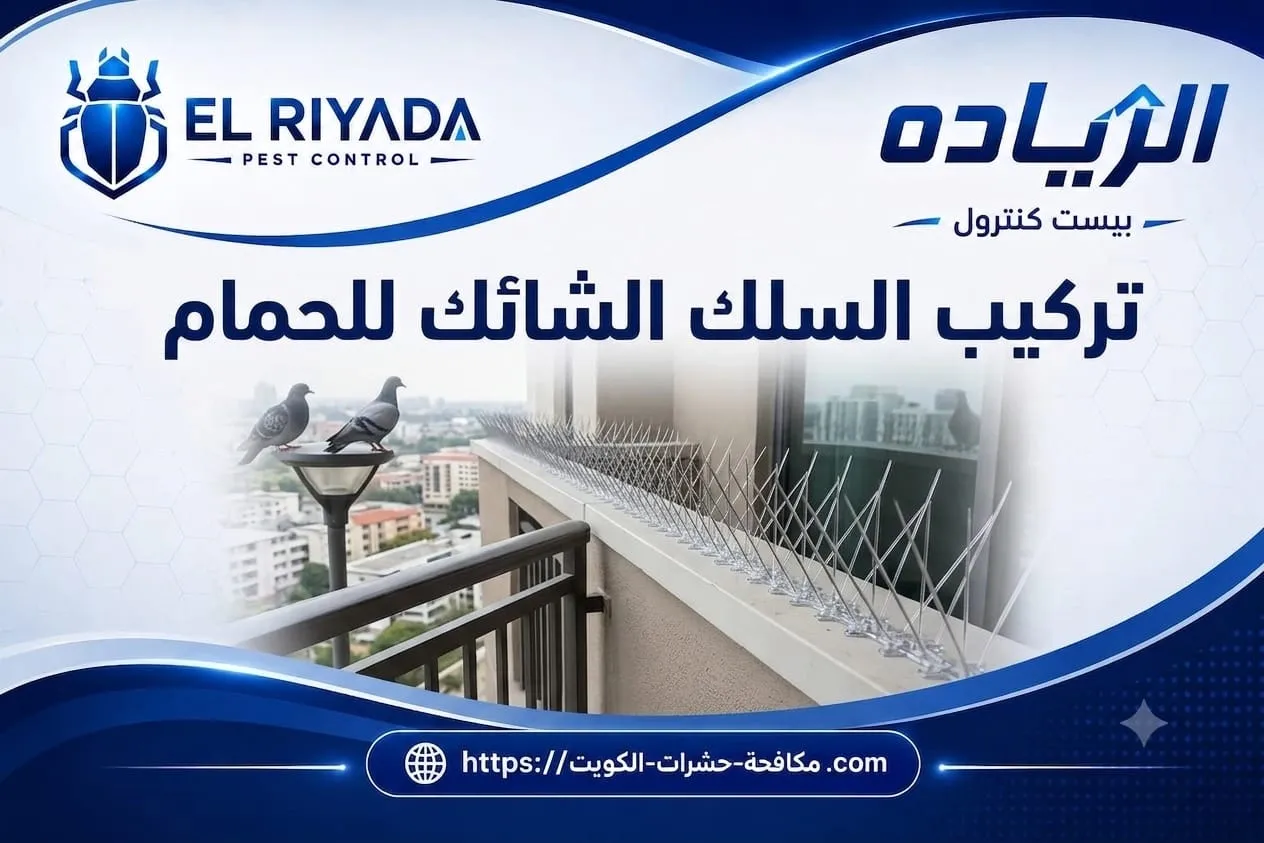
The lifespan of pigeon deterrent wire should not be judged by the installation date alone because its effectiveness depends on maintaining proper wire tension, secure attachment points, sound metal components, and a layout that continues to prevent birds from settling on ledges. Sometimes the wire itself remains in good condition while a fixing point weakens or one section loses the correct tension, in which case maintenance may be enough instead of replacing the entire system. In other situations, corrosion or repeated areas of slackness may make renewal more practical. Therefore, the most important question is not simply how many years the wire will last but whether the system still maintains the tension, stability, and coverage it was designed to provide.
Pigeon Deterrent Wire Lifespan
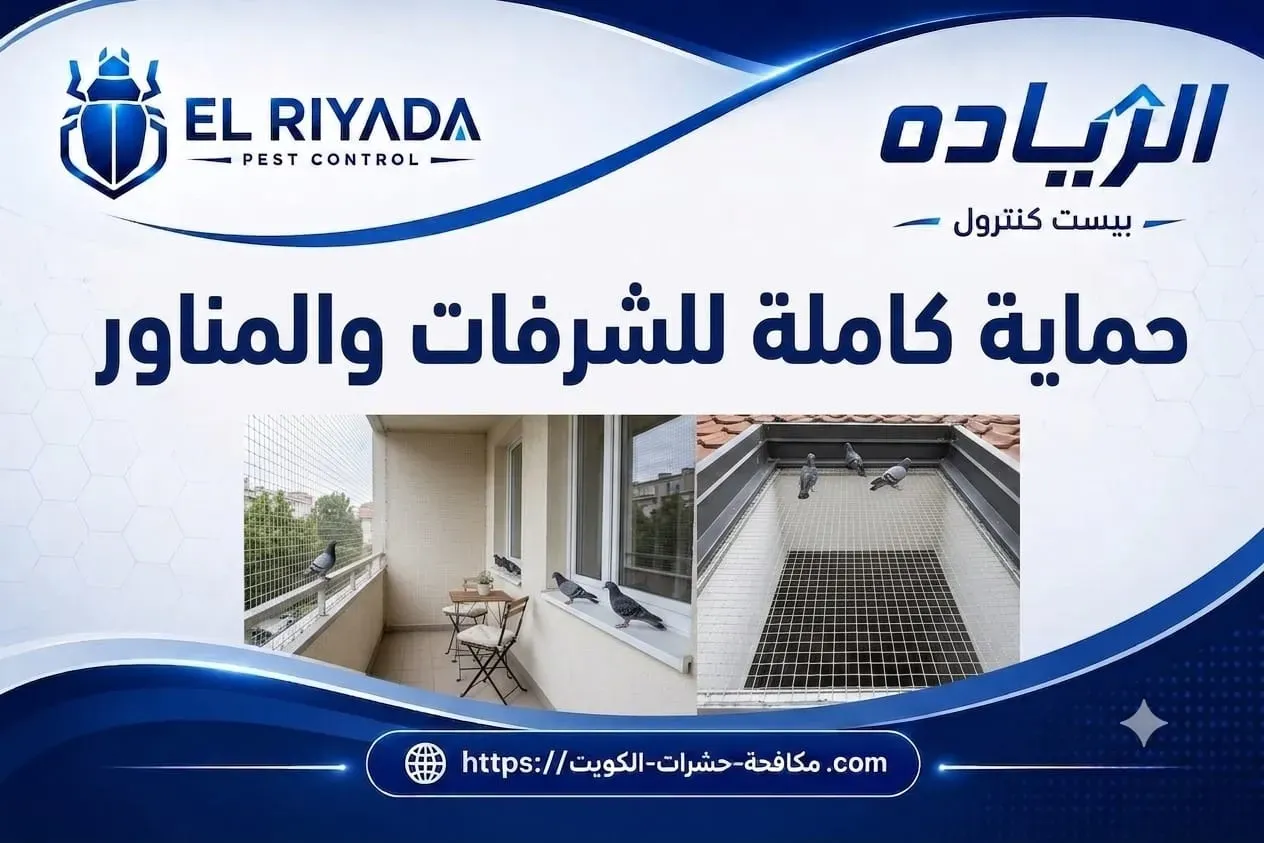
Determining the pigeon deterrent wire lifespan requires looking at the entire system rather than the metal wire alone. The system usually depends on several components working together, including the wire, attachment points, supports, and the way individual lines are distributed across the landing surface. If the metal remains in good condition but one attachment point loses stability, performance may decline before the wire itself reaches the end of its useful life. The opposite is also possible, as attachment points may remain secure while sections of wire begin showing deterioration that requires assessment.
The installation environment directly affects the system's working life. Wire installed in an exposed outdoor location faces sunlight, dust, moisture, wind, and surrounding environmental conditions differently from a system installed in a more protected location. Coastal locations or areas exposed to moisture and conditions that encourage corrosion may also require closer monitoring of metal components instead of assuming that every installation will deteriorate at the same rate.
From practical inspection experience, one common mistake is waiting until the wire breaks before considering maintenance. Breakage is an advanced and obvious sign, but the system can begin losing its function before reaching that stage when tension decreases, a support begins to lean, or the distance the wire was designed to maintain above the landing surface changes. Pigeons do not need the entire system to collapse before taking advantage of a weak point. A small area that becomes more stable and comfortable for landing may be enough.
For this reason, the number of years since installation is not an accurate replacement criterion on its own. A system that maintains suitable tension, stable attachment points, and no significant corrosion may continue performing effectively, while a newer installation may require repairs because of site conditions or work carried out around it. A proper assessment begins with performance and mechanical condition, with age serving as a supporting factor rather than the final judgment.
• The working lifespan of pigeon wire depends on maintaining suitable tension, secure attachment points, and stable supports because sound metal alone does not guarantee that the system continues preventing pigeons from using the ledge as intended.
• Differences between installation environments make it inaccurate to compare two systems by age alone because exposure to moisture, weather conditions, and surrounding maintenance activities can accelerate the deterioration of certain components without affecting every part equally.
• There is no need to wait for the wire to break before arranging an inspection because reduced tension or movement in one support point may decrease effectiveness while the wire still appears completely intact when viewed from a distance.
• When considering renewal costs, the component that has actually lost effectiveness should be identified first because replacing an entire system due to one repairable point may create unnecessary expense while repeatedly repairing a generally deteriorating system may provide poor long-term value.
How Long Pigeon Wires Remain Effective
The effective lifespan of pigeon wires depends on maintaining the physical configuration that makes a ledge uncomfortable or unsuitable for birds to settle on. This is different from simply having wires physically present above the surface. If one line loses tension and begins to sag or a support moves and changes the spacing between wires, pigeons may gain a usable landing point even though none of the wires has actually broken.
This demonstrates the difference between physical lifespan and functional lifespan. The metal may remain intact for years without breaking, yet it may no longer perform its intended purpose if tension, height, or line consistency changes. When assessing system effectiveness, it can therefore be useful to view the wires along the length of the ledge rather than only from the front because minor sagging may become easier to identify when the levels between several attachment points are compared.
Pigeon behavior also provides valuable diagnostic information. If birds begin repeatedly landing at one specific point between two lines while the rest of the ledge remains unused, this does not necessarily mean the entire system has failed. The problem may be limited to the tension of one section or a change in the position of an attachment point. However, if several landing points begin appearing throughout the installation, a broader assessment may be required.
The presence of pigeons near the building should not be confused with a loss of wire effectiveness. The system may continue protecting its intended ledge successfully while birds move to a nearby surface that was never included in the original protection area. The correct way to judge performance is to observe the specific surface the wire system was designed to protect and determine whether pigeons have regained the ability to use that area.
• Pigeon wires remain effective as long as their distribution, tension, and height continue preventing suitable landing points from forming, which means performance can decline before any visible break occurs in the metal.
• Pigeons repeatedly landing at one particular point can help identify the location of a problem instead of leading to the assumption that the entire system needs renewal because recurring bird behavior may reveal an area where tension or alignment has changed.
• Viewing the wire along its full length can make differences in height and tension between support points easier to identify because these details may not be clearly visible when the installation is inspected from a distance or from only one angle.
• Birds moving to a nearby surface are not sufficient evidence that the wires have reached the end of their effective lifespan because the assessment should first focus on the ledge protected by the system and determine whether the problem is occurring within or outside the original coverage.
Pigeon Deterrent Wire Maintenance
Pigeon deterrent wire maintenance begins by identifying which part of the system has changed from its original condition before wires are tightened or replaced without a clear diagnosis. Slackness may result from a change in the wire itself, movement in one of the supports, or weakening of an attachment point. Retensioning the wire without correcting the underlying cause may produce only a temporary improvement before the problem returns because the actual source of the slackness remains unresolved.
A practical inspection progresses from the ends of the system to the support points and then along the wire itself. Attention should be given to the alignment of the supports, the stability of their bases, the condition of the metal, and the tension between one point and the next. If the problem is limited to a single section while the rest of the installation remains stable, localized maintenance may be sufficient. If several lines have inconsistent tension or multiple support points are unstable, a broader assessment is needed before deciding which option provides the best practical and financial value.
Maintenance becomes particularly important after work has been performed close to the system. Facade cleaning, air-conditioning servicing, painting, or access to exterior building components can accidentally place pressure on a wire or move a support. Therefore, a problem that appears after nearby work does not necessarily mean that the system has reached the end of its lifespan. A specific component may simply need to be inspected and readjusted.
Excessively tightening the wire should not be considered better maintenance. Tension needs to remain appropriate for the system and its components because the objective is to restore the functional configuration rather than apply the greatest possible force to the attachment points. In elevated locations, inspection and maintenance should also be carried out using suitable and safe access rather than taking unnecessary risks to reach a difficult ledge or facade.
• Proper maintenance begins by identifying the reason for slackness before retensioning the wire because adjusting the line while leaving a moving support or weakened attachment point unresolved may cause the same problem to return shortly afterward.
• Comparing tension across several sections provides a clearer picture than checking only one line because multiple areas of slackness may indicate a wider issue that requires assessment of the system rather than a single isolated repair.
• After air-conditioning work, facade maintenance, or cleaning close to the wires, a visual inspection can be useful because movement of only one support may affect the tension of an entire section even when there is no visible break in the wire.
• Excessive tension is not a sign of higher-quality maintenance because the objective is to restore the appropriate wire tension while protecting the supports and attachment points rather than placing unnecessary force on components that could create another problem.
When Should Pigeon Wire Be Replaced?
Answering the question of when pigeon wire should be replaced should not begin with the number of years that have passed since installation but with a comparison between the condition of the system and the practical value of repair versus renewal. If the wire remains sound and the problem is limited to a section that has lost tension or an attachment point that needs adjustment, maintenance may be the more reasonable decision. However, if deterioration has spread across several sections or problems repeatedly return after each repair, continuing to treat every point separately may no longer be economical.
Signs that make replacement a more serious consideration include significant corrosion across several sections or repeated weakening of the components that allow the wire to maintain its intended position. In this situation, it is not enough to ask whether the current damaged section can be repaired. It is also important to consider the likelihood of another nearby component developing a problem soon afterward. This distinction matters because a low repair cost today may not be the least expensive option if it is followed by a series of additional repairs over a relatively short period.
Pigeon wire may also need to be changed when the location itself changes. Renovation work, facade modifications, or the addition of equipment above a ledge can make the original wire layout unsuitable for the new configuration. In this case, the wires may still be physically sound, but their arrangement may no longer protect the ledge effectively. Repositioning the system or renewing part of it then becomes a functional decision rather than a response to physical deterioration alone.
Before agreeing to complete replacement, it is useful to ask for a clear explanation of why repair is not considered appropriate. Is the problem in the metal itself? Is it related to the support points? Has the wire layout become unsuitable? Understanding these details allows the customer to compare the cost and value of localized repair with renewal on a technical basis instead of replacing the system simply because it is considered "old."
• Replacing pigeon wire becomes more reasonable when deterioration has spread across several sections and repairing one point can no longer restore the stability of the system as a whole because repeated maintenance may become an ongoing expense without providing reliable long-term performance.
• If the problem is confined to a limited area while the remaining wires, supports, and attachment points are stable, localized repair should be evaluated before removing a system that continues performing effectively across most of the protected surface.
• Changes to the ledge design or the addition of new equipment may require the wire system to be modified even when it is not physically damaged because the installation must suit the current landing surface rather than the layout that existed when the system was first installed.
• When comparing a repair quotation with a renewal quotation, ask which components are damaged and why replacement is being recommended because this helps determine whether the higher cost addresses a genuine problem or includes unnecessary replacement of serviceable parts.
Signs of Bird Wire Damage
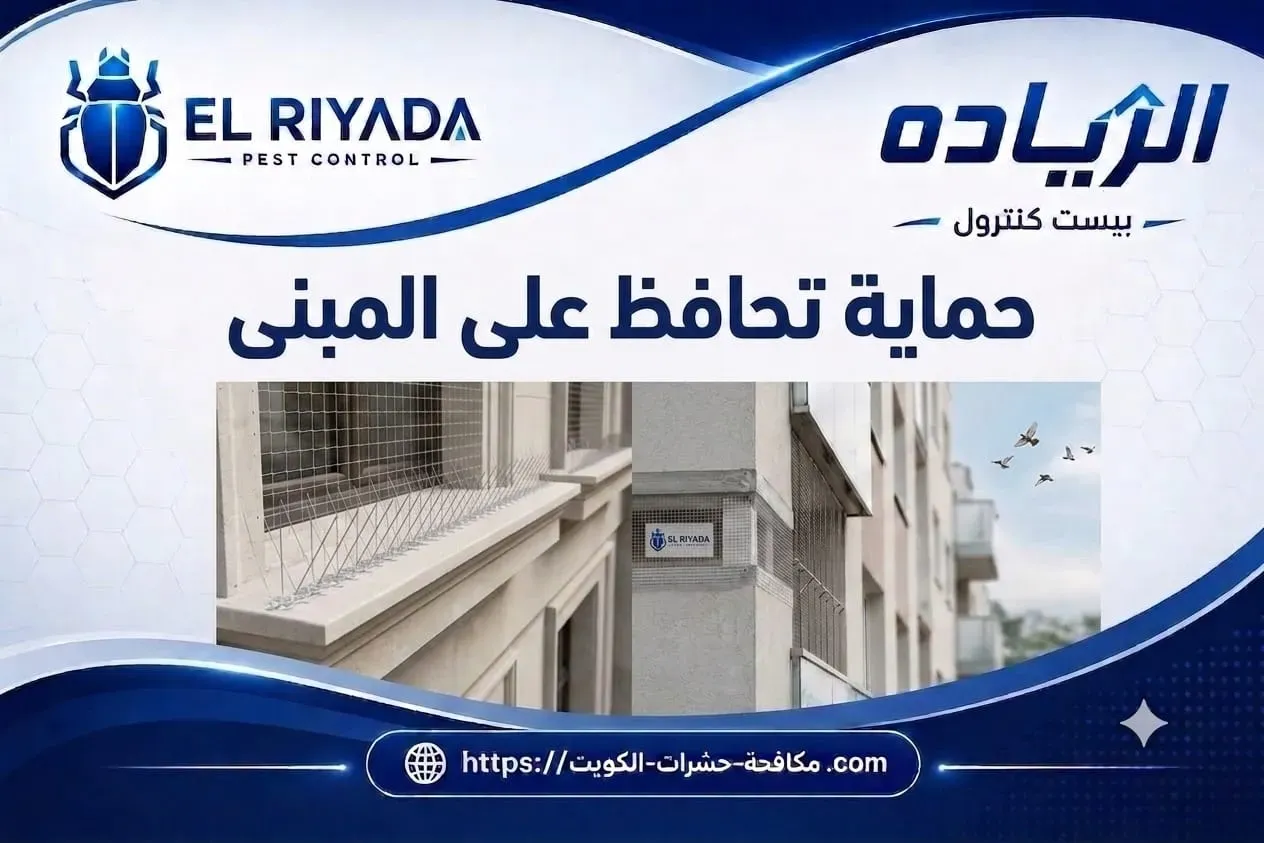
Some signs of bird wire damage are easy to recognize, such as a broken wire or a severely bent support, but early warning signs can be much less obvious. A difference in the level of one line compared with the others, movement at an endpoint, or an increase in the space between the wire and the ledge at a particular location may indicate the beginning of a problem that deserves inspection before it develops into a clear loss of coverage.
Evidence of pigeon activity can also provide useful diagnostic information. If fresh droppings repeatedly appear beneath one section of a ledge while the rest of the protected area remains relatively clean, it may be useful to observe that particular section and determine whether pigeons have regained the ability to land there. Old droppings alone do not prove that a current problem exists, so it is important to distinguish between previous contamination and recent activity.
Inspecting the system from only one angle can also hide certain problems. A wire that appears straight when viewed from below may show noticeable sagging when viewed along the line. Similarly, a support may look secure at first glance while its connection to the surface has started to move. Evaluating the relationship between the wire, supports, and bases therefore provides a more accurate picture than concentrating on only one component.
At the same time, discoloration or dirt on the wire should not automatically be treated as evidence that it has reached the end of its useful life. The important signs are those that affect strength, tension, wire position, or coverage. Distinguishing functional deterioration from cosmetic appearance helps prevent unnecessary replacement and keeps maintenance decisions focused on actual performance.
• Breakage is not the only warning sign that deserves attention because a lowered wire, leaning support, or change in spacing between components may create a usable pigeon landing point before the system reaches a visibly advanced stage of deterioration.
• Concentrated signs of recent pigeon activity around one section can help direct inspection toward a specific problem area instead of treating the presence of birds around the building as evidence that all wires have become ineffective.
• Inspecting the system from several angles can reveal changes in tension and alignment that may be difficult to see from directly below the ledge, particularly when the difference between individual sections is relatively small.
• Dirt or a change in appearance does not automatically indicate functional damage, so any visible sign should be considered alongside metal condition, wire tension, attachment stability, and whether pigeons can actually use the protected surface again.
Slack Pigeon Deterrent Wire
Slack pigeon deterrent wire is an important warning sign because this type of system relies on maintaining specific positioning and tension. However, finding a slack wire does not mean the correct solution is to tighten it immediately. The reason the tension changed should be identified first because the underlying cause may be an endpoint, a leaning support, or part of the attachment system rather than the wire itself.
Slackness can occur at different levels. It may be limited to the space between two support points after nearby work has disturbed the system, or it may extend across several sections because one of the main attachment points has changed position. Following the line from beginning to end can therefore help identify where the difference starts instead of treating only the most visibly sagging section. In some situations, the lowest point in the middle appears to be the problem while the actual cause is located at one end.
From a practical perspective, slackness becomes particularly important when it changes the amount of usable space available to pigeons. If the wire drops enough to make the ledge easier for birds to use as a landing point, effectiveness has been reduced even though the metal remains intact. A small change that does not affect function may instead require monitoring or adjustment depending on the system design and the condition of the surrounding components.
One mistake is attempting to tighten the wire aggressively without assessing whether the attachment points can safely support the additional tension. The purpose of maintenance is not to make the wire as tight as physically possible but to restore the position required for the system to function within its intended limits. If the base or support is already weak, adding excessive force can turn a limited slackness problem into damage at the attachment point.
• When slackness is noticed, the wire should be followed back to its support points and endpoints because the visibly lowered section may be the result of a fault located some distance from where the change appears most obvious.
• Slackness becomes functionally important when it creates a more stable landing area for pigeons, which means its effect on the protected ledge should be assessed rather than judging the issue only by how different the wire looks from neighboring lines.
• If slackness appears after nearby maintenance work, it is useful to check whether a support or endpoint was moved during the work before assuming that the wire itself has stretched or reached the end of its useful life.
• Retensioning should take the condition of the attachment points into account because applying additional tension to an unstable base may cause it to separate and turn a limited adjustment into a need to replace additional components.
Rust on Pigeon Wires
The appearance of rust on pigeon wires requires a practical assessment because a change in the color of the metal does not always mean that the wire has lost its strength and must immediately be replaced. What matters is determining the extent of the corrosion, where it is located, and whether it has started to affect the metal section, connection points, or the system's ability to maintain proper tension. In some cases, the visible effect may be superficial and limited, while in others corrosion can become more noticeable around critical points and require earlier intervention.
Connection points and supports deserve particular attention when corrosion appears. The wire may look acceptable along most of its length while the section connected to an attachment point is more severely affected. If this area becomes weakened, the tension may change or part of the system may separate even though most of the wire remains in good condition. For this reason, checking only the middle of the wire is not enough when assessing the effects of rust.
The rate of corrosion also varies according to the type of metal, the quality of the components, and the surrounding environment. Persistent moisture, outdoor exposure, and environments with stronger corrosion factors can make monitoring the condition of metal components more important. However, this does not mean that every wire system in these locations should be replaced according to a fixed schedule because the decision should still depend on the actual condition of the components.
From a cost perspective, replacing a clearly corroded section at an early stage may be more practical than waiting until deterioration affects neighboring components or causes the wire to lose tension. At the same time, replacing an entire system because of limited superficial discoloration may be unnecessary. Inspection should therefore distinguish between a sign that needs monitoring and deterioration that genuinely affects the stability and function of the system.
• Rust should be assessed according to its depth, location, and effect on component strength because superficial discoloration is different from corrosion that has started weakening the wire, support, or connection point on which the system depends.
• Areas where wires connect to supports and endpoints deserve careful inspection when corrosion is present because weakening of a small component in a critical location may affect the tension of a much larger section of the system.
• Locations with greater exposure to moisture or other corrosion factors may require closer monitoring of metal condition, but this does not mean that pigeon wires should automatically be replaced according to a fixed timetable without an actual inspection.
• Early replacement of a clearly deteriorated section may prevent the problem from spreading, while serviceable components should not be replaced simply because of a cosmetic surface change that does not affect stability or performance.
Retensioning Bird Wire
Retensioning bird wire is appropriate when part of the system has lost tension while the wires, supports, and attachment points remain in a condition that allows them to be adjusted safely. However, retensioning should not be treated as a solution separate from diagnosis because slackness that returns shortly afterward may indicate an unresolved cause such as movement in a base or weakness at an endpoint.
Before retensioning, the affected line should be compared with neighboring wires to determine where the difference begins. If the slackness is limited to the area between two supports, attention can be focused on that section. If it continues across several points, however, the problem may be connected to an endpoint or another component shared by multiple sections. This step helps prevent adjustment of one area while the actual cause remains outside the repaired section.
The objective should be to restore the level of tension appropriate for the system design rather than achieve the greatest possible tension. Excessive tightening can place additional load on supports or attachment points, particularly if they are older or have already been affected by environmental conditions. Effective maintenance maintains a balance between suitable wire tension and the stability of the other components.
After the wire has been retensioned, its alignment and distribution across the ledge should be checked to ensure that the adjustment has not created a new gap elsewhere. If the system returns to its intended position and remains stable, the repair can be considered successful. If the wire becomes slack again within a short period, the underlying cause should be diagnosed again instead of repeatedly performing the same adjustment.
• Retensioning is suitable when the wire remains serviceable and the support points are stable because tightening a line attached to a weak base does not correct the underlying cause and may result in the problem returning or additional damage developing.
• Comparing the slack section with neighboring sections helps identify where the problem begins and prevents the most visible sagging area from being mistaken for the cause when the actual fault may be located at one of the endpoints.
• Greater tension is not necessarily better because every system relies on a balance between wires, supports, and attachment points, and maintenance should not place these components under inappropriate additional force.
• If slackness returns shortly after retensioning, the system should be inspected again for movement or weakness in its attachment components rather than simply repeating the same procedure every time the wire becomes loose.
Inspecting Wire Attachment Points
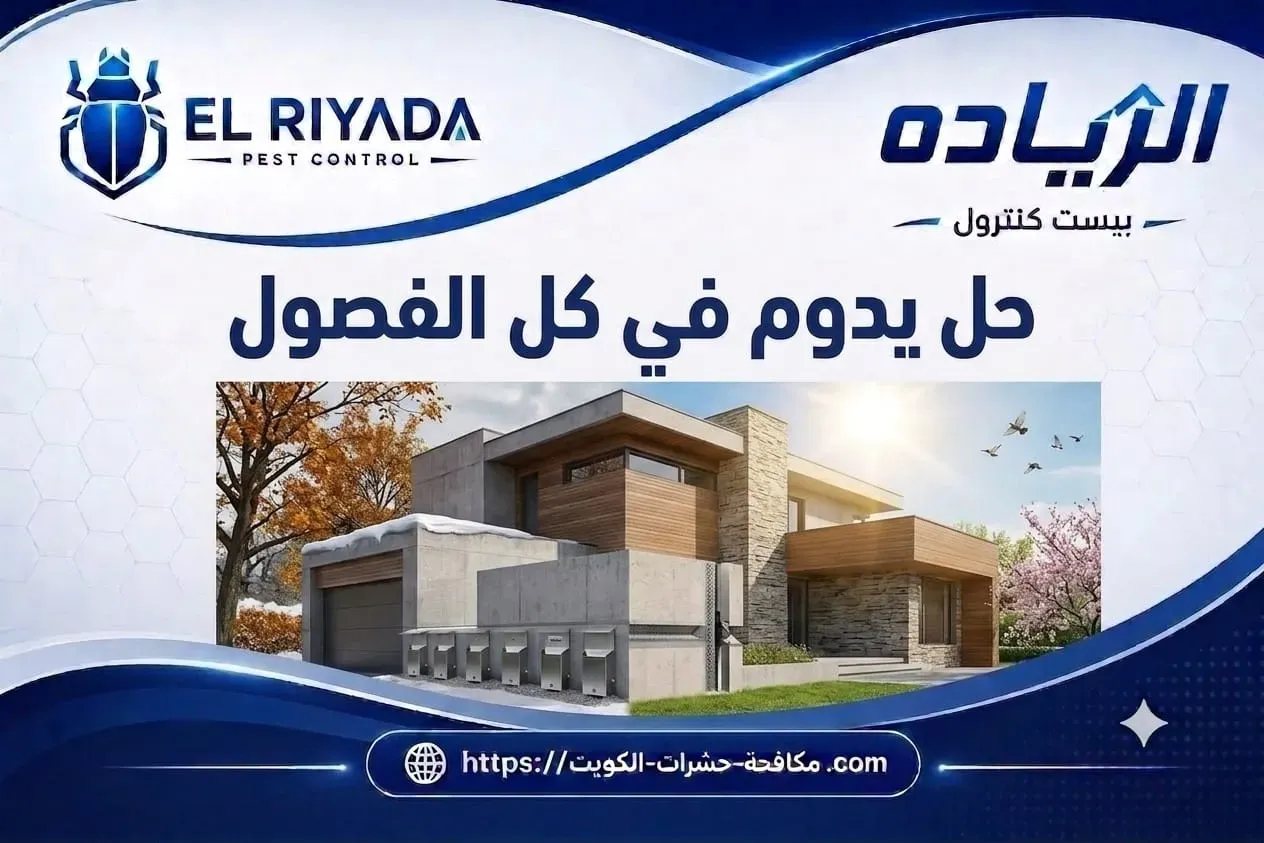
Inspecting wire attachment points is one of the most important parts of evaluating the system because the wire cannot maintain its intended position without stable bases and supports. The metal line itself may remain in excellent condition while a single attachment point gradually begins to move, changing the angle of a support and reducing tension across an entire section.
An inspection should not be limited to looking for complete separation. Early warning signs may include slight movement in a base, an unusual angle in a support, or a change in the position of an endpoint. Detecting these indicators before they become more serious can often allow a more targeted repair instead of waiting until part of the system visibly detaches or fails.
The nature and condition of the surface to which the components are attached should also be considered. The wire system cannot be assessed separately from the ledge or facade because changes to the surface or work carried out around an attachment point can affect its stability. If renovation or modification work has recently taken place close to the system, the attachment points within the affected area deserve particular attention.
The value of this inspection becomes especially clear when deciding between repair and renewal. If most attachment points remain stable and only one isolated problem is found, limited repair may be reasonable. However, if inspection reveals weakness across a large number of support points, reassessing a wider section of the system may be more practical than waiting for each point to fail separately.
• There is no need to wait until an attachment point separates completely because slight movement or a change in the angle of a support can provide an early warning that allows the problem to be addressed before a larger section of wire loses tension.
• The relationship between the attachment base and the surrounding surface should be examined because wire stability depends on the condition of the fixing location itself and not only on the quality of the metal components.
• After renovation or modification work close to the system, attachment points in the affected area should receive particular attention because changes to the surface may influence their stability even when the wire itself has not broken.
• The number of affected attachment points helps determine the most practical financial decision because an isolated fault may justify localized repair while widespread weakness may make renewal of an entire section more worthwhile.
Extending the Lifespan of Pigeon Deterrent Wire
Extending the lifespan of pigeon deterrent wire depends on maintaining the balance between the wire, supports, and attachment points rather than carrying out frequent maintenance without a specific reason. A properly installed system can continue performing effectively for a long period when its components are protected from unnecessary movement or pressure during other work and when small changes in tension or stability are identified before they develop into more extensive damage.
One of the most practical measures is to check the system after any work carried out close to it. If a technician accesses an air-conditioning unit, facade painting or cleaning is completed, or modifications are made to the ledge, it is useful to confirm that the wires have not been pressed or displaced and that the supports remain properly aligned. This simple inspection may reveal a recent change before pigeons begin taking advantage of it as a regular landing point.
Addressing the cause of a problem also extends system life more effectively than repeatedly repairing the result. If one section continually becomes slack because it is moved whenever technicians need access to equipment behind it, retensioning the same wire every time is not the most efficient solution. It is better to assess how the system can be protected or how future access can be managed so that the deterrent is not damaged whenever the building requires maintenance.
Extending the lifespan does not mean keeping a wire system in service after it has lost its practical value. If corrosion becomes significant, attachment points repeatedly weaken, or several tension problems develop across the system, replacing the deteriorated section may protect the effectiveness of the remaining installation better than trying to extend the life of a component that is no longer reliable. The goal is to increase the functional lifespan of the system rather than keep every old component regardless of its condition.
• Inspecting pigeon wire after work carried out nearby helps identify movement or loss of tension early before a small change develops into a usable landing area that pigeons begin returning to regularly.
• Protecting supports and wires from pressure during maintenance of nearby equipment reduces damage caused by human activity, which is a preventable factor compared with many environmental conditions affecting outdoor systems.
• Addressing the recurring cause of slackness provides more value than repeatedly retensioning the same section because maintenance that does not eliminate the underlying cause can increase costs without improving the system's true functional lifespan.
• Replacing a deteriorated component at the appropriate time can help extend the lifespan of the system as a whole because preserving an installation does not mean retaining a component that has become a threat to the stability of surrounding sections.
Why Al Reyada Pest Control Is a Strong Choice in Kuwait
When dealing with an older pigeon wire system, the decision should not begin with the assumption that the customer needs an entirely new installation. Al Reyada Pest Control can be a strong choice in Kuwait when the process begins by assessing the condition of the wires, supports, attachment points, and tension levels and then connecting those findings with the locations pigeons have started using again. This approach allows the recommended action to be based on an identifiable cause rather than replacing the system simply because several years have passed since installation.
Practical expertise in this service appears in the ability to distinguish between a wire that only needs retensioning, an attachment point that requires repair, a section where corrosion has become significant, and a system that genuinely requires broader renewal. These distinctions matter because they directly affect the scope and cost of the work. A small localized repair may be the most suitable solution in one case, while repeatedly repairing a generally deteriorating system may become more expensive over the longer term in another.
The customer should also be able to understand the reason behind a recommendation before work begins. If a particular section is proposed for replacement, it should be clear what has happened to that section and whether the rest of the installation can remain in service. If retensioning is recommended, the support and attachment points should first be checked to confirm that they can continue performing their function. This sequence makes the service more transparent and reduces the likelihood of carrying out work that does not address the actual cause.
Service quality is also closely connected to safe access to the installation. Many pigeon wire systems are positioned on ledges, facades, or elevated rooftops, so access conditions should be assessed before maintenance begins rather than treating the job as if it were simply a matter of tightening a wire. A proper inspection combines the technical condition of the system, the characteristics of the location, and pigeon behavior to reach a practical decision.
• Al Reyada Pest Control can provide stronger value when it distinguishes between tension problems, attachment problems, and corrosion because each condition requires a different response and not every pigeon wire issue should lead automatically to a recommendation for complete replacement.
• Explaining the condition of each affected section before recommending work allows the customer to understand what can remain in service and what genuinely needs repair or replacement, making the cost easier to connect with clearly defined work.
• Connecting wire condition with actual pigeon landing locations helps determine whether the current defect is genuinely reducing performance or whether the birds have simply moved to another area that was never included in the original system.
• Considering safe access to ledges, rooftops, and facades is part of a professional assessment because the quality of pigeon wire maintenance depends not only on the final result but also on carrying out the work without unnecessary access risks.
Conclusion
There is no fixed number of years that determines the pigeon deterrent wire lifespan because metal condition, tension levels, supports, attachment points, and site conditions all influence its working life. Likewise, how long pigeon wires remain effective depends on their ability to maintain the correct arrangement and tension rather than simply remaining physically present above the ledge.
Pigeon deterrent wire maintenance can address limited problems before they spread, while determining when pigeon wire should be replaced requires comparing the extent of deterioration with the practical value of repair versus renewal. Signs of bird wire damage, including breakage, changes in wire level, and weakened components, can provide early warnings, while slack pigeon deterrent wire should be investigated to identify the cause before it is retensioned.
Rust on pigeon wires should be assessed according to its actual effect on component strength rather than appearance alone. Retensioning bird wire requires confirming that the supporting components remain sound, while inspecting wire attachment points can reveal problems that are not visible when looking only at the metal line itself. Ultimately, extending the lifespan of pigeon deterrent wire depends on identifying problems early, protecting the system during nearby work, maintaining suitable tension, and replacing deteriorated components when that becomes more practical than repeatedly repairing them.
Frequently Asked Questions
How long does pigeon deterrent wire usually last?
There is no single lifespan that applies to every installation because durability depends on the type and quality of the components, attachment method, site conditions, tension levels, and the system's exposure to moisture, weather, or work carried out around it.
Should pigeon wires be replaced after a certain number of years?
No. The installation date is only one supporting factor. A more accurate decision is based on the condition of the wires, supports, attachment points, tension, and whether the system continues preventing pigeons from using the protected ledge.
How do I know when pigeon wire needs maintenance?
Slackness, breakage, leaning supports, movement at attachment points, or pigeons repeatedly returning to a surface that should be protected are all signs that the system should be inspected.
Does one slack pigeon wire mean the whole system needs replacement?
Not necessarily. If the slackness is limited and the remaining components are stable, adjusting the affected section or repairing its support point may be sufficient after the cause has been identified.
When is replacing pigeon wire better than repairing it?
Renewal becomes more reasonable when deterioration affects several sections, tension or attachment problems repeatedly return, or corrosion has significantly affected multiple components.
Can only one damaged section of pigeon wire be replaced?
Yes. If the damage is localized and the rest of the installation remains stable and functional, replacing or repairing the affected section can be more practical than removing the entire system.
Does rust mean pigeon wires need immediate replacement?
Not every visible change in metal color requires replacement. The depth and location of corrosion and its effect on the strength of the wire, supports, or connection points should be assessed before making that decision.
Why does pigeon deterrent wire become slack?
Slackness can result from movement at an attachment point, a leaning support, disturbance during nearby maintenance, or a change in another system component, which is why the cause should be identified before retensioning.
Can bird wire be retensioned instead of replaced?
Yes, when the wire remains serviceable and its support and attachment points are in suitable condition. If the loss of tension is associated with significant deterioration or corrosion, the affected components may require a different type of repair or replacement.
Does tightening pigeon wire more improve its effectiveness?
Not necessarily. The objective is to achieve the appropriate tension for the system because excessive tightening may place unnecessary force on supports and attachment points and create a new problem.
Why is inspecting wire attachment points important?
These points allow the wire to maintain its intended position and tension, so movement in a single base can affect a much larger section even when the wire itself appears to be in good condition.
Do pigeons near the wires mean the system has stopped working?
No. It is necessary to determine whether the birds are actually landing on the ledge protected by the system or have moved to a neighboring surface outside the original coverage.
Can facade maintenance affect pigeon wires?
Yes. Maintenance work can affect the system if a wire is pressed, a support is moved, or work is carried out around an attachment point, so inspection can be useful after direct work close to the installation.
How can the lifespan of pigeon deterrent wire be extended?
Maintaining suitable tension, monitoring attachment points, protecting the system during nearby maintenance, and addressing the causes of slackness or corrosion early can all help extend its functional lifespan.
Is repairing part of the wire cheaper than replacing everything?
It can be when the damage is limited and the rest of the system remains in good condition. However, when repairs become frequent across several sections, their combined cost and expected durability should be compared with renewing a larger part of the system.
Why choose Al Reyada Pest Control for pigeon wire maintenance?
Al Reyada Pest Control can be a strong choice when the service begins with assessing the wire, tension levels, supports, and attachment points to determine what genuinely requires adjustment, repair, or replacement instead of recommending complete system renewal without a clear diagnosis.