
In commercial buildings and factories, the success of a pigeon wire system depends less on the amount of wire installed and more on accurately identifying the ledges pigeons actually use for perching and roosting. The problem may be concentrated above a main sign, along a façade ledge, or on a metal frame near outdoor equipment while large areas of the property experience little or no significant activity. Effective planning therefore begins by identifying perching points, measuring ledge widths, understanding their shapes, and assessing the condition of the installation surfaces before deciding which areas genuinely require protection. Access to equipment, signs, and maintenance areas must also remain available because an installation that prevents technicians from performing their work is not an appropriate solution for the facility, regardless of how effectively it discourages birds.
Pigeon Wire for Commercial Buildings

Using pigeon wire for commercial buildings requires an accurate understanding of the ledges pigeons actually use rather than treating the entire façade in the same way. In office buildings, showrooms, and commercial complexes, the problem may repeatedly appear on cornices, horizontal ledges, entrance canopies, and the tops of certain architectural features. These locations differ in width, height, and accessibility to birds, which means distributing wire identically across every part of the building may increase costs without addressing the most important locations.
A practical inspection begins by looking for evidence of repeated use, such as accumulated droppings along a specific route or recurring pigeon activity on the same ledge. These indicators help distinguish between a location where pigeons regularly settle and one they only use temporarily. Nearby ledges should also be inspected because protecting one point while leaving a similar surface immediately beside it may simply encourage the birds to move there.
Installation costs can also differ from one building to another even when the total ledge lengths are similar. Height, access difficulty, number of corners, façade material, and surface condition can all affect the work required. For this reason, comparing price per meter alone does not provide a complete picture unless the scope and installation conditions are genuinely similar between quotations.
The fixing method should also be selected according to the surface instead of relying on one approach for every façade. The objective is to create a stable installation without unnecessary interference with façade materials while maintaining access to components that may require future maintenance.
• Identifying ledges that show repeated pigeon activity connects the amount of wire installed to the actual problem instead of calculating it across the entire building perimeter without distinguishing between active and inactive areas
• Examining the width and shape of each ledge before deciding how the wire should be arranged reduces the risk of leaving usable perching space beside the system because the installation pattern does not match the dimensions of the protected surface
• Comparing installation quotations according to height, access method, surface preparation, and included areas provides a more accurate assessment than relying on a single price-per-meter figure without understanding the conditions behind it
• Including façade cleaning and future maintenance requirements in the planning process prevents the selected fixing locations from making important parts of the building more difficult to access after installation
Pigeon Deterrent Wires for Factories
Installing pigeon deterrent wires for factories requires planning that reflects the nature of an industrial facility because pigeon perching points are rarely limited to the building façade. Birds may use the upper edges of metal structures, canopies, service areas, or elevated sections near equipment. Establishing priorities is therefore more useful than attempting to install wires on every surface that can physically be reached.
In a large factory, for example, evidence of pigeon activity may be heavily concentrated on a particular structure close to an operational area while birds only appear occasionally on a distant perimeter fence. Treating both locations with the same priority would not reflect the actual impact of the problem. The area near equipment or worker routes may deserve attention first, while other points can be evaluated according to the frequency and consequences of activity.
Another factor requiring attention is the changing nature of some industrial facilities. Adding a canopy, utility line, or new structural element may create a ledge that did not exist when the original system was installed. The pigeon wire plan should therefore not be treated as permanently fixed regardless of changes to the factory. It can be reviewed when external structures change or new recurring roosting locations appear.
The wires must not obstruct technician routes, maintenance procedures, or access to operational components. If a ledge forms part of an area that needs to be opened, removed, or accessed regularly, the protection design should account for this from the beginning. A solution that has to be removed during every maintenance operation creates an avoidable operational burden.
• Classifying pigeon activity points inside the factory according to their operational impact helps installation begin in locations that genuinely deserve priority instead of distributing the available budget equally across every ledge
• Reviewing new structures, canopies, and external service lines after modifications to the factory helps identify newly created perching points before they develop into locations used repeatedly by pigeons
• Coordinating with the maintenance team regarding components requiring regular access allows the wire route to be designed without forcing technicians to dismantle the protection during ordinary maintenance work
• Evaluating alternative ledges close to the targeted area reduces the possibility of pigeons simply moving from a protected structure to an adjacent structure that offers similar perching conditions
Protecting Façades With Bird Wire
Effective protection of façades with bird wire depends more on small architectural details than on the total size of the façade. A commercial façade may contain several levels of ledges while pigeon activity remains concentrated on only one because of its width, position, or protection from weather conditions. Seeing pigeons on a building therefore does not automatically mean that every ledge requires the same wire arrangement.
Before installation, the condition of the surface that will support the system components should be examined. Cracks, weakness, loose sections, or unstable materials require assessment before they are relied upon as fixing points. Stone, metal, and other architectural materials may also require different installation considerations according to the design of the site and the requirements of the system. The objective is not simply to attach the wire by any available method but to achieve a stable installation that is reasonably compatible with the existing surface.
The selection process becomes particularly important when the façade has significant visual value. The objective is to achieve the required protective function while reducing unnecessary visual impact without compromising installation integrity. The wire route and associated components should therefore follow the characteristics of the ledge instead of using arbitrary lines that make the system more visible than necessary.
One mistake that can reduce the effectiveness of the work is treating only the area where droppings are visible without identifying the actual perching point above it. Contamination may appear beneath a window while pigeons are actually settling on a higher ledge. Tracing the source of the problem identifies the location that requires protection rather than directing the installation toward the area where the consequences are merely visible.
• Reading the different levels of the façade from top to bottom helps connect accumulated droppings with the original perching point instead of protecting the contaminated area while leaving the ledge pigeons actually use untreated
• Inspecting the integrity of the fixing surface before installing wire components reduces dependence on weak sections of the façade and ensures that installation decisions reflect the actual condition of the existing material
• Planning the wire route according to the shape of the ledge helps provide the required protective function without adding more lines than necessary or creating unnecessary visual interference with the architectural appearance of the building
• Reviewing windows, entrance canopies, and projecting architectural details surrounding the targeted ledge reveals alternative locations pigeons may use if one point is protected without considering the surrounding façade
Pigeon Prevention Wire for Equipment
Using pigeon prevention wire for equipment differs from installing it on architectural ledges because outdoor equipment has operational and maintenance requirements that must not be affected by the protection system. The inspection should therefore begin by identifying the exact location pigeons are using. Are they perching directly on the equipment, on its supporting frame, on a nearby pipe, or on an elevated structure above it? Answering this question prevents wires from being installed on components that are not actually causing the problem and reduces unnecessary interference with the equipment itself.
Before installation, it is important to identify covers that must be opened for maintenance, ventilation areas, drainage points, inspection locations, and the working space technicians require around the equipment. The wire should not be positioned in a way that obstructs the opening of a component or makes access to the equipment more difficult. If the equipment has specific technical requirements, the protection boundaries should be determined in coordination with the person responsible for its maintenance.
In some cases, the most logical approach is to protect the structure above the equipment rather than the equipment itself. If pigeons are perching on an elevated support and droppings are falling onto the machinery below, treating the original perching location is more precise than installing wires on the surface receiving the contamination.
• Tracking where pigeons perch in relation to the equipment helps determine whether protection is required on the equipment itself or on an adjacent support or pipe and prevents an installation that fails to address the real source of the problem
• Identifying the direction in which covers open and locating inspection points before installing the wires preserves the working space technicians need and reduces the need to dismantle and reinstall the system during maintenance
• Keeping ventilation openings, drainage points, and operational components unobstructed prevents bird wire from being installed in a way that affects the essential function of equipment that the system is intended to help protect
• Reviewing elevated structures above equipment helps identify perching points responsible for droppings falling from above instead of assuming that contamination on the equipment means pigeons are roosting directly on it
Bird Wires for Industrial Facilities
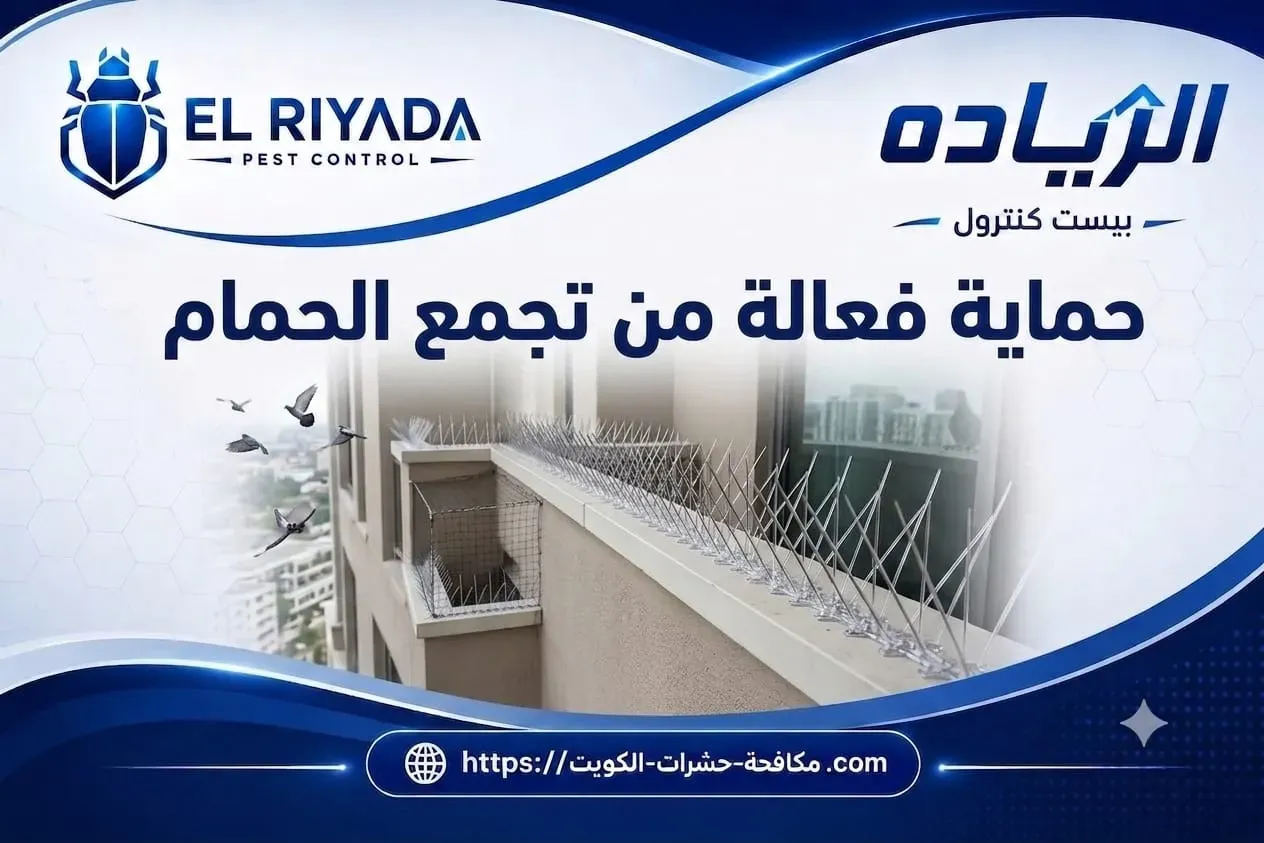
Planning bird wires for industrial facilities requires dividing the property into functional zones instead of treating the entire facility as one uniform space. A loading area is different from an administrative façade, while rooftops differ from structures surrounding industrial equipment. Wire may be appropriate for certain ledges, while other locations may require a different assessment because of their shape, size, accessibility, or the type of bird activity occurring there.
This zoning approach also helps prevent unnecessary expansion of the project. Seeing pigeons in several places does not mean that every location requires immediate installation. Activity points can be recorded, their frequency and impact assessed, and the work prioritized accordingly. In this way, the scope is connected to the actual needs of the facility rather than becoming a simple calculation of the total length of every available ledge.
It is also important to distinguish between pigeons perching on a ledge and birds nesting or entering structural openings. A wire system designed to discourage perching on a particular surface should not automatically be presented as a solution for every type of bird activity. If the nature of the problem is different, it should be evaluated separately so that the appropriate protective method can be selected.
• Dividing the industrial facility into operational zones allows wire installation decisions to reflect how each area is used and the level of pigeon activity there instead of applying the same pattern across the entire factory
• Recording locations where activity appears repeatedly helps prioritize project stages according to actual need and prevents the available budget from being consumed by low-priority ledges
• Distinguishing between perching, nesting, and entry into structural spaces prevents the wire system from being expected to perform a function for which it is not suited and connects the protection method to bird behavior at each location
• Documenting the areas that have already been protected makes later inspections easier and helps determine whether new activity has appeared in a section that was not considered a problem during the first stage of installation
Protecting Signs From Pigeons
Protecting signs from pigeons begins with inspecting the details of the sign rather than looking only at its upper surface. Some signs contain raised letters, metal frames, or rear supports that provide several different levels where pigeons can perch. Installing wire only across the highest section may therefore leave another suitable point just a short distance away and allow the problem to continue.
The relationship between the sign, its lighting, and maintenance requirements must also be considered. Illuminated letters and signs containing electrical components may need to be opened or inspected periodically, so wire should not block access to these service points. Planning the access route before installation can prevent the facility from having to remove sections of the system every time a repair is required.
The amount of work also varies according to the design of the sign. A straight sign that is easy to reach is different from individual letters distributed across a high façade even when their total width is similar. Accurate pricing therefore requires consideration of the number of fixing points, installation height, access difficulty, and design details rather than relying only on the overall width of the sign.
• Inspecting the tops of letters, rear spaces, and supporting structures reveals hidden perching points that may allow pigeon activity to continue even after the visible front or upper section of the sign has been protected
• Identifying lighting components that require opening or replacement helps arrange the wires around them without creating an obstacle for the technician responsible for maintaining the facility's sign or lighting
• Evaluating the sign design and number of separate components before pricing provides a more accurate understanding of the work than calculating only its external width without considering details requiring individual installation
• Monitoring the area surrounding the sign after installation helps determine whether pigeons have moved to a nearby canopy or ledge instead of assuming that protecting the sign alone addresses every surrounding perching point
Stainless Steel Pigeon Wire for Commercial Buildings
Choosing stainless steel pigeon wire for commercial buildings should not depend on the name of the material alone. The quality of the complete system and its suitability for the ledge being protected are equally important. Resistance to outdoor conditions matters on exposed commercial façades, but the final result also depends on the fixing components, their arrangement, the condition of the installation surface, and the stability of the system after installation. Using an appropriate wire material with an unsuitable installation method does not produce the required result simply because the wire itself is stainless steel.
Differences between buildings become clearer when exposure conditions are considered. An external ledge exposed to changing weather is not the same as a protected section beneath a canopy, and the façade material may also create different requirements for fixing the system. It is therefore better to evaluate the wire and its associated components as one complete system rather than focusing on a single material description in the quotation.
When comparing options, it is useful to ask about the work scope, component specifications, treatment of corners and wire termination points, and how access will be maintained to façade elements that require servicing. These details provide more practical information than price alone because they explain what will actually be installed and how the system will integrate with the building.
• Evaluating the wire together with its associated fixing components prevents the purchasing decision from being based only on the type of metal while overlooking other elements that directly influence the stability of the system
• Considering the exposure of each ledge to outdoor conditions and the characteristics of its surface helps determine components suitable for that specific location instead of automatically applying identical specifications to every part of the building
• Reviewing how wires terminate at corners and endpoints reduces the possibility of leaving unprotected spaces that remain suitable for pigeon perching even though the straight section of the ledge has been treated
• Comparing installation quotations according to system specifications, coverage scope, and fixing method provides a clearer basis for selection than comparing prices without understanding the technical differences between the proposed systems
Keeping Pigeons Off Factory Ledges
Effective pigeon prevention on factory ledges depends on identifying which ledges are genuine recurring roosting points and which are merely used temporarily. Factories may contain concrete ledges, metal edges, elevated structures, and multiple canopies. Measuring the combined length of all these surfaces and installing wire across every one of them is therefore not necessarily the most efficient use of the available budget.
A site inspection may reveal that pigeon activity is concentrated on ledges sheltered from certain weather conditions or positioned where birds can comfortably perch and observe the surrounding area. These locations can then receive priority while nearby ledges are also examined as possible alternatives after installation. This approach reduces unnecessary work on low-use surfaces and connects the protection system to actual pigeon behavior within the facility.
Industrial ledges also require attention to safety and accessibility. Some locations may be positioned near equipment, operational areas, or at heights that require specific access arrangements. The difficulty of completing the work should therefore form part of both planning and pricing rather than assuming that every meter of ledge requires the same level of effort.
• Connecting the priority of each ledge to evidence of repeated pigeon activity prevents the project from consuming resources across long sections that birds use only occasionally while more important locations still require protection
• Inspecting neighboring ledges before installation helps anticipate nearby alternatives pigeons may use and creates a more connected protection scope within the targeted section of the factory
• Including height, access difficulty, and surrounding working conditions in the assessment explains why two ledges of equal length may have different installation costs because the circumstances of completing the work are not the same
• Reviewing the results in each section after installation allows protection to be extended when actual activity justifies it instead of installing wire in advance across areas where there is no clear evidence of a recurring problem
Commercial Bird Deterrent Wire System
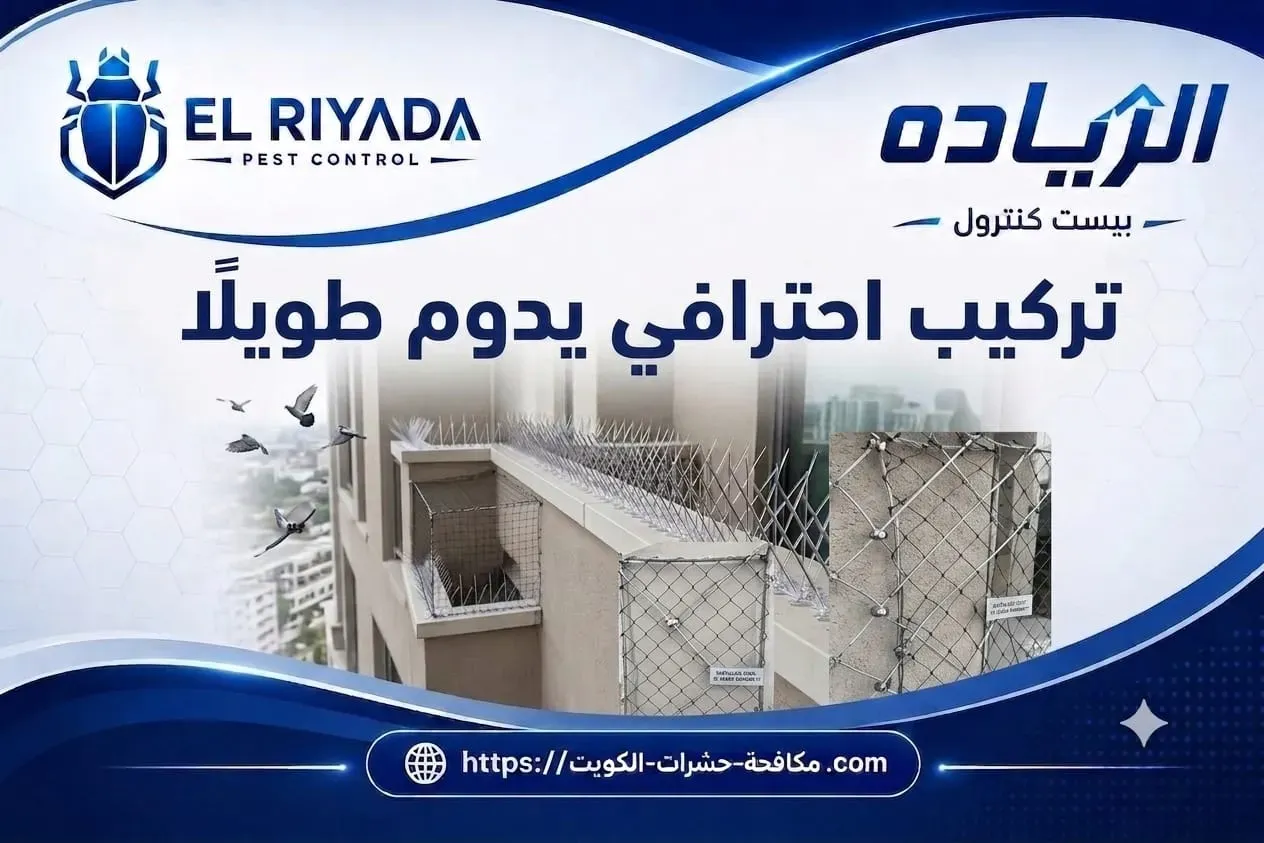
Evaluating a commercial bird deterrent wire system should involve more than examining the visible wire above a ledge. The system consists of an integrated arrangement that requires suitable fixing and distribution according to the dimensions of the protected point and the condition of its surface. Systems may therefore appear similar when viewed from a distance while producing different results because of differences in planning and installation.
The intended purpose should be clearly defined before choosing the system. If the problem involves pigeons perching on a specific group of ledges, the wire arrangement should target those locations. If the facility is experiencing birds entering openings or using spaces for which this type of system is not appropriate, the situation requires a different assessment. Understanding the functional limits of the wire system prevents expectations that it was never designed to meet.
From a value perspective, the quotation containing the greatest amount of wire should not automatically be considered the best. A more suitable proposal is one that clearly identifies the included locations, access method, fixing approach, and any excluded ledges together with the reason for their exclusion. This clarity helps the facility understand exactly what it is paying for and reduces the possibility of additional costs resulting from different interpretations of the project scope.
• Defining the specific problem that the wire system is expected to address before purchasing prevents it from being used in locations that require a different form of protection and keeps expected results consistent with the function of the system
• Clearly identifying all included ledges on a plan or detailed scope description makes quotations easier to compare fairly instead of comparing total prices when each company may be pricing a different amount of work
• Assessing the fixing method and arrangement of system components provides a better indication of installation quality than judging the entire system only by the appearance of the visible wire after installation
• Selecting the system according to the value it provides at priority locations helps the facility manage costs without assuming that a greater quantity of wire automatically means better protection
Protecting Factory Equipment From Pigeons
Protecting factory equipment from pigeons requires distinguishing between protecting the area surrounding the equipment and interfering with the design of the equipment itself. The presence of droppings on an outdoor unit or machine does not necessarily mean that the best place to install pigeon wire is directly on top of that equipment. Pigeons may actually be roosting on a beam, frame, or elevated ledge above it, allowing droppings to fall onto the equipment below. The decision should therefore begin by tracing the source of pigeon activity before selecting the fixing location.
Operational requirements must remain the priority when equipment is being protected. Wires should not pass across ventilation openings, moving areas, drainage points, or covers that technicians need to open. Electrical lines, moving components, and service areas also require coordination with the responsible technical personnel before installation rather than being treated like ordinary building ledges.
From a cost perspective, targeted installation can be more efficient than attempting to surround the entire piece of equipment. When two or three locations that pigeons use regularly can be clearly identified, protection can be directed toward those points and the result can then be monitored. If activity moves to a nearby structure, that location can be assessed according to actual use instead of expanding the system in advance without clear evidence that the additional coverage is necessary.
• Tracing the source of droppings around factory equipment helps determine whether pigeons are actually settling on the machine itself or on a structure positioned above it and prevents the wire from being directed toward the wrong location
• Reviewing maintenance and access requirements before installation preserves technicians' ability to inspect equipment and open covers without having to remove parts of the pigeon protection system every time maintenance is performed
• Avoiding ventilation areas, drainage points, electrical components, and moving parts prevents the wire from being installed in a way that could conflict with the technical function of the equipment or the facility's safety requirements
• Directing protection toward confirmed perching points allows the system to be used more efficiently than surrounding all equipment with wire without evidence that pigeons are actually using all of those surfaces
Why Choose Al Reyada Pest Control in Kuwait
When considering why Al Reyada Pest Control can be a strong choice for pest control in Kuwait for pigeon wire installation in commercial buildings and factories, the most important standard is not the number of meters that can be installed. It is the accuracy with which the areas requiring protection are identified. Al Reyada Pest Control can be a strong option when the service is based on inspecting ledges, signs, structures, and equipment and identifying recurring pigeon perching points before defining the installation scope.
This approach is important because a wire system does not perform the same function in every location. An architectural ledge differs from a sign, while outdoor equipment differs from an industrial structure. Selecting fixing locations according to the characteristics of each point helps avoid installing wires in unsuitable areas or using a greater quantity than necessary without providing a clear practical benefit.
Trust also increases when the work scope is clearly understood before installation begins. Knowing which ledges are included, which areas are excluded, how access will be achieved, and what maintenance requirements must be considered makes the quotation more meaningful than relying on an unclear total price. The system should also not be presented as a guarantee that pigeons will permanently disappear from the entire facility because birds may move to other locations if those areas remain suitable for perching.
• An inspection that distinguishes between the actual pigeon perching point and the location where droppings accumulate helps direct the wire toward the source of the problem instead of increasing installation quantities without an accurate diagnosis
• Clearly identifying the ledges, signs, and equipment included within the work scope gives the customer an accurate understanding of the service and reduces disagreements about areas that were not included in the original quotation
• Considering equipment and façade maintenance during the planning process makes the system part of the facility's protection strategy without turning it into an obstacle for technicians or normal operational work
• Monitoring nearby areas after installation makes it possible to assess any movement in pigeon activity when it occurs instead of making an unrealistic promise that installing wire will prevent birds from appearing anywhere around the facility
Conclusion
Installing pigeon wire on commercial buildings and factories is not a project that should be measured only by the total length of the ledges. An effective system begins by identifying the locations pigeons use repeatedly and then examining ledge width, shape, fixing-surface condition, and the relationship of those areas to signs, equipment, and maintenance routes. Protecting a carefully selected group of locations may provide greater practical value than installing wires across extensive areas where there is no evidence of significant pigeon activity.
Planning becomes even more important in industrial facilities because equipment, structures, and service areas differ in their functions and access requirements. Protection should therefore never interfere with ventilation, drainage, moving components, or technicians carrying out necessary work. When comparing prices, it is better to consider the coverage scope, installation method, access difficulty, and system components rather than relying only on price per meter. With this approach, pigeon wire becomes a targeted method for addressing the actual problem instead of simply being an additional feature spread across the façade without a clear plan.
Frequently Asked Questions
Is pigeon wire suitable for all commercial building ledges?
Not necessarily. Suitability depends on the width and shape of the ledge, the type of pigeon activity occurring there, and the condition of the fixing surface. Each location should therefore be assessed before the system is selected.
Should pigeon wire be installed on every factory ledge?
No. Priority can be given to ledges showing repeated pigeon activity or locations where bird presence affects equipment, cleanliness, or operations. Other areas can then be evaluated according to actual need.
What is the difference between protecting a façade and protecting equipment with wire?
Façade protection focuses mainly on ledges and architectural features, while equipment protection must also consider ventilation, drainage, access covers, maintenance routes, and the technical requirements of the equipment.
Can pigeon wire be installed above commercial signs?
It can be used in suitable locations after inspecting the design of the sign, its letters, and supporting structures. Access to lighting and components requiring maintenance should remain available.
Does stainless steel wire alone guarantee a high-quality system?
No. The wire material is important, but the final result also depends on the other system components, installation method, wire arrangement, surface condition, and suitability of the design for the ledge.
How are the locations that need pigeon wire identified?
They can be identified by observing repeated perching points, accumulated droppings, recurring roosting areas, and nearby alternative ledges before prioritizing locations according to the level and impact of activity.
Can pigeon wire be used around factory equipment?
It can be used in suitable locations provided that it does not interfere with equipment operation, ventilation, drainage, or maintenance and that fixing points are kept away from sensitive components.
Why does pigeon wire installation cost vary between buildings?
Cost can vary according to the size of the work area, installation height, access difficulty, number of ledges and corners, condition of the fixing surface, and the type of system and components required.
Is price per meter enough to compare installation quotations?
Price per meter alone does not provide an accurate comparison when the included areas, access methods, or system components differ. The scope of work should first be standardized before quotations are compared.
Does a pigeon wire system permanently eliminate pigeons from the site?
It should not be presented as a guarantee that pigeons will completely disappear from the facility. The system is intended to discourage birds from using the protected perching points, while they may move to other untreated locations.
What happens if pigeons move to a nearby ledge?
The new ledge should be reviewed to determine the level of activity there and whether the protection system needs to be extended or adjusted.
Does pigeon wire need inspection after installation?
Periodic inspection can help confirm that the components remain secure and identify damage or changes to the site that may affect the performance of the system.
Can the system be installed without a site inspection?
A site inspection provides greater accuracy because it reveals ledge widths, surface conditions, access difficulties, pigeon activity points, and maintenance requirements that cannot be determined reliably from ledge length alone.
Is pigeon wire suitable for nesting problems inside openings?
Not necessarily. A wire system designed for ledges primarily targets suitable perching locations. Entry into openings or nesting inside structural spaces may require a different assessment and solution according to the conditions of the site.
Why choose Al Reyada Pest Control for pigeon wire installation?
Al Reyada Pest Control can be a strong option when the service is based on identifying pigeon activity points, selecting suitable ledges for installation, clearly defining the work scope, considering equipment and maintenance access, and reviewing surrounding areas after installation when necessary.