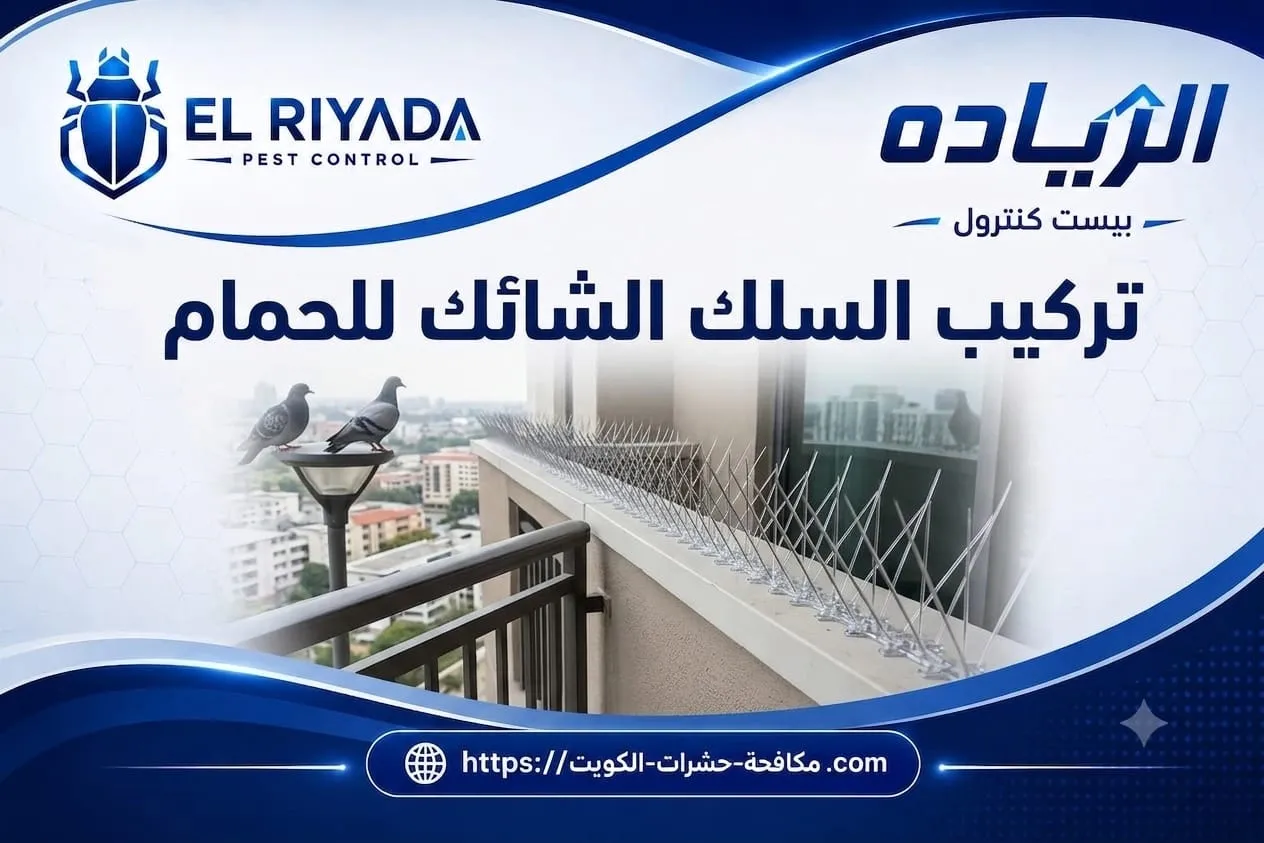
Installing pigeon wire on villas and residential roofs is not simply a matter of stretching a wire along an edge and considering the job complete. The effectiveness of the system depends on identifying where pigeons actually attempt to land and then designing the wire routes and fixing points so that the targeted area becomes difficult for birds to use while preserving the appearance of the villa and maintaining access for roof servicing. Installation quality becomes particularly important around ledges, long roof edges, boundary walls, and air-conditioning areas, where poor tension or an unprotected section can reduce the effectiveness of the entire system. This article focuses specifically on pigeon wire as an independent deterrent system, explaining when it is suitable, what determines installation quality and cost, and how it can be used around a home without turning the roof into a random network of wires.
Pigeon Deterrent Wire for Villas

Choosing pigeon deterrent wire for villas is particularly suitable for locations containing edges or linear surfaces that pigeons use for landing and resting and where appropriate fixing points can be created. The principle of the system is based on positioning a tensioned wire carefully above the landing area so that pigeons find it difficult or uncomfortable to settle on the targeted surface. This differs from systems that rely on covering an edge with a large number of more visible components, which can make wire an appropriate option when preserving the architectural appearance of the villa is an important consideration.
However, the presence of a long edge around a villa does not automatically mean that wire is the correct solution. The width of the edge, surface material, level, corners, and ability to establish stable fixing points should first be assessed. It is equally important to determine whether pigeons are actually standing on that edge or on a higher section nearby because positioning the wire at a level unrelated to the real landing point may leave birds with enough usable space to continue resting there.
A practical situation that demonstrates the importance of diagnosis is when droppings appear along part of a façade even though pigeons are actually concentrating on only two points because two projections provide more stable landing locations. Installing wire along the entire façade may increase the cost unnecessarily, while a properly planned approach can concentrate protection around the actual landing route.
The price should therefore not be determined by the raw length of wire alone because system quality also depends on the number of fixing points, access difficulty, edge characteristics, route design, and the requirements of working at height.
• Identifying the landing route pigeons actually use before designing the wire layout prevents unnecessary meters from being installed in areas that are not genuine resting points and connects the cost directly to the problem affecting the villa
• Assessing the width level and corner configuration of the edge helps determine whether a wire system is genuinely suitable for the location rather than selecting it only because it may be less visually prominent than some other bird deterrent systems
• Checking whether stable fixing points can be established before installation prevents the system from depending on weak supports that may later lose tension and leave parts of the edge available for pigeons again
• Comparing installation quotations according to system design fixing points access requirements and execution quality is more accurate than comparing price per meter alone because one meter on a straight accessible edge is not necessarily equivalent to one meter on a high complicated façade
Pigeon Prevention Wires for Roofs
Using pigeon prevention wires for roofs requires a different planning approach from protecting a single ledge because a residential roof may contain several levels, edges, equipment, and service routes. The mistake is to think of the wires as a barrier that needs to cover the entire roof. Their use is more logical when landing areas where the system can have a clear effect are identified first. A large open roof, for example, does not automatically become protected simply because a single wire is installed around its perimeter if pigeons can easily land at other points within the roof.
Before installation, it is useful to divide the roof into functional areas. There may be external edges, equipment bases, short walls, projections, and walkways used by technicians. Signs of pigeon activity can then be examined to determine which of these locations actually justify wire protection and which may require another solution. This step prevents the system from becoming a collection of unnecessary wire runs with no clear purpose.
Wire tension is another essential factor. A loose wire may not perform as intended, while excessive or poorly controlled tension may place inappropriate loads on fixing points. The objective is to install the system according to the specifications of its components and intended installation method rather than manually increasing tension under the assumption that tighter always means better.
Roof walkways, drainage openings, and equipment access points should also remain practical and safe. A system that discourages pigeons but interferes with roof cleaning or air-conditioning maintenance is not a well-designed residential solution.
• Preparing a simple map of roof edges equipment and service routes before installation prevents wires from being placed across paths that interfere with normal roof use and identifies areas where the system can provide genuine value
• Adjusting wire tension according to the system design and components maintains its intended function without placing inappropriate force on fixing points or leaving the line too loose to affect the targeted landing area
• Excluding spaces that are unsuitable for a wire system from the installation scope saves homeowners from paying for protection that does not address the actual problem and allows another method to be considered when birds enter a different type of space or void
• Keeping drainage outlets and technician access routes clear while planning wire lines makes roof protection sustainable and prevents the system from having to be dismantled whenever the property requires cleaning or maintenance
Installing Bird Wire for Homes
The quality of installing bird wire for homes is often determined by details that may not be obvious simply by looking at the wire after the work is complete. The most important details include the position of supports, stability of fixing points, continuity of the line through corners and ends, and the way differences in edge levels are handled. A system should not be judged only by how straight the wire appears but by how effectively its position corresponds with the area pigeons are attempting to use.
One possible installation mistake is starting the wire far enough from the beginning of an edge to leave a usable landing space or ending it before the final corner. Most of the installation may appear correct, yet this small unprotected section can become the pigeons' new preferred location. Another problem can appear when the width of an edge changes but the wire layout does not change with it, leaving usable standing space beside the installed line.
The surface material directly influences the installation method. Fixing a support to metal differs from working with stone or a particular type of cladding, so the fixing method should be compatible with the existing material. Unnecessary drilling or modifications that could affect finishes or waterproofing should be avoided. On elevated façades, safe access is also part of service quality rather than a minor operational detail.
When choosing between two quotations, asking only about the number of meters is not enough. It is useful to understand the type of system components, the areas included, how corners and ends will be handled, and whether difficult access points are included in the quoted price.
• Inspecting the beginning and end of every wire line before completing the work prevents short spaces that may appear insignificant to the eye from remaining available for pigeons to continue using the same edge after installation
• Modifying the wire layout when edge width changes keeps the system aligned with the actual landing area instead of continuing one fixed line through a position that no longer covers the space requiring protection
• Choosing a fixing method appropriate for the façade or roof material reduces the possibility of damaging finishes or waterproofing and makes support stability a planned part of the system rather than an improvised decision during installation
• Evaluating price according to component quality number of fixing points access difficulty and treatment of corners and ends reveals the difference between an installation that initially appears cheaper and a system designed to serve the property more completely
Pigeon Wire for Ledges
Using pigeon wire for ledges can be suitable when the shape of the ledge allows one or more tensioned wire lines to be positioned above the landing area pigeons regularly use. One advantage is that the wire can be less visually noticeable than some other deterrent systems when it is planned carefully. This can make it suitable for certain villa façades where homeowners want to protect architectural ledges without adding dense and highly visible components to the exterior design. However, this visual advantage does not mean that every ledge is automatically suitable for a wire system.
The width of the ledge is one of the first details that should be examined. A narrow ledge may require a different arrangement from a wide surface that allows a pigeon to land in more than one position. Stepped ledges or ledges containing corners and interruptions also require individual planning for each section instead of extending one wire line as though the entire surface were straight from beginning to end. The important point is that the system should interfere with the area pigeons actually use.
The method used to secure the supports also influences the final result. A ledge is often a visible part of the façade, and inappropriate fixing can leave marks on the finish or become more visually noticeable than the wire itself. The surface material, access method, and locations where the system can be secured without unnecessary damage should therefore be considered before installation begins.
• Measuring the width of the ledge at several points reveals changes that may require a different wire arrangement instead of relying on a single measurement that does not represent the entire edge
• Treating corners interruptions and changes in direction as separate design points prevents unprotected ends from remaining available to pigeons even when the straight section of the ledge has been protected effectively
• Considering how visible the supports will be from street level helps protect the ledge while reducing the visual impact of the system particularly on prominent front façades with noticeable architectural details
• Inspecting the condition of the fixing points over time is as important as inspecting the wire itself because stable supports are what maintain the position tension and continuity of the line above the targeted landing area
Protecting Home Boundary Walls With Wire
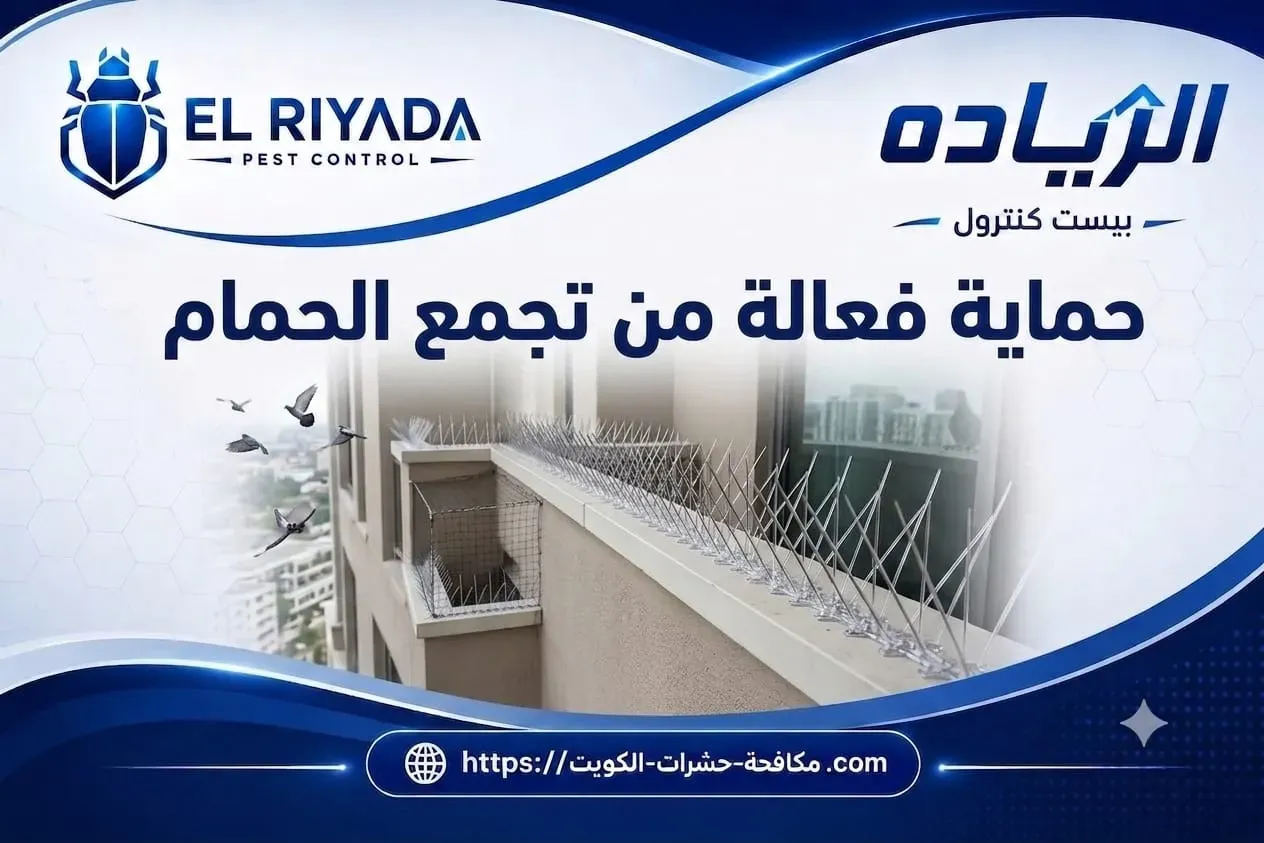
Protecting home boundary walls with wire requires understanding how pigeons use the wall before deciding how far the system should extend. Some pigeons use the upper edge continuously along a substantial length, while at other properties they prefer elevated pillars, gate structures, or lighting fixtures. Installing wire along the entire wall may therefore be appropriate in one situation and unnecessary in another even when the two homes have similar designs.
A boundary wall is also not completely uniform along its entire length. It may include a moving gate, lighting that requires maintenance, cable entry points, or decorative elements. Designing the wire system without considering these details may make some components difficult to reach or place the wire in a route where it can be struck or pulled during gate operation or maintenance work.
From a cost perspective, a longer wire installation does not automatically mean better protection. If signs of pigeon activity are concentrated on five pillars while the connecting wall edges are rarely used, targeted protection may be more logical. If droppings are distributed consistently beneath the wall and pigeons regularly use the full upper edge, however, the required coverage may be different.
• Reading the distribution of pigeon activity along the wall helps determine whether the problem extends continuously across the upper edge or is concentrated on individual pillars and elevated points that require separate protection
• Keeping wire away from gate movement paths where it could be repeatedly pulled struck or damaged protects the system from avoidable failures that should have been identified during the planning stage
• Coordinating wire positions with lighting units cables and serviceable components maintains access to these features without requiring the deterrent system to be dismantled every time maintenance is needed
• Defining the price after identifying the active sections of the wall provides an estimate that reflects the actual scale of the problem more accurately than calculating the cost of protecting the entire perimeter before determining where pigeons are landing
Stainless Steel Pigeon Wires for Villas
When considering stainless steel pigeon wires for villas, material quality matters, but it is not the only factor that determines the quality of the complete pigeon prevention system. Stainless steel is used in exterior systems because it can be suitable for different environmental conditions when the component specifications and manufacturing quality are appropriate. However, simply seeing the word stainless steel in a product description is not enough to judge the entire installation. Supports, tensioning components, fixings, and assembly methods all contribute to overall performance.
Outdoor conditions in Kuwait expose components to heat, dust, and continuous environmental exposure. Choosing components designed for their intended outdoor application is therefore more appropriate than relying on wire with unknown specifications simply because it looks similar. The discussion should also not focus only on wire thickness because the system depends on several components working together.
Simple visual maintenance can also provide significant value. If a wire becomes loose or one of the fixing points moves after façade cleaning or maintenance work, dealing with the issue early is better than waiting until an entire section moves out of position. There is no single lifespan that can be guaranteed for every installation because longevity depends on component quality, installation quality, location, exposure, and surrounding maintenance activities.
• Asking about all components of the system is more useful than asking about the wire alone because high-quality stainless steel wire cannot compensate for a weak support or a fixing point that is unsuitable for the surface material
• Selecting components designed for exterior use helps the system perform more appropriately under roof and façade conditions than using materials whose suitability for this type of application has not been established
• Avoiding judgments based only on shine or external appearance prevents homeowners from confusing the new appearance of the material with its actual specifications installation method and long-term stability
• Inspecting the wire system after façade cleaning or maintenance in nearby areas can reveal changes caused by external work and allows the system to be adjusted before pigeons begin using the protected location again
Preventing Pigeons From Roof Edges
Using wire for preventing pigeons from roof edges is intended to make the edge pigeons regularly use less suitable for landing without closing the roof or turning it into an area that is difficult to move around. A roof edge differs from a large open area because pigeons often approach it along a recognizable route and use it as an observation or resting point before moving elsewhere. Understanding this behavior helps determine a more accurate position for the wire line.
Problems can appear when the edge does not have a consistent width. A parapet may begin with a narrow upper surface and become wider around a pillar or corner. At that point, a wire arrangement designed for the narrow section may no longer cover the new landing area effectively. The roof perimeter should therefore not be treated as though the same measurement and configuration repeat around the entire building.
The inner side of the edge should also be inspected. Sometimes the outside section is successfully protected while a wider inner section remains available for pigeons to use. Effective installation is therefore not measured by the number of meters completed but by how well the system addresses the width of surface the birds can actually use.
• Dividing the roof perimeter according to changes in edge width prevents one wire arrangement from being applied to sections that provide pigeons with significantly different amounts of usable landing space
• Examining both the inner and outer sides of the edge helps determine whether one wire line can affect the landing area effectively or whether another arrangement is required to match the design of the location
• Focusing on repeated approach and landing points allows the wire system to respond to actual bird behavior rather than installing wire simply because an accessible roof edge exists
• Rechecking roof edges after installation shows whether pigeons have stopped using the targeted section or shifted toward a wider pillar or corner that was not an obvious activity point before the system was installed
Bird Wire for Air-Conditioning Areas
Installing bird wire for air-conditioning areas requires more careful planning than installation on ordinary edges because the location contains operating equipment whose ventilation and maintenance must not be obstructed by the bird deterrent system. In many situations, installing wire directly on the air-conditioning unit itself is not the correct decision because pigeons may actually be standing on a support, rear ledge, or nearby pipe while droppings collect on the unit positioned below.
The process should therefore begin by tracing the source of the droppings and identifying where pigeons actually land. If the outdoor unit itself is genuinely being used as a landing point, the wire system should be designed so it does not interfere with components that need to open, does not cross airflow routes, and does not prevent a technician from accessing the equipment. If the actual problem is a support or projection around the unit, protection should be directed toward that location instead of adding unnecessary components to the equipment itself.
Future servicing should be considered from the beginning. An air-conditioning unit requires periodic maintenance and may eventually need components removed or the entire unit replaced. A wire system that makes this impossible without cutting the line is not a practical design regardless of how successful it initially appears at discouraging pigeons.
• Confirming the source of droppings before installing wire prevents confusion between a surface that is dirty because contamination falls from above and a surface pigeons actually use for landing and resting
• Keeping airflow routes and service covers clear of wire lines protects the function of the air-conditioning equipment and prevents a bird deterrent service from interfering with an essential system in the home
• Designing fixing points to allow future maintenance reduces the likelihood that an air-conditioning technician will need to cut the wire or dismantle the system in a way that causes the line to lose its proper tension after reinstallation
• Protecting the support or projection around an air-conditioning unit when that is the actual landing point makes the work more precise and avoids installing a deterrent system directly on the equipment when it is unnecessary
Pigeon Wire Systems for Villas
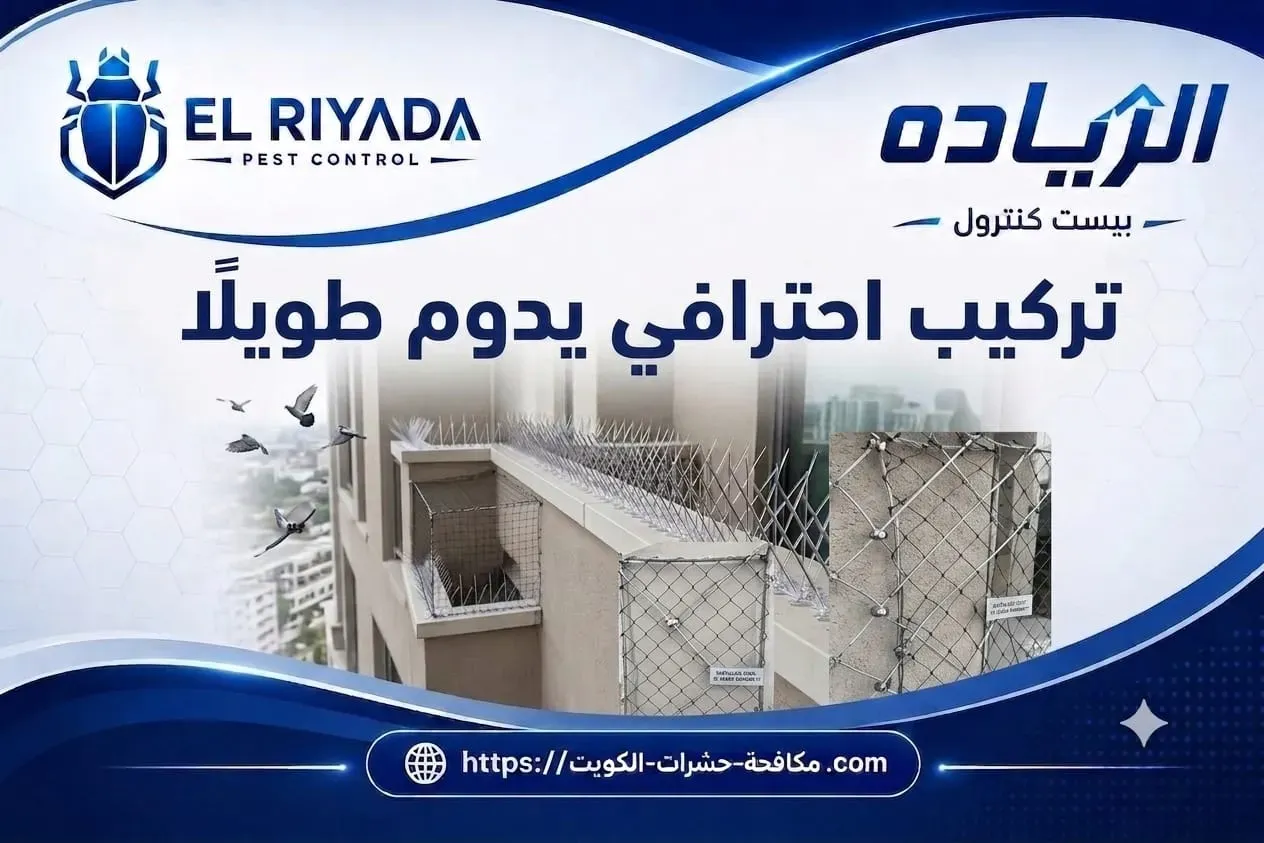
Designing pigeon wire systems for villas is different from installing individual wire lines randomly because a true system creates a clear relationship between pigeon activity areas, wire routes, fixing points, tensioning methods, and follow-up after installation. In a villa with several ledges, boundary walls, and roof edges, the objective is not necessarily to connect every part of the property with wires. The more effective approach is to identify the locations where this type of solution can work properly and then prioritize them according to the level and pattern of pigeon activity.
For example, the front façade may experience very little pigeon activity while the real problem is concentrated on a quiet side of the property containing a long ledge with limited human movement. In this situation, distributing the available budget equally across every façade will not necessarily produce the best result. A carefully designed system directs installation toward areas where observation and physical evidence show that pigeons repeatedly land and remain.
The relationship between different wire lines should also be considered. Corners, ends, and changes in edge level can interrupt the continuity of the system if they are not addressed during the design stage. This does not mean adding unlimited amounts of wire. It means ensuring there is no obvious transition from a protected section to a small adjacent space that pigeons can easily exploit after the main landing areas become unavailable.
• Ranking areas of the villa according to the intensity of pigeon activity helps direct the wire system toward the highest-priority locations instead of distributing installation equally across façades that experience very different levels of bird pressure
• Planning corners ends and changes between different edge levels as part of one coordinated system reduces interruptions that could become alternative landing locations after the main wire lines have been installed
• Documenting the locations where wires have been installed makes future inspections more accurate because any new pigeon activity can be compared with the existing protection map instead of relying on memory after a long period
• Treating the system as something that can be reviewed and adjusted when pigeon behavior changes is more realistic than assuming that one original design will remain appropriate for every future condition around the villa without any follow-up
Protecting Residential Roofs From Birds
Protecting residential roofs from birds with wire requires a careful balance between discouraging bird landing and preserving the normal use of the roof. A residential roof is not an abandoned exterior surface. It may contain water tanks, air-conditioning equipment, walkways, drainage outlets, and areas that require regular cleaning and inspection. The wire system should therefore never become an obstacle for homeowners or maintenance technicians.
One mistake is evaluating protection according to the amount of visible wire. More lines do not automatically produce better results when they are positioned away from actual pigeon landing points. A limited number of carefully planned wire lines around active edges may provide more practical value than a large network that was installed without understanding how pigeons use the roof.
Existing nests or young birds should also be checked before carrying out work that could restrict access to an area being used by birds, while appropriate local requirements concerning their handling should be considered. If pigeons are entering a semi-enclosed void, tensioned wires installed along an external edge may not address the actual source of the problem and a system better suited to the entry pattern should be evaluated.
• Preserving walkways and access to water tanks and air-conditioning equipment keeps roof protection compatible with normal residential use instead of creating an obstacle that must be dismantled whenever maintenance is required
• Using wires only in locations suited to the way the system works prevents them from being installed in spaces or voids where this method cannot effectively stop birds from entering or settling
• Checking site conditions before closing or restricting access to any area reduces the risk of trapping birds or blocking access to existing nests and supports a more responsible approach to installation
• Measuring results through reduced landing and contamination in the targeted areas provides a practical indication of system performance instead of treating the number of wire lines or quantity of material as the only measure of protection quality
Why Choose Al Reyada Pest Control in Kuwait
When considering why Al Reyada Pest Control is a strong choice in Kuwait for pigeon wire installation, the decision should be based on criteria that homeowners can actually evaluate. Al Reyada Pest Control can distinguish its service when the process begins with inspecting pigeon landing points, measuring edges, and determining whether a wire system is suitable for the property before calculating lengths or presenting a final installation plan.
In this particular service, experience is visible in small technical details. Selecting stable fixing points, treating corners correctly, controlling wire tension, accounting for changes in edge width, and preserving access to air-conditioning units and other equipment can influence the final result more than the quality of the wire alone. Using components suitable for the intended outdoor application and a fixing method compatible with the surface material can also create a more organized system while protecting existing finishes as much as reasonably possible.
Trust also means not presenting pigeon wire as the correct answer to every bird problem. If the shape of the location or the way pigeons enter it requires a different protection method, this should be explained to the customer instead of installing a system that does not suit the problem. No outdoor deterrent can guarantee the complete disappearance of every bird from the surroundings of a home, but a properly selected and installed wire system can reduce pigeon use of the specific points it is designed to protect.
• Inspecting the edge before defining the wire route helps Al Reyada Pest Control connect the installation to the actual pigeon landing point instead of selling the largest possible number of meters without a clear relationship to bird behavior
• Paying attention to fixing points tension corners and ends places installation quality at the center of the service because pigeon wire performance depends on all of these details working together rather than on the wire material alone
• Considering the villa design existing finishes and roof equipment during planning makes the system more suitable for a residential environment and reduces conflicts with future cleaning and maintenance work
• Explaining where wire is appropriate and where another solution may be needed gives homeowners a more reliable assessment than general promises that present one deterrent system as suitable for every building
Conclusion
Installing pigeon wire for villas and residential roofs in Kuwait depends more on the quality of system design and execution than on the total amount of wire used. The starting point is identifying where pigeons actually land and then evaluating the width and shape of the edge, the surface material, and the possibility of creating stable fixing points before deciding how the wire should be routed.
Ledges, boundary walls, roof edges, and areas surrounding air-conditioning equipment are not identical. The arrangement and fixing method may therefore need to change from one part of the same villa to another. Preserving drainage, ventilation, and maintenance access should also be part of the original design rather than an adjustment considered only after installation has been completed.
When comparing costs, it is more useful to consider the type of components, protection scope, number of fixing points, access difficulty, and the way corners and ends will be treated. These criteria help homeowners distinguish between simply stretching wires across roof edges and installing a pigeon prevention system that has actually been designed for the property.
Frequently Asked Questions
Is Pigeon Deterrent Wire Suitable for Every Villa?
Not necessarily. Suitability depends on the shape of the edges, pigeon landing points, and whether appropriate fixing points can be established. The property should therefore be assessed before wire is selected as the main solution.
What Is the Difference Between Pigeon Wire and Spikes?
A pigeon wire system uses tensioned lines positioned above a landing area, while spikes use physical components that cover the standing surface in a different way. The choice depends on site design, edge width, and the nature of the pigeon problem rather than a general assumption that one method is always better.
Can Pigeon Wire Be Installed on Every Roof Edge?
Suitable roof edges can be protected with wire, but it is not necessary to cover every edge if pigeons use only specific locations or if certain spaces require a different type of protection.
How Is the Cost of Pigeon Wire Installation Determined?
Cost can be influenced by the length of the targeted areas, number of fixing points, access difficulty, component type, surface characteristics, corners, changes in level, and the overall scope of work required.
Does Less Visible Wire Mean It Is Better for the Façade?
Not always. Appearance is important, but the wire still needs to be positioned correctly over the pigeons' landing area and supported by stable fixing points. Otherwise, a system may look discreet while failing to perform its intended function.
Do Stainless Steel Pigeon Wires Require Maintenance?
Even when components suitable for outdoor use are installed, periodic inspection is useful to confirm that supports remain stable and that no loosening or damage has occurred because of maintenance work or surrounding conditions.
Can Bird Wire Be Installed Near an Air-Conditioning Unit?
Yes, when the location is suitable, provided the wire does not obstruct airflow, prevent service covers from opening, or interfere with technician access. The actual pigeon landing point should always be identified first.
What Happens If the Wire Becomes Loose?
Its effect on the landing area may be reduced. The cause of the looseness and the condition of the fixing points should be inspected, and the system should be adjusted correctly rather than simply pulling the wire tighter without evaluating the reason.
Can a Home Boundary Wall Be Protected Without Covering It Completely?
Yes. If pigeon activity is concentrated on pillars or specific sections, targeted protection may be appropriate. A different scope may be needed when pigeons regularly use the entire upper edge.
Does Increasing Wire Tension Make the System More Effective?
Not necessarily. Tension should match the design and components of the system because excessive or inappropriate tension may affect fixing points. Greater force should not automatically be treated as a sign of better installation.
Will a Wire System Permanently Stop Pigeons From Approaching the Home?
No such guarantee is realistic. The objective is to reduce pigeons' ability to land on protected locations rather than prevent birds from flying over the villa or passing through the surrounding area.
What If Pigeons Move to a Nearby Corner After Installation?
The new point should be inspected to determine how frequently pigeons are using it. A targeted adjustment or extension may then be considered instead of adding wires randomly across every available area.
Will Pigeon Wires Interfere With Roof Cleaning?
They should not if the routes are designed properly. Walkways, drainage outlets, and access to equipment requiring cleaning or maintenance should remain practical after installation.
Can System Quality Be Judged by the Wire Type Alone?
No. Wire material is only one component. Overall performance also depends on supports, fixing points, tensioning method, line distribution, corner treatment, and whether the system is suitable for the specific property.
Why Choose Al Reyada Pest Control for Pigeon Wire?
Al Reyada Pest Control can be a strong choice when the service begins by inspecting actual pigeon landing points, determining whether wire is suitable, and designing the routes around edges, corners, and equipment while paying attention to fixing quality, correct tension, and future maintenance access instead of using the same wire layout for every home.