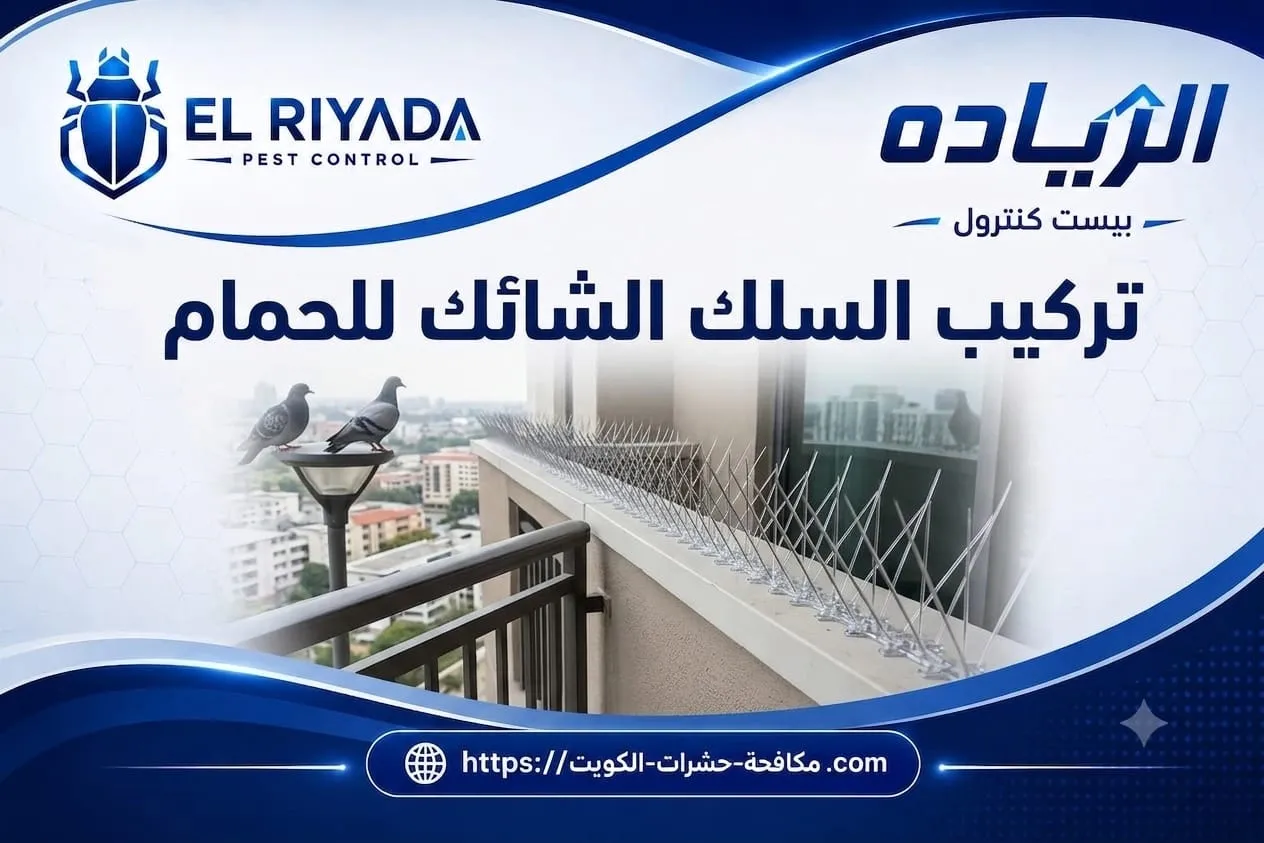
Choosing the best pigeon spike installation company in Kuwait requires more than comparing the price per meter or asking how long the warranty lasts. The final result depends on identifying pigeon perching points, measuring ledges accurately, selecting an appropriate system, installing it correctly, and covering the areas birds can actually use. Even a good-quality system may provide limited value when it is installed along an ineffective route or when usable gaps are left beside it, allowing pigeons to move only a short distance and continue causing the same problem. A company should therefore be evaluated through inspection quality, material specifications, workmanship, warranty terms, and a clearly defined scope of work. This guide explains how to distinguish a carefully planned installation from a service focused mainly on calculating meters and selling as much material as possible.
Pigeon Spike Installation Company

Choosing a pigeon spike installation company should begin with understanding the actual function of the system. The spikes or wires used to discourage pigeons from perching on building ledges do not function as a complete barrier that closes the entire property. Their purpose is to make specific locations less suitable for birds to land and remain. This simple distinction changes how the project should be evaluated because success is not measured only by the number of meters installed. It depends on whether important perching areas are properly covered without leaving comfortable routes that pigeons can continue using beside the system.
A proper inspection begins by reading the signs of pigeon activity. The distribution of droppings on the ground or across architectural projections can help identify ledges that are being used repeatedly. A heavier concentration beneath one particular section of a cornice may indicate that the location is not simply a temporary landing point but a frequently used resting area. The presence of nesting material nearby also changes the assessment because it may indicate openings or protected locations that birds use for longer periods.
Once active locations have been identified, the width of each ledge should be measured rather than considering only its length. One mistake customers can make when requesting a quotation is calculating the number of linear meters while forgetting that two ledges of equal length can have completely different widths and designs. A narrow ledge may require one arrangement, while a wider projection offers more usable perching space and may require a different distribution so that part of the surface does not remain available to pigeons.
The surroundings of the ledge should also be examined. The cornice may be the most obvious location to the customer while a nearby pipe, air-conditioning unit, or architectural projection provides an even more convenient place for pigeons. Protecting the cornice alone in this situation may simply move bird activity to the adjacent point.
The fixing method is also part of the service rather than a minor installation detail. The company should assess the material and condition of the surface and then use an installation method suitable for the proposed system according to product requirements and site conditions. Excellent materials do not automatically produce an excellent result when the fixing method is unsuitable.
A distinction must also be made between preventing perching and preventing entry. If pigeons are already entering a shaft or a large structural opening, spikes installed on a nearby ledge may not address the actual access route. The company should explain these limitations rather than selling a solution that does not match the problem.
Finally, the quotation should relate directly to the areas that genuinely require protection. Installing more meters is not an objective in itself. We are not rolling out a red carpet for the pigeons; quite the opposite. Every meter installed should have a clear reason and an expected role in reducing usable perching locations.
• A professional pigeon spike installation company begins by analyzing droppings, landing points, and movement routes to identify ledges that birds use repeatedly instead of installing the system only in locations that are easiest to access.
• Measuring the width of the ledge in addition to its length helps determine the appropriate arrangement because the available perching space can differ significantly between a narrow cornice and a wide architectural projection even when both have the same length.
• Inspecting nearby equipment, pipes, and architectural projections reduces the possibility that pigeons will immediately move to an alternative location after the primary ledge has been protected.
• Assessing the material and condition of the installation surface before selecting the fixing method connects product quality with workmanship rather than assuming that the deterrent itself can compensate for poor installation.
• Explaining the difference between preventing perching and preventing entry protects the customer from using spikes or wires for a problem that actually requires an opening or internal space to be protected using another method.
Pigeon Deterrent Wire Company
When evaluating a pigeon deterrent wire company, the discussion should not begin with a single question such as “How many types do you have?” Having numerous products does not necessarily mean that the company knows how to select the most suitable option for a particular building. The more important question is how the company determines which system the property needs and what specifications it considers when making that decision. The customer is not purchasing a metal component in isolation but a complete system expected to function on a particular ledge under outdoor conditions and within an architectural design that may differ significantly from one property to another.
The first point worth reviewing is the material proposed for outdoor use. The components of the system should have specifications suitable for the intended application according to the relevant product information. Customers can ask what material is being proposed rather than accepting general descriptions such as “highest quality” or “best material.” These phrases are extremely easy to place in an advertisement, but they do not provide useful information for comparing one system with another.
The second point is the system base or the component responsible for securing the deterrent to the ledge. Considerable attention is often given to the visible wires or spikes while the way those components remain attached to the building is overlooked. System quality should therefore be considered as a complete combination of material, supporting base, and installation method.
The third point is the arrangement of the wires. The objective is not to make the ledge look as though it has been filled with metal. The purpose is to reduce the spaces pigeons can use for landing and resting. The distribution should therefore correspond to the width and shape of the surface and the corners within it.
Endpoints require particular attention as well. Dozens of meters may be installed correctly while a small space remains at the end of a cornice. To a person, the gap may look insignificant. To a pigeon, it may look like a fully furnished studio with an excellent open view.
The visibility of the system from street level or from balconies should also be discussed when appearance matters to the customer. Some locations require an appropriate balance between protection and preserving the visual character of the façade as much as practical.
A positive sign is when the company refuses to use deterrent wires in an area where they are not suitable. If a building shaft requires netting to prevent entry, recommending netting instead of trying to sell more wires indicates that the solution is being selected according to the problem rather than according to what happens to be available in the company's inventory.
Future maintenance should also be considered. If the system is installed close to equipment that requires periodic access, this should be included in the planning process so dismantling the deterrent does not become a routine part of every maintenance visit.
Evaluating a pigeon deterrent wire company therefore depends on how well it combines suitable materials, proper distribution, fixing quality, building appearance, and normal property use rather than simply counting how many product options appear in its catalogue.
• Understanding the specifications of pigeon deterrent wire intended for the proposed application gives the customer a stronger basis for comparison than general promotional descriptions that do not identify the material being installed.
• Evaluating the supporting base and fixing method together with the visible wires is important because system stability depends on the integration of all components rather than the appearance of the metal section alone.
• Arranging deterrent wires according to ledge width, corners, and endpoints reduces small usable spaces that can become alternative perching locations even after most of the cornice has been protected.
• Considering the appearance of the façade and access to maintenance equipment helps integrate the deterrent system with normal building use instead of creating protection that must repeatedly be removed for other work.
• Recommending another protection method when deterrent wires are unsuitable for the problem is an important indication that the company diagnoses the site before attempting to sell the system it already has available.
Pigeon Wire Installation Company Contact Numbers
Searching for pigeon wire installation company contact numbers usually indicates that the customer is already close to making a purchasing decision. At this stage, the customer does not want theoretical information alone but wants to communicate with a company capable of assessing the property and providing a clear explanation of the proposed solution and its cost. Even so, the first call can reveal a great deal about the service provider when it is used properly instead of reducing the entire conversation to the question, “How much is the price per meter?”
Begin by explaining where the problem occurs. Tell the company whether pigeons are perching on façade cornices, rooftop parapets, window ledges, air-conditioning units, or several different locations. Mention whether there is heavy accumulation of droppings in one area, nesting activity, or pigeons entering openings because these details help determine whether a ledge deterrent system is actually appropriate.
Clear photographs can then be sent if the company provides a way to receive them. A useful photograph is not a close-up portrait of the pigeon staring at the camera like the main suspect in the case. It should show the ledge and the surrounding area so the company can understand its width, projections, and nearby alternative perching points.
Ask what information the company requires before preparing a quotation. This may include the length and width of ledges, building height, ease of access, and the type of area where the installation will take place. A company asking relevant questions before giving a price can be a better sign than receiving an instant figure that appears to be used for every customer regardless of building design.
It is also important to ask what type of wire or deterrent system is being proposed. You do not need a lengthy engineering lecture, but you should understand what will be installed, the intended purpose of the system, and whether the price includes both materials and installation.
Ask specifically about the scope of work. If the property has three cornices, does the quotation include all three or only the area with the highest pigeon activity? Are there locations where the company recommends not installing the system? Understanding these details prevents disagreements when the technician arrives.
Warranty conditions should also be discussed. Ask what the warranty covers, how long it lasts, and how the company handles an installation-related issue that appears after the work has been completed.
Do not forget to ask what happens if the technician discovers an additional problem area during installation that was not visible in the photographs. Will the technician stop and explain the situation and confirm any additional cost before proceeding, or will extra work be added automatically? Agreeing on this process in advance helps prevent unexpected charges.
Used this way, the phone number becomes a tool for evaluating the company rather than simply obtaining a quick price. Because even the cheapest meter in the world is not much of a bargain when it is installed on a ledge where pigeons never perch in the first place. At that point, you have basically purchased premium metal decoration for your cornice.
• When contacting pigeon wire installation companies, customers should describe where birds gather and the type of activity occurring so the provider can determine whether a perching prevention system is appropriate for the situation.
• Photographs used for an initial assessment should show the ledge and its surrounding areas because the shape of the property and nearby projections are more useful for planning than an isolated photograph of the pigeons themselves.
• Asking what information the company requires before pricing can reveal whether the quotation is based on ledge length, width, building height, and access difficulty rather than applying one standard figure to every property.
• Understanding the proposed system, protected areas, and what is included in the price allows customers to compare quotations based on the actual service rather than considering the price per meter in isolation.
• Agreeing in advance on how additional problem areas discovered during installation will be handled helps prevent extra work or unexpected charges that were not clear when the original quotation was accepted.
Pigeon Spike Installation with Warranty
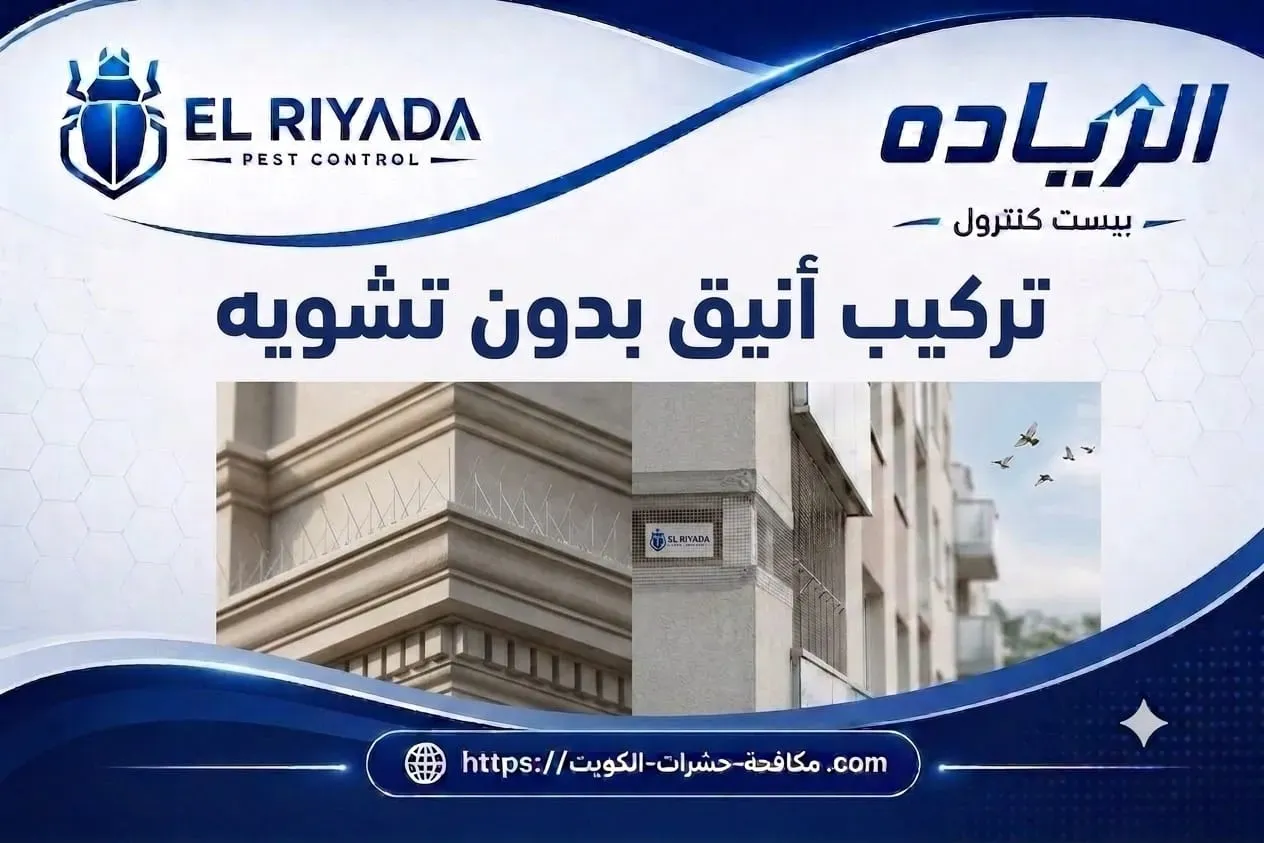
Searching for pigeon spike installation with warranty is important because the customer is not paying only for the material. The customer is purchasing a complete system that must be measured, arranged, and installed on exterior parts of the building, which makes workmanship an essential part of the overall service value. However, simply seeing the word “warranty” next to a quotation is not enough to evaluate a company. A useful warranty should clearly explain its duration, scope, covered situations, and the procedure for requesting follow-up if a problem appears after installation.
The first thing customers should understand is exactly what the warranty covers. Does it cover a problem related to the fixing of the deterrent system? Does it cover specific components according to the company's terms? Is there a clearly defined coverage period beginning from the completion date? Clear answers prevent the customer and the company from having completely different expectations several months after the installation.
It is also essential to distinguish between an installation defect and a change in pigeon behavior. If the system is installed on a particular cornice and successfully discourages pigeons from perching there, but the birds begin using a nearby air-conditioning unit that was not included in the project, this is different from a section of the installed system becoming detached or developing a fixing problem. The quotation should therefore clearly identify which areas are included in the protection scope before installation begins.
Customers should also understand how work performed by other parties may affect the warranty. An air-conditioning technician, façade cleaning team, or contractor carrying out later building work may move, remove, or damage part of the system. The installation company should explain how damage caused by external intervention is handled because a technical warranty does not normally mean that every change to the system is automatically the company's responsibility regardless of its cause.
The condition of the installation surface should also be reviewed before work begins. Installing a deterrent system on an unsuitable base and then relying on the warranty to deal with future problems is not a professional approach. A specialized company should attempt to identify conditions that could affect installation quality in advance and explain any necessary preparation to the customer.
Warranty coverage should not become a substitute for selecting the correct solution either. If pigeons are entering a large building shaft and deterrent wires are installed only on the outer ledge, continued bird entry does not necessarily mean that the wire system is defective. The system itself may simply not be designed to prevent access to the space. Accurate diagnosis must therefore come before service selection.
It is also useful to keep the quotation or another document that identifies the protected areas and warranty conditions. This provides both parties with a reference if follow-up becomes necessary rather than attempting to remember a verbal agreement several months later.
Ultimately, a proper warranty gives customers reassurance, but it is not a magic wand. If the pigeons move to the neighboring building and later return to perch on a pipe that was never included in the original agreement, there is probably no need to call the warranty department, a lawyer, and the public prosecutor to open a case titled “The Pigeon versus the Wire.”
• A pigeon spike installation warranty should clearly identify the coverage period and the types of covered problems so customers understand which situations qualify for follow-up after installation.
• Distinguishing between a defect in the installed system and pigeons moving to an unprotected location prevents every new instance of bird activity from automatically being treated as evidence that the system has failed.
• Explaining how air-conditioning work, façade cleaning, and other external maintenance may affect the warranty helps determine the company's responsibility if the deterrent system is altered after project completion.
• Inspecting the installation base before work begins reduces dependence on future repairs because a warranty should support good workmanship rather than replace proper preparation of the site.
• Documenting the protected areas and warranty conditions gives both the customer and the company a clear reference for future follow-up and reduces disagreement about the scope of the original service.
Professional Pigeon Wire Company
Choosing a professional pigeon wire company requires turning words such as “professional,” “approved,” or “certified” from advertising language into practical elements the customer can actually verify. The objective is not to find an advertisement where the word appears ten times. The important point is whether the service provider is clearly identifiable and whether the quotation contains enough information about the system, protected areas, installation method, and warranty. The more details that can be reviewed, the less the customer has to depend on promotional claims.
Begin by checking the information of the company you are dealing with and understanding the type of service it provides. Customers need to know which business is responsible for the inspection, installation, and follow-up rather than relying only on a telephone number appearing in a search result. A written quotation can also be requested, particularly when the project is large or includes several parts of the building.
Next, review the description of the proposed system. The quotation should explain whether it includes wires or spikes designed to discourage pigeons from perching on ledges, what material is proposed, and which areas will receive the installation. The more specific the description is, the easier it becomes to compare the offer with another company.
The fixing method is another important criterion. A company does not only need to provide appropriate materials; it must also determine how the system will be secured to the type of surface present at the property. Stone, metal, concrete, and other architectural materials may require different assessments depending on the selected system and the condition of the installation area.
The company should also distinguish between measuring and diagnosing. Measurement tells us how many meters are present. Diagnosis tells us whether those meters need a deterrent system in the first place. If a technician arrives with a measuring tape before even looking at where the pigeons actually perch, we are basically tailoring a suit for the building before taking the measurements of the person who is supposed to wear it.
An organized company should also explain what happens when certain ledges are unsuitable for the proposed system. One surface may require a different solution, while an opening may need protection designed to prevent bird entry. The ability to say, “This wire system is not suitable here,” is a stronger sign of professionalism than attempting to use the same product everywhere.
The quality of the quotation itself should also be evaluated. It should identify the scope of work, what the price includes, and any additional factors that may affect cost, such as difficult access or special site requirements.
Warranty and follow-up come next. Ask about the duration, coverage, and procedure followed if a covered problem occurs. A specific answer is more useful than a general promise such as, “Whatever happens, we are here for you.” That sentence sounds wonderful until the day arrives when everybody suddenly needs a detailed legal definition of “whatever happens.”
Evaluating the company therefore depends not on one label but on transparent business information, inspection quality, clear specifications, suitable installation methods, a defined scope of work, and understandable follow-up conditions.
• Verifying the information of the pigeon wire company and identifying the party responsible for the installation gives customers a practical basis for selection rather than relying only on words such as professional or approved.
• Describing the proposed system, material, and installation locations in the quotation makes the service easier to compare and reduces disagreement about what will actually be installed.
• Separating measurement from diagnosis helps confirm that the deterrent system will be installed on ledges that genuinely require protection rather than automatically treating every available surface as part of the project.
• A company's willingness to exclude unsuitable areas from wire installation and recommend another protection method when necessary is an indication that technical assessment comes before the sale.
• Clear information about the scope of work, price, warranty, and follow-up procedure provides customers with criteria they can evaluate before contracting instead of depending on broad verbal promises.
Pigeon Deterrent Wire Installation Technician
The role of a pigeon deterrent wire installation technician involves considerably more than simply attaching strips, wires, or deterrent components to a ledge because many of the details that determine the final quality of the project are handled during the installation itself. Initial measurements may be accurate and the selected material may be suitable, but leaving a gap at a corner, choosing an arrangement that does not properly cover the usable ledge width, or ignoring the condition of the fixing surface can reduce the effectiveness of the entire project. Technician experience is therefore an essential part of the service rather than merely the final execution stage after the company's decisions have already been made.
The technician's first responsibility is confirming measurements at the property before installation begins. Even when photographs and approximate dimensions have been provided in advance, the actual ledge length and usable perching width should be reviewed. Final measurements allow the arrangement to be adjusted when real site conditions differ from what appeared in photographs.
The work area should then be prepared appropriately. Dust, loose material, debris, or other conditions affecting the fixing base should be evaluated according to the installation method being used. A professional technician does not simply place the system on whatever surface happens to be available and consider the project complete because the wire can now be seen from a distance.
The deterrent should then be arranged according to the shape of the ledge. Straight sections are usually easier to handle, but corners, projections, and endpoints require greater attention because they can leave small spaces that pigeons continue to use. A gap that looks insignificant to a person may still provide enough room for a bird to perch.
Another important technician skill is observing the surrounding environment from the actual work position. Sometimes the elevated viewpoint reveals a rear projection, hidden ledge, or another potential perching location that could not be seen from ground level. If the newly identified area affects the problem, it should be discussed with the customer or project supervisor before any additional work outside the original scope is performed.
Nearby equipment should also be considered. When deterrent wires are installed around an air-conditioning unit or beside an opening that requires maintenance access, the technician should consider future servicing as much as reasonably possible. A beautifully installed protection system that gets broken two weeks later because an air-conditioning technician cannot open an equipment panel is not exactly a major engineering victory.
Work on elevated exterior ledges also requires organization appropriate to the conditions of the property. Access methods and movement around the installation area form part of the planning process and should not be treated as secondary concerns.
Once installation has been completed, the entire route should be reviewed. Looking at the system from more than one angle can help identify a gap, endpoint, or section requiring adjustment before the project is handed over. Final photographs may also be useful for documenting the completed areas.
Finally, the technician should be capable of explaining the completed work to the customer in straightforward language. Nobody is asking for a press conference on the rooftop, but identifying the protected areas and pointing out anything that may need future observation adds real value to the service.
• Confirming actual measurements before installing pigeon deterrent wire allows the technician to adjust the system according to the true ledge width rather than depending completely on earlier estimates or photographs.
• Preparing the fixing area according to its condition and the selected installation method connects material quality with an appropriate base instead of treating the visible presence of the wire as sufficient evidence of successful installation.
• Paying attention to corners, projections, and ledge endpoints reduces small gaps that may remain usable for perching even when the main straight section has been protected correctly.
• Identifying additional perching locations that become visible during installation and discussing them before carrying out extra work preserves the agreed project scope and reduces unexpected charges.
• Reviewing the complete installation route and documenting the protected areas helps identify any required adjustments and provides a clearer reference for the completed service and future warranty follow-up.
Stainless Steel Pigeon Wire Installation Company
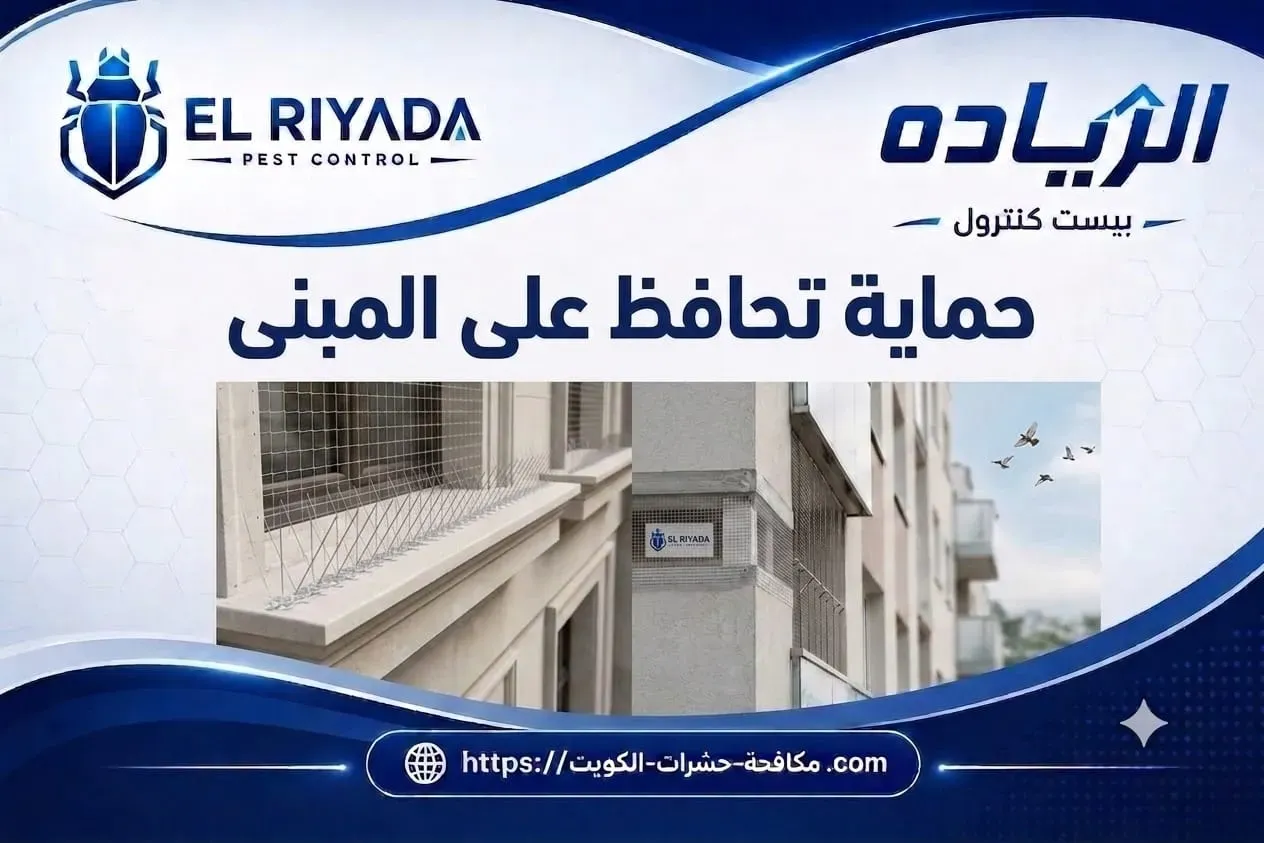
When searching for a stainless steel pigeon wire installation company, the choice of stainless steel should not be based simply on the assumption that the name sounds stronger, more durable, or more expensive than other alternatives. The decision should be based on the specifications of the proposed system, whether it is suitable for the intended outdoor application, and how it will be installed at the property. Customers need to understand the material they will actually receive and the other components connected to the system rather than accepting the phrase “original stainless steel” without any details that can be evaluated. Material selection is important, but it does not remove the need for accurate measurement, proper distribution, and suitable fixing.
The first point to ask about is the specification of the metal component used in the pigeon perching prevention system. The company should be able to explain the material according to the product information and the purpose for which the proposed system was designed. This information is more useful than visually comparing two wires because important differences may not be obvious to the customer simply by looking at them.
The second point is the rest of the system components. Stainless steel wires or spikes do not mean that the remaining parts of the installation can be ignored. The supporting base and the method used to secure it to the ledge influence the stability of the complete system, so the product should be assessed as an integrated installation rather than a single metal component.
Ledge width comes next. Even a good-quality wire system will not perform its intended function if it is arranged in a way that leaves enough space for pigeons to perch beside it. The usable landing area should therefore be measured before determining the number of rows or the appropriate coverage arrangement according to the design of the system being installed.
The shape of the ledge also changes the installation requirements. Straight cornices are not the same as interrupted projections, corners, or areas containing pipes and architectural features. A specialized company does not assume that every meter of the building is an exact copy of the meter before it.
The position of the deterrent system in relation to future maintenance work should also be reviewed. If the protected ledge is close to equipment or building services requiring periodic access, the system should not be installed in a way that turns every maintenance visit into a wrestling match between the technician and the pigeon wire.
The final appearance deserves attention as well. On visible façades, customers may want the installation route to remain as orderly as reasonably possible. This should be discussed before installation rather than discovered only after the project has been completed.
The word “stainless steel” should not be used by itself to justify a significantly higher price without explanation. The final cost may be affected by material specifications, total length, ledge design, building height, access difficulty, and fixing method. A fair comparison therefore requires comparing similar scopes of work rather than considering only the quoted price per meter.
Choosing stainless steel also does not automatically make the system appropriate for every pigeon problem. If birds are entering an internal space, a different solution designed to prevent entry may still be required rather than relying entirely on deterrent wires installed along exterior ledges.
In short, stainless steel can be an important component when its specifications are suitable for the project, but it is not Superman wearing a metal cape. If the measurement, distribution, and fixing are wrong, the word “stainless” is not going to jump down from the quotation and rescue the cornice.
• A stainless steel pigeon wire installation company should explain the specifications of the proposed material according to the system being installed rather than relying on a general description that does not allow customers to understand what they are purchasing.
• Evaluating the supporting base and its fixing method together with the stainless steel component provides a more realistic assessment of system quality because the strength of one part does not automatically guarantee the quality of the complete installation.
• Measuring the width of the usable perching area before determining wire distribution helps reduce spaces remaining beside the system that pigeons may continue to use despite the installation.
• Examining corners, projections, pipes, and nearby equipment prevents the company from applying one identical arrangement to areas that differ in design and in the way pigeons use them.
• Comparing stainless steel pigeon wire prices should consider the material, protection scope, installation method, and access difficulty together rather than relying only on the quoted price per linear meter.
Pigeon Protection for Building Ledges
Pigeon protection for building ledges requires thinking of each ledge as a space birds use for landing, perching, and movement rather than simply an architectural line whose length can be measured before wire is placed on top. This distinction is important because building ledges vary in width, height, location, and the degree of shelter they provide. A property may have a long ledge that pigeons barely use while a small projection above a window becomes a major gathering point because of its location and design.
The first step is creating a practical map of active ledges. Accumulated droppings, repeated observations of pigeons, and information from residents or building staff about where bird activity regularly occurs can all help identify priority locations. These details allow the company to rank ledges according to actual use rather than treating every available surface in exactly the same way.
The ledges can then be divided according to their characteristics. A building may contain narrow cornices, parapet edges, areas above air-conditioning equipment, projections over windows, sign edges, or canopy structures. Each type can provide a different amount of usable perching space and may therefore require an individual assessment.
The relationship between different ledges should also be considered. Pigeons may use one elevated point for observation before moving to a lower ledge for resting or to a nearby protected area for nesting. Protecting only one location without understanding this sequence may change the position of the activity without reducing it as much as expected.
Areas causing the greatest practical disturbance should also be identified. A ledge directly above an entrance, balcony, or frequently used walkway may deserve higher priority than a remote area of the roof that has little effect on building users. This allows the protection budget to be directed according to practical importance when the customer does not want to treat every location at the same time.
One important mistake to avoid is installing deterrent wire only along the middle section of a ledge while leaving the ends untreated because they are more difficult to reach. Those endpoints can immediately become the new preferred perching locations. Any excluded section should therefore be clearly explained to the customer together with its possible effect on the final result.
Drainage and any other functional purpose of the ledge should also be reviewed before installation so the protection system is not placed in a way that interferes with an architectural or service function that needs to continue operating normally.
Successful protection also considers future maintenance. If a ledge requires cleaning or technician access, those requirements should be included in the planning process.
In some properties, protection can be completed in stages when priorities are clearly identified. The most active or disruptive locations can be treated first, followed by observation of any changes in pigeon activity before additional areas are protected. This approach may be suitable for larger buildings where the problem is concentrated in known locations.
Ultimately, this is not a competition to discover who has the longest cornice. The important ledge is the one pigeons currently regard as a five-star hotel. That is the location that belongs near the top of the priority list before money is spent protecting meters the birds were never particularly interested in anyway.
• Identifying active ledges through droppings and repeated observations helps prioritize protection instead of installing deterrent systems on every ledge simply because the surface is available.
• Dividing ledges according to width, location, and function allows the installation arrangement to match each area rather than treating cornices, parapets, and window projections as identical surfaces.
• Understanding how pigeons move between elevated ledges, lower resting points, and nesting areas provides a broader view of building use and reduces the possibility of simply moving the problem from one location to another.
• Prioritizing ledges above entrances, balconies, and walkways can provide greater practical value when the available budget does not allow every part of the property to be protected at once.
• Reviewing ledge endpoints, drainage requirements, and future maintenance access before installation helps prevent pigeon protection from solving one problem while interfering with another function the building still requires.
Bird Deterrent Wire Installation Company
Searching for a bird deterrent wire installation company is slightly different from searching specifically for pigeon protection because the term “birds” is broader. Customers may attempt to use the same system for different bird species or for problems that differ considerably in nature. One of the first signs of a specialized company is therefore its willingness to avoid assuming that a system commonly used for pigeons will automatically produce the same result for every bird and every property.
The type of activity should first be identified rather than considering only the bird species. Is the problem related to perching on ledges, entry through openings, nesting, or gathering around a particular area? A wire system intended to reduce perching on a cornice addresses a completely different behavior from a barrier designed to close an entry point.
The size of the bird and the way it uses the location may also affect the assessment. Product specifications and recommended applications should therefore be considered rather than assuming that adding more wires automatically makes a system suitable for anything capable of flying.
The property should also be examined for continuing attraction factors. Accessible food sources or protected nesting locations can influence ongoing bird activity. A ledge deterrent system addresses the ability to perch at specific points but does not automatically remove every other condition surrounding the property.
The company should clearly define the realistic limits of the service. If the objective is to protect one façade, customers should understand which ledges are included and which remain outside the project scope. Large openings that allow birds to enter should also be identified even when closing those openings is not part of the wire installation project.
Material selection and fixing methods remain essential. The system should be suitable for the proposed purpose and installed according to the characteristics of the surface rather than relying on improvised solutions that may look acceptable when the project is handed over but fail to provide the intended performance.
Visual considerations may also matter on commercial façades or properties with distinctive architectural designs. The company should explain where the system will be visible and whether the installation route can be organized to reduce visual impact while maintaining its intended function.
When the problem is distributed across a large property, areas can be prioritized according to activity density and their effect on building users. There is no rule saying that installation must begin with the longest ledge. The important thing is to begin with locations connected to the actual problem.
A specialized company also does not promise that installing deterrent wires will turn the airspace above the building into a no-fly zone. The system works in the locations where it is installed and according to the function for which it was designed. Birds will remain part of the surrounding environment; the objective is to reduce their use of the targeted areas.
Choosing a bird deterrent wire installation company therefore depends more on diagnosis, specifications, service scope, and realistic expectations than on promises of a “final solution for every bird.” Because if that promise were literally true, the salesperson making it would probably deserve a Nobel Prize in ornithology.
• A specialized bird deterrent wire installation company identifies the type of activity occurring at the property before selecting a system because perching, nesting, and entry are different problems that do not necessarily respond to one solution.
• Reviewing system specifications and intended applications is more accurate than assuming that a product suitable for pigeons automatically works for every type of bird found around the property.
• Examining attraction factors and nearby entry or nesting locations helps clarify the limits of deterrent wires and prevents the system from being expected to perform a function it was not designed to provide.
• Identifying included ledges and excluded areas within the scope of work prevents customers from assuming that installing deterrent wires on one part of the property automatically protects every façade and structural opening.
• A company's realistic explanation of system function and limitations is an important indicator of service quality because perching deterrent wires target specific areas rather than eliminating birds from the surrounding environment entirely.
How to Choose a Pigeon Wire Company
Defining how to choose a pigeon wire company before requesting the service helps customers compare providers more fairly instead of relying only on price or warranty duration. A lower-priced quotation may cover fewer ledges, use different materials, or involve a simpler installation method, while another quotation may include a broader inspection and protection of more important locations. The elements being compared should therefore be as similar as possible before deciding which company offers the better service.
The first criterion is the inspection method. A specialized company does not simply measure the length of the cornices. It looks for evidence of pigeon activity and identifies the locations birds actually use for perching. This prevents the system from being installed along a long but unimportant ledge while a smaller area with heavy activity remains unprotected.
The second criterion is whether deterrent wire is appropriate for the problem. The intended purpose of the system should be clear. Is the objective to prevent pigeons from perching on ledges, or are the birds entering an internal space? If entry is the primary problem, a different protection method may be required.
The third criterion is material transparency. Ask about the proposed system and material instead of relying on descriptions such as “German,” “premium,” or “first class” when no useful specification accompanies those claims.
The fourth criterion is ledge width. A price based only on linear meters does not reveal the actual coverage required because ledges can provide very different amounts of usable perching space.
The fifth criterion is the fixing method. It should suit the surface material, its condition, and the selected system so all components work together as one installation.
The sixth criterion is how corners and endpoints are handled. These areas can become alternative perching locations when the straight sections are protected but small side spaces remain untreated.
The seventh criterion is the assessment of nearby locations. An air-conditioning unit, pipe, or architectural projection close to the protected ledge may allow pigeons to move there immediately after installation.
The eighth criterion is price transparency. Customers should know which areas or number of meters are included and whether the quotation covers materials, installation, and any additional requirements associated with difficult access.
The ninth criterion is warranty coverage. The duration alone is not enough. Customers should understand what is covered, what is excluded, and how follow-up is requested.
The tenth criterion is whether the company is willing to reject deterrent wire when it is not the correct solution. This is one of the most useful indicators and one that customers sometimes overlook. A company that says, “This location needs netting rather than wire,” may demonstrate more expertise than another provider willing to install fifty meters while knowing that the real problem is an entry opening.
The eleventh criterion is normal building use. The installation should not unnecessarily interfere with air-conditioning maintenance, drainage, or access to building services.
Finally, communication should be clear. A good company explains what will be installed, the expected result, and the limitations of the system without making impossible promises.
• Inspecting actual pigeon activity before calculating installation meters helps direct the customer's budget toward influential ledges rather than selecting installation areas based only on accessibility or length.
• Comparing material specifications, ledge width, fixing methods, and protection scope provides a more accurate assessment than comparing the price per meter between companies without considering installation details.
• Reviewing corners, endpoints, equipment, and nearby architectural projections reduces the possibility that birds will move to an immediately adjacent location that was not included in the original protection plan.
• A clear warranty should identify its duration, coverage, exclusions, and follow-up procedure because a longer warranty period by itself does not reveal the actual value of the service.
• A company's willingness to recommend netting or another solution when deterrent wire is unsuitable is a strong selection criterion because choosing the correct protection method should come before selling a particular product.
Why Choose Al Reyada Pest Control?
When evaluating Al Reyada Pest Control among companies providing pigeon protection solutions in Kuwait, the same technical criteria used to compare any other provider should be applied. The value of the service does not come from the company name alone. It comes from how the site is assessed, how perching locations are identified, how the appropriate system is selected, and how clearly the installation scope is explained before work begins.
A good service starts by identifying where pigeons actually use the building. Droppings beneath cornices and architectural projections or on rooftop areas can provide useful indications of activity locations. These signs can be considered together with direct observation and information from the customer about areas where the problem repeatedly occurs.
The next step is classifying those locations. Some ledges are used for perching and can be assessed for an appropriate deterrent wire system, while another part of the property may contain an opening through which pigeons enter or an internal area requiring a different protection method. Distinguishing between these situations prevents deterrent wire from becoming the automatic answer to every pigeon problem.
Ledges should also be measured practically. Length determines part of the required quantity, but width, shape, and corners influence how the system should be arranged. These details matter when attempting to reduce usable spaces pigeons can exploit beside the installed deterrent.
Al Reyada Pest Control can also be evaluated according to the clarity of the proposed system specifications. Customers should understand the type of material being installed, the locations included in the project, and how different ledges will be handled.
The installation method provides another important criterion. Fixing should suit the surface and selected system, with attention given to corners, endpoints, and other areas that could become alternative perching locations.
Equipment and building services around the protected area should also be considered. Air-conditioning units, utility connections, and locations requiring future maintenance access should be included in the planning process so the protection system does not become an unnecessary obstacle to property maintenance.
Price should be assessed according to the complete service scope. A quotation covering more ledges or involving difficult access cannot be compared directly with a quotation covering only a small section of the property simply by looking at the price per meter.
Warranty conditions matter when they are clearly defined and can be referred to later. Knowing exactly what the warranty covers is more valuable than simply hearing that the installation is “guaranteed.”
Customer expectations should also remain realistic. The purpose of pigeon deterrent wire is to reduce or prevent pigeons from using targeted ledges according to the design and function of the system. It does not guarantee that every bird will disappear from the environment surrounding the building.
For these reasons, Al Reyada Pest Control can be considered an option worth evaluating when its quotation is supported by a clear inspection, understandable specifications, a defined scope of work, an appropriate installation method, and clear warranty conditions. Instead of simply saying, “We are the best,” closing the article, and going for tea, it is far more useful to allow the actual service details to demonstrate the quality of the choice.
• Al Reyada Pest Control can be evaluated according to its ability to identify actual pigeon perching locations and connect those areas with an appropriate protection system instead of determining the amount of wire from ledge length alone.
• Distinguishing between ledges requiring perching prevention and openings requiring entry protection helps ensure that each system is used for the function it was designed to perform.
• Explaining the proposed material, wire arrangement, and installation locations gives customers an opportunity to evaluate the quotation according to clear technical elements before making a contracting decision.
• Considering corners, equipment, and building services near protected areas helps reduce alternative perching locations while preserving reasonable access for future property maintenance.
• Connecting price and warranty conditions with a clearly defined scope of work allows customers to compare an Al Reyada Pest Control quotation with other offers more accurately than relying only on the price per meter or promotional claims.
Conclusion
Choosing the best pigeon spike installation company in Kuwait should not depend on finding the cheapest price per meter or the longest warranty displayed in an advertisement. The correct decision begins by identifying the ledges pigeons actually use and determining whether deterrent wire or spikes are suitable for the nature of the problem before moving on to material selection and cost.
When selecting a pigeon spike installation company, customers should review the inspection method, the length and width of the ledges, and nearby alternative perching locations. These details determine the required protection more accurately than counting linear meters alone.
Evaluating a pigeon deterrent wire company requires understanding system specifications, components, fixing methods, and distribution rather than relying on the number of available products or promotional descriptions.
When contacting pigeon wire installation company contact numbers, the initial conversation can be used to describe the property, provide photographs, understand what information the company requires before pricing, and clarify what the quotation includes.
The value of pigeon spike installation with warranty increases when the coverage period, conditions, and exclusions are clearly defined and when the difference between a system defect and pigeons moving to an area outside the original project is understood.
Choosing a professional pigeon wire company should involve verifying the service provider, reviewing the scope of work and specifications, and understanding the follow-up process rather than relying only on labels such as professional, approved, or certified.
The experience of a pigeon deterrent wire installation technician influences the final result through accurate measurements, work-area preparation, treatment of corners and endpoints, and inspection of the complete installation route.
When working with a stainless steel pigeon wire installation company, the material should be evaluated together with the supporting base, fixing method, and distribution rather than assuming that the word “stainless steel” alone guarantees the quality of the complete project.
Effective pigeon protection for building ledges requires prioritizing perching locations according to bird activity and practical impact while considering the relationship between cornices, projections, and nearby equipment.
When choosing a bird deterrent wire installation company, the type of bird activity should be identified first because a system intended to discourage perching does not necessarily address entry or nesting problems.
Ultimately, the most important criteria for understanding how to choose a pigeon wire company include accurate diagnosis, appropriate materials, proper coverage, suitable fixing, transparent warranty conditions, and pricing connected to a clearly defined scope of work. Al Reyada Pest Control can be evaluated according to these same criteria so the final decision is based on actual service details rather than promotional slogans.
Frequently Asked Questions
How do I choose the best pigeon spike installation company in Kuwait?
Begin by reviewing how the company identifies pigeon perching locations. Then ask about the proposed deterrent system, material specifications, fixing method, protected areas, warranty conditions, and total cost. A suitable company should be able to explain why particular installation areas have been selected instead of treating every ledge in exactly the same way.
Is pigeon deterrent wire suitable for every pigeon problem?
No. It is primarily useful when the objective is to discourage pigeons from using particular ledges as perching locations. If birds are entering a building shaft, structural opening, or internal area, the problem may require netting or another protection method designed to restrict entry.
What information should I provide when contacting a pigeon wire company?
It is useful to identify the location of the problem, describe the type of ledges involved, and provide clear photographs of the property. Approximate measurements can also help when available. Mention heavy droppings, nesting activity, or pigeons entering openings because these details can affect the recommended solution.
Why should ledge width be measured as well as length?
Ledge width determines how much usable perching space is available and can influence the required arrangement of the deterrent system. Two ledges with identical lengths may require different installations when their widths are different.
Is stainless steel pigeon wire better?
Stainless steel should be evaluated according to the specifications of the proposed system and its intended application rather than the material name alone. The supporting base, fixing method, and wire distribution should also be considered because material quality by itself does not guarantee a successful installation.
What does a pigeon spike installation warranty cover?
Coverage depends on the company's terms and the agreed quotation. Customers should ask about the warranty duration, whether it covers workmanship or particular components, any exclusions that apply, and the procedure for requesting follow-up.
Does pigeons moving to another location mean the wire failed?
Not necessarily. If the birds move to a ledge, pipe, air-conditioning unit, or another location outside the protected area, the installed system may still be performing correctly in its intended location. This is why nearby alternative perching points should be assessed before installation.
Can pigeon deterrent wire be installed around air conditioners?
Suitable areas around air-conditioning equipment can be assessed provided that the installation does not interfere with equipment operation or necessary maintenance access. The location should be reviewed before determining the final installation route.
What does a pigeon deterrent wire installation technician do?
The technician confirms measurements, prepares the installation area, arranges the system, handles corners and endpoints, identifies relevant conditions that become visible during the work, and reviews the completed installation before project handover.
What is the difference between measuring meters and diagnosing the problem?
Measuring determines the quantity of work, while diagnosis determines which ledges actually require protection. A specialized company combines both processes so deterrent wire is not installed on areas that have little or no connection to the pigeon problem.
Can building ledges be protected in stages?
Yes. In some properties, the most active ledges or those causing the greatest disturbance above entrances, balconies, and walkways can be treated first. Changes in pigeon activity can then be observed before additional areas are protected.
Do bird deterrent wires work for every type of bird?
This should not be assumed. The system should be selected according to the type of activity, the bird involved, the property design, and the specifications of the proposed product.
What are the most important criteria for choosing a pigeon wire company?
Important criteria include inspection quality, system suitability, material specifications, ledge width, fixing method, treatment of corners, scope of pricing, warranty conditions, consideration of future building maintenance, and clear communication.
Why choose Al Reyada Pest Control for pigeon wire installation?
Al Reyada Pest Control can be evaluated according to its ability to identify pigeon perching points, select an appropriate protection method, measure ledges, explain the proposed material and installation approach, define the scope of work, and provide clear warranty conditions. The final decision should be based on the details of the actual quotation and how well the proposed service matches the pigeon problem affecting the property.