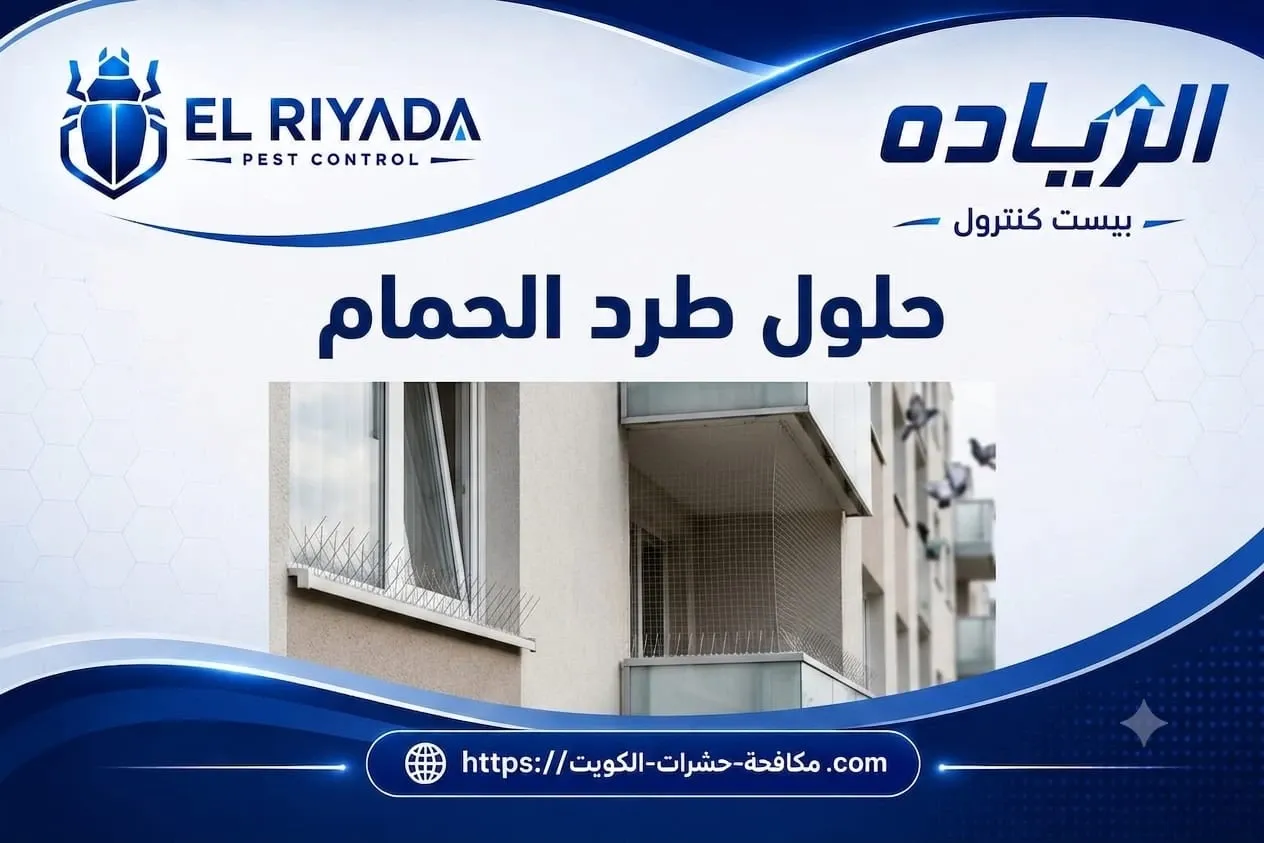
Having pigeons on a building roof does not mean that every situation requires the same solution. The problem may involve repeated perching on a narrow ledge, pigeons entering through a service opening, nesting inside a protected void, or large groups gathering across an extensive rooftop. In each situation, the Best Way to Prevent Pigeons depends on the structure of the property and the way the birds are actually using it. Some locations may be suitable for physical pigeon deterrents or netting, while others require modifications to preferred perching areas or a combination of several exclusion methods. Electronic, visual, and sound-based deterrents should not be selected simply because they appear easy to install without first evaluating whether they are appropriate for the site. This guide compares pigeon control solutions practically and explains the advantages and limitations of each method so that you can choose a system that addresses the actual gathering point instead of simply moving the pigeons to another part of the building.
Pigeon Deterrents vs Electronic Deterrents

A comparison of Pigeon Deterrents vs Electronic Deterrents should begin by understanding the fundamental difference between a method that physically prevents birds from using a particular location and a method that attempts to modify their behavior or make the area less comfortable. Physical exclusion systems such as suitable wires, barriers, spikes, or netting work by preventing pigeons from landing on or accessing specific areas. Electronic, sound-based, and other behavioral deterrents instead depend upon how birds respond to the stimulus being used. That response can vary according to the site and may change over time as pigeons become familiar with their surroundings.
When pigeons use a window ledge, wall, architectural projection, or similar structure every day, physically preventing access to the preferred perching point is generally easier to evaluate than depending entirely on a sound or stimulus intended to persuade the birds to leave. Large open sites require a different assessment because physically covering every part of the property may not be practical. In those circumstances, the priority may be to identify the most attractive areas and select appropriate measures for each one.
One common mistake is purchasing an electronic pigeon deterrent before determining why the birds are strongly attached to the site. If the building provides reliable shelter, established nesting locations, or nearby food, the attractiveness of those conditions may outweigh the deterrent stimulus. Pigeons may also simply move several meters to another untreated part of the same structure.
The decision should therefore not begin with the question, "Which device is strongest?" A much more useful question is, "How are pigeons using this building?" Understanding their actual behavior determines whether a behavioral deterrent is reasonable or whether physical exclusion provides a more suitable solution.
• Physical barriers directly prevent access to specific areas while electronic and sound-based methods depend upon bird responses that may vary considerably between different sites.
• Locations used for nesting or overnight roosting generally require more dependable exclusion measures than areas pigeons visit only briefly during the day.
• When pigeons simply move from one ledge to another after installation, the building-level problem has not been resolved even if the original treated area is successfully protected.
• Electronic devices should not be purchased based solely on advertising claims without evaluating roof design, preferred perching areas, nesting locations, and environmental attractants.
• A better decision begins by mapping where pigeons perch, where they enter, and how they use each area before selecting a system designed to interrupt that specific behavior.
Best Way to Prevent Pigeons
There is no single Best Way to Prevent Pigeons that automatically works for every property because the effectiveness of a solution depends upon how pigeons interact with the building. A bird repeatedly perching on an external air-conditioning unit does not require the same treatment as pigeons entering an open structural cavity. Likewise, a large rooftop containing water tanks, mechanical equipment, pipes, and service structures presents completely different challenges from a building façade containing narrow architectural projections. The correct method must therefore be selected according to the specific problem rather than according to product popularity.
When the objective is to prevent pigeons from landing on a defined ledge, physical wire or barrier systems designed for that purpose may provide an effective solution when properly selected and installed. When pigeons enter an opening or enclosed structural space, netting or properly closing the access point may be more appropriate because the objective is to prevent access to the entire area. Large spaces containing multiple elevations and structures may require several methods working together rather than one universal system.
Maintenance should also be considered before selecting a solution. A system that performs well immediately after installation may gradually lose effectiveness if debris accumulates around it or damaged sections are never repaired. Expected service life, inspection requirements, cleaning accessibility, and compatibility with future maintenance work should therefore influence the decision alongside the initial installation price.
Practical experience with building protection also demonstrates another frequent problem: treating the most obvious perching location while leaving an equally attractive neighboring area unprotected. Pigeons may be prevented from using a wall, for example, only to relocate immediately to nearby air-conditioning equipment. In such cases, the installed deterrent has not necessarily failed. The failure occurred during site assessment because the building was not considered as a complete system.
• Ledges and walls require systems that prevent landing while openings and structural cavities require solutions designed to prevent pigeons from entering the area altogether.
• Roofs containing tanks, equipment, pipes, and multiple projections require comprehensive assessment so pigeons do not simply move from treated locations to nearby unprotected structures.
• Initial installation cost should not be the only consideration because maintenance requirements, service life, and inspection accessibility influence the true long-term cost.
• A successful solution must correspond to the building's design without obstructing access to equipment or creating unnecessary complications for future maintenance.
• Selecting a method after understanding how pigeons use the property is considerably more accurate than purchasing a product first and then attempting to find somewhere to install it.
Ways to Keep Pigeons Off Rooftops
There are several Ways to Keep Pigeons Off Rooftops because a single roof may contain multiple types of attractive locations. Elevated ledges can provide convenient observation and resting points. Areas protected from direct sunlight or wind may become overnight roosting locations. Spaces behind mechanical equipment can provide sheltered nesting areas. Water sources, food remains, and poorly managed waste can make the rooftop even more attractive. Treating the entire roof as one uniform space therefore often leads to an inaccurate or incomplete solution.
The first step should be observing how pigeons are distributed across the rooftop rather than immediately installing deterrents. Where are droppings concentrated? Where can nesting materials be found? Which ledges are used repeatedly? Are there openings allowing birds to enter concealed spaces that cannot easily be seen from outside? Heavy accumulation of droppings in one location may help identify areas where pigeons spend significant periods, while active nesting indicates stronger attachment to the site and may require a different management approach.
The rooftop can then be divided into functional zones. Ledges may require appropriate anti-perching systems. Openings may need netting or structural exclusion. Areas containing food, water, waste, or other attractants require cleaning and correction of the underlying cause. In many properties, combining these procedures produces better results because preventing perching on one ledge does not automatically stop pigeons from entering a separate nesting area.
Work must also be performed carefully to avoid trapping birds inside enclosed spaces. Active nests and young birds should be considered before any access point is closed. The objective is to prevent future access through organized exclusion rather than sealing openings indiscriminately and creating another problem inside the structure.
• Dropping distribution across the roof provides practical evidence of the most frequently used perching locations and helps establish priorities before installation begins.
• Nesting locations require a different assessment from temporary resting points because nesting demonstrates stronger attachment to the property and may require treatment of entry routes.
• Dividing the rooftop into ledges, openings, mechanical areas, service structures, and attractant zones allows more accurate method selection than applying one product across the entire surface.
• Removing food, standing water, waste, and other attractants complements physical exclusion because persistent attractants may encourage pigeons to search for alternative locations on the same roof.
• Enclosed spaces should always be inspected before sealing to avoid trapping birds and to ensure that exclusion work is carried out responsibly and systematically.
Comparing Pigeon Deterrent Methods

When Comparing Pigeon Deterrent Methods, several factors should be considered simultaneously: the type of area requiring protection, the level of pigeon pressure on the property, architectural design, maintenance requirements, final appearance, and the possibility that birds may relocate to a neighboring untreated location. A meaningful comparison should therefore focus not only on product names but on how effectively each system prevents a particular pigeon behavior within the building.
Physical anti-perching systems are generally suitable for ledges, projections, walls, signs, and similar surfaces regularly used by pigeons for landing and resting, provided that installation covers the actual usable perching area correctly. Netting performs a different function. Instead of making a narrow surface unsuitable for landing, it can isolate an entire area and prevent birds from entering it. This may make netting more appropriate for balconies, structural cavities, covered spaces, and other areas where treating a single ledge would not solve the underlying access problem.
Visual, sound-based, and electronic deterrents work differently because they attempt to disturb birds or change their perception of safety. The difficulty is that the effectiveness of some frightening or disturbance-based methods may decline when pigeons become accustomed to a constant stimulus that presents no actual threat. These options should therefore be assessed carefully rather than automatically treated as direct replacements for physical exclusion in locations experiencing persistent activity.
Some solutions modify the design or accessibility of a landing point and can be useful where building owners require a less visible system. Their effectiveness, however, still depends upon accurate installation and complete coverage of the surface pigeons are actually using.
A professional comparison does not need to declare one universal winner. The best system is the one capable of performing the required function with reasonable complexity while remaining compatible with building design, maintenance needs, and long-term management.
• Anti-perching systems are suitable for ledges and projections but cannot solve pigeon entry into a cavity or open space that requires complete exclusion.
• Netting creates a physical barrier around areas that must remain inaccessible to birds but should be designed so that necessary maintenance access remains possible.
• Sound-based, visual, and electronic deterrents require realistic evaluation of pigeon habituation, especially at locations the birds have used consistently for extended periods.
• Modifying landing surfaces can be appropriate for buildings with specific architectural requirements provided that the design does not leave nearby alternative spaces that pigeons can easily use.
• A meaningful comparison includes effectiveness, durability, maintenance requirements, appearance, and lifetime cost rather than focusing exclusively on the purchase price of each method.
Pigeon Control Solutions for Buildings
Pigeon Control Solutions for Buildings vary according to façade design, rooftop structure, property use, and the specific ways birds interact with each location. A residential building containing balconies and external air-conditioning units presents different gathering points from a large warehouse with elevated structural elements. Hotels, office buildings, and commercial properties may also place considerable importance on external appearance in addition to preventing pigeon activity. A professional program should therefore begin with a basic architectural assessment identifying where pigeons perch, where they roost or nest, and how they reach these locations.
Building façades commonly contain ledges, projections, signs, decorative elements, and external equipment that can provide convenient landing areas. Rooftops present a different set of challenges involving tanks, pipes, mechanical equipment, service rooms, and protected corners. Parking structures and warehouses may contain elevated beams and covered structural areas providing relatively sheltered roosting locations. Each of these areas requires a method compatible with its physical design rather than simply extending the same deterrent system throughout the entire property.
Appearance must also be considered. Installing a large and highly visible system on a prominent façade may be unacceptable for certain properties, while lower-profile options may be available where site conditions permit. However, appearance should not completely override effectiveness when pigeon pressure is high and a more robust exclusion method is necessary.
Another frequently overlooked consideration is future access for maintenance workers. Air-conditioning units, lighting systems, signs, tanks, and utility equipment may all require periodic servicing. A successful pigeon deterrent system protects the building without making future maintenance unnecessarily difficult or requiring complete removal every time technicians need access.
• Residential buildings, commercial properties, and warehouses require different designs because pigeon perching and nesting locations vary according to building structure and use.
• Façades require greater attention to visual appearance while rooftops generally demand more detailed consideration of equipment and service structures providing alternative perching locations.
• The selected solution should preserve access to air-conditioning units, tanks, pipes, and utilities so pigeon exclusion does not interfere with routine property maintenance.
• Treating the building one isolated area at a time without a complete assessment may cause repeated pigeon relocation and create additional installation costs later.
• An initial property survey helps establish priorities and determine where different systems should be combined because one method may not be appropriate for every area.
Types of Pigeon Deterrents
There are several Types of Pigeon Deterrents, and they can be practically divided into physical anti-perching systems, behavioral disturbance methods, and exclusion systems designed to isolate complete areas. This classification is more useful than placing every product under one general label because each category works differently and is suitable for a different type of pigeon problem.
Physical systems designed for ledges aim to make preferred landing surfaces unavailable or unsuitable for normal perching. Netting operates at a completely different level because it separates birds from an entire protected space. Other systems may use tensioned wires or low-profile designs suitable for certain ledges when architectural conditions allow their installation.
Behavioral deterrents include devices or methods using sound, visual effects, movement, or other forms of disturbance. These should be treated as tools whose performance depends upon site conditions rather than as guaranteed solutions for every infestation. Pigeons are capable of adapting to familiar environments, which means their response to certain repetitive stimuli may decline over time when those stimuli do not represent an actual threat.
Simple household methods are also widely used, including reflective objects and models intended to resemble predators. Such methods may create temporary effects under certain conditions, but relying on them alone at a property containing established nesting, regular roosting, or reliable food sources is unlikely to address the underlying reason pigeons remain attached to the location.
• Physical anti-perching systems act directly on landing points and can therefore be evaluated relatively easily when pigeon activity is concentrated on a clearly defined ledge or projection.
• Netting belongs to the exclusion category because it prevents access to an entire space instead of attempting to discourage pigeons after they have already entered.
• Low-profile systems may be suitable for visually sensitive façades but their selection must still reflect activity levels and the physical characteristics of the landing area.
• Behavioral deterrents can be affected by habituation and should therefore not be expected to maintain identical effectiveness across every property and over unlimited periods.
• Simple household deterrents may help with limited activity but do not replace properly designed physical exclusion where pigeons regularly nest or roost.
Advantages of Pigeon Deterrents

The Advantages of Pigeon Deterrents become most apparent when the correct system is selected and installed at the appropriate location. One of the principal benefits of physical solutions is that they can prevent pigeon problems without requiring harm to the birds. The objective is to change access to the site so that specific areas become unsuitable for perching, roosting, or nesting. This makes physical exclusion particularly practical when activity is concentrated in clearly identifiable locations that can be protected.
Well-designed systems also provide results that can be observed and measured. If pigeons previously perched on a particular ledge every day and stop using it after installation without relocating to another unprotected area within the same property, the outcome is relatively easy to evaluate. This measurability distinguishes physical barriers from certain frightening methods where long-term bird responses may be more difficult to predict.
Another advantage is the ability to customize the system according to site design. Pigeon deterrent installation should not be identical across every property. Coverage length, deterrent type, positioning, and installation method can be adapted to ledges, projections, mechanical equipment, signs, and other structural features. This allows investment to be directed toward areas genuinely requiring protection rather than unnecessarily covering sections that pigeons do not use.
When suitable materials are selected for outdoor conditions and the system is inspected and maintained when necessary, physical exclusion can also provide a relatively long service life compared with temporary methods requiring frequent reapplication, repositioning, or replacement.
• Physical exclusion prevents pigeons from using specific areas without depending upon killing the birds, making it suitable for management programs based on prevention and exclusion.
• Results can be evaluated by monitoring reductions in perching activity and droppings within protected areas after installation.
• Site-specific design allows treatment to focus on genuine activity points without unnecessarily installing materials across areas pigeons rarely use.
• Systems appropriate for outdoor conditions can provide good service life when professionally installed and inspected or maintained when required.
• Combining deterrents with cleaning and removal of environmental attractants can produce more stable results than installing barriers while leaving surrounding conditions unchanged.
Disadvantages of Pigeon Deterrents
Understanding the Disadvantages of Pigeon Deterrents is just as important as recognizing their benefits because even a good system can produce disappointing results when installed in the wrong location. One major limitation is that a barrier designed for one ledge does not protect an entire building. If attractive alternative perching points remain nearby, pigeons may simply relocate immediately. Customers may then assume that the system failed even though it successfully performed its intended function in the specific area it covered.
Installation quality also has a major influence on performance. Leaving gaps or protecting only part of a ledge may provide enough space for pigeons to continue landing. With netting systems, inadequate tension, weak attachment points, or uncovered side openings can allow birds to continue entering the protected area. Choosing a good product therefore cannot compensate for poor installation.
Maintenance represents another consideration. Debris may accumulate around certain systems, and physical components can become damaged over time. These issues may reduce effectiveness or negatively affect building appearance. Property owners should therefore not assume that every deterrent can simply be installed and forgotten indefinitely.
Electronic and behavioral systems have a different limitation: bird responses may not remain consistent. Pigeons may gradually adapt to certain repeated stimuli when they become a familiar and harmless part of the surrounding environment. Actual results should therefore be monitored instead of assuming that installation automatically guarantees long-term success.
• A deterrent protecting only one location cannot prevent pigeons from relocating nearby, which is why all realistic alternative perching points should be considered before installation.
• Incomplete installation can leave usable gaps that significantly reduce the effectiveness of a system that might otherwise perform successfully.
• Certain systems require periodic inspection and cleaning so that accumulated debris or physical damage does not affect performance or external appearance.
• Behavioral deterrents may lose part of their effect as pigeons become accustomed to repeated stimuli and therefore require genuine performance monitoring.
• Selecting a system according to price alone can create higher long-term costs if the first solution must later be removed or supplemented with a more appropriate method.
Choosing the Best Way to Repel Pigeons
Choosing the Best Way to Repel Pigeons begins with diagnosing how birds actually use the property rather than browsing through a list of available products and selecting the most popular one. Before making a decision, it is necessary to determine whether pigeons use the location for temporary perching, overnight roosting, or established nesting. It is also important to know whether activity is concentrated on one particular ledge or extends across several areas, whether structural openings allow pigeons to enter service spaces or cavities, and whether food or water sources continuously attract birds to the property. Each of these factors can significantly change the appropriate solution.
When the problem consists primarily of regular perching on narrow ledges, an appropriately designed physical anti-perching system may provide the most direct solution. If pigeons are entering a balcony, opening, structural cavity, or another space that can reasonably be isolated, netting may be more appropriate because it prevents access to the entire area. Architecturally sensitive properties may require lower-profile systems, but appearance should never be prioritized to the point where the selected method can no longer perform its intended function.
Long-term cost should also be included in the comparison. The least expensive product at the time of purchase may require frequent replacement, provide incomplete coverage, or fail to address the actual problem, forcing the property owner to install another system later. A solution with a higher initial cost may ultimately provide better value when it protects the correct areas and remains functional for a longer period.
It is equally important not to apply one method throughout the entire building simply because standardized installation is easier. A single rooftop may require an anti-perching system on ledges, netting around an opening, and environmental correction in an area containing attractants. Combining methods in this situation is not unnecessary complication. It is a practical response to different pigeon behaviors occurring in different sections of the property.
• Determine whether pigeons are perching, roosting, or nesting because the strength of their attachment to the location directly influences the type and extent of exclusion required.
• Select barriers according to the physical characteristics of the area requiring protection rather than choosing a product first and attempting to use it in a location for which it was not designed.
• Compare the lifetime cost of each system rather than installation price alone because repairs, replacements, and additional future treatments can make an initially inexpensive option considerably more costly.
• Include architectural appearance among the selection criteria for visible façades while ensuring that aesthetic considerations do not prevent the system from performing its actual function.
• Do not hesitate to combine several systems when a building contains ledges, openings, nesting areas, and other locations requiring different exclusion strategies.
Preventing Pigeons from Perching Permanently
The phrase Preventing Pigeons from Perching Permanently requires realistic interpretation. Effectively protecting a specific location is achievable, but guaranteeing that no pigeon will ever land anywhere on an open building indefinitely is not a professionally realistic promise. The practical objective is to prevent access to targeted areas, reduce the attractiveness of the property, and address alternative locations that pigeons may attempt to use after the original perching points have been protected.
Long-term results begin with complete coverage of the actual perching area. If a deterrent is installed across only half of a ledge while the remaining section stays accessible, pigeons can naturally move to the untreated portion. The same principle applies when a wall is protected while a nearby air-conditioning unit, sign, pipe, roof structure, or architectural projection remains available. A comprehensive survey before installation is therefore what transforms individual deterrent components into an effective building protection program.
Food and water availability also influence how strongly pigeons continue attempting to use a property. If birds regularly find food at or near the site, they are likely to continue searching for alternative places to perch even after their preferred location is blocked. Reducing accidental feeding, improving waste management, repairing leaks, and removing standing water can therefore strengthen the performance of physical exclusion systems.
The property should also be reviewed after installation to determine whether pigeon activity has shifted elsewhere. This is especially important at locations that birds have used for extended periods because they may test neighboring structures before changing their established behavior around the building.
• Long-term prevention means protecting targeted locations comprehensively rather than making unrealistic promises that pigeons will never approach the building again.
• Complete coverage of the perching surface prevents pigeons from exploiting small untreated sections after the most obvious area has been protected.
• Treating nearby ledges, projections, signs, and equipment reduces the likelihood that pigeon activity will simply move several meters and recreate the same problem elsewhere.
• Reducing food, standing water, and waste makes the property less attractive and supports the performance of physical anti-perching systems.
• Post-installation inspection can identify alternative locations selected by pigeons and allow adjustments before those areas develop into established gathering points.
Why Choose Al Reyada Pest Control for Pigeon Control?

Al Reyada Pest Control approaches pigeon problems as issues involving both building design and bird behavior rather than simply treating them as opportunities to install a standard product on every ledge. The selection process therefore begins by identifying active perching areas, overnight roosting locations, nesting zones, structural entry points, and environmental attractants. The appropriate method can then be selected according to the function and physical design of each location.
This approach is important because pigeon deterrent effectiveness depends heavily upon where and how a system is installed. A particular anti-perching system may perform extremely well on a suitable ledge while providing little value when used around an opening that actually requires complete netting or structural exclusion. Evaluating the property before installation helps prevent customers from paying for systems that do not correspond to the underlying problem.
The assessment also considers where pigeons may relocate after a preferred location is blocked. Instead of examining only the ledge containing the largest accumulation of droppings, nearby projections, mechanical equipment, signs, walls, and other potential alternatives should also be considered. This reduces the risk of customers requiring another installation shortly afterward because the birds simply moved to the opposite side of the building.
A practical pigeon management plan should additionally consider maintenance requirements, visual appearance, and accessibility to building equipment. An exclusion system should not prevent technicians from servicing air-conditioning equipment, lighting, tanks, signs, or other essential systems. The objective is to protect the property using a solution designed around the building rather than simply installing the largest possible amount of deterrent material.
• System selection begins by evaluating how pigeons use the property so that treatment can focus on genuine activity areas rather than sections requiring no intervention.
• Different methods can be selected for ledges, structural openings, nesting areas, and other locations when the nature of pigeon activity varies across the property.
• Evaluating alternative perching locations reduces the possibility that pigeons will immediately relocate to a neighboring untreated area after the primary location is protected.
• Building appearance and access to maintenance equipment are considered so that the pigeon control system remains compatible with normal property operations.
• Combining accurate assessment, appropriate installation, and preventive measures provides better long-term value than purchasing a random deterrent and later discovering that it does not match the original problem.
Conclusion
There is no single answer for every property owner asking: Pigeon Deterrents or Other Pigeon Prevention Methods? The correct solution depends upon how pigeons use the property and the physical characteristics of the area requiring protection. Ledges may be suitable for physical anti-perching systems, while openings and accessible enclosed spaces may require netting or another form of exclusion. Electronic, sound-based, and visual deterrents should be evaluated according to site conditions rather than automatically treated as guaranteed replacements for physical barriers.
Cleaning the property, reducing food and water sources, examining alternative perching locations, and planning for maintenance are also essential components of a complete program. The best decision is not necessarily purchasing the most widely advertised product. It is understanding the problem first and then selecting a method capable of preventing the specific pigeon behavior with reasonable complexity, suitable appearance, and sustainable long-term cost.
Frequently Asked Questions
Which is better: physical or electronic pigeon deterrents?
The answer depends upon the nature of the problem. Physical barriers directly prevent access to a specific location, while electronic systems depend upon how pigeons respond to the stimulus being used. Their effectiveness can therefore vary between properties and may change over time.
What is the best way to stop pigeons perching on ledges?
An appropriately designed physical system can be used to make the ledge unsuitable for landing. However, the complete usable perching area should be protected, and neighboring ledges, signs, equipment, and projections should be evaluated because pigeons may relocate to them.
When is pigeon netting better than ledge deterrents?
Netting is generally more appropriate when the objective is to prevent pigeons from entering an entire space such as a structural opening, cavity, balcony, or other area that can be isolated. Ledge systems are primarily designed to prevent birds from perching on relatively narrow surfaces.
Can pigeons be permanently prevented from perching?
Targeted areas can be protected very effectively when the correct system is selected and professionally installed. However, absolute guarantees regarding every part of an open building should be avoided because pigeons may attempt to use other unprotected locations.
Why choose Al Reyada Pest Control for pigeon deterrents?
Al Reyada Pest Control evaluates perching areas, nesting locations, entry points, and potential relocation sites before selecting an appropriate solution for each section of the property. This approach focuses on matching the system to the actual problem rather than installing one standardized deterrent throughout the entire building.