
When searching for the Cost of Pigeon Deterrents in Kuwait, getting an accurate price from a single question is not always possible because deterrent installation is not necessarily priced according to the length of the area alone. Ten meters installed on a low wall with easy access can be completely different from the same ten meters on an elevated building facade that requires more complicated access and installation. The final cost can also be affected by the type of deterrent system, installation method, condition of the surface, and number of areas that require protection. This guide explains how installation costs are calculated in practice, the difference between a per-meter price and the total project cost, and what should be included in a quotation before choosing a pigeon deterrent installation company.
Cost of Pigeon Deterrents in Kuwait

Determining the Cost of Pigeon Deterrents in Kuwait begins by understanding that the customer is not simply purchasing a standalone product. The customer is paying for a system that must be selected and installed according to the specific area where pigeons are landing or roosting. Comparing quotations only according to a per-meter figure can therefore be misleading when one quotation includes the deterrent, installation, and surface preparation while another lists only the material price and adds installation costs later. The price that really matters to the property owner is the cost of achieving appropriate protection for the site rather than the lowest number written beside the word "meter."
The first factor is the size of the area requiring protection. A small balcony is different from an entire rooftop or a facade containing numerous ledges and projections. However, a greater number of meters does not necessarily mean that the cost of each meter will remain exactly the same. Some projects include basic access and preparation costs that are distributed across the overall project. As a result, the per-meter cost of a small project can differ from that of a larger project even when the same deterrent system is being installed.
The second factor is the installation location. Installing a deterrent on a low wall or accessible ledge is different from working on an elevated facade or in a location requiring appropriate access arrangements. Height and difficulty of movement around the work area can influence the time and equipment required for installation and therefore affect the overall cost.
The third factor is the type of deterrent system. The term "pigeon deterrent" can refer to more than one solution depending on site conditions, including pigeon spikes, netting in suitable areas, and other physical exclusion methods. The problem should therefore be identified before the solution is priced. Are pigeons landing on a narrow ledge? Are they entering an opening or enclosed space? Is the area requiring protection large and open? The answer can change the type of system and consequently the project cost.
Surface condition can also influence pricing. A clean, even surface that is ready for installation is different from a location that requires cleaning or preparation before the deterrent can be installed. Ignoring this factor during the initial quotation may result in additional costs becoming necessary during the work.
For this reason, the best quotation is not necessarily the one with the lowest number. It is the quotation that clearly identifies the area, deterrent type, installation method, and services included in the price. Once these elements are stated clearly, customers can compare companies fairly instead of comparing figures that represent different levels of service.
• The project quotation should clarify whether the price includes the deterrent material, installation, and required preparation because comparing a material-only price with a complete installation service does not provide an accurate comparison.
• The protected area affects the total cost, but the per-meter price may vary between small and large projects because preparation, access, and implementation requirements are not identical in every situation.
• The height of the installation area and difficulty of reaching it can increase the cost even when the total number of meters requiring protection is relatively limited.
• The type of deterrent should be selected according to how pigeons use the location because ledges, entry openings, and larger open spaces do not necessarily require the same solution.
• A clear quotation identifies the scope of work, type of system, and installation method before work begins so the customer understands exactly what is included in the price.
Pigeon Deterrent Installation Prices
Pigeon Deterrent Installation Prices vary because the word "installation" itself includes more details than the customer can see after the work has been completed. The process can include measuring the site, selecting an appropriate system, preparing installation areas, determining a suitable attachment method, and carrying out the actual installation. These steps may be relatively straightforward in one property and considerably more complicated in another. As a result, two companies using similar materials can provide different prices because their service scope and implementation requirements are different.
When requesting a price by phone, it may be possible to obtain an initial estimate if you provide clear information about the location. Approximate dimensions, installation height, surface type, and clear photographs can all help produce a more useful estimate. However, the final cost becomes more accurate when the actual implementation requirements are understood. Asking a company only, "How much is the meter?" without explaining where that meter is located is like asking a contractor how much a wall costs without mentioning whether the wall is on the ground floor or hanging somewhere beside the clouds. The meter is important, but it is definitely not the whole story.
For straightforward projects, calculation may be relatively simple because the area requiring protection is uniform and easy to access. Facades containing multiple projections, air-conditioning units, separate ledges, or other architectural details require a different approach. Every area that pigeons can actually use may need to be measured rather than simply calculating the overall width of the facade.
It is also important to know whether the quotation includes preparation of the installation area. Existing debris or pigeon droppings on the work surface may require appropriate cleaning before the deterrent system is installed. Installing a system on an unsuitable or unprepared surface can affect the quality of the work, so customers should establish in advance whether preparation is included in the service.
Material quality and installation method should also be included in the comparison. It is not reasonable to compare two quotations simply because both contain the words "pigeon deterrent" without understanding the specifications of the system, coverage provided, and installation approach. Differences in these details can explain a significant part of the price difference between companies.
The better approach is to request a quotation that clearly states the total price and what is included, then use the per-meter figure as a way of understanding the calculation rather than the only criterion for choosing a company. This reduces the likelihood of selecting a quotation that appears inexpensive initially but becomes more expensive when additional items are added during the project.
• A telephone estimate becomes more useful when approximate measurements, photographs, and the installation height are provided instead of requesting a general figure without explaining the conditions of the project.
• Facades with numerous ledges and projections require measurement of the areas pigeons actually use because the overall width of the building does not always represent the amount of deterrent required.
• Customers should establish whether cleaning and preparation of the installation area are included because surface condition can influence the amount of work required before installation begins.
• Comparing companies requires understanding the system specifications, attachment method, and coverage rather than comparing only the service name and final price.
• A clear total project price is more useful than a low per-meter figure when additional costs may otherwise appear later during implementation.
Pigeon Deterrent Price Per Meter
The Pigeon Deterrent Price Per Meter is one of the most common questions customers ask before installation, and it is a reasonable question because it provides a simple unit for comparison. However, the figure becomes genuinely useful only when we understand what a "meter" represents within the project. Is it one linear meter of spikes installed along a single ledge? Is the ledge wide enough to require more than one coverage line? Are there several separate sections that require individual preparation? Does the stated price include installation or only the material? These details mean that the per-meter figure alone cannot determine the complete project cost.
For example, one location may contain a ten-meter ledge with a limited width that can be covered appropriately using the selected system. Another location may also contain a ten-meter ledge, but the landing area may be wider or divided into different levels. The amount of material and the distribution method can therefore be different even though the measured "length" is exactly the same. This demonstrates the difference between properly measuring the installation area and simply multiplying a fixed number by the number of meters.
Small projects may also involve a practical minimum cost because transportation, tool preparation, and technician time are required regardless of the amount of deterrent material used. Protecting two meters therefore does not necessarily mean that the total cost will always equal an advertised per-meter price multiplied by two. Some implementation expenses are associated with the project itself rather than directly with the length of the installed material.
Larger projects may sometimes allow basic preparation costs to be distributed across a greater number of meters. However, this depends on the location and should not be treated as a universal rule or as a guarantee that the per-meter cost will always decrease whenever the protected area becomes larger.
Installation height can change the calculation as well. One meter of deterrent installed on an accessible low wall does not necessarily involve the same implementation requirements as one meter installed on an elevated facade requiring additional access preparation. The location of each meter should therefore be part of the pricing discussion rather than considering length alone.
When comparing the Pigeon Deterrent Price Per Meter between companies, ask exactly what the figure includes: the type of material, installation method, preparation, and whether elevated locations involve separate costs. These simple questions prevent customers from comparing one "meter" with another when the actual services included are completely different.
• A linear meter alone does not reveal the amount of deterrent required because the width of the landing surface and the number of coverage lines can change the quantity of material needed over exactly the same length.
• Small projects may include basic transportation, preparation, and implementation costs, so the total price is not always calculated by simply multiplying the number of meters by one fixed figure.
• Larger areas may allow some basic project costs to be distributed across more meters, but this depends on the nature and complexity of the project and should not be treated as a fixed pricing rule.
• A meter installed on an easily accessible ledge does not necessarily cost the same to implement as a meter on an elevated facade because access requirements and working time may be substantially different.
• Before comparing per-meter prices between two companies, customers should confirm that both prices include similar materials, installation, preparation, and access requirements so the comparison is genuinely fair.
Pigeon Spike Installation Cost
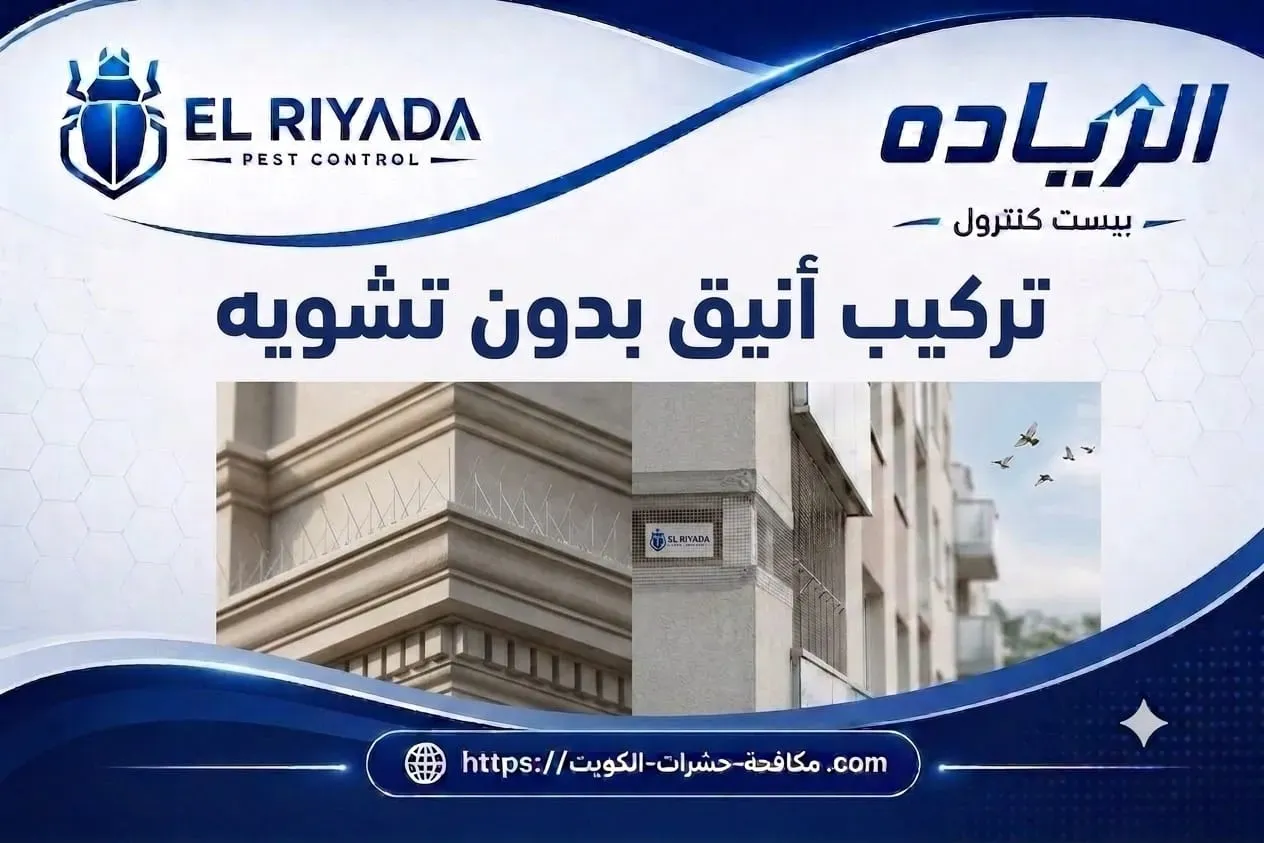
The Pigeon Spike Installation Cost is determined by the actual landing area, the shape and width of the ledges, the number of coverage rows required, accessibility, and the condition of the installation surface before work begins. Knowing the length of a ledge alone is therefore not enough to calculate an accurate cost. One narrow ledge may require relatively limited coverage, while another ledge of exactly the same length may be wide enough for pigeons to continue landing behind the first row if the spikes are not distributed appropriately. In the second situation, additional materials and installation work may be necessary even though the linear measurement is identical.
Before calculating the cost, the areas pigeons actually use should be identified. Droppings, repeated landing activity, previous nesting locations, and access patterns can help determine the practical scope of the project. The objective should not be to install pigeon spikes everywhere simply to increase the number of billable meters. The purpose is to protect the landing locations that genuinely require intervention using a system and distribution appropriate for the building.
The condition of the installation area can also affect the amount of work required. Dust, pigeon droppings, old residues, or other contamination on ledges may mean that appropriate surface preparation is required before the deterrent system can be installed. Preparation is not simply a cosmetic detail because the selected attachment method requires a surface suitable for the particular installation system. Customers should therefore establish whether preparation of installation areas is included in the quotation or calculated separately.
Cost can also change when the protected ledges are distributed across numerous locations instead of forming one continuous line. Twenty meters of accessible continuous wall can involve very different implementation requirements from twenty meters divided among windows, projections, external units, and separate ledges. Moving repeatedly between installation points, taking measurements, preparing surfaces, and completing individual sections can increase working time even when the total number of meters remains the same.
Material type and specifications should also form part of the pricing calculation. Customers should not assume that every pigeon spike system is an identical product. It is better to understand the system that will be used and whether it is suitable for the area requiring protection rather than choosing the lowest quotation without knowing what materials and coverage are included.
Pigeon spikes should also not become an automatic solution for every pigeon problem. If birds are entering a large opening, sheltered cavity, or other space rather than simply landing on a ledge, another exclusion method may be more appropriate. Installing large quantities of an unsuitable system can make the project more expensive without producing the intended result.
• The quotation for pigeon spikes should consider the width of each ledge and the number of coverage rows required rather than relying only on linear length because the usable landing surface determines how much protection is actually needed.
• Installation areas distributed across windows, projections, and separate ledges can require more working time than one continuous line even when the total linear measurement is identical.
• Surface preparation should be clearly addressed in the quotation so the customer does not discover during installation that additional work is required before the deterrent system can be properly installed.
• Spike specifications and attachment methods form part of the value of the service, so price comparisons are not accurate when materials or implementation scopes differ between quotations.
• Pigeon spikes should be selected only after confirming that they are appropriate for the way pigeons are using the location because installing an unsuitable system may increase costs without addressing the actual problem.
Cost of Protecting Rooftops From Pigeons
The Cost of Protecting Rooftops From Pigeons cannot be calculated simply from the total square-meter area of a rooftop because pigeons do not necessarily use every part of the roof in the same way. In many properties, the problem is concentrated on specific ledges, walls, equipment areas, or locations protected from direct sun and wind. A proper quotation therefore begins by identifying the locations where pigeons actually land, rest, or nest instead of automatically converting the entire rooftop area into an installation area.
For example, a building may have a very large rooftop while pigeon activity is concentrated around only a limited group of ledges and projections. In this situation, the actual protection scope can be considerably smaller than the total rooftop area. Another property may have a smaller rooftop but contain numerous installations, ledges, and structures that provide many suitable landing locations. The amount of work can therefore be greater even though the total rooftop area is smaller. Photographs, site inspection, and actual measurements provide much more useful information than the size of the property alone.
It is also important to distinguish between preventing pigeons from landing and preventing pigeons from entering. If the problem involves birds resting on exposed ledges, the protection system can be designed specifically for those locations. If pigeons are entering a covered section, opening, or protected space on the rooftop, a different solution may be required. The pricing method changes because the materials, installation technique, and coverage requirements are no longer the same.
Existing rooftop equipment can influence implementation as well. Water tanks, air-conditioning units, pipes, cables, and other installations may divide the work into separate sections or make certain locations more difficult to access. A company that provides a quotation based only on rooftop area without asking about these conditions may give an initial figure that requires substantial adjustment once the actual site is inspected.
The level of contamination caused by pigeons should also be assessed before installation. If the work areas contain accumulated droppings or debris that require appropriate preparation before the protection system is installed, customers should know whether this work is included in the quotation or calculated separately. Clear separation of these items helps establish the real project cost instead of presenting a low initial price followed by a series of additions.
From an economic perspective, the best solution is not necessarily to protect every centimeter of the rooftop. It is to identify the influential locations and select an appropriate system for those specific areas. This approach reduces unnecessary expenditure and connects the project budget directly to the actual pigeon problem.
• Total rooftop area is not the only basis for pricing because pigeons may use only specific ledges and projections while large sections of the roof have little or no connection to the problem.
• Distinguishing between preventing landing and preventing entry is essential because each objective may require a different deterrent or exclusion system and therefore a different project cost.
• Water tanks, air-conditioning equipment, pipes, and other rooftop installations can affect accessibility and the distribution of work areas, which may influence implementation time and cost.
• Cleaning and preparing installation locations when necessary should appear clearly within the scope of service so the customer understands the complete project cost before installation begins.
• A carefully designed protection plan targets locations that pigeons actually use instead of unnecessarily increasing the number of installed meters, making expenditure more closely connected to the desired result.
Cost of Preventing Pigeons From Landing
The Cost of Preventing Pigeons From Landing depends on a slightly different question from simply asking how much a deterrent product costs: how many locations need to be modified so that the targeted ledges are no longer suitable landing areas for pigeons? This distinction matters because the customer ultimately does not want a collection of spikes or other devices attached to the building. The actual objective is to reduce pigeon use of particular areas where droppings, noise, repeated roosting, or nesting are creating a problem.
The first step is to identify the landing pattern. Pigeons may repeatedly use one long wall or ledge, or they may prefer several smaller projections that provide more sheltered resting locations. In the first situation, installation may be relatively uniform and continuous. In the second, technicians need to work across multiple separate points. This explains why total linear length alone cannot always determine the final cost.
The actual width of the landing area is equally important. If one row of deterrent is installed along the front of a wide ledge while enough usable space remains behind it, pigeons may simply move to the unprotected section. The lower initial bill would not represent genuine savings because the system would not adequately cover the required area. A well-prepared quotation calculates the coverage the location needs rather than the smallest amount of material that can physically be installed.
Nearby alternative landing areas should also be evaluated. When one ledge is protected while another similar ledge is available immediately beside it, pigeon activity may shift rather than disappear. This does not mean that every part of the building must automatically be covered. However, assessing nearby alternatives helps the customer understand the limits of the project and the realistic outcome that can be expected from the selected scope.
Height and accessibility again become important cost factors. Protecting an internal balcony wall can involve very different working conditions from protecting an elevated exterior projection. The cost of preventing pigeons from landing therefore includes implementing the solution in its actual location rather than only the purchase price of the deterrent material.
The expected service life of the system and quality of installation should also be considered when comparing quotations. The cheapest option can become considerably more expensive if sections of the work need to be repeated because the selected system was inappropriate or the installation was poor. A useful economic comparison therefore asks not only, "How much will I pay today?" but also, "What level and scope of protection will I receive for that amount?"
• Identifying actual pigeon landing locations before pricing prevents materials from being installed in areas that pigeons do not use and helps direct the available budget toward locations most closely connected to the problem.
• Wide ledges require appropriate coverage calculations because protecting only a small part of the surface can leave another section available for pigeons to use after installation.
• Evaluating nearby alternative ledges helps anticipate possible movement of pigeon activity and allows the customer to understand the actual scope of protection instead of assuming that treating one location automatically protects the entire building.
• Difficulty of reaching the landing area forms part of the implementation cost because the material price alone does not reflect the time and access requirements involved in elevated installation locations.
• Comparing quotations according to protection scope and installation quality is more useful than choosing the lowest initial bill when the cheaper solution does not adequately cover the pigeon landing areas.
Pigeon Deterrent Installation Company Prices
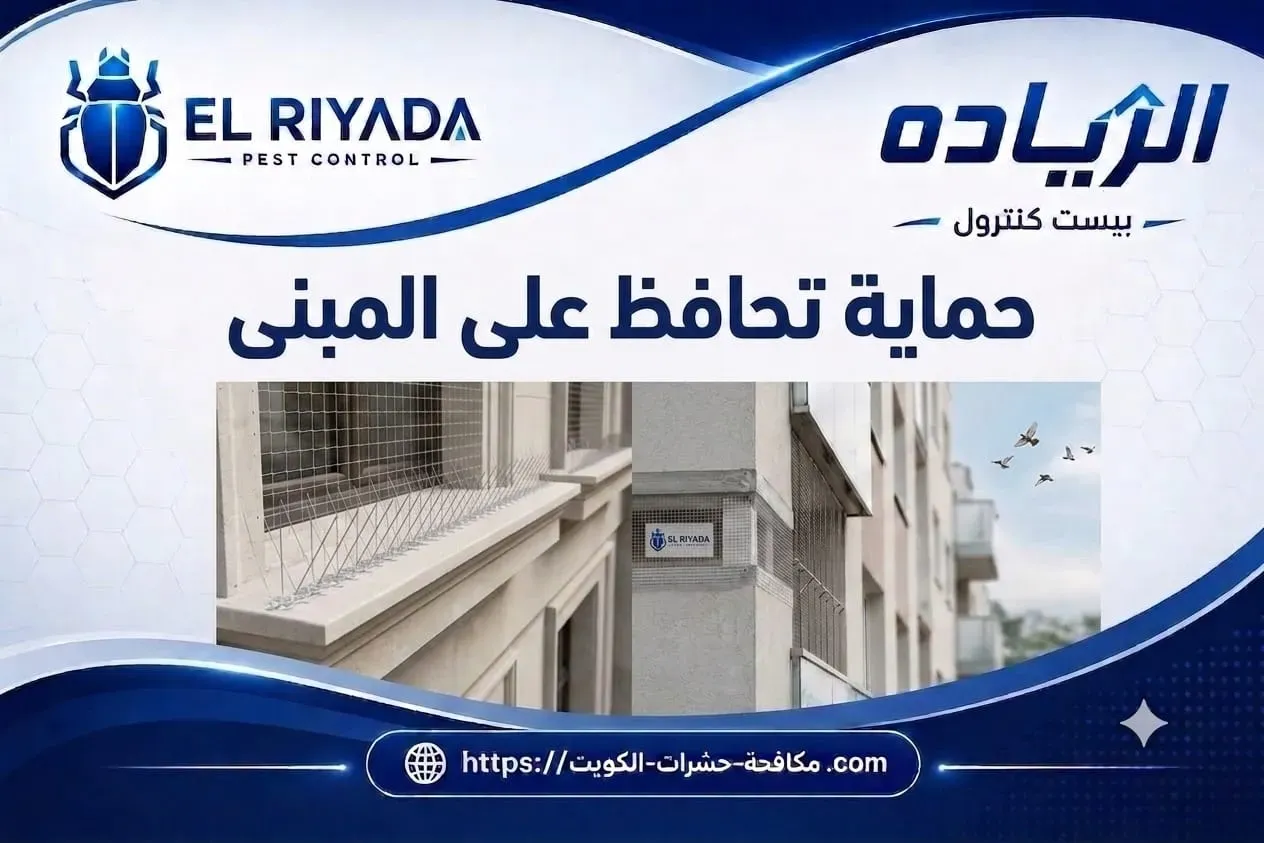
Pigeon Deterrent Installation Company Prices vary because companies do not necessarily price exactly the same service even when they use the same service name in their quotations. One company may calculate the deterrent system, installation, and preparation within a single amount, while another may advertise a lower price for the material or per meter and then add access, cleaning, attachment, or elevated-location charges separately. Comparing the final numbers before standardizing what each quotation includes can therefore be misleading. What matters is understanding exactly what you receive for the quoted price rather than simply identifying which company has written the smallest number.
The first element to compare is the scope of work. A quotation should identify the areas where the deterrent will be installed, approximate measurements, the proposed system, and whether any sections are excluded. These details reduce the possibility of disagreement later regarding what the customer expected to be protected and what the company actually intended to cover.
System specifications come next. Writing "pigeon deterrent installation" in a quotation is not enough because the description covers several possible solutions. Customers should understand the proposed system and whether it is suitable for ledges, facades, rooftops, or the particular area from which pigeons need to be excluded. When companies are proposing different systems, comparing their prices alone does not provide a fair assessment.
Access costs are equally important. A ground-level or low-height project differs from a facade requiring appropriate access arrangements. The effect of height should therefore be reflected in the quotation as clearly as possible from the beginning instead of presenting an attractive initial figure that changes substantially once the installation team arrives.
Customers should also ask about preparation of the work area. If ledges contain accumulated pigeon droppings or other contamination that needs to be addressed before installation, the quotation should clarify whether this work is included. The same applies to any additional preparation required to make the surface suitable for the selected attachment method.
A quotation containing a clear total is also more useful than leaving the customer to calculate several separate figures. The per-meter price can help explain how the calculation was constructed, but the total project cost is the number needed to make a purchasing decision. If certain items depend on final site assessment, those conditions should be identified in advance.
The most suitable company is therefore not necessarily the one that sends the lowest figure in the fastest WhatsApp message. A better choice is a company that can explain how the price was calculated, what will be installed, where it will be installed, and which conditions could change the cost. This level of transparency allows the customer to compare services before paying rather than discovering important differences after the project has started.
• Compare the scope of work before comparing prices because a quotation that includes installation and preparation cannot be directly compared with another that lists only the deterrent material and adds essential services later.
• The quotation should identify the type of system and the areas included in the protection scope so the customer can confirm that the companies being compared are actually proposing similar solutions.
• Access costs for facades and elevated locations should be clearly considered because implementation requirements can differ substantially from projects in easily accessible areas.
• Knowing whether cleaning and preparation of installation areas are included helps prevent unexpected charges from appearing after the customer has already selected a company.
• A detailed total project cost provides a more realistic financial picture than an advertisement showing a low per-meter price without explaining the conditions under which that figure applies.
Pigeon Deterrent Installation Offers in Kuwait
Pigeon Deterrent Installation Offers in Kuwait can provide a useful opportunity to reduce project costs, but the word "offer" alone does not automatically mean that the deal provides better value. A genuine discount should be measured against a clearly specified service rather than a reduced basic price from which essential items have been removed. Customers should therefore examine the details of an offer with the same level of attention they give to the large discount figure displayed in the advertisement.
One useful form of offer may relate to project size. When several areas within the same property require protection, the implementation calculation may differ from arranging separate visits for each area at different times. Having the installation team and required equipment at the site once may affect certain project costs, although the amount depends on the company and the conditions of the property. Customers should not assume that every large project automatically receives a fixed percentage discount.
Some offers may also apply to specific deterrent systems. In this situation, it is essential to confirm that the discounted system is actually suitable for the problem. Purchasing a solution at a reduced price does not represent a saving if pigeons can continue using the location because the selected deterrent does not match the way they are landing, roosting, or entering the area.
When an offer is based on a per-meter price, check whether a minimum quantity applies and whether installation is included. Some promotional figures may apply only to particular project sizes or implementation conditions. Applying the same advertised figure to a very small project or an elevated facade may therefore be unrealistic.
It is also important to ask whether certain locations are excluded. Does the offer apply only to rooftops? Are elevated facades calculated separately? Is preparation of the installation area included? These questions turn a promotional discount into something that can actually be measured rather than leaving it as a marketing statement.
Customers should not allow a limited-time offer to push them into installing a system before the property has been properly evaluated. A pigeon deterrent is a physical solution that remains attached to the building, so selecting the correct location and installation method is more important than obtaining a quick discount. Saving a small amount today but having to repeat the work later does not represent genuine economy.
The better approach is to use promotional offers only after obtaining a clear scope of work and then compare the discounted price with the normal price of an equivalent service. This makes it possible to determine whether the customer is genuinely receiving additional value or whether the word "offer" is doing more work than the discount itself.
• A useful offer identifies the service, materials, and protection scope before presenting the discount so the customer can understand exactly what value is being provided at the reduced price.
• Protecting several areas during the same project may influence certain implementation costs, but this depends on site conditions and should not be interpreted as a guaranteed fixed discount for every larger project.
• Do not select a deterrent system simply because it is discounted because suitability for the way pigeons use the location is more important than a reduction in the material price.
• Promotional per-meter prices may be connected to minimum quantities or specific installation conditions, so the terms should be understood before calculating the project budget according to the advertised figure.
• A genuine discount should compare equivalent services with similar materials and scopes rather than a reduced price for a limited service against the full price of a quotation containing additional essential work.
Pigeon Deterrent Cost for Building Facades
The Pigeon Deterrent Cost for Building Facades can differ considerably from many rooftop or easily accessible ledge projects because a facade adds an essential element to the calculation: how technicians can safely reach the required installation points. The area requiring protection may be relatively small, yet its position high on the building can make preparation and implementation very different from a larger area that technicians can access easily.
The first step is to identify which parts of the facade pigeons actually use. Architectural projections, window ledges, signs, and certain exterior fixtures may become regular landing locations. Measuring the complete width of the facade therefore does not necessarily indicate how much deterrent material is required. The relevant calculation involves identifying the targeted ledges, measuring their length and width, and determining how easily each area can be reached.
Architectural design can also affect cost. A straight facade containing one clear line of projections is different from a facade with numerous details, levels, and separate landing surfaces. In the second situation, the installation team may need to move between separate work points and perform multiple measurements, preparations, and attachments. This can increase working time even when the quantity of deterrent material itself is not particularly large.
The method of access is another major consideration. A specific access method should not be assumed before the property has been assessed because buildings vary in height, surrounding space, and location of the required work areas. The company therefore needs sufficient information about the facade to determine appropriate implementation requirements and include them in the quotation.
Preserving the appearance of the facade can also be an important consideration. The system and its distribution should balance effective coverage of pigeon landing areas with avoiding unnecessary installation. This becomes particularly relevant for commercial facades or buildings where exterior appearance forms an important part of the property's presentation.
Customers should also understand that protecting one facade does not necessarily eliminate all pigeon activity around an entire building. If other suitable areas remain available on the rooftop, side elevations, external equipment, or additional ledges, pigeons may shift their activity. The project scope should therefore be defined clearly so the customer does not expect protection of one facade to automatically produce a building-wide result.
Facade pricing consequently benefits from photographs, measurements, height information, and sometimes a more detailed assessment rather than a simple question about the cost per meter. The clearer the information concerning height, ledges, architectural design, and accessibility, the closer an initial estimate can be to the actual implementation cost.
• Facade costs are influenced by height and access requirements even when the quantity of deterrent material is limited because part of the project cost relates to reaching and working at the actual installation locations.
• Measuring the ledges and projections pigeons actually use is more accurate than relying on the total width of the facade because architectural area does not necessarily equal the area requiring protection.
• Multiple facade levels and separate installation points can increase implementation time compared with a regular facade containing one continuous and easily accessible work line.
• System distribution should provide the necessary protection without adding unnecessary components, particularly when maintaining the visual appearance of the building is important.
• Clearly defining project boundaries is essential because protecting the targeted facade does not automatically mean that rooftops, side ledges, and every other pigeon landing location around the property are included.
Factors Affecting Pigeon Deterrent Installation Cost
The Factors Affecting Pigeon Deterrent Installation Cost can be summarized as several interconnected elements, but the mistake is to consider each one separately. Protected area, system type, installation height, surface condition, accessibility, and attachment method all combine to determine the final project cost. Two projects can therefore contain exactly the same number of linear meters and still have noticeably different prices because their implementation conditions are completely different.
The actual protection area comes first. This means the length and width of the ledges and landing areas that pigeons use and that the deterrent system needs to cover, rather than the overall size of the building. Correct measurement prevents unnecessary material from being purchased while also avoiding insufficient coverage that leaves usable landing spaces.
The type of solution is the next factor. Pigeon spikes are suitable for certain types of ledges, while openings, cavities, and other spaces may require different exclusion solutions. Every system has its own materials, installation requirements, and appropriate applications. The cost therefore changes when the selected solution changes even when the dimensions of the site remain the same.
Height and accessibility affect cost independently of material quantity. Working in an elevated or difficult-to-reach area can require different preparation and more implementation time than installing a deterrent on an accessible low wall. An advertised universal price for every meter therefore does not always reflect the real cost of completing the work.
Surface condition also forms part of the calculation. A clean area that is ready for installation differs from a ledge requiring preparation before work begins. When there is contamination associated with pigeon activity, customers should establish how the area will be handled and whether the necessary preparation is included in the service.
The complexity of the protection layout influences working time as well. Fifty meters arranged in one straight line are not necessarily equivalent to fifty meters divided across dozens of windows and projections. Material quantities may be similar, but working hours and movement between installation points can differ considerably.
Finally, the quotation itself must be examined. Does the price include materials, labor, access, and preparation? Are there additional items? Are any locations excluded from the calculation? These questions are part of understanding the true cost rather than unnecessary administrative details.
The best way to obtain a realistic estimate is to provide clear photographs, approximate measurements, and information about the installation height before arranging a more detailed assessment when necessary. The less information available to the company, the greater the likelihood that the first figure will only be a broad estimate that may change once actual site conditions are understood.
• The area used for pricing should represent the ledges and actual pigeon landing locations requiring protection rather than the total size of the property, so measurements should reflect how the site is genuinely being used.
• System type affects the price because pigeon spikes and other physical exclusion solutions are not installed in the same way and do not require identical materials or implementation steps.
• Height and difficulty of access can have a significant influence on project cost even when the total length requiring protection is relatively small.
• Surface condition before installation determines whether work can begin immediately or whether additional preparation is required and should therefore be included within the project scope.
• Distributing the same number of meters across numerous separate installation points may increase working time compared with one continuous and easily accessible line.
• A quotation that clearly identifies materials, installation, preparation, access requirements, and exclusions makes the final price easier to compare and reduces the likelihood of unexpected additional expenses.
Why Choose Al Reyada for Pigeon Deterrent Installation?

When choosing a pigeon deterrent installation company, the only question should not be, "How much does it cost per meter?" A low figure means very little when it is unclear what will actually be installed, where the system will be placed, and how the installation will be completed. What makes Al Reyada Pest Control a suitable option is the approach of treating the project as a site-specific pigeon problem that requires identification of actual landing areas, selection of an appropriate protection system, and calculation of the implementation scope instead of starting with one fixed price and attempting to apply it to every building regardless of its design.
A proper assessment begins by identifying the locations pigeons actually use. The problem may be concentrated on one rooftop ledge, a group of window projections, or several architectural features on a facade, while large areas of the property may not require any deterrent installation at all. Identifying these locations before calculating the project helps direct the budget toward the areas that actually influence the problem instead of increasing the number of meters without providing a clear practical benefit.
The next step is selecting the appropriate system. If pigeons are landing on ledges suitable for spikes, the required coverage can be assessed according to the width and characteristics of those surfaces. If birds are entering an opening or protected space, treating the problem in exactly the same way may not be appropriate. This distinction matters because selecting the correct solution from the beginning can prevent the customer from paying for a system that does not match the actual nature of the pigeon activity.
Al Reyada Pest Control can also build the quotation around implementation details that genuinely influence cost, including measurements, work location, installation height, accessibility, surface condition, and any preparation required before installation. This provides a more meaningful basis for comparison than advertising one per-meter figure without explaining the circumstances under which that price applies.
The importance of experience becomes even clearer on facades and elevated installation locations. The quantity of material may be limited, while reaching the required work points can represent a significant part of the project. A realistic assessment therefore considers implementation and access requirements from the beginning rather than introducing them as unexpected expenses after the customer has already agreed to the work.
The objective should also not be to install the largest possible amount of deterrent material. A properly designed project focuses on the ledges and locations that genuinely require protection and clearly defines the agreed scope for the customer. If other nearby areas could remain available for pigeon activity, this should be explained so expectations remain realistic.
The value of the service therefore comes from transparent pricing connected to actual building conditions, selection of an appropriate deterrent system, and implementation of the required coverage. When customers understand the number of targeted locations, the nature of the proposed solution, and exactly what the quotation includes, they can compare companies according to the actual service rather than a number separated from the details of the project.
• The assessment begins by identifying actual pigeon landing and entry locations so the amount of deterrent can be calculated according to the existing problem instead of increasing the number of meters on areas that do not require protection.
• The exclusion system should be selected according to the way pigeons use the site because a ledge used for landing has different protection requirements from an opening or enclosed space that birds are entering.
• Measurements, installation height, accessibility, surface condition, and preparation requirements should be included in pricing so the quotation reflects the actual scope of implementation rather than the material cost alone.
• Elevated locations and facades require access and implementation requirements to be considered separately from the quantity of deterrent material because working difficulty can significantly affect the overall project cost.
• Clearly identifying what is included and excluded from the quotation helps customers compare companies on the same basis and reduces the likelihood of unexpected additions appearing after installation begins.
• Focusing on the required coverage rather than the largest possible quantity of material keeps the project budget connected to solving the pigeon landing problem instead of simply increasing the size of the installation.
Conclusion
Determining the Cost of Pigeon Deterrents in Kuwait accurately requires more information than the total number of meters. The size and width of the ledges, type of deterrent system, installation height, accessibility, surface condition, and distribution of individual work points can all affect the final cost, even when two projects initially appear very similar.
For this reason, the Pigeon Deterrent Price Per Meter should be used as one part of the calculation rather than the only criterion for selecting a company. A meter installed on an accessible low wall is not necessarily equivalent to a meter installed on an elevated facade. Likewise, a wide ledge may require different coverage from a narrow ledge even when both have exactly the same linear length.
When calculating the Pigeon Spike Installation Cost specifically, attention should be given to the actual surface on which pigeons can land rather than simply measuring the length of the ledge. Installing less material than the location requires may reduce the initial bill, but it can leave usable landing space available. In that situation, the apparent saving provides little practical value.
The same principle applies to the Cost of Protecting Rooftops From Pigeons. The entire rooftop does not necessarily require a deterrent system. The objective should be to identify landing, nesting, and entry areas and then design the protection scope according to the actual problem. This prevents customers from paying to protect areas that do not require intervention.
For building facades, installation height and difficulty of access become particularly important factors. The Pigeon Deterrent Cost for Building Facades may therefore be higher than the cost of an easier location even when similar quantities of material are required. Implementation is part of the service and cannot realistically be separated from the price of the deterrent system.
When comparing Pigeon Deterrent Installation Company Prices, customers should first make sure that the quotations contain comparable items. Check the type of system, protected area, installation method, site preparation, access requirements, and any additional work. A lower quotation is not genuinely cheaper when it excludes services that the project will eventually require.
Pigeon Deterrent Installation Offers in Kuwait should be evaluated in exactly the same way. A discount has real value when it applies to an appropriate solution and a clearly defined scope. Choosing an unsuitable system simply because it is offered at a lower price can lead to additional work and further expenses later.
Ultimately, the most important Factors Affecting Pigeon Deterrent Installation Cost are the specific conditions of the property. The more clearly customers provide photographs, measurements, height information, and details about the pigeon problem, the more realistic the initial estimate can become. The best choice is not necessarily the company advertising the lowest per-meter price, but the quotation that clearly explains what will be installed, what result is being targeted, and the total cost of delivering that scope of protection.
Frequently Asked Questions
How much do pigeon deterrents cost in Kuwait?
There is no single cost that applies to every property because pricing is influenced by the protected area, type of deterrent, installation location, height, accessibility, surface condition, and distribution of the required protection areas. For a more accurate estimate, customers should provide measurements, photographs, and information about the locations pigeons are using.
How is the pigeon deterrent price per meter calculated?
The calculation begins by measuring the ledges or areas requiring protection, but length is not the only factor. The width of the landing area, number of coverage rows, type of system, and installation location can all affect the cost. Customers should therefore understand exactly what the per-meter price includes before using it for comparison.
Is pigeon spike installation cost fixed per meter?
Not necessarily. A narrow and easily accessible ledge can involve different implementation requirements from a wide ledge or elevated facade even when the linear measurements are identical. Some project costs are also associated with preparation, transportation, access, and implementation rather than increasing directly with every additional meter.
What affects the cost of protecting rooftops from pigeons?
The cost is influenced by the number of actual pigeon landing locations, rooftop conditions, equipment and structures present on the roof, and the type of protection system required. A large rooftop does not automatically mean a high project cost when pigeon activity is concentrated on only a limited number of ledges.
Why do pigeon deterrent installation company prices vary?
Prices vary because of differences in materials, service scope, attachment methods, installation height, accessibility, and whether preparation of work areas is included. Customers should therefore compare the details of the service rather than considering the final figure alone.
Are pigeon deterrents for facades more expensive than rooftops?
They can be when the facade is elevated or the installation locations are difficult to access, but this is not a fixed rule. The cost depends on the amount of deterrent required, complexity of the facade design, access requirements, and actual implementation conditions.
Is cleaning the installation area included in the price?
This depends on the scope of service offered by the company. Customers should ask before agreeing to the project whether cleaning and preparation of the work areas are included or calculated separately so additional costs do not appear during installation.
Do all building ledges need pigeon deterrents?
No. The better approach is to identify the areas pigeons actually use and then evaluate nearby alternative landing locations. Installing deterrents everywhere without assessment may increase the project cost without providing a proportional improvement in protection.
Do pigeon deterrent installation offers actually save money?
They can provide genuine savings when the offer includes an appropriate system and the required scope of work. However, customers should check the terms of the offer, minimum project size, installation charges, access costs, and excluded items before assuming that the discounted figure represents a real saving.
Can the installation cost be estimated from photographs?
Clear photographs combined with approximate measurements and information about installation height can sometimes support a useful initial estimate. However, complicated or elevated locations may require a more detailed assessment before the final project cost can be confirmed.
What are the main factors affecting pigeon deterrent installation cost?
The main factors include the actual protected area, ledge width, type of system, installation height, accessibility, surface condition, number and distribution of installation points, and preparation requirements. The interaction between these factors determines the final project cost.
Why choose Al Reyada Pest Control for pigeon deterrents?
The value of the service comes from assessing pigeon activity areas, selecting a system appropriate for the property, and calculating the implementation scope according to measurements, installation height, accessibility, and surface conditions rather than relying on a per-meter figure disconnected from the actual project. Clearly defining the included areas and service items also helps customers understand exactly what they are paying for before installation begins.