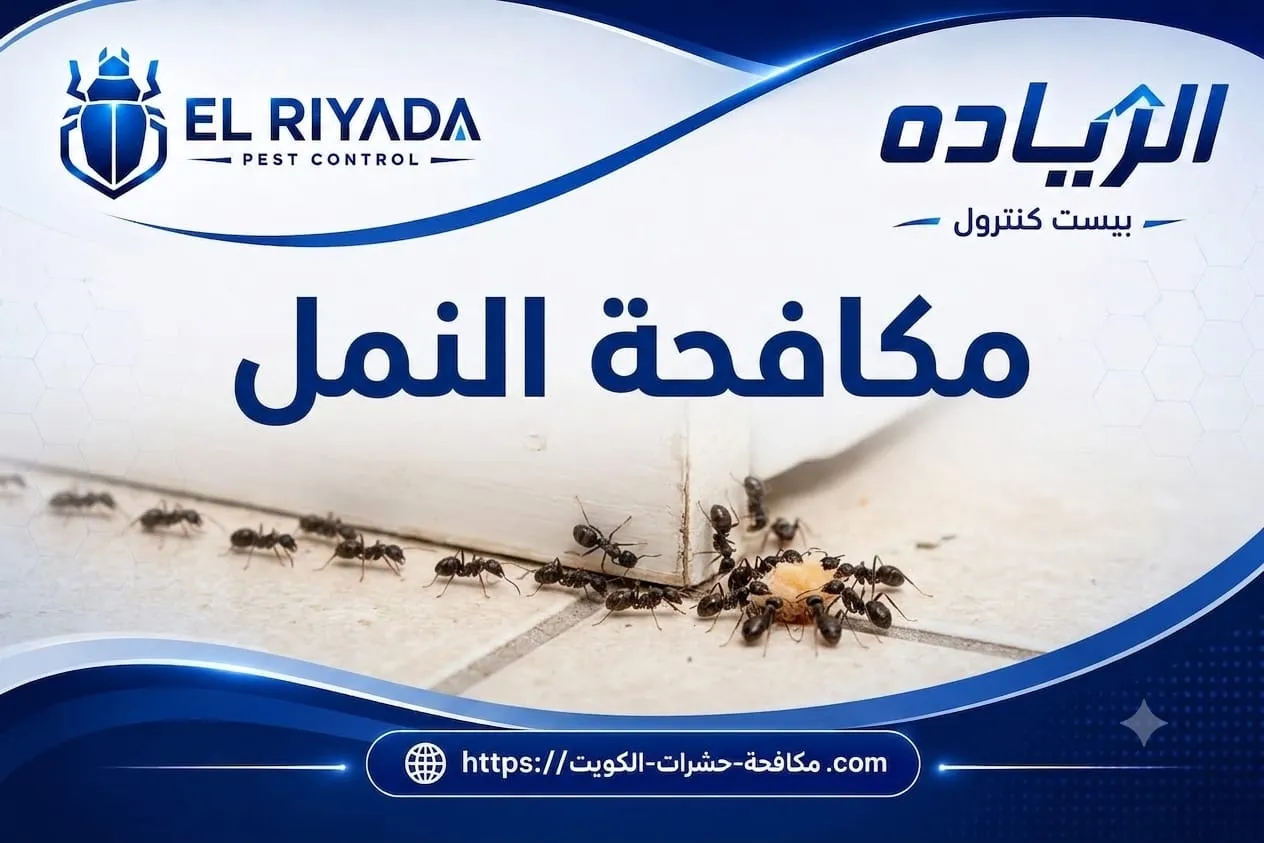
An ant problem in a restaurant does not always begin with a large or obvious infestation. Sometimes it starts with a few ants appearing near sugar, a sink, or a beverage station, then develops within days into a regular trail reaching a food preparation area. Eliminating only the visible ants is therefore an incomplete solution because the more important part of the problem may be a colony located outside the kitchen or inside a structural void with several routes leading to food and water. Professional ant control in food establishments should therefore focus on tracing trails, identifying attractants and entry points, selecting appropriate treatments, considering food safety and product-label directions, following applicable regulatory requirements in Kuwait, and monitoring activity to confirm that the problem is declining at its source rather than disappearing only from the place where ants were first seen.
Ant Control for Restaurants in Kuwait
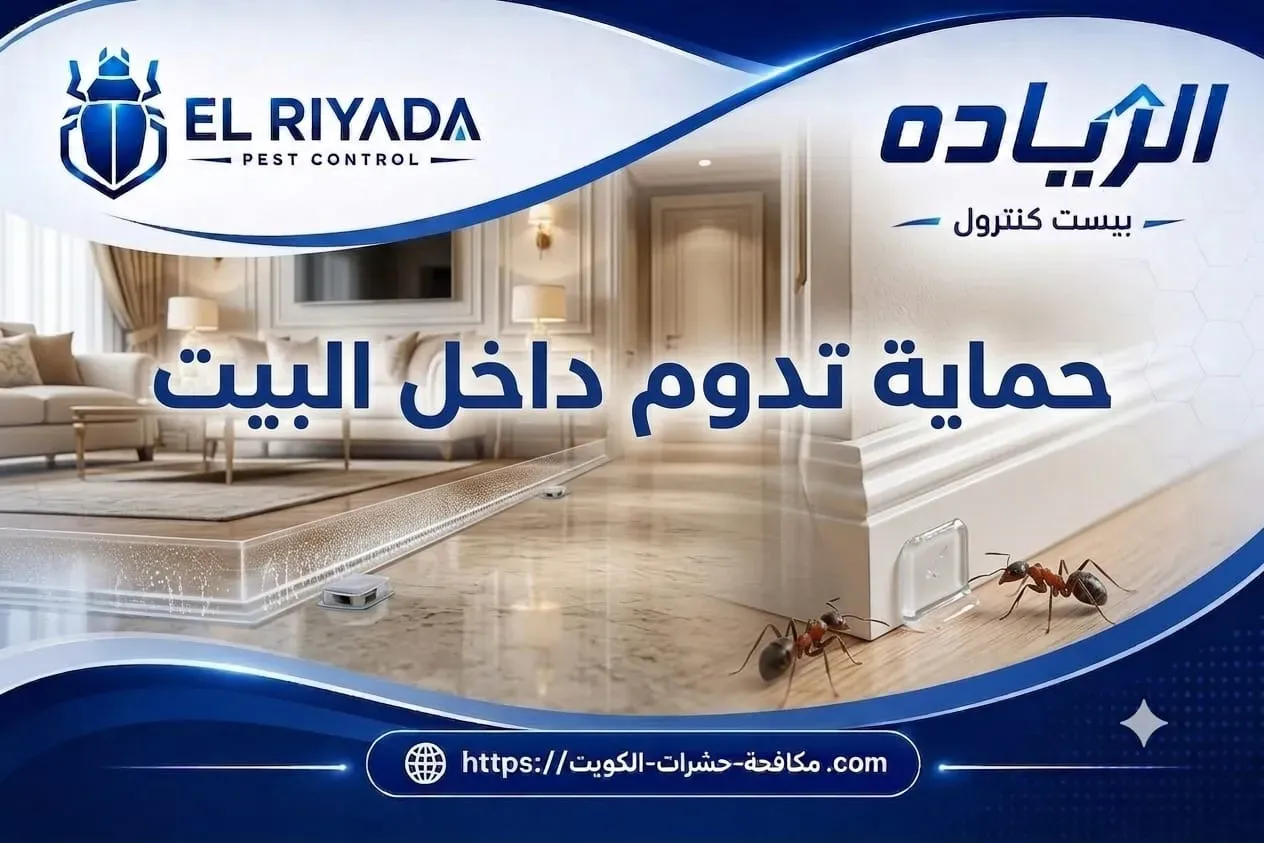
Ant control for restaurants in Kuwait requires a different diagnostic approach from controlling ants in a home because restaurants provide numerous food sources distributed across receiving, storage, preparation, serving, and washing areas. Even a small amount of sugary liquid beneath a piece of equipment or persistent moisture around a utility line may be enough to attract foraging ants from a colony that is not actually located inside the kitchen. For this reason, the inspection should begin with the questions: Where are the ants coming from, and where are they going? It should not focus only on where they were seen.
A regular trail can provide valuable information. If ants emerge from an opening around a utility line and move toward a particular preparation point, treating the insects visible on the surface may temporarily hide the activity without addressing the trail or the colony connected to it. In some cases, ants may also be using several movement routes, so stopping one visible trail does not automatically mean that activity throughout the establishment has ended.
Food environments also require treatment methods to be selected carefully. Not every location can be handled in the same way, particularly food-contact surfaces, preparation areas, and places where food is exposed. Any pest control product should be used only for its permitted purpose, according to its label directions and applicable local requirements, while protecting food, utensils, and other sensitive items from unintended exposure. Depending on the diagnosis and the product involved, targeted treatment of specific trails or locations may be more appropriate than broad application.
From a commercial perspective, the service should not be evaluated according to the price of a single visit alone. A restaurant with one limited trail entering through an exterior opening does not have the same problem as a facility where activity is distributed across preparation, storage, and washing areas. The scope of work can therefore be influenced by the level of activity, number of affected areas, source of the problem, and need for follow-up. These details make a service quotation meaningful instead of presenting one fixed price that ignores the actual condition of the site.
• Tracing the direction of ant movement gives the inspection a more accurate starting point because the area where ants gather around food may be the end of their journey while the entry point or colony is located elsewhere in or around the building.
• Preparation areas and food-contact surfaces must be handled carefully because the choice of control method and its location should comply with permitted uses and product instructions rather than simply being determined by how easy it is to reach the visible ants.
• Differences in the number of trails and areas of activity make site assessment important before determining the service scope because seeing a few ants at one location is different from finding organized movement across several operational sections.
• A professional service does not measure success only by how many ants disappear immediately but also evaluates whether movement along known trails has declined and whether new routes have appeared that require further assessment.
Ants in Commercial Kitchens
The presence of ants in commercial kitchens requires the movement pattern to be understood before deciding how to treat the problem. Ants appearing around a sugar container are not necessarily coming from the nearest point. Foraging workers may follow a much longer route along an edge or behind equipment before reaching the food source. Careful observation can therefore provide more useful information than immediately eliminating every visible ant before determining the route being used.
A practical example occurs when restaurant staff notice a line of ants around a beverage machine. At first, the machine may appear to be the source of the problem, but following the ants can reveal that the trail begins at a small opening around a utility line and continues behind the machine toward sugary droplets that repeatedly accumulate during operation. There are now three separate elements to address: an attractant requiring consistent cleaning, a movement point requiring assessment, and a colony or broader source of activity that needs to be identified. Addressing only one element can explain why the ants later return.
It is also important to distinguish between occasional activity and an established trail that appears repeatedly every day. Recording the time and location of sightings and whether ants consistently move in the same direction can help create a clearer picture of the problem. Activity may change with operating hours, cleaning schedules, or incoming supplies, which is why employee records are more useful when they contain specific details instead of a general statement such as "there are ants in the kitchen."
Sanitation also affects the problem in a more complex way than the simplified assumption that ants automatically mean a restaurant is dirty. Even a facility with good cleaning practices can experience ants entering from outside, but small food residues or persistent moisture can make a route more attractive and encourage continued activity. The objective is to identify and correct the condition the ants are using while pest control measures are implemented at the same time.
• Observing the direction in which ants travel helps distinguish the food source from the entry point because the place where workers gather is not necessarily the location where the problem began.
• A trail that repeatedly appears at the same time and location provides stronger diagnostic information than an isolated ant and helps identify the areas that deserve closer monitoring during subsequent visits.
• Removing sugar or liquid residues from an attractant is important, but it does not prove that the colony has disappeared, so activity should be reviewed after cleaning to determine whether the trail has stopped, changed direction, or moved toward another source.
• Having employees record trails precisely gives the technician information that may be difficult to obtain during a short service visit because ants may not remain equally active throughout all of the restaurant's operating hours.
Ant Treatment in Food Establishments
Ant treatment in food establishments requires selecting a method that suits the type and location of activity rather than assuming that direct spraying should always be the first option. Some treatments target ants moving along visible trails, while other approaches may take advantage of feeding and transfer behavior within a colony when they are appropriate for the species, location, and product. Understanding the ants' behavior and level of activity therefore influences the professional treatment decision.
One potential mistake is treating the visible trail in a way that merely changes where the ants travel without identifying their source. Ants may disappear from one edge and then emerge in a neighboring area because the underlying problem has not been resolved. Entry points, movement routes, food sources, moisture, and possible openings should therefore be identified before selecting a control method that is permitted for use in that type of location.
Food establishments also have clear safety boundaries that must be respected. A pest control product should never be placed or applied in a location not permitted by its label or in a way that could expose food or food-contact surfaces to contamination. Products should also not be mixed or improvised in an attempt to create a stronger effect. Professional application means following the directions of the authorized product and coordinating with facility management to protect sensitive areas during the service.
When treatment options are compared from a cost perspective, the better question is not simply, "Which is cheaper, spraying or baiting?" The more useful question is, "Which intervention is appropriate for the problem that has actually been diagnosed?" Choosing a low-cost treatment that does not reach the source of activity may result in repeated visits, while there is equally little value in implementing an extensive program for a limited problem that could be controlled through a targeted intervention and suitable follow-up. Value comes from matching the treatment to the actual case.
• The treatment method should be selected only after understanding the trail and nature of the activity because using one tool for every ant problem may change the location of visible activity without addressing the factor that is sustaining it.
• Food establishments require strict compliance with the uses specified on product labels and protection of food and sensitive surfaces because pest control cannot be considered successful if the result is achieved at the expense of food safety.
• The disappearance of an ant trail after treatment requires follow-up rather than an immediate declaration that the problem has ended because new movement in another location may reveal that the original activity has not been fully controlled.
• A proper economic comparison considers the cost of achieving a stable result and the expected need for follow-up rather than comparing the price of two separate treatment methods without knowing which one is appropriate for the ant species, colony location, and characteristics of the establishment.
Ant Colony Control for Restaurants
Ant colony control for restaurants is different from eliminating the individual ants moving across surfaces because the visible portion may represent only a limited part of the actual activity. The ants employees usually notice are often workers that have left the colony to search for food or water, while the rest of the colony may remain concealed inside a structural void or in an outdoor area connected to the building. Killing ants along the visible trail can therefore create a quick visual improvement without necessarily confirming that the colony itself has been controlled.
Reaching the colony does not always mean opening walls or physically following every ant until a visible nest is found. In many cases, diagnosis depends on the direction of trails, entry locations, feeding patterns, and the recurrence of activity, followed by selecting a control method appropriate for the behavior that has been observed. Responses can also vary between ant species, so a treatment method that worked successfully in one establishment cannot automatically be expected to produce the same result in a different restaurant.
This distinction becomes particularly important when more than one colony or entry point is present. A restaurant may treat a trail near a preparation area and later notice new activity in a storage room. This does not always mean that the ants have "returned" from exactly the same location. There may be another source that was not detected during the initial inspection. Mapping trails and reviewing new activity therefore provides more useful information than automatically repeating the previous treatment.
Random actions can also interfere with a professional control program. If restaurant employees apply household products directly to ant trails while a structured treatment program is underway, they may alter ant movement or interfere with certain control methods, making the results more difficult to interpret. Employees should therefore receive clear instructions about reporting sightings, cleaning affected areas, and avoiding actions that could interfere with the professional treatment strategy during the follow-up period.
• Assessing a colony begins with understanding the network of ant movement rather than counting visible ants alone because a reduction in surface activity may occur before it becomes clear whether the actual source of the infestation has been affected.
• A trail appearing in a new section should be assessed independently to determine whether it is connected to previous activity because assuming that every ant comes from a single colony can cause an additional source inside or around the establishment to be overlooked.
• Identifying the ant species when reasonably possible can support a more suitable strategy because feeding behavior, colony structure, and responses to control methods are not identical among all ant species.
• Coordinating employee instructions during the program helps prevent the random use of additional products that could disturb trails or make it more difficult to evaluate the effectiveness of professional treatment during follow-up.
Commercial Ant Monitoring Program
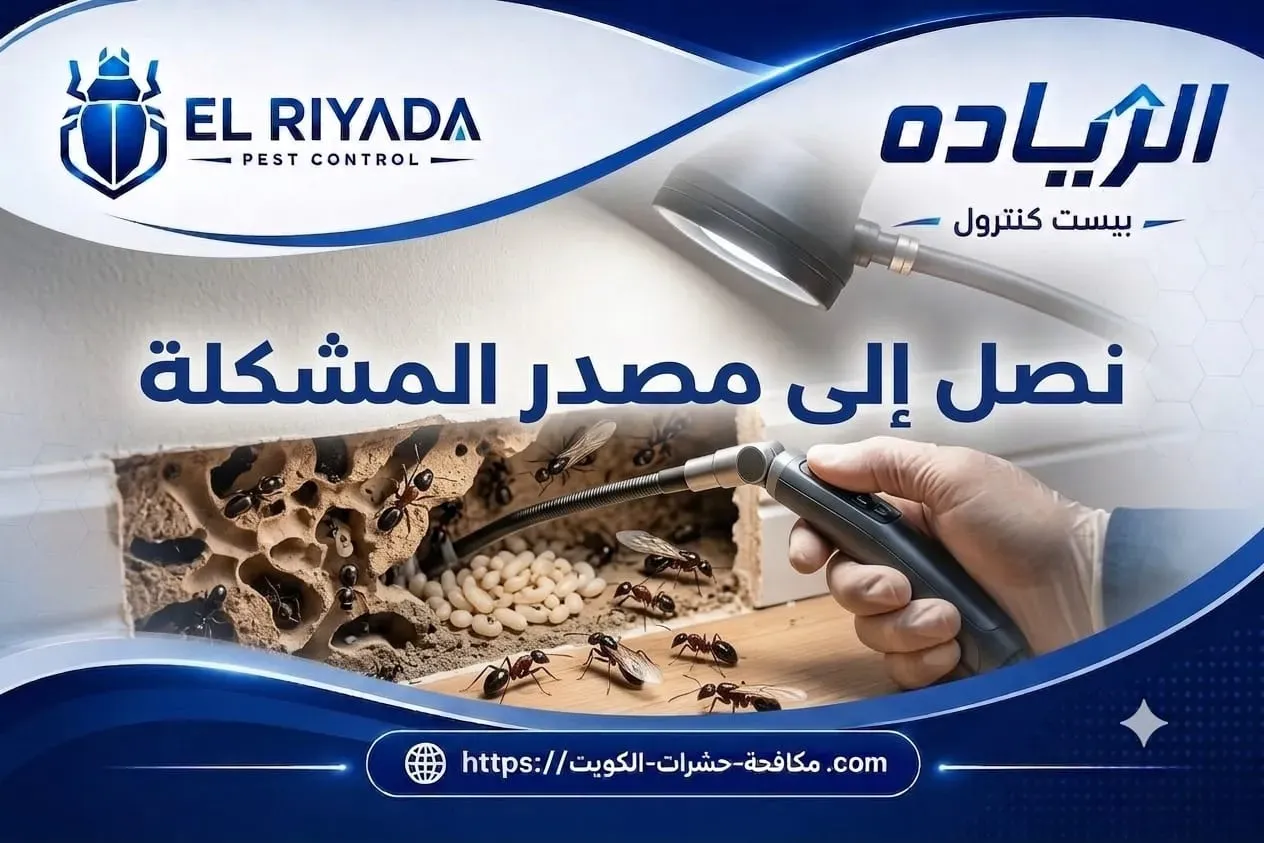
A commercial ant monitoring program gives restaurant management an organized way to detect changes in activity before limited sightings develop into obvious trails in front of customers or within food preparation areas. Unlike some pests whose monitoring depends more heavily on specific traps or monitoring devices, ant monitoring can include recording sightings, tracing entry points, inspecting attractants, and regularly reviewing locations where activity has previously occurred.
Creating a simple map of areas where ants have been recorded is more useful than treating every report as an unrelated incident. If activity appears near a beverage station and then returns to the same location a week later, the surrounding conditions can be compared. Has a sugar source returned? Is moisture present? Are the ants using the same opening? If activity appears in a distant section instead, the inspection may need to be expanded rather than immediately assuming that the first treatment failed.
Monitoring frequency should also reflect the level of risk. When clear activity is present, closer review may be necessary to understand how the problem is responding. Once conditions stabilize, monitoring frequency can be adjusted according to the establishment's risk assessment and results. There is little value in following a rigid schedule if the information collected is never used to change the management decision.
The level of monitoring included in a program can also affect its cost. A service that includes periodic inspection, trail recording, and review of corrective actions is different from a visit requested only after each sighting. When comparing contracts, the establishment should understand what the company will monitor, what information will be documented, and how new activity between scheduled visits will be handled because these elements determine the practical value of the program.
• A sighting map helps identify locations where activity repeatedly occurs and prevents useful information from being lost when employee shifts change or when the person who originally noticed the ants is not present during the technician's visit.
• Comparing site conditions before and after treatment shows whether a trail has genuinely stopped, changed direction, or been replaced by separate activity that requires a broader inspection rather than repeating the previous procedure without analysis.
• Monitoring frequency should change with the level of activity because controlling active trails requires closer evaluation of results than a preventive stage in which indicators have remained stable for an appropriate period.
• When purchasing a commercial program, the establishment should understand how reports between scheduled visits are handled because the value of a contract depends not only on the number of appointments listed but also on the program's ability to respond to new information.
Ants Around Food Preparation Areas
The presence of ants around food preparation areas requires a precise response because these are among the most sensitive parts of a food establishment from a food-safety perspective. One mistake is immediately attempting to treat visible ants with any available product near food. The first priority should instead be protecting food and sensitive surfaces, identifying the trail, and determining what is attracting ants to that particular area. Any pest control product used must be appropriate for its intended application and applied according to its label directions.
Activity may be connected to a very small amount of food residue that repeatedly accumulates during operating hours. Drops of syrup near a beverage station or traces of sweet ingredients beneath an edge that is difficult to reach during routine cleaning may be enough to maintain an active trail. In another situation, the preparation area may simply be a transit point between a concealed entry route and another resource. Cleaning is therefore essential, but it does not replace the need to trace the direction of movement.
Another mistake is immediately sealing an opening as soon as ants are seen emerging from it without understanding whether it forms part of an active route or whether other routes are present nearby. Sealing gaps is an important preventive measure when performed at the appropriate stage and in the appropriate way, but structural exclusion alone does not confirm that existing activity has been controlled. A professional decision should determine the correct sequence of actions according to the condition of the site rather than applying the same checklist to every case.
Employees can also be involved in a simple and practical way. When the preparation team understands that they should report the location of a trail instead of spraying random products directly onto it, the technician retains valuable evidence that can be investigated. Restaurant employees do not need to become pest control specialists. Their role is simply to maintain sanitation, preserve useful information, and follow the instructions established for the pest management program.
• Ant activity near a food preparation surface should first lead to protection of food and identification of the route being used because an untargeted treatment in a sensitive area may be inappropriate even when it removes the visible ants quickly.
• Small but repeatedly occurring food residues can maintain an active trail, so edges, spaces beneath equipment, and difficult-to-reach areas should be considered within cleaning procedures rather than focusing only on open and easily visible surfaces.
• Sealing gaps is more effective when it forms part of a plan that understands ant movement because closing one point in isolation may not prevent continued activity when the colony has access to alternative routes.
• Training the preparation team to report activity rather than intervene randomly preserves information needed by the technician and reduces the likelihood of employees using products that conflict with the professional program or are unsuitable for a food environment.
Preventing Ants in Restaurants
Preventing ants in restaurants begins before the first visible trail appears across a food preparation surface. The basic objective is to reduce the conditions that make the establishment an easy target for foraging ants while recognizing that completely preventing every ant from approaching a building is not a realistic promise. Restaurants receive deliveries, open service doors, handle food and water, and manage waste every day. Effective prevention is therefore based on a series of small and consistent practices rather than a temporary cleaning campaign that begins only after ants are discovered.
One of the most important preventive measures is reducing food sources in locations that may not receive enough attention during routine cleaning. Spaces beneath equipment, edges around beverage stations, and areas used to store sugary ingredients should be reviewed regularly. Repairing water leaks and persistent moisture also removes another resource that ants may use. In areas close to the exterior of the building, openings around utility lines, doors, and structural connections should also be inspected to identify potential entry routes.
Prevention should not become a process of randomly sealing every small opening before existing activity is understood. If an active trail is already present, it is often better to assess it first and then determine the appropriate structural correction. Cleaning the visible trail and assuming that the problem has ended is also insufficient. The objective is to make the environment less supportive of continued ant activity while remaining alert to new indicators.
From a financial perspective, organized prevention can reduce the need for repeated emergency interventions, but that does not mean paying for a fixed service without a clear purpose. A restaurant that regularly reviews and corrects risk factors can direct its pest control budget toward areas that genuinely require professional attention rather than requesting an urgent visit every time a new line of ants appears.
• Including concealed areas beneath equipment and behind beverage stations in the cleaning plan reduces the possibility that small food sources will remain unnoticed during quick daily cleaning and continue supporting ant activity.
• Repairing leaks and persistent moisture adds direct value to an ant prevention program because ants do not search only for food and may also benefit from accessible water sources within a commercial kitchen environment.
• Reviewing connections between indoor and outdoor areas helps identify potential entry routes before they become established trails, particularly around doors, utility penetrations, and structural gaps.
• Effective prevention is not a seasonal activity performed shortly before an inspection but part of everyday operations that helps the restaurant identify developing problems earlier and reduces the chance that activity will continue unnoticed.
Treating Ant Trails in Commercial Facilities
Effective treatment of ant trails in commercial facilities depends on understanding the purpose of a trail before attempting to remove it. Ants use organized routes to travel between their colony and sources of food or water, so a visible line of ants provides valuable diagnostic information. Wiping it away or immediately spraying it may remove what is bothering employees, but it can also eliminate an opportunity to determine where the ants are coming from and where they are going.
A practical assessment begins by observing where the trail first becomes visible, the direction in which ants are moving, and whether the route divides at a particular location. The surrounding area can then be inspected for openings, attractants, or concealed spaces associated with the activity. When several trails are present, they should not automatically be assumed to belong to the same route before they are assessed. This prevents the control process from becoming a continuous attempt to chase visible ants across surfaces.
The treatment method can then be selected according to the diagnosis and the type of product permitted for use at the site. Certain targeted control methods may be more appropriate than broad applications, particularly within food establishments. The important point is to avoid presenting one treatment as suitable for every case and to avoid household products or improvised mixtures in areas where food is prepared.
After treatment, comparing the original trail with any new activity becomes part of evaluating the result. A gradual decline in movement is an indicator that can be monitored, while the appearance of a new trail elsewhere should lead to an assessment of whether it represents an extension of the original problem or separate activity. In this way, the trail becomes a diagnostic tool both before and after treatment rather than simply something that needs to disappear from sight.
• Preserving information about the direction of an ant trail before intervention helps the technician investigate the entry point and attractant instead of treating only the visible section across a floor, wall, or work area.
• Multiple trails require a broader picture of movement because treating the first trail discovered is not sufficient when a colony or several colonies may be using more than one route to reach different parts of the establishment.
• The selected treatment should consider the sensitivity of the location and the product's permitted uses because ants appearing near food do not justify applying any available substance simply to achieve a faster visible result.
• Reviewing the location after service helps determine whether activity has declined along the original route or moved to another point and prevents the program from being judged successful too early simply because the first visible trail disappeared.
Ant Control Services for Food Businesses
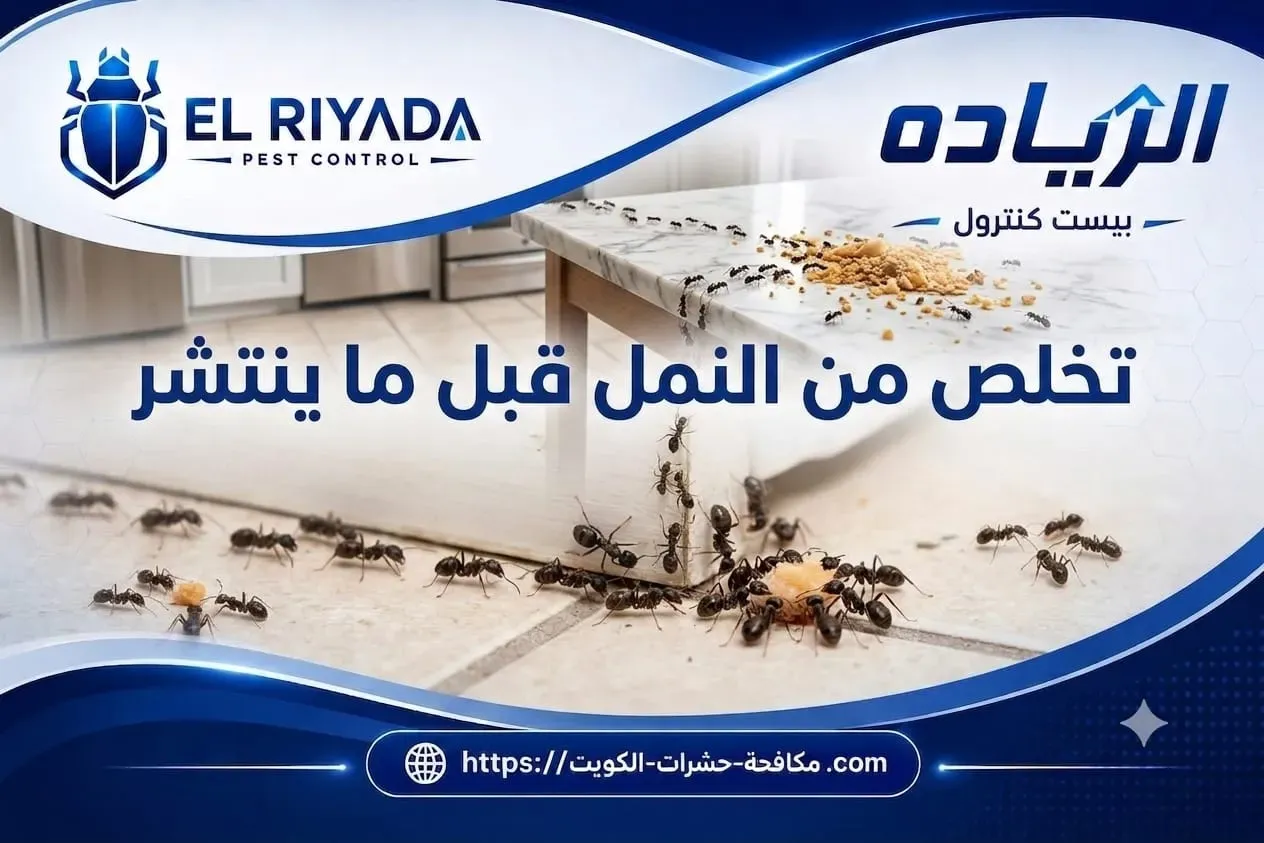
When requesting ant control services for food businesses, the first and only question should not be the price of spraying. A small bakery with limited activity near an entrance does not necessarily require the same scope of work as a central kitchen where trails are distributed across preparation, washing, and storage areas. Service evaluation is therefore influenced by the size of the establishment, number of active areas, severity of the problem, accessibility, and the level of monitoring and follow-up required.
Before signing a contract, it is useful to understand what the visit actually includes. Does the technician inspect trails and potential entry points, or does treatment begin immediately? What happens if a new trail appears after service? Are observations requiring action by facility management recorded? Answers to these questions make price comparisons more realistic because two quotations may represent completely different scopes of work even if both are described as ant control services.
The establishment should also verify that the service provider operates according to the requirements applicable to its activity in Kuwait and that products are suitable for their intended use and applied according to label directions and safety requirements. In food establishments specifically, the procedure for protecting food, utensils, and sensitive areas should be agreed upon, along with any documentation required under the establishment's internal procedures or applicable regulatory obligations.
A one-time service may be suitable for a limited problem when the activity has been correctly diagnosed and the result is subsequently evaluated, while recurring management may make more sense for a facility with continuing risk factors. Making the right choice does not mean purchasing the largest available contract. It means selecting a scope of service that matches the actual operating conditions of the establishment.
• Inspecting the establishment before final pricing helps connect the cost to the actual scale of the problem because the number of trails and affected operational areas may be more important than total floor area alone.
• Understanding what follow-up includes prevents unexpected costs or confusion after treatment because new activity requires a clear evaluation process rather than automatically treating every new sighting as an entirely separate service request.
• Verifying the suitability of products and application methods is essential in food operations because quality pest control includes safety and compliance with instructions rather than being measured only by how quickly visible ants disappear.
• The decision between a one-time service and a recurring program should be based on continuing risk factors and inspection findings rather than automatically attempting to sell the highest-cost option to every food establishment.
Ant Management in Restaurants
Ant management in restaurants means moving beyond the simple approach of "ants appeared, so request spraying" toward a system that identifies where the problem appeared, why it developed, and what changed after intervention. This is important because ant activity can be affected by everyday operational changes such as moving sugary ingredients to a different storage location, developing a new water leak, opening a route around a utility penetration, or changing receiving and delivery patterns. Good management is therefore not a fixed procedure repeated in exactly the same way. It is a process that connects observation with diagnosis and then selects the appropriate action.
Responsibilities should also be clearly divided. The pest control company is responsible for professional inspection, evaluating activity, selecting appropriate control methods, and reviewing results within the agreed scope of service. Restaurant management, meanwhile, has operational responsibilities such as repairing leaks, improving cleaning, organizing storage, and correcting structural conditions identified during inspection. When these recommendations remain unresolved, an attractant or entry condition can continue supporting ant activity even when the pest control treatment itself was appropriate.
Effective management can also benefit from simple data. There is no need to create a complicated reporting system. A record containing the date of a sighting, its location, approximate time, and action taken may reveal an important pattern after several weeks. If reports repeatedly occur in the same area following particular deliveries or near the end of a specific operating period, this information becomes something worth investigating rather than treating every sighting as an unrelated event.
When comparing the cost of recurring management with individual services, operational value should be considered rather than the number of visits alone. Structured follow-up may be appropriate for an establishment with continuing risks, while a business with limited activity may not need the same contract. The better decision is one that matches the service level to the actual level of risk and allows that level to be reassessed when conditions at the establishment change.
• Dividing responsibilities between the pest control company and restaurant management prevents the expectation that a pesticide treatment can repair a leak, structural gap, or storage problem that requires direct corrective action from the establishment.
• A simple sighting record turns employee observations into information that can be compared and can help identify relationships between ant activity and operational changes that may not be visible during the technician's visit.
• Reviewing the program after activity stabilizes prevents unnecessarily intensive procedures from continuing without justification while allowing monitoring to increase when new indicators appear instead of waiting for them to develop into a larger problem.
• Successful management should be measured by a reduction in recurring activity and improved control of risk factors rather than simply by completing a predetermined number of service visits during the contract period.
Why Al Reyada Pest Control Is a Strong Choice in Kuwait
When selecting a company to manage ants in a restaurant or food establishment, it is not enough to describe any provider as "the best" without giving customers criteria they can actually evaluate. Al Reyada Pest Control can be a strong choice when the service begins by understanding the type of problem, movement trails, attractants, and entry points before determining the scope of treatment and follow-up rather than treating every ant problem as an identical spraying request.
The real value of ant control appears in the ability to distinguish between the location where ants are seen and the actual source of activity. If ants appear around a beverage station, a specialized service should not automatically assume that the problem originates inside the machine or station itself. Tracing the trail and inspecting openings, moisture, and food sources helps build a clearer diagnosis. An appropriate intervention can then be selected for the location and type of activity while following product directions and the safety requirements associated with food environments.
Service becomes more trustworthy when the person responsible for the establishment receives recommendations that can actually be implemented. If an opening requires correction, a leak needs repair, or a storage practice is increasing attraction, this should be explained rather than leaving the customer with the impression that repeatedly applying pesticides can correct every underlying cause. Monitoring previously recorded trails also makes it possible to evaluate results during the next visit instead of relying on an immediate visual impression.
The phrase "according to municipality requirements" should not be used as an absolute marketing guarantee. A restaurant's regulatory compliance extends beyond an ant control contract and includes sanitation, food safety, operating practices, and other requirements applicable to the business. The pest control company's role is to perform its agreed scope professionally, use products according to their directions, provide the agreed documentation, and comply with the requirements relevant to its pest management activities.
• Al Reyada Pest Control can distinguish its service when treatment decisions are based on ant trails, sources of activity, and surrounding conditions because the disappearance of visible ants alone is not sufficient evidence that the underlying problem has been controlled.
• Explaining the restaurant's responsibility for repairs, sanitation, and storage creates greater transparency and avoids unrealistic promises that pesticide treatment can compensate for every operational problem present within the establishment.
• Recognizing the sensitivity of food areas and selecting products and procedures according to their permitted uses and safety instructions is a fundamental criterion when evaluating any company working in restaurants and food establishments.
• Follow-up that compares new activity with previously recorded trails gives the customer a practical way to evaluate progress instead of relying on general statements such as "the infestation has been completely eliminated" without supporting inspection or subsequent monitoring.
Conclusion
Effective ant control for restaurants in Kuwait requires understanding ant behavior before selecting an intervention because ants in commercial kitchens may reach food through trails that begin far from the location where they are first seen. For this reason, ant treatment in food establishments should be based on accurate diagnosis and an appropriate control method that considers food safety, while ant colony control for restaurants should focus on the source of activity rather than visible workers alone.
A commercial ant monitoring program adds significant value when it turns individual sightings into information that can be compared over time, particularly when there are ants around food preparation areas or other sensitive locations. At the same time, preventing ants in restaurants helps reduce attractants and entry opportunities, while treating ant trails in commercial facilities makes it possible to understand the direction of movement and measure changes after intervention.
When choosing ant control services for food businesses, restaurants should compare diagnosis, follow-up, safety, and scope of work rather than price alone. Effective ant management in restaurants combines the professional role of the pest control company with the establishment's responsibilities for sanitation, maintenance, storage, and early reporting so that controlling the problem becomes an organized process with results that can actually be evaluated.
Frequently Asked Questions
Is spraying alone enough to control ants in restaurants?
Not in every case. If ant activity is connected to an established colony, entry point, food source, or moisture source, eliminating only the visible workers may provide temporary improvement while the underlying cause remains active.
Why do ants appear in a restaurant that is cleaned regularly?
Sanitation is important, but it is not the only factor. Ants may enter from outdoors or through structural voids, and even a very small amount of food residue or moisture may be enough to maintain a trail in an otherwise well-maintained establishment.
Can any ant pesticide be used inside a commercial kitchen?
No. The product must be suitable for its intended use and applied according to its label directions, safety requirements, and applicable regulations while protecting food, surfaces, utensils, and other sensitive items from unintended exposure.
What should I do if ants appear near a food preparation area?
Food and sensitive surfaces should be protected first, then the location and direction of the trail should be recorded and reported to the person responsible for the pest management program. Random products should not be applied because they may be unsuitable for the location or interfere with professional treatment.
Why do ants return after the first trail disappears?
The colony may still be active, another entry point may exist, or a new attractant may have developed. New activity could also originate from a different colony, so a returning trail should be reassessed rather than automatically treated by repeating the previous procedure.
Does seeing one ant mean there is a colony inside the restaurant?
Not necessarily. It may simply be a foraging ant that entered from outside. The size of the problem cannot be determined from one sighting alone. Repeated activity, established trails, movement direction, and inspection findings provide more reliable information.
Are ant baits always better than spraying?
No single treatment method is best for every situation. The appropriate choice depends on the ant species, location of activity, characteristics of the establishment, and the product permitted for the intended use. Treatment decisions should therefore follow diagnosis.
How does ant monitoring help a restaurant?
Monitoring helps identify where activity repeatedly occurs, when sightings happen, and how trails change after treatment. This allows inspection and follow-up to focus on areas that show the strongest evidence of continuing activity.
Should every opening where ants appear be sealed immediately?
Sealing entry points is an important part of prevention, but the timing should be connected to diagnosis. When active movement is present, it may be useful to understand the trail and determine whether alternative routes exist before completing structural exclusion.
Can cardboard boxes and deliveries affect ant problems?
The movement of supplies and packaging can influence pest risk within an establishment, and residues associated with these materials may sometimes provide attractants. Organizing receiving areas, removing unnecessary packaging, and regularly inspecting these locations can support prevention.
What determines the price of restaurant ant control?
The scope and cost can be influenced by the size of the establishment, number of active areas, severity of the problem, accessibility, type of treatment required, and the amount of monitoring and follow-up needed. A single fixed price is therefore not appropriate for every situation.
Is a one-time service or a recurring program better?
It depends on the level of risk. A limited problem may respond to a targeted service with suitable follow-up, while an establishment with recurring activity or continuing risk factors may benefit more from a structured ongoing management program.
Who is responsible for preventing ants from returning after service?
Responsibility is shared. The pest control company handles diagnosis, treatment, and follow-up within its agreed scope, while establishment management is responsible for repairing leaks, maintaining sanitation, improving storage, and addressing structural problems identified during inspection.
Does an ant control contract guarantee passing a municipality inspection?
No. Having a pest control contract by itself does not guarantee that an establishment will pass an inspection. Compliance depends on a broader range of sanitation, food safety, operational, and applicable regulatory requirements in addition to effective pest management.
Why choose Al Reyada Pest Control for restaurant ants?
Al Reyada Pest Control can be a strong choice when its service focuses on tracing ant trails, diagnosing sources of activity, selecting appropriate treatment, monitoring results, and providing practical recommendations while considering the sensitivity and safety requirements of food establishments.