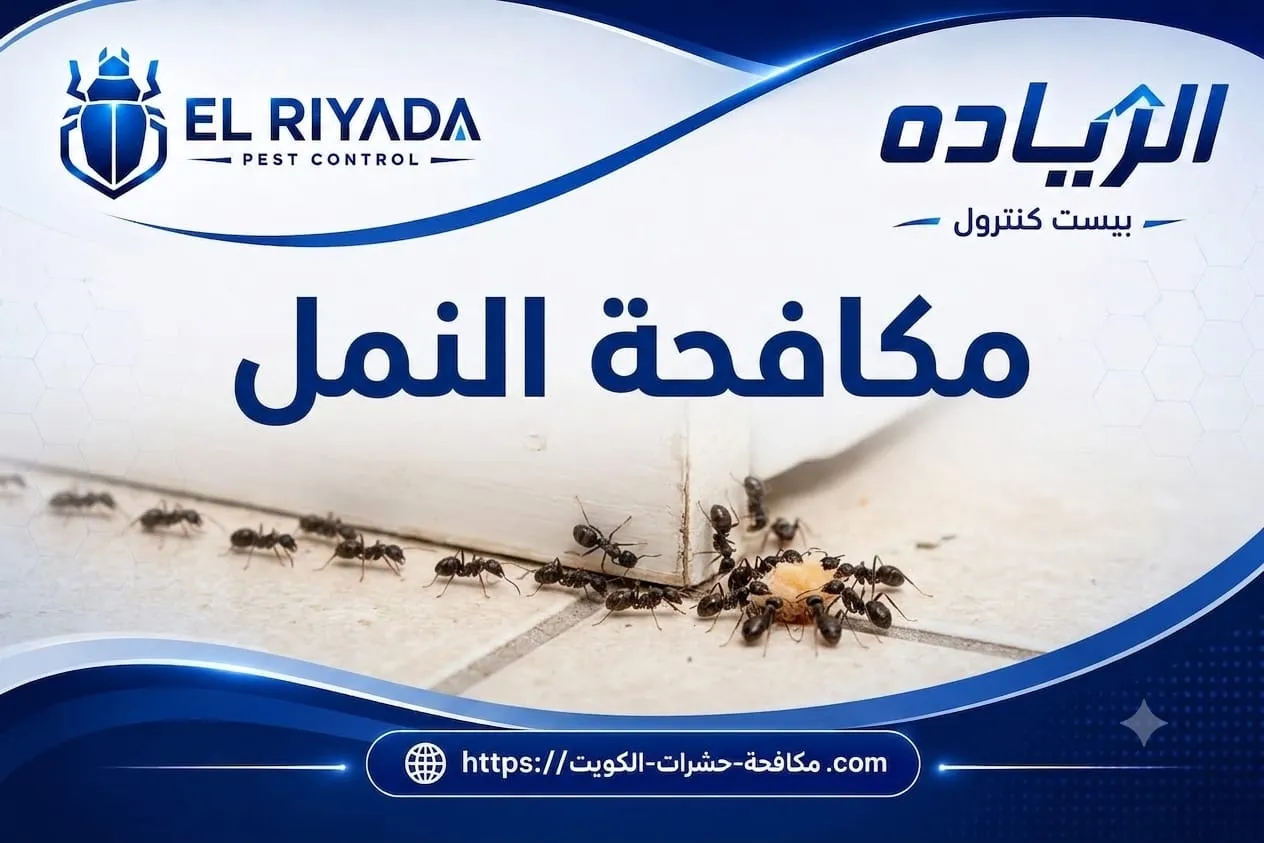
When a long trail of ants suddenly appears in the kitchen, the natural reaction is to look for the fastest product capable of killing the insects you can see. However, making the visible ants disappear does not necessarily mean the problem has been eliminated. The colony may be hidden inside a crack, behind a wall, within a structural void, or somewhere outside the home, while the ants you see represent only part of the worker population searching for food or water. For this reason, choosing between sprays and baits should not be based on the assumption that one method is always stronger than the other. Each approach has a different function and suitable application, and some infestations may require a carefully planned strategy involving more than one measure. A proper comparison begins by identifying the location of activity, ant trails, attraction sources, and the nature of the infestation before selecting a treatment according to product instructions and actual site conditions.
Ant Spray vs Baits

The comparison between ant spray vs baits begins by understanding how the two approaches work rather than judging them only by how quickly the visible insects disappear. Spray treatments may be used for specific locations according to the registered product and label instructions, while certain ant baits rely on worker ants being attracted to the food-based formulation, consuming it, or carrying material back toward the colony. This means that watching ants die quickly after treatment is not the only measurement that determines whether an ant control program has been successful.
The difficulty is that customers normally see only the moving portion of an infestation. When twenty or thirty ants appear around the kitchen sink, it seems reasonable to assume that killing them immediately means the problem is over. However, those insects may simply be workers that have traveled from a colony located somewhere else. Killing the visible workers can reduce the activity you see at that particular moment without telling you what has happened at the actual source of the infestation.
Baits operate according to a different strategy when they are suitable for the ant species and site conditions. Instead of aiming to kill an ant immediately when it reaches a treatment point, the objective may be to allow workers to reach and feed on the bait according to the mechanism of the particular product. This is why seeing some ant activity around a bait station during the early stage can seem strange to a customer who expected the entire floor to become completely ant-free within five minutes.
However, this does not mean that baits are automatically the best option in every situation. When activity occurs in a particular area, along an exterior route, or in a location requiring a different type of treatment, an appropriate spray or another pesticide application may become part of the control plan according to the product and its instructions.
Randomly combining both methods can also be a mistake. Placing bait in one location and then spraying materials around it without considering the instructions for the products may influence ant attraction to the bait or alter worker movement. Sprays and baits should therefore not be treated like seasonings where we add a little of everything and simply hope the recipe works.
The location of the infestation also changes the decision. Activity around food requires particular consideration of the area and permitted application methods, while exterior cracks and entry routes may require a different assessment.
Ant species are another important factor because different species can vary in behavior, food preferences, colony structure, and response to control methods. A product that worked in a previous infestation does not automatically become a universal solution for every home.
Conditions attracting ants should also be addressed. Food crumbs, moisture, leaks, and accessible entry routes can support continuing activity even when an effective pesticide is being used.
The choice between spray and bait is therefore not a boxing match where we support Team Spray or Team Gel. The useful questions are where the colony may be located, how the ants are moving, what the treatment is intended to achieve, and which product is appropriate for that particular situation.
• Sprays and baits do not perform the same function in exactly the same way so treatment should be selected according to the location of activity, ant behavior, and the characteristics of the product rather than relying only on how quickly visible insects are killed.
• The disappearance of worker ants immediately after spraying does not by itself prove that the colony has been treated because the source of activity may remain inside a crack, structural void, or another location far from the point where ants were observed.
• Certain ant baits depend on worker ants reaching and feeding on them which means limited activity around a bait point during the initial stage can be part of the intended mechanism rather than automatic evidence that the treatment has failed.
• Random use of sprays close to bait placements may interfere with the treatment strategy which is why product instructions should be followed and the purpose of each application should be defined before multiple methods are combined.
• Identifying the ant species, movement routes, food and moisture sources, and entry points makes the comparison between sprays and baits more relevant to the actual infestation instead of selecting whichever product produced the fastest visible result during a previous treatment.
Best Way to Eliminate Ants
Searching for the best way to eliminate ants often begins after the problem has returned despite several attempts at home treatment. A customer sprays ants in the evening and they disappear, only to return the following day from a nearby route. More pesticide is then applied or a different product is purchased, and after several days it begins to feel as though the ants have organized a shift schedule where each team waits for the previous one to finish before reporting for duty. The problem in this situation is not necessarily that the pesticide is weak. The strategy itself may be focused on visible individuals rather than the source producing the activity.
The best approach begins with inspection. The locations where ants appear should be identified together with the times when activity increases and whatever appears to be attracting them. Ants gathering around sugar may indicate a different attraction pattern from ants repeatedly appearing near a water source or underneath a sink affected by moisture. These observations help explain why workers are using a particular area.
The trails should then be followed as far as reasonably possible. The line visible across a kitchen counter may continue toward a small opening beside a cabinet, a gap around a utility penetration, or an exterior location. Understanding the direction of movement provides more useful information than simply killing ants in the middle of the trail.
The next step is selecting an appropriate treatment method. Some situations may benefit from bait that matches the behavior of the ants present, while certain locations may require another type of application according to the registered product and its instructions. In some cases, a program can include more than one measure, but these measures should be coordinated rather than applied randomly.
Choosing an active ingredient or product should not be based only on the phrase “strongest pesticide.” Strength by itself is not a sufficient technical criterion. The product must be suitable for the intended use and applied according to label directions concerning location, amount, and safety precautions.
Ant control also does not end with pesticide application. Open food sources, crumbs, drink residues, and pet food can compete with baits or continue attracting worker ants to the area.
Moisture is another particularly important factor. A small leak beneath a sink or accumulated water in a hidden location can provide a continuing resource that supports activity for certain ant species.
Sealing entry points can become part of prevention after movement routes have been understood. However, sealing one opening during an active infestation without identifying other routes does not necessarily eliminate the problem because ants may appear through an alternative point.
Follow-up determines whether the program is working. A reduction in worker numbers, declining trail activity, and the disappearance of ants from previously active locations provide more meaningful information than judging the result only a few minutes after treatment.
When infestations repeatedly return, the cause should be reassessed instead of repeating the same action. If ants have returned five times from approximately the same area, the problem is probably not that they have memorized the address unusually well. There may still be an environmental factor, untreated route, or source of activity that has not been adequately addressed.
The best method is therefore a program that begins with diagnosis, addresses the colony, movement routes, and attraction sources, uses appropriate products according to their instructions, and then reviews the result instead of relying only on killing the ants visible at the current moment.
• The best way to eliminate ants begins by identifying active locations, activity patterns, and food or moisture sources because these observations help explain why worker ants repeatedly appear in a particular area.
• Following ant trails toward cracks, openings, utility penetrations, and other routes provides more information about the possible source of movement than concentrating only on killing insects located in the middle of the visible trail.
• Product selection should depend on the intended application, location, label instructions, and ant behavior rather than marketing descriptions such as strongest pesticide as though greater strength alone could solve every type of infestation.
• Reducing available food and correcting moisture or leakage problems are important parts of the program because continuing attraction sources can maintain ant activity even when an appropriate chemical treatment has been applied.
• Evaluating results requires monitoring changes in trails and overall activity over time and reassessing the site when the problem continues instead of repeating exactly the same treatment without determining why the ants returned.
Ant Control Baits
Ant control baits use a different strategy from chasing every individual ant that appears inside the home. In suitable systems, worker ants themselves become part of the mechanism through which the treatment can reach the colony because workers naturally search for food and interact with bait according to the behavior of the species and formulation of the product. This makes baits valuable in certain ant control programs, but they still require appropriate selection and placement. A bait that does not attract the ants present will not suddenly become effective simply because it comes in an impressive package with the words “professional pest control” printed across the front.
The first factor is bait acceptance. The nutritional requirements of a colony can change, and different ant species can have different food preferences. For this reason, attraction to one formulation may be stronger than attraction to another at a particular time. A professional should not assume that every ant responds equally well to the same bait.
Placement is equally important. If an active ant trail runs along a particular wall while the bait is placed in the middle of a room the ants rarely cross, the likelihood of workers discovering it may be reduced. Observing ant movement helps identify locations more closely associated with activity while still following the product instructions.
Competing food sources also require attention. A kitchen containing crumbs, exposed sweets, and food residues provides ants with an open buffet. It would then be rather optimistic to act surprised when they ignore the tiny bait point sitting quietly in the corner. Improving sanitation and managing food sources can support a baiting strategy.
It is also important not to disrupt worker movement in a way that conflicts with the treatment program. If the objective is to allow workers to reach the bait, immediately killing every ant approaching it or using other materials without coordination may alter the intended result.
The amount and method of application should follow the instructions for the particular product. More bait does not automatically mean greater effectiveness, and placing bait in areas where its use is not permitted can create unnecessary risks.
Homes with children or pets require additional attention to product selection, placement, and security according to label instructions. The word “bait” does not mean the product can simply be left anywhere because we trust the ants to read the sign and understand that it is intended only for them.
Follow-up is necessary because bait consumption, drying of certain formulations, or changes in ant movement may require reassessment according to the product being used. Placing bait once and forgetting about it for several weeks is not an adequate method of evaluating the treatment.
In some situations, activity may originate outside the home. The entry route and surrounding environment should therefore be assessed instead of relying only on indoor bait placement without understanding where the ants are coming from.
Baits are also not necessarily appropriate for every site or every scenario. Ant species, infestation intensity, colony location, and environmental conditions determine their role within the overall program.
The real value of ant baits appears when they are used as part of a strategy based on ant behavior rather than simply as a quieter alternative to spraying. The objective is to use worker movement to help address the problem, not to open a free café for the ants and wait for them to leave us a five-star review.
• Successful ant baiting depends on worker ants accepting the selected formulation which makes ant species, behavior, and food preferences important considerations rather than assuming that one bait will attract every colony equally well.
• Placing bait close to appropriate active trails according to product instructions can increase the likelihood that worker ants will discover it compared with random placement in an area the ants do not regularly use.
• Removing crumbs, sugars, and competing food sources supports a baiting strategy because the availability of numerous alternative foods may reduce the ants' interest in the bait included within the control program.
• Bait use should be coordinated with other applications rather than treating every ant approaching the bait in a way that contradicts the purpose of allowing workers to interact with the system.
• Follow-up after bait placement is important for monitoring activity levels, product condition, changing trails, and whether the strategy requires adjustment rather than considering the first application the end of the treatment.
Ant Control Gel
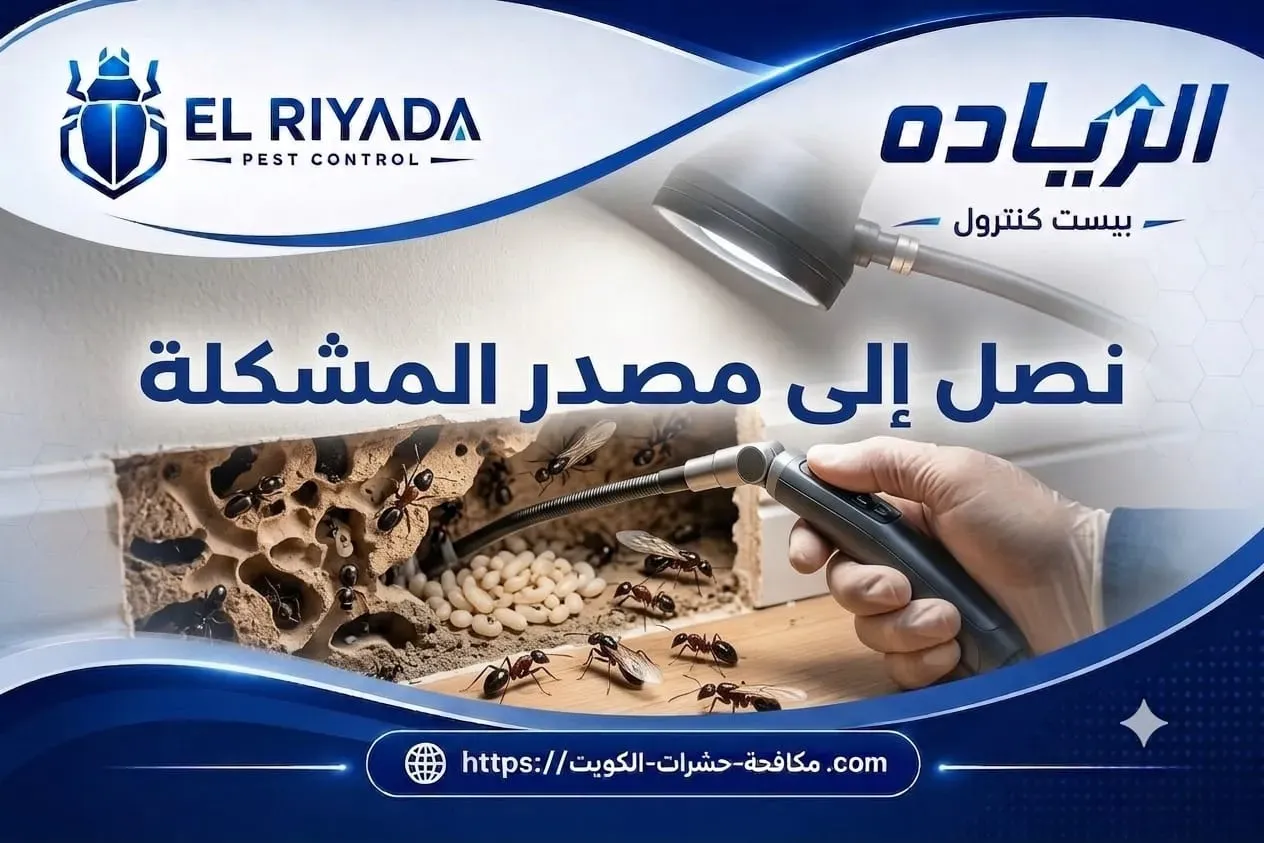
Ant control gel is one form of bait that can be used in certain ant management programs, but successful treatment does not simply mean placing dots of gel wherever ants have been seen and assuming the job is finished. The basic principle is that the gel needs to be appropriate for the target ants and positioned where worker ants can locate and interact with it according to the product instructions. Professional gel application therefore begins with observation rather than squeezing the applicator in every corner as though we were decorating a birthday cake and the ants were the guests of honor.
One practical advantage of some gel formulations is the ability to apply controlled amounts at specific points associated with ant activity, provided those locations are consistent with the permitted uses on the product label. This can make gel useful in certain situations where targeted treatment is preferable to unnecessary application across larger surfaces.
However, placement remains more important than the number of gel points. If ants are moving along an edge behind kitchen cabinets while the gel is applied far away from their established trail, workers may be less likely to discover it. This is why movement should first be observed so the locations ants actually use can be identified.
It is also important to distinguish between seeing ants around the gel and treatment failure. In a baiting strategy, worker attraction to the material may be exactly what is required, so the objective is not necessarily to kill every insect immediately when it approaches the application point.
On the other hand, complete lack of interest in the gel requires evaluation. The location may be unsuitable, more attractive food sources may be available, or the bait formulation may not match the activity being observed. The automatic response should not simply be to apply a larger quantity of exactly the same product.
The condition of gel can also change over time depending on its formulation and the surrounding environment. Manufacturer instructions concerning application, inspection, replacement, or reapplication should therefore be followed rather than placing the product once and forgetting about it for months.
A common mistake is applying gel to surfaces that are cleaned frequently or to areas where it can quickly be exposed to water or removed. Placement should balance ant movement with the need for the bait point to remain appropriately positioned for the intended treatment period.
Product restrictions in kitchens and food-related environments must also be respected. The fact that gel comes in a small applicator does not mean it can be placed beside any surface without checking the label instructions and precautions.
Homes with children or pets require additional consideration. Application locations and methods should follow the relevant safety instructions, and the product should not be left in accessible places when such use is not permitted.
Using gel also does not eliminate the need to address attraction factors. Drink residues, sugars, food crumbs, and moisture can continue supporting ant activity and may compete with the bait.
Most importantly, gel is not a magical product that operates independently from the rest of the ant control program. When activity extends from an exterior location or several trails and potential sources are present, the overall situation needs to be understood before deciding that several dots of gel will solve the infestation on their own.
The real value of ant control gel therefore comes from precise use: a suitable product, carefully selected placement points, fewer competing food sources, and proper follow-up. Randomly distributing gel everywhere simply because it is described as professional is like buying the finest key in the world and then discovering that it does not fit the door.
• Ant control gel should be applied after identifying the routes actually used by worker ants and selecting suitable application points according to product instructions instead of distributing the gel randomly throughout the property.
• Worker ants gathering around gel does not automatically indicate treatment failure because certain baiting systems specifically depend on ants locating and feeding on the material as part of the intended control mechanism.
• Lack of interest in the gel should lead to a review of placement, competing food sources, and the suitability of the bait formulation instead of automatically increasing the quantity without understanding why acceptance is poor.
• Kitchens and homes containing children or pets require careful compliance with product instructions, permitted application locations, and safety precautions when ant gel is being used.
• Monitoring the condition of the gel, changes in ant trails, and overall activity helps determine whether the strategy is working or needs adjustment rather than treating the first application as the end of the program.
Difference Between Ant Spray and Baits
The difference between ant spray and baits becomes clearer when we compare the objective of each application rather than the physical appearance of the products. Certain spray applications are intended to treat specific locations, surfaces, cracks, or other permitted areas according to the product being used, while baits rely on the food-searching behavior of ants so that workers locate and interact with the material. As a result, the time required to observe changes and the way treatment success is evaluated can differ substantially between these strategies.
One important difference is that some direct treatments may affect ants present in the treated area relatively quickly. This can provide a visible result that customers notice immediately, but that observation alone does not tell us what has happened to the colony responsible for producing those workers.
Baits may require greater patience because they do not necessarily depend on killing every ant the moment it becomes visible. When the product is suitable and the strategy is correctly implemented, worker movement can become part of the process used to address the colony.
The second difference concerns application location. Spray should not be applied indiscriminately across every available surface, and baits should not be positioned randomly either. Each product has instructions describing where and how it may be used.
The third difference is the influence of the surrounding environment. Bait performance may be affected when numerous competing food sources are available, while spray treatments require consideration of the type of surface, the treatment location, and the uses permitted for that particular pesticide.
The fourth difference appears during follow-up. After bait placement, technicians can monitor acceptance, changes in activity, and changes in established trails. After other treatments, previously active locations can be inspected to determine whether activity has declined or shifted elsewhere.
Timing also matters. A customer experiencing heavy ant activity may naturally want every visible insect eliminated immediately, but the method selected should not undermine a broader strategy designed to address the colony.
It is also important to understand that pesticides used as sprays can differ in their properties, modes of action, and permitted applications. It is therefore inaccurate to place every type of “spray” into one category and compare it against every bait as though each group represented one identical product.
The same applies to baits. Different formulations and delivery forms are available, and no single product can automatically be assumed to be suitable for every ant species or every stage of activity.
Safety represents another practical difference that must be incorporated into the decision. Both approaches require compliance with label instructions and consideration of food areas, children, pets, ventilation requirements, and any additional precautions specified for the product.
From a cost perspective, the cheapest immediate treatment should not be selected before the actual objective has been defined. A quick treatment that must be repeatedly performed because the source remains active may offer less value than a different program designed to address the problem more broadly. The reverse can also be true in a limited infestation where a simpler intervention is sufficient.
The real difference therefore cannot be reduced to “sprays are fast and baits are slow.” That comparison is so simplified that even the ants would probably file an official complaint. A useful comparison includes product function, treatment location, ant behavior, the objective of the program, and the follow-up required.
• Certain spray applications may rapidly reduce the number of ants present in the treatment area while baits rely on worker interaction with the material which means the response and evaluation process can differ between the two strategies.
• Rapidly killing visible worker ants does not by itself prove that the source of the infestation has been treated while limited early activity around bait does not by itself indicate that a baiting strategy has failed.
• Both sprays and baits require appropriate application locations and compliance with product instructions and neither should be treated as a material that can simply be distributed across every surface without considering its intended use.
• Competing food sources can particularly affect baiting strategies while other pesticide applications require attention to surface type, treatment location, and the areas in which the specific product is permitted to be used.
• The choice between spray and bait should depend on the final objective of the program, ant species, possible colony location, and intensity of activity rather than selecting whichever method produces the fastest visible scene for the customer.
Effective Ant Pesticides
Discussing effective ant pesticides requires moving away from the common assumption that there is one product that can be described as the “strongest ant pesticide” and expected to work in exactly the same way in every property and every infestation. The effectiveness of any product is determined not only by the name of its active ingredient but also by whether it is appropriate for the target pest, treatment location, application method, and whether the user follows the relevant instructions. An excellent product applied in the wrong location can produce a weaker result than an appropriate product used correctly as part of a properly designed strategy.
The first criterion is that the product should be appropriate for the intended application according to its label and relevant local requirements. A giant picture of an ant on the package is not a doctorate in entomology, no matter how terrifying the ant looks. Technical information and application instructions are more important than packaging design.
The next consideration is how the product is intended to function. Products used for ant management do not all have identical characteristics or application methods, and bait formulations themselves can also differ. The product should therefore be connected to the treatment strategy rather than allowing the product to dictate the entire strategy.
Ant species can influence treatment selection because food preferences, foraging behavior, and colony locations vary. Incorrect identification or misunderstanding of the infestation can result in a less suitable program even when the product itself is of good quality.
Treatment location is equally important. An exterior application is different from treatment inside a kitchen or close to food preparation areas. Label instructions concerning permitted locations and required precautions should always be followed.
Application quantity is not a competition either. Using more product than recommended does not automatically produce a better result and can increase unnecessary exposure or conflict with label directions. Correct application is more important than heavy application.
Children, pets, and other occupants must also be considered. Product selection and placement should account for accessibility to treated areas and the safety precautions required for the specific application.
Possible resistance or reduced response to certain approaches in particular circumstances should not be ignored. When treatment does not produce the expected outcome, diagnosis, application method, and environmental conditions should be reassessed instead of simply increasing product use without a clear reason.
Pesticide effectiveness is also connected to good preparation. Reducing food sources, addressing moisture, and focusing treatment on relevant active locations creates a more logical program than relying on chemical products alone.
Follow-up then becomes essential. If activity decreases in one area and appears somewhere else, that change provides useful information that should be analyzed. If exactly the same trail continues, an untreated point or unsuitable strategy may need to be investigated.
Cost comparisons should also extend beyond the price of the container. A low-cost product repeatedly used in an unsuitable way may ultimately be less economical than a properly planned program that reduces the need for repeated treatment.
An “effective pesticide,” therefore, is not the product that makes an ant see the bottle and immediately start writing its will. It is the product that is suitable for the infestation, applied correctly, used in the appropriate location, and integrated into a strategy that addresses the conditions allowing the problem to continue.
• Effective ant pesticides should be evaluated according to their suitability for the target pest, treatment location, application method, and compliance with label instructions rather than marketing descriptions such as strongest or fastest.
• Differences in ant species, food preferences, foraging behavior, and colony locations make understanding the nature of the infestation an important step before selecting a product or developing the control strategy.
• Applying more pesticide does not guarantee better performance which makes compliance with application rates and safety precautions more appropriate than increasing the amount in an attempt to achieve a faster result.
• Kitchens, food preparation areas, and homes containing children or pets require additional care when selecting products, choosing treatment locations, and following relevant safety requirements.
• Continued ant activity after treatment should lead to reassessment of the infestation source, movement routes, surrounding conditions, and application method instead of assuming that simply using a larger quantity of the same material is the only solution.
Treating Ant Colonies
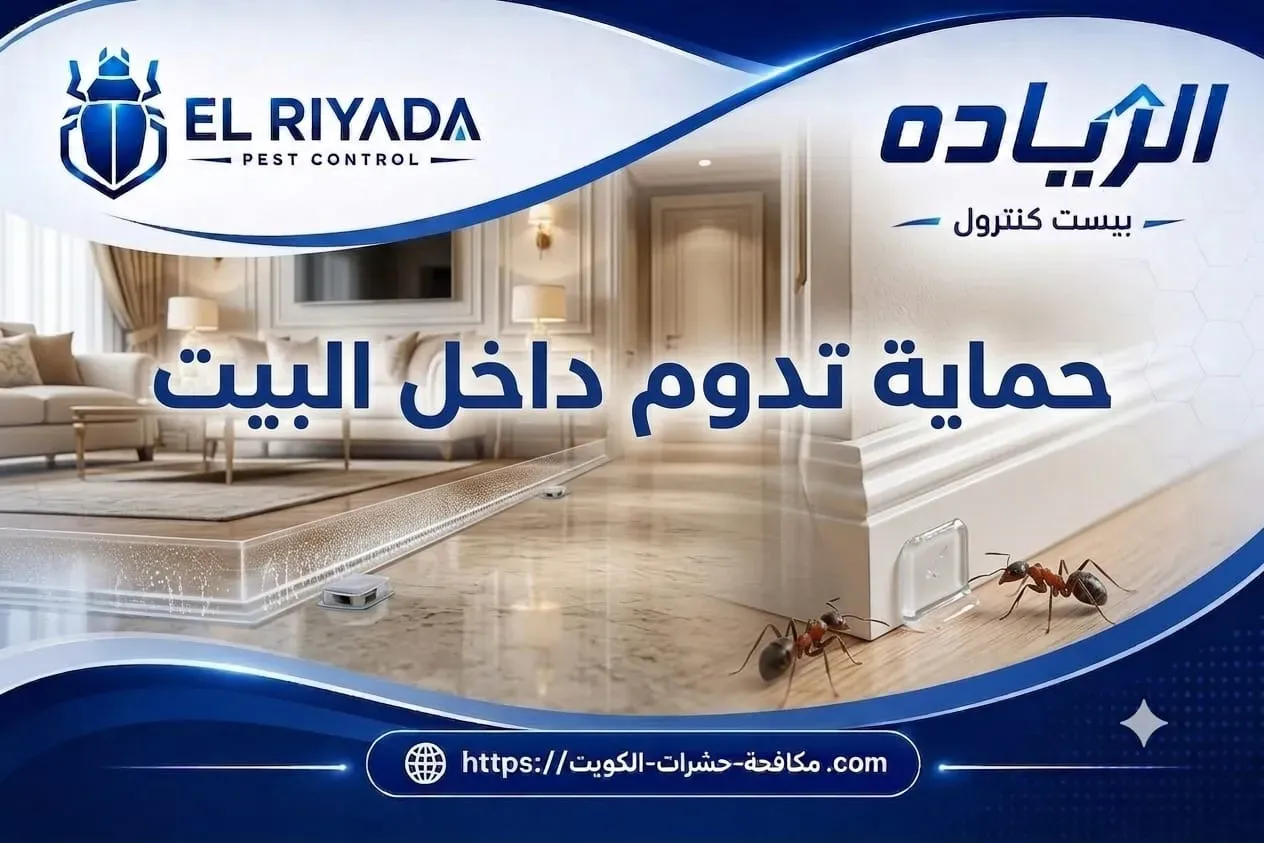
Treating ant colonies is at the heart of the difference between temporary control and a program designed to address the source of continuing activity. The ants moving in front of you do not necessarily represent the entire problem. Workers appearing around food or water are part of a much larger social system, and the colony may be located inside a wall crack, structural void, exterior area, or another place that is difficult to reach directly. Simply killing the ants you can see may therefore reduce activity temporarily without necessarily addressing the colony responsible for sending out new workers.
The first step is to understand the direction in which workers are moving. Instead of immediately wiping away an ant trail, it can be useful to observe the route: where are the ants entering, where are they going, and what are they collecting? These details can help a pest control professional develop a clearer picture of the possible source of activity.
It is also important to determine whether the problem involves one colony or several separate activity routes. Seeing ants in the kitchen and bathroom at the same time does not automatically prove that all workers are coming from exactly the same source. Different locations may therefore require separate assessment.
Ant behavior influences the colony treatment strategy as well. Certain baiting programs take advantage of worker movement and feeding behavior, while other situations may require different applications depending on the ant species, treatment location, and products considered appropriate for that use.
One common mistake is treating every opening from which ants emerge as though it must be the nest itself. The visible opening may simply be a transit point between an internal void and the room. Sealing it without understanding the route may cause workers to appear from another location.
For this reason, randomly sealing every opening during active infestation should not automatically be the first step before the routes have been assessed. Exclusion work is important, but its timing should support the control program rather than hide useful diagnostic trails or redirect activity to another part of the property.
The environment surrounding the building should also be examined. Trees or plants touching exterior walls, external cracks, and certain moisture conditions may be associated with ant movement from outdoors into the property. Ignoring these areas means that an indoor-only treatment may address only half of the problem.
Water sources deserve particular attention. Minor leaks behind cabinets or around sinks may remain unnoticed by residents while providing conditions that help support the activity of some ant species.
Follow-up after treatment begins can reveal whether the program is moving in the right direction. The objective is not merely to count dead ants. It is more useful to observe whether established trails are declining, whether new trails appear, and whether ants continue moving toward the same attraction sources.
Persistent infestations may require more than one visit or treatment stage because achieving stable control can depend on the colony structure, intensity of activity, location, and treatment strategy. Promising that every ant infestation will completely disappear immediately after one application is therefore not a reliable measure of professional service.
We are not conducting an individual war against every ant and asking each one for identification before taking action. The real objective is to understand the system responsible for repeated ant activity and direct the treatment toward that system instead of concentrating only on the workers currently out on patrol.
• Treating ant colonies begins by observing worker movement and identifying entry and exit points together with food and moisture sources instead of focusing exclusively on killing individual ants visible in the immediate area.
• An opening through which ants emerge inside a room may simply be a movement route rather than the actual colony location which means spraying or sealing that point does not automatically prove that the infestation source has been reached.
• Ant activity in several areas of the home requires careful evaluation of individual trails because simultaneous activity in the kitchen and bathroom does not by itself confirm that every worker originates from one colony.
• Inspecting the exterior environment, vegetation, cracks, and moisture conditions can help identify outdoor activity that may continue feeding the indoor infestation when treatment is concentrated only on interior rooms.
• The success of colony treatment should be evaluated through declining trails and overall activity during follow-up rather than simply counting the ants that disappeared immediately after application because the source may require a gradual strategy depending on the infestation.
Ant Control Inside the Home
Ant control inside the home requires a balance between effectiveness and precise application because kitchens, bathrooms, bedrooms, and living areas are occupied every day. We are not dealing with an empty space that can simply be covered with pesticide and forgotten. The first step is determining where ants appear and why they have selected that particular location, followed by choosing an appropriate intervention while considering product instructions, safety requirements, and the normal use of the area.
In kitchens, food sources should be among the first things inspected. Sugar, honey, sweets, bakery crumbs, beverage residues, and even small amounts left around containers can provide continuing attraction sources. Better food storage and removal of residues can reduce the alternatives available to worker ants and support the overall control program.
Food is not the only factor. The area beneath the kitchen sink should also be checked for moisture and leakage. Sometimes the leak is so small that the homeowner has never noticed it, while the ants are treating the place like a five-star resort with running water and excellent service.
Bathrooms can also experience ant activity associated with moisture or movement through gaps around utility penetrations. Seeing ants in a bathroom does not mean the correct response is to spray the entire floor. The access point and reason for activity should first be understood.
Edges, cracks, pipe penetrations, cable openings, windows, and doors should also be inspected. These locations can function as travel routes between structural voids or from exterior areas into the home.
The selection of baits, gels, or other treatments should depend on the product and treatment location. Food preparation areas have particular restrictions and precautions that must be respected, and no material should be placed in an unsuitable location simply because ants are nearby.
Children and pets are another essential planning consideration. Products should be applied according to relevant safety instructions and only in permitted locations while accounting for the possibility that household members may reach treated areas.
Cleaning after treatment also requires proper coordination. Immediately removing a bait point eliminates the treatment, while leaving food residues everywhere because “we want the ants to come out” simply gives them competing food sources. Cleaning practices and the treatment strategy need to work together.
Exterior treatment may become part of the program when ant movement originates outside the building. Treating the interior alone while an active route continues from a garden, exterior wall, or surrounding area can contribute to repeated appearances indoors.
After activity has declined, suitable entry points can be considered for improved exclusion, and cracks or structural gaps that contribute to access can be repaired where appropriate.
Residents should also understand what they need to do after professional service: which areas should be avoided according to the instructions for the products used, what changes should be monitored, and when the infestation may require reassessment.
Ant control inside a home is therefore not simply “spray and leave.” It requires precise management because the goal is to address the infestation while allowing the property to remain a normal living environment where people cook, children move around, and the household continues its daily routine safely.
• Ant control inside the home begins with reducing accessible food sources and improving storage and cleaning practices so crumbs and sugary residues do not continue attracting workers or competing with baits included in the treatment program.
• Checking moisture beneath sinks and around bathrooms and utility areas is important because minor leaks that remain unnoticed by residents can help sustain ant activity in particular parts of the home.
• Cracks, wall edges, pipe and cable penetrations, doors, and windows should be inspected as possible movement routes without automatically assuming that every opening represents the location of the colony itself.
• Using gels, baits, or other pesticide treatments in living and food preparation areas requires compliance with product instructions together with careful consideration of children, pets, and the normal use of the treated space.
• After activity is brought under control, preventive measures such as correcting moisture problems, improving food storage, and appropriately sealing relevant entry points can help reduce conditions that contribute to repeated infestations.
Solutions for Getting Rid of Ants
The most effective solutions for getting rid of ants are not based on purchasing every available product during one trip to the store and turning the kitchen floor into an experimental laboratory. More logical solutions operate on several levels, beginning with reducing attraction factors, identifying movement routes, selecting appropriate treatment, and finally correcting conditions that contribute to repeated activity. This approach turns ant management into an integrated program instead of a sequence of emergency reactions whenever another trail suddenly appears.
The first solution is food management. Sugary products, baked goods, and other attractive foods should be stored appropriately, spills should be cleaned, and food residues should not remain accessible for extended periods. The objective is not to transform the kitchen into a sterile laboratory but to remove easy resources that encourage worker ants to return repeatedly.
The second solution is water and moisture management. Correcting even a relatively small leak can become an important part of ant control because it removes a resource that may continuously support activity.
The third solution is diagnosis. Identifying the ant species when possible, together with active locations and movement routes, helps determine the treatment strategy instead of repeatedly moving from one product to another through trial and error.
The fourth solution is targeted treatment. When baits are selected, they should be placed according to an appropriate strategy and the instructions for the specific product. When another form of treatment is required, it should be applied to permitted locations in a way that addresses the infestation rather than covering every available surface with pesticide.
The fifth solution is dealing with exterior conditions when they are connected to the infestation. The surrounding building area, cracks, vegetation touching the façade, and observable ant movement routes should all be considered.
The sixth solution is preventive exclusion after suitable entry points have been identified. Repairing cracks and gaps can reduce access to the interior, but exclusion should not replace understanding an infestation that is already active.
The seventh solution is follow-up. When ants disappear from one location and appear somewhere else, that movement provides useful information about the infestation rather than simply giving us another reason to repeat exactly the same spray application.
Randomly mixing household products and pesticides should also be avoided. Different odors and materials may interfere with a baiting strategy or increase unnecessary exposure without providing a clear benefit.
Educating household members is another important part of the solution. If one person places bait, another removes it an hour later, and a third sprays a completely different product over the same location, we are no longer running an ant control program. We have opened an experimental workshop and appointed the ants as the judging committee.
When infestations continue despite sanitation and repeated home treatments, requesting a professional assessment becomes more reasonable, particularly when trails emerge from structural voids or other areas that are difficult to access.
A successful solution ultimately reduces current activity, addresses conditions that allow the infestation to continue, and introduces measures that reduce the likelihood of recurrence. Purchasing a pesticide can be one step within that plan, but the pesticide itself is not the entire plan.
• Managing food and water sources represents an important first line of control because reducing these resources can make the property less attractive and remove conditions that repeatedly draw worker ants into the same locations.
• Diagnosing the infestation and following movement trails before choosing a product can reduce random trial and error while helping determine whether baiting, targeted applications, or other interventions are more appropriate for the actual situation.
• Exterior inspection is important when ants originate from around the building because concentrating only on a kitchen or bathroom may treat the point where activity becomes visible while leaving the original movement route unchanged.
• Coordinating household behavior around bait placement, cleaning, and the avoidance of random product mixing helps preserve the logic of the treatment program and prevents conflicting actions that may reduce its effectiveness.
• Combining appropriate treatment with leak repair, food management, entry-point exclusion, and follow-up provides a more complete approach than relying on a single pesticide every time ants appear again.
Choosing the Best Ant Control Method
Choosing the best ant control method depends on several factors that need to be considered together because the decision should not begin with the question, “Should we spray or use gel?” before the nature of the infestation is understood. A treatment that works for limited ant activity near a window is not necessarily the right option for recurring activity throughout several rooms. Likewise, ants entering from outdoors create a different situation from a colony potentially located within structural voids. A sound decision therefore begins with diagnosis, followed by defining the treatment objective, and only then selecting the method capable of achieving that objective without unnecessary intervention.
The first criterion is where the ants appear. Activity in a kitchen requires consideration of food preparation areas and available food sources, while ants appearing in a bathroom may direct attention toward moisture and utility penetrations. Activity around windows and doors may instead indicate the need to inspect exterior routes.
The second criterion is the movement pattern. A few scattered ants are different from an established trail where workers repeatedly travel in both directions. A visible trail can provide useful information about the entry point and the possible direction of the source.
The third criterion is the intensity and persistence of the infestation. A problem that appears for the first time after food has been left exposed is different from activity that returns every week despite cleaning and repeated home treatments. The second situation deserves a deeper investigation of the infestation source rather than simply changing products every time ants return.
The fourth criterion is whether the colony can be directly accessed. In many situations, the colony is neither visible nor easily reachable. Ant control baits or ant control gel may then become part of the program when appropriate because they can take advantage of worker behavior instead of requiring direct access to an inaccessible structural void.
The fifth criterion is the surrounding environment. An exposed food source, leaking water, vegetation touching the building, or exterior cracks may change the priorities of the treatment program. Treating ants while leaving the condition that attracts them or helps them enter means the overall strategy remains incomplete.
The sixth criterion is the nature of the property. A home containing young children or pets requires careful planning of application locations and product selection according to the relevant use and safety instructions.
The seventh criterion concerns the desired speed of visible results compared with the longer-term objective. In certain situations, reducing obvious activity may be important, but it should not be done in a way that conflicts with another strategy intended to address the colony. Both objectives need to be coordinated.
The history of the infestation should also be considered. If spray treatments have been used several times and ants repeatedly return from the same area, simply repeating the application without reassessing the problem is not an intelligent strategy. Recurring activity provides information that should be used to improve the diagnosis.
Cost becomes part of the decision after the treatment plan has been defined. The least expensive initial visit is not necessarily the lowest-cost solution if treatment needs to be repeatedly performed because the source remains active. At the same time, there is no reason to recommend an unnecessarily extensive program for a limited infestation that can be addressed through a simpler and appropriate intervention.
The final factor is follow-up. The best method is not simply the one that looks powerful on the day of treatment. It should also allow results to be monitored and the strategy to be adjusted when activity changes.
Choosing the best ant control method is therefore closer to making a diagnosis than holding an election between spray and gel. Ants do not care how impressive the advertisement on the product looks. What matters is whether we have understood their routes, colony activity, and attraction sources, or whether we are still running from room to room chasing them with a slipper.
• The location of ant activity, movement pattern, infestation intensity, and frequency of recurrence should all be evaluated before selecting sprays, baits, gels, or another control strategy.
• Recurring activity after several previous treatments requires reassessment of the infestation source instead of applying the same product more heavily and expecting a different result without changing the underlying strategy.
• When direct access to a colony is not possible, certain baiting strategies may be useful when appropriate for the species and location because they can take advantage of worker movement rather than relying entirely on direct nest treatment.
• The presence of children, pets, and food preparation areas influences product selection and application locations which makes compliance with safety instructions an essential part of choosing an appropriate treatment method.
• Comparing the cost of ant control methods should include potential follow-up requirements, repeated treatments, and whether the source of activity is being addressed rather than comparing only the price of the first application.
Why Choose Al Reyada Pest Control for Ant Control?
When selecting a company for ant treatment, the decision should not be based on whoever says “we use the strongest pesticide” the loudest. Ant control inside the home requires diagnosis and a suitable strategy more than a dramatic display of product strength. Al Reyada Pest Control can be evaluated as an appropriate option when the service begins by understanding ant activity, identifying movement routes and attraction sources, and then selecting a treatment method according to the actual infestation instead of applying exactly the same program in every property.
The first element to evaluate is inspection. Seeing ants in a kitchen does not by itself reveal where the colony is located, so trails, entry points, food-related areas, water sources, and moisture conditions should be examined.
The second element is the ability to distinguish between different infestation scenarios. Limited activity around a window does not necessarily require the same treatment plan as recurring ants appearing throughout the kitchen, bathroom, and other areas of the property.
The third element is selecting the treatment according to its purpose. Ant control baits may be suitable for one scenario, ant control gel may form part of another program, while different locations may require other applications according to the product and its instructions.
The fourth element is avoiding the assumption that spraying is the automatic answer to every ant problem. A professional company should be able to explain the difference between ant spray and baits and why a particular approach has been selected instead of simply saying, “This one is stronger.”
The fifth element concerns safety. Any use of ant pesticides inside homes should consider food areas, children, pets, and the instructions for the products being applied. These considerations are not optional extras; they are part of responsible treatment.
A service should also be evaluated according to whether non-chemical factors are considered. A water leak, continuing food source, or active entry gap may require corrective action by the customer alongside the pest management program.
Another important element is explaining what should happen after treatment. When baits are used, for example, customers should understand how to manage the treated area and which actions could interfere with the program instead of applying another household spray directly over the bait the following day and sending everybody back to square one.
Follow-up provides another way to evaluate service quality. Continued activity does not automatically mean that more of the same product should be applied. Ant routes or the possible infestation source may need to be reassessed.
Expectations should also remain realistic. An exact result cannot be predicted for every infestation without considering the ant species, activity level, colony location, and surrounding conditions. A trustworthy company explains these variables instead of making absolute promises unrelated to the specific site.
From an economic perspective, the service scope should be clear. Customers should understand which areas are included, what type of program is proposed, whether follow-up is part of the service, and which supporting measures they may need to complete themselves.
Al Reyada Pest Control can therefore be considered a strong option when it connects the best way to eliminate ants with site diagnosis rather than merely the name of a product. Anyone can hold a pesticide container and say, “Don't worry, we've got this.” The meaningful work begins when someone identifies where the ants are coming from, where they are going, and why they decided to establish a regional headquarters in your home in the first place.
• Al Reyada Pest Control can be evaluated according to whether ant trails, entry points, food sources, and moisture conditions are inspected before treatment so the program is connected to the cause of activity rather than only the location where workers become visible.
• The ability to select between baits, gels, and other applications according to the infestation helps avoid using one fixed method in every home regardless of how significantly the underlying problem differs.
• Explaining the differences between treatment options and the reason each one has been selected gives customers a clearer understanding of the program and makes the control decision dependent on treatment function rather than broad marketing claims.
• Consideration of food areas, children, pets, and compliance with product instructions represents an essential part of evaluating the quality of any professional ant control service inside a residential property.
• Follow-up and reassessment of trails when activity continues is more professional than automatically repeating the same treatment because recurring ants may reveal a source or entry route that was not included in the initial strategy.
Conclusion
The answer to ant spray vs baits cannot be reduced to choosing one universal treatment for every infestation. Sprays, baits, and gels are tools that differ in their application and purpose, and their real value depends on how well they match the ant species, activity location, infestation source, and surrounding conditions.
The best way to eliminate ants begins by determining why they are appearing, following their trails, identifying food and water sources, and then developing a treatment plan around this information. Killing the workers we can see may reduce visible activity, but that alone does not prove that the colony has been treated.
Ant control baits can play an important role in certain programs when the product and location are suitable and worker ants can access the bait, while ant control gel provides one bait format that can be applied in targeted locations according to the instructions for the particular product.
The difference between ant spray and baits involves much more than the speed of visible results. Products differ in their functions, application locations, and methods of evaluating response, which is why randomly combining strategies should be avoided.
When discussing effective ant pesticides, the product with the strongest marketing claim is not automatically the best option for a particular infestation. Effectiveness depends on selecting an appropriate product, applying it correctly in a suitable location, and integrating it into a program that addresses conditions contributing to continuing activity.
Treating ant colonies requires looking beyond the visible workers because the colony may be located inside a structural void or outside the property while an opening inside the room serves only as a movement point.
Ant control inside the home adds important considerations involving food areas, children, pets, moisture, and cleaning practices, which means indoor treatment requires greater precision than simply spraying surfaces.
Effective solutions for getting rid of ants combine appropriate treatment with food management, leak repair, inspection of entry points, and follow-up instead of depending on one pesticide as a complete solution.
Ultimately, choosing the best ant control method depends on diagnosis, ant behavior, infestation location and intensity, previous treatment history, safety requirements, and longer-term cost. Al Reyada Pest Control can be evaluated according to its ability to turn these observations into a treatment program suited to the property rather than using one standard approach for every infestation.
Frequently Asked Questions
Which is better, ant spray or baits?
Neither method is better in every situation. The appropriate choice depends on the ant species, location of activity, and treatment objective. Certain baits use worker movement as part of their strategy, while other applications are used to treat specific locations according to product instructions.
Does ant spray eliminate the colony?
Killing visible ants after spraying does not by itself prove that the colony has been eliminated. The ants you see may be workers coming from a source inside a structural void, outdoors, or another location that requires separate assessment.
Are ant control baits effective?
They can be effective when the bait is suitable for the ants present, positioned appropriately, and used according to product instructions while competing food sources are reduced and activity is monitored.
What is the difference between ant gel and ant baits?
Gel is one form of bait used in certain ant control programs. Other bait formulations and delivery systems are also available, and the appropriate choice depends on the product, ant species, and treatment location.
Why do ants gather around gel after application?
Certain gel formulations are designed to attract worker ants so they feed on the bait. Seeing ants around an application point therefore does not automatically mean that the treatment has failed.
Why do ants return after spraying?
Ant activity may return when visible workers have been treated without addressing the infestation source or when food, moisture, active entry routes, or other supporting conditions remain available.
What are the most effective ant pesticides?
There is no single product that can be considered the best for every infestation. A pesticide should be appropriate for the target pest and treatment location and should be applied according to label directions and safety requirements.
How are ant colonies treated?
Treatment begins by observing trails, identifying possible sources of activity, and understanding ant behavior. An appropriate strategy can then be selected and may include baits or other applications together with management of attraction sources and follow-up.
How can ants be controlled safely inside the home?
Products should be used according to their instructions while considering food preparation areas, children, pets, and permitted application locations. Food and moisture sources should also be addressed as part of the program.
Is cleaning the home enough to eliminate ants?
Cleaning reduces food sources and attraction but may not be sufficient when an active colony or continuing entry route is present. Sanitation is an important part of ant management but is not always a complete treatment by itself.
Should ant entry holes be sealed immediately?
Not necessarily before movement routes are understood. A visible opening may only be a transit point, so relevant entry routes can first be identified and suitable exclusion work performed at the appropriate stage of the program.
Can ant sprays and baits be used together?
More than one strategy may be used in certain programs, but applications should be coordinated and follow product instructions because random use of some materials close to bait placements can interfere with the treatment plan.
How long does it take to get rid of ants?
There is no single timeframe for every infestation. Results depend on the ant species, intensity of activity, colony location, treatment strategy, available food and moisture, and whether follow-up is required.
Why choose Al Reyada Pest Control for ant treatment?
Al Reyada Pest Control can be evaluated according to its ability to inspect ant activity, follow movement trails, identify attraction factors, select an appropriate treatment method for the property, and provide clear post-treatment and follow-up guidance.