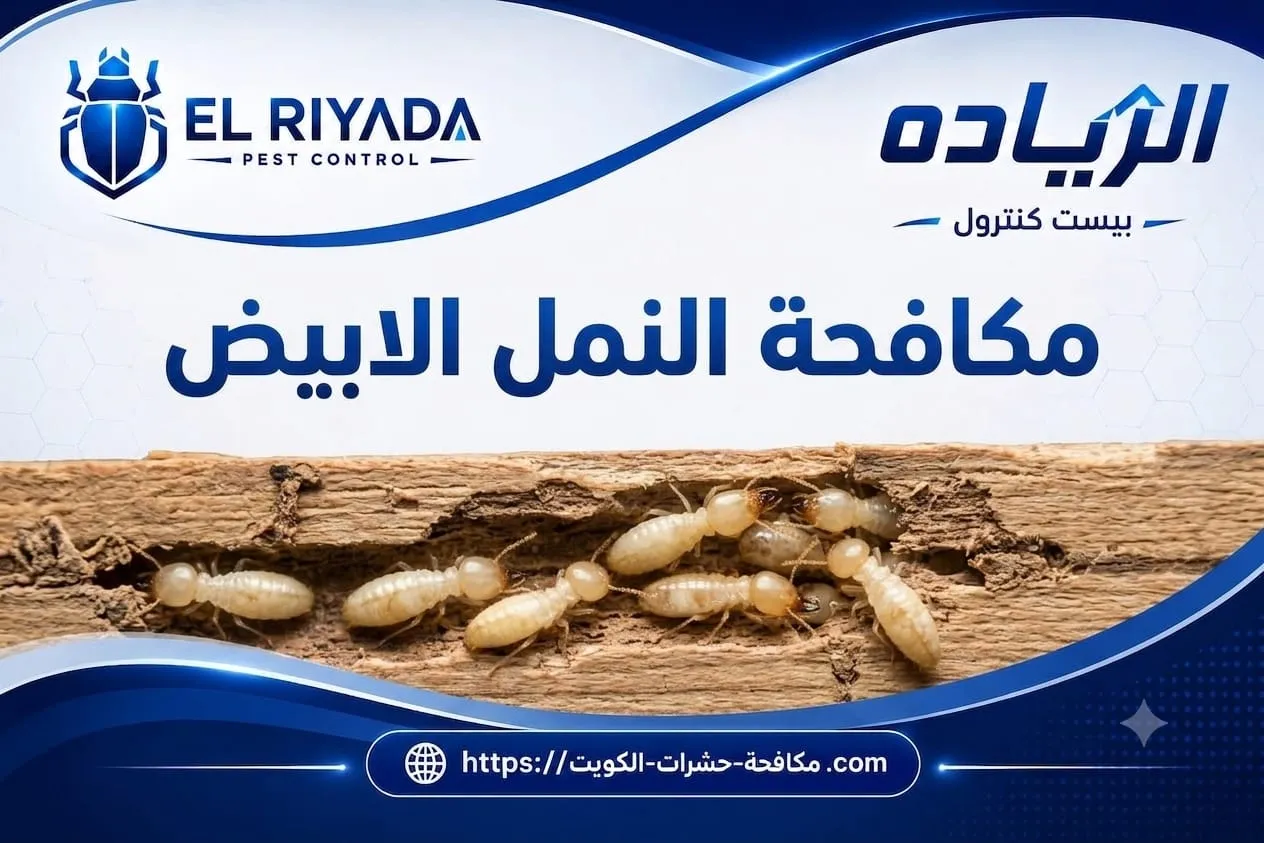
Termites can remain hidden inside a building for months or even years without being noticed because they usually live inside soil, wall cavities, wooden structures, and concealed construction elements while continuously feeding on cellulose materials far from sight. For this reason, many termite infestations are not discovered until visible damage appears in doors, window frames, ceilings, flooring, or structural wood, by which time repairs have often become significantly more expensive and complicated. A Professional Termite Inspection is therefore the most important step in detecting termite activity before it develops into a serious structural problem. Through extensive practical experience inspecting residential and commercial buildings throughout Kuwait, professional termite inspections have consistently proven capable of identifying infestation sources accurately, selecting the most effective treatment strategy, and preventing termite colonies from spreading into additional areas of the property.
Detecting Termites

Detecting Termites requires a completely different approach from ordinary insect inspections because termites rarely appear on exposed surfaces. Instead, they travel through concealed mud tubes, wall voids, underground tunnels, flooring systems, and the interior of wooden structures. Professional inspections therefore begin by collecting detailed information about the property, including its age, construction materials, renovation history, and any previous termite activity before moving to a systematic examination of every vulnerable area. Experienced technicians search for subtle warning signs that property owners often overlook, including narrow mud tubes, hollow sounds inside wooden structures, slight surface deformation, and concealed structural damage. Extensive field experience consistently demonstrates that early termite detection significantly reduces repair costs while allowing treatment to be implemented before extensive structural deterioration occurs.
• Inspect exposed and concealed wooden structures thoroughly.
• Search for mud tubes built by termite colonies.
• Evaluate the overall extent of termite activity throughout the property.
• Identify the source of infestation before designing treatment plans.
• Document inspection findings for accurate treatment planning.
Termite Inspection in Kuwait
A Termite Inspection in Kuwait depends heavily upon evaluating both the building itself and the surrounding environmental conditions because certain locations present higher termite risks due to soil composition, moisture levels, landscaping characteristics, and proximity to open land. Professional inspections therefore concentrate on structural areas directly connected to the ground, including foundations, utility rooms, storage spaces, wooden construction elements, and locations containing cellulose-based materials. Technicians also evaluate previous renovation work, plumbing modifications, structural repairs, and utility installations that may have unintentionally created additional termite entry points. Practical field experience consistently confirms that comprehensive inspections covering every vulnerable location allow hidden termite colonies to be discovered before significant structural damage develops.
• Inspect foundations and all areas directly contacting the soil.
• Examine storage rooms, service areas, and moisture-prone locations.
• Evaluate environmental conditions influencing termite activity.
• Identify potential termite entry points throughout the structure.
• Prepare detailed reports describing infestation severity and building condition.
Signs of Termite Activity
Understanding the Signs of Termite Activity allows property owners to request professional inspections before serious structural damage develops. Common warning signs include mud tubes appearing on foundations or walls, wooden structures that appear normal externally but sound hollow internally, doors and frames producing hollow noises when tapped, discarded termite wings found near windows during swarming seasons, and unexplained cracks or movement affecting wooden building components. Practical experience consistently demonstrates that ignoring these early warning signs frequently allows termite colonies to expand dramatically, making treatment considerably more expensive and complicated than early intervention.
• Watch carefully for mud tubes on foundations and walls.
• Inspect wooden structures showing weakness or hollow sounds.
• Look for discarded termite wings during swarming seasons.
• Notice unexplained changes affecting doors and wooden frames.
• Request professional inspections immediately whenever warning signs appear.
Residential Termite Treatment
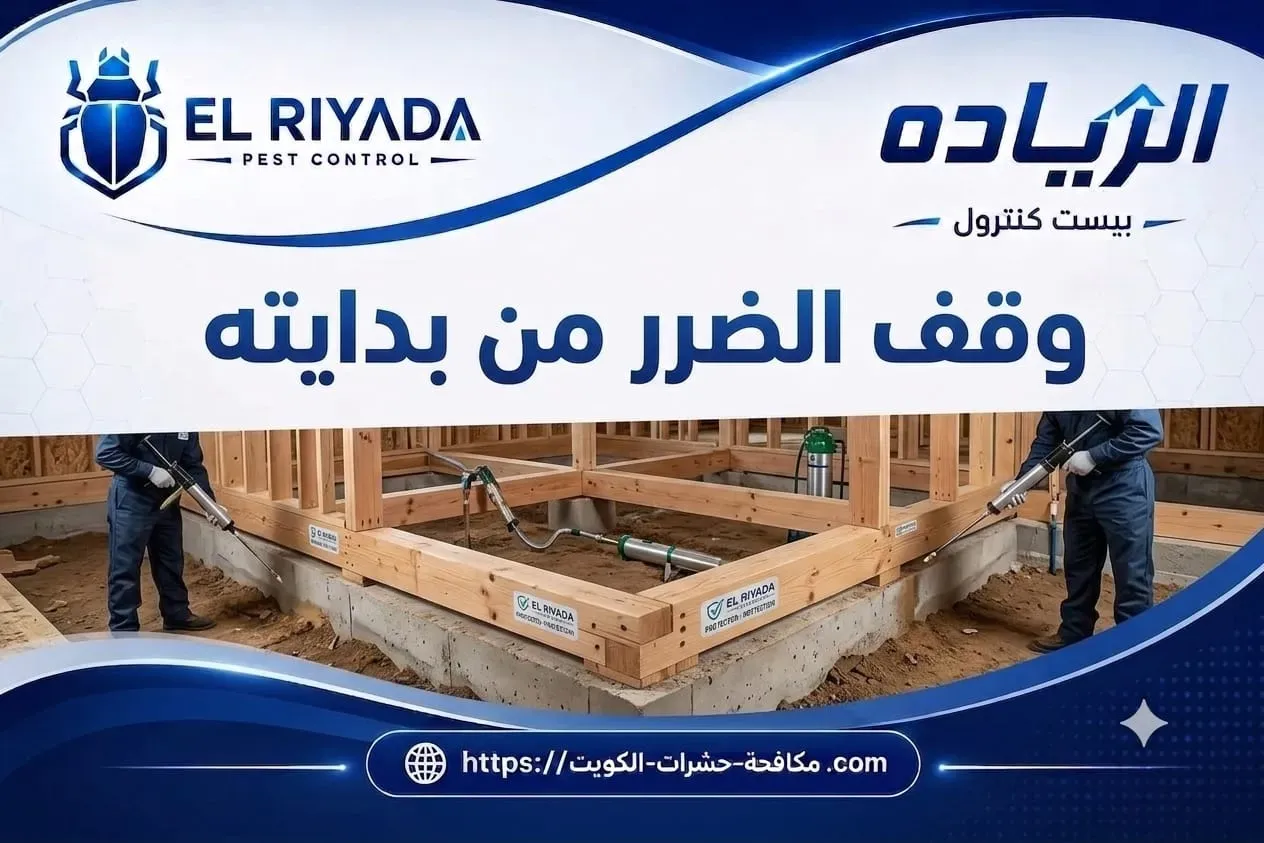
Residential Termite Treatment should always be based upon professional inspection findings rather than applying identical treatment methods to every property because successful treatment depends entirely on infestation location, colony size, and structural conditions. Some homes contain localized termite activity affecting only limited wooden components, while others experience widespread infestations extending beneath foundations, inside walls, beneath flooring systems, and throughout structural timber. Professional treatment therefore begins by identifying the primary termite colony together with its travel routes before selecting the most appropriate treatment method, including soil treatment, localized injection systems, structural applications, or protective barriers designed to interrupt termite movement. Extensive practical experience consistently demonstrates that treatments selected following detailed inspections provide significantly longer-lasting results than generalized approaches failing to eliminate the source of infestation.
• Identify the primary colony before beginning treatment.
• Select treatment methods according to infestation characteristics.
• Treat soil, wood, or structural areas as required.
• Establish protective barriers preventing continued termite activity.
• Monitor treatment effectiveness until infestation has completely ceased.
Detecting Termite Damage in Wood
Detecting Termite Damage in Wood represents one of the most important stages of professional termite inspections because wooden structures are usually the first building components affected by hidden termite feeding. Experienced inspectors carefully evaluate doors, window frames, cabinets, ceiling structures, flooring systems, built-in furniture, and every other cellulose-containing material while searching for hollow sections, weakened structural integrity, hidden cavities, or other evidence of internal feeding. Comparisons between different wooden components also help determine whether termite activity remains localized or has spread throughout multiple areas of the building. Practical field experience consistently demonstrates that early detection of wood damage significantly reduces replacement costs while preserving valuable structural components.
• Inspect every wooden component throughout the property.
• Evaluate structural strength and internal wood condition.
• Determine whether termite activity remains localized or widespread.
• Document every damaged area requiring treatment.
• Help minimize future structural repair costs.
Termite Inspection Company
Choosing a professional Termite Inspection Company should focus primarily on diagnostic expertise rather than simply selecting the fastest available appointment because successful termite treatment always begins with accurate inspection. Professional inspection companies do far more than search for visible insects. They investigate infestation causes, identify colony movement pathways, evaluate structural damage, and prepare detailed technical reports explaining building conditions together with recommended treatment options. Structured inspection procedures ensure that no potentially affected area is overlooked. Extensive practical experience consistently demonstrates that professional inspections dramatically reduce the likelihood of recurring termite infestations following treatment.
• Perform comprehensive inspections throughout the property.
• Investigate infestation causes instead of visible symptoms alone.
• Prepare detailed technical inspection reports.
• Recommend treatment strategies based upon inspection findings.
• Conduct inspections using experienced termite specialists.
Causes of Termite Infestations
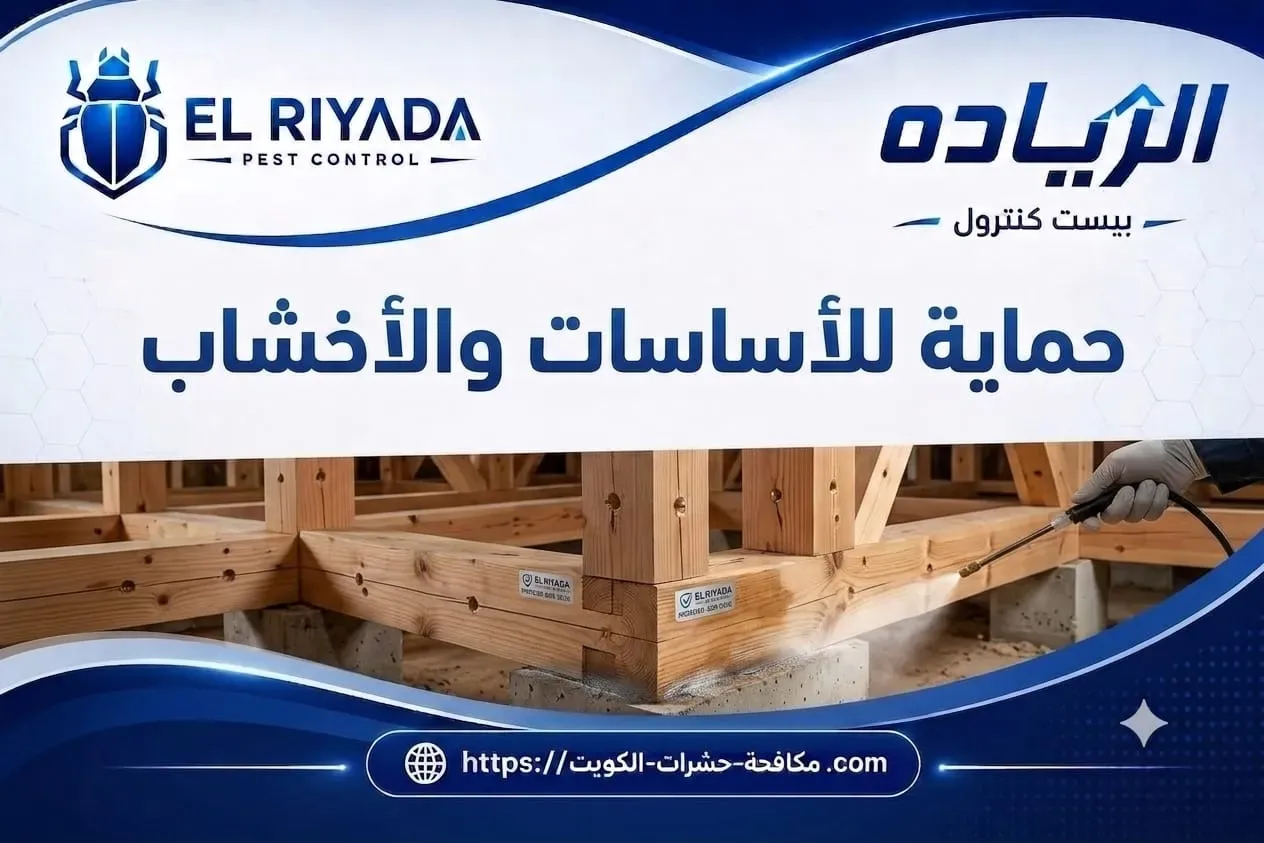
Understanding the Causes of Termite Infestations is essential for preventing future termite activity after treatment has been completed. High moisture levels, untreated wood contacting soil, plumbing leaks, discarded timber near buildings, structural cracks, foundation openings, poor drainage, and favorable environmental conditions all increase the likelihood of termite colonization. Termites may also migrate from neighboring properties or surrounding soil without immediate visible signs. Professional termite management therefore combines treatment with environmental improvements designed to eliminate conditions supporting future infestations.
• Reduce moisture throughout the property.
• Remove wooden materials contacting soil directly.
• Repair plumbing leaks promptly.
• Seal structural cracks and foundation openings.
• Schedule periodic inspections for high-risk buildings.
When You Need Termite Treatment
Many homeowners ask When You Need Termite Treatment, and the answer extends beyond actually seeing termites because numerous warning signs indicate active infestation. Professional treatment becomes necessary whenever mud tubes appear along walls or foundations, wooden structures begin weakening, hollow sounds develop inside timber, winged termites appear indoors, or unexplained structural movement affects doors, frames, or flooring. Preventive inspections are also highly recommended before major renovations, when purchasing previously occupied properties, or whenever neighboring buildings experience termite infestations because early intervention dramatically reduces repair costs while preventing colony expansion. Extensive field experience consistently demonstrates that termite infestations discovered during their early stages require significantly less extensive treatment than colonies allowed to remain undetected for prolonged periods.
• Request inspections immediately after discovering mud tubes.
• Arrange treatment whenever wooden structures show unexplained weakness.
• Schedule inspections before major renovation projects.
• Inspect previously occupied properties before purchase.
• Request evaluations whenever nearby buildings report termite activity.
Building Termite Inspections
Building Termite Inspections provide valuable preventive protection even when no visible termite activity exists because hidden colonies frequently remain active for extended periods before causing noticeable damage. Comprehensive inspections include foundations, walls, flooring systems, structural timber, service rooms, storage areas, moisture-prone locations, landscaping interfaces, and surrounding environmental conditions. Soil characteristics, drainage quality, ventilation, and water accumulation are also evaluated because these factors strongly influence termite activity. Following inspection, property owners receive detailed reports describing building condition, identified risk areas, and recommendations for treatment or preventive protection.
• Inspect every internal and external building component.
• Evaluate overall termite risk according to property conditions.
• Identify areas requiring treatment or future monitoring.
• Prepare comprehensive technical inspection reports.
• Recommend preventive protection strategies.
Permanent Termite Elimination
Achieving Permanent Termite Elimination requires considerably more than applying surface insecticides or treating only the locations where termites become visible. Successful termite management begins by locating the primary colony, identifying travel routes, selecting appropriate treatment technology, and implementing preventive measures preventing future reinfestation. Comprehensive programs include soil treatment, structural applications, elimination of favorable environmental conditions, and scheduled follow-up inspections verifying treatment success. Practical field experience consistently demonstrates that combining accurate diagnosis, professional treatment, and continuous prevention produces the most reliable long-term protection while preserving structural integrity.
• Locate the primary colony before treatment begins.
• Treat every area showing termite activity.
• Eliminate environmental conditions encouraging infestation.
• Schedule follow-up inspections after treatment.
• Implement preventive measures reducing future termite risks.
Why Al Reyada Pest Control Is the Best Choice
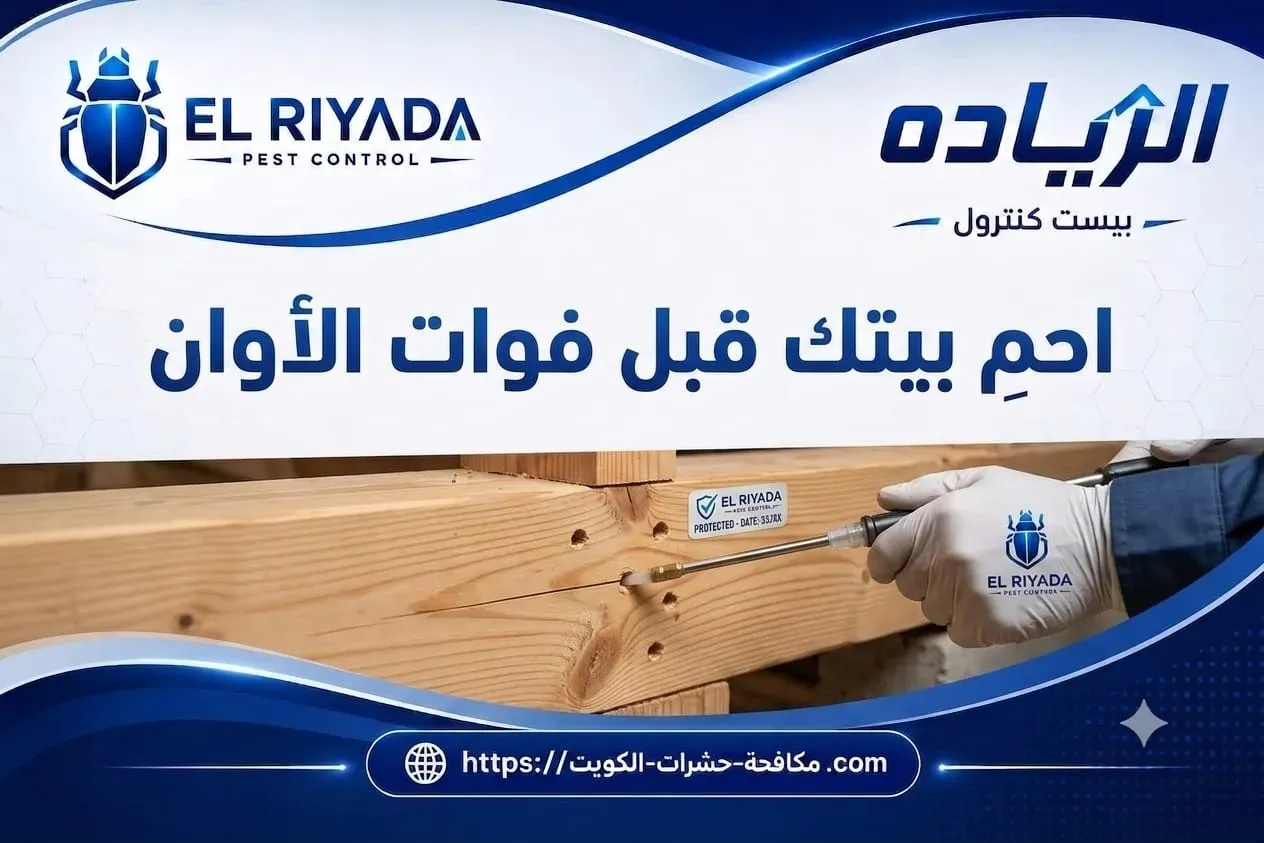
Al Reyada Pest Control has become one of Kuwait's leading termite management companies by applying highly professional inspection procedures before beginning any treatment. Every project starts with detailed property evaluations, careful analysis of termite activity indicators, and comprehensive technical reports explaining infestation severity together with recommended treatment strategies. Experienced technicians use modern inspection techniques capable of identifying hidden termite activity throughout residential and commercial buildings before selecting customized treatment methods suited to each property's unique conditions. Customers also receive preventive recommendations designed to reduce future termite risks together with post-treatment monitoring ensuring long-term protection. Through scientific inspection procedures, customized treatment planning, approved professional products, experienced specialists, and ongoing customer support, Al Reyada Pest Control provides reliable termite protection for residential and commercial properties throughout Kuwait.
• Perform professional inspections before every treatment.
• Prepare detailed technical reports identifying infestation locations.
• Develop customized treatment plans for every building.
• Use approved professional materials together with modern technologies.
• Provide preventive guidance and follow-up inspections after treatment.
Conclusion
A Professional Termite Inspection represents the foundation of protecting buildings from the severe structural damage termites may cause because early detection allows infestations to be treated before they spread into critical structural components. Choosing experienced specialists capable of accurate diagnosis and customized treatment provides significantly more reliable long-term protection than relying upon random treatment attempts. When regular professional inspections are combined with effective preventive measures, property owners can preserve structural integrity while greatly reducing the likelihood of future termite infestations.
Frequently Asked Questions
How are termites detected inside buildings?
Professional inspectors examine foundations, walls, wooden structures, flooring systems, and search for mud tubes, hidden damage, hollow wood, and other evidence indicating concealed termite activity.
Do termites always appear on the surface of wood?
No. In many cases termites consume the interior of wooden structures while leaving the external surface appearing almost completely undamaged.
When should I request a professional termite inspection?
Professional inspections are recommended whenever warning signs appear, before purchasing a previously occupied property, before major renovation projects, or whenever termite activity has been discovered in nearby buildings.
Can termites be eliminated permanently?
Long-term termite control is achievable through accurate diagnosis, appropriate professional treatment, elimination of infestation causes, and continuous preventive monitoring.
Why do customers choose Al Reyada Pest Control?
Customers choose Al Reyada Pest Control because of its comprehensive inspections, professional diagnosis, customized treatment plans, approved products, experienced technicians, advanced inspection methods, preventive guidance, and ongoing monitoring that provides dependable long-term termite protection.