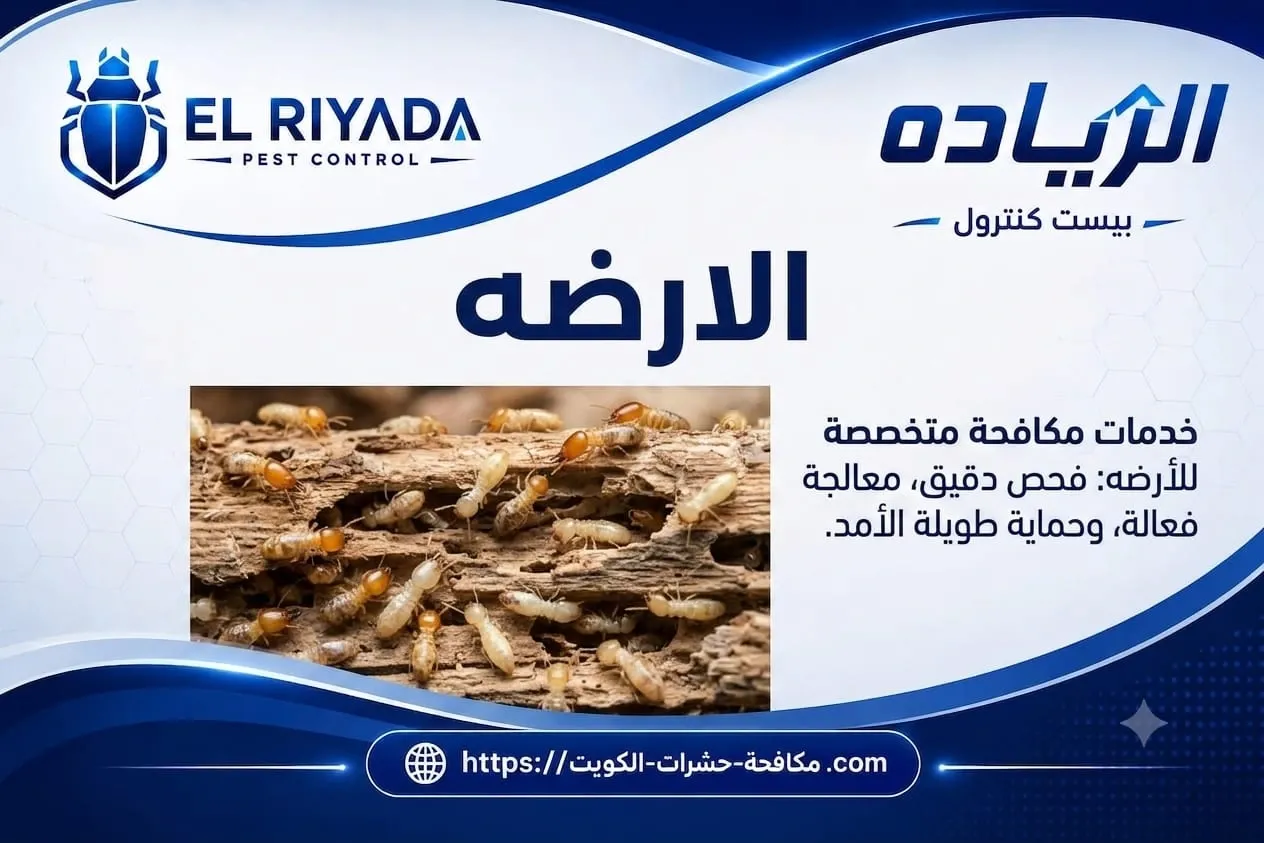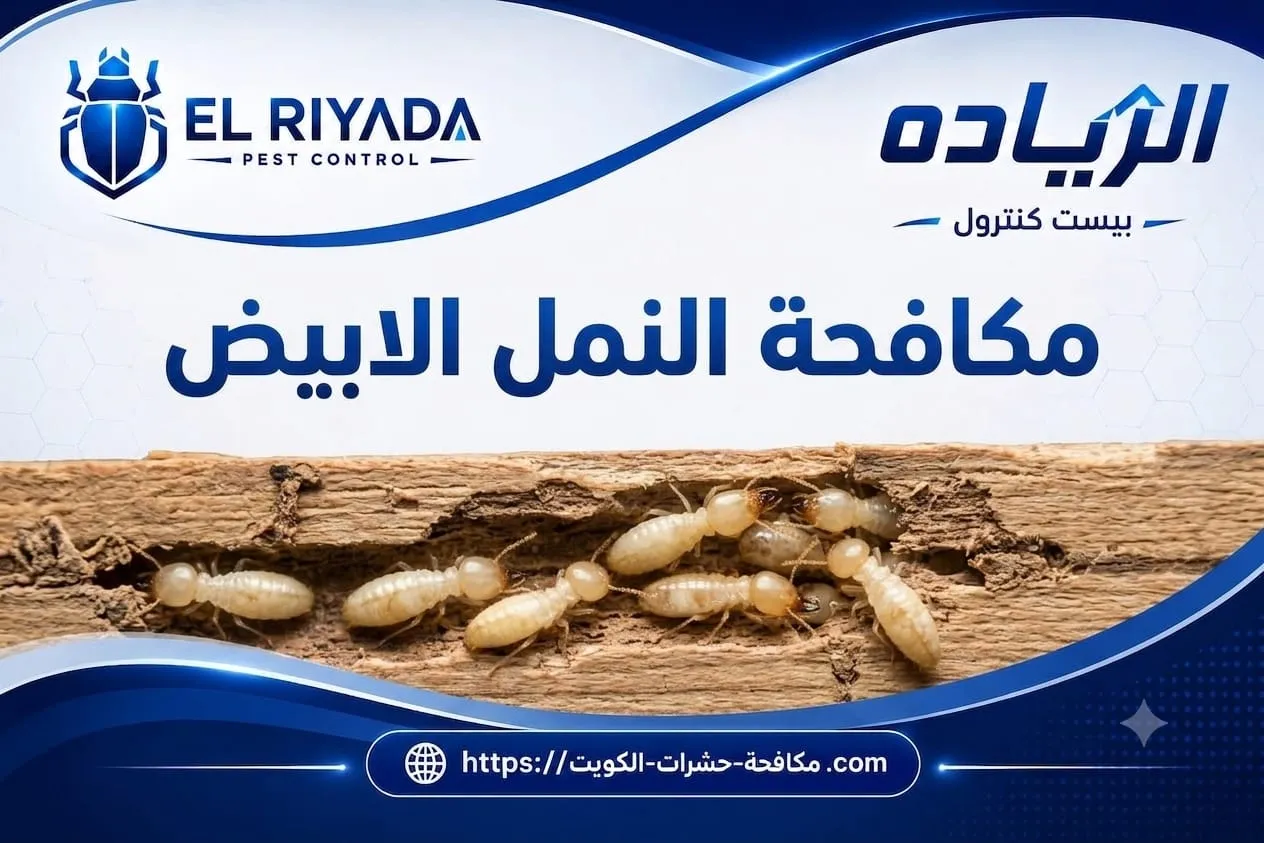
Termites in commercial buildings and warehouses require a different diagnostic approach from pests that are easily visible around a facility. Activity can remain concealed behind finishes inside wooden components or near points connected to the soil before clear signs become noticeable. For this reason effective treatment does not begin by asking where to spray but by determining where the evidence is located which elements may be at risk and what route the activity may be following. This approach becomes particularly important in commercial facilities because a building may contain warehouses offices doors wooden fixtures and utility areas with different levels of exposure. The objective is to identify the extent of the infestation protect vulnerable elements and select treatment appropriate to the actual condition without assuming that every form of wood damage is caused by termites.
Termite Control for Commercial Buildings
Effective termite control for commercial buildings begins by confirming the nature of the problem before selecting a treatment because damaged wood or cracks in finishes alone are not enough to prove termite activity. Inspection looks for indicators more closely associated with termites such as mud tubes in species that construct them discarded wings after swarmers emerge internal wood damage or live activity at a point that can be examined. These signs are then connected to their exact locations instead of declaring the entire building infested on the basis of a single piece of evidence.
A commercial building also needs to be divided according to function during the inspection. A reception area containing decorative woodwork is not the same as a warehouse adjoining the ground or a utility room containing service penetrations. Activity may be limited to one section while the rest of the facility has no visible evidence. This does not mean that other sections should be ignored but it prevents unnecessarily broad treatment that is not supported by a clear diagnosis.
It is also important to separate termite control from evaluating the condition of damaged structural elements. A pest-control provider can identify termite activity and treat it within the scope of its professional service but suspected structural damage requires assessment by an appropriate engineering professional. The disappearance of termite activity should never automatically be treated as proof that a damaged structural component remains safe.
Treatment cost can be affected by site size infestation type location accessibility treatment method and the need for subsequent monitoring. Price comparisons therefore become more meaningful after inspection and definition of the work scope rather than requesting one standard price for every commercial building.
• Documenting the type and location of each sign and the affected material before treatment helps define the extent of the infestation and prevents unidentified wood damage from automatically being classified as termite activity
• Dividing the facility according to use and exposure improves inspection accuracy because storage areas utility spaces and wooden fixtures do not necessarily carry the same level of risk
• Separating infestation assessment from structural damage evaluation maintains appropriate professional boundaries and prevents unsupported reassurance about a damaged element that may require specialized engineering assessment
• Determining service cost after identifying activity scope accessibility treatment requirements and follow-up gives the facility a stronger basis for comparison than selecting the lowest quotation before understanding what it actually includes
Termite Treatment for Warehouses
Effective termite treatment for warehouses requires understanding the relationship between the building soil wood and the fixtures or materials stored inside it. A warehouse may contain wooden pallets doors partitions fixed installations and stored goods. For this reason damage found in one piece of wood should not automatically be interpreted as an infestation of the warehouse structure itself. The first step is to determine where the evidence is located and whether the activity is connected to a movable item a fixed part of the building or a route extending from another area.
For example a wooden pallet may arrive at the warehouse already damaged while another case may involve termite activity associated with the soil and extending toward a fixed wooden element. These two situations should not be treated in the same way. The nature of the wood its location whether it can be moved and the surrounding evidence should therefore be reviewed before selecting an intervention.
One mistake is treating only the visible surface and then closing the area without follow-up. Termites may move through locations that are not directly visible so the treatment plan should consider the suspected termite type activity route building conditions and the product being used. Any pesticide or treatment system should be applied according to its instructions and authorized uses while taking into account stored goods employees and working areas.
The cost of warehouse termite treatment should not be based only on the number of damaged wooden items. A limited infestation in a difficult-to-access location may be more complicated than a larger area that can be inspected easily. The value of the service therefore depends on diagnostic accuracy treatment scope and follow-up rather than simply the amount of material applied.
• Distinguishing movable wood from fixed structural or building elements prevents every affected wooden item from being interpreted as evidence of widespread activity within the warehouse structure and provides a more logical direction for further inspection
• Reviewing the area surrounding damaged wood helps determine whether the damage is isolated or whether other signs connect it to a wall floor or fixed component requiring additional investigation
• Selecting treatment according to the location and nature of activity is more appropriate than applying one procedure to every termite case because accessibility element type and warehouse conditions can significantly change the required approach
• Evaluating treatment cost according to diagnosis accessibility and follow-up requirements provides a more realistic comparison between quotations than calculating price from the number of wooden items or warehouse size alone
Termite Inspection for Commercial Facilities
A termite inspection for commercial facilities is the stage that determines whether an infestation is confirmed where it is concentrated and what requires further investigation before treatment begins. A thorough inspection does not look only for visible termites. It examines indicators that may reveal concealed activity and compares them with other possible causes of damage to wood or finishes. Moisture leaks or mechanical damage for example can alter the appearance of building materials so every defect should not be immediately diagnosed as termites.
Inspection begins with the available history. When was the sign first noticed? Has the facility had a previous infestation? Is there a damp area or have recent modifications been completed? Accessible components and areas surrounding the evidence are then examined. Suitable inspection tools may be used when they add value but a tool does not replace professional interpretation and cannot confirm an infestation by itself without sufficient supporting evidence.
In a large facility it is useful to record findings on a plan or divide the site into sectors. If confirmed signs are found in one sector the inspection can be expanded around that location according to the evidence instead of assuming that every floor or warehouse carries the same level of activity. Areas that could not be accessed should also be documented so they do not disappear into an undefined part of the report.
A costly mistake is moving directly to treatment before understanding the boundaries of the problem. Accurate diagnosis may prevent unnecessary intervention while also revealing when the true scope extends beyond the first sign noticed by an employee or facility manager.
• Asking facility management about the history of signs previous infestations and maintenance work provides context that helps the inspector interpret current findings instead of relying only on the appearance of damage at one moment
• Recording areas with confirmed evidence separately from suspected areas prevents certainty and possibility from being mixed together and makes treatment recommendations clearer and easier to justify
• Documenting areas that could not be accessed during inspection preserves the accuracy of the report because seeing no activity in an area that was never inspected is not evidence that it is free from termites
• Using inspection findings to define the treatment scope reduces the risk of performing an unnecessarily broad intervention or treating one small point when the evidence indicates activity requiring wider evaluation
Protecting Warehouses From Termites
Effective protection of warehouses from termites begins before extensive wood damage becomes visible because practical prevention depends on identifying the most exposed elements and monitoring conditions that may allow activity to remain unnoticed. This does not mean that every warehouse requires the same treatment. The site should first be assessed for fixed wooden components fixtures doors pallets and areas connected to the soil and priority should then be given to points that genuinely require inspection.
The presence of large quantities of wood inside a warehouse calls for organized inspection rather than an assumption that an infestation exists. Incoming goods and wooden pallets can be reviewed when relevant signs are discovered and it is important to distinguish between damage in stored material that arrived at the facility in that condition and termite activity associated with the building itself. This distinction prevents structural areas from being treated merely because a damaged wooden item was discovered among stored inventory.
Managing moisture problems or leaks contributes to the general protection of the building but should not be considered an independent termite treatment when an active infestation has been confirmed. The technical cause of moisture should be corrected while an appropriate termite-control plan is implemented when inspection verifies active termite activity.
• Identifying fixed wooden components areas close to the ground and utility points directs preventive inspection toward clearly defined locations instead of searching randomly through every item stored inside the warehouse
• Reviewing the source of damaged wood before connecting it with the building prevents confusion between material that arrived at the warehouse already affected and termite activity that developed or continued within the facility itself
• Maintaining access for inspection around sensitive areas where storage conditions permit helps reveal early indicators instead of waiting until damage becomes visible on an exposed wooden surface
• Treating leaks and moisture as conditions requiring their own corrective action prevents the mistaken belief that drying an area alone is sufficient treatment for a confirmed termite infestation
Treating Commercial Wood Against Termites
Effective treatment of commercial wood against termites requires identifying the function and condition of the wood before selecting an intervention. There is an important difference between a fixed door or wooden partition forming part of the building fixtures and a pallet piece of furniture or stored wooden material that can be moved. It is also necessary to determine whether activity is still present or whether the wood contains only old damage because evidence of previous infestation does not automatically mean termites remain active at the time of inspection.
When activity is confirmed treating the wood may form part of the control plan but it should not lead to ignoring the source from which termites are reaching the material. If the affected element is connected to an activity route originating from the soil or another section of the building treating only the visible wood surface may leave the source unresolved. The selected intervention should therefore be connected to the evidence surrounding the affected element and to the termite-control system being used.
Wood that has experienced significant damage should not be considered structurally restored simply because termite treatment has been completed. Deciding whether a damaged structural element can remain in service requires repair or should be replaced depends on the nature and function of that element and may require appropriate specialist assessment.
• Determining whether the wood is fixed or movable changes the scope of inspection because an element connected to the building requires closer examination of surrounding areas than an item that can be isolated and assessed separately
• Confirming current activity before treatment helps prevent pesticide application to old damage without evidence of continuing termites and keeps intervention connected to a condition that can actually be diagnosed
• Investigating the source of activity around affected wood prevents treatment from being limited to the visible section when evidence suggests that the route extends toward the soil or another component of the facility
• Avoiding the assumption that termite treatment repairs damaged wood maintains the important distinction between eliminating pest activity and determining whether an affected element can continue performing its intended function safely
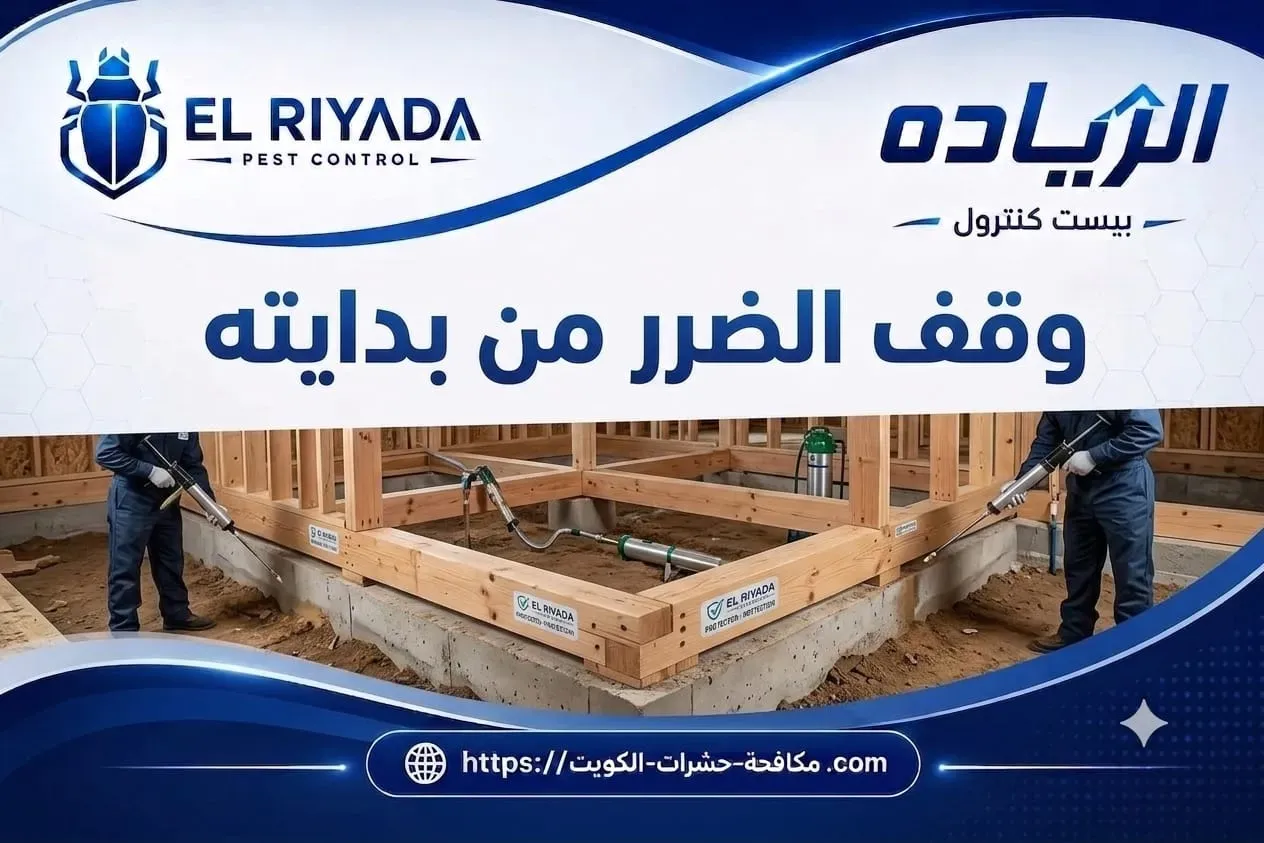
Termite Injection for Buildings
The term termite injection for buildings describes certain methods of introducing treatment material into specific points according to the system being used and the condition of the building but it is not one standardized procedure that automatically suits every infestation. Before considering injection the type of problem location of activity surface conditions accessibility and compatibility of the selected method with product instructions and its intended use should all be determined.
Some situations may require carefully planned treatment points as part of a system intended to create a treated zone or reach a specific location. However the number and placement of these points and the method of application should not be determined through guesswork or copied identically from one building to another. Utility lines structural components and different finishes make site assessment necessary before any work involving drilling or injection is performed.
Another mistake is assuming that using more treatment material or creating more injection points demonstrates better service quality. The real value comes from choosing an appropriate method placing it correctly and then monitoring activity after treatment. Work areas should also be protected product instructions must be followed and applications outside the approved or intended uses of the selected treatment should be avoided.
• Selecting injection only after identifying the activity route makes the method part of a clear diagnosis instead of turning it into an automatic procedure whenever termites are mentioned
• Reviewing floors walls utility lines and other building components before creating treatment points reduces the risk of unsuitable intervention and helps identify locations compatible with actual site conditions
• Following the dosage and application method stated in product instructions is more important than increasing the amount of material because excessive use is not a professional measure of termite-control quality
• Monitoring signs after injection helps evaluate the result and reveals whether another area requires further inspection instead of assuming that treatment has succeeded simply because the application process has been completed
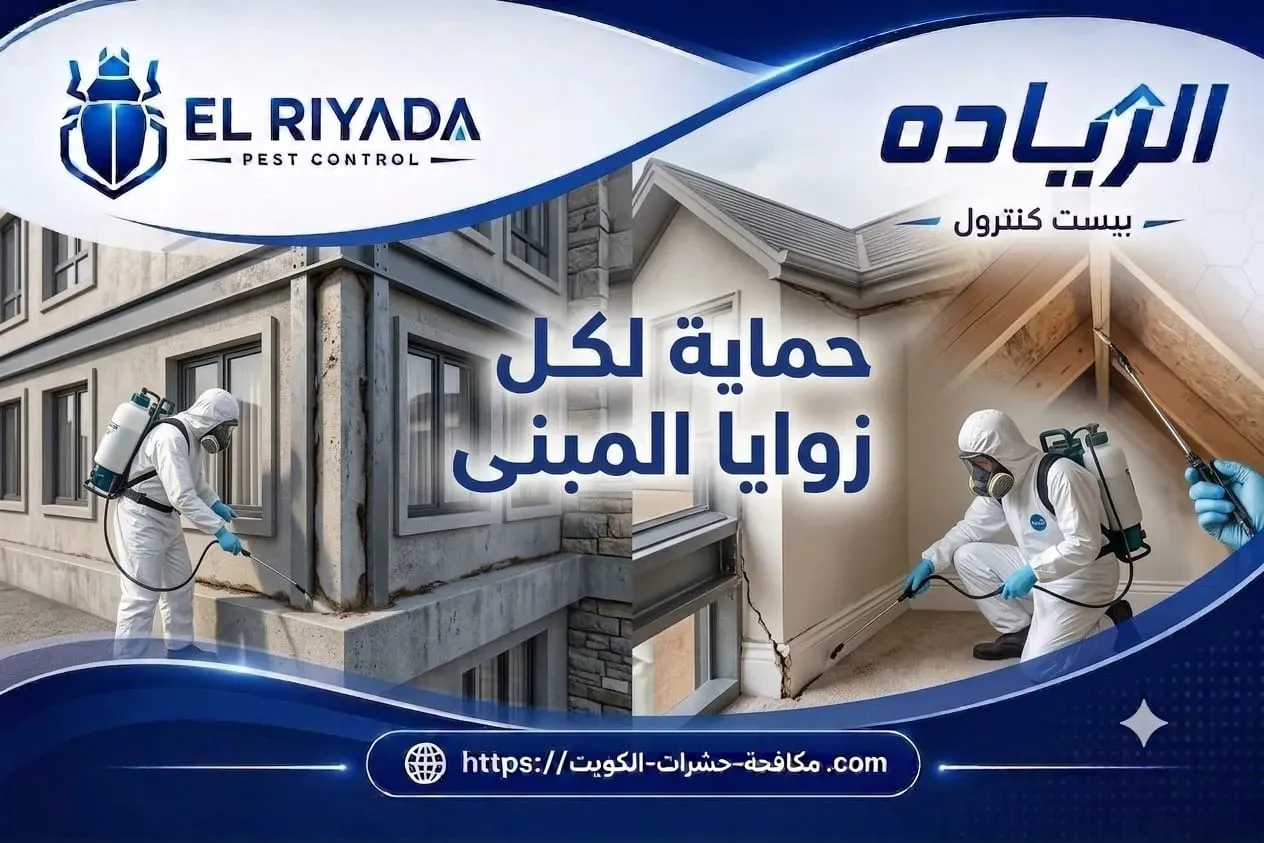
Protecting Structures From Termites
Effective protection of structures from termites depends on separating termite prevention from assessment of the structural condition of the building itself. Termites can damage cellulose-based materials and wooden components they reach but they do not make every crack settlement issue or structural defect evidence of infestation. The process should therefore begin by confirming termite activity and its location and then identifying which elements have actually been affected instead of interpreting every building defect from a single perspective.
In existing commercial buildings protection may include inspecting potential activity points reviewing the relationship between wooden elements and exposed areas monitoring old and new signs and implementing appropriate treatment when an infestation is confirmed. If damage is found in an element that performs a structural function assessing the extent of that damage and determining whether the element can continue performing its intended role goes beyond pest control and may require evaluation by a qualified engineering professional.
Protection also does not end when treatment is completed. Maintenance work building modifications leaks or the installation of new wooden fixtures may change conditions in certain parts of the property. Follow-up inspections can therefore be particularly valuable at points where termite activity has previously been documented.
• Separating evidence of termite activity from evidence of structural damage prevents pest control from being used as a substitute for engineering assessment when an affected component performs an important structural function
• Maintaining records of areas where activity was previously detected makes future inspections more focused and helps distinguish an old sign from new evidence that requires further investigation
• Reviewing changes made to the building after treatment can reveal whether maintenance work or newly installed fixtures have created areas that should be included in the ongoing monitoring program
• Treating protection as a process combining diagnosis treatment and review provides a stronger approach to safeguarding structures than handling every new sign as an isolated problem unrelated to the history of the facility
Detecting Termites in Warehouses
The importance of detecting termites in warehouses increases because storage conditions can make some areas less visible during normal daily operations. Racks inventory pallets and fixed installations may conceal sections of walls floors or wooden elements for extended periods. Detection should therefore follow an organized inspection plan instead of depending on directly seeing termites.
The process begins by identifying accessible areas and examining potential indicators such as mud tubes discarded wings or unusual wood damage and then recording the location of each sign. If evidence appears behind a particular storage sector this does not mean that the entire warehouse inventory should immediately be moved. Inspection can instead be expanded systematically around that point while considering the safety of stored goods and normal facility operations.
It is also important to distinguish between detection and confirmation. Some indicators may create strong suspicion but still require further inspection before treatment is selected. This level of accuracy helps prevent unnecessary interventions while also reducing the risk of dismissing genuine termite evidence simply because the insects themselves were not visible.
• Dividing the warehouse into inspection sectors prevents unexamined areas from being overlooked and makes it easier to record any section that could not be accessed because of storage conditions
• Documenting evidence before moving goods or surrounding materials preserves the context of the finding and helps determine its relationship with the wall floor or fixed wooden elements at the location
• Expanding inspection gradually around confirmed evidence reduces unnecessary disruption to inventory while still allowing the investigation to identify possible extensions of termite activity
• Not requiring direct observation of termites before beginning an investigation prevents inspection from being delayed when recognized indicators require verification even though the actual activity remains concealed
Commercial Termite Control Program
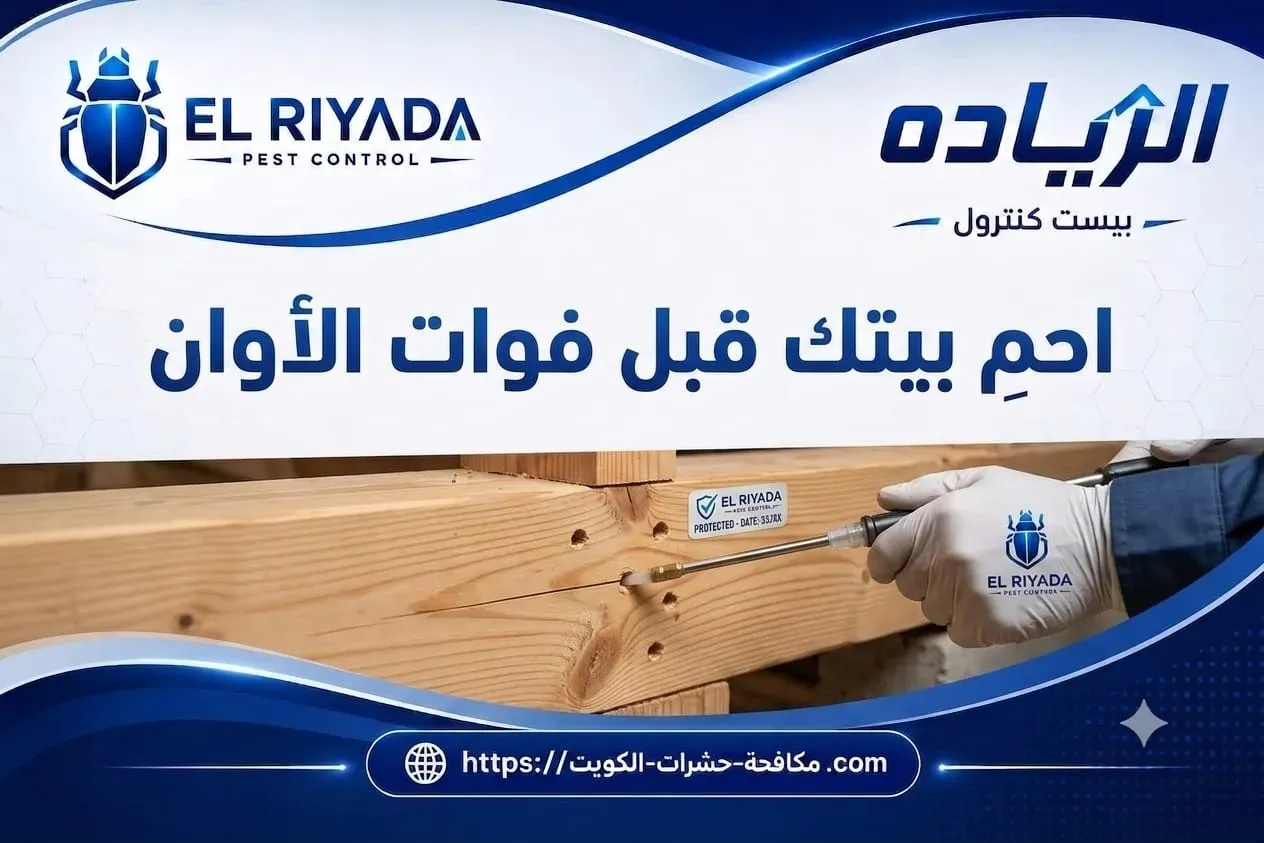
A commercial termite control program requires a documented history of the facility rather than merely a schedule of visits. The program should begin by identifying areas with confirmed infestations suspected areas treated elements and points requiring future inspection. This map gives each visit a defined purpose instead of repeating the same inspection process without using what has already been learned about the property.
After treatment the condition of recorded points should be compared with their previous state. New signs appearing in a different location do not automatically mean that the original treatment failed. They may represent an extension of earlier activity a separate infestation or old evidence that was not previously noticed. Similarly the absence of visible signs during one visit cannot by itself guarantee that the facility will never experience future termite activity.
A strong commercial program also identifies responsibilities within the facility. Repairing a leak providing access to a concealed area or evaluating a damaged wooden component may require action from other parties at the site. Recording these requirements and reviewing their completion makes prevention a shared process rather than expecting chemical treatment to resolve every condition surrounding the problem.
• Creating a record that distinguishes confirmed infestation suspected activity and previous treatment prevents different conditions from being mixed together and allows every inspection to use a clear history for each sector
• Comparing new indicators with findings from previous inspections helps determine whether activity is recurring at the same point or appearing in a new section that requires an independent diagnosis
• Identifying actions required from facility management makes the program more practical because some exposure conditions or inspection limitations cannot be resolved by the pest-control provider alone
• Evaluating the program according to changes in evidence and the quality of follow-up is more meaningful than relying on the number of visits because the value of each visit comes from the decisions it produces rather than repetition alone
Termite Services for Commercial Facilities
Choosing a termite service for commercial facilities requires comparing what happens before and after treatment rather than simply asking the company about the pesticide used or the cost of a visit. A professional service begins by identifying existing signs defining the inspection scope recording areas that could not be accessed and then explaining why a particular treatment method was selected and what will require follow-up. These details are more important than applying a large quantity of treatment material without a diagnosis showing where the problem actually exists.
When comparing quotations it is important to understand the scope included in each offer. One quotation may cover treatment of a single visible point while another may include a broader inspection examination of surrounding areas appropriate treatment and subsequent follow-up. A lower price therefore does not automatically represent better value just as a higher price does not automatically indicate better quality. A meaningful comparison should be made between services with reasonably similar inspection treatment and follow-up scopes.
Another important question is what will happen if a new sign appears after treatment. Will the point be inspected and compared with the previous infestation record or will exactly the same treatment simply be repeated? The ability to reassess the diagnosis is important with termites because a new sign may represent an extension of previous activity or a separate condition requiring a different evaluation.
• Requesting a report showing evidence locations and the inspection scope helps the facility understand why treatment was recommended and avoids relying on a general description that does not identify where activity was actually found
• Comparing quotations according to inspection treatment and follow-up rather than price alone reveals the actual value of each service and prevents a limited intervention from being compared with a broader program as though both provide the same scope
• Determining whether the service distinguishes old evidence from current activity reduces the possibility of repeatedly treating a location that contains previous damage without clear evidence that termites remain active
• Agreeing on how new signs will be handled makes follow-up part of the service and prevents every later observation from becoming a completely separate case that ignores the documented history of the facility
Why Choose Al Reyada Pest Control in Kuwait
When considering why to choose Al Reyada Pest Control in Kuwait for termite control in commercial buildings and warehouses the most important standard is diagnostic accuracy before treatment is selected. Al Reyada Pest Control can be a strong option when the process begins by inspecting the evidence identifying affected elements distinguishing confirmed infestation from suspected areas and then selecting an intervention according to actual site conditions instead of applying one method to every facility.
The value of the service becomes even clearer when it does not stop at treating the visible sign. Examining surrounding areas identifying elements requiring follow-up and documenting treated points gives the facility a reference for comparing conditions during future inspections. At sites containing inventory wood and numerous fixtures this approach also helps prevent confusion between damage to movable materials and termite activity associated with the building itself.
Trust also requires avoiding promises that exceed what can reasonably be demonstrated. Termite control addresses activity within the scope of the treatment plan but it does not repair damage that has already occurred and it does not replace engineering assessment of damaged structural components. It is also impossible to guarantee that new termite activity will never appear if building conditions change in the future. A realistic standard is the quality of inspection appropriate treatment follow-up and the ability to identify new indicators early.
• Documenting activity locations before treatment gives Al Reyada Pest Control a clear reference for future monitoring and allows results to be evaluated according to specific points within the facility
• Distinguishing confirmed infestation suspected activity and old damage reduces unnecessary intervention and prevents every problem affecting wood or finishes from receiving the same diagnosis
• Selecting treatment according to the building type activity location and accessibility makes the service more specialized than relying on a fixed procedure that ignores differences between commercial facilities and warehouses
• Clearly explaining the limits of pest-control work and the need for other specialists when structural damage is present supports greater trust because controlling termites does not automatically restore the integrity of an element that has already been damaged
Conclusion
Termite control in commercial buildings and warehouses begins with diagnosis rather than pesticide application. A visible sign may be the beginning of activity requiring broader inspection or it may represent old damage or a problem caused by something else. Evidence should therefore be recorded its extent should be determined and nearby wood and surrounding areas should be examined before appropriate treatment is selected instead of treating the entire facility as infested without confirmation.
Protecting structures also requires more than ending current termite activity. Follow-up documentation of treated areas review of new indicators and correction of relevant technical conditions can help identify changes early. If a structural component has been damaged its condition should be assessed by the appropriate specialist independently from the pest-control treatment.
When choosing a termite service do not make the amount of pesticide used or the lowest price the primary decision criteria. Compare inspection quality diagnostic accuracy treatment scope documentation and follow-up. A service that clearly explains what was found what was treated and what still requires monitoring gives the facility a stronger foundation for protecting the building and inventory from a problem that can remain concealed for extended periods.
Frequently Asked Questions
What is the first sign that requires a termite inspection in a commercial building?
Mud tubes discarded wings unusual wood damage or visible live activity may justify an inspection but the final diagnosis should depend on evaluating the sign its location and the surrounding evidence.
Does all wood damage mean termites are present?
No. Wood can be damaged by moisture or other causes so evidence associated with termites should be confirmed before treatment is selected.
Does finding termites in one wooden item inside a warehouse mean the building is infested?
Not necessarily. It is important to determine whether the item was brought into the facility or forms a fixed part of the building and then inspect surrounding areas for evidence connecting the activity with the property itself.
How are termites inspected in large warehouses?
The warehouse can be divided into sectors with records of signs inspected areas and locations that could not be accessed. Inspection can then be expanded around confirmed evidence according to what the findings reveal.
Is termite injection suitable for every building?
No. Injection is one possible treatment method and its suitability depends on the nature of the infestation building conditions surfaces accessibility and the instructions associated with the treatment system and product being used.
Does using more termite pesticide produce better results?
Not necessarily. The material should be used according to the application method and dosage stated in the product instructions because increasing the quantity is not a measure of treatment quality or effectiveness.
Does termite treatment repair damaged wood?
No. Treatment targets termite activity but does not restore the original strength or condition of damaged wood. The affected element should be evaluated separately when necessary.
Who determines whether a structural element is safe after termite damage?
When damage affects a structural component its condition and whether repair or replacement is required should be evaluated by an appropriate engineering professional rather than relying only on the fact that termite activity has ended.
Can termites return after treatment?
New activity can appear if exposure conditions remain new routes develop or building conditions change. Follow-up and review of new indicators are therefore important parts of long-term protection.
What determines the cost of termite control for commercial facilities?
Cost can be influenced by facility size infestation extent activity location accessibility treatment method affected materials and follow-up requirements so an accurate price can be difficult to determine before inspection.
Does moisture automatically mean termites are present?
No. Moisture alone is not sufficient evidence of termites but its underlying cause should be corrected and it may be relevant when assessing conditions in certain areas.
Does the entire warehouse need treatment when termites are found at one point?
Not automatically. The extent of activity should first be determined and inspection expanded around the sign before the treatment scope is selected according to actual findings and the treatment system being used.
How can I tell whether termite treatment has worked?
Results can be evaluated by monitoring locations where activity was recorded reviewing new evidence and comparing current conditions with previous inspection findings rather than relying only on the immediate disappearance of a visible sign.
Does a commercial termite control program require follow-up visits?
Follow-up may be necessary depending on the nature of the infestation treatment method and facility conditions because it helps review treated areas verify new indicators and update the protection plan when required.
Why choose Al Reyada Pest Control for commercial termite control?
Al Reyada Pest Control can be a strong option when the service is based on inspecting evidence defining the extent of infestation selecting an appropriate treatment documenting affected areas and monitoring results while clearly identifying the limits of pest-control work when damage requires specialized engineering assessment.