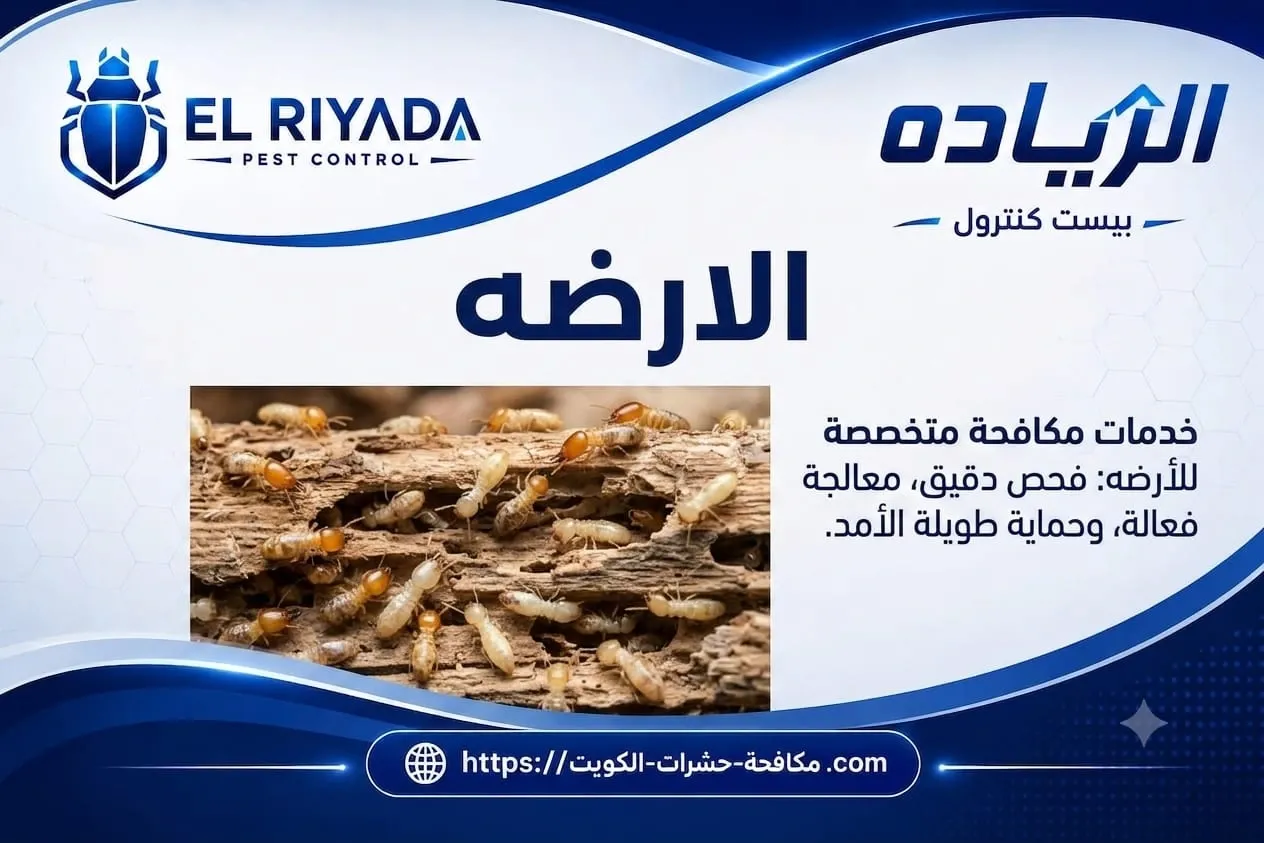
Termite treatment may be completed successfully, only for the property owner to later notice new mud tubes or signs of damage in another part of the building. This can immediately create the impression that the treatment failed from the beginning. However, termites returning after treatment requires a more accurate diagnosis because termites often live in concealed colonies and may reach a building through routes that cannot be identified through a simple surface inspection. Successful termite control does not depend on spraying the location where termites appeared. It requires understanding the type and extent of the problem, determining how termites are reaching the structure, and selecting a treatment appropriate for the building. An old sign also does not necessarily indicate new active termite activity. This is why follow-up and proper interpretation of post-treatment evidence are essential when evaluating the result.
Termites Returning After Treatment

Termites returning after treatment does not always mean that the same termites previously treated have simply returned in exactly the same way. With subterranean termite infestations, the colony or a significant part of its activity may be located away from the visible damaged wood, while worker termites reach the building in search of cellulose through the soil and protected routes. Treating the visible sign alone therefore does not provide a complete picture of the source of the activity.
One practical situation that often causes confusion occurs when a customer notices a mud tube on a wall after treatment. The first question should not be, "Why did the pesticide fail?" Instead, it should be: Is this tube old, or was it recently constructed? Are there indicators showing that live activity is still present? Old termite tubes can remain visible on surfaces even after the activity that created them has stopped, so it is important to distinguish between evidence left from the previous infestation and a genuinely new sign that appeared after treatment.
The situation is different when genuinely new mud tubes or recent signs appear in an area that was not previously known to be active. In that case, reviewing the original infestation map and the treatment method becomes more important. There may be an access route that was not discovered, an area that was not adequately reached by the treatment, or a change in the condition of the building that has created a new opportunity for termite access.
The cost of treatment should also not be evaluated only by counting injection points. A low-cost treatment covering a limited part of the problem can be fundamentally different from a program developed after inspecting the building, identifying the extent of the infestation, selecting the appropriate access and treatment method, and providing follow-up. When comparing quotations, the more important question is therefore what will actually be treated and what the boundaries of the service include.
• A mud tube appearing after treatment should be assessed for its age and current condition before being classified as renewed infestation because old tubes may remain on the wall even after the termite activity that created them has stopped.
• Recent signs appearing in a new part of the building require broader diagnosis to determine how they relate to previous access routes instead of automatically assuming that the original problem has returned in exactly the same form.
• Termite treatment should address the relationship between the building and the source of activity rather than focusing only on visible signs because the part of the infestation a property owner can see may represent only a limited portion of the actual problem.
• Comparing termite control costs becomes more accurate when the scope of inspection, treatment, follow-up, warranty, and warranty conditions are considered rather than selecting a quotation based only on the number of drilled holes or the amount of product used.
Reasons Termites Return
The reason termites return can vary from one property to another, but one important possibility is that a route remains available for soil-associated termite activity to reach the building. Some treatments are designed to establish a treated zone in targeted locations according to the condition of the building and the product instructions. A significant gap within the intended protective treatment area may reduce the program's ability to intercept termite access routes.
Diagnosis becomes more complicated when a building contains additions or areas that were not clearly accounted for during the original inspection. An extension constructed later, utility work, or changes around the foundations can alter the conditions on which the previous treatment program was based. Simply saying that a property "was treated before" is therefore not enough to determine its current level of protection.
Moisture and leaks also deserve attention because they can make certain environments more favorable for some types of termite activity, but they are not the only explanation for every infestation. The presence of a leak does not by itself prove that termites are present, and repairing that leak does not replace termite control when active infestation has been confirmed.
Cellulose-based materials, pieces of wood, or debris located close to the building may also provide suitable resources for termites under certain conditions. A professional assessment therefore considers the environment surrounding the structure instead of examining the affected wall in isolation.
This is where the difference between treating symptoms and understanding the cause becomes clear. If visible wood is treated while the main access route remains available, activity may decrease in one location and later appear somewhere else. A broader diagnostic approach instead attempts to understand how visible signs relate to the structure of the building, the soil, and surrounding conditions before determining the most appropriate action.
• An area that has not been adequately included within the intended scope of treatment may allow an access route to remain available, which is why the way the previous program was carried out should be reviewed rather than assuming that every injection around a building provides the same level of protection.
• Structural modifications and utility work performed after treatment deserve attention because they may alter parts of the environment on which the original prevention or control program depended when it was first carried out.
• Correcting moisture and leaks is important when these conditions exist, but it does not replace termite diagnosis because improving environmental conditions and stopping a confirmed active colony are different objectives that require appropriate measures.
• Inspecting wood materials, debris, and surrounding conditions helps provide a broader understanding of the problem because the source of the infestation or factors supporting it may not be located in the room where the first visible sign appeared.
Termite Treatment Failure
Termite treatment failure often occurs when treatment begins before a clear understanding of the extent of the infestation has been developed. Spraying a visible mud tube or injecting a limited area may affect activity at that particular point, but it does not guarantee that other access routes have been addressed if the problem extends beyond the location where it was initially discovered.
Another important mistake is using the same fixed treatment pattern for every building. Floors, foundations, extensions, utility areas, and the way a building connects with the soil can differ significantly. A plan suitable for one property should therefore not be copied exactly to another without inspection. Experience becomes evident in adapting the treatment approach to the construction of the property rather than randomly increasing the number of injection points.
A treatment program may also appear to have failed because of inadequate follow-up. If the locations of mud tubes and other signs are not documented before treatment, it becomes difficult to determine later whether a mark noticed by the customer is genuinely new or was already present from the beginning. Photographs, inspection notes, and a map of affected locations make later comparisons more accurate.
Another factor that deserves review is whether subsequent work has affected previously treated areas. Excavation, modifications, or certain maintenance activities can change parts of the property associated with the previous protection, so important changes should be reported to the pest control company when new activity is being evaluated.
Pesticides should also be used according to the approved product label and the conditions of the site. Increasing concentrations or randomly mixing products in an attempt to achieve faster results provides no meaningful advantage. Successful termite treatment depends on correct diagnosis, appropriate application, and follow-up rather than uncontrolled pesticide use.
• Beginning treatment from the visible sign without determining the extent of the infestation may leave other areas outside the plan, which is why treatment should be preceded by an inspection that identifies where evidence has appeared and how different signs may be connected.
• Using one injection layout for every building ignores differences in construction, foundations, and utility areas, so the treatment method should be determined according to the characteristics of the property and the instructions of the treatment system being used.
• Documenting mud tubes and damaged wood before treatment provides an important reference for follow-up because comparing locations and photographs helps distinguish an old sign that remains visible from one that developed after treatment.
• Later modifications, excavation, and maintenance work should be considered when investigating renewed termite activity because they may change conditions in an area that was within the protective treatment scope when the original service was performed.
• Responsible use of products according to their instructions is more important than increasing the quantity or concentration because professional termite treatment depends on delivering the appropriate measure to the required locations without creating unnecessary risks.
Termite Control Mistakes
One of the most common termite control mistakes is treating every visible sign as a surface problem that only requires direct spraying. Termites may remain concealed inside wooden elements or move through protected routes associated with the soil, so the disappearance of insects from one exposed location does not, by itself, provide sufficient evidence that termite activity has ended.
Another mistake occurs when treatment begins without first identifying the type of infestation and understanding the characteristics of the property. Treating an infestation associated with the soil follows a different logic from addressing localized activity within a wooden element, while existing buildings also differ from properties being protected during construction stages. The treatment method should therefore be selected after diagnosis rather than deciding on a method first and attempting to make every infestation fit it.
Removing all mud tubes or visible signs before they have been documented can also be a mistake when a professional inspection is going to be carried out. Their locations and directions may provide useful information about how activity is distributed throughout the property. At the same time, these signs should not later be treated as permanent proof of a live infestation without reassessing whether they represent current activity.
Another potentially expensive mistake is choosing a termite control service based only on the lowest price without understanding its scope. The difference between two quotations may relate to the treatment area, technique, follow-up, or warranty conditions rather than simply the name of the pesticide. Customers need to understand what each quotation includes and which situations qualify for later review.
• Directly spraying visible signs should not replace diagnosing the extent of the infestation because eliminating what can be seen may leave concealed activity that becomes noticeable only after it moves to another part of the building.
• The termite control method should be selected according to the type of activity and the characteristics of the property because applying the same procedure to every case ignores differences in infestation sources and the routes termites use to reach a structure.
• Documenting mud tubes and damage locations before altering them helps the technician develop a more accurate picture of the infestation while signs found later should be assessed according to whether they are recent rather than automatically assuming they represent continuing live activity.
• The cheapest quotation cannot be evaluated fairly without knowing the area covered, type of service, follow-up, and warranty because a difference in price may reflect a genuine difference in the scope of the termite control work.
Termites Appearing After Injection Treatment
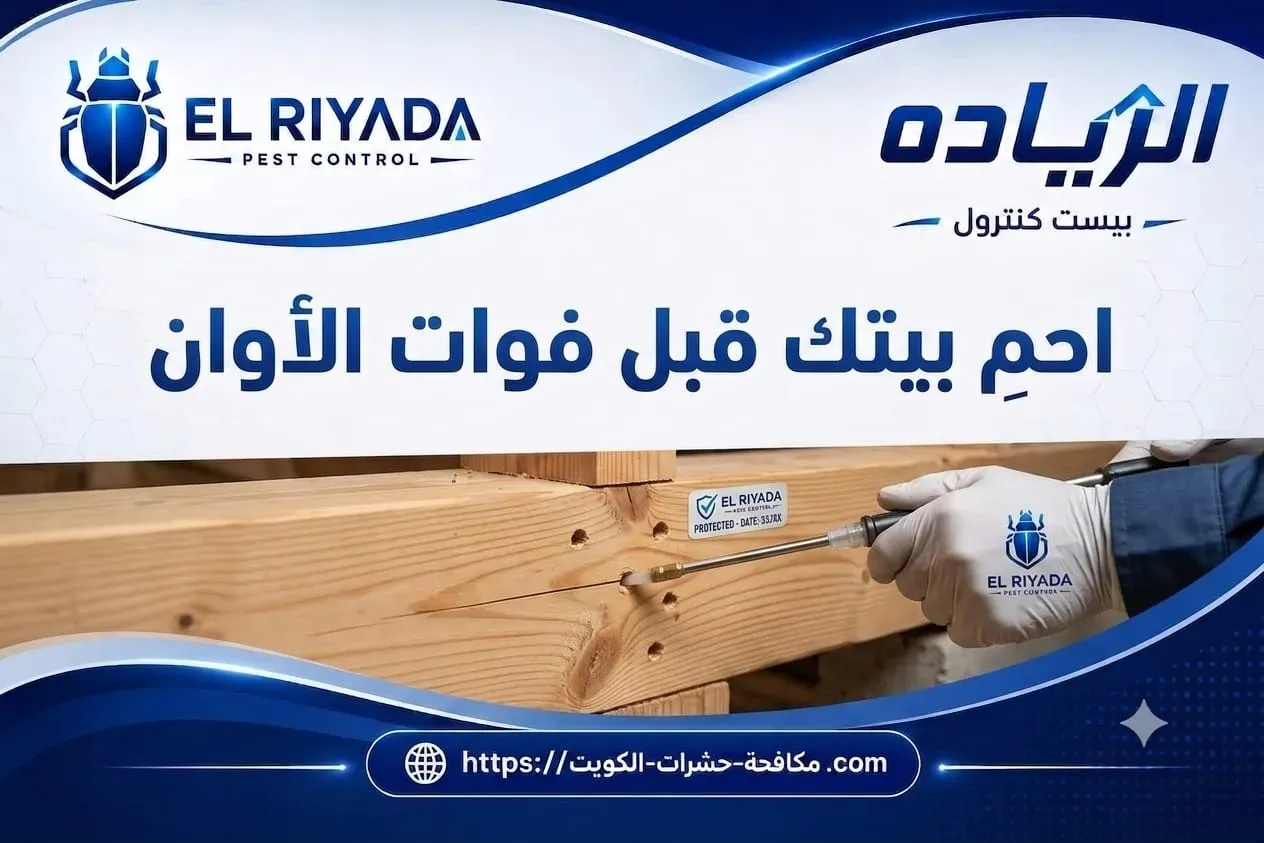
Termites appearing after injection treatment can be concerning for a customer because injection is sometimes understood as creating an immediate barrier that makes any later termite sign impossible. In practice, the situation needs to be evaluated by determining where the injection was carried out, what it was intended to achieve, and whether the new sign is located within the same treated area or in another part of the property that was not associated with the previously known infestation.
If a sign appears after treatment, additional pesticide should not be applied randomly to the area. A better approach is to document its location, compare it with the previous treatment map, and then determine whether it genuinely represents recent activity. This step prevents an old mud tube that remained on the surface of a wall from being confused with newly constructed termite material that requires further investigation.
The continuity of the treated area should also be reviewed when the method used depends on soil treatment at selected locations. Structural elements, utility areas, or sections that are difficult to access may require planning appropriate to the building and the treatment system rather than assuming that drilling more holes will solve every problem.
Follow-up may also reveal that the termite activity is associated with a different section of the property rather than the previously injected area. In this situation, reinspecting the property becomes more useful than immediately blaming the treatment product because the key question is how the new activity reached that location and how it relates to the rest of the building.
• A termite sign appearing after injection should be compared with previous treatment locations because knowing whether the activity is inside or outside the treated scope changes both the interpretation of the situation and the next action required.
• Applying additional products immediately after noticing any sign may hide useful diagnostic information, so documenting the evidence and determining its age and location provides greater value before a new treatment decision is made.
• Structurally complex areas require a plan suited to accessibility and the treatment method being used because increasing the number of drilled holes without understanding the construction of the site is not an independent measure of termite control quality.
• Activity appearing in a new part of the property deserves a broader inspection because the problem may be associated with a different access route and does not automatically prove that a previously treated injection point has failed.
Continuing Termite Activity
Continuing termite activity should be assessed using recent evidence that can be compared with what was present before treatment. Some of the most useful practical indicators include newly constructed mud tubes, a clearly documented extension of activity signs, or live termite activity discovered during an appropriate inspection. Changes in the appearance of previously damaged wood or the continued presence of an old sign are not sufficient on their own to confirm continuing infestation.
Organized follow-up helps determine the direction in which the problem is developing. If activity stops in previously affected locations but recent evidence appears somewhere different, this provides different information from continued construction of mud tubes in exactly the same location. The first situation may lead to an investigation for an additional access route, while the second may require a review of the treatment performed in the area that remains active.
It is also important to understand that previously damaged wood does not return to its original condition simply because the termites have been controlled. The wood may remain damaged and could require appropriate assessment or repair depending on its condition and function. The appearance of old damage should therefore not be used by itself to measure whether the termite treatment has succeeded.
There is also no single period after which every termite sign should automatically be classified as treatment failure because the treatment system, extent of the infestation, and conditions of the building can differ. Evaluation should instead be based on the terms of the program, product instructions, inspection findings, and follow-up results rather than on a general timeframe applied to every property.
• Continuing activity should be confirmed through recent evidence that can be properly evaluated rather than through the presence of previously damaged wood because damage that occurred before treatment may remain visible even after termite activity has stopped.
• Continued construction of new mud tubes at the same point gives the technician a reason to review that specific area while activity appearing somewhere different may shift the investigation toward another access route or previously unidentified activity zone.
• Repairing termite-damaged wood and controlling termites are two separate issues because stopping termite activity does not automatically restore the strength or appearance of material that was damaged before pest control treatment was performed.
• Follow-up timing should reflect the type of program and the actual condition of the building because applying one fixed timeframe to every infestation may result in judging the treatment before enough evidence is available or delaying the review of a case that requires further attention.
Untreated Termite Activity Zones
The presence of untreated termite activity zones does not necessarily mean that there is an obvious nest waiting to be discovered behind every affected wall. In practical terms, these are areas where evidence of activity continues to appear but that were not adequately included within the scope of the previous diagnosis or treatment. These areas may also be located some distance away from the first place that originally attracted the property owner's attention.
This becomes particularly important in buildings containing extensions, multiple sections, or different points of contact with the soil. If the inspection concentrates on a single room because obvious mud tubes were discovered there, less noticeable signs in another part of the property may remain undetected. The technician therefore needs to assess the distribution of evidence throughout the property rather than treating each visible sign as an isolated problem.
Activity appearing in an area that was not previously affected should also be reviewed before automatically describing it as an "old untreated zone." It may represent a new access route or activity that was not visible during the original inspection. Documentation from the previous inspection is what makes it possible to distinguish more accurately between these possibilities.
• An untreated activity zone should be identified according to evidence of termite activity and the scope of the previous service rather than simply assuming that a nest exists behind the area where damage appeared because termites may reach a feeding location from somewhere else.
• Buildings with extensions and multiple sections require an inspection that considers how each part connects with the soil so that diagnosis does not remain limited to the location containing the most obvious visible sign.
• Evidence appearing in a new area after treatment should be compared with documentation from the original inspection because this comparison helps determine whether the location showed activity previously or whether the sign developed later.
• Expanding the inspection when new activity appears provides greater value than treating the individual point in isolation because the objective is to understand how it relates to the rest of the infestation before selecting the appropriate intervention.
Renewed Termite Mud Tubes
Renewed termite mud tubes are among the signs that deserve careful monitoring because they can provide clearer evidence than simply finding an old tube remaining on a wall. Subterranean termites construct mud tubes to help create a protected route while moving between the soil and food sources. The construction of new sections may therefore indicate activity that needs to be evaluated.
However, the word "renewed" needs to be used accurately. Seeing the same mud tube in the same condition a week later does not mean it has been rebuilt. Documenting its appearance and location during the inspection can therefore help determine whether any extension or reconstruction occurs later and makes the comparison more objective.
When recent activity is confirmed, the solution is not simply to remove the tube again. The more important task is to determine the direction from which it extends and understand how it relates to previously treated areas and the structure of the building. This assessment may reveal that a particular part of the program needs to be reviewed rather than repeating the entire treatment throughout the property without diagnosis.
• New mud tubes or tubes showing evidence of recent construction deserve evaluation because they may reveal an active movement route while an old tube that remains unchanged does not provide the same information.
• Photographing the locations and condition of mud tubes before treatment and during follow-up makes evaluation of renewed activity more accurate and reduces dependence on memory or impressions when comparing the condition of a wall between visits.
• Removing a mud tube alone does not address the reason it appeared because its real diagnostic value comes from understanding its location, direction, and relationship with the possible termite access source.
• Confirming renewed mud tube construction does not automatically mean that every stage of the original treatment needs to be repeated because the area still allowing activity should first be identified before the appropriate corrective action is selected.
Preventing Termites from Returning
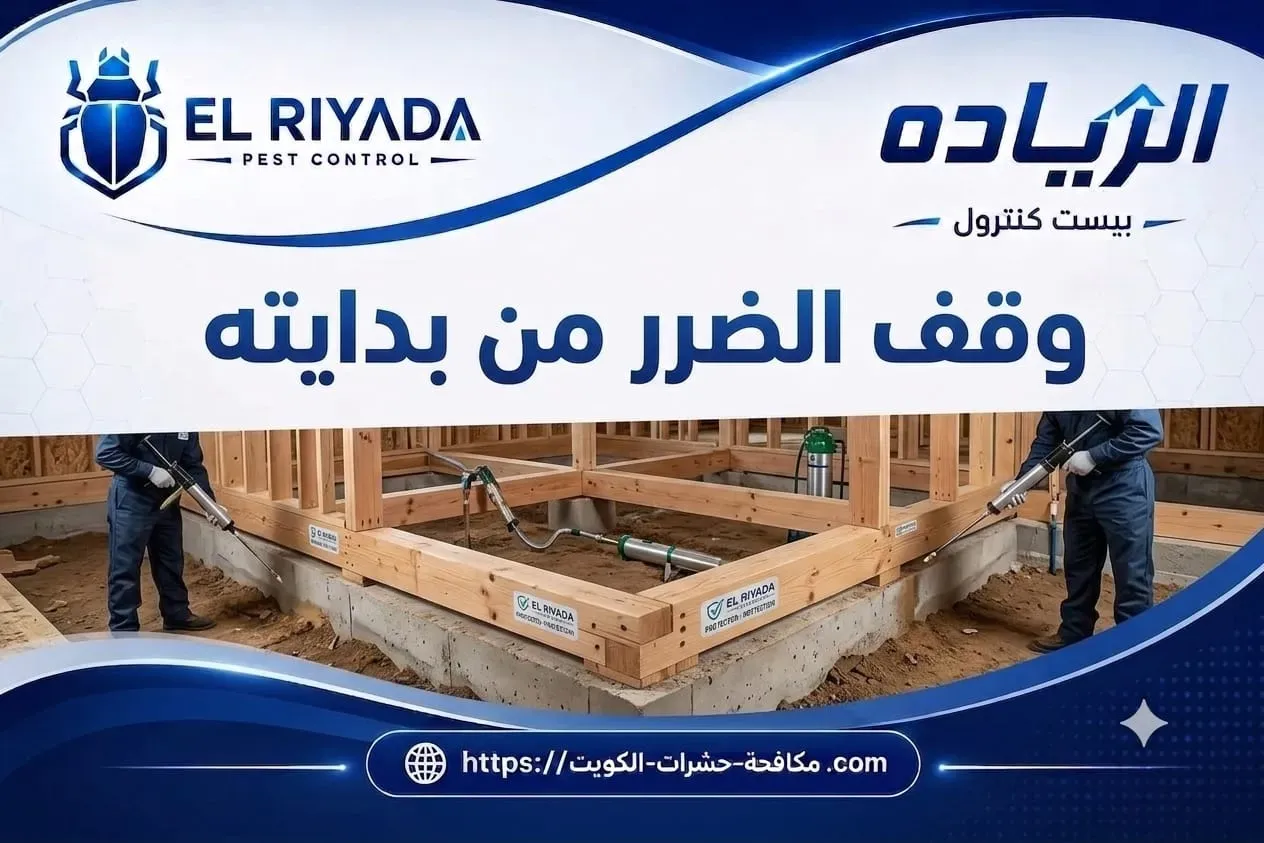
Preventing termites from returning depends on maintaining the effectiveness of the protection program, reducing conditions that may help termites reach the building, and monitoring for recent signs of activity. Prevention in this context does not mean carrying out random periodic pesticide applications. It means continuously managing the factors that can reasonably be controlled.
Attention should be given to changes made after treatment, including excavation, construction of extensions, or other work that affects areas included within the previous program. When significant modifications take place, consulting the pest control company can help determine whether those changes have affected the existing protection.
Repairing leaks, reviewing unnecessary wood or cellulose-based materials close to the building, and improving access for inspection can also help reduce certain conditions that may support termite activity. However, these measures should not be presented as individual guarantees against termites. They are supporting elements within a broader protection strategy.
Periodic inspection is particularly valuable for properties that have experienced a previous infestation because it allows recent signs to be identified at an earlier stage. Detecting a limited new mud tube is easier to assess than waiting until evidence of damage has appeared in several parts of the building.
• Protecting the property after termite treatment requires considering future excavation and modifications because changing areas connected with the scope of the previous program may create a need to reassess the existing protection.
• Repairing leaks and managing unnecessary cellulose-based materials near the building can improve surrounding conditions but do not replace professional treatment when an active termite infestation has been confirmed.
• Keeping documentation of the previous service and locations of earlier activity makes future follow-up more useful because the technician can compare new signs with a clear record instead of reconstructing the history of the infestation from the beginning.
• Regular preventive inspection helps identify changes early and should not be reduced to simply reapplying pesticide because its primary purpose is to assess the condition of the property and take action only when the findings support it.
Successful Termite Treatment
The success of termite treatment is not measured only by the disappearance of visible mud tubes the day after the service. It is better evaluated by the absence of recent evidence of termite activity within the targeted treatment areas, together with appropriate follow-up according to the type of program used. A reliable assessment therefore compares the condition of the property before and after treatment rather than depending only on its external appearance.
The evaluation becomes more reliable when a map or photographs of previously active locations are available. If no new mud tube construction appears and recent signs stop developing in the treated areas, these are important indicators of improvement. If new evidence does appear, its location and relationship with the original treatment scope should be inspected before deciding on the next action.
Maintaining protection after the service is also part of long-term treatment success. If excavation or modifications are carried out in areas associated with the previous treatment, their potential effect should be evaluated instead of assuming that the original protection will remain unchanged regardless of how the building is altered.
Treatment quality should not be judged by the amount of pesticide used or the number of holes drilled. A stronger program is one that selects a treatment appropriate to the infestation, carries it out according to product instructions, and provides follow-up capable of identifying activity that may require further review.
• Successful treatment is reflected in the absence of recent evidence within targeted areas rather than the disappearance of old signs because mud tubes and previous damage may remain visible even after the activity responsible for creating them has stopped.
• Documentation before treatment makes the evaluation more objective because the same locations can be compared later instead of relying on memory when a customer notices a sign that may or may not be new.
• Maintaining the result of termite treatment requires attention to later changes in the building because excavation, additions, or certain maintenance work may affect conditions associated with the previous protection.
• Program quality is better measured by diagnostic accuracy, appropriate treatment, and follow-up than by the amount of product used because pesticide quantity cannot compensate for a plan that does not properly address the actual characteristics of the infestation.
Why Choose Al Reyada Pest Control in Kuwait?
Al Reyada Pest Control can be a strong choice for termite control in Kuwait when the service begins by diagnosing the extent of the infestation instead of treating every visible mud tube as if it represents the entire problem. Termite control requires understanding the relationship between visible signs, the soil, the structure of the building, and previous areas of activity before selecting the appropriate treatment method.
The value of the service is also reflected in selecting the treatment according to the condition of the property. An existing building with confirmed termite activity should not automatically be approached in exactly the same way as a property being protected at another stage of construction. Extensions, utility areas, and previous modifications can also change the requirements of the treatment.
Follow-up is equally important. Documenting infestation locations and referring back to them when a new sign appears helps distinguish old evidence from renewed activity and makes decisions about additional treatment evidence-based rather than dependent on assumptions.
When comparing termite control companies, it is more useful to consider the inspection, treatment scope, application method, follow-up, and warranty conditions alongside the price. These factors provide customers with a clearer picture of the value of the service than simply comparing the number of injection points or the amount of pesticide used.
• Al Reyada Pest Control can stand out when visible signs are connected with the structure of the property and the overall extent of the infestation because termite control requires understanding where activity extends rather than focusing only on where the most recent mud tube appeared.
• Selecting the treatment approach according to the condition of the building makes the service more precise than applying one standard plan to every property without considering differences in foundations, extensions, and access areas.
• Documentation and follow-up give customers a clearer standard for evaluating results because a later sign can be compared with what existed before treatment instead of automatically classifying every visible mark as new activity.
• Evaluating a company according to diagnosis, treatment quality, follow-up, and warranty provides a stronger basis for choosing a termite control service than relying on price alone, particularly when a significant part of termite activity may remain hidden from direct view.
Conclusion
Termites returning after treatment requires an inspection that distinguishes old evidence from recent activity, while the reason termites return may be connected to an untreated access route or changes made to the building after the service. Termite treatment failure can occur when treatment begins before proper diagnosis or when the intervention focuses only on the visible sign.
Termite control mistakes include selecting a treatment that does not match the condition of the infestation or neglecting documentation and follow-up, while termites appearing after injection treatment requires comparing the location of the new sign with the scope of the previous work. Continuing termite activity should be assessed through recent evidence rather than previous damage alone.
Identifying untreated termite activity zones and monitoring renewed termite mud tubes can help determine which parts of the property require further review, while preventing termites from returning depends on protecting the property and monitoring future changes. Ultimately, successful termite treatment becomes the combined result of accurate diagnosis, appropriate treatment, documentation, and follow-up.
Frequently Asked Questions
Why do termites return after treatment?
An activity route may not have been adequately included within the treatment scope, or infestation may appear in a different area. Old evidence can also sometimes be confused with genuinely recent termite activity.
Does seeing a mud tube after treatment mean the treatment failed?
Not always. An old mud tube can remain visible after termite activity has stopped, so it is important to determine whether the tube is new or shows recent construction before judging the result.
How can I tell if termites are still active?
The property should be checked for recent evidence such as newly constructed mud tubes, documented changes in activity signs, or live termites discovered during an appropriate inspection rather than relying only on old damage.
Is injection treatment enough for every termite infestation?
There is no single treatment method suitable for every case because the appropriate approach depends on the type of activity, building structure, infestation locations, and how targeted areas connect with the soil.
Why do termites appear in a new location after treatment?
The activity may be associated with a different access route or an area that was not visibly active during the original inspection, so the new sign should be reassessed in relation to the previous infestation scope.
Is moisture the only reason termites appear?
No. Moisture may make certain conditions more favorable for termite activity, but it is not the only explanation for every infestation, and repairing a leak does not replace termite treatment when active infestation has been confirmed.
Should termite mud tubes be removed as soon as they are found?
If the property is going to receive a professional inspection, documenting the locations and condition of the tubes before altering them may be useful because they can provide information about the distribution of activity and help with later comparisons.
What is the difference between an old mud tube and a renewed one?
Documentation and comparison help identify changes because a tube simply remaining in place is different from a new extension or recent reconstruction that indicates the activity should be investigated.
Can excavation after treatment affect termite protection?
Some excavation work may affect areas associated with previous treatment, so significant modifications should be evaluated instead of assuming that the existing protection has remained unchanged.
Does damaged wood mean termites are still active?
Not necessarily. Previously damaged wood may remain in the same condition after termite activity has stopped and may require assessment or repair separately from the termite control process.
How can termites be prevented from returning?
Maintaining the existing protection, monitoring building modifications, repairing leaks when present, managing unnecessary cellulose-based materials, and carrying out appropriate follow-up can help reduce the likelihood of recurring termite problems.
Does termite treatment cost vary between buildings?
Yes. Property size, building structure, extent of infestation, treatment method, accessibility, follow-up requirements, and warranty conditions can vary, so one fixed price cannot accurately represent every case.
When should the property be reinspected?
Reinspection is appropriate when new mud tubes or other recent activity signs appear, after significant changes to areas associated with previous treatment, or according to the agreed follow-up program.
What determines whether termite treatment is successful?
Success is determined by the absence of recent activity evidence in targeted areas together with appropriate treatment for the specific infestation, property follow-up, and review of changes that may affect protection.
Why choose Al Reyada Pest Control for termite control?
Al Reyada Pest Control can be a strong choice when the service combines inspection of the infestation scope, appropriate treatment selection, documentation of affected locations, follow-up, and evaluation of new activity rather than focusing only on visible mud tubes.