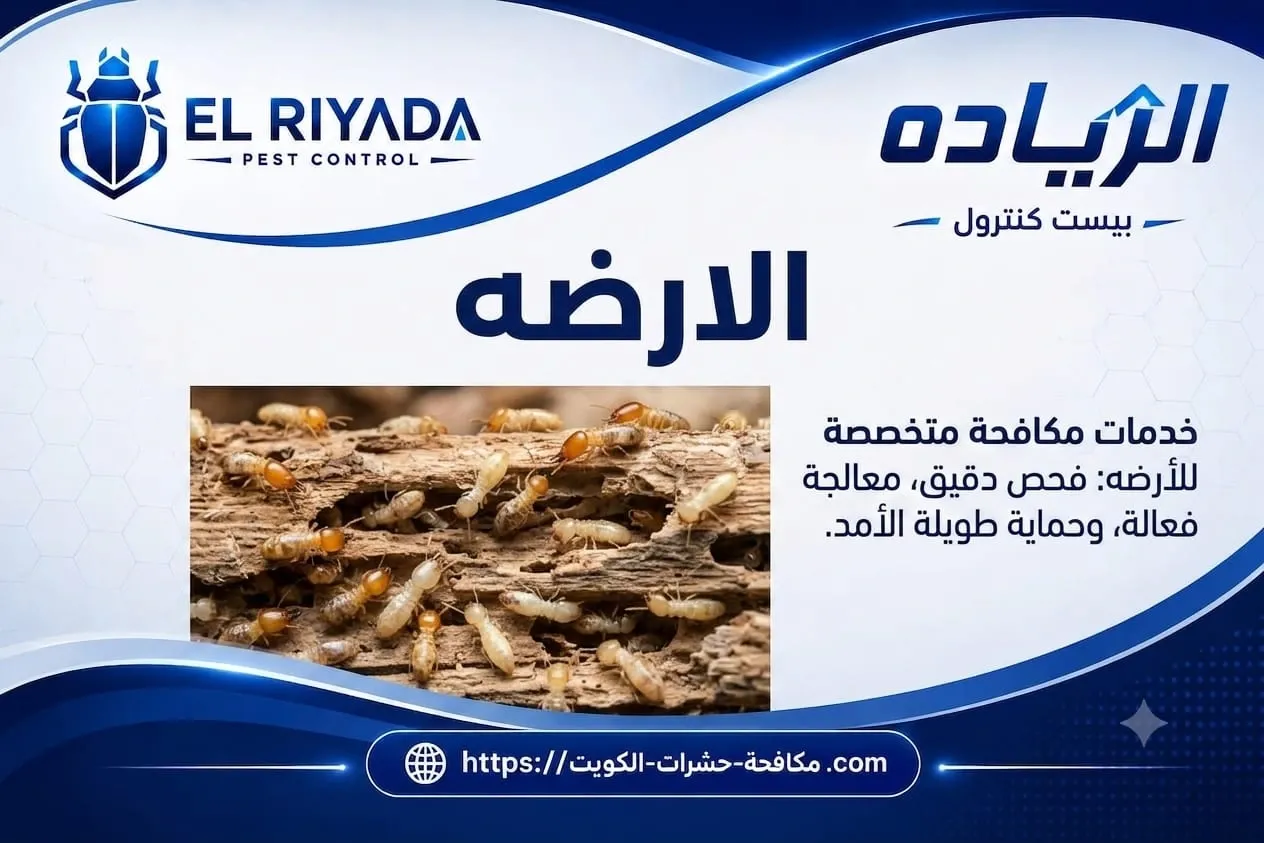
Finding termites in parquet flooring requires careful inspection before considering removing the flooring or replacing its boards. Termites may begin their activity beneath the wood without causing obvious surface damage, and weakened or sunken areas may only become noticeable when someone walks across the floor. However, not every swollen board or hollow sound indicates termites because moisture and poor installation can produce similar symptoms. Proper treatment depends on identifying the flooring material, installation method, termite source, and extent of damage. The process therefore begins by locating affected boards and inspecting the layers beneath them before selecting a suitable termite control method and determining which components need repair or replacement.
Termites in Parquet Flooring

The presence of termites in parquet flooring can be more difficult to detect than an infestation in an exposed piece of furniture because floorboards cover a large area and conceal the layers beneath them. The likelihood of infestation varies according to the type of parquet. Natural wood contains material that termites can consume, while the susceptibility of manufactured flooring depends on its composition and whether it contains wood fibers.
Early signs may appear along the edges of a room or near the perimeter gaps around the flooring without any termites being visible on top of the boards. In other cases, homeowners may notice a localized change in wood firmness or unusual debris near the edges.
A common mistake is treating every swollen parquet board as evidence of termites. Water leaks or increased humidity may cause boards to expand and change shape even when there is no insect activity. Visible symptoms must therefore be considered alongside inspection findings before treatment is selected.
The decision also differs between parquet flooring secured with adhesive and floating flooring installed using an interlocking system because the methods of accessing the underlying layers are not the same.
-
Identifying the type and composition of the parquet before diagnosing an infestation helps determine which wooden components may be vulnerable to damage and prevents all flooring sold as parquet from being treated as though it were made from identical materials.
-
Examining edges near walls and concealed corners helps identify signs that may appear where the flooring connects to the building before damage becomes noticeable in the middle of the room.
-
Comparing affected boards with undamaged boards in the same area helps determine whether the change is localized or associated with a broader issue such as moisture or movement caused by the installation method.
-
Avoiding the random removal of parquet boards as soon as termites are suspected protects undamaged sections and allows appropriate inspection locations to be identified before beginning work that could cause additional damage.
Termites Under Parquet Flooring
The presence of termites under parquet flooring may be associated with spaces between the wooden flooring and the surface on which it was installed. These spaces vary according to the installation system and whether insulating layers, wooden supports, or adhesive materials are present. Therefore, it cannot be assumed that termites live inside the parquet boards themselves simply because signs appear on the surface.
In some buildings, subterranean termites may travel through cracks or joints connected to the underlying layers before reaching wooden materials they can infest. Drywood termites, on the other hand, may occupy specific wooden components without requiring direct contact with the soil.
It is important to determine whether activity is limited to one section of the room or whether signs extend into other areas. Localized treatment may not be sufficient if the infestation source is connected to a wider movement route within the building.
Lifting one board may reveal damage, but it does not necessarily establish the full boundaries of the infestation. Inspection may require examining several carefully selected points based on the signs and the flooring's installation method.
-
Understanding the layers beneath the parquet through installation specifications helps identify spaces where termites might travel instead of assuming that every wooden floor has a continuous cavity underneath it.
-
Inspecting the points where parquet meets thresholds and interior doorways helps identify possible routes between rooms because some underlying spaces may connect to other parts of the building.
-
Assessing the relationship between visible activity and the lower structural layers helps determine whether the infestation is associated with a subterranean route requiring treatment beyond the damaged boards themselves.
-
Selecting specific inspection points before lifting any flooring sections reduces the risk of damaging sound boards and provides more useful information than removing a large area without a clear inspection plan.
Parquet Damage Caused by Termites
Parquet damage caused by termites differs from scratches and wear resulting from everyday use. Termites may consume portions of the wood and leave areas that have lost their internal strength while the outer surface retains an almost normal appearance. As the damage progresses, the board's ability to withstand pressure may change.
However, diagnosis cannot depend on the appearance of the damage alone. Moisture may cause board edges to swell or the layers of certain manufactured flooring products to separate. Likewise, sinking may result from a problem with the subfloor or installation method.
The location, appearance, and extent of the damage must therefore be evaluated before determining its cause. If damage is limited to one board, the repair approach may differ from a situation involving several adjacent weakened boards.
It is also important to distinguish termite treatment from parquet repair. Pest control targets insect activity, but it does not restore consumed wood fibers or automatically correct the loss of strength in damaged boards.
-
Checking the damaged board's ability to withstand pressure without risking breakage helps assess how deterioration affects everyday use and determines whether people should avoid walking on the area until its safety has been evaluated.
-
Distinguishing internal wood deterioration from water-related damage prevents insect treatment from being selected for a moisture problem while also preventing drying alone from being considered sufficient when confirmed termite activity is present.
-
Determining whether the damage is limited to individual boards or extends across a connected area helps estimate the required repairs instead of deciding to replace the entire room's flooring without inspection.
-
Assessing whether boards need replacement after the infestation has been treated prevents continued reliance on wood that has lost some of its strength because stopping termite activity does not return a damaged board to its original condition.
Termites in Wooden Flooring
The presence of termites in wooden flooring is not limited to traditional parquet boards. Infestations may occur in solid hardwood floors, multilayer engineered wood flooring, or wooden supports installed beneath certain types of flooring. Differences in construction affect how damage spreads and whether the affected areas can be accessed.
Wooden floors installed over joists may have an underlying space that allows some components to be inspected from below when access is available. By contrast, boards glued directly to a concrete surface may require a different approach to locating activity without damaging the finish.
The way the room is used also matters. Flooring in a frequently used hallway needs prompt assessment if weakened areas could affect stability while walking. An infestation near fixed furniture may remain concealed for longer because changes beneath heavy objects are more difficult to notice.
-
Identifying the wooden floor's installation system before recommending treatment helps determine whether affected components can be reached from below or whether selected boards must be lifted from the surface.
-
Inspecting areas beneath fixed furniture and built-in cabinets reveals sections that may not receive regular cleaning or observation and helps establish the infestation's boundaries around the room.
-
Evaluating flooring safety in hallways and frequently used areas identifies weakened boards that may require temporary restrictions on access to reduce the risk of tripping or injury.
-
Distinguishing infestation of the visible flooring layer from damage to underlying wooden supports prevents replacing only the surface boards when the actual deterioration affects the components that support and secure the floor.
Cavities Beneath Parquet Caused by Termites
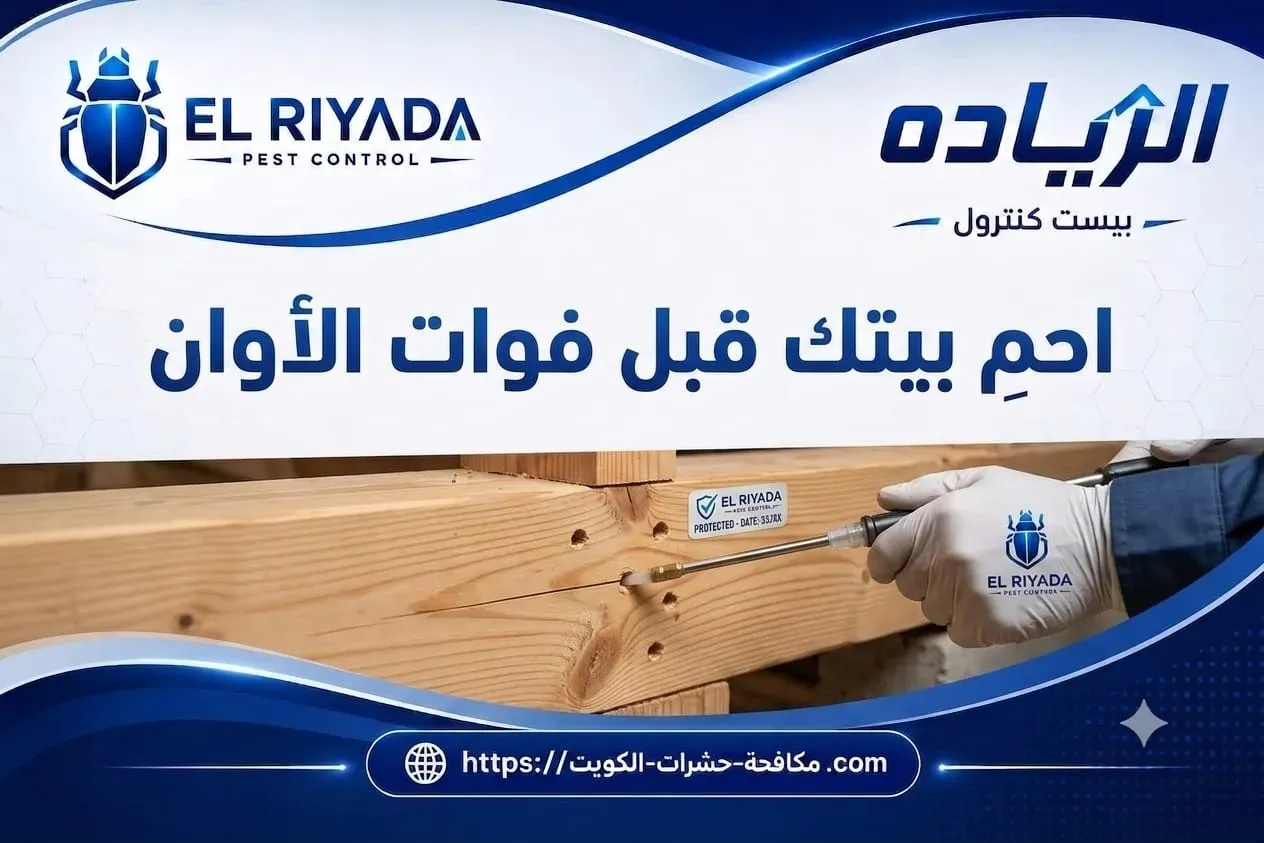
A cavity beneath parquet caused by termites may indicate that some wooden material has been lost through termite feeding. However, hearing a hollow sound when tapping the floor does not prove an infestation because certain floating parquet systems naturally contain separating layers that affect the sound.
A cavity resulting from wood deterioration differs from a gap caused by adhesive separation or an uneven underlying surface. Identifying the cause therefore requires comparing the suspicious area with other parts of the flooring and understanding how the boards were installed.
If an area has visibly sunk or moves abnormally under light pressure, heavy furniture should not be placed on it before inspection. The priority is to assess flooring safety rather than attempting to prove insect activity by repeatedly pressing on the weakened section.
-
Comparing the sound from the suspicious area with sounds from undamaged sections of the same floor helps identify differences without treating a hollow sound alone as conclusive evidence of termites.
-
Reviewing the parquet installation history and any previous repair work helps establish whether the gap may be related to an older adhesive problem or uneven surface rather than assuming it developed through recent termite damage.
-
Avoiding jumping on or applying excessive pressure to a sunken area reduces the possibility of breaking weakened boards and protects occupants until the nature of the damage has been determined.
-
Identifying which layer is responsible for the loss of support before repairs begin prevents cavities from being filled with unsuitable materials when the underlying problem involves the wood itself or the supporting base beneath it.
Inspecting Parquet for Termites
Inspecting parquet for termites begins by gathering information about when the signs first appeared, the type of flooring, and the locations where homeowners noticed changes. Establishing whether the problem began after a water leak or developed gradually without an obvious cause helps guide the inspection.
The inspection may include checking perimeter gaps, thresholds, exposed wooden sections, and areas where insect debris has appeared. A specialist may use appropriate tools to assess moisture or examine difficult-to-access locations without relying on a single instrument to confirm termite activity.
Documenting findings before any lifting or treatment work is particularly important. Marking the locations of suspicious signs on a simple room plan can make it easier to revisit them during treatment and follow-up.
Finding damage in one board does not mean that every board in the room is infested. Similarly, failing to see termites directly does not rule out concealed activity. Diagnosis therefore depends on several consistent pieces of evidence.
-
Recording the locations of swelling, sinking, and insect debris before inspection begins helps establish a clear picture of how the signs are distributed and prevents important information from being lost after furniture is moved or the floor is cleaned.
-
Measuring moisture when necessary and comparing readings with nearby areas helps explain certain types of deterioration and identify conditions affecting the wood without treating elevated moisture as proof of termites.
-
Examining joints and exposed sections using appropriate inspection methods allows specific insect-related signs to be investigated while reducing the need to remove sound boards simply because an infestation is suspected.
-
Documenting inspection findings and identifying locations requiring follow-up provides a basis for comparing the flooring's condition after treatment and determining whether new signs have appeared in previously unaffected areas.
Termite Injection Treatment Beneath Parquet
Termite injection treatment beneath parquet is sometimes considered as a possible method for addressing certain subterranean termite infestations associated with the layers below the flooring. However, injection is not automatically suitable for every case, and neither the injection locations nor the product should be selected before the infestation source and building construction are understood.
In some situations, treating subterranean termites may require access to specific areas beneath the flooring according to a technical plan that considers the surface material and the utilities installed below it. An infestation confined to particular wooden boards may instead require a different approach depending on the termite species and extent of activity.
Injection may require openings in carefully selected locations, and any drilling must account for electrical wiring, water pipes, and waterproofing layers. Products suitable for the intended purpose must also be used according to their labels and applicable local requirements.
-
Determining whether injection is genuinely necessary before disturbing the parquet boards prevents unnecessary openings when the infestation can be treated by another method or when the activity source is outside the suspected area.
-
Reviewing utility plans and waterproofing locations before drilling reduces the risk of damaging water pipes, electrical cables, or the waterproofing layer beneath the flooring.
-
Explaining how injection work may affect the parquet finish before treatment begins helps homeowners understand whether openings will require repair and whether access will be through the boards or adjacent locations.
-
Evaluating treatment results using indicators of termite activity rather than the flooring's appearance alone prevents sealed injection holes or the disappearance of surface signs from being treated as sufficient evidence that termite activity has stopped.
Protecting Parquet from Termites
Protecting parquet from termites involves choosing suitable materials, monitoring environmental conditions, and treating any existing infestation before installing new flooring. Varnish or an exterior finishing layer cannot be considered a guaranteed barrier against insects reaching every wooden component.
Good prevention begins before installation by inspecting the surface that will support the flooring and checking for signs of active infestation or moisture problems requiring repair. The manufacturer's recommendations regarding insulation, expansion allowances, and material suitability for room conditions should also be followed.
After installation, regularly monitoring edges, thresholds, and areas concealed by furniture helps detect unusual changes. Preventive parquet maintenance should not be confused with termite treatment because each serves a different purpose.
-
Inspecting the underlying surface before installing new parquet helps identify moisture problems or signs of previous infestation so they are not concealed beneath wooden layers that will be difficult to access later.
-
Choosing flooring materials and underlayers according to room conditions and manufacturer instructions reduces the likelihood of damage caused by use and moisture without assuming that any parquet type is completely resistant to termites.
-
Monitoring areas near entrances, thresholds, and heavy furniture helps identify changes that might otherwise go unnoticed in places where the flooring is not fully visible during everyday cleaning.
-
Treating any confirmed termite activity before renovation work begins prevents the infestation source from being covered by new boards that may become damaged if activity continues in the surrounding layers.
Termite Treatment for Wooden Floors in Kuwait
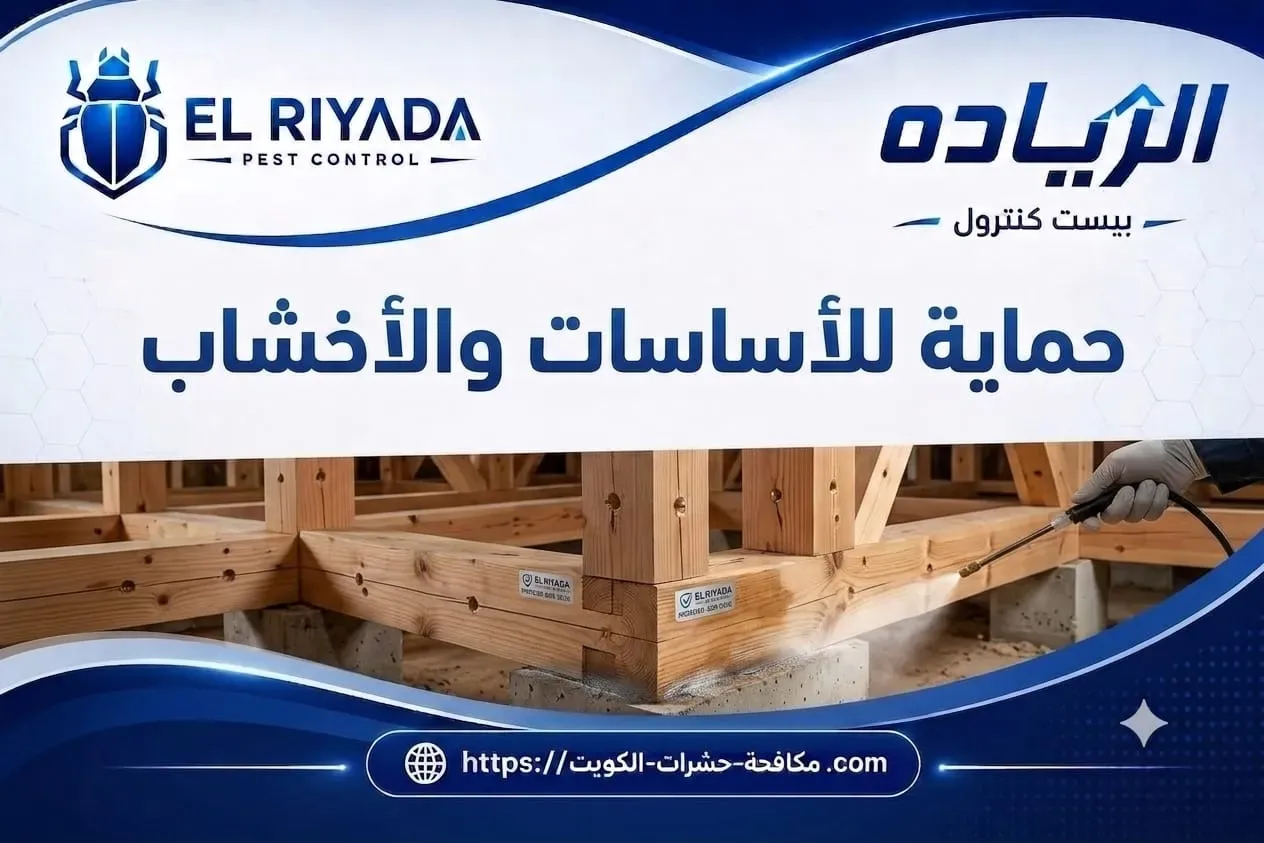
Termite treatment for wooden floors in Kuwait requires a plan based on the flooring type, infestation source, and extent to which the activity connects with other parts of the building. Treating damaged wooden boards inside one room differs from addressing signs of termites appearing at several thresholds or in areas connected to walls.
Appropriate treatment begins by identifying the termite species as accurately as possible, inspecting active locations, and selecting a control method based on the findings. Depending on the infestation and the specialist's assessment, the plan may include localized treatment or measures targeting subterranean termite movement routes.
Parquet replacement should not begin before the extent of damage has been clarified. Replacing a few boards may be sufficient from a repair perspective, while other situations may require treatment of underlying layers or correction of a moisture source before reinstallation.
-
Determining the extent of the infestation before selecting a treatment method helps distinguish a problem confined to specific boards from activity extending into other areas that require a broader plan.
-
Considering the parquet type and installation method during termite control reduces the likelihood of damaging the finish or using a procedure that is incompatible with the flooring's construction.
-
Coordinating pest control with a flooring technician when repairs are necessary helps establish when boards should be lifted and reinstalled without concealing areas requiring additional inspection or treatment.
-
Explaining safety instructions and follow-up requirements after the service gives homeowners practical information about using the room, handling treated areas, and reporting any new signs of activity.
Cost of Termite Treatment Under Parquet
The cost of termite treatment under parquet in Kuwait depends on the size of the affected area, termite species, and method of accessing the activity. Calculating the cost solely from the room's floor area is insufficient because the infestation may be confined to a small section or connected to routes extending into other parts of the building.
The flooring type and installation method also affect the price. Removable boards may allow easier access to certain locations than glued flooring that requires additional procedures. The cost of termite control also differs from the cost of repairing parquet or replacing damaged boards.
It is preferable to request a quotation explaining whether the service includes inspection, treatment, follow-up, opening sections of flooring, and restoring the finish. A total price without a defined scope of work can make comparisons between companies misleading.
-
The actual area of termite activity rather than the room's size alone affects the estimated cost because treating a limited section differs from inspecting several rooms or addressing movement routes connected to the building.
-
The flooring type and accessibility of underlying layers determine the amount of preparation required before treatment and whether boards need to be lifted or carefully planned openings created.
-
The control method selected following diagnosis affects the cost because procedures used for subterranean termites may differ from those suitable for an infestation confined to specific wooden components.
-
Separating termite control costs from parquet repair costs in the quotation helps homeowners understand the price of each service and avoids the assumption that insect treatment automatically includes replacing boards or restoring the finish.
Why Choose Al Reyada Pest Control in Kuwait?
When considering why Al Reyada Pest Control may be a suitable choice for pest control in Kuwait, the quality of parquet termite treatment should be evaluated through accurate flooring inspection and selection of an appropriate treatment method while protecting existing finishes. Describing any company as the best is not sufficient without independent evidence allowing comparison with competitors.
Customers can evaluate Al Reyada Pest Control by asking how the infestation source will be identified and whether access to the underlying layers is necessary. They should also ask about procedures intended to reduce damage to the boards during inspection and treatment.
Specialized knowledge is particularly important when distinguishing termite damage from moisture and installation problems because choosing insect treatment for a non-insect problem may add expense without addressing the actual cause. Conversely, replacing parquet alone will not resolve an active termite infestation.
-
Evaluating the diagnostic approach before approving the service helps determine whether Al Reyada Pest Control's treatment plan is based on clear insect-related evidence rather than swelling or a hollow sound alone.
-
Requesting an explanation of how treatment may affect parquet boards and finishes helps homeowners understand the required work and distinguish termite control services from tasks that require a flooring technician.
-
Asking about safety procedures for the products being used clarifies requirements for handling the treated area according to product instructions rather than relying on general assurances about safety.
-
Reviewing the service scope and the method for evaluating results after treatment provides a practical basis for judging treatment quality and its relevance to the actual problem rather than relying solely on advertising claims.
Conclusion
Termites in parquet and wooden flooring require a diagnosis that distinguishes termite activity from damage caused by moisture or installation errors. Visible signs may be limited even when deterioration extends into concealed layers beneath the boards. Removing or injecting the flooring without a preliminary inspection may therefore create additional costs without addressing the underlying cause.
Proper treatment begins by identifying the infestation source and flooring type, selecting a suitable termite control method, and assessing which components require repair. If sunken areas or weakened boards appear, heavy loads should be avoided until the flooring's safety has been inspected and the necessary steps have been established.
Frequently Asked Questions
How can I tell if my parquet flooring has termites?
Insect debris, weakened wooden areas, or unusual changes near the edges may appear. However, swelling and hollow sounds alone do not confirm termites because moisture and installation problems can produce similar symptoms.
Can termites live beneath parquet flooring?
Termites may travel through spaces or layers connected to the underside of flooring depending on their species and the installation method. Finding termites beneath parquet does not necessarily mean that the colony is located there.
Must all parquet flooring be removed to treat termites?
Not always. The decision depends on the extent of the infestation, accessibility of the activity, and installation method. In some cases, treating selected areas may be sufficient.
Is termite injection beneath parquet effective?
Injection may be suitable for certain infestations when supported by diagnosis and a technical treatment plan. However, it is not the best solution for every case and should not be carried out without identifying appropriate locations and considering utilities and waterproofing.
Is a hollow sound beneath parquet evidence of termites?
No. It may result from a floating installation system, adhesive separation, or an uneven underlying surface. Additional evidence is required for diagnosis.
Can termites cause parquet flooring to sink?
Severe deterioration of wooden components may lead to a loss of strength and localized weakness. However, sinking can also result from problems with the subfloor or installation.
Can parquet be repaired after termite treatment?
Yes, if the damaged sections are repairable. Boards that have lost their strength may need to be replaced after insect activity has been treated.
Can termites spread from parquet flooring to walls?
Activity may extend through routes connected to the building depending on the termite species and construction. Nearby areas should be inspected when supporting signs are present.
Is manufactured parquet resistant to termites?
Susceptibility depends on the flooring's composition. Some manufactured products contain wood fibers that insects can affect, while nonwood materials have different characteristics.
Does moisture beneath parquet mean termites are present?
No. Moisture may cause damage independently of insects, although it can create favorable conditions for certain termite species. Both possible causes should be assessed separately.
Can new parquet be installed over an infested floor?
Covering flooring suspected of having an active infestation is not recommended until the cause has been identified and treated because new boards may conceal the problem and make access more difficult.
How long does termite treatment beneath parquet take?
The duration varies according to the termite species, control method, and accessibility of the affected areas. Treatment results may also require follow-up after the work has been completed.
Can termite treatment products damage parquet?
That depends on the product, application method, and flooring materials. A method compatible with the surface should therefore be selected and the product's instructions followed.
How can I protect new parquet flooring from termites?
Inspect the site before installation, treat any confirmed activity, repair moisture sources, choose suitable materials, and regularly monitor edges and thresholds.
How can I find the cost of termite treatment under parquet in Kuwait?
Request an inspection that determines the affected area, flooring type, and treatment method. Then obtain a quotation specifying termite control, follow-up, and any separate parquet repair work.