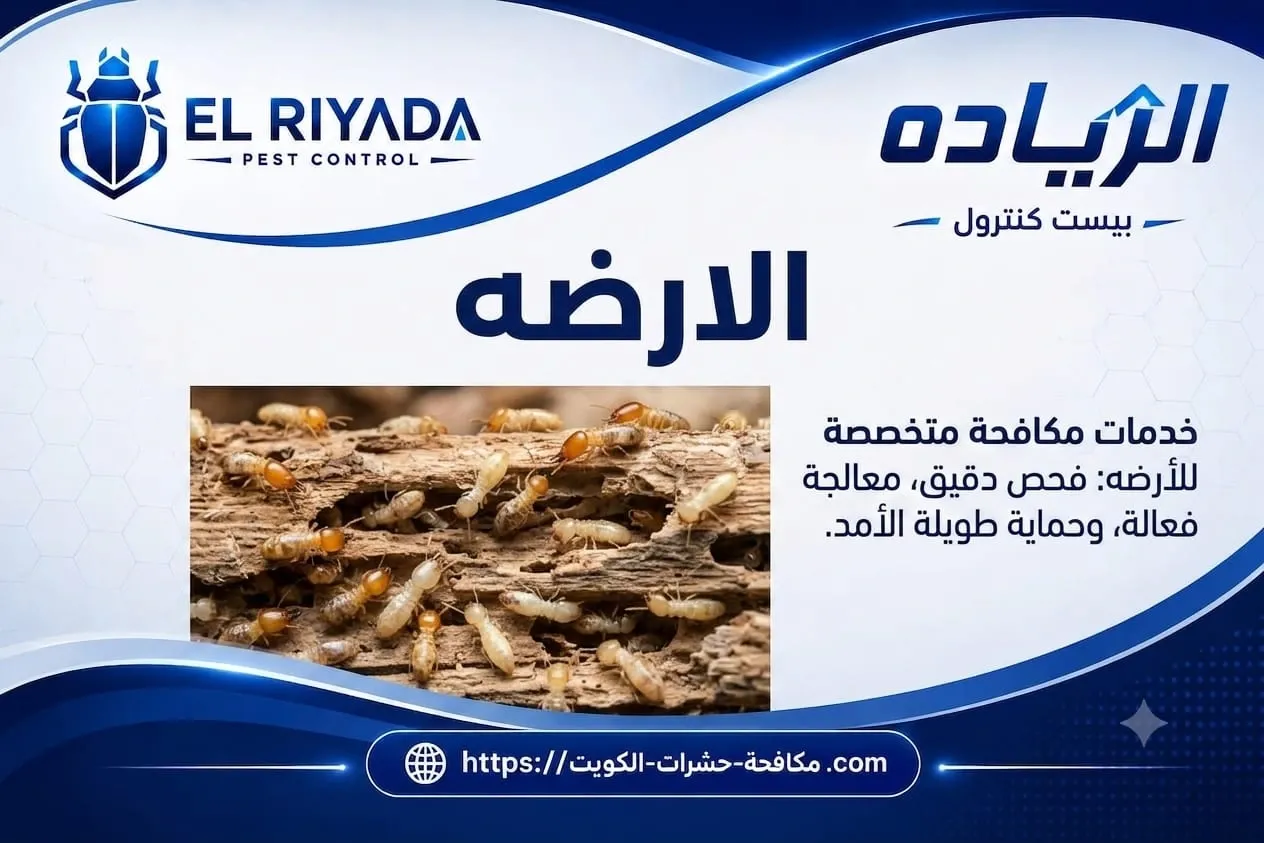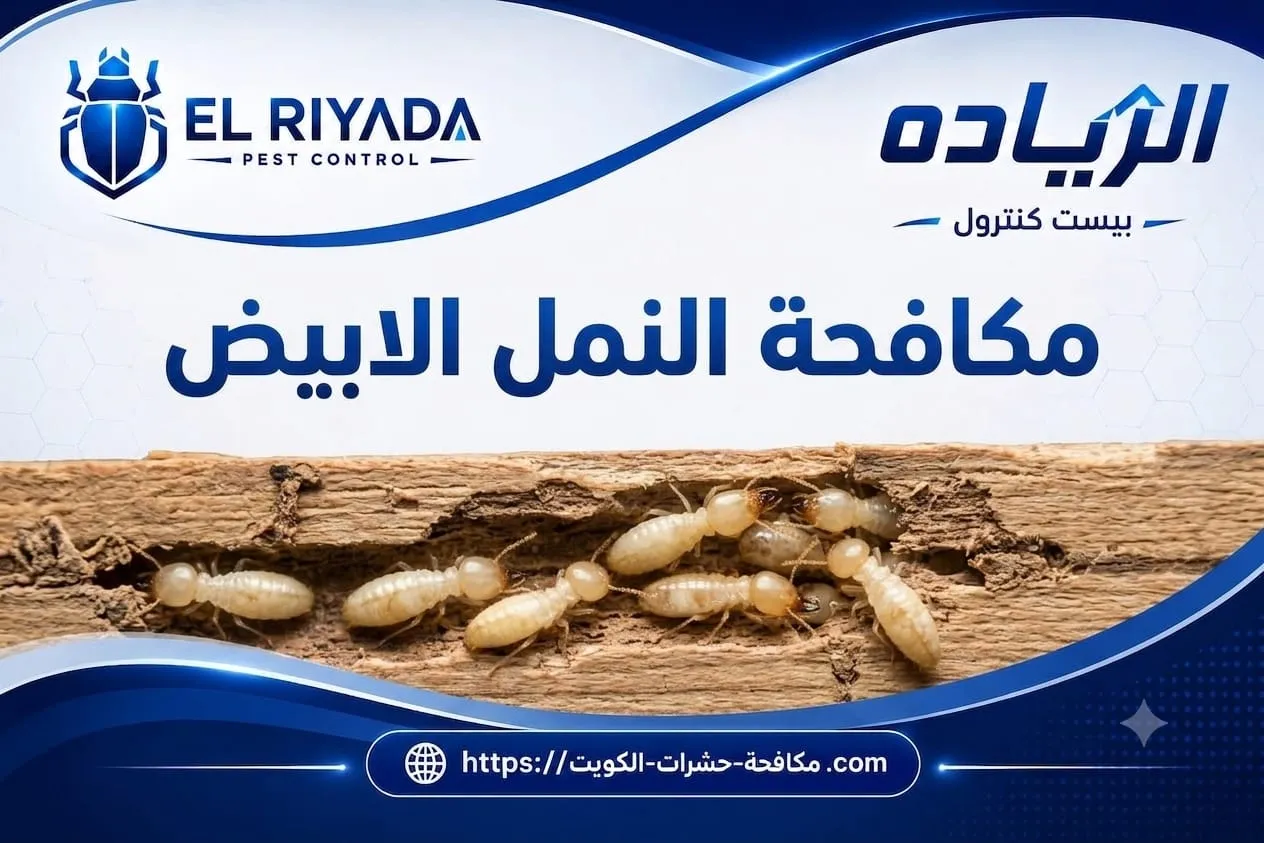
Termites in a villa should not be treated as insects that simply appeared in one room and need to be eliminated. They should be approached as a problem connected to how the colony reached the building, the hidden routes it may be using, and the materials it has already reached. Sometimes the first visible sign appears around a wooden door frame while the actual activity extends behind finishes or originates from the soil. In other cases, old damage may still be present even though current activity has stopped. Proper termite control therefore depends on diagnosis before treatment, identifying active areas, understanding which materials have been affected, and selecting the appropriate procedure for each situation. This article focuses specifically on occupied villas and residential buildings, including inspection, treatment, wood protection, and furniture protection without assuming that every infestation requires exactly the same solution.
Termite Control for Villas in Kuwait
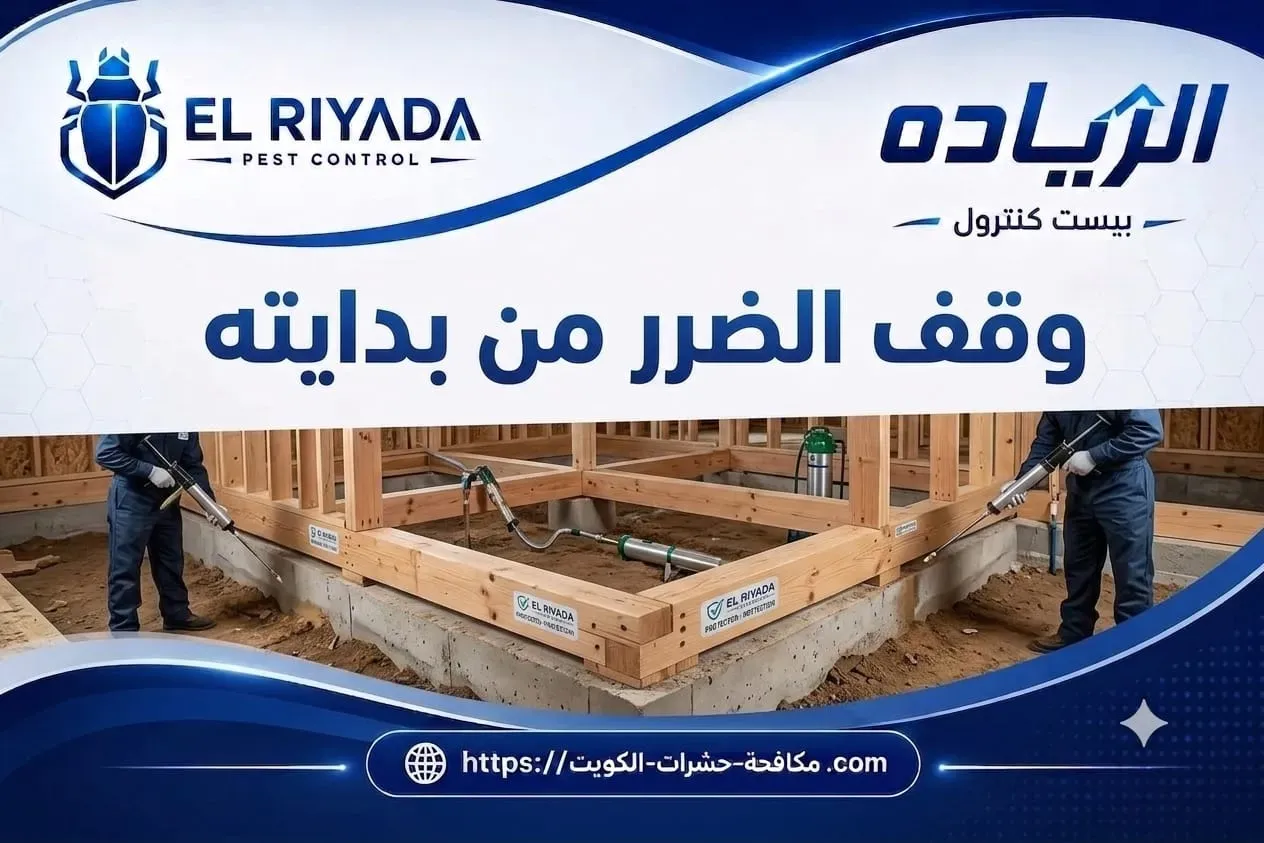
Effective termite control for villas in Kuwait begins with a question that is more important than simply asking where the insects were seen: how did the activity reach this part of the villa? In residential buildings, the first sign may appear around a door frame, wooden skirting, a fixed cabinet, or another wooden feature while the complete termite route remains hidden. Treating only the item that attracted the homeowner's attention may remove the visible evidence without answering whether activity is present elsewhere.
A professional inspection considers the location of the sign and its relationship to the floor, walls, and nearby wooden elements. It also looks for recent indicators such as mud tubes, internal wood damage, winged termites, or other evidence that can help distinguish current activity from historical damage. Differentiating between an active infestation and old damage is particularly important because damaged wood does not become structurally sound simply because termite activity has stopped. At the same time, old damage alone does not prove that the colony remains active at the present moment.
In a realistic situation, a villa owner may notice damage at the bottom of a ground-floor door frame and request treatment of that door only. During inspection, however, additional indicators may be discovered around the lower section of the wall or on nearby wooden components. The treatment plan in this situation would be very different from a case involving a separate piece of furniture with no supporting evidence of activity elsewhere in the room.
It is also unwise to choose a service simply because it is described as spraying the entire villa. Termites require targeted treatment according to the location of the infestation, building conditions, the type of material affected, and whether activity is associated with the soil, wooden components, or another route identified during inspection.
• Identifying the first location where activity appeared and then tracing its relationship to the floor, wall, and surrounding wooden materials gives the technician a logical inspection path instead of beginning treatment throughout an entire room without understanding where the strongest indicators are located
• Distinguishing old damage from current activity prevents the villa owner from paying for unnecessarily extensive treatment simply because damaged wood exists while also reducing the opposite risk of overlooking an active infestation because the visible external sign appears minor
• Photographing mud tubes or damaged areas before affected components are removed preserves useful evidence that can be compared during follow-up and prevents important diagnostic information from being lost through cleaning or premature carpentry work
• Comparing pest control quotations according to inspection quality, treatment scope, follow-up, and what is actually included in the service is more accurate than comparing price alone because two cases that look similar on the surface may require completely different treatment plans
Termite Treatment for Villas
Choosing the appropriate termite treatment for villas depends on the diagnosis rather than assuming that one treatment method is suitable for every building. If activity is connected to routes originating from the soil, the treatment objective differs from a situation where evidence is concentrated within a particular wooden element. An occupied villa also requires planning that considers existing finishes, furniture, residents, and the characteristics of the areas requiring treatment.
A common mistake is to search immediately for the strongest chemical before determining where the termites are actually active. Product strength alone cannot correct a problem that has been diagnosed incorrectly. The more important questions are where the termites are moving, which materials they have reached, which sections require intervention, and whether difficult-to-access areas need a different treatment approach. Any product used should also be applied according to its label and approved directions rather than mixed with other products or used at excessive concentrations in the belief that stronger application will guarantee faster results.
The importance of diagnosis becomes particularly clear when the visible infestation appears limited. A homeowner may assume that removing a damaged wooden component has solved the problem, but removing the wood does not necessarily remove the source of termite activity if the insects were reaching it from another location. On the other hand, limited wood damage does not automatically justify treating large sections of the villa when inspection shows that the problem is localized and there is no supporting evidence for expanding the treatment area.
Treatment cost can be influenced by the size of the affected area, accessibility, the treatment method required, the condition of finishes, and the need for follow-up after the initial service. For this reason, a quotation provided before the condition of the building is properly understood may be less meaningful than an assessment that explains why a particular procedure is required and what is included within the scope of service.
• Selecting the treatment method only after identifying the source and route of activity reduces unnecessary intervention inside the villa and ensures that each step is connected to evidence discovered during inspection rather than applying the same predetermined plan to every home
• Avoiding the removal of damaged wood or finishes before important evidence has been documented unless there is a clear need to do so preserves information that may help the technician understand the direction and true extent of termite activity
• Using pest control products according to their specified directions is safer and more professional than increasing the quantity or combining different products because uncontrolled use may introduce additional risks without addressing the actual cause of the infestation
• Asking whether the quotation includes inspection, treatment, follow-up, and any agreed additional work makes comparisons between termite treatment offers more meaningful and reduces the chance of discovering unexpected costs after work has already started
Termite Inspection for Residential Buildings
A termite inspection for residential buildings is a diagnostic process rather than a simple walkthrough to search for visible insects. The nature of termite activity means that a significant portion of an infestation may exist in concealed locations. For this reason, inspection depends on interpreting signs and understanding their relationship to the structure of the home. The process usually begins around the area where the problem was first noticed and expands according to the evidence discovered rather than assuming that every part of the building carries the same level of risk.
Indicators that deserve assessment may include mud tubes, unusual changes in wooden components, internal wood damage, winged termites, or discarded wings when they appear under conditions consistent with termite activity. Other evidence may also be identified during an on-site inspection. Every sign still requires interpretation. A single discarded wing does not determine the extent of an infestation, and hollow or weakened wood may have been damaged for reasons unrelated to termites. A complete diagnosis should therefore not be based on one indicator alone.
One situation that often causes confusion for villa owners occurs when damage is discovered while replacing an old door or cabinet. Before everything is removed, it is useful to determine whether the evidence appears recent and whether indicators extend into surrounding components. A structured inspection creates an initial map of suspected areas and helps separate locations requiring termite treatment from those that may only require carpentry or maintenance after the source of the problem has been controlled.
A post-treatment inspection also serves a different purpose from the initial inspection. Follow-up should not automatically repeat the same procedures. Its purpose is to search for new evidence, compare previously active areas with their earlier condition, and determine whether the overall trend is improving or whether the original assessment needs to be reconsidered. This comparison is what gives follow-up genuine value.
• Starting from a confirmed sign and expanding the inspection according to evidence prevents the diagnostic visit from becoming a broad exercise in guesswork and ensures that every additional area examined is connected to a clear reason identified during the assessment
• Recording the locations of mud tubes, damage, winged termites, or other evidence before repair work begins allows those locations to be compared later and gives the property owner a clearer understanding of which parts of the building required attention from the beginning
• Avoiding the assumption that weakened wood alone proves active termite infestation reduces incorrect diagnosis because moisture, age, and other forms of deterioration can also affect wood and need to be distinguished during an on-site assessment
• Using follow-up visits to compare new indicators with the previous condition instead of automatically repeating treatment helps determine whether the original plan has genuinely succeeded or whether a route was missed during the initial assessment
Protecting a Villa from Termites
Effective protection of a villa from termites begins by understanding the building's vulnerable areas rather than waiting for new damage to appear and then reacting to it. In an existing villa, protection differs from preventive treatment that can be planned during construction because the finishes are already installed, the rooms are occupied, and wooden components and furniture are in place. The priority therefore becomes evaluating the history of termite activity, the areas where signs have previously appeared, the relationship between wooden elements and the floors or walls, and any conditions that may make early evidence more difficult to detect.
Protection does not mean spraying every part of the home repeatedly without a clear reason. A more useful approach is to maintain a record of areas where activity has previously been identified, monitor those areas for new signs, and avoid concealing mud tubes or damage before they can be assessed when discovered. Addressing moisture problems and water leaks is also important for maintaining the building and reducing unsuitable conditions around certain areas, but correcting moisture alone should not be treated as an independent substitute for termite control when an active infestation has been confirmed.
In villas containing extensive woodwork such as doors, built-in cabinets, and decorative wooden features, visual access to certain areas can be limited. This is where targeted inspection becomes more valuable than dismantling every wooden component simply because termites are feared. If evidence appears in one specific location, the inspection can be expanded methodically according to its relationship with surrounding materials.
• Keeping a simple map of locations where termites have previously appeared makes future follow-up more accurate and helps determine whether new signs are returning to the same area or appearing in a nearby section of the villa
• Repairing water leaks and moisture problems protects building components from additional deterioration but should not be used as a substitute for assessing termite activity when mud tubes, damage, or other evidence requires professional inspection
• Inspecting fixed wooden components close to the affected area before moving to distant parts of the villa creates a more logical search pattern and reduces unnecessary dismantling that could increase repair costs without adding diagnostic value
• Building the protection plan around the property's history and inspection findings is more effective than performing repeated spraying without diagnosis because meaningful prevention depends on understanding where the risk existed and how new activity can be identified early
Termite Injection Treatment for Homes
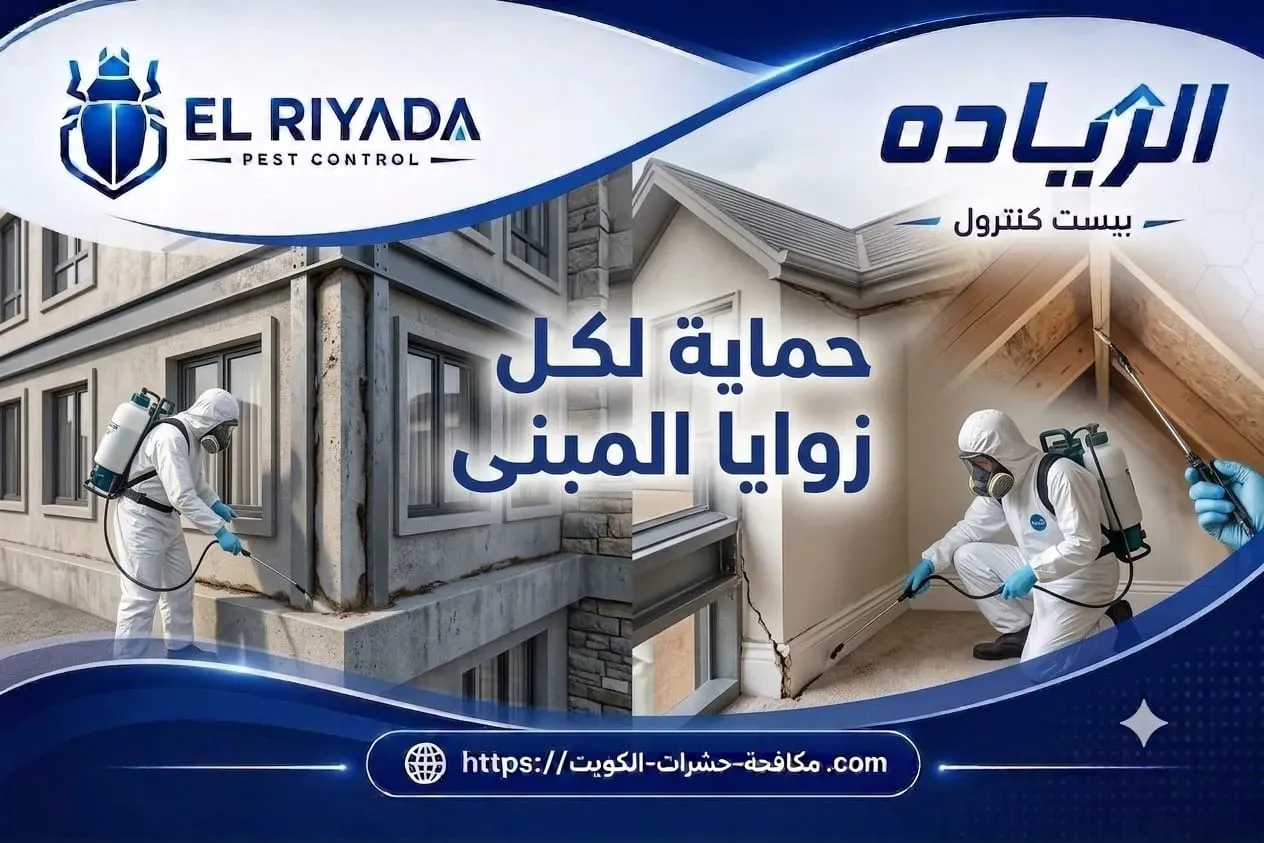
Many villa owners search for termite injection treatment for homes as though injection were automatically the solution to every termite problem. In reality, injection is a treatment method that should be connected to the location of activity, the building design, and the treatment system being used. The objective is not to create holes in as many locations as possible but to determine where treatment is actually required and how it can be performed with the least unnecessary disruption to existing finishes while following the instructions for the product and system being used.
In completed buildings, treatment points may differ according to the type of flooring, wall construction, location of evidence, and whether the activity is associated with the soil or another identified route. For this reason, specifying a universal number of holes, fixed spacing, or product quantities without inspecting the property is not a precise professional approach and may result in work that does not match the actual condition of the home.
Before work begins, the villa owner should understand which areas will be treated, what may happen to the finishes during access, and whether closing treatment points or restoring affected finishes is included in the service. These details are important when comparing prices because a quotation that initially appears cheaper may include treatment only while leaving the homeowner responsible for separate restoration work afterward.
• Connecting injection points directly to inspection findings prevents random drilling throughout the villa and keeps the intervention focused on areas where there is a technical reason for treatment instead of expanding the work merely to make the service appear more extensive
• Understanding the type of flooring, walls, and finishes before treatment begins helps determine an appropriate access method and can reduce additional work that might otherwise have been avoided through better planning
• Asking in advance whether closing treatment points and restoring finishes are included in the quotation clarifies the real cost of the service and reduces disagreement over which work is included and which repairs require a separate contractor or technician
• Following product directions and the approved method of application is more important than increasing the amount of material because successful termite treatment depends on choosing and performing the correct procedure rather than using excessive quantities
Treating Wooden Elements in Villas
Proper treatment of wooden elements in villas requires distinguishing between controlling termite activity and repairing the damage termites have already caused. If a door frame, built-in cabinet, or decorative wooden feature has been damaged, stopping the termite activity does not automatically restore the mechanical strength of that wood. After the source of the infestation has been addressed, the condition of the affected item should be evaluated to determine whether it can be retained and repaired or whether the extent of damage requires replacement.
The opposite is equally important. Replacing damaged wood alone is not a termite treatment if the route that allowed termites to reach the material remains active. A homeowner may replace a damaged door frame and then discover signs on the new frame later because the original source was never diagnosed. Carpentry decisions should therefore be connected to the termite control findings rather than treating pest management and wood replacement as completely unrelated services.
Priority also depends on the function of the wooden component and the extent of damage. Limited cosmetic deterioration is different from damage that affects the ability of an element to perform its intended function. Some cases may therefore require evaluation by the appropriate specialist before deciding whether repair or replacement is the safer option.
• Controlling the source of termite activity before installing replacement wood reduces the possibility of exposing the new component to the same problem and prevents replacement from becoming a cosmetic solution that conceals the infestation rather than addressing it
• Separating the assessment of termite activity from the assessment of wood condition prevents confusion between pest control work and carpentry or structural evaluation when damage is extensive or involves an important building component
• Documenting the condition of a wooden item before treatment gives the villa owner a useful reference for comparing future changes and makes repair or replacement decisions more closely related to the actual extent of damage rather than fear caused by a single visible sign
• Inspecting wooden elements that are connected to or located close to the affected component is more useful than automatically replacing all of them because the extent of termite activity should be established through evidence and inspection rather than assumed simply because several wooden items are located near one another
Termites in Residential Buildings
Finding termites in residential buildings does not necessarily mean that every part of the property is affected to the same degree. In some cases, evidence is concentrated on the ground floor or around specific wooden elements. In other situations, the first visible sign may appear in an area that seems far from the actual source of activity. The location where termites are first noticed is therefore not enough by itself to define the boundaries of an infestation. It should be connected with possible movement routes and other evidence found within the building.
It is also important not to assume that the appearance of winged termites automatically reveals the actual extent of damage. Their presence deserves investigation, but it does not independently tell the homeowner how much damage may exist inside wooden elements or concealed areas. Additional indicators should be investigated to determine whether the activity is associated with the building and which locations require a broader assessment.
When a residential building contains multiple units, managing the problem can become more complex because evidence discovered inside one unit may be associated with a shared section of the building or an area that cannot be evaluated from inside that apartment alone. In such cases, coordination between residents, building management, and maintenance may be important for gaining access to relevant areas instead of repeatedly performing localized treatment within one unit without reaching the source.
• Recording the floor, room, and specific element where the first sign appeared helps establish a timeline of activity and gives the inspection a clear starting point instead of describing the entire situation generally as termites being present throughout the building
• The appearance of winged termites justifies checking for additional evidence but should not be used alone to estimate the extent of damage because the size of an infestation requires assessment of the materials and areas associated with the sighting
• In multi-unit residential buildings, inspection of shared areas may become necessary when evidence suggests that the problem extends beyond the boundaries of one apartment which can reduce repeated localized treatments that never reach the underlying source
• Informing the technician about previous repairs or termite treatments carried out at the property provides important context for distinguishing historical damage from signs that appear more recent during the current inspection
Post-Construction Termite Control
Post-construction termite control differs from preventive measures planned before a building is completed because the technician is now working around existing floors, finishes, furniture, and utility systems. The priority is therefore to identify the route of the infestation and select a method that achieves the treatment objective with the least unnecessary disruption to the occupied home rather than attempting to apply pre-construction procedures directly to a completed building.
In an occupied villa, termite control may need to be coordinated with maintenance or carpentry depending on where the evidence is located. If signs appear behind a fixed feature or close to an area that is difficult to access, it should first be determined whether access is genuinely required for diagnosis or treatment before extensive finishes are dismantled. This decision can reduce unnecessary costs and prevent damage unrelated to the termite problem itself.
A common post-construction mistake is performing an extremely limited treatment simply because the visible sign appears small. The opposite mistake is expanding treatment across large areas without sufficient evidence. The appropriate balance comes from inspection, identification of priority areas, and selection of a treatment scope that reflects the actual condition of the building.
• Evaluating existing finishes before treatment begins allows access points to be planned in a way that reduces unnecessary work and preserves as much as possible of the villa components for which there is no technical reason to intervene
• Coordinating the pest control company with the carpenter or maintenance team prevents damaged wood from being repaired and the area closed before the termite activity responsible for the damage has been properly addressed
• Avoiding the use of a treatment plan copied from another villa prevents unnecessary procedures because activity location, flooring type, wooden components, and access routes can differ significantly from one home to another
• Defining the treatment scope and identifying finishes that may require restoration before work begins makes the total cost clearer and allows the homeowner to compare quotations based on the complete service rather than the treatment price alone
Protecting Villa Furniture from Termites
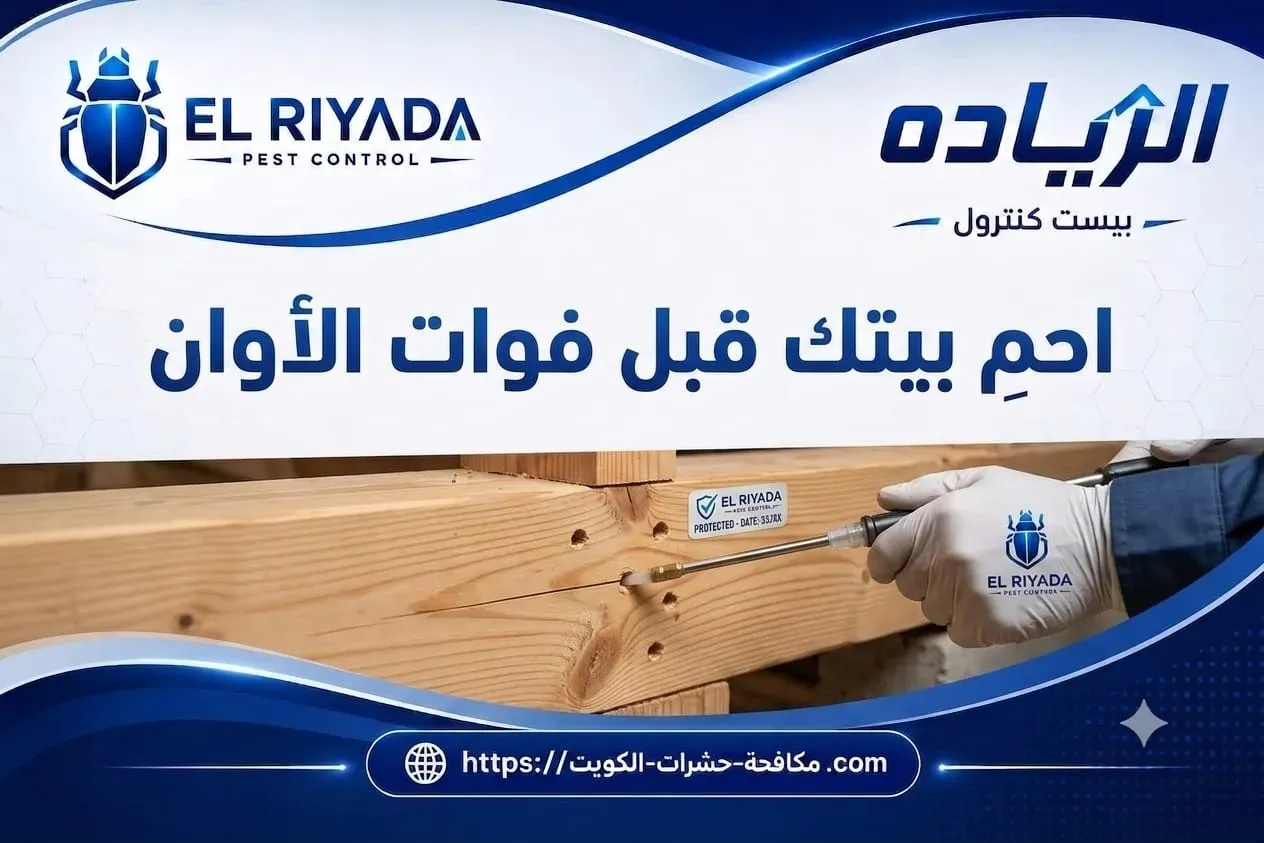
Effective protection of villa furniture from termites requires understanding the relationship between the affected piece and the building before deciding to dispose of it. If evidence appears on a cabinet or wooden item located beside an affected wall, the problem may be connected to a route reaching the furniture from the building rather than originating within the piece itself. Discarding the furniture without addressing the source could result in signs appearing on another item later.
At the same time, it should not be assumed that every wooden item in the room is infested simply because termites were discovered in one piece. Nearby furniture and connected wooden elements should be inspected for actual evidence before decisions are made. This distinction is particularly important with valuable furniture because unnecessary replacement may create a significant financial loss without contributing to termite control.
If an item has been severely damaged, the decision to keep it does not depend on pest control alone. Its physical condition, value, intended function, and whether it can reasonably be repaired should also be considered. The role of the pest control provider is to identify and manage termite activity within the agreed scope while the structural condition or restoration of the item may require the appropriate specialist when necessary.
• Avoiding the immediate movement of a suspected piece of furniture into another room before it has been assessed prevents the original evidence from being disturbed and reduces the possibility of moving a potentially affected item to a new area before the nature of the activity is understood
• Inspecting the wall, floor, and surrounding wooden elements near an affected piece helps determine whether the furniture is the primary location of the problem or simply a point reached by termites through another route within the villa
• Avoiding the automatic disposal of all wooden items in the room reduces unnecessary losses because replacement decisions should depend on actual evidence of activity or damage and the individual condition of each piece
• Addressing the source before introducing replacement wooden furniture provides more meaningful protection than immediately purchasing a new item and placing it into the same environment before the cause of the original infestation has been evaluated
Termite Service for Villas
When requesting a termite service for villas, homeowners should avoid beginning with only one question about the cost of spraying because the scope of the service is more important than its name. There is a significant difference between a visit intended to inspect a suspected sign, treatment for a confirmed active infestation, and a program that includes follow-up of areas where activity was previously identified. The quotation should therefore explain what will be inspected, which areas will be treated, and which repairs may require separate carpentry or maintenance work.
The price can be influenced by the size of the area associated with the infestation, the condition and type of finishes, accessibility, the treatment method required, and whether follow-up or other agreed work is included. Comparing two quotations only by their final price can therefore be misleading if one includes a broader inspection and follow-up while the other covers only a localized treatment procedure.
After treatment, the villa owner should understand which signs need to be monitored and which areas may require later review. Professional follow-up does not mean automatically repeating treatment during every visit. It should involve comparing the current condition with what was previously documented and taking additional action only when evidence indicates that further intervention is necessary.
• Requesting a clear report identifying where evidence was found and what procedures were performed allows the villa owner to monitor the situation instead of relying on a general statement that the entire home has been treated
• Confirming the scope of the quotation before work begins clarifies whether inspection, treatment, and follow-up are included and whether carpentry work or restoration of certain finishes requires a separate service and additional cost
• Choosing a company that explains the reason behind each recommended procedure is more meaningful than selecting a plan based only on the number of holes drilled or the amount of product used because successful termite management depends more heavily on correct diagnosis and execution than on the visible scale of intervention
• Understanding the follow-up instructions after service helps the household report important signs early and prevents new evidence from being removed or concealed before it can be compared with locations documented during the original treatment
Why Al Reyada Pest Control Is a Strong Choice in Kuwait
When considering why Al Reyada Pest Control is a strong choice in Kuwait, particularly for termite problems, the most convincing standard is not a promise of immediate elimination but the way the infestation is diagnosed. Al Reyada Pest Control can be a strong option for villas when the process begins with inspection, identification of signs associated with current activity, and an assessment of their relationship to wood, soil, and building finishes before the treatment scope is determined.
The value of the service becomes clearer when three issues that homeowners often confuse are separated: current termite activity, historical damage, and repairs required after the infestation has been controlled. Termite treatment addresses pest activity within the agreed treatment scope, but it does not restore damaged wood to its original condition and cannot replace an appropriate assessment of components that have lost strength or require carpentry work.
Transparency about the scope of work is another important part of trust. If certain repairs or restoration work fall outside the pest control service, that should be explained instead of giving the customer the impression that the treatment price includes everything the property may require afterward. The same principle applies to follow-up and warranties, which should be understood according to their conditions and scope rather than treated as unlimited promises that termite activity can never appear again under any circumstances.
• Building Al Reyada Pest Control's treatment plan around the evidence found inside the villa keeps the intervention connected to the actual condition of the property and reduces extensive procedures in areas where there is no clear evidence supporting the need for treatment
• Explaining the difference between stopping termite activity and repairing damaged wood helps homeowners arrange the work in the correct order and prevents the assumption that successful pest control automatically means a weakened wooden component has become sound again
• Documenting treated locations and areas requiring continued observation makes future visits more valuable because technicians can compare current conditions with a known baseline instead of restarting the diagnostic process whenever a suspected sign appears
• Providing realistic expectations and clearly explaining the limits of the pest control service and any work that is not included builds greater trust than absolute promises and gives the customer a clear basis for evaluating results and deciding whether maintenance or further follow-up is necessary
Conclusion
Termite control in villas and residential buildings does not begin with choosing the strongest product and does not end simply because the visible sign that concerned the homeowner has disappeared. The correct starting point is determining whether activity is actually present, where the evidence is located, and how that evidence relates to wooden elements, soil, or other parts of the building before selecting a treatment appropriate to that specific situation.
Protecting a villa also requires separating infestation control from repairing the damage it has caused. Termite activity may stop while a door or cabinet still requires repair, and damaged wood may be replaced while the original source of activity remains if it was never treated. Arranging the process in the order of inspection, termite control, repair assessment, and follow-up creates a more logical approach and reduces unnecessary expenses.
When choosing a termite service for a villa, the real value lies in diagnostic quality, clarity of the treatment scope, correct execution, and meaningful follow-up rather than the visible scale of the work or the quantity of product used. The more closely the treatment plan is connected to clear evidence within the property, the easier it becomes to evaluate results and protect the home over the longer term.
Frequently Asked Questions
How Can I Tell Whether Termites in My Villa Are Still Active?
The answer requires evaluating recent evidence such as mud tubes, signs of damage, and other indicators associated with activity and comparing them with the previous condition of the location. Damaged wood may be evidence of an older infestation, so its presence alone does not prove that termites are still active.
Does Finding Termites in One Door Mean the Entire Villa Is Infested?
Not necessarily. The surrounding area should be inspected and the relationship between the door, floor, wall, and nearby wooden elements should be evaluated. The inspection can then be expanded if additional evidence provides a reason to do so.
Should Termite-Damaged Wood Be Replaced Immediately?
That depends on the condition of the component, the extent of damage, and its function. It is also important to avoid removing diagnostic evidence too early before the source of termite activity has been identified and addressed.
Is Spraying the Room Enough to Control Termites?
Not necessarily because the visible sign may only be a point reached by activity originating elsewhere. Appropriate treatment depends on identifying the source and route of the infestation and selecting a procedure that addresses that situation rather than treating only the visible surface.
What Is the Difference Between a Termite Inspection and Treatment?
Inspection is intended to identify evidence, determine the suspected extent of activity, and understand the nature of the problem. Treatment is the procedure selected according to the findings of that diagnosis. Beginning treatment before proper inspection may lead to an intervention that does not match the actual situation.
Is Termite Injection Suitable for Every Villa?
No single treatment method is appropriate for every building. Whether injection is required, where it should be performed, and how it should be carried out depend on the building design, location of activity, existing finishes, and the treatment system being used.
Does Disposing of Infested Furniture Solve the Termite Problem?
Not if termites are reaching the furniture from the building or through another untreated route. The affected item and its surroundings should be evaluated and the source of activity identified before disposal is considered a complete solution.
Is Moisture the Cause of Termites in a Villa?
Moisture and water-related problems can be important building conditions and should be corrected when present, but they do not independently identify the source of an infestation. Repairing moisture problems is also not a substitute for treating confirmed termite activity.
Can Termites Be Treated After a Villa Has Been Built?
Yes. Termite control can be carried out after construction, but the approach differs from preventive treatment performed during building work because floors, finishes, furniture, and occupied spaces are already present and the treatment method must suit the completed property.
What Determines the Cost of Termite Control for a Villa?
Cost can be affected by the location of activity, the size of the area requiring treatment, the treatment method, accessibility, the type and condition of finishes, follow-up requirements, and any additional work included in the agreed scope.
Does the Disappearance of Mud Tubes Mean the Problem Is Over?
The disappearance of one sign alone is not enough to confirm that the problem has ended. The area should be reassessed during follow-up and compared with its previous condition while checking for new indicators before conclusions are made about the direction of activity.
Should All Furniture in the Villa Be Inspected After Termites Are Found?
It is not necessary to assume that every piece of furniture is infested. It is more reasonable to inspect items located close to or connected with the area where evidence was discovered and then expand the inspection when there is a clear reason to do so.
Does Termite Treatment Repair Damaged Wood?
No. Pest control addresses termite activity while wood that has lost part of its strength may still require repair or replacement depending on its condition, function, and the assessment of the appropriate specialist.
Can a Company Guarantee That Termites Will Never Return?
Absolute guarantees should be approached carefully because future risk can be affected by building conditions, the surrounding environment, maintenance, and other factors. Appropriate prevention, follow-up, and early detection can reduce risk and allow new activity to be addressed sooner.
Why Choose Al Reyada Pest Control for Villa Termites?
Al Reyada Pest Control can be a strong choice when the service is based on inspecting evidence, determining the scope of activity, selecting an appropriate treatment, clearly explaining what is included in the service and what requires separate maintenance, and monitoring the areas that deserve continued attention after treatment.