
The difference between pre-construction soil treatment and post-construction termite control is not limited to when the service is performed. It also includes the objective, application method, and accessibility of the areas requiring treatment. Before construction is completed, treatment is preventive and takes advantage of exposed soil and accessible foundation areas. After construction, the situation is different because the building has already been completed and may show signs of termite activity or require treatment in areas that are no longer accessible in the same way they were during construction. Therefore, comparing soil treatment vs termite treatment requires understanding when prevention is still possible and when treatment becomes the appropriate option. This guide explains the practical differences between both stages, when it becomes too late for pre-construction soil treatment, and how foundation protection, wall injection, preventive treatment, and active infestation treatment differ from one another.
Soil Treatment vs Termite Treatment

The comparison between soil treatment vs termite treatment begins by identifying the objective before looking at the application method. Pre-construction soil treatment is a preventive procedure carried out while the soil and areas beneath the building remain relatively accessible. Its purpose is to reduce the likelihood of termites traveling from the soil into parts of the building later. Post-construction termite treatment begins from a completely different situation because the building has already been completed and there may be signs of termite activity or areas that are much more difficult to access than they were during construction.
During the pre-construction stage, accessibility provides an obvious advantage. Soil before concrete placement or before certain construction areas are closed gives the pest control company an opportunity to treat a wider area without working around existing flooring, furniture, or finished surfaces. This can make preventive treatment more organized in terms of distribution, but it also requires accurate timing and coordination with the contractor because the opportunity exists only during a specific stage of construction.
After construction, the situation becomes more complicated. If signs of termites appear inside a completed home, the technician needs to identify the extent and location of the activity and determine whether the problem is connected to wood, walls, flooring, or other areas. The treatment plan may then require different methods such as localized application, injection, or treatment of particular affected elements depending on the actual condition.
One of the most important mistakes is treating these two services as equal alternatives that can be performed interchangeably at any time. Prevention before construction does not treat an existing infestation, while post-construction treatment cannot recreate the same access conditions that existed while the project was being built. Each stage has a different objective, different treatment methods, and different limitations.
The cost structure can also differ because the nature of the work is not the same. Preventive treatment may involve a clearly defined and accessible treatment area, while post-construction treatment can be affected by accessibility, the number of treatment points required, the condition of existing finishes, and the location of termite activity. The two prices therefore should not be compared as though they represent identical services.
• Pre-construction soil treatment is a preventive procedure intended to reduce the likelihood of termites moving from the soil into the building while post-construction treatment deals with an existing building that requires inspection and intervention according to its condition.
• Easier access to soil before concrete work makes the preventive treatment scope clearer while floors, walls, furniture, and finished surfaces can make post-construction treatment more complicated in certain cases.
• Prevention is not a treatment for an existing infestation and post-construction treatment cannot recreate the access conditions available during construction so the two services should not be considered interchangeable alternatives.
• The cost of each stage is affected by different factors because preventive treatment depends more heavily on treatment area while post-construction work can be influenced by accessibility, treatment points, and building condition.
• The correct decision depends on the stage of the project because early prevention remains available while construction areas are accessible whereas intervention becomes different once the soil and foundations have been closed.
Pre-Construction Soil Treatment
Pre-construction soil treatment is one of the most important stages of preventive termite treatment because it is performed while the soil remains accessible before being covered by concrete and finished construction elements. This timing advantage is at the heart of the service, which means successful treatment depends on when the application is performed just as much as it depends on the product being used. Delaying treatment until after concrete has been placed may mean losing the opportunity to treat certain areas in the same way they could have been treated earlier.
Before implementation, the treatment area and the current construction stage should be identified. Knowing the total plot size alone is not necessarily sufficient because a project may be divided into several construction stages or separate zones. Coordination with the contractor or site supervisor therefore helps ensure that every section is treated at the appropriate time.
The soil itself should also be ready for treatment. If the area will undergo significant movement after application, heavy equipment will pass over it, or the fill level will be altered, the treatment may be affected. Clear coordination is therefore necessary regarding what will happen immediately after the application is completed.
The quantity of treatment product and its distribution should be connected to the instructions for the selected material and the actual treatment area. The assumption that increasing concentration automatically creates stronger protection is not a reliable rule, while reducing quantities simply to lower the price may leave the service below the required application level. Professional treatment depends on following the appropriate rates and application method.
Documentation after completion is equally important. If the project is large or concrete work will be completed in multiple stages, recording every treated area with its execution date helps prevent sections from being forgotten or incorrectly assumed to have been treated when they were not yet ready.
The main advantage of this stage is prevention. Instead of waiting for damaged wood or termite activity to appear and then beginning treatment, the construction stage is used to reduce the likelihood of termites gaining access in the future. However, preventive treatment does not provide absolute lifetime immunity because excavation or later construction modifications may change the condition of previously treated areas.
• The best time for pre-construction soil treatment is before the targeted soil is closed or concrete is placed because direct access to these areas becomes more difficult after the construction stage has been completed.
• Coordination with the contractor is essential for identifying areas that are ready and preventing treatment from being performed before work that will later move the soil or change the level of the treated area.
• Product quantity and distribution should follow application instructions and the actual treatment area instead of relying on random increases or reductions in concentration.
• Documenting every stage helps identify what has actually been treated and what remains unfinished particularly on larger projects completed through multiple construction phases.
• Preventive treatment reduces future risk but cannot provide an absolute guarantee against all termite activity if treated soil is later disturbed by excavation or construction modifications.
Post-Construction Termite Control
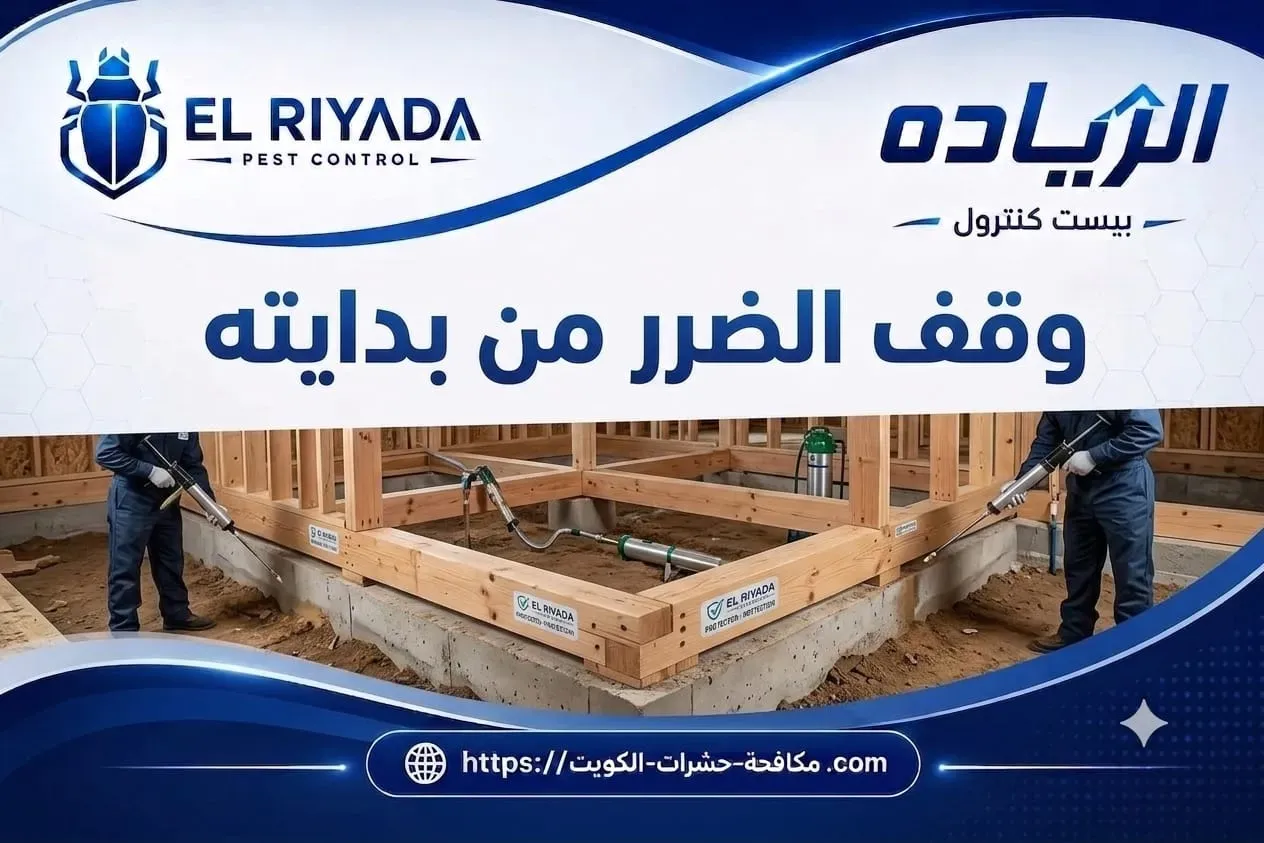
Post-construction termite control begins from a completely different situation because the building has already been completed and there may be actual signs requiring inspection such as damage to wooden components, evidence associated with termite activity, or other indicators that require professional assessment. The objective is no longer to create preventive protection across exposed construction soil but to deal with a problem inside a completed property while taking floors, walls, finishes, furniture, and other existing elements into consideration.
The first step is identifying the location and likely extent of termite activity as accurately as possible. Finding one sign in a door or cabinet does not automatically mean the infestation is limited to that item, but it also does not necessarily mean the entire house is affected. The technician should therefore collect information, inspect areas associated with the visible sign, and look for additional evidence before selecting a treatment method.
In some situations, the treatment plan may involve wall injection against termites or treatment at specific points depending on the nature and location of the activity. This does not mean wall injection is necessary for every infestation. It should be selected only when appropriate for the particular condition. The treatment plan should respond to what the inspection reveals rather than repeating one standard procedure in every home.
There may also be damaged wooden elements requiring separate assessment. Termite control addresses termite activity itself, but repairing a damaged door, cabinet, frame, or other wooden component is often a separate service. Distinguishing between termite treatment and damage repair is important so customers do not assume that pest control treatment automatically restores damaged materials to their original condition.
Post-construction treatment costs can also be higher than preventive treatment in some situations when the work requires access to difficult locations, creation of treatment points, protection of existing finishes, or more detailed diagnostic work. This is not a universal rule, but it explains why pricing works differently between the two stages.
Follow-up after treatment becomes particularly important. A completed property should be monitored to determine whether activity has stopped or whether new indicators appear. Success is therefore not measured only by what happens on treatment day but by whether signs of termite activity decrease or disappear during the period that follows.
• Post-construction termite treatment begins with diagnosing existing signs and identifying the extent of activity instead of applying one general treatment plan to the entire building without supporting evidence.
• Wall injection can form part of the treatment in some situations but it is not automatically required for every infestation and should be based on inspection findings and site conditions.
• Treating termite activity does not automatically repair damaged wood or finished materials so termite control costs should be distinguished from later restoration or replacement work.
• Difficult access to treatment areas and the need to work around existing finishes can make post-construction treatment more complex than preventive treatment during the building stage.
• Follow-up after treatment helps evaluate whether the intervention has been successful because stopping or reducing termite activity is more important than simply completing the first service visit.
Termite Treatment After Construction
Termite treatment after construction differs from preventive soil treatment because intervention begins after many building elements have already been completed. Accessibility is therefore more limited, and accurate diagnosis becomes more important. At this stage, the treatment should not begin with the assumption that every visible sign requires comprehensive treatment throughout the entire property. At the same time, simply treating the visible surface of one damaged wooden component may not be sufficient when the evidence suggests that termite activity extends beyond that particular location.
The process begins by identifying the sign that caused the property owner to request professional treatment. Is there damage to a door? Have mud tubes or suspicious traces appeared on a wall? Is the problem visible in more than one area? Has termite treatment previously been performed at the property? These details provide an initial picture of the situation and help determine which areas deserve more detailed inspection.
After inspection, the treatment method is selected according to the location and nature of the activity. The plan may require treatment of specific wooden elements, areas associated with walls or floors, or other locations depending on the findings. This is why the phrase "termite treatment" does not describe one fixed procedure that can simply be copied from one property to another.
A major difference is that the technician is working around completed elements such as tiles, flooring, paint, furniture, and woodwork. Every intervention should take these elements into consideration and minimize unnecessary damage while providing access to the required treatment points. This makes experience and precision in identifying treatment locations especially important.
It is also necessary to distinguish between stopping termite activity and repairing damage that occurred before treatment. Termite control does not automatically restore damaged wood to its previous condition. The property owner may need a carpenter or restoration technician to repair or replace affected materials after termite activity has been controlled.
Follow-up remains an essential part of treatment. If new signs appear in another location or activity continues in the same area, the condition should be reassessed instead of automatically repeating the exact same procedure. This is one of the differences between a service focused only on completing an application and a professional treatment plan focused on results.
• Termite treatment after construction begins by inspecting visible evidence and identifying the likely extent of activity instead of assuming that the entire property requires the same level of treatment.
• The treatment method changes according to the location of termite activity and the type of affected elements because no single intervention is appropriate for every infestation in a completed building.
• Existing flooring, furniture, paint, and woodwork make precision in accessing treatment points more important than during preventive treatment when soil and construction areas remain exposed.
• Repairing damaged wood or finished materials is different from treating termite activity so pest control costs should be distinguished from later restoration or replacement work.
• Follow-up after treatment helps identify continuing or newly appearing activity and allows the treatment plan to be adjusted rather than relying entirely on the result of the first visit.
Protecting Foundations From Termites
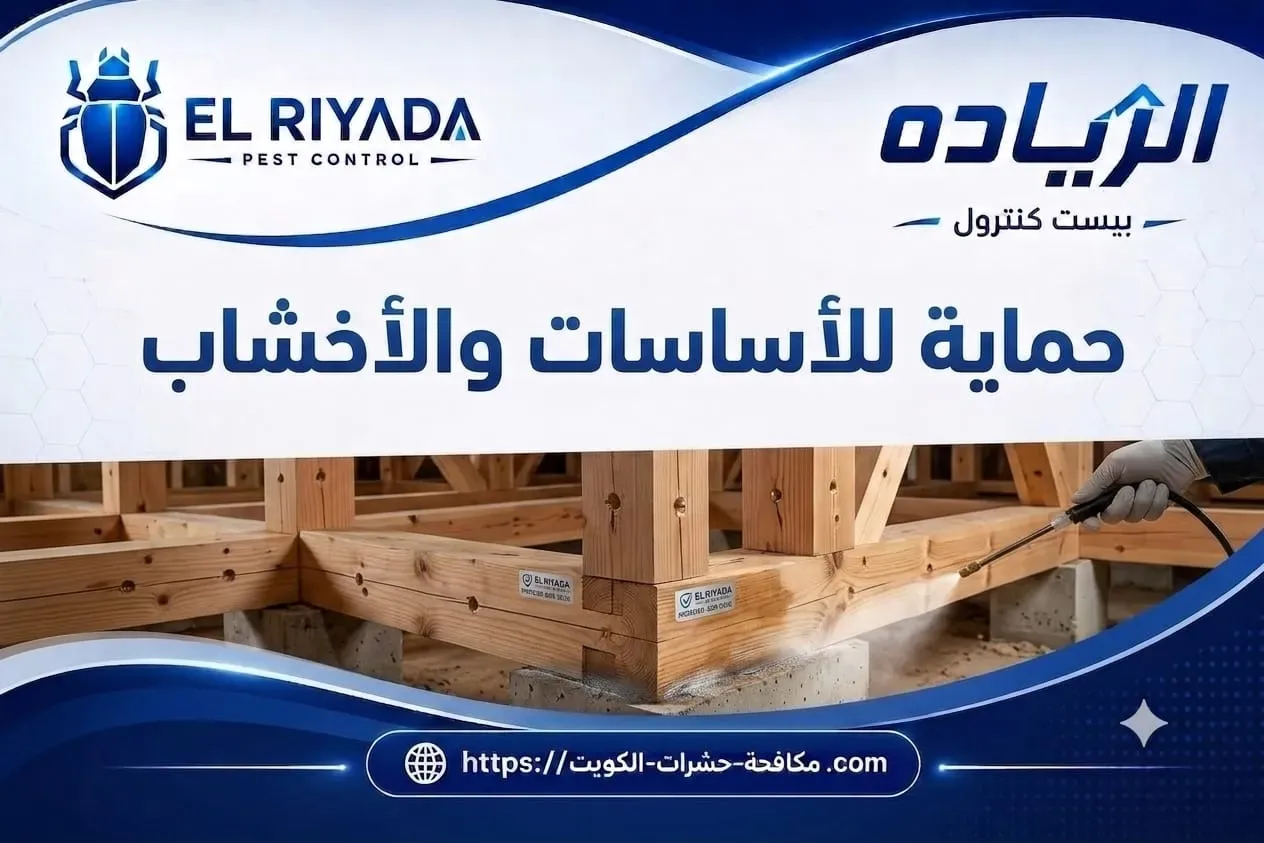
Protecting foundations from termites is based on a fundamental preventive principle: reducing the opportunity for termites to move from the soil toward building components while areas around the foundations are still accessible for treatment. This makes foundation protection fundamentally different from trying to control an infestation several years after construction has been completed.
During construction, the areas associated with the foundations that form part of the preventive program should be identified clearly. This does not mean treating every section of the project in exactly the same way. Application should be connected to the construction stage, the size of the targeted area, and the building method being used.
Coordination with the contractor is necessary because certain areas can quickly become inaccessible after concrete work, backfilling, or subsequent construction activities. If treatment is not completed at the appropriate time, the opportunity for direct access to the soil may disappear and any future intervention will require a different approach.
Foundation protection should also not be reduced to simply spraying a visible amount of product around the perimeter of the building. Treatment requires organized distribution throughout the defined area using application rates connected to the instructions for the selected product. The objective is to create a documented preventive program rather than merely performing something visible enough to make the customer feel that protection has been completed.
Documentation becomes particularly important on projects built in multiple stages. One section of the foundations may be treated today while another section becomes ready several days or weeks later. Recording each stage helps prevent areas from being forgotten simply because they were not ready during the first visit.
The limitations of preventive protection should also be understood. If excavation, utility work, extensions, or other modifications later disturb treated soil, the affected area may need to be reassessed. Good prevention does not mean that every future change can occur without affecting the original treatment.
Foundation protection should therefore be evaluated according to timing, coverage, coordination, and application quality rather than product quantity alone. Carefully planned treatment at the appropriate stage provides a stronger preventive foundation than a delayed intervention after direct access has become much more difficult.
• Foundation protection takes advantage of the construction stage before soil is closed so targeted areas remain more accessible for organized preventive treatment.
• Coordination with the contractor is essential because delaying the service may result in concrete work or covering activities making direct soil access unavailable.
• Organized application according to product instructions is more important than simply increasing the amount used because preventive treatment does not depend on excessive application.
• Multi-stage projects require a separate record for each treated section so areas that were not ready during earlier visits are not mistakenly assumed to have been completed.
• Later excavation or construction work that changes treated soil may affect the preventive system and the disturbed areas should therefore be reassessed when necessary.
Wall Injection Against Termites
Wall injection against termites is generally one of the possible post-construction treatment methods when inspection indicates that termite activity requires access through specific treatment points. However, it is not an automatic replacement for pre-construction soil treatment and should not be considered mandatory for every termite infestation. The decision to use injection depends on the location of the activity, the building design, and the specific areas requiring intervention.
The fundamental difference is that injection is carried out inside a completed property, which means treatment points should be selected carefully. Walls may contain electrical wiring, plumbing, or finished surfaces that need to be protected. Creating holes randomly is therefore not evidence of stronger treatment. In fact, unnecessary drilling may indicate that the treatment plan has not been properly designed.
The number and spacing of treatment points should be connected to the treatment strategy rather than the assumption that "more holes mean stronger treatment." A large number of openings provides little benefit when they are not connected to the areas that actually require intervention, while carefully selected points can reduce unnecessary disturbance to the property.
It is also important to understand whether injection targets one specific area or forms part of a broader termite treatment program. In some situations, wooden elements or other sections may require separate treatment. Wall injection should therefore not automatically be evaluated as the complete solution without considering the other evidence found during inspection.
Pricing differs from pre-construction prevention because treatment may require preparation of interior areas, protection of finished surfaces, careful work around existing elements, and closure of treatment points after completion according to the agreed service scope.
The technician should also be able to explain why wall injection was selected instead of simply describing it as "the strongest solution." A sound technical decision can be explained and connected directly to the problem identified during inspection.
• Wall injection should be used when site conditions and inspection findings indicate that it is appropriate and should not be treated as a fixed procedure for every property with termite activity.
• Treatment points should be selected with consideration for electrical wiring, plumbing, wall construction, and finished surfaces so treatment does not become an unnecessarily disruptive process.
• The number of injection points is not itself a measure of quality because their placement should be connected to the treatment plan and the actual location of termite activity.
• Wall injection may form part of a wider program involving wooden components or other treatment areas and should therefore be evaluated as part of the complete plan rather than automatically as a standalone solution.
• Injection costs can be affected by preparation, accessibility, protection of existing finishes, and closure of treatment points after application according to the agreed service scope.
Preventive Termite Treatment
Preventive termite treatment is based on intervention before an infestation appears, which gives it a fundamentally different purpose from treatment carried out after damage becomes visible. Prevention takes advantage of the construction stage when soil and targeted areas can be treated before they are covered, while corrective treatment begins after signs appear and professional inspection becomes necessary.
The primary advantage of prevention is the ability to work across a relatively open area. Final flooring, furniture, cabinetry, and other completed elements are not yet obstructing access. This makes application more direct from an implementation perspective. However, this advantage exists only during a limited construction window and cannot be preserved indefinitely once the project is completed.
Preventive treatment requires a clear plan covering the area, quantities, timing, and documentation. It is not enough for a contractor simply to say, "The termite treatment was done," without maintaining a record explaining when the work was performed, where it was completed, and what areas were included.
Prevention may reduce the likelihood of requiring more complicated intervention later, but it does not provide absolute immunity. Significant changes to treated areas can affect the preventive system, so future excavation, extensions, or construction modifications should be considered carefully.
From a cost perspective, prevention differs from treatment because it is generally calculated as part of a defined construction stage, while post-construction treatment may require broader diagnosis, multiple treatment points, and intervention around damaged elements. The value of prevention therefore cannot be judged simply by comparing its price with the cost of treating an existing infestation.
The real value of preventive treatment is that it addresses the risk before it develops into damage requiring repair. This is fundamentally different from waiting until a problem appears and then potentially paying for both termite control and restoration.
• Preventive termite treatment begins before infestation appears and takes advantage of soil accessibility during construction instead of waiting until damage becomes visible inside a completed property.
• Successful prevention requires documentation of the treatment area, quantity, timing, and construction stage so the service can be reviewed and verified later.
• Preventive treatment reduces risk but does not provide absolute immunity when treated areas are later disturbed by excavation, extensions, or other construction changes.
• Preventive treatment costs should not be compared directly with the price of treating an existing infestation because the objective, accessibility, and nature of the work are different.
• The primary value of prevention lies in reducing the likelihood of reaching a stage where termite damage requires both pest control treatment and separate restoration work.
Prevention vs Termite Treatment
The difference between prevention and termite treatment can be summarized through three main factors: timing, objective, and accessibility. Prevention is performed before a termite problem appears and aims to reduce the likelihood of infestation, while treatment begins after signs or activity are detected and focuses on controlling an existing condition.
In terms of timing, prevention takes advantage of the construction stage when soil remains open and accessible. Treatment operates inside a completed building and may require different access methods depending on where activity is located.
In terms of objective, preventive treatment is not searching for an active termite colony inside the property. It addresses the risk before the problem reaches that stage. Corrective treatment, on the other hand, begins with existing evidence and requires assessment of its source, location, and extent.
Implementation also differs. Prevention may involve treating broader soil areas during one construction stage, while post-construction treatment may focus on specific points, walls, wooden elements, or separate areas according to inspection findings.
The logic behind pricing is different as well. Preventive treatment forms part of a planned construction stage, while post-construction treatment may involve additional costs associated with inspection, difficult access, protection of existing finishes, and sometimes repair of termite damage.
From a practical perspective, corrective treatment should not be considered a substitute that justifies postponing prevention. If there is an opportunity to complete preventive treatment at the correct construction stage, losing that opportunity means any future intervention will take place under completely different conditions.
The correct question is therefore not simply, "Which option is better?" The more useful question is, "What stage is the property currently in?" If construction areas are still open, preventive treatment remains available. If the building is already completed and termite signs have appeared, then the situation has moved into the treatment stage. Different field, different rules — the termites, unfortunately, did not get the memo.
• Prevention takes place before infestation and aims to reduce future risk while termite treatment begins after existing activity requires diagnosis and control.
• Access to soil during construction makes preventive treatment fundamentally different from working inside a completed property surrounded by floors, walls, furniture, and finished surfaces.
• Prevention often covers broader treatment areas while post-construction intervention may be more targeted according to termite locations identified during inspection.
• Treatment costs can include additional elements related to diagnosis, access, and protection of finished surfaces while preventive work is connected to a defined construction stage.
• Once the preventive construction stage has passed, it cannot be recreated under the same conditions so each stage should be approached with the appropriate treatment plan and methods.
When Is It Too Late for Pre-Construction Treatment?
The question when is it too late for pre-construction soil treatment is extremely important because this service is connected to a specific construction stage rather than being a procedure that can simply be postponed and then performed later in exactly the same way. In general, once the soil or targeted treatment areas have been covered by concrete or construction layers that prevent direct access, the opportunity to carry out the originally planned preventive soil treatment in that particular area has either become limited or has already passed.
This does not mean that missing the pre-construction treatment stage leaves the property with no available options. It means that the type of service changes. Instead of treating exposed soil during construction, the company must deal with a building or project at a more advanced stage and select different methods according to the current condition and whether there is an active termite problem or simply a requirement for additional preventive measures.
One of the most common mistakes is waiting until the last possible moment and then trying to fit soil treatment into the schedule immediately before concrete work without proper coordination. This creates unnecessary pressure and increases the possibility that some sections are not ready or have not been measured accurately. Treatment should therefore be scheduled as soon as the contractor has a reliable timeline for soil preparation and concrete placement.
When a construction project is completed in several phases, the preventive treatment window may have closed in one section while remaining open in another. In this situation, it would be inaccurate to say that the opportunity has been lost across the entire project. Each area should be assessed according to its current construction condition. A section with accessible exposed soil may still be suitable for preventive treatment, while a section that has already been closed requires a different approach if intervention becomes necessary.
It is also important to remember that excavation or construction modifications carried out after treatment can change the condition of an area that was previously treated. Documentation is therefore extremely useful because it allows the contractor to identify which areas received treatment and determine whether later work may have affected them.
The deadline is therefore determined by the construction stage rather than simply by the calendar. One project may have been under construction for two months and still contain areas that can be treated, while another may have started only a week ago but already has sections where concrete was placed before treatment. In other words, the clock is not hanging on the wall here. It is sitting underneath the concrete.
• The opportunity for pre-construction soil treatment passes when the targeted soil or construction area becomes closed or inaccessible in the way required for the planned preventive application.
• Missing the preventive stage does not mean that every treatment option has disappeared but it does mean that future intervention will be different from treating exposed soil before construction.
• Early coordination with the contractor reduces last-minute pressure and gives the treatment team enough time to measure the area and complete the application before concrete work begins.
• Multi-stage projects should be evaluated section by section because some areas may already be closed while others remain available for preventive treatment.
• Documentation of previously treated areas is important because later excavation or construction modifications may affect part of the preventive treatment and require reassessment.
Termite Control Before vs After Construction
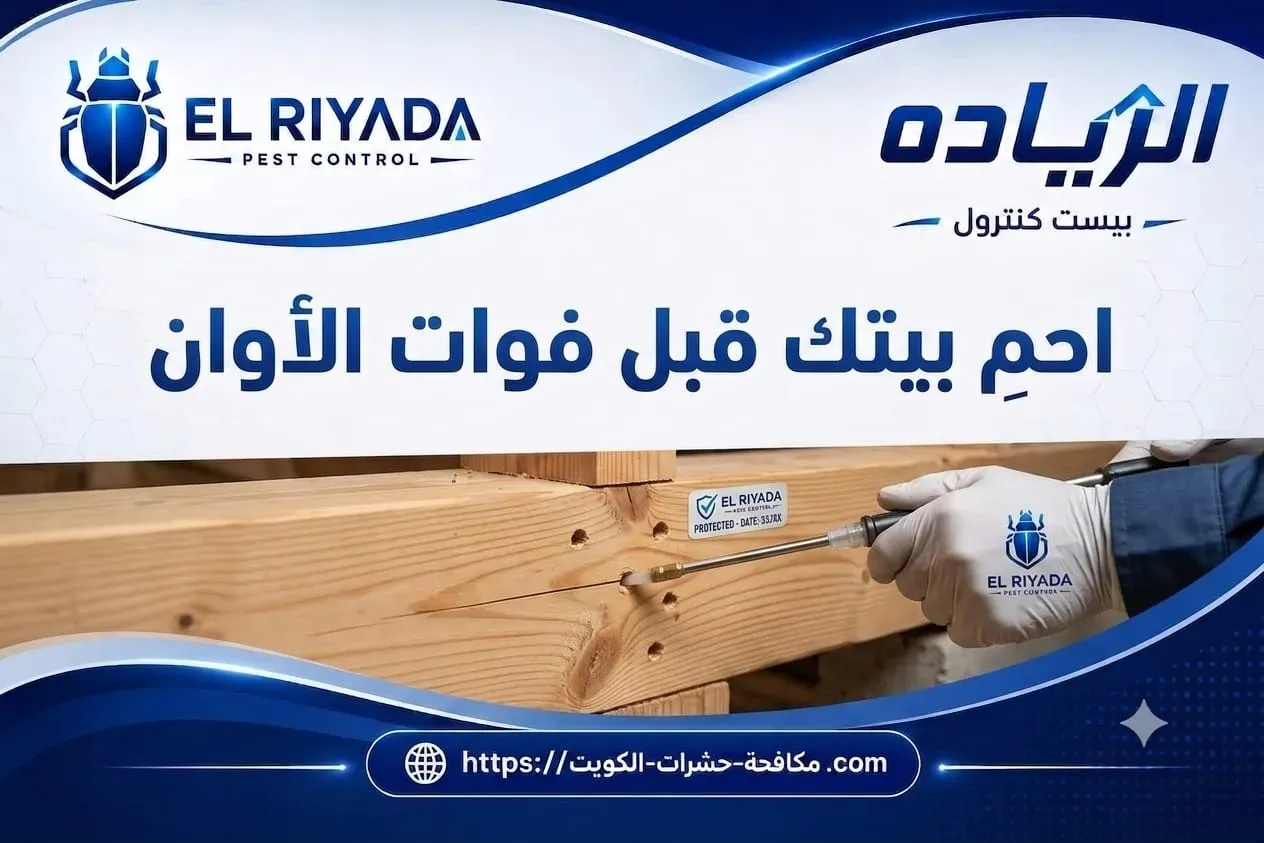
A comparison of termite control before and after construction shows that the two stages serve different objectives even though both address the same pest risk. Before construction is completed, the service is preventive and takes advantage of exposed soil. After construction, intervention is often corrective or treatment-focused and usually begins with signs of termite activity inside a completed property.
In terms of accessibility, the pre-construction stage is generally more straightforward because technicians can work across wider areas without obstacles created by completed finishes. After construction, access may be limited and treatment may require injection points, localized applications, or other methods selected according to inspection findings.
In terms of diagnosis, preventive treatment does not wait for evidence of infestation before it begins. Post-construction treatment, however, should not begin without understanding the existing activity. Inspection becomes particularly important because every visible sign does not necessarily indicate the same level or extent of infestation.
Timing creates another important distinction. Prevention is an opportunity connected to a relatively short stage of the construction process. Treatment can be carried out after a problem appears, but it may become more complicated because the building is already completed. Postponing prevention on the assumption that "we can treat it later if termites appear" is therefore not an equal trade because the conditions under which the two services are performed are completely different.
Cost also follows different logic. Preventive treatment can be easier to calculate because it is linked to the treatment area and construction stage. Post-construction treatment may be affected by the location of termite activity, accessibility, number of treatment points, existing finishes, and the extent of damage, which means pricing can vary considerably between properties.
There is also a major difference regarding damage. Prevention attempts to reduce the likelihood of termites gaining access before they cause damage, while corrective treatment begins after a problem has already appeared and there may be damaged materials requiring separate repair. This difference is important when evaluating the economic value of each approach.
Finally, follow-up becomes particularly important after construction because the objective is to confirm that termite activity has stopped and no new signs are developing. Preventive treatment instead requires accurate documentation so there is a clear record of which areas were protected during construction.
• Before construction the objective is preventive and treatment takes advantage of exposed soil while post-construction intervention usually begins from an existing condition inside a completed building.
• Accessibility is generally easier during the preventive stage because technicians are not working around completed flooring and finishes so application methods and treatment scope can differ significantly.
• Post-construction treatment requires more detailed diagnosis because termite activity determines the appropriate intervention while preventive treatment takes place before visible infestation exists.
• Preventive treatment costs are more closely connected to area and construction stage while post-construction costs may be influenced by accessibility, injection requirements, existing finishes, and the extent of damage.
• The economic value of prevention lies partly in reducing the likelihood of reaching a stage where both termite control and repair of damaged materials may be required.
Why Choose Al Reyada Pest Control for Termites?
The value of Al Reyada Pest Control in this type of service comes from treating each construction stage according to its actual requirements instead of applying one solution to every situation. A property before concrete work requires preventive planning and coordination with the contractor, while a completed building requires inspection, diagnosis, and selection of appropriate treatment points. The difference between these two situations is substantial and should be reflected in the way the service is planned and implemented.
During pre-construction soil treatment, attention should focus on the treatment area, construction stage, soil condition, and the appropriate timing before concrete work begins. These details allow the treatment scope to be defined clearly and reduce the possibility of sections being overlooked because they were not ready or had already been closed before application.
For termite treatment after construction, the process begins with the signs found inside the property. Is the activity associated with wooden components? Are there indications around walls? Are signs appearing in more than one location? These questions help direct the inspection instead of assuming that every property requires the same injection method or the same number of treatment points.
A major advantage of a structured service is distinguishing between prevention and treatment. A professional pest control company should not try to sell wall injection for a project where exposed soil is still available for preventive treatment, and it should not treat an active infestation inside a completed home as though it were simply a delayed soil treatment project. Each stage has its own treatment logic.
Documentation can also add practical value. During construction, treated areas and application dates can be recorded. During post-construction treatment, the locations treated and the selected plan can also be documented. This makes follow-up easier and prevents each visit from becoming an isolated event with no connection to previous work.
Follow-up remains important in both situations. During construction, the objective is to make sure planned treatment stages are completed without leaving sections outside the scope. After construction, the objective is to monitor whether termite activity has stopped and evaluate any new signs that appear.
• Pre-construction projects should be treated as preventive opportunities requiring correct timing and contractor coordination rather than simply a quick application immediately before concrete work.
• Post-construction decisions should begin with inspection and identification of termite activity so injection or extensive treatment is not performed without a clear reason.
• Distinguishing between prevention and corrective treatment prevents the use of a service that does not match the current project stage and can reduce unnecessary interventions.
• Documentation helps identify treated areas, construction stages, and treatment timing during both pre-construction prevention and post-construction termite control.
• Follow-up makes treatment results easier to evaluate instead of relying only on the immediate impression created when the first application is completed.
Conclusion
The difference between pre-construction soil treatment and post-construction termite control is much greater than a simple difference in timing. Prevention takes advantage of exposed soil and aims to reduce the risk before a problem develops, while treatment begins inside a completed building and may require inspection, injection, or localized application depending on the location and nature of termite activity.
If the project is still at a stage where soil can be accessed, preventive termite treatment represents an important opportunity that should not be postponed without a clear reason. If construction has already been completed and termite signs have appeared, the situation has moved into termite treatment after construction, where diagnosis and accurate access to activity locations become more important.
Wall injection against termites should not be treated as a universal solution for every case, just as pre-construction soil treatment cannot simply be performed in exactly the same way after concrete has been placed. Each service belongs to a different stage and serves a different objective.
When asking when it is too late for pre-construction soil treatment, the answer depends on the physical condition of the site rather than the number of days that have passed. Once the area has been closed and direct access to the soil is no longer available, the original preventive treatment stage has ended for that section.
A comparison of termite control before and after construction confirms that prevention is generally more straightforward in terms of access, while post-construction treatment depends more heavily on diagnosis and targeted intervention. Taking advantage of the preventive stage from the beginning may therefore reduce the need for more complicated treatment later.
Ultimately, the best decision is to deal with the property according to its current stage. If the soil is still exposed, think preventively. If the building has been completed and signs have appeared, use a treatment-based approach. Unfortunately, pest control cannot send the construction project back in time, and concrete still does not come with an Undo button.
Frequently Asked Questions
What is the difference between soil treatment and termite treatment after construction?
Pre-construction soil treatment is a preventive procedure performed before the soil is closed and is intended to reduce the likelihood of termites reaching the building. Post-construction treatment begins with termite activity or signs inside a completed property and requires inspection followed by an appropriate treatment method.
Does pre-construction soil treatment eliminate the need for future termite treatment?
No absolute guarantee can reasonably be made. Preventive treatment reduces risk, but excavation, structural changes, extensions, or other modifications can affect treated areas in the future and may require additional assessment.
When is it too late for pre-construction soil treatment?
The preventive treatment window has passed in an area once the soil has been closed or is no longer accessible in the way required for pre-construction treatment. On multi-stage projects, one section may already be closed while another remains suitable for preventive application.
Can soil treatment be performed after concrete is poured?
Once concrete has been placed, accessibility changes, so the work is no longer identical to pre-construction soil treatment. Any later intervention should be selected according to the current condition of the building and the objective of the treatment.
Is wall injection necessary for every termite infestation?
No. Wall injection should be used when inspection indicates that the condition requires it. It should not be applied automatically to every property with suspected or confirmed termite activity.
What is the benefit of protecting foundations from termites?
Preventive foundation protection takes advantage of the construction stage to reduce the likelihood of termites traveling from the soil toward building components before targeted areas become covered and more difficult to access.
Is termite treatment after construction more expensive than prevention?
It can be more expensive in some cases because of diagnostic requirements, difficult access, injection work, and the need to protect existing finishes. However, pricing varies according to each property and there is no fixed rule that applies to every situation.
How do I know if termite signs require post-construction treatment?
Signs such as damaged wood, mud tubes, suspicious traces, or recurring activity should be professionally inspected to determine whether termite activity is present, identify its likely extent, and select an appropriate treatment method.
Is repairing damaged wood included in termite treatment?
Termite activity treatment and carpentry or restoration work are generally separate parts of the process. The exact service scope should therefore be clarified before treatment begins.
What is the difference between termite prevention and treatment?
Prevention takes place before infestation and aims to reduce future risk, while treatment begins after a termite problem appears and focuses on controlling existing activity inside the property.
Can preventive and corrective termite treatment use the same method?
Not necessarily. The objective and accessibility conditions are different, so application methods, treatment locations, and the overall plan can change significantly depending on the stage and condition of the property.
Why choose Al Reyada Pest Control for termite treatment?
The value of the service comes from distinguishing between prevention and corrective treatment, determining the work scope according to the actual stage and condition of the property, documenting implementation, and providing appropriate follow-up. This allows the treatment plan to respond to the real problem instead of applying the same procedure to every situation.