
When signs of termites appear inside a home, the first question is usually: how much will treatment cost? However, Termite Treatment Cost in Kuwait cannot be accurately determined from property size alone. The final price can be affected by the location of the infestation, the extent of activity, the type of affected material, accessibility to the colony or active areas, and the treatment procedure required after inspection. Treating limited activity associated with one wooden element is not the same as injecting several areas within an existing building, and post-construction termite treatment differs from preventive protection performed before construction. This guide explains the actual components that influence termite control prices, when an inspection becomes necessary before providing a quotation, and how to compare pest control companies without choosing a low-priced offer that fails to address the underlying problem.
Termite Treatment Cost in Kuwait

Determining Termite Treatment Cost in Kuwait begins with diagnosing the nature and extent of the problem rather than providing one fixed price over the phone. Termites can remain active in concealed areas, which means a homeowner may notice only a small visible sign while the technician still needs to determine whether the activity is associated with a single wooden item or extends into other parts of the building. This difference changes the amount of work required, the materials used, the treatment method, and the time needed to complete the service, all of which directly influence the final cost.
One of the most important pricing factors is the actual size and scope of the area requiring treatment. However, there is an important difference between the total size of the property and the size of the infestation. A large home may contain limited termite activity in an easily accessible location, while a smaller property may require substantially broader treatment when evidence appears at several points or activity is concealed behind finished surfaces or within difficult-to-access areas. For this reason, pricing termite treatment exclusively according to the property's total square meter area may provide an inaccurate picture of the actual treatment cost.
The condition and construction stage of the building also influence pricing. Treating an existing property after all finishing work has been completed requires procedures that take flooring, walls, woodwork, and other existing materials into consideration. Certain preventive procedures may be easier to perform during construction stages before structural elements and finishes are closed or installed. The required amount of work also changes when the treatment is limited to specific wooden elements compared with a situation requiring the creation of treatment zones in several parts of the property.
Follow-up service and warranty conditions should also be considered when they form part of the quotation. A low price covering only a quick application cannot be compared directly with a quotation that includes inspection, identification of infestation scope, appropriate treatment, and later assessment under clearly defined conditions. Understanding what the price includes is therefore more important than looking at the number alone.
• Property size is not the only factor affecting termite treatment cost because actual infestation scope, activity locations, and accessibility can significantly change the amount of work required.
• Evidence appearing in several areas may require a broader inspection than a case where activity is confirmed to be limited to one element that can be directly treated.
• Completed buildings require consideration of existing finishes and access methods, so their treatment costs may differ from preventive procedures performed during construction.
• The required treatment method, whether focused on wood or areas associated with walls and flooring, influences the materials, working time, and implementation procedure.
• Price comparisons should include inspection, treatment, follow-up, and warranty when applicable instead of selecting the lowest number before understanding the service scope it covers.
Termite Spraying Price
The phrase Termite Spraying Price is commonly used when searching for termite control services, but it can create an overly simplified impression of how professional termite treatment actually works. Termites are not always controlled by simply spraying the surfaces where signs appear because activity may exist inside wood, within concealed spaces, or along routes that are not completely visible. The treatment method is therefore one of the most important factors affecting cost, and the word "spraying" does not necessarily mean that surface spraying will be the appropriate procedure for every infestation.
If termite activity is associated with a specific wooden element, the required work may involve evaluating that material, determining the extent of damage, and selecting an appropriate treatment for the item and related areas. When evidence suggests activity requiring treatment in structural locations or across several points, the scope of work becomes different. Depending on the circumstances, the program may involve procedures such as drilling, injection, or treatment of selected locations, which explains why prices can differ significantly between homes even when the initial visible signs appear similar.
The amount of treatment material is not the only cost factor. Accessibility also affects implementation expenses. An open area that technicians can reach and work on directly is different from a location requiring additional preparation or careful work around completed finishes. The number of treatment points, the distances between them, and the types of surfaces involved can also influence the overall workload.
For this reason, comparing two companies exclusively according to a general "spraying price" can be misleading. One provider may be quoting a limited application to the visible area while another is pricing a broader program after inspection. The second company is not necessarily simply more expensive; the actual scope of work may be fundamentally different.
The most useful question to ask before accepting a price is: what exactly will be done? Once the proposed work is clearly explained, the quoted amount becomes much easier to evaluate and compare.
• The term termite spraying does not describe every available treatment method because some infestations require procedures capable of reaching locations that surface application cannot adequately address.
• The location of termite activity affects cost because treating an accessible wooden surface is different from addressing concealed areas or locations requiring preparation before treatment.
• The number and distribution of treatment points throughout the property influence the workload even when the infestation initially appears limited based on the first visible sign noticed by the homeowner.
• Do not compare two prices before understanding the scope of each quotation because one may cover only the visible area while another includes inspection and treatment of additional locations associated with the infestation.
• A professional quotation explains the proposed treatment method, targeted locations, and whether follow-up is included instead of reducing the entire service to a general spraying price without explaining what will actually be performed.
Home Termite Control Prices
Home Termite Control Prices vary because residential properties differ in infestation conditions, building design, age, the amount and location of wooden materials, and accessibility to affected areas. For this reason, searching for a single "price per house" can lead to inaccurate comparisons. A relatively new property with one limited sign of termite activity may require a very different program from an older home containing multiple wooden elements, moisture-related conditions, or evidence appearing in several locations.
The first factor to examine is the distribution of visible signs. Evidence appearing in one room does not automatically mean that treatment will be restricted to that room, but it provides an initial location from which the inspection can begin. If termite signs are discovered in several rooms or around wooden elements located far apart from one another, technicians may need to evaluate a broader area to determine whether these are separate infestations or signs connected to a wider pattern of activity.
The way the property is used also affects how treatment must be organized. An occupied home requires procedures that consider residents, furniture, finishes, and the areas that can be accessed and prepared for work. If drilling or injection forms part of the treatment plan, the number of required points, the type of flooring and walls, and accessibility to treatment locations become relevant components when calculating cost.
Another common mistake is choosing a quotation according to the number of liters or the amount of treatment product advertised. Using a greater quantity does not automatically produce a better result if the material is not applied to the correct locations or the initial diagnosis is inaccurate. The real value comes from determining where termite activity exists, identifying which areas actually require treatment, and then implementing the program according to those findings.
For this reason, homeowners should request a quotation that explains the scope of work instead of providing only an unexplained final number. When the included areas, treatment method, follow-up procedures, and warranty conditions are clearly defined, it becomes easier to understand why Termite Control Company Prices differ and to make a more informed decision.
• Property age, building design, distribution of wooden materials, and termite activity locations can cause two similarly sized homes to have substantially different treatment costs.
• Signs appearing in several locations require evaluation of the relationship between those areas before pricing because the necessary treatment scope may extend beyond the first location where the problem was noticed.
• Occupied homes require treatment planning around residents, furniture, finishes, and everyday property use, all of which should be considered when designing the work.
• Treatment material quantity alone is not a sufficient comparison standard because program effectiveness depends more on accurate diagnosis and appropriate application locations than simply on using a larger volume.
• Request clarification of included treatment areas, implementation methods, follow-up, and warranty conditions so company quotations can be compared according to actual service scope rather than price alone.
Cost of Wall Injection for Termites
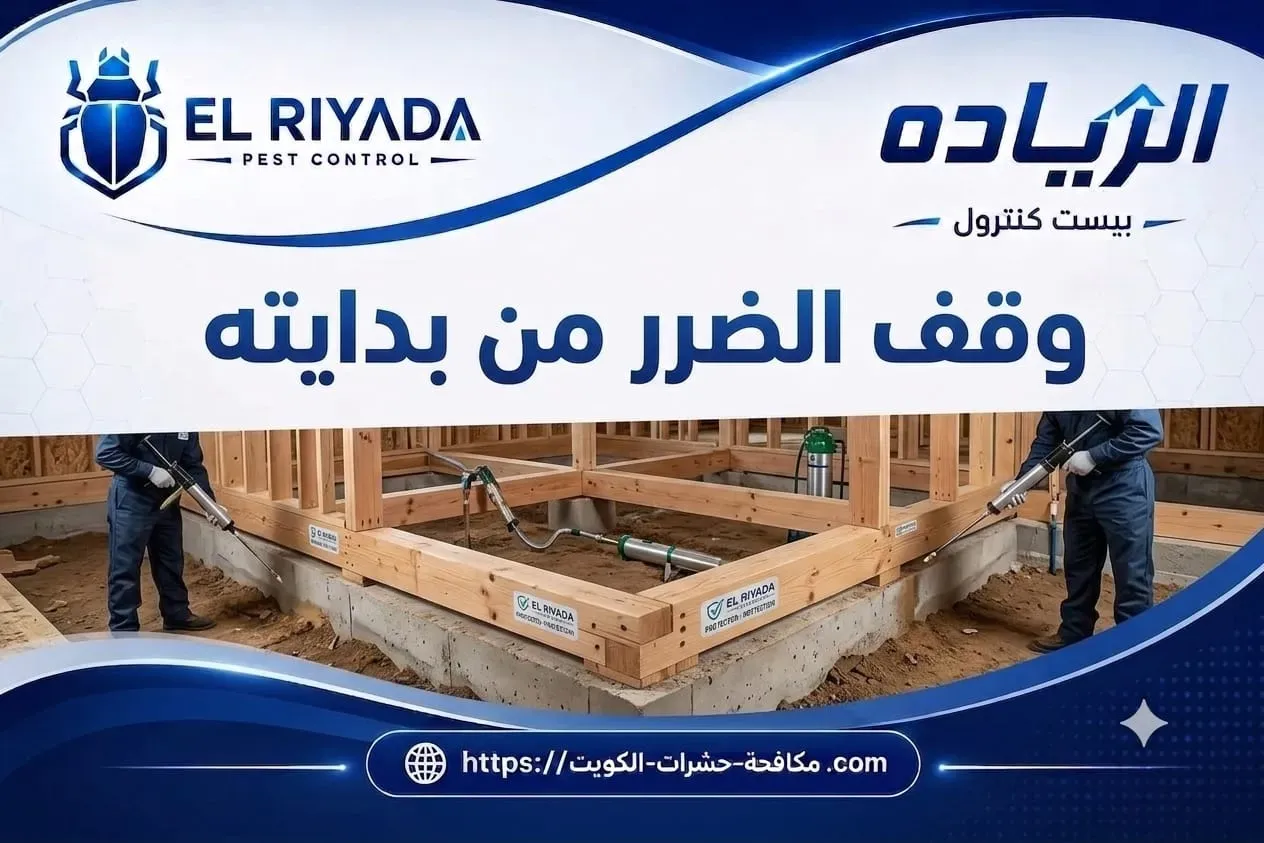
The Cost of Wall Injection for Termites is calculated differently from the price of a simple surface treatment because injection is not merely a matter of placing a larger quantity of treatment material inside the building. It is a procedure that should be connected to the identified activity locations and the nature of the area that needs to be reached. When inspection findings indicate that concealed locations require treatment or that treatment points need to be established in particular sections of the property, the number of points, their positions, and the preparation required to access them become important components of the overall cost.
One important factor is the construction and finishing around the wall or targeted area. Ceramic tiles, marble, specialized finishes, or nearby utility lines may require more careful planning than an area that can be accessed easily. A technician should not assume that drilling anywhere will produce the same result. Treatment points should instead be selected according to the treatment plan while taking existing building components into consideration so the service does not become an uncontrolled intervention that creates unnecessary damage.
The number of injection points and the distance covered by the work also influence the price. Treating one limited section differs considerably from creating treatment points across a larger area, which is why providing an accurate final cost before understanding the dimensions and characteristics of the targeted location may not be realistic. It is also important to distinguish between injecting an area because of an existing infestation and performing other procedures intended for a different preventive purpose.
Homeowners should also ask how treatment points will be handled after the work is completed. If the service requires creating specific openings, the quotation should clarify what is included regarding closing or finishing those points according to the agreed service scope. These apparently small details can create meaningful differences between two quotations that initially appear similar.
Wall injection should therefore not be priced simply as a "cost per hole." The more important questions are why injection is required, where the treatment points will be positioned, how much area they are intended to cover, and how those locations relate to the termite infestation identified during inspection.
• The number of injection points influences the workload, but points should not be created randomly simply to increase coverage and should instead correspond to areas that genuinely require treatment.
• Wall construction, flooring, and surrounding finishes can affect accessibility and may require more careful planning before drilling or injection begins.
• Nearby utility lines or sensitive building elements make appropriate point selection an essential part of professional implementation rather than a quick step before treatment material is introduced.
• Customers should determine whether the quotation includes appropriate handling of treatment openings after injection so competing offers can be compared clearly from the beginning.
• Do not choose an injection program because it offers the largest number of treatment points; choose one supported by a professional explanation of why those locations were selected and how they relate to the existing termite problem.
Termite Inspection Cost
The Termite Inspection Cost may initially appear to be an additional expense that homeowners would prefer to avoid by requesting a treatment price immediately. In serious termite cases, however, inspection is the stage that can prevent money from being spent on an inappropriate treatment. Its purpose is not simply to confirm that an insect exists. A useful inspection aims to identify the available evidence, determine where activity is located, estimate its distribution, identify affected materials, and evaluate conditions that may contribute to the continuation of the problem.
Inspection normally begins with information provided by the property owner. Where was the first sign discovered? How long has it been present? Is any wood visibly damaged? Has the location been treated before? Have similar signs appeared elsewhere in the building? These answers help direct attention toward areas requiring closer examination instead of treating the entire property as though every section presents exactly the same conditions.
Accessible locations can then be examined for evidence associated with termite activity. An important principle is not to estimate infestation size from one visible sign alone. Sometimes the evidence that caused the homeowner to request service represents only one part of a broader problem. In other situations, inspection may establish that the required treatment area is smaller than the customer initially expected. A good inspection can therefore prevent both unnecessary over-treatment and insufficient treatment.
If a company charges an inspection fee, homeowners should ask exactly what that fee includes and whether it is deducted from the treatment price if the service is approved, when this is part of the company's policy. If inspection is provided without charge under particular conditions, those conditions should also be understood rather than assuming every inspection is free or that every paid inspection provides the same level of detail.
The real value of inspection appears when it leads to a practical decision. Is termite activity confirmed? Which locations require treatment? What method is being proposed? What information was used to calculate the quotation? If the inspection does not provide useful answers to these questions, it becomes difficult to understand what value the customer received from the assessment.
• Inspection helps determine infestation scope before pricing and reduces the possibility of paying to treat locations that do not require the same level of intervention.
• Information about when signs first appeared and what previous treatments were performed helps technicians direct the inspection toward locations that deserve closer attention.
• Infestation severity should not be determined from one sign alone because inspection may uncover additional activity or establish that the affected area is smaller than the property owner expected.
• Before the appointment, ask about inspection fees and whether they can later be applied toward treatment cost or remain a separate charge under the company's policy.
• A useful inspection should conclude with a clear explanation of the condition and proposed work scope so the customer understands the basis on which the treatment price was calculated.
Cost of Treating Wood for Termites
The Cost of Treating Wood for Termites varies according to the type of wooden element involved, its condition, the extent of damage, and how easily all relevant sections can be accessed. For this reason, a wooden door, a fixed cabinet, and a large structural wooden element cannot automatically be treated or priced in exactly the same way. One of the first important decisions is determining whether the affected wood remains suitable for treatment and continued use or whether the extent of structural or functional damage requires repair or replacement to be evaluated by the appropriate specialist.
Finding termites in a wooden item does not necessarily mean that treating its external surface alone will solve the problem. Connected areas should also be examined and the route through which activity reached the wood should be considered. If the wooden item is treated while the infestation source or associated access route remains unaddressed, termite activity may continue or appear in another element. For this reason, wood treatment cost may form one part of a broader termite management program rather than always being an independent service.
The type of wood and the way the element is installed also influence accessibility. A separate piece of furniture that can be moved and examined from several sides presents different working conditions from a frame or wooden component fixed inside finished construction. The more difficult it is to access rear, internal, or concealed sections, the more the required preparation and working time may change.
It is also important to separate the cost of controlling termite activity from the cost of repairing damage that has already occurred. A pest control company treats termite activity within the agreed scope of its service, but replacing a door, repairing carpentry, or reinforcing a damaged element may be separate work. Failing to distinguish between these two costs can cause customers to assume that the pest control price automatically includes restoring damaged wood to its original condition.
Homeowners should also avoid automatically discarding every wooden item when termite activity is suspected. The decision should depend on the level of damage, the function of the element, and whether appropriate treatment remains possible. Unnecessary disposal can increase overall costs, while moving an affected wooden item without a clear plan does not address the underlying source of the infestation.
• Wood treatment cost changes according to the size of the element, installation method, physical condition, and accessibility to locations where termite activity is present.
• Treating the affected wooden item alone may not be sufficient when termite access is connected to another source or pathway within the building that also requires attention.
• The extent of existing damage should be evaluated before deciding whether wood should be retained, repaired, or replaced because termite control and damage repair are two separate processes.
• Wooden elements fixed within completed finishes may require different access and treatment procedures from movable furniture that can be inspected from several sides.
• Do not assume that termite control prices include carpentry repairs or replacement of damaged components; request a clear definition of each service scope before treatment begins.
Termite Control Company Prices
When comparing Termite Control Company Prices, you may find a significant difference between quotations even when they are prepared for the same property. This does not automatically mean that the highest price is excessive or that the lowest price represents the best deal. Differences can result from treatment scope, implementation methods, products used, the number of targeted areas, follow-up procedures, and warranty conditions. Comparing only the final number can therefore mean comparing two fundamentally different services simply because both prices happen to be expressed in the same currency.
The first thing to request is a clear description of the service scope. Does the quotation cover only the area where visible evidence was discovered, or does it include additional locations that inspection findings indicate are connected to termite activity? Does the program include injection work or wood treatment? Is a follow-up visit included? Are there specific warranty conditions? Once this information is available, differences between prices become easier to understand and customers can determine which quotation provides better overall value.
It is also important to be cautious when a final treatment price is provided before the company knows any meaningful details about the property. A provider may reasonably offer an estimated range or explain its general pricing method initially, but determining a final cost for a termite infestation without knowing the treatment area, infestation characteristics, or building condition may mean that the price will change after inspection or that the service scope is more limited than the customer expects.
The name of the treatment product or a claim about using the "strongest pesticide" should not be the only selection criterion either. The product is one component of the program, but identifying correct application locations, selecting an appropriate method, and following product instructions are also essential to treatment quality. An appropriate product applied according to a well-designed plan provides greater value than a large quantity used without accurate diagnosis.
Warranty conditions deserve separate attention as well. Ask how long the warranty lasts, what it covers, which circumstances allow the customer to request reassessment, and what conditions may affect coverage. Simply seeing the word "warranty" in an advertisement does not explain what will happen if new termite signs appear after treatment.
• Compare treatment scope before comparing prices because a quotation limited to one visible area is not equivalent to a program covering several locations associated with the infestation.
• Ask whether follow-up, warranty, injection work, or wood treatment is included in the quoted amount or calculated separately as additional services.
• A final price provided before assessing a complex infestation deserves questions about how it was calculated so unexpected costs do not appear after treatment begins.
• Product name and quantity alone are not sufficient indicators of service quality because accurate diagnosis, appropriate application locations, and correct implementation influence the value of treatment.
• Read warranty terms instead of relying on the word appearing in advertising so you understand the coverage period, included situations, exclusions, and homeowner responsibilities.
Post-Construction Termite Treatment Cost
Post-Construction Termite Treatment Cost differs from preventive procedures that can be performed during construction because a completed building creates different limitations when technicians need to access targeted locations. Once flooring, wall finishes, doors, furniture, and other components have been installed, the treatment plan must achieve its pest management objective while minimizing unnecessary disruption to existing finishes.
One of the first factors affecting cost is the position of termite activity relative to the building's components. An infestation associated with a visible door frame or accessible wooden element can be inspected and reached differently from signs suggesting activity in an area requiring additional treatment points. The more complicated access to concealed locations becomes, the more preparation and implementation time may be required.
Depending on inspection findings and the treatment strategy considered appropriate, a post-construction program may involve drilling or injection at selected points. In such cases, the number of treatment points, flooring type, accessibility, and procedures for completing the work become part of the price calculation. For this reason, it is not reasonable to assume that every completed home should receive exactly the same square-meter rate without considering its design and finishes.
Another important issue is distinguishing termite control from repair of damage that has already occurred. If a door frame or wooden component has been damaged, controlling termite activity does not automatically restore that item to its original condition. Repair or replacement may involve separate costs, and property owners should account for those expenses if the damage has become advanced.
Delaying professional assessment can also increase the required scope of work in some cases if activity continues and reaches additional locations. Discovering a sign that deserves inspection does not mean extensive treatment must immediately begin without diagnosis, but ignoring the evidence until visible damage becomes substantial is not an effective strategy for reducing overall costs.
• Completed buildings require treatment planning around existing flooring, walls, furniture, and finishes, making accessibility an important factor when calculating cost.
• Limited activity in an accessible element involves different implementation requirements from an infestation requiring access to concealed locations or the creation of additional treatment points.
• Drilling or injection work, when required, can be affected by the number of treatment points, surface characteristics, and the procedures needed to prepare and finish treatment locations.
• Repairing damaged wood or finishes is not necessarily included in termite treatment cost, so the treatment budget and restoration budget should be considered separately.
• Inspection when early warning signs appear can help define the problem before activity spreads and the required treatment program becomes more extensive or complicated.
Termite Control Offers in Kuwait
Termite Control Offers in Kuwait should be evaluated differently from promotions for services that can be compared by discount percentage alone. A statement such as "30% discount" does not explain the original price, treatment area, implementation method, or follow-up service. A genuinely useful offer reduces cost without removing an essential stage of treatment or narrowing the service scope so severely that the advertised price looks attractive while the actual solution remains incomplete.
When reviewing an offer, begin by asking what it includes. Is an inspection included? Does the advertised price apply to a specific area or to the property after assessment? If injection is required, is it covered by the offer? Is treatment of affected wood calculated separately? Does the price include follow-up after treatment? These questions provide far more useful information than the discount percentage itself.
Some promotional offers can provide genuine value, particularly when a company reduces the price of a clearly defined service while keeping the treatment scope transparent. The problem is not the existence of discounts. The problem occurs when a low promotional price hides the fact that the service is extremely limited. If customers later have to pay separately for additional treatment points, areas, or visits that were excluded from the initial offer, the final cost may exceed another quotation that originally appeared more expensive.
Homeowners should also avoid purchasing a larger treatment program than necessary simply because it is discounted. If inspection confirms that termite activity is limited, there is no economic value in paying for unnecessary treatment merely because a larger package is on promotion. Genuine savings come from paying for the work the property actually requires.
Whenever possible, details of the offer should be documented clearly, particularly treatment scope, follow-up terms, and warranty conditions. This makes comparison more accurate and reduces the possibility of different interpretations after the service has been performed.
• The discount percentage alone does not reveal the value of an offer because the final price, treatment scope, and services actually provided are more important.
• Ask whether inspection, injection, wood treatment, and follow-up are included or whether the advertised price represents only one part of the potential treatment program.
• A low-priced offer can ultimately become more expensive if essential services must later be added separately because they were excluded from the original quotation.
• Do not purchase a treatment program broader than the property's actual needs simply because it is discounted; the best savings come from accurately defining the infestation and treating only what is required.
• Written details regarding treatment scope, warranty, and follow-up make company comparisons more accurate and reduce misunderstandings about the services included in the agreement.
Factors Affecting Termite Treatment Cost
The Factors Affecting Termite Treatment Cost can be grouped into several connected categories, although the importance of each factor varies from one property to another. The first is the actual scope of termite activity, followed by its location within the building, the treatment method required, accessibility, the condition of the property, and the type of affected materials. This is why one universal price table cannot accurately represent every termite infestation without first understanding these details.
The extent of infestation influences the workload more significantly than simply determining whether termites are present. A limited infestation discovered early may require a very different program from activity supported by evidence in several areas. However, homeowners should not attempt to determine infestation extent exclusively from what they can see because termites may remain active in concealed locations. Professional pricing therefore becomes more reliable when it is connected to inspection findings.
Treatment method comes after diagnosis. Depending on the situation, the program may require treatment of wooden elements, selected treatment points, injection in particular locations, or other appropriate procedures. Each method has different requirements regarding time, materials, access, and preparation. Work inside an occupied and fully finished building also creates different implementation requirements from work in a property where relevant areas can be accessed more easily.
Associated services also influence total value and cost. Inspection, follow-up, warranty conditions, and any additional work included in the quotation should be considered when comparing companies. A price that initially appears higher may become more economical when it includes stages that another provider would charge for separately.
Ultimately, the objective should not be to obtain the cheapest possible treatment. It should be to find the lowest reasonable cost for a program that actually addresses the identified problem. Saving money at the beginning by purchasing an incomplete service loses its value if termite activity continues and the property owner must pay for another treatment later.
• Infestation scope and distribution throughout the property are among the most important pricing factors because they influence program size and the number of locations requiring intervention.
• Activity location and accessibility affect preparation and working time, particularly inside completed buildings containing existing finishes and occupied spaces.
• The treatment method selected after inspection, whether involving wood treatment, injection, or other appropriate procedures, changes the amount of work and materials required and therefore affects price.
• Inspection, follow-up, warranty, and additional included services should be considered during comparison so a limited quotation does not appear cheaper merely because it excludes stages the customer may later require.
• The best price is not automatically the lowest number but the cost that matches infestation scope and provides a clearly defined program without adding unnecessary work or removing important treatment steps.
Why Choose Al Reyada Pest Control for Termite Treatment?

When searching for a company to treat termites, the only question should not be which provider offers the lowest price. The real value of the service begins with understanding exactly what needs to be treated and why a particular treatment method has been selected. This is where Al Reyada Pest Control can be considered when termite treatment pricing is connected to an assessment of the property and the actual scope of activity instead of giving every home the same treatment program simply because customers noticed similar visible signs.
Inspection is an important starting point. Discovering a sign on a door frame or wooden item is not enough by itself to determine the total extent of an infestation. A technician needs to evaluate the affected area, search for additional evidence, understand when the problem first appeared, and review any previous treatments. This information helps determine whether the required work should remain concentrated in a particular location or whether there are reasonable indications that inspection and treatment should extend into additional areas.
Another important benefit for the customer is understanding the components of the quotation. Instead of receiving a final number without knowing how it was calculated, the homeowner should be able to understand which areas are included, what treatment method is proposed, whether the condition requires injection, wood treatment, or other appropriate procedures, and what additional services are included in the agreement. This level of transparency makes it easier to compare the quotation fairly with offers from other termite control companies.
The treatment program should also not be expanded unnecessarily simply to increase the value of the service. If assessment indicates that termite activity is limited, the treatment plan should reflect that finding. If inspection identifies a wider scope of activity, the reason for expanding the work should be explained to the customer. This principle is important for building trust because it connects treatment cost with the property's actual condition rather than relying exclusively on standardized packages.
The value of the service can increase further when follow-up or warranty conditions are clearly defined whenever they are included in the agreement. Understanding what happens after treatment, which signs should be monitored, and when the customer should contact the company again turns the service into a process that includes evaluation of results rather than ending immediately when the initial treatment visit is completed.
For these reasons, Al Reyada Pest Control can be a suitable option when the objective is to obtain a clearly defined termite management program that begins with diagnosis, identifies the appropriate scope of work, explains the factors behind the price, and selects a treatment method according to the actual condition instead of focusing only on finding the cheapest number without understanding what it covers.
• The treatment program should begin by evaluating visible evidence and the actual scope of activity instead of assuming that every property showing termite signs requires exactly the same amount of work.
• Clearly explaining the included areas and treatment method helps customers understand why a particular price was quoted and allows them to compare competing offers on a more equal basis.
• When injection, wood treatment, or additional procedures are required, these steps should be connected to inspection findings rather than added to the service without a clear reason.
• Avoiding unnecessary treatment is just as important as avoiding insufficient treatment because the objective is to perform the work the actual infestation requires rather than automatically expanding the program.
• Clearly defined follow-up and warranty conditions, when included, help property owners understand what should be monitored after treatment and how renewed signs will be handled according to the agreement.
Conclusion
There is no single fixed answer to the question, How Much Does Termite Control Cost in Kuwait? The final price is made up of several components that begin with assessment and extend far beyond the quantity of treatment material used. Infestation scope, activity location, accessibility, building condition, treatment method, damaged wooden elements, the need for injection, follow-up services, and warranty conditions can all cause termite control costs to differ significantly from one home to another.
For this reason, searching for Termite Treatment Cost in Kuwait should not become a race to obtain the lowest price over the phone. A low quotation may genuinely be appropriate when the infestation is limited and the service fully covers what the property requires. However, it may become poor value when essential stages are excluded and must later be purchased separately. The opposite is also true. A higher price does not automatically represent better treatment if the program contains work that the property does not actually need.
Start with a clear assessment of the condition and then ask for an explanation of treatment scope, implementation method, and the services included in the quoted price. If you are comparing several companies, try to compare similar services wherever possible, including the same approximate work scope, follow-up level, and relevant conditions.
The objective is not simply to spend the smallest amount on the day treatment is performed. The objective is to select an appropriate program that prevents money from being wasted on either incomplete or unnecessarily extensive procedures. The clearer the diagnosis becomes, the easier it is to understand the price and make a decision based on what the property genuinely requires.
Frequently Asked Questions
How much does termite treatment cost in Kuwait?
The cost varies according to infestation scope, activity locations, building condition, treatment method, and accessibility to targeted areas. For this reason, an accurate price cannot be established for every property based exclusively on its total size. Inspection becomes particularly useful when there are signs of an active infestation and its actual extent needs to be determined before treatment is priced.
What determines the termite spraying price?
The price is affected by the size of the area requiring treatment, the type and location of affected areas, the implementation method, the number of treatment points when required, and the characteristics of the building. It is also important to understand that termite treatment does not always depend on surface spraying because some infestations may require different procedures according to inspection findings.
Is termite inspection cost separate from treatment?
This depends on the company's pricing policy. Some providers may include inspection within the service or offer it under specific conditions, while others may charge a separate assessment fee. It is therefore advisable to ask in advance about inspection cost and whether that amount is applied toward the treatment price when the customer proceeds with the service.
Why does wall injection cost vary?
Wall injection cost varies because it can be affected by the number and location of treatment points, the type of walls or flooring, existing finishes, and accessibility to the targeted areas. Injection points should therefore not be selected randomly. Their placement should correspond to the treatment plan and the scope of the termite problem identified during assessment.
Is post-construction termite treatment more expensive?
There is no universal pricing rule, but treatment inside a completed building may require different procedures because flooring, walls, finishes, furniture, and other components are already present. Technicians may need to access particular locations while avoiding unnecessary disruption to existing finishes, so the actual property should be evaluated before a treatment cost is determined.
Is wood treatment included in termite control prices?
That depends on the scope of the company's quotation. Treating termite activity affecting wooden materials may be included when specified in the agreement, but repairing damaged carpentry, replacing doors, or restoring affected wooden components can be completely separate services. The difference should therefore be clarified before work begins.
Are the cheapest termite control offers always the best?
Not necessarily. A low-priced offer can provide good value when it covers everything the infestation genuinely requires. However, it may become more expensive if inspection, important treatment areas, follow-up, or other necessary procedures are excluded and later charged separately. The correct comparison is between similar service scopes rather than between prices alone.
How should I compare termite control company prices?
Ask each company to explain the included treatment areas, proposed treatment method, additional services, follow-up procedures, warranty conditions, and exclusions. Once these elements are clear, you can determine whether a price difference reflects a genuine difference in service scope or simply a different pricing structure.
Can termite treatment cost be determined from photos?
Photos can provide useful preliminary information about visible evidence, but they may not reveal the extent of termite activity in concealed locations. They can therefore contribute to an initial assessment, while an on-site inspection may still be required before a final treatment plan and accurate quotation can be established in cases where the infestation cannot be fully evaluated visually.
Why choose Al Reyada Pest Control for termite treatment?
A good termite control decision should be based on defining the scope of the problem, selecting an appropriate treatment method, and clearly explaining the components of the price rather than relying only on a general quotation. This approach gives property owners a better understanding of what they are paying for and allows them to compare the proposed service more accurately before making a decision.