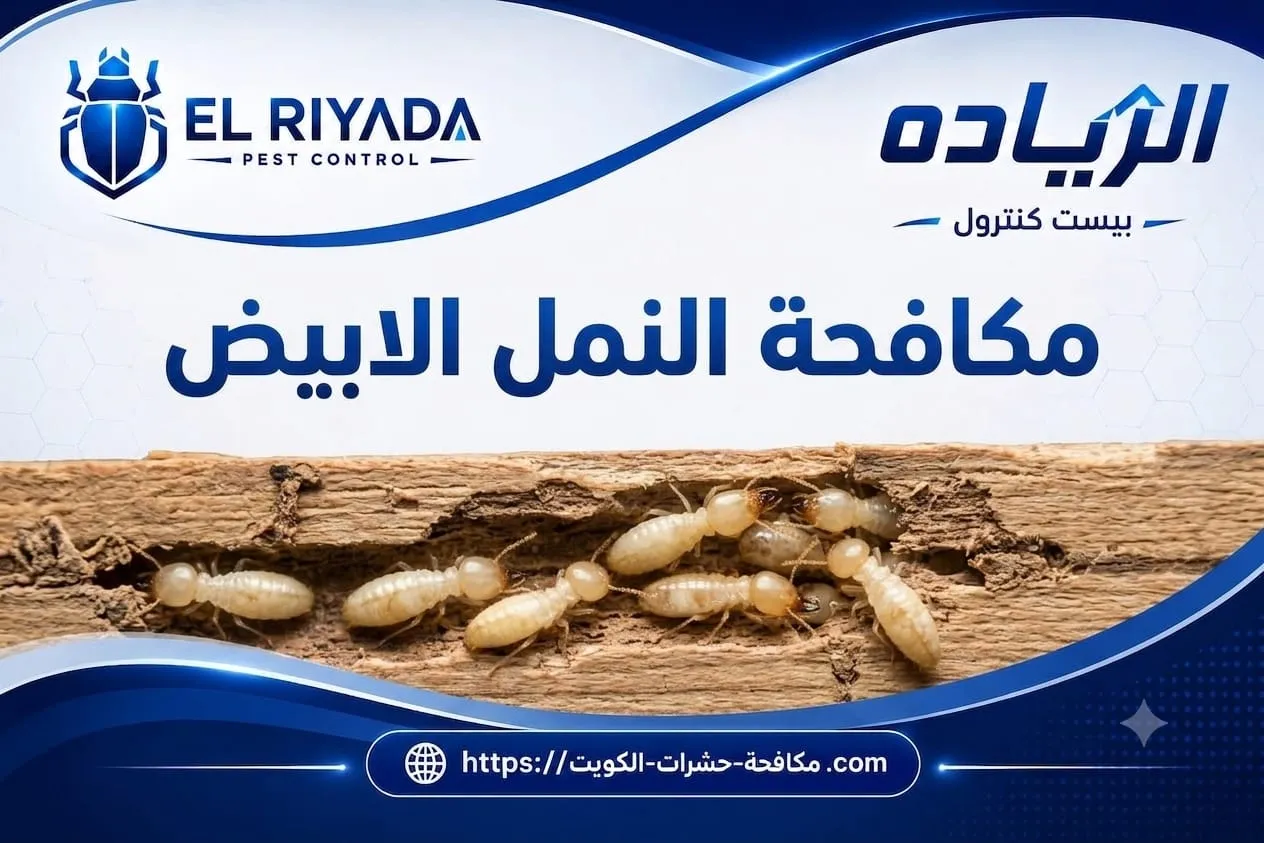
Termites are among the most destructive structural pests because they often remain hidden for long periods before any visible signs of damage appear. For this reason, many property owners wonder whether Pre-Construction Soil Treatment is the better option or whether Post-Construction Termite Treatment is sufficient if an infestation develops later. The answer is not the same for every building because the appropriate solution depends on the construction stage, soil conditions, infestation severity, and the level of long-term protection required. Based on extensive practical experience managing termite control projects throughout Kuwait, every treatment method has a specific purpose and delivers the best results when applied at the correct time. Choosing the wrong approach may increase treatment costs, allow infestations to spread further, and make long-term control significantly more difficult.
Difference Between Pre-Construction Treatment and Termite Treatment

Understanding the Difference Between Pre-Construction Treatment and Termite Treatment is essential before selecting any termite management program. Pre-construction soil treatment is a preventive procedure performed before foundations and floor slabs are installed. Professional termiticides are carefully applied to the soil to create a continuous protective barrier that prevents underground termite colonies from reaching the building after construction is completed. In contrast, post-construction termite treatment is a corrective program designed to eliminate active termite colonies that already exist within or around an occupied structure. This process requires identifying active infestation zones, locating structural entry points, evaluating infestation severity, and selecting the most appropriate treatment strategy.
Extensive field experience consistently demonstrates that buildings receiving professionally applied pre-construction soil treatment enjoy significantly stronger protection during their early years. However, this does not guarantee permanent immunity because structural modifications, utility installations, landscaping work, or ground disturbances may create new access routes allowing termites to bypass the original barrier. Post-construction treatment therefore requires considerably greater technical expertise because the objective is to locate and eliminate an active underground colony rather than simply treating visible termite activity.
• Pre-construction treatment serves as a preventive protection system.
• Post-construction treatment targets existing termite colonies.
• The implementation methods differ completely.
• Building age determines the appropriate control strategy.
• Accurate diagnosis ensures the correct treatment selection.
Pre-Construction Soil Treatment
Pre-Construction Soil Treatment is considered one of the most valuable preventive investments for buildings located in areas vulnerable to termite activity because it creates a protective chemical barrier beneath foundations before construction is completed. The procedure follows carefully controlled technical steps including soil preparation, accurate application of professional termiticides, treatment of every structural contact point, and complete coverage beneath future foundations and floor slabs to establish continuous protection against subterranean termite invasion.
The success of this preventive program depends not only on using approved professional products but also on precise application techniques, correct treatment rates, and maintaining the integrity of the protective barrier throughout the remaining construction process. Practical field experience consistently demonstrates that many termite infestations discovered in relatively new buildings resulted from incomplete treatment, improper application methods, or damage to the treated soil barrier during later construction activities.
• Treatment is completed before foundations and floor slabs are poured.
• A continuous protective soil barrier is established.
• Precise application determines long-term effectiveness.
• Protective barriers must remain undisturbed during construction.
• Proper implementation greatly reduces future infestation risks.
Post-Construction Termite Treatment
Post-Construction Termite Treatment becomes necessary whenever termite activity is discovered inside completed buildings, whether affecting foundations, structural walls, flooring systems, timber components, or surrounding landscape areas. Professional treatment always begins with a comprehensive inspection because termites often travel long distances underground before visible damage appears inside the building. Treating only the visible damage without identifying the colony's actual location rarely produces successful long-term results.
Following inspection, specialists select the most appropriate management strategy according to infestation conditions. Treatment may include chemical soil barriers surrounding the building, targeted soil injection, structural timber treatment, localized drilling and injection, or advanced colony elimination systems specifically designed to destroy the entire termite colony rather than only the insects visible at the surface. Extensive practical experience consistently demonstrates that successful treatment depends on eliminating the colony itself instead of simply removing visible termite activity.
• Professional inspections identify the actual infestation source.
• Active colonies are located before treatment begins.
• Treatment methods vary according to infestation conditions.
• Soil foundations and timber may all require treatment.
• Colony elimination remains the primary treatment objective.
Best Method for Termite Control
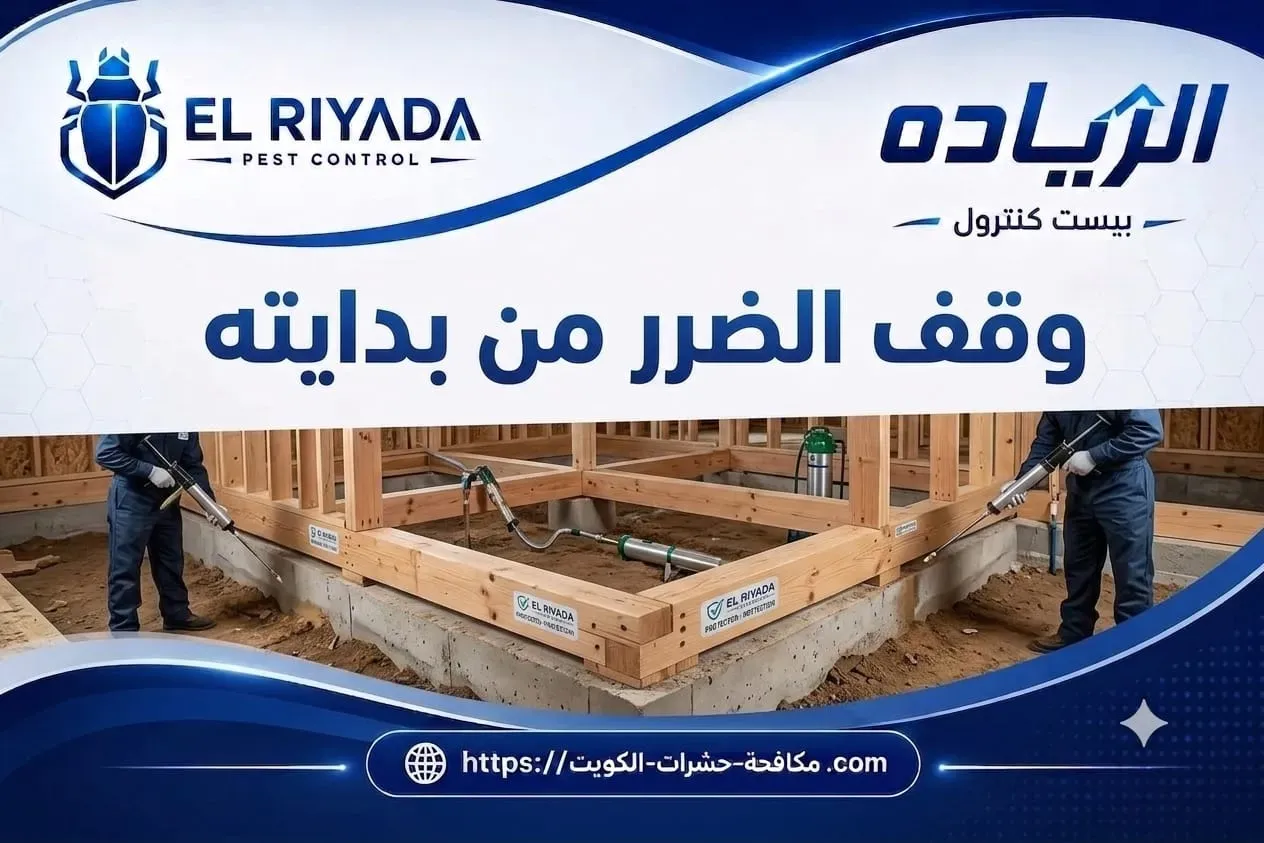
There is no single Best Method for Termite Control suitable for every situation because the ideal solution depends on building age, construction stage, soil conditions, infestation severity, and colony location. Preventive treatment generally provides the greatest protection for new construction projects, while existing buildings require comprehensive corrective programs specifically designed to eliminate active termite colonies instead of simply controlling visible insects.
Professional pest management companies therefore begin every project with detailed inspections before recommending any treatment method because selecting the wrong strategy may encourage termite colonies to relocate into different sections of the structure without actually eliminating the infestation. Practical field experience consistently demonstrates that combining accurate diagnosis with professional implementation remains the most important factor determining long-term treatment success.
• Appropriate treatment varies according to building conditions.
• Professional inspections determine the correct strategy.
• No single method solves every infestation.
• Eliminating termite colonies remains the primary objective.
• Proper planning significantly reduces recurring infestations.
Protecting Foundations from Termites
Protecting Foundations from Termites begins before construction because foundations represent the primary route used by subterranean termites to reach structural components above ground. Implementing preventive protection during construction provides long-term structural security while greatly reducing the likelihood of future termite damage affecting concrete foundations or wooden structural elements.
Existing buildings can also improve foundation protection through professionally installed chemical barriers surrounding the structure together with treatment of vulnerable soil areas that permit termite movement. Practical field experience consistently demonstrates that investing in foundation protection during construction prevents substantial structural repair expenses that often result from neglected termite prevention.
• Foundation protection begins during construction.
• Preventive barriers block termite access to buildings.
• Existing buildings can receive additional protective treatment.
• Regular inspections remain important in high-risk areas.
• Early prevention costs far less than structural repairs.
Comparing Termite Treatment Methods
When Comparing Termite Treatment Methods, it becomes clear that every technique offers specific advantages depending on infestation conditions. Chemical soil barriers provide extensive structural protection, localized injection techniques effectively treat concentrated infestations, timber treatment protects damaged wooden components, while modern baiting technologies target entire termite colonies for gradual elimination.
Theoretical comparisons alone are insufficient because treatment success depends upon selecting the technique most appropriate for each property's specific circumstances. Professional companies therefore complete detailed inspections before recommending any treatment because using unsuitable methods frequently allows termite activity to continue despite significant treatment efforts.
• Every treatment technique offers different advantages.
• Professional inspections determine the appropriate solution.
• Multiple treatment methods may be combined when necessary.
• Treatment selection depends on infestation location.
• Complete colony elimination remains the primary objective.
Soil Treatment Against Termites
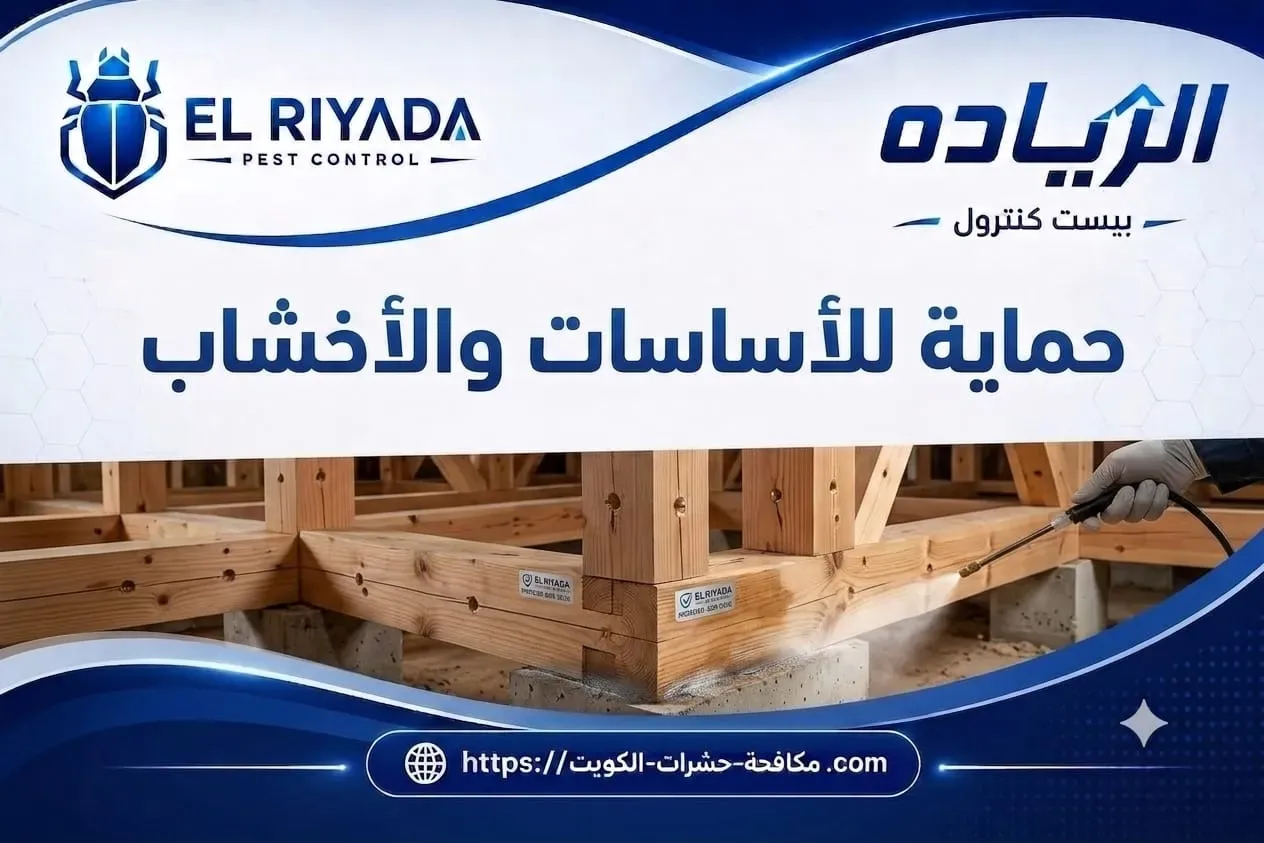
Soil Treatment Against Termites represents one of the most widely used procedures for both preventive protection and corrective treatment because it establishes a continuous protective barrier preventing termites from moving between underground colonies and building foundations. Successful implementation requires careful calculation of application rates, proper distribution techniques, correct treatment depth, and complete coverage to ensure maximum long-term effectiveness.
Application methods differ between new construction and existing buildings. New structures receive treatment before construction, whereas completed buildings may require soil injection, trenching, or localized drilling to reach targeted treatment areas. Practical field experience consistently demonstrates that application quality is considerably more important than simply increasing the quantity of pesticide used.
• Soil treatment supports both prevention and corrective management.
• Continuous barriers interrupt termite movement.
• Accurate application ensures maximum protection.
• Procedures differ for new and existing buildings.
• Professional implementation determines long-term performance.
Post-Infestation Termite Treatment
Post-Infestation Termite Treatment requires a carefully designed management plan beginning with accurate evaluation of infestation severity because termites frequently create extensive structural damage before obvious warning signs become visible. Professional specialists perform visual inspections, utilize advanced detection equipment whenever necessary, and analyze termite movement patterns within walls, floors, timber structures, and hidden construction spaces to identify the true colony location instead of simply treating visible damage.
Once infestation boundaries have been identified, specialists select the most appropriate treatment strategy. Programs may include soil injection, chemical barrier installation, timber treatment, localized drilling, or combinations of several advanced techniques according to infestation characteristics. Practical field experience consistently demonstrates that rapid professional intervention following early termite detection substantially reduces structural damage while significantly improving treatment success.
• Treatment begins with comprehensive infestation assessment.
• The colony itself is targeted rather than visible damage.
• Treatment strategies vary according to infestation location.
• Multiple techniques may be combined when necessary.
• Early intervention greatly increases long-term success.
Preventing Termite Infestations
Preventing Termite Infestations represents the most valuable long-term investment for protecting residential and commercial buildings because preventive management eliminates termite risks before structural damage occurs while reducing the need for complicated corrective treatment in the future. Effective prevention includes pre-construction soil treatment, professional soil protection, moisture management, proper drainage, preventing timber from contacting soil directly, and scheduling regular inspections for buildings located within termite-prone environments.
Routine maintenance also plays an important role because periodic inspections allow specialists to detect early termite activity before infestations become extensive. Extensive practical field experience consistently demonstrates that combining preventive treatment with scheduled inspections provides durable long-term structural protection while significantly reducing future repair costs.
• Preventive programs begin during construction.
• Moisture around buildings should be minimized.
• Timber should remain isolated from soil contact.
• Regular inspections identify early termite activity.
• Prevention greatly reduces future repair expenses.
Why Al Reyada Pest Control Is the Best Choice
Al Reyada Pest Control specializes in professional termite management throughout Kuwait by applying a scientific approach beginning with complete property inspections, detailed evaluation of soil conditions, accurate identification of infestation characteristics, and careful assessment of structural risks before selecting the most appropriate treatment strategy. Whether implementing pre-construction soil treatment, chemical barrier installation, corrective treatment for active infestations, or comprehensive preventive programs, every project receives an individually designed management plan rather than a standardized solution.
The company employs approved professional products together with advanced treatment technologies while maintaining strict technical standards throughout every stage of implementation. Customers receive detailed inspection reports, practical preventive recommendations, continuous follow-up services, and rapid professional support whenever additional assistance becomes necessary. Extensive practical experience, technical expertise, and commitment to long-term structural protection have established Al Reyada Pest Control as one of Kuwait's most trusted specialists in termite prevention and eradication.
• Comprehensive inspections precede every treatment program.
• Individual solutions are designed for every property.
• Approved professional products and technologies are utilized.
• Preventive and corrective strategies are fully integrated.
• Continuous follow-up supports long-term structural protection.
Conclusion
When comparing Pre-Construction Soil Treatment and Post-Construction Termite Treatment, it becomes clear that each serves an entirely different purpose. Pre-construction treatment provides preventive protection before buildings are completed, while post-construction treatment eliminates active infestations already affecting existing structures. Consequently, selecting the correct solution depends upon the building's construction stage, inspection findings, and infestation characteristics rather than assuming one method is universally superior. When the appropriate strategy is implemented by experienced specialists, buildings receive significantly greater long-term protection against one of the most destructive structural pests.
Frequently Asked Questions
Does pre-construction soil treatment eliminate the need for future termite treatment?
Pre-construction treatment provides strong preventive protection, but regular inspections remain important, particularly after structural modifications, landscaping changes, or utility installations that may create new termite entry routes.
When should post-construction termite treatment be performed?
Treatment should begin immediately after discovering signs such as mud tubes, damaged timber, hollow wood, structural deterioration, or confirmed termite activity inside the building.
Which is better, prevention or treatment?
Preventive protection before construction is generally easier and less expensive, while corrective treatment becomes essential whenever active termite infestations are already present.
Does every building require the same treatment method?
No. Treatment selection depends upon construction stage, soil conditions, infestation severity, structural design, and colony location.
Why do customers choose Al Reyada Pest Control?
Customers choose Al Reyada Pest Control because of its detailed inspections, customized treatment programs, approved professional products, advanced technologies, experienced specialists, and continuous follow-up that delivers reliable long-term termite protection.