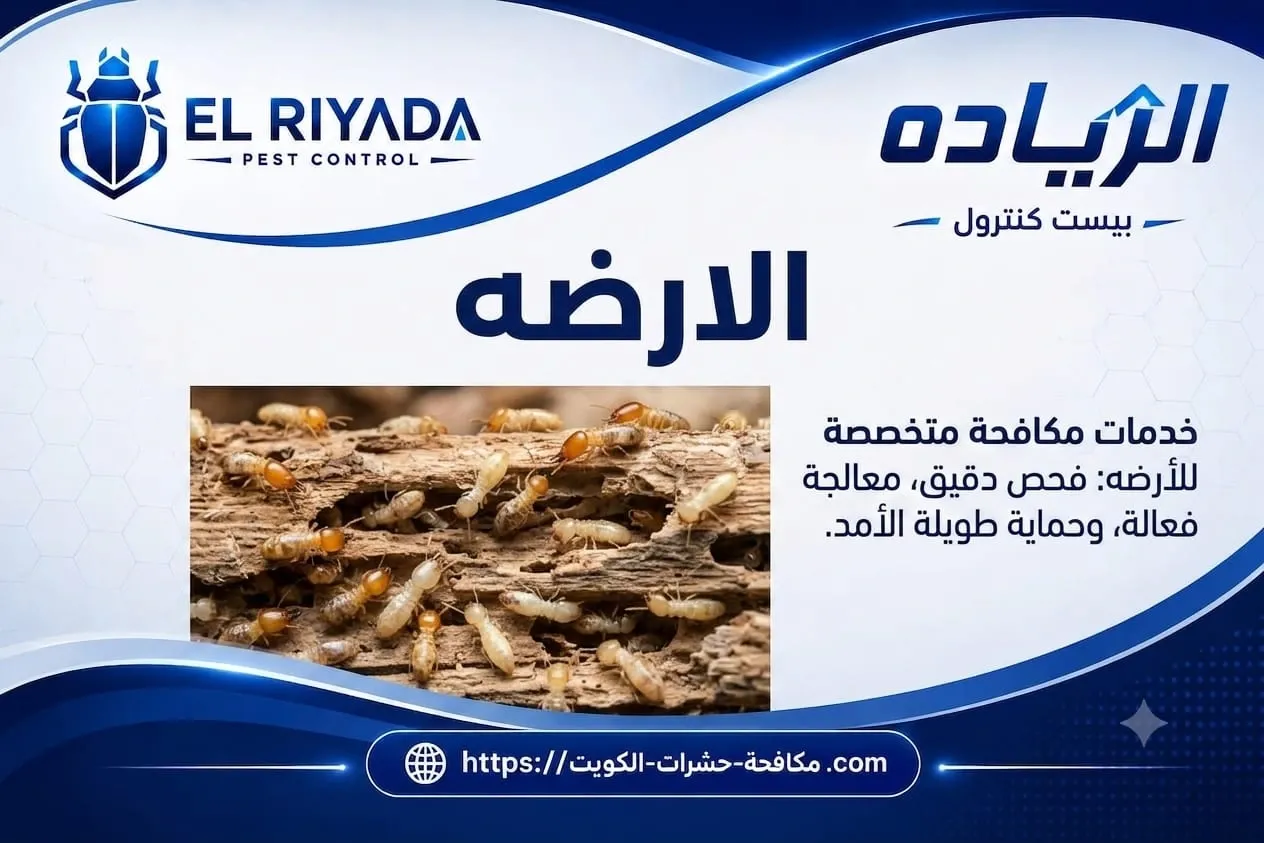
A termite infestation does not usually begin with timber collapsing in front of you. It may develop for some time within the soil, wood, or concealed spaces before the damage becomes clearly visible. This is why early detection depends on noticing small changes and connecting them, such as mud tubes, wood that sounds hollow, discarded wings, and unexplained changes in doors or other wooden components. At the same time, not every problem affecting wood is evidence of termites because moisture, decay, and other pests can produce similar symptoms. A good inspection does not simply examine what the damage looks like. It attempts to determine whether there is evidence of current activity, how far it may extend, and which conditions could allow it to continue before a treatment decision is made.
Signs of Termite Infestation

Signs of termite infestation differ from those of many common household pests because termites can remain active in concealed areas without exposing themselves for long periods. For this reason, not seeing termites directly does not rule out their presence. Mud tubes, discarded wings, changes in the condition of wood, or damage appearing in areas connected to the ground can all be signs worth investigating, but the significance of each sign depends on its context and the other evidence surrounding it.
In a real-world situation, a homeowner may notice that part of a wooden door frame has become weaker than usual and later discover a narrow mud-like trail near the bottom of the wall. Treating the weakened timber only as a carpentry problem could overlook the actual cause if termite activity is present. The opposite is also true. Not every damaged piece of wood should automatically be considered evidence of termites because moisture, decay, and other causes must also be considered.
This is where the difference between detecting a sign and diagnosing an infestation becomes important. A professional inspection attempts to trace the location of the evidence, understand its relationship with soil, wooden components, and nearby concealed spaces, and investigate the possible extent of activity. It should also distinguish between older evidence and potentially ongoing activity because previous damage alone does not prove that an active colony is still using the area.
From a cost perspective, early detection matters because the price of treating limited activity cannot be fairly compared with a situation where damage has spread across several areas and separate repairs may also be required. The question should therefore not simply be how much termite treatment costs but what extent of activity has been identified and which parts of the property require further assessment.
• Finding more than one sign, such as a mud trail together with a change in nearby wood, deserves closer inspection because connected evidence provides a stronger picture than relying on one isolated sign that may have another explanation.
• Not seeing insects moving across the surface of the wood does not mean the property is free of termites because a significant part of their activity may take place inside timber, soil, or protected routes away from everyday observation.
• Discovering damaged wood is not enough by itself to identify the cause because moisture, decay, and some other pests may produce damage that appears similar from the outside, making accurate diagnosis important before treatment begins.
• When comparing termite-control services, the quality of the inspection and the identification of the activity range are more important than comparing price alone because the location, extent, and condition of the property can significantly change the treatment required.
Termite Symptoms in the Home
Termite symptoms in the home may initially appear as small changes that do not immediately make a homeowner think about termites. A door may begin rubbing against its frame, part of a wooden surface may feel different, or a mud-like trail may appear near a wall and be dismissed as moisture or normal wear. Some of these symptoms become much more significant when they recur or appear together within the same area.
Consider a room with a wooden door frame close to the floor on the ground level. If the frame begins losing its firmness, mud tubes appear nearby, and discarded wings are later discovered in the same general area, each observation adds another part to the overall picture. The inspection should not assume the conclusion in advance but should investigate the relationship between these signs and determine whether they can reasonably be connected to termite activity.
Aggressive DIY inspection methods should also be avoided. Breaking intact sections of doors, removing finishes, or opening walls simply because termites are suspected can cause unnecessary damage without guaranteeing that the source of activity will be found. A systematic inspection begins in areas where signs are actually present and then expands according to the evidence rather than turning termite detection into random demolition.
It is equally important to distinguish pest control from damage repair. If a wooden component has lost its ability to perform its intended function, eliminating termite activity does not restore the mechanical strength of the damaged material. The affected component may require assessment, repair, or replacement by an appropriate specialist depending on its function and the extent of the damage.
• A change in wood occurring together with other signs in the same location deserves greater attention than an isolated problem affecting a door or piece of furniture because the pattern of symptoms can help determine whether termite inspection is justified.
• Moisture can cause wood to swell or deteriorate without any termite activity, so similarities in visible symptoms make accurate diagnosis more important than deciding on treatment simply from the appearance of the damage.
• Randomly opening walls or breaking wooden components is not a good method for finding termites because an inspection should progress from visible evidence toward suspected areas in a way that minimizes unnecessary damage.
• Termite treatment and repair of damaged timber are two separate stages because stopping the activity does not automatically restore the original properties of a component that has lost part of its strength, and repairs should be assessed according to the nature and function of that component.
Termite Mud Tubes
Termite mud tubes are an important sign associated with some types of termites that travel between the soil and food sources through protected pathways. These tubes may appear on foundations, walls, or around points where parts of the building meet the ground. However, they need to be interpreted correctly because the presence of a mud line does not automatically reveal whether current activity is present or establish the full extent of the infestation.
A common mistake is removing a tube immediately after discovering it and then assuming that the problem has been eliminated. Removing the visible section may erase useful inspection evidence without necessarily affecting the source of the activity or a route extending into another area. At the same time, an old mud tube does not always indicate continuing activity, so its condition and surrounding evidence should be evaluated rather than making a decision based only on its appearance.
For example, a mud route may appear at the bottom of a wall close to an outdoor yard. The value of this sign lies in the questions it raises: where does the route originate, which part of the building does it reach, are wooden components or connection points nearby, and are there additional signs on the interior side? Following these relationships provides more useful information than randomly spraying the visible tube without understanding the extent of the problem.
Removing visible tubes should also not be confused with successful termite control. Success depends on assessing the activity, treating the situation with an appropriate method, and carrying out follow-up according to the treatment plan rather than simply making the visible sign disappear from the wall. If a building contains several areas of activity, the inspection may need to be expanded instead of assuming that the first tube represents the entire infestation.
• A mud tube appearing in an area connected to the soil makes the relationship between the route and surrounding parts of the building an important inspection point because its location may help reveal the direction of termite activity rather than merely confirming that a surface mark exists.
• Removing termite mud tubes before documenting and inspecting them may eliminate information that could help a specialist understand termite movement, so it is generally better not to disturb the sign simply to improve the appearance of the wall before assessment.
• Finding one mud tube does not automatically establish the extent of an infestation because activity may be limited or additional concealed routes may exist, making it necessary to look for supporting evidence before determining the scope of treatment.
• Spraying the visible section of a mud tube is not equivalent to treating the source of an infestation because effective control requires understanding the relationship between soil, movement routes, and affected building components before selecting an appropriate treatment for the property.
Hollow Wood Caused by Termites
Hollow wood caused by termites can be one of the signs that draws attention to an infestation that has developed inside a wooden component before the damage becomes clearly visible on its surface. Termites can feed within wood while leaving an outer layer that appears relatively intact, which means that the external appearance does not always reveal what is happening inside. However, a hollow sound or weakened wood is not sufficient on its own to confirm termite activity because previous damage, moisture, or decay can produce similar changes.
In a practical situation, a wooden frame may look normal during a visual inspection, but the homeowner may notice a difference in its firmness or an unusual sound when interacting with it. Instead of breaking the frame to see what is inside, it is better to inspect the surrounding area first. Are there mud tubes nearby? Has similar damage appeared in a connected wooden component? Are there discarded wings or other signs? Connecting this information reduces the risk of diagnosing the problem based on one characteristic of the wood.
The situation becomes more important when the affected wood performs a significant function within the building. Termite control addresses the biological activity of the pest, but it does not automatically repair wood that has already lost part of its ability to perform its intended function. If there is reason to suspect that a structural component or a load-bearing element has been affected, its condition should be assessed by a qualified specialist rather than attempting to determine its safety by tapping or pressing it by hand.
From a cost perspective, identifying the damage before it spreads may reduce the extent of repairs required, but the treatment price cannot be determined from the degree of hollowness alone. The type of infestation, its extent, the location of activity, accessibility, and the condition of the building all influence the appropriate treatment plan.
• Wood that appears intact from the outside may still require inspection when other termite evidence exists nearby because an undamaged surface does not necessarily reveal the condition of internal sections that termite activity may have reached.
• A change in the sound or firmness of wood can increase suspicion, but it does not diagnose termites on its own because moisture, decay, and previous deterioration can create similar characteristics that require proper differentiation.
• Randomly breaking wooden components to search for termites is not recommended because this approach may create additional damage, while an inspection can begin with surrounding evidence and expand in a more systematic way.
• If the damaged wooden component serves a structural function, termite treatment does not replace an assessment of its condition by an appropriate qualified specialist because stopping pest activity and repairing existing damage are two separate processes.
Termite Wings

Discarded termite wings can be an important early warning sign, particularly when they suddenly appear in noticeable numbers in a location where they were not previously present. Winged termites are associated with the dispersal and reproductive stage of a colony's life cycle and may shed their wings after flight. Finding wings near windows, light sources, or specific areas inside a building therefore deserves investigation rather than simply cleaning them away without considering their possible source.
However, it is a mistake to assume that any collection of small wings automatically confirms termites. Other winged insects can be confused with them by a non-specialist, so the insect itself, when available, as well as characteristics of its wings and body and the surrounding evidence should be considered. Similarly, finding winged individuals outside the building does not automatically mean that an active colony exists inside the home because their source may be outdoors.
A more significant situation occurs when discarded wings repeatedly appear inside the building in a particular location or when they are accompanied by mud tubes or damaged wood. The important question then becomes whether the insects entered from outside or emerged from activity associated with the building. Answering that question requires inspection of where the wings appeared, nearby cavities, and surrounding wooden components rather than immediately assuming either explanation.
If possible, keeping a sample of the wings or insect may help with identification, provided this can be done without contact with unknown substances or damaging the area. Photographing the location before cleaning can also document the distribution of the evidence and help a specialist understand the context in which it appeared.
• Finding a group of discarded wings within one specific area of the home makes it useful to document the location and look for additional evidence because where the wings appeared can provide more diagnostic value than simply knowing that they were found somewhere inside the property.
• Small wings alone are not sufficient evidence to confirm termites because similarities with other winged insects make correct identification an important step before deciding that termite treatment is required.
• Finding winged insects outdoors has a different significance from repeatedly finding them emerging or appearing in an indoor area, so the location, recurrence, and surrounding evidence should be assessed before determining the likely source of activity.
• Cleaning discarded wings immediately without photographing their location or retaining a suitable sample may remove useful inspection information, so the evidence can first be documented before the area is cleaned normally.
Door Damage Caused by Termites
Door damage caused by termites may appear as weakness in the frame, changes in the surface of the wood, or unusual difficulty when opening or closing the door, but these symptoms require careful interpretation. A door that begins rubbing against the floor or its frame is not automatically evidence of termites because moisture, wood expansion, hinge problems, or building movement can produce the same issue. Suspicion becomes stronger when changes to the door occur together with other evidence associated with termite activity.
For example, a ground-floor door may suddenly begin rubbing while deterioration becomes visible in the lower section of its wooden frame and a mud tube appears nearby. In this situation, simply adjusting or repairing the hinges may not be enough before the reason for the change in the wood is understood. The inspection should include the base of the frame, the area where it meets the wall or floor, and nearby wooden components to determine whether the problem is localized or whether additional signs extend beyond the door.
A common mistake is immediately replacing a damaged frame without investigating the source of the infestation. Installing new timber in an area that termites can still reach treats the visible result rather than the underlying cause. At the same time, repair should not be unnecessarily delayed when a door or frame has lost its function or creates a safety or usability problem. Instead, the repair should be coordinated with the termite-treatment plan according to the actual condition of the property.
The extent of damage also affects overall cost. Repairing a limited section of one door frame is different from discovering activity affecting several doors or wooden components connected to walls. An inspection before requesting a complete estimate therefore helps separate the cost of termite control from carpentry or other repairs rather than combining everything into one unclear figure.
• Difficulty opening or closing a door does not prove termite activity because moisture, hinges, and movement in the wood can cause the same symptoms, making accompanying evidence around the frame important when determining the cause.
• Damage appearing in the lower part of a frame close to the ground together with a nearby mud tube makes the area a higher priority for inspection because the combination of location, wood damage, and a mud-related sign provides stronger context for suspicion.
• Replacing a door or frame before identifying the source of activity may conceal the visible sign without resolving the problem if termites remain able to reach the new wood through the same route.
• When calculating the cost of the problem, termite treatment and door or frame repairs should be considered separately because the first addresses pest activity while the second deals with physical damage that has already occurred and may require a different specialist.
Termites Inside Walls
The presence of termites inside walls can be difficult for a homeowner to detect through visual observation alone because activity may take place behind finishes or near points where wooden components meet the wall without the insects ever appearing openly inside the room. A wall that looks completely normal therefore does not necessarily mean that the concealed area behind it is free of termite activity. At the same time, a stain, crack, or change in paint is not sufficient by itself to indicate termites because moisture and movement in finishing materials can produce similar signs.
In a practical situation, suspicion may begin with a damaged wooden frame attached to a wall, followed by the discovery of a mud tube along the lower edge while most of the wall surface still appears normal. In this case, the physical relationship between the two signs provides more useful information than simply guessing what might be happening behind the wall. The inspection can begin at locations where actual evidence is present and then expand into connected areas according to the construction and layout of the building.
One mistake is opening an entire wall in an attempt to find the colony. The source of activity may not be located directly behind the damaged section because termites may be connected to the soil or to a route extending from another part of the property. Unplanned demolition can increase repair costs without producing a complete diagnosis. If part of a wall finish needs to be opened, that decision should be based on inspection findings and actual access requirements rather than guesswork.
Discovering termite activity inside a wall also does not automatically mean that serious structural damage has occurred. The level of concern depends on which components have been affected, their function, and the extent of deterioration. If there is reason to suspect that a structural component has been affected, it should be evaluated by an appropriately qualified specialist because a pest-control company identifies and treats pest activity while structural safety assessment belongs to a different professional field.
• Suspicion of termite activity behind a wall becomes stronger when connected evidence appears around points where wood, flooring, or openings meet the wall rather than relying on a single paint discoloration or crack that may have several other explanations.
• A wall surface that appears intact does not rule out concealed activity, so inspection depends on examining surrounding areas, connected components, and accessible evidence rather than waiting until termites become visible on the surface.
• Randomly breaking into a wall to search for termites may add unnecessary repair costs without identifying the true source because activity can originate from the soil or travel through routes that are not directly behind the section being opened.
• Discovering termites inside a wall does not automatically establish that serious structural damage exists because determining the safety of affected components requires an assessment appropriate to their function and the actual degree of deterioration.
Early Termite Detection
The value of early termite detection lies in reducing the amount of time activity can continue unnoticed rather than guaranteeing that no damage has occurred at all. Some infestations begin in concealed areas, which means limited damage may already exist when the first warning sign becomes visible. The real advantage is responding when reliable evidence deserves inspection instead of waiting until damage becomes obvious across several parts of the property.
This can be approached in a simple and organized way. When discarded wings appear unexpectedly, their location can be documented. When a mud tube is discovered, it does not need to be removed immediately before inspection. If the firmness of a wooden component changes, its condition can be compared with nearby materials while looking for additional signs. This creates a useful collection of information for the specialist instead of leaving them with a property where all evidence has already been cleaned away or sections have been dismantled randomly.
From a decision-making perspective, early detection also does not mean applying a pesticide whenever termites are suspected. Treatment before diagnosis may conceal or alter part of the visible activity without revealing the actual extent of the problem. A better decision begins by confirming the nature of the pest, identifying the location and possible spread of activity, and then selecting a treatment method appropriate for the building.
The financial value of early detection also becomes important here. Inspection and early treatment cannot be guaranteed to cost less in every situation because every property is different. However, allowing an undetected infestation to continue may increase the amount of damaged wood and create repair requirements that did not exist at an earlier stage. For this reason, arranging an inspection after reliable warning signs appear is a sensible preventive decision.
• Photographing mud tubes or discarded wings and recording their locations before cleaning provides useful timing and location information that may help an inspector connect signs that would otherwise appear unrelated when considered separately.
• Early detection does not mean randomly applying preventive sprays whenever termites are suspected because identifying the pest and determining the extent of activity should come before selecting a treatment method so that the intervention is properly targeted.
• Waiting until wood becomes severely damaged removes the advantage of investigating the problem at an earlier stage because more extensive deterioration may add repair requirements alongside the need to control the existing termite activity.
• Periodically inspecting areas where wood is more likely to be associated with moisture or soil and locations where previous signs have appeared can help identify changes without unnecessarily breaking or dismantling intact parts of the property.
Signs of Active Termite Activity

Not all signs of active termite activity provide the same level of evidence that termites are currently active. Damaged timber or an old mud tube may remain after previous activity has stopped. The important question is therefore not simply whether termite evidence exists but whether there is information suggesting that the activity is continuing or has recently returned.
Changes in signs over time can help answer this question. A new mud route appearing in an area that has been monitored, repeated appearance of winged termites at an indoor location, or newly identified damage beside a previously suspicious area provides different information from finding an old damaged piece of wood with no known history. This is why monitoring is part of diagnosis rather than something that only becomes relevant after treatment.
In properties that have previously received termite treatment, it is important not to assume that every old sign proves that the earlier service failed. Some physical evidence may remain from an infestation that has already been treated. At the same time, having a previous treatment does not guarantee that every form of future termite activity is impossible. Current evidence should be compared with the property's history to determine whether genuinely new signs have appeared.
This level of accuracy is also important when selecting a pest-control company because reliability is not demonstrated by describing every old mark as an active infestation in order to expand the service. A professional assessment should explain what represents old damage, what may indicate current activity, and what still requires monitoring before a final conclusion can reasonably be reached.
• A new sign appearing in an area that had previously been documented without activity provides important timing information because the change between two inspection periods can be more informative than finding evidence whose age is unknown.
• A mud tube or damaged timber remaining after previous treatment does not by itself prove continuing termite activity because physical evidence can remain after activity has stopped and should be compared with more recent findings.
• A previous history of termite infestation does not mean that every later change in the property is caused by termites, so new signs should be evaluated independently while using earlier treatment records to better understand the location.
• A trustworthy company clearly distinguishes confirmed activity from suspected activity and older damage because this transparency reduces exaggeration and helps the customer choose treatment or monitoring based on actual evidence.
Structural Damage Caused by Termites
Structural damage caused by termites requires a particularly careful assessment because the presence of termites in a building does not automatically mean that its structural safety has been compromised. The level of risk depends on the type of component affected, its function, how much material has been lost, and whether it can still perform its intended role. In one case, damage may be limited to a decorative or non-structural wooden frame, while another case may involve a component that performs a more important structural function.
In a practical situation, an inspection may reveal termite activity in a door frame together with evidence extending toward nearby wooden components. At this point, two separate questions need to be answered: where is the termite activity and how should it be treated, and has that activity caused damage requiring repair or structural assessment? A pest-control company addresses the first question, while the second may require assessment by an appropriately qualified specialist when a structural element is suspected of being affected.
One mistake is attempting to judge the strength of wood simply by looking at its surface or striking it forcefully. Internal deterioration may be more extensive than the exterior suggests, while in other situations the actual damage may remain limited despite a clearly visible surface sign. For this reason, components whose safety is genuinely in question should not be unnecessarily loaded, altered, or relied upon before their condition is properly assessed.
Costs also need to be separated clearly at this stage. Treating termite activity has one scope of work, while replacing timber or repairing a damaged component involves another cost based on the type of element and the extent of deterioration. Early detection therefore does not promise that repair costs will always be avoided, but it can reduce the opportunity for damage to continue unnoticed.
• Finding termites within a building does not automatically mean that structural danger exists because the level of risk depends on the type and function of the damaged component and how much of its original properties have been lost rather than simply confirming the presence of the pest.
• If signs of damage appear in a component suspected of serving a structural function, a simple visual judgment should not be relied upon and an assessment from an appropriately qualified specialist should be considered alongside treatment of termite activity.
• Termite control does not restore the original strength of damaged wood, so treatment may successfully stop pest activity while the affected component still requires repair or replacement according to its actual condition.
• Separating termite-treatment costs from repair costs gives the property owner a clearer financial picture because the extent of the infestation and the treatment method determine the pest-control portion while the nature of the physical damage determines the repair requirements.
Why Al Reyada Pest Control Is a Strong Choice in Kuwait
Al Reyada Pest Control can be a strong choice when termites are suspected because an effective service should begin with diagnosis before deciding on treatment. With this type of infestation, finding damaged timber or a mud tube should not automatically lead directly to spraying. The location of the sign, its relationship with soil, wood, and walls, and whether the available evidence suggests current activity or older damage all need to be understood first.
Experience is also demonstrated by avoiding exaggerated interpretations of individual signs. Discarded wings require correct identification, hollow-sounding wood can have other possible causes, and an old mud tube alone does not prove that activity is continuing. A more trustworthy service explains to the customer what has been confirmed, what still needs monitoring, and what cannot reasonably be determined from the initial inspection.
When comparing termite-control companies in Kuwait, ask about the scope of the inspection, how areas of activity are identified, which treatment method is being recommended and why, what follow-up procedures are included, and exactly what the quoted price covers. The cheapest quotation is not automatically the best, just as a higher price does not prove better quality. Real value comes from how well the treatment plan matches the actual condition of the property and how clearly its scope and expectations are explained.
A pest-control company should also not present itself as a substitute for a structural specialist. If an inspection reveals possible damage to an important building component, a professional approach is to recommend evaluation by the appropriate specialist while the source of the infestation is being addressed. Recognizing the limits of each professional role strengthens trust and protects the customer from unsupported promises.
• Al Reyada Pest Control can stand out when treatment decisions are based on inspecting and connecting evidence such as mud tubes, damaged wood, discarded wings, and areas where the building meets the soil rather than applying the same procedure to every termite case.
• Explaining the difference between current activity, old evidence, and a suspected condition that requires monitoring gives the customer a more realistic understanding and prevents every mark found in the property from being presented as a confirmed active infestation without sufficient evidence.
• Comparing termite-control quotations should include diagnosis, treatment scope, follow-up, and safety procedures alongside the price because differences in these elements can make two similarly priced quotations very different in terms of the service actually provided.
• Referring suspected structural damage to an appropriately qualified specialist does not reduce the expertise of a pest-control company but demonstrates an understanding of professional boundaries and separates pest elimination from assessment of building safety.
Conclusion
Responding early to signs of termite infestation does not mean becoming alarmed by every change in wood. It means understanding which evidence deserves investigation and how different signs can be connected. Termite symptoms in the home may begin with mud tubes, discarded wings, or changes in a wooden component while most of the activity remains hidden from view.
Termite mud tubes, hollow wood caused by termites, and the appearance of termite wings can help direct an inspection when they are interpreted within the context of the property. Similarly, door damage caused by termites or suspected termites inside walls requires a diagnosis that distinguishes pest activity from moisture, older deterioration, and other possible causes.
The importance of early termite detection lies in reducing the amount of time an infestation can continue unnoticed. Signs of active termite activity should be evaluated by comparing newer evidence with older findings before deciding whether an infestation is continuing. If potential structural damage caused by termites is discovered, pest treatment and appropriate assessment of the damaged component should work together rather than assuming that one can replace the other.
Frequently Asked Questions
What are the main signs of a termite infestation?
Common signs can include mud tubes, discarded wings, changes in wood, and unexplained deterioration in certain wooden components. Suspicion becomes stronger when several related signs appear in the same area rather than when the assessment depends on one isolated clue.
Does not seeing termites mean the home is not infested?
No. Termite activity can take place within soil, wood, or concealed spaces, which means detection should not depend only on directly seeing the insects.
Does all hollow-sounding wood mean termites are present?
No. Wood characteristics can change because of moisture, decay, previous deterioration, or other causes, so additional evidence should be investigated before diagnosing a termite infestation.
What do termite mud tubes mean?
They may be protected routes used by certain types of termites between soil and food sources, but their location, condition, and surrounding evidence should be assessed to determine their significance.
Should I remove termite mud tubes as soon as I find them?
When possible, it is better to document the sign and leave it available for inspection before removing it because the location, appearance, and relationship of the tube with surrounding areas may provide useful information to the specialist.
Are termite wings definite proof of a colony inside the home?
Not always. The wings should first be correctly identified as belonging to termites, after which their location, whether they appeared indoors or outdoors, and the presence of other evidence should be considered.
Is difficulty closing a door a sign of termites?
It can occur when wood is damaged, but it is not specific evidence of termites because moisture, wood expansion, hinge problems, and other conditions can cause the same symptom.
How can termites inside walls be detected?
Inspection generally begins with signs around the wall, connected wooden components, and areas where the structure meets the ground rather than randomly opening walls without evidence to guide the investigation.
Should a wall be broken open when termites are suspected?
Not automatically. Unplanned demolition can cause additional damage without reaching the source of activity, so any need to access the inside of a wall should be based on inspection findings and an actual reason for opening it.
Why is early termite detection important?
It reduces the amount of time termite activity can continue unnoticed and allows the condition to be assessed before damage potentially spreads into additional areas.
How can I tell whether termite activity is still ongoing?
New signs, changes in evidence over time, and systematic monitoring can help assess current activity, while old damage by itself is not enough to prove that an infestation remains active.
Do termite signs after previous treatment mean the treatment failed?
Not necessarily. Some old mud tubes or physical damage may remain after activity has stopped. New evidence should be identified and compared with the property's previous condition before concluding that activity has returned.
Can termites cause structural damage?
Yes. Termites can damage wooden components, but their presence does not automatically mean the building's structural safety has been affected. The level of risk depends on the component involved, its function, and the extent of damage, and suspected structural damage should be assessed by an appropriately qualified specialist.
Does termite treatment repair wood that has already been damaged?
No. Termite treatment targets pest activity but does not restore damaged material to its original condition. Some components may require repair or replacement after their condition has been properly assessed.
Why choose Al Reyada Pest Control when termites are suspected?
Al Reyada Pest Control can be a strong choice when the service focuses on inspecting the evidence, identifying the extent of activity, and selecting treatment appropriate to the property while distinguishing termite control from damage repair and including suitable follow-up after treatment.