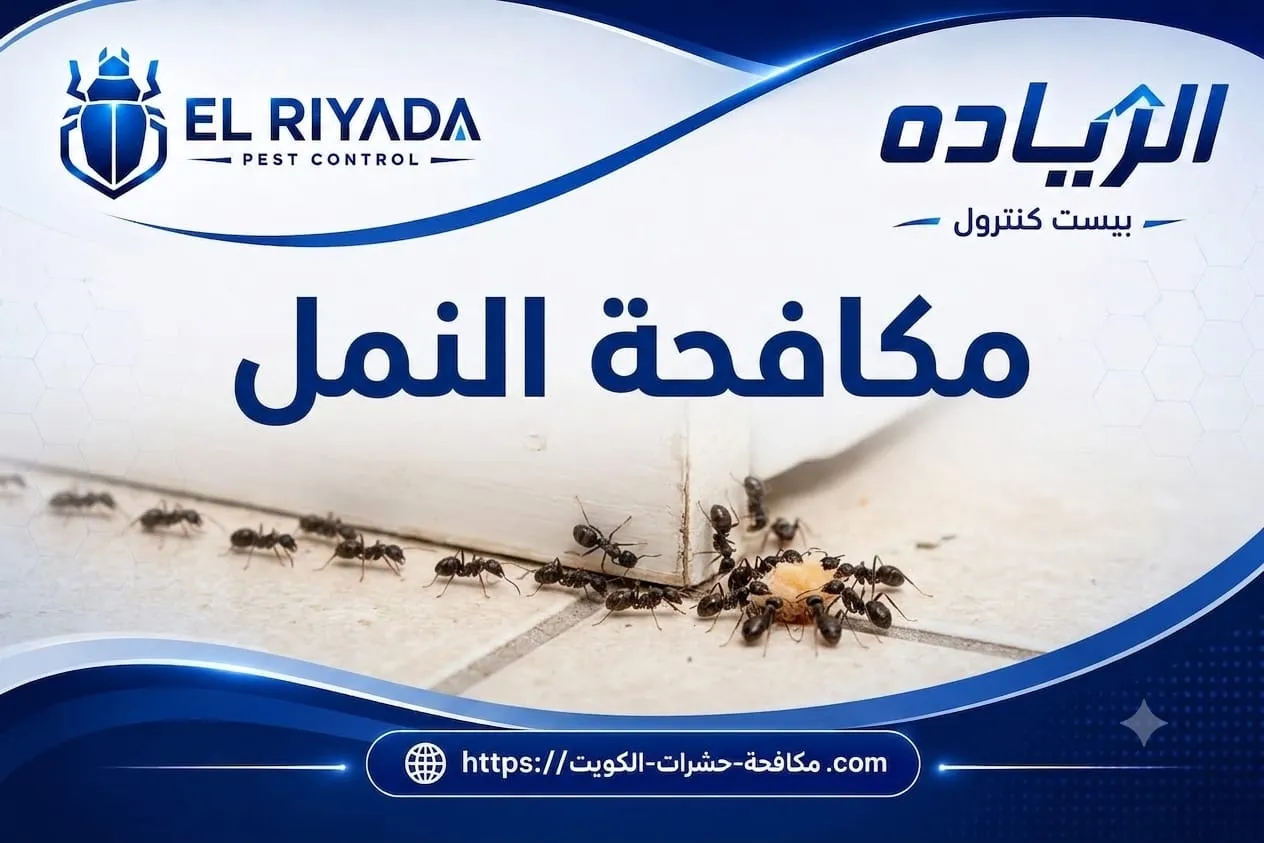
Ants returning after treatment does not always mean that the pesticide is weak because the ants we see on a kitchen surface or beside a window may represent only a small part of a much larger colony hidden somewhere else. Killing foraging ants is completely different from reaching the source of the activity and affecting the colony itself. The problem may continue because the nest remains active, there are several areas of activity, food and water sources are still available, or ants continue entering from outside. In some situations, randomly treating visible trails can make activity disappear from one location only to appear somewhere else. Successful control therefore begins with understanding the type of activity, movement trails, possible colony location, and appropriate treatment method instead of repeating the same spraying process every time another line of ants appears.
Ants Returning After Treatment
Understanding ants returning after treatment requires a different approach from simply assuming that the pesticide failed to kill the insects it contacted. Ants are social insects that live in organized colonies, and the individuals we see moving across a kitchen surface or along a wall are often only one part of a much larger system. Spraying may kill many workers traveling along a visible trail while the colony, or important parts of it, remains protected in another location. Other workers can then appear later, making the homeowner feel that the original problem has started all over again.
The first thing to examine is the pattern of recurrence. If the trail disappears for several hours or days and then returns from exactly the same point, that provides different information from ants suddenly appearing in another room. Returning to the same location may indicate that the conditions attracting the ants are still present or that the route leading into the area has not been addressed at its source. Activity shifting to another location requires the new trail to be investigated rather than immediately spraying the new area.
It is also important to understand that the ants we see outside the nest do not necessarily represent the actual size of the colony. Workers leave to search for food and water and then return to the colony, and they can use chemical signals that help other ants follow a trail leading toward a useful resource. Cleaning trails and removing attraction sources therefore form an important part of management, but eliminating only the workers walking across the surface does not necessarily eliminate the colony.
The nature of the problem also varies according to the ant species. Some species may establish nests in soil or outside a building and enter the property to search for food, while others may occupy structural voids or locations more closely associated with the building itself. The position of a nest therefore cannot be determined simply from the appearance of a visible trail.
The treatment method also affects the result. When baits are appropriate for the infestation, the strategy is based on allowing material to reach members of the colony through feeding and social exchange behavior, so their use differs from directly killing workers with a contact treatment. However, baits are not an automatic answer for every infestation either because bait selection, placement, and acceptance by the ants can all affect the outcome.
In practical residential ant complaints, it is useful to ask the customer several simple questions: Where does the trail begin? At what time does activity increase? What is attracting ants to this particular area? Did they disappear from one place and then appear somewhere else? These simple answers can sometimes provide more useful diagnostic information than knowing how much pesticide was used during the previous visit.
Exposed food, sugars, grease, food crumbs, pet food, and moisture sources also deserve attention. When a resource that originally attracted ants remains continuously available, foraging activity can continue even after one group of workers has been eliminated.
For this reason, ant control results should not be measured by the number of dead workers lying beside the trail immediately after treatment. Genuine success begins when colony activity declines, repeated trails stop, and the conditions allowing ants to reach and exploit the area are addressed.
• A line of ants returning to exactly the same location after a temporary disappearance deserves investigation of the movement source and surrounding conditions because killing workers on the trail does not prove that the colony sending those workers has been eliminated.
• Ants appearing at a different location after treatment requires inspection of the new trail before applying additional pesticide because the change in sighting location can provide important information about activity distribution and potential entry routes.
• Workers seen searching for food represent only part of the colony's social system which means a control program should have a broader objective than simply killing the individuals visible on an exposed surface during the service.
• Continuing availability of sugar, grease, crumbs, or water in a particular area can maintain its attractiveness to ants which is why management of these resources forms part of controlling activity rather than being merely a matter of cosmetic cleanliness.
• Judging treatment success by the number of ants killed immediately after application can be misleading because the more important measure is whether colony activity and food-foraging trails show a clear and continuing decline during follow-up.
Reasons Ants Return to the Home
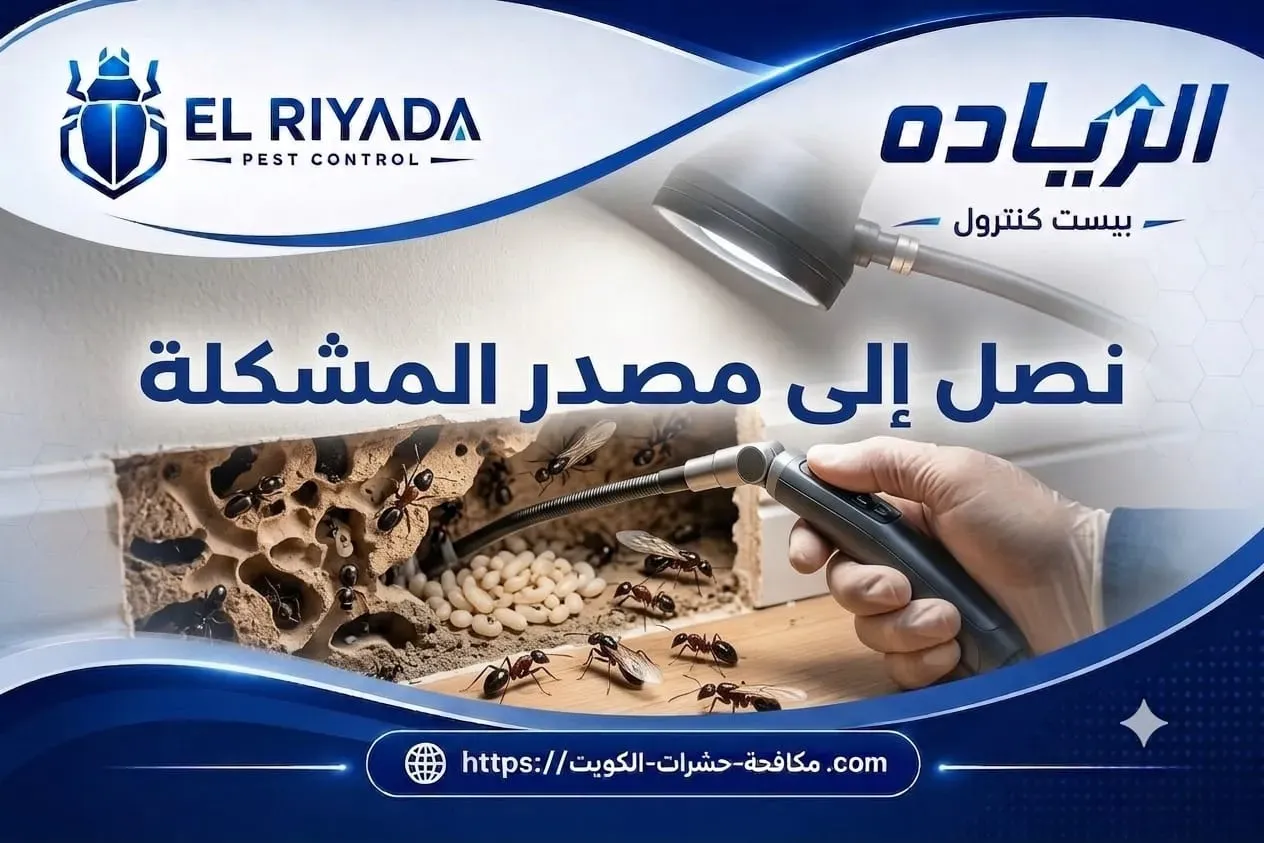
Determining the reasons ants return to the home begins with an important question: is the colony actually located inside the building, or are workers entering from outdoors because they have found a useful resource inside? The difference between these two scenarios is extremely important because the home may contain the nest itself or may simply be a feeding destination visited by workers every day. If we do not determine which scenario is more likely, treatment can continue in the area where ants are visible while the actual source remains somewhere else.
Whenever possible, ant movement can be observed before disturbing the trail. Workers may enter through a gap beside a window, an opening around a utility penetration, or another access point before traveling toward a particular food source. Spraying the ants before determining their direction of movement may kill the visible individuals while removing an opportunity to observe the route they were using.
In some homes, the cause is relatively simple: an improperly sealed sugar container, juice residue beneath an appliance, or pet food left available for hours. In other situations, the resource may be less obvious, such as droplets around a sink or recurring moisture in a concealed location. Finding the resource helps explain why workers selected that particular area.
Seasonal conditions and the exterior environment can also affect the activity of certain ant species. Changes in temperature, moisture, and resource availability can influence foraging patterns, so residents may notice increased entry during particular periods without this necessarily meaning that a colony suddenly became established inside the kitchen.
There may also be more than one trail inside the home. Stopping activity around one window does not prevent workers from appearing at a second location if the colony can reach the interior through multiple routes. Creating a simple map of sighting locations therefore becomes particularly useful in recurring infestations.
Exterior nests require a different approach from nests associated with structural voids inside a building. If the colony is outside the home, understanding movement direction and entry routes can help determine an appropriate strategy instead of repeatedly spraying kitchen surfaces. If evidence indicates activity associated with an interior void, the priority becomes identifying the area connected to the colony without using random interventions that could make diagnosis more difficult.
Another potential reason that can sometimes be overlooked is the introduction of materials, plants, soil, or other items containing ant activity, although the importance of this factor varies according to the species and individual situation. Recent changes around the property should therefore be considered when an infestation appears suddenly.
Recurrence can also result from treating only one part of the problem. If ants enter through an opening and then travel toward food crumbs, there is an entry route, a resource, and potentially an exterior colony. Killing the workers addresses only the part we can currently see.
From a financial perspective, repeatedly paying for treatment that is not directed toward the source can increase the overall cost of the problem even when each individual visit appears inexpensive. When comparing ant control services, value should therefore not be measured only by the lowest spraying price but also by the service's ability to identify the cause of activity and select an intervention that reduces the likelihood of recurrence.
In simple terms, ants do not return because they stubbornly “remember the house.” There is usually a practical reason: an active colony, a resource worth reaching, and a route that allows workers to travel between the two. Finding which part of this equation remains in place is the beginning of proper treatment.
• Observing the direction of workers before disrupting their trail can reveal an entry point or area associated with the source and may provide more useful diagnostic information than immediately killing the visible group.
• A small but continuously available food source such as sugary residue or pet food can maintain worker visits to an area which is why actual resources should be investigated rather than relying only on whether visible surfaces appear clean.
• Ants entering from outdoors to search for food creates a different situation from activity associated with a nest inside a structural void which means the control strategy should reflect the likely colony location rather than only the room where ants are being observed.
• Repeated activity from several locations in the home may indicate multiple access routes which makes recording sighting locations and movement directions useful before assuming that one opening is the only source.
• When comparing the cost of ant control services, inspection quality, diagnosis of the activity source, and follow-up should be considered because repeatedly paying for inexpensive visits that do not address the cause can ultimately cost more than a properly targeted program.
Ants Appear After Pest Control
When a customer says that ants appear after pest control, the most important information is not simply that ants are still present but how the new activity compares with conditions before the service. Are there fewer ants? Is the trail shorter? Has the entry point changed? Are ants appearing at a different time? Was the infestation treated with direct spraying, bait, or a program combining several measures? The meaning of post-treatment sightings depends on the control method being used, so it is incorrect to apply one universal rule stating that every ant seen after treatment proves failure or that all continuing activity is “normal” regardless of how long it persists.
If the treatment strategy uses an appropriate bait, seeing some workers interacting with the bait area during part of the program does not necessarily mean they should immediately be sprayed. The objective of this type of strategy differs from direct contact treatment. Randomly interfering with the trail or applying another product over the area may change worker behavior or reduce the effectiveness of the bait strategy depending on the product and how it is intended to be used.
This is where a very common mistake occurs. The homeowner sees ants after the service, assumes the treatment has failed, and then applies another pesticide independently. The intention is understandable, but the result may be that the original program can no longer be evaluated under the same conditions because another unplanned intervention has changed the situation without the technician knowing about it.
At the same time, the idea that baits require time should never become an unlimited excuse for continuing activity without assessment. If activity remains high, ants do not accept the bait, or new trails begin appearing, the program should be reviewed. The selected bait may not match feeding behavior at that time, its placement may be unsuitable, or more attractive competing food sources may still be available.
Ant feeding preferences are not as simple or fixed as many people imagine. Colony needs, species differences, and surrounding conditions can influence which resources workers prefer, so an entire control program should not be built around the simplified statement that “ants like sugar.”
Other available food sources should also be evaluated. A sugary residue, grease, or crumbs nearby may compete for worker attention. Successful baiting or other targeted strategies therefore require an understanding of what else is attracting ants within the same area.
If the program uses targeted applications at specific locations, continuing activity from an opening that was not identified during the original inspection may indicate that the activity map was incomplete. The new information should then be added to the diagnosis rather than simply spraying the newly discovered trail without understanding where it leads.
There is also a significant difference between activity declining and later returning and activity never improving at all. A clear reduction followed by renewed movement may direct attention toward a renewed source or another route, while unchanged activity from the beginning should prompt a review of treatment selection, application location, and how closely the strategy is connected to the colony.
Photographs taken during active periods can also be useful. A clear image showing the trail and the point from which ants are emerging before the area is cleaned can provide the technician with more information than a general statement such as, “There are ants everywhere in the kitchen,” particularly when the activity is not visible during the service appointment.
Successful ant control sometimes requires patience, but it should never require blind patience. We are not waiting for the ants to decide on their own that their rental agreement has expired. We monitor changes, understand how the colony is responding, and modify the program when the evidence shows that modification is necessary.
• Worker activity during a program that relies on bait should be interpreted according to the treatment method being used because immediately killing those workers with an additional pesticide may interfere with the objective for which the baiting strategy was selected.
• Activity remaining at approximately the same intensity without a clear downward trend deserves a review of bait acceptance, application locations, competing food sources, or the colony source rather than simply continuing to wait without a defined measure for evaluating results.
• A new trail appearing after the first trail has been treated provides additional information about ant movement within the property which means it should be followed to identify its entry point and direction before being treated as just another surface requiring pesticide.
• Removing competing food sources and managing water and moisture helps make the control program more closely aligned with ant behavior because workers select among accessible resources and do not necessarily treat the product placed for them as the only available option.
• The difference between activity improving and later returning and activity failing to improve from the beginning is diagnostically important because the first situation may indicate a change in the movement source while the second requires a closer review of the selected treatment method and whether it is effectively reaching the colony.
Ant Colony Control Failure
Ant colony control failure occurs when treatment successfully reduces the number of visible workers while the part responsible for maintaining the colony remains capable of producing new activity. This distinction is essential because an ant colony is not simply a collection of scattered individuals that can be eliminated by killing as many ants as possible on the kitchen surface. It is an organized social system containing individuals that perform different roles, and depending on the species, a colony may contain one queen or multiple queens while workers search for food, care for immature stages, and perform other tasks that support the colony.
This is why spraying can appear extremely successful during the first few minutes. The line of ants traveling along the wall disappears, dozens of dead workers may be visible, and the customer understandably believes that the infestation has ended. However, if the nest remains active and retains its ability to send out new workers, that apparent success has affected the visible portion of the problem more than the source responsible for maintaining it.
One reason for failure is choosing a treatment method before properly identifying the nature of the infestation. A colony located in soil outside the building and sending workers indoors to obtain food does not necessarily require the same management strategy as activity associated with a structural void inside the building. Nest location, species behavior, and the number of entry routes can all influence the treatment plan.
Failure can also occur because some ant species have more complex colony structures than homeowners expect. Certain species may have multiple queens or interconnected areas of activity, so assuming that every infestation consists of “one nest and one queen” is not appropriate in every situation. The diagnosis should therefore not be based on a general image of how ants behave without considering the species and colony structure whenever possible.
Another reason for failure is that the treatment strategy does not achieve the required effect within the colony. When baits are used, for example, success depends on workers accepting the material and transferring it through colony activity according to the characteristics of the product and species involved. If workers ignore the bait, if it is placed away from active trails, or if more attractive competing food is available, the result may be limited.
Similarly, relying entirely on contact treatments in an infestation that requires an effect on the colony can eliminate workers outside the nest without adequately addressing the concealed portion of the infestation. This does not mean that spraying is always ineffective. It means that the application method should serve a clearly defined objective within the overall treatment plan.
Follow-up provides one of the best ways to recognize this type of failure. If worker numbers decrease for two days and then the trail returns at approximately the same intensity, simply recording that “the ants came back” is not enough. We need to determine whether they returned through the same emergence point, whether they are using the same resource, and whether activity is occurring in other areas.
In commercial facilities, another management-related reason for failure is attempting to control ants while attraction sources remain unchanged. Beverage stations, sweets, food-storage areas, and equipment-washing locations can provide continuous resources, so the control plan requires operational cooperation rather than functioning as an isolated technician visit.
A pest-control company should therefore not be evaluated according to how many workers it can kill while the technician is present. Greater value comes from understanding the structure of the infestation and selecting a strategy designed to reduce the activity of the colony itself.
If the problem continues, the professional response is to review the diagnosis, ant species, activity locations, treatment method, and colony response. Spraying the same line of workers for the fifth time and expecting a different result is not a new strategy. It is simply repeating the same scene with another container of pesticide.
• A short-term reduction in visible workers is not enough to prove that the colony has been eliminated because the concealed portion responsible for maintaining activity may remain capable of producing new workers and rebuilding food-foraging trails.
• Identifying the ant species helps provide a better understanding of colony structure, potential nesting locations, and foraging behavior which means a control plan should not assume that every ant species lives and reproduces in exactly the same way.
• Bait success depends on workers reaching the bait, accepting it, and transferring material within the colony according to the way the product is intended to work which means placing bait randomly without observing ant behavior does not guarantee an effect on the infestation source.
• Continued availability of food and moisture resources in commercial facilities can support colony activity and compete with the control program which means stable results often require cooperation between technical treatment and site management.
• Repeated return of the same trail after a temporary reduction requires reassessment of the colony, its source, and the treatment method rather than repeatedly killing newly appearing workers and considering every temporary disappearance a complete success.
Ant Spraying Mistakes
Ant spraying mistakes begin when the objective becomes hitting every ant we can see instead of understanding the role that the visible trail plays in connecting workers to the colony. Direct spraying may be appropriate in certain situations according to the product, location, and treatment plan, but automatically using it on every line of workers can remove an opportunity to trace movement direction or interfere with another strategy that depends on natural ant behavior.
The first mistake is spraying before tracing the trail. When workers appear along a wall, it is useful whenever possible to observe their direction and determine where they are entering and which resource they are moving toward. If the entire trail is sprayed immediately, the visible workers may be killed while one of the most valuable clues leading toward the activity source temporarily disappears.
The second mistake is applying pesticide in an unsuitable location simply because ants traveled across it. A food-preparation surface or an area close to utensils cannot be treated without considering the product instructions. The label must be followed carefully, including permitted application locations and required precautions.
The third mistake is overapplication. Using more pesticide does not mean that the material will reach the colony more effectively. It may simply increase unnecessary pesticide exposure without adding meaningful value to the control program.
The fourth mistake is spraying around bait placements used as part of an ant-control program without understanding whether the interventions are compatible. Some applications may affect worker movement or access to the bait, so the established strategy should be followed instead of adding different materials randomly.
The fifth mistake is switching products too quickly. A customer may place bait in the morning, spray in the evening, and use another product the next day because workers are still visible. At that point, it becomes difficult to determine which intervention affected ant behavior and which one was ineffective in the first place.
The sixth mistake is treating the entire room instead of targeting actual activity. Ants being present in the kitchen does not mean every wall and every section of the floor requires pesticide. Targeted application reduces unnecessary pesticide use and makes follow-up more precise.
Another mistake is immediately sealing an entry point as soon as it is discovered without first evaluating the colony situation in certain cases. If activity is associated with a structural void, the timing of exclusion work should form part of the plan rather than being an automatic reaction. The objective is first to understand what may be happening beyond the opening and then determine the appropriate action.
Relying on unverified homemade mixtures is another problem. Mixing cleaning products, pesticides, or other substances is not a professional method for increasing treatment strength and can create hazards unrelated to ant control. Product instructions are the proper reference, not an unknown recipe passed around through messaging groups.
A less obvious mistake is ignoring changes in ant behavior after an intervention. If workers stop using the first trail and begin appearing somewhere else, this is information that should be recorded. Chasing every new trail with pesticide can turn the service into a game of whack-a-mole, except the targets are smaller and considerably faster.
When spraying is appropriate, successful use should form part of an understandable strategy: Why are we applying it here? What is the objective? What should we expect afterward? How will we determine whether the situation has improved? If these questions cannot be answered, the real problem may not be pesticide strength but the way treatment decisions are being made.
• Observing the direction of worker movement before spraying a trail can reveal an entry point, food source, or area associated with the nest which means this diagnostic clue should not be destroyed when it can be safely used to better understand the infestation.
• Pesticide applications near food or food-preparation surfaces must strictly follow the product's permitted uses and instructions because ant control does not justify applying a material in an unauthorized location or in a manner that creates unnecessary exposure.
• Randomly combining sprays, baits, and other products may alter worker behavior and make the program more difficult to evaluate which means different control methods should operate as parts of one coordinated strategy rather than competing with one another.
• Increasing the amount of pesticide cannot compensate for poor application-site selection because the hidden colony does not become easier to reach simply because the floor is wetter or the smell of the product becomes stronger.
• Activity shifting from one trail to another after an intervention should be recorded and used to reassess colony distribution and movement routes rather than beginning a continuing cycle of spraying every new line of workers that appears inside the property.
Ant Nest Remaining After Spraying

An ant nest remaining after spraying is one of the most important explanations for continued infestation when visible workers disappear and then return later. The nest is where essential parts of the colony's life cycle continue, so failing to create a sufficient effect on the colony can allow activity to continue even when large numbers of workers outside the nest have been killed.
However, the word “nest” itself requires some precision. Not every ant nest is an obvious structure that can simply be opened to find the queen sitting in the middle like a cartoon scene. A colony may be located in soil, beneath a stone, inside a void, or in another location suitable for that particular species, and identifying its actual boundaries can be difficult without tracing activity.
In some species, colony structure may also be considerably more complex than a single simple nest. There may be multiple interconnected activity locations or multiple queens, so eliminating a group of workers at one location does not guarantee the collapse of all activity associated with the colony.
How can we suspect that the nest remains active? One indication is workers repeatedly returning from the same direction after the immediate effects of treatment have passed. Organized movement toward and away from a food resource provides different information from occasional individual ants appearing without a clear trail.
The point where workers disappear can also provide useful information. If they consistently enter a particular crack, that area becomes important for inspection, but it does not automatically mean the nest is located immediately behind the first centimeter of that opening. The crack may simply provide a route toward a deeper nesting location.
In gardens and exterior areas, worker movement may help identify potential nesting zones, but random digging or applying substances to unknown locations should be avoided, particularly where utilities or other conditions make unsafe intervention inappropriate.
If the nest is located inside a difficult-to-access void, treatment selection becomes even more important. Choosing between bait, targeted applications, or other control measures depends on the species, location, products permitted for that use, and the nature of the property.
It is equally important not to confuse a surviving nest with reinvasion from another colony. If activity completely ends along the original route and ants later appear from an entirely different location, the property may be experiencing a new source or another colony. A good technician therefore maintains a mental or written map of previous activity locations.
Kitchens can also mislead us because they concentrate visible feeding activity. Ants reaching sugar on a countertop may have a nest located some distance from the kitchen itself. In this story, the kitchen may be the restaurant rather than the home address.
Treating a nest or colony does not necessarily require physically reaching it in every situation. Some strategies use worker behavior to carry an effect into parts of the colony, which is one reason appropriate baits can be useful in selected infestations.
If activity remains unchanged after implementing the treatment plan, the original assumption about nest location should be reviewed. The trail being followed may represent only one branch of activity rather than the main source, or more than one colony may be affecting the property.
The final objective is not to locate the queen merely so that someone can take a photograph with her. The real objective is to affect the system that allows the colony to continue. When activity declines sustainably, trails stop, and new areas do not begin appearing, these indicators are more important than visually locating the nest itself.
• Workers repeatedly returning from the same direction after treatment may indicate a continuing active source associated with the colony which means movement should be traced rather than concentrating only on the location where ants gather around food.
• Workers entering a particular crack or opening does not prove that the nest is immediately behind it because that location may simply function as a passage leading toward a deeper nesting site inside or outside the structure.
• Multiple interconnected activity locations or multiple queens in certain ant species make the concept of eliminating one simple nest unsuitable for every infestation which is why species identification becomes important when interpreting persistent activity.
• The kitchen where most ants are observed may simply provide a food resource visited by workers while the colony itself is located somewhere else which means nest location should not be determined solely by the room containing the largest number of visible ants.
• Successful management of the nest should be measured by a sustained decline in colony activity, disappearance of trails, and absence of new activity areas rather than requiring the nest or queen to be physically located during the service.
Ants Return to the Kitchen
When ants return to the kitchen repeatedly, it is easy to assume that the infestation must be located somewhere inside the kitchen itself, but this is not always the case. The kitchen is often simply the place that provides what ants are looking for: food, water, and sometimes warmth and convenient movement routes. The colony may be located outside the home or inside a void some distance away while workers continue traveling to the kitchen because reaching it provides a useful reward. This is why it is important to distinguish between the location where ants are being observed and the actual source of the infestation.
The first thing worth inspecting is food that may not be immediately noticeable. Most people pay attention to exposed sugar or a piece of candy left on the counter, but the actual attraction may be a small amount of residue beneath an appliance, drops from a drink that dried beside a cabinet, grease accumulated in a narrow area, or crumbs that reached underneath kitchen units. For a colony searching for food, a resource does not need to represent a complete meal before it becomes worth sending workers to collect it.
Stored foods also require attention. Improperly sealed containers, sugary materials, sweets, and certain dry food products can provide continuing resources if ants are able to reach them. The objective is not to turn the kitchen into a sterile laboratory but to prevent a continuously available food source from making the same route worthwhile day after day.
Water is equally important. Moisture around a sink, a minor leak beneath a cabinet, or droplets that repeatedly collect around an appliance can make an area attractive. Cleaning food while ignoring a continuing moisture problem can therefore leave an important part of the activity source unresolved.
Pet food provides another practical example. Leaving food available for extended periods, particularly in a location easily accessible to ants, can maintain worker activity even when the rest of the kitchen surfaces appear clean.
The waste bin and the area surrounding it also deserve attention, not because every ant infestation begins with garbage, but because food residue and liquids around it can provide a continuing resource. Cleaning the bin while leaving a thin layer of sugary residue underneath it means addressing the part visible to us while leaving the part that may matter more to the ants.
The next step is to examine the entry route. Workers may emerge from a gap around a window, an opening around a utility penetration, a crack, or another access point before moving directly toward the resource. Following this line before wiping or spraying it can help connect the attraction source with the movement route.
If ants repeatedly appear inside a single cabinet, inspecting the cabinet contents and surrounding area is more useful than automatically spraying the entire kitchen. Precise identification allows a more targeted intervention and reduces unnecessary pesticide use.
There is also an important point to understand after cleaning. Removing food residue and attraction sources can help reduce activity, but cleaning alone may not eliminate an established colony. If workers continue reaching the kitchen, food management should operate alongside a strategy directed toward the infestation source.
From a practical perspective, customers can help considerably by recording when ants appear. If a trail consistently becomes active at a particular time, after a certain area is used, or when a specific food is left accessible, those observations can reveal relationships that may not be visible during the technician's visit.
The kitchen, therefore, is not automatically responsible simply because it is a kitchen. But from an ant's perspective, it becomes an excellent destination when it offers an open restaurant, a water supply, and an easy access route. Prevention begins by removing these advantages rather than repeatedly chasing workers across the countertop.
• Ants repeatedly returning to a specific location inside the kitchen requires inspection of small food sources in the surrounding area, beneath appliances, and inside cabinets because the resource maintaining activity may be far smaller than residents would normally notice during routine cleaning.
• Addressing moisture and minor leaks around sinks, cabinets, and appliances becomes important when activity is associated with these locations because removing food alone does not eliminate every resource that workers may be exploiting.
• Properly storing food, managing pet food, and cleaning areas surrounding waste containers reduces the likelihood of maintaining a permanent resource that supports continuing foraging trails inside the kitchen.
• Following workers from a food resource toward the point where they disappear can provide valuable information about their movement route which is why observing the trail before wiping or spraying it can be useful whenever this can be done safely.
• Kitchen cleaning is an important supporting measure but should not automatically be treated as a substitute for colony control when workers continue arriving despite removal of visible resources and improvement of surrounding conditions.
Treating the Source of Ant Activity
Treating the source of ant activity is different from killing the ants that happen to be present when the technician arrives. The source may be a colony outside the building, activity associated with a structural void, an entry route used by workers to reach food, or several of these factors operating together. Effective treatment therefore begins by building a chain that connects the potential source to the movement route and finally to the resource attracting the workers.
The first stage is identifying the pattern of distribution. Is there one clear trail or several trails? Is activity limited to the kitchen or does it also occur in the bathroom and other rooms? Do workers appear to move from outdoors toward the interior, or do they disappear into a structural opening? These questions help define the appropriate scope of inspection.
The next step is identifying the ant species as accurately as reasonably possible. Ant species differ in nesting locations, colony structure, food preferences, and responses to control methods. There is therefore no single treatment formula that should be applied to every infestation simply because the insects are small and travel in lines.
Attraction sources should then be reviewed. This step is not performed simply to make the property look clean but to understand why ants are selecting one particular route. A continuously available food source may explain why workers repeatedly use that area even when the colony has access to alternative routes.
The relationship between the entry point and the colony must then be considered. Not every opening from which ants emerge contains the nest. It may simply be one stage of a longer route, so immediately sealing or spraying the opening without understanding the movement pattern can temporarily hide activity without addressing its source.
When evidence indicates an exterior colony, the environment surrounding the building becomes part of the inspection. Activity areas, soil, vegetation, and locations from which workers move toward the structure can be reviewed according to the species and circumstances without assuming that every ant found in the garden is responsible for the indoor infestation.
If activity appears to be associated with structural voids, the treatment plan needs a method suitable for these locations. Baits may be an option in certain situations when they match the species and activity, while other infestations may require different applications according to the product and location.
Treating the source also means correcting conditions that make recurrence or renewed colonization easier. If there is a confirmed entry opening that can appropriately be addressed structurally at the right stage, a moisture source that can be repaired, or accessible food that can be better managed, these measures complement direct pest-control treatment.
In commercial properties, source identification can become more complicated because of the movement of goods and materials and the number of food-preparation areas. Dividing the facility into zones and comparing activity levels between them can therefore be more useful than treating the entire property as one undifferentiated area.
From a cost perspective, detailed inspection may look less dramatic to a customer than watching a technician spray large areas, but in recurring infestations it can provide considerably more value. Paying for a large quantity of pesticide does not guarantee that the source has been treated, while identifying one critical movement route may change the entire strategy.
Follow-up is the real test of the source hypothesis. If the location believed to be the source is treated and activity continues in exactly the same pattern, the diagnosis should be reviewed. There is nothing wrong with changing a working hypothesis when new evidence appears. The problem is continuing to insist on it while the ants themselves provide contradictory information every day.
Professional source treatment is therefore not a quick guessing exercise. It is a sequence of decisions: Where is the activity? What species is involved? What attracts the workers? Where do they disappear? Which intervention is most likely to affect the colony rather than only the visible individuals?
• Mapping activity trails and identifying starting points, disappearance points, and food resources helps create a connected picture of the infestation instead of treating every group of ants as a separate problem unrelated to the rest of the property.
• Identifying the ant species as accurately as possible improves control decisions because nesting locations, colony structures, and foraging behavior vary between species and one strategy should not be assumed to work equally well for all of them.
• The point where workers enter the property is not necessarily the location of the colony itself which means its relationship with the movement route should be understood before deciding to spray or seal it so that activity is not merely displaced without affecting the source.
• Managing food, water, and other supporting conditions complements colony treatment because it reduces the reasons workers have for continuing to visit the area even after the main level of activity has begun to decline.
• The value of a service in recurring infestations is closely connected to its ability to identify the source and test the diagnosis during follow-up rather than the total surface area sprayed or the quantity of pesticide applied during the visit.
Preventing Ants from Returning
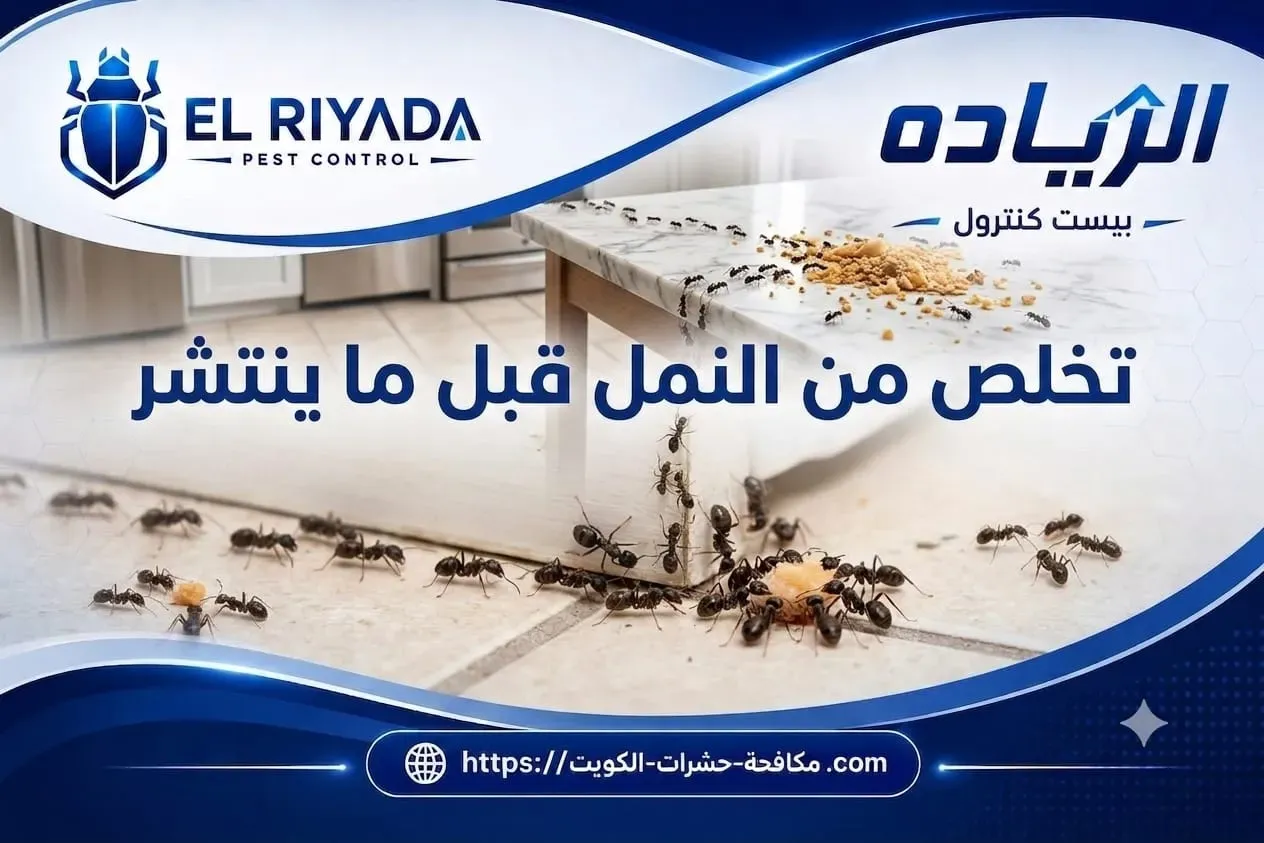
Preventing ants from returning begins after the current activity has been brought under control, not when another line of ants appears several weeks later. Effective prevention is based on reducing access to useful resources, detecting activity at an early stage, and correcting the weaknesses revealed by the previous infestation. The objective is not to make a home a place where a single ant can never appear again, but to reduce the likelihood that a colony will find a reliable route and sufficient resources to establish repeated activity.
The first element of prevention is remembering where the previous problem occurred. If the old trail entered beside a window and traveled toward a food-storage cabinet, that area deserves closer attention than a part of the home where no activity has ever been observed. Infestation history helps direct monitoring instead of spreading attention randomly across the property.
The second element is food management. Sugary materials, crumbs, grease, stored foods, and pet food should not become permanent resources that ants can easily access. This does not mean cleaning the home every hour. It means identifying and correcting the places where residue repeatedly accumulates.
The third element is water and moisture. Repairing leaks, drying areas where water repeatedly accumulates, and improving management of recurring moisture reduces resources available to ants and can also make conditions less favorable for other pests.
The fourth element is inspecting known entry points. After activity has been controlled and movement routes understood, appropriate gaps around doors, windows, utility penetrations, or other locations can be addressed with suitable structural measures when necessary. The timing of exclusion work matters because prevention should be based on previous diagnosis rather than randomly sealing every visible crack.
In homes with gardens or exterior spaces, managing the environment around the structure can help reduce conditions supporting activity close to the building. This does not mean eliminating every ant in the garden because ants are a natural part of the environment. The objective is to prevent exterior activity from repeatedly developing into an indoor problem.
Plants or branches contacting the structure deserve inspection when there is clear evidence connecting them with entry routes. Exterior areas containing accumulated materials or debris that provide shelter or resources near the building should also be considered.
Good storage practices matter as well. Cardboard boxes and accumulated belongings make inspection more difficult and create areas that are rarely disturbed. Better organization helps new trails become visible before the problem develops into extensive activity.
In food-related commercial facilities, prevention requires a higher level of operational discipline. Cleaning spills promptly, monitoring storage areas, managing waste, inspecting previous activity locations, and training staff to report early sightings can prevent a minor problem from developing into a recurring complaint.
Monitoring does not mean applying pesticides continuously. Spraying an area every week without evidence of activity is not a substitute for prevention. Intervention should instead reflect actual risks and observed signs.
If ants return after a long period of successful control, it should not automatically be assumed that the previous program failed. A new colony, a new entry route, or changed environmental conditions may be responsible. In such situations, a new diagnosis is more appropriate than automatically repeating the previous treatment.
From a cost perspective, regular prevention is generally more sensible than allowing a small issue to develop into widespread activity requiring greater intervention. Repairing a minor leak or improving food storage may prevent an entire sequence of future service visits.
Successful prevention does not have to be an exhausting list of complicated tasks. In practical terms, it means making the ants' journey less rewarding: less accessible food, less available water, fewer easy entry routes, and faster detection of new activity. When room service is no longer open around the clock, ants have fewer reasons to keep returning.
• Reviewing locations where previous activity occurred helps detect recurrence early because known entry routes and former trails represent more logical monitoring points than inspecting every part of the home with exactly the same level of attention.
• Proper food storage, cleaning spills and crumbs, and managing pet food reduces resources that can allow workers to rebuild a stable foraging trail inside the kitchen or other food-consumption areas.
• Repairing leaks and recurring moisture sources is an essential part of prevention because reducing available water makes the indoor environment less attractive to ants instead of relying on pesticides to prevent every possible visit.
• Addressing entry points after determining their role in the previous infestation can reduce repeated movement routes while randomly sealing openings without understanding the activity may fail to address the actual source of the problem.
• Early monitoring and reporting of new activity is more effective than waiting until dense trails develop before starting again which is why prevention should emphasize rapid detection and maintenance rather than continuous random preventive spraying.
Successful Ant Colony Treatment
Successful ant colony treatment should be measured by what happens to the colony and its activity over time, not by the number of workers found dead during the first few hours after treatment. Direct spraying may produce a very fast visual result, but the disappearance of the line in front of you does not answer the most important question: has the colony's ability to send out new workers and establish food-foraging trails actually declined? This is why treatment results need measurable indicators that can be monitored rather than being judged only by what happens immediately after the service.
The first indicator is trail density. If ants were moving in large numbers every day and activity then begins to decrease progressively, that change is worth recording. However, if a trail disappears for several hours and repeatedly returns at approximately the same intensity, the result should not be described as successful simply because workers die each time a treatment is applied.
The second indicator is the number of active areas. A colony may initially be associated with three separate trails inside the kitchen and later show activity along only one limited route. This is a positive development, but it also means that one remaining area still requires monitoring so that it does not become a source of renewed spread.
The third indicator is continued access to food resources. When workers stop establishing a regular route toward sugar, food, or water sources that previously attracted them, this change provides important information about the level of colony activity.
The fourth indicator is how ants respond to the selected treatment method. If the program relies on baits, worker acceptance and changes in activity should be monitored according to the product instructions and treatment strategy. Simply placing a quantity of bait does not prove that the colony has been affected if workers are not interacting with it in the intended way.
The fifth indicator is the absence of alternative trails. Activity may decline at the treated location while a new line of workers begins appearing from somewhere else. In this situation, success at the first location should not be considered sufficient because the objective is to control the infestation rather than move visible activity from one side of the kitchen to another.
Another sign of success is that the result becomes stable. A reduction in ants for two days followed by activity returning to its previous level is very different from a continuing decline followed by cessation of activity for an appropriate period while preventive measures remain in place.
Surrounding conditions should also be evaluated. If the colony has been treated while food resources, moisture, and known entry routes remain unmanaged, the current result may appear good while the likelihood of future activity remains higher.
In commercial facilities, treatment success can be measured more systematically by recording sighting locations, observation times, activity levels, and required corrective actions. This allows follow-up decisions to be based on actual data rather than relying entirely on staff impressions.
There is no single treatment period that can honestly be promised for every ant colony. Species, colony size, nest location, treatment method, bait acceptance, and surrounding environmental conditions can all affect how quickly activity responds. A realistic explanation is more professional than promising a fixed number of days before the infestation has even been properly inspected.
From a cost perspective, a successful program is not necessarily the one containing the largest number of visits. Value becomes clear when every visit has a defined purpose such as inspection, application, follow-up, or correction of a specific contributing factor. Repeating services without understanding why activity returned simply makes the customer pay to watch the same problem happen again.
Successful treatment also does not mean that the home becomes permanently protected from every ant that might arrive from the outside environment. There is an important difference between controlling the current colony activity and preventing future colonies from entering the property. This distinction should be clearly explained so that customer expectations remain realistic.
Ultimately, the best sign of successful colony treatment is not a pile of dead ants. It is reaching a point where there is no need for that pile because trails have stopped, activity has declined, and the colony is no longer sending workers through the property in the way it did before treatment.
• A progressive reduction in worker-trail density and the number of active locations provides a more accurate indicator of treatment progress than the number of ants killed immediately after pesticide is applied to an exposed surface.
• Repeated trails toward food and water sources stopping can help demonstrate a decline in colony activity because workers are no longer exploiting indoor resources in the same way they were before treatment.
• An alternative trail appearing after the first trail disappears means that success must be evaluated across the entire property because controlling one location is not enough if the colony continues reaching the home through another route.
• Monitoring bait acceptance and changes in activity when bait is used is necessary because the presence of bait at a location does not prove that its effect is reaching the colony unless worker behavior and infestation response are consistent with the treatment strategy.
• Stable results combined with management of food, moisture, and entry routes provide a stronger measure of program success than a temporary reduction followed by activity returning to its previous level after a short period.
Why Choose Al Reyada Pest Control in Kuwait?
When selecting a company for ant control, the only question should not be: who uses the strongest pesticide? A more useful question is: who can determine the reason for the activity and address the colony instead of only killing the workers we can see? According to this standard, Al Reyada Pest Control can be considered a strong option for pest control in Kuwait when the service is based on inspection, diagnosis, selecting a treatment method according to the nature of the infestation, and monitoring results rather than applying the same spraying plan to every ant problem.
The first standard for a professional service should be understanding the type of problem. Are ants entering from outdoors in search of food? Are there signs suggesting activity associated with a structural void? Is there one trail or are there several? Answering these questions makes the intervention more targeted.
The second standard is attempting to identify the ant species as accurately as reasonably possible. Differences between species are not merely academic details because colony structure, nesting locations, and feeding behavior can influence the selection of an appropriate control strategy.
The third standard is avoiding the assumption that spraying is automatically the only solution. Baits may be appropriate in certain situations, while other infestations may require targeted applications or management of entry points and attraction sources. A good service selects the tool according to the infestation rather than simply using whichever product the technician happens to be carrying.
The fourth standard is understanding worker behavior. Following an ant trail before disrupting it can provide important information about movement direction, disappearance points, and food resources. These details help transform the service from chasing individual ants into an attempt to understand the colony itself.
The fifth standard is safety. Kitchens, food areas, and homes with children or pets require products to be used according to their instructions and permitted application locations. Applying a larger quantity of pesticide does not make a service more professional.
Follow-up is another essential standard. If the first trail disappears and another one appears, this new information should be incorporated into the diagnosis. If activity does not change despite treatment, the method should be reviewed rather than repeated automatically.
Communication with the customer also adds real value to the service. Explaining what needs to be cleaned, which food sources require better management, whether moisture or leaks need attention, and what should be monitored after the service makes the customer an active part of the solution.
Transparency about expected results is equally important. Some infestations respond more quickly than others, and one universal treatment period cannot be applied to every colony before the level of activity, nest location, and appropriate treatment method are understood.
From a pricing perspective, the best service is not necessarily the one that appears cheapest during the first phone call if repeated visits are needed without addressing the source. When comparing services, the customer should know what is included: Is there an inspection? Is there a plan directed toward the colony? How is continuing activity handled during follow-up? These questions provide more useful information than simply comparing two prices.
Al Reyada Pest Control can therefore distinguish its ant-control service when attention is focused on the colony, activity source, ant behavior, prevention, and follow-up. The value does not come from an advertising claim promising to “eliminate ants permanently with one spray,” but from a working method that the customer can understand and whose results can be evaluated.
In this sense, professional ant control also means knowing when not to spray. Sometimes watching workers for a few minutes provides more value than quickly emptying part of a pesticide container. If given the opportunity to complete their journey, the ants themselves may help lead the technician toward the source of the problem.
• The quality of an Al Reyada Pest Control service begins with inspecting ant trails, food and water sources, and potential disappearance points so that treatment is based on the cause of activity rather than simply spraying workers that happen to be present during the visit.
• Selecting the control method according to the ant species, likely colony location, and nature of the property creates a more precise program than using the same treatment for every infestation regardless of differences in behavior and source.
• Using baits or targeted applications when appropriate can connect treatment more closely with colony behavior while following the instructions and permitted uses of each product remains an essential requirement that should never be ignored.
• Follow-up after treatment allows trail density to be compared and helps determine whether colony activity is declining or has shifted to another location which means retreatment decisions can be based on evidence rather than automatic repetition.
• The value of Al Reyada Pest Control becomes clearer when the service combines source diagnosis, appropriate treatment, preventive guidance, and structured follow-up because the objective is not to kill today's line of ants only to welcome another one later.
Conclusion
Ants returning after treatment does not automatically mean that the pesticide used was weak because the visible workers may represent only a limited part of a colony that remains active. Understanding the reasons ants return to the home therefore begins by identifying activity locations, food and water sources, entry routes, and the possible location of the colony.
When ants appear after pest control, observations should be interpreted according to the treatment method instead of immediately adding other pesticides. Ant colony control failure becomes clearer when the colony continues creating trails and sending workers without showing a stable downward trend in activity.
Avoiding ant spraying mistakes means using pesticide only when appropriate, in the correct way, and in permitted locations while avoiding the mistake of treating every line of workers before using the information provided by their movement. An ant nest remaining after spraying can also explain why workers temporarily disappear while the actual source responsible for the infestation continues.
When ants return to the kitchen, small resources such as food residue, moisture, and improperly sealed containers should be investigated instead of assuming that the kitchen itself contains the colony. Treating the source of ant activity begins by connecting the sighting location with the movement route, entry point, and potential colony.
Preventing ants from returning depends on food and water management, better storage, appropriate management of entry points, and early monitoring. Ultimately, successful ant colony treatment is measured by declining activity, disappearance of trails, and stable results rather than by the number of ants killed during the first few minutes.
When choosing Al Reyada Pest Control for ant and pest control in Kuwait, the service provides greater value when it begins with diagnosis and ends with follow-up, with the appropriate treatment method selected according to the colony and property rather than relying on spraying as one universal answer to every ant problem.
Frequently Asked Questions
Why do ants return after spraying?
The ants traveling along a visible trail may be killed while the colony remains active somewhere else and continues producing and sending new workers. Food and water sources or entry routes that originally attracted ants may also remain available and continue supporting activity.
Does seeing ants after pest control mean the treatment failed?
Not necessarily. The density of activity, number of trails, and their locations should be compared with conditions before treatment while also considering the treatment method used. Continuing activity without a clear downward trend deserves reassessment of the control plan.
Why do ants disappear after spraying and then return?
Spraying can kill workers located outside the nest, causing visible activity to disappear temporarily while the colony remains active. Other workers may later use the same route or search for an alternative way to reach useful resources.
Does killing ants walking in a trail eliminate the colony?
Killing visible workers reduces the number of individual ants but does not guarantee elimination of the colony. Successful control requires a strategy that affects the activity source while considering the ant species, nesting location, and colony behavior.
How can I find an ant nest?
Following the direction of worker movement and observing where ants disappear can provide clues about the area associated with the nest. However, ants entering a crack does not necessarily mean that the colony is located immediately behind that opening.
Are ant baits better than spraying when ants return?
The correct choice depends on the ant species, colony location, feeding behavior, and nature of the infestation. Baits may be appropriate in certain situations because they use worker behavior, while other infestations may require different or complementary interventions.
Why are ants not eating the bait?
Another food source may be more attractive, or the type or placement of the bait may not be suitable for the activity present. If there is no clear bait acceptance, the reason should be evaluated rather than simply increasing the quantity randomly.
Why do ants return to the kitchen even after cleaning?
Hidden food residue, a moisture source, or a small resource that is difficult to notice may remain available. The colony may also continue exploring the area even after the previous resource has been removed.
Is sugar the only thing that attracts ants?
No. Feeding preferences vary among ant species and the nutritional needs of a colony can change. Some activity may be associated with other foods, water, or moisture rather than sugar alone.
Should I immediately seal the opening where ants emerge?
Not always before evaluating it. It can be useful to first understand the direction of movement and how the opening relates to the colony, after which the appropriate timing and method of exclusion can be determined as part of the treatment and prevention plan.
Does using more pesticide make ant control faster?
The quantity of pesticide cannot be considered a measure of success. Correct use depends on the product, application location, permitted rate, instructions, and control strategy, while excessive application may increase unnecessary pesticide use without addressing the colony.
How can I prevent ants from returning?
Proper food storage, cleaning residue, repairing moisture sources, monitoring previous trails, and appropriately addressing entry points after they have been evaluated can all help reduce the likelihood of recurring ant activity inside the home.
Does ants returning after a long period mean the previous service failed?
Not necessarily. A new colony, a new entry route, or changed environmental conditions may be responsible. If there was a stable period without activity, the new situation should be evaluated rather than automatically assuming that it is a continuation of the previous infestation.
How do I know if ant colony treatment was successful?
Important signs include a reduction in worker density, fewer active trails, the end of repeated movement toward food resources, the absence of alternative trails, and stable results during follow-up.
Why is Al Reyada Pest Control a strong option for ant control in Kuwait?
Al Reyada Pest Control can be considered a strong option when its service is based on inspecting activity trails, identifying the infestation source, selecting an appropriate control method, following safety requirements, monitoring the results, and providing practical guidance that helps reduce the likelihood of ants returning.