When only a few ants appear inside a home, many people immediately turn to vinegar, lemon juice, cinnamon, baking soda, or household insect sprays believing the problem has been solved once the visible ants disappear. In reality, however, the ants you see usually represent only a tiny portion of a colony that may contain thousands of workers hidden inside walls, beneath flooring, underground, or in other inaccessible locations. Household solutions may temporarily reduce visible activity, but they rarely eliminate the actual colony responsible for the infestation. This guide explains the warning signs indicating when it is time to replace temporary home remedies with professional ant control services, while clarifying the difference between short-term suppression and permanent colony elimination that prevents ants from returning.
When Do You Need Ant Control?
Many homeowners ask When Do You Need Ant Control performed by professional technicians instead of relying on household remedies. The answer depends on much more than the number of ants currently visible. The size of the infestation, the speed at which it spreads, and whether ants continue returning despite repeated home treatments all indicate whether professional intervention has become necessary.
If ants continue reappearing only a few days after using household insecticides, or if you consistently observe organized ant trails traveling between kitchens, bathrooms, walls, and food sources every day, these are strong indications that a well-established colony already exists somewhere inside or around the building. Likewise, discovering ant activity in multiple rooms or on different floors often suggests that the infestation extends far beyond a temporary nuisance.
Extensive practical experience consistently demonstrates that early professional intervention prevents colonies from expanding and usually reduces overall treatment costs compared with delaying action until thousands of ants establish multiple interconnected nests throughout the property. Professional inspections also identify the ant species involved, allowing technicians to select treatment methods specifically designed to eliminate the colony rather than merely removing visible workers.
• Ants continue returning after household treatments.
• Established ant trails remain visible every day.
• Activity spreads throughout multiple areas.
• Ant populations steadily increase over time.
• Eliminating the colony is more important than removing visible ants.
Signs of an Ant Infestation
Recognizing the Signs of an Ant Infestation allows homeowners to detect problems before they develop into widespread colony activity that becomes much more difficult to eliminate. One of the most obvious warning signs is observing long organized lines of ants traveling consistently between food sources and hidden nesting areas. Increasing numbers of ants gathering around sweet foods, kitchen cupboards, sinks, storage rooms, or beneath appliances also indicate that nearby colonies are actively foraging.
Other warning signs may be less obvious but equally important. Small piles of loose soil near cracks, consistent ant activity during particular times of the day, or discarded wings left behind by reproductive flying ants during swarming seasons all suggest that mature colonies may already exist inside or near the property and deserve immediate professional evaluation.
Field experience consistently demonstrates that ignoring these early warning signs often allows colonies to expand rapidly because ants function as highly organized social insects capable of establishing very large populations long before homeowners fully recognize the seriousness of the infestation.
• Organized ant trails appear regularly.
• Increased activity develops around food sources.
• Ants repeatedly appear inside cupboards and hidden areas.
• Flying ant wings may indicate colony reproduction.
• Persistent activity despite regular cleaning requires attention.
Causes of Ant Infestations
The Causes of Ant Infestations vary from one property to another, yet nearly every infestation develops because the environment provides ants with reliable access to food, water, shelter, and protection. Even tiny food particles, plumbing leaks, excessive moisture, structural cracks, improperly stored garbage, or organic debris may attract ants and encourage colonies to establish themselves close to residential or commercial buildings.
Different ant species also respond to different environmental conditions. Some species actively seek sugary foods, while others are attracted to proteins, moisture, decaying wood, or damp structural materials. Successful treatment therefore begins by identifying the ant species because applying identical treatment methods to every infestation rarely produces consistent long-term results.
Extensive practical experience consistently demonstrates that permanent ant control begins by eliminating the conditions attracting ants before treatment products are applied. Removing an existing colony while leaving favorable environmental conditions unchanged frequently results in new colonies becoming established shortly afterward, even when the original treatment was successful.
• Food residues quickly attract ant colonies.
• Moisture and plumbing leaks encourage infestation.
• Cracks provide ideal nesting locations.
• Different species are attracted to different conditions.
• Eliminating underlying causes prevents future infestations.
Home Remedies for Ants
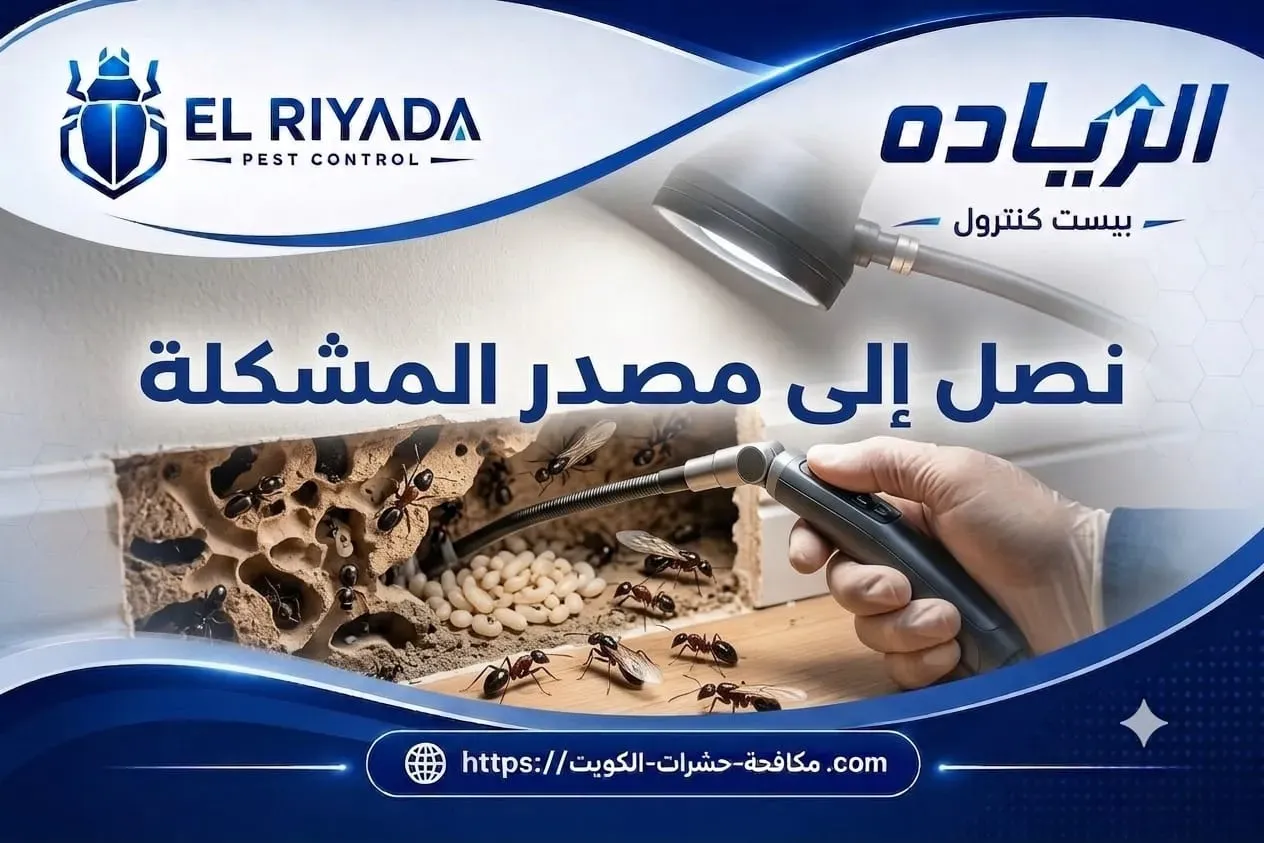
Many homeowners rely on Home Remedies for Ants immediately after discovering ants inside kitchens, bathrooms, or living areas. Common household methods include vinegar, lemon juice, cinnamon, baking soda, essential oils, and retail insect sprays. While these approaches may temporarily reduce visible ant activity or discourage ants from entering certain locations, they rarely reach the main colony containing the queen and thousands of worker ants.
The reason is simple: only a small percentage of worker ants leave the colony to search for food while the queen and the majority of the colony remain safely protected inside wall voids, beneath foundations, underground, or in other inaccessible nesting sites. Consequently, eliminating visible ants does not mean the infestation has ended because new workers quickly replace those that have been removed.
Extensive field experience consistently demonstrates that household remedies may be appropriate only for very minor infestations or as temporary measures before professional treatment begins. Once colonies become established or begin expanding throughout the property, professional colony elimination becomes the most reliable long-term solution.
• Household remedies reduce only visible activity.
• Home treatments rarely reach the queen.
• New workers quickly replace eliminated ants.
• Home remedies suit only small infestations.
• Professional treatment becomes necessary for established colonies.
Permanent Ant Elimination
Achieving Permanent Ant Elimination involves much more than spraying insecticides or cleaning visible ant trails. True long-term success depends upon locating and eliminating the entire colony while correcting the environmental conditions that originally attracted ants to the property. Professional pest control specialists therefore begin every treatment by identifying the ant species, locating nesting sites, mapping foraging routes, and determining the food and moisture sources sustaining colony growth.
After completing the inspection, technicians select the most appropriate treatment strategy according to the characteristics of the infestation. Depending on the situation, professional gel baits, specialized ant baits, targeted residual treatments, or integrated combinations of several techniques may be used to eliminate the colony completely. Surrounding areas are also inspected to ensure additional colonies have not already become established nearby.
Extensive practical experience consistently demonstrates that permanent ant control requires an integrated program combining colony elimination, structural maintenance, sanitation improvements, moisture reduction, and ongoing prevention. Successful treatment depends upon addressing every contributing factor rather than focusing only on the ants that are currently visible.
• Eliminate the entire colony rather than visible ants.
• Identify ant species before selecting treatment.
• Choose methods according to infestation characteristics.
• Inspect surrounding areas for additional colonies.
• Combine treatment with long-term prevention.
Best Ant Control Company
Selecting the Best Ant Control Company should never depend solely on pricing or response time. Professional companies distinguish themselves through accurate inspections, correct identification of ant species, customized treatment planning, and long-term preventive strategies designed specifically for each infestation.
Experienced pest control providers begin every service with a thorough inspection before recommending treatment. They identify nesting locations, determine infestation severity, evaluate environmental conditions, and explain the complete treatment plan to the customer. Customers also receive practical recommendations for preventing future infestations through improved sanitation, moisture control, and structural maintenance.
Extensive field experience consistently demonstrates that companies following comprehensive integrated pest management programs consistently achieve more stable long-term results than providers relying exclusively on generalized insecticide applications without proper diagnosis or follow-up.
• Professional inspections precede treatment.
• Ant species are accurately identified.
• Treatment strategies match each infestation.
• Preventive guidance supports lasting protection.
• Follow-up strengthens long-term results.
Ant Control Technician
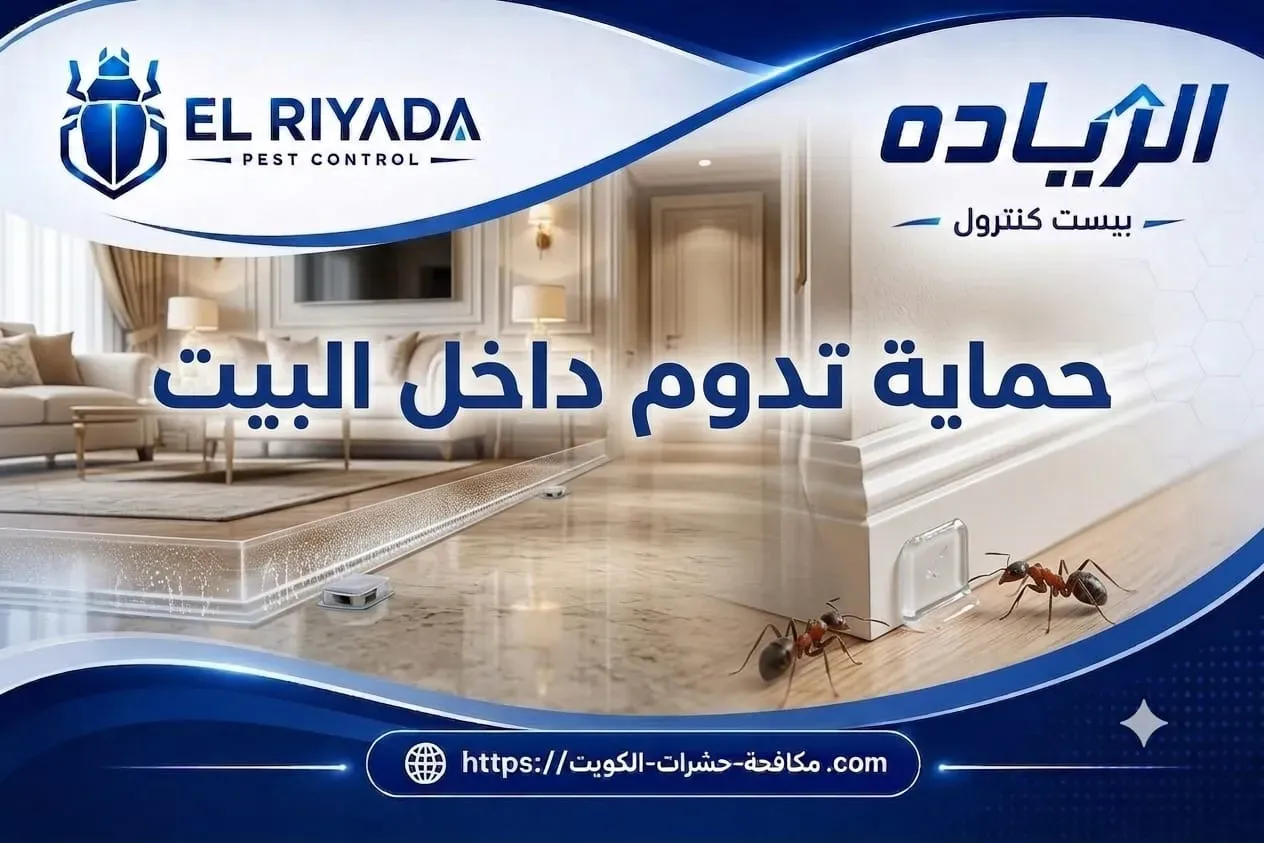
A professional Ant Control Technician plays the most important role in determining whether treatment succeeds because technical knowledge directly influences diagnosis, product selection, treatment placement, and long-term prevention. Rather than focusing only on visible ants, experienced technicians locate hidden colonies, analyze ant behavior, identify movement pathways, and determine the most effective treatment strategy for each specific situation.
Professional technicians also explain every stage of the treatment process, including expected results, recommended customer responsibilities, preventive measures, and follow-up procedures. This communication helps property owners understand how their own actions contribute to maintaining successful long-term control after professional treatment has been completed.
Extensive practical experience consistently demonstrates that technicians possessing strong field experience identify hidden colonies more accurately, eliminate infestations more efficiently, and significantly reduce the likelihood of recurring ant problems compared with generalized treatments performed without proper diagnosis.
• Thorough inspections precede every treatment.
• Hidden colonies receive primary attention.
• Treatment methods match infestation characteristics.
• Customers receive preventive recommendations.
• Technician experience directly influences success.
Ant Colony Control
Ant Colony Control differs substantially from eliminating the visible ants moving across kitchen floors or countertops because professional treatment focuses primarily on destroying the colony itself. As long as the queen and colony remain alive, new worker ants will continue appearing regardless of how many visible ants have already been eliminated.
Professional technicians therefore carefully monitor ant movement, identify likely nesting locations, and use treatment methods specifically designed to deliver active ingredients deep into the colony where the queen and developing brood remain protected. Some properties may even contain multiple interconnected colonies, requiring broader inspections extending beyond the locations where ant activity is immediately visible.
Extensive practical experience consistently demonstrates that eliminating the queen represents the turning point in successful ant management because without the queen the colony can no longer reproduce or sustain itself. Professional treatment therefore targets the source of the infestation instead of merely reducing visible ant activity.
• Treatment targets the colony rather than visible workers.
• Nest locations are identified before treatment.
• Ant movement patterns reveal colony locations.
• Multiple colonies may exist around one property.
• Eliminating the queen stops colony development.
Professional Ant Control Service
A Professional Ant Control Service always begins with a comprehensive inspection rather than immediately applying insecticides. Experienced technicians first identify the ant species, evaluate infestation severity, locate nesting sites, analyze movement patterns, determine environmental conditions contributing to the infestation, and then develop a treatment program specifically designed for the property's unique circumstances instead of relying on one standard solution for every customer.
Professional treatment programs frequently combine several proven techniques depending on inspection findings. Specialized ant baits, professional gel formulations, targeted residual treatments, localized applications, and integrated pest management strategies may all be incorporated into a customized control program. Customers also receive practical recommendations regarding sanitation, moisture reduction, food storage, structural maintenance, and preventive measures because these factors play a critical role in maintaining successful long-term results.
Extensive field experience consistently demonstrates that professional ant control programs consistently outperform temporary household treatments because they address the underlying causes of infestation while eliminating the colony responsible for the visible ant activity.
• Every treatment begins with a professional inspection.
• Control methods are selected according to ant species.
• Multiple techniques may be combined for better results.
• Customers receive practical preventive recommendations.
• Long-term solutions focus on the source of the infestation.
Treating Ants Inside the Home
Treating Ants Inside the Home requires a customized approach because every property presents different infestation patterns and environmental conditions. Ant activity may be concentrated inside kitchens, bathrooms, laundry rooms, storage areas, gardens, utility spaces, or wall voids, and each location requires a treatment strategy appropriate for its specific conditions.
Professional technicians select treatment methods that balance effectiveness with occupant safety while minimizing disruption to daily household activities. In addition to treating interior areas, they inspect the surrounding property to identify outdoor nests or environmental conditions capable of causing recurring infestations after indoor treatment has been completed.
Extensive practical experience consistently demonstrates that successful indoor ant treatment extends beyond eliminating the current infestation. Long-term protection depends upon preventing new colonies from becoming established by correcting moisture problems, sealing structural entry points, improving sanitation, and eliminating conditions that attract ants to the property.
• Treatment strategies vary according to infestation location.
• Safe and effective methods protect household occupants.
• Outdoor nesting areas are also inspected.
• Future colony development is prevented.
• Long-term protection combines treatment and prevention.
Why Al Reyada Pest Control Is the Best Choice in Kuwait
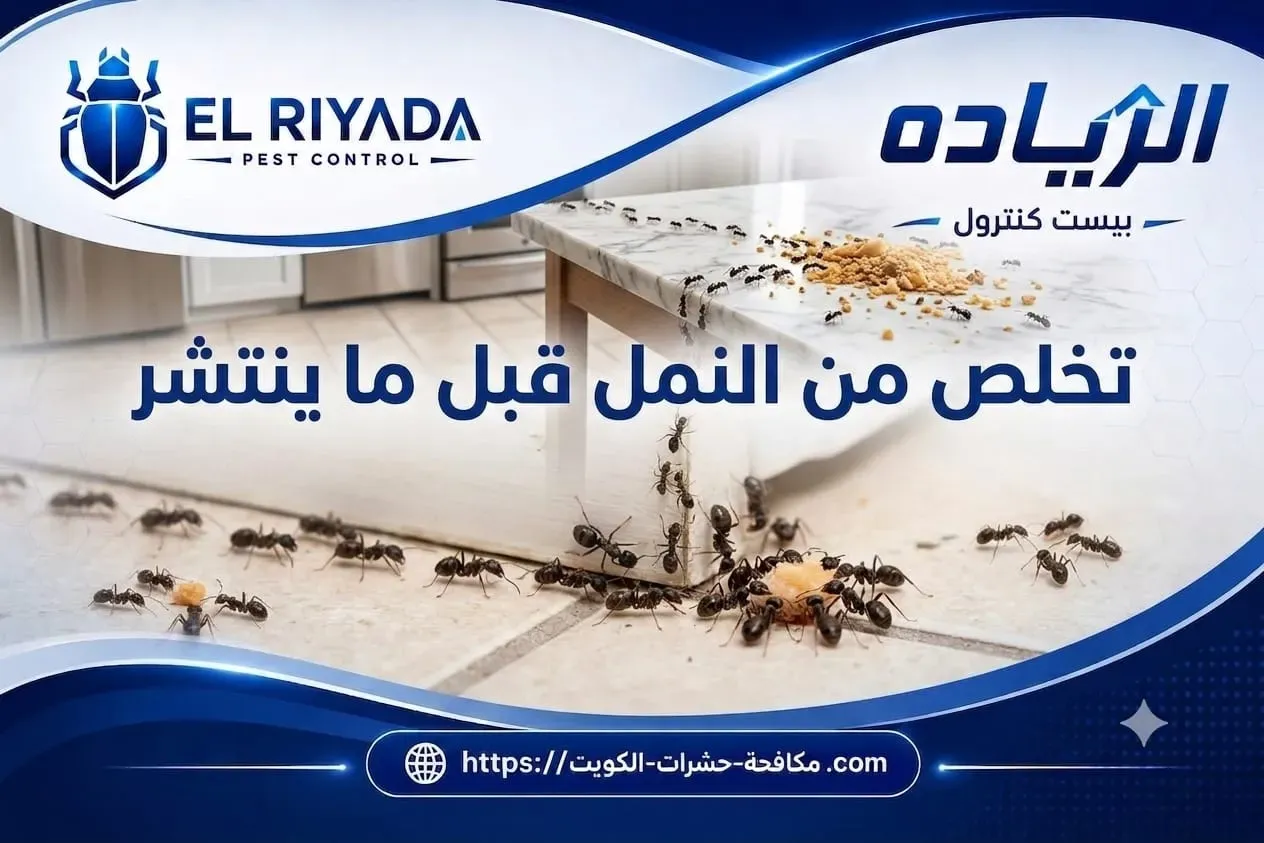
Al Reyada Pest Control has earned its reputation as one of Kuwait's leading professional ant control specialists because every project begins with detailed technical inspection before treatment decisions are made. Experienced technicians identify the ant species involved, locate active colonies, analyze movement patterns, determine environmental conditions supporting infestation, and then develop customized treatment programs designed specifically for each property's requirements.
The company utilizes approved professional products, modern treatment equipment, and highly trained technicians capable of managing ant infestations in residential homes, villas, restaurants, warehouses, commercial buildings, industrial facilities, and other properties throughout Kuwait. Rather than simply eliminating visible ants, Al Reyada Pest Control focuses on complete colony removal while providing preventive recommendations that significantly reduce the likelihood of future infestations.
Customers consistently choose Al Reyada Pest Control because of its accurate inspections, experienced technicians, transparent communication, customized treatment strategies, professional workmanship, and long-term preventive solutions that address both active infestations and the environmental conditions allowing ant colonies to survive.
• Comprehensive inspections precede every treatment.
• Entire colonies are professionally eliminated.
• Approved commercial products ensure reliable results.
• Experienced technicians manage every infestation level.
• Preventive solutions reduce future ant activity.
Conclusion
Household remedies may temporarily reduce visible ant activity, but they rarely eliminate the colony responsible for the infestation. Once ants continue returning despite repeated home treatments or begin spreading throughout multiple areas of a property, professional pest control becomes the most reliable long-term solution. Accurate diagnosis, complete colony elimination, environmental correction, and preventive recommendations work together to provide lasting protection while significantly reducing the likelihood of future infestations.
Frequently Asked Questions
When are household ant treatments no longer enough?
Home remedies become insufficient when ants continue returning after repeated treatments, spread throughout multiple areas of the property, or remain active despite continuous cleaning and maintenance.
Why do ants return after household spraying?
Most household sprays eliminate only the visible worker ants while leaving the queen and the main colony untouched. As long as the colony survives, new workers continue replacing those that have been eliminated.
Is permanent ant elimination possible?
Yes. Permanent control is achievable when professional treatment successfully eliminates the entire colony, including the queen, while correcting the environmental conditions that originally attracted ants to the property.
Does treatment differ between ant species?
Yes. Different ant species display different nesting behaviors, food preferences, and movement patterns. Professional technicians therefore select treatment strategies according to accurate species identification.
Why do customers choose Al Reyada Pest Control?
Customers choose Al Reyada Pest Control because the company provides comprehensive inspections, experienced technicians, approved professional products, customized treatment programs, transparent communication, and long-term preventive solutions specifically designed for Kuwait's environmental conditions.