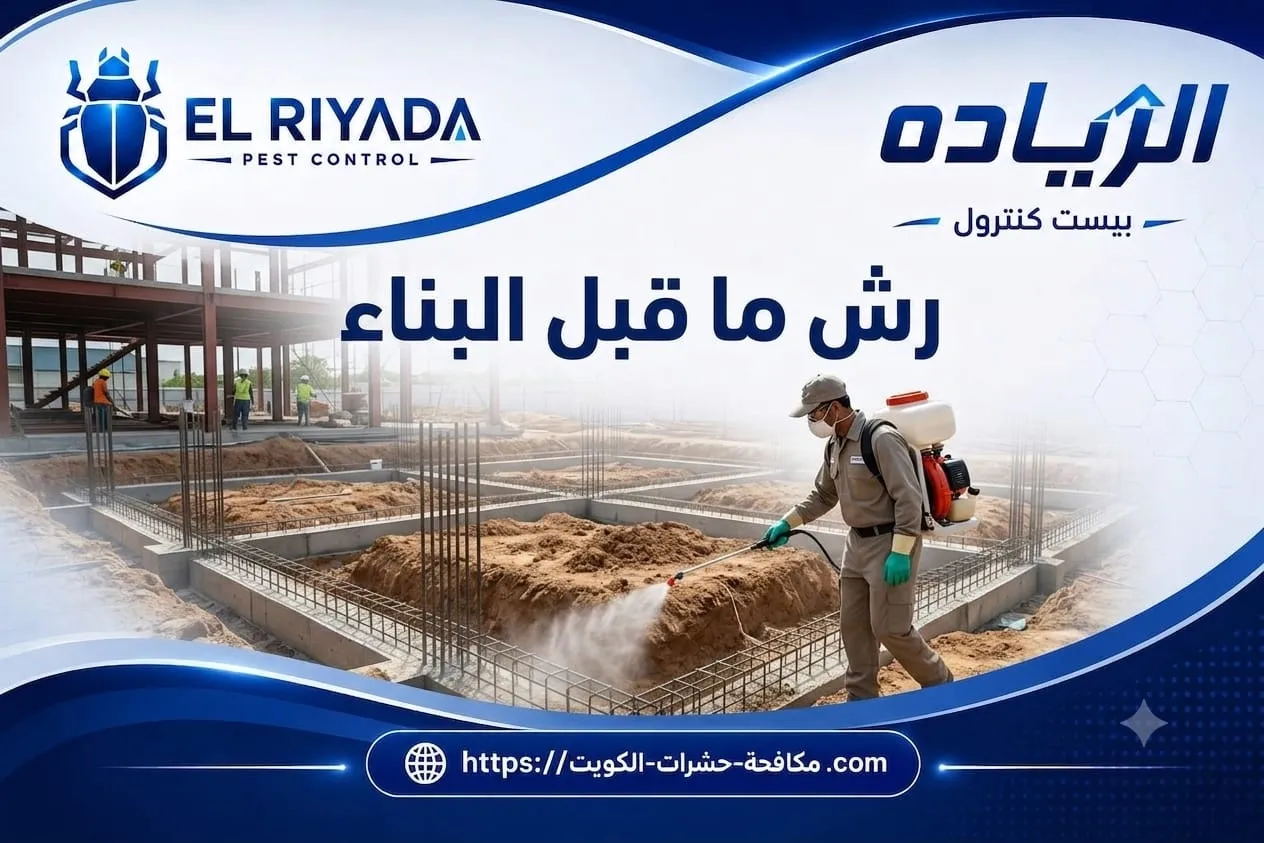
Pre-construction soil treatment for commercial projects and complexes is not an isolated step that can be carried out at any convenient time and then considered complete. It is a preventive treatment directly connected to the construction sequence, soil condition, and the stage that will cover the treated area afterward. The main character of this service is coordination before construction begins: When will the area actually be ready for treatment? What exact area will be included within the scope? Will excavation, utility installation, or other construction work take place afterward and disturb the treated soil? These questions become especially important on large projects completed through multiple phases. Service quality therefore depends on planning, documentation, using a product intended for the required purpose according to its instructions, and coordinating with the contractor before subsequent construction activities close the treated area.
Soil Treatment for Commercial Projects
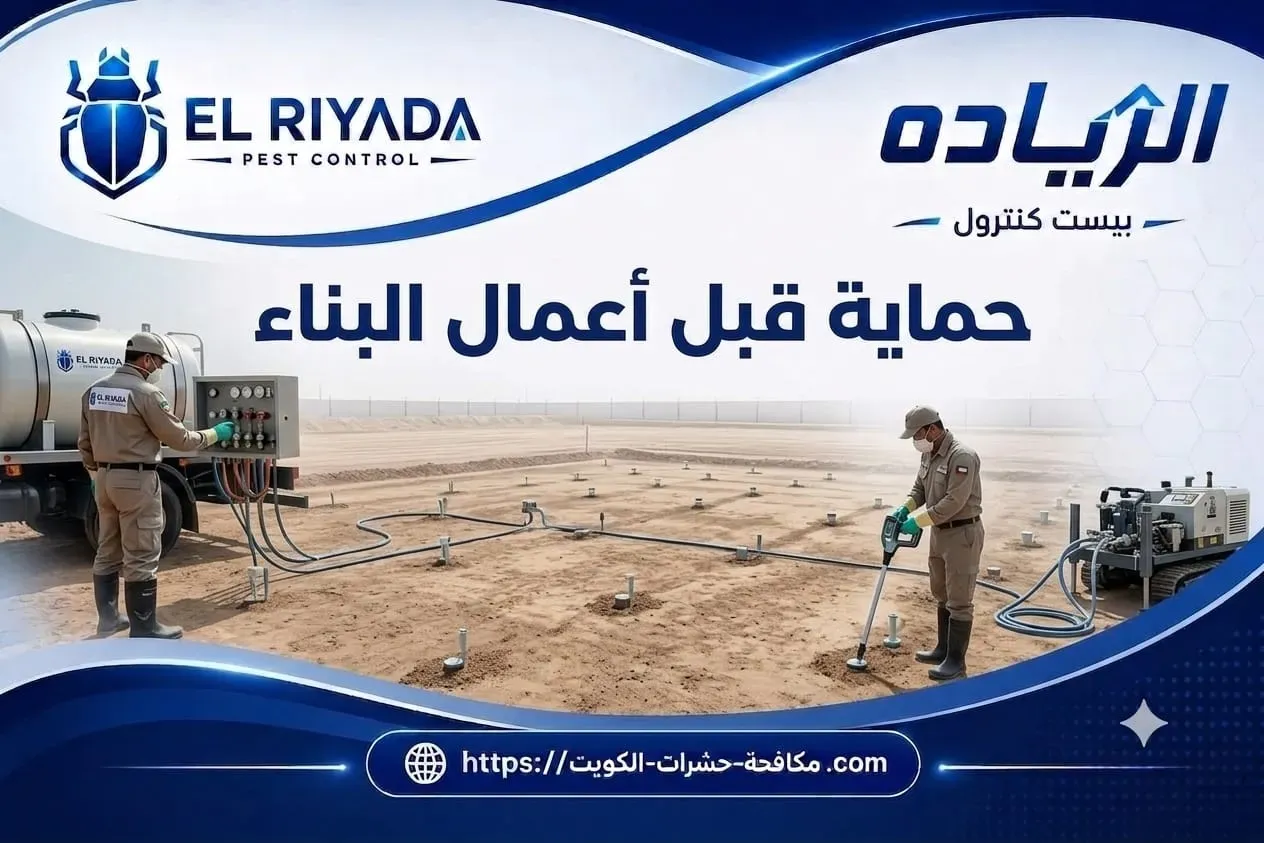
Carrying out soil treatment for commercial projects requires integrating the service into the project schedule itself rather than calling the pest control company when foundation work is almost complete. Pre-construction termite treatment targets soil at a specific stage before parts of it become inaccessible. Knowing when each sector will be ready is therefore more important than simply knowing the total size of the project. If the site is divided into buildings, zones, or construction phases, each area that will receive treatment should be identified along with the treatment timing, what will cover it afterward, and which activities are expected to take place after application.
Before treatment begins, the condition of the area and its readiness should be reviewed according to the requirements of the treatment system being used. Unfinished excavation, utilities that will be repositioned, or areas where the soil will be disturbed after treatment can affect the continuity of the completed application. Coordination between the termite control company and the contractor or project management team is therefore necessary so that treatment is not completed only to be immediately followed by construction work that changes the treated soil without review.
The amount of pesticide or its application method should not be determined from project size alone. The product being used, its instructions, and the nature of the application determine the appropriate dosage and treatment procedure. Increasing the concentration or quantity should never be considered a way to obtain stronger protection. Safety requirements must also be followed during application, and uncontrolled handling of treatment materials should be prevented.
Price is influenced by the size of the treatment area, number of construction phases, site condition, accessibility, implementation schedule, and treatment system. Two projects with similar areas may therefore have different costs when one can be completed in a single phase while the other requires several visits coordinated with separate construction stages.
• Including treatment within the project implementation schedule reduces the possibility of reaching a stage where the required soil has already been covered or has become inaccessible before the planned protection is completed
• Dividing the site into clearly identified sectors when construction is phased helps document what has already been treated and what still requires treatment instead of relying on the memory of different teams throughout a long project
• Reviewing activities expected after treatment helps identify areas that may later be excavated or regraded and therefore require additional coordination before the treatment phase is considered complete
• Comparing soil-treatment quotations according to area, number of implementation phases, documentation scope, and follow-up provides contractors with a more accurate picture than comparing the price per unit alone without considering the conditions included in each quotation
Soil Treatment for Commercial Complexes
Soil treatment for commercial complexes requires a different management approach from a small site completed in a single stage because a complex may include several buildings, walkways, utility areas, and zones constructed at different times. The main question is therefore not simply whether the soil was treated but exactly which soil was treated, when the work was completed, and what happened to that area afterward. These details help prevent gaps between construction phases that may otherwise become difficult to identify later.
A practical scenario occurs when one ready sector is treated while construction continues in an adjacent sector. Several days later, equipment may enter the first area to install a utility or modify an existing route. Without a clear map or treatment record, the sector may continue to be described as "already treated" even though part of its soil was subsequently excavated or disturbed. Documentation should therefore reflect the actual condition of the site rather than recording only the date of the treatment visit.
Not every part of the soil should automatically be treated in exactly the same way without referring to the treatment system and product instructions. Site conditions, areas where the building interfaces with the soil, and certain project details may require evaluation within the preventive plan. Decisions concerning foundation design and structural engineering, however, remain the responsibility of the appropriate project professionals and cannot be replaced by a termite control company.
The potential mistake is not limited to accidentally leaving an area untreated. Losing the ability to determine what happened after treatment can create an equally important problem. On a large project, the documentation chain between the contractor and pest control provider becomes an essential part of implementation quality because it allows later changes to be reviewed before affected areas are permanently covered.
• Creating an independent record for every building or sector within the complex prevents the entire project from being treated as one undivided unit and makes it possible to identify the treatment date and status of each individual area as construction progresses
• Documenting excavation or modifications performed after soil treatment allows the affected area to be evaluated instead of assuming that the original treatment remains unchanged even though the soil itself has physically been disturbed
• Connecting each service request to the actual readiness of the sector prevents unnecessary visits at unsuitable times and reduces the likelihood of treating an area immediately before additional construction work alters it
• Separating the termite-control plan from engineering decisions related to foundations maintains professional boundaries because soil treatment is a preventive termite-control measure rather than a structural design service or a substitute for engineering requirements
Termite Treatment for New Construction Projects
Termite treatment for new construction projects offers better access to soil before the building is completed, but that opportunity exists within a specific construction window. Once later layers or structural components have been installed, reaching some areas again may become significantly more difficult. The treatment stage should therefore be identified within the construction sequence, and the area should be confirmed as ready before the application team arrives rather than treating the service as something that can be postponed until any later stage.
Pre-construction prevention is different from treating an existing infestation. There may be no visible termite signs inside the building that need to be traced. Instead, a preventive system is implemented according to the product being used and its application requirements to reduce opportunities for termites to travel through treated areas. Soil treatment should therefore not be presented as a permanent guarantee that termites can never appear regardless of how building conditions change in the future. It is an important preventive layer within the overall protection of the project, not an absolute promise that infestation will remain impossible throughout the lifetime of the property.
One practical mistake is completing treatment and then allowing equipment to disturb the area or reopening the soil because an installation was unfinished. The issue is not simply how much time has passed since treatment. The important question is whether the treated area has been physically changed in a way that affects its continuity. When this happens, the location should be recorded and reviewed according to the treatment system rather than allowing the modification to go unnoticed.
Choosing the service should also involve more than asking whether the company provides "pre-construction spraying." Contractors need to know which product will be used, whether it is suitable for the intended purpose, how implementation will be documented, how multiple phases will be managed, and what site conditions are required before treatment begins.
• Establishing a clear treatment point within the construction sequence prevents conflicts between soil application, excavation, and utility work while ensuring that the site team knows when to request the service before the area becomes covered
• Treating preventive application as one layer of protection rather than a permanent guarantee provides realistic professional expectations and prevents service quality from being linked to an impossible promise covering the entire future life of the building
• Recording every disturbance to the soil after treatment makes later evaluation possible and prevents affected locations from disappearing within a project involving numerous overlapping activities and different construction teams
• Requesting clear information about the treatment system, documentation process, and implementation phases helps contractors compare services according to quality and organization instead of selecting a quotation based only on price or pesticide quantity
Protecting Commercial Building Foundations
Protecting commercial building foundations from termites is connected to preventive treatment of the soil surrounding the areas specified within the pest-control system before subsequent construction stages cover them. However, it is important not to confuse this protection with protecting foundations from other structural problems. Soil treatment is intended to reduce opportunities for termites to pass through the treated zone according to the characteristics of the product and its correct application method. It does not increase the structural strength of foundations and does not address engineering soil problems, waterproofing deficiencies, structural loads, or other construction issues.
On a commercial project, coordination with drawings and the construction sequence is necessary to identify areas that will become inaccessible later. Utility points and changes requiring new excavation also need attention because they may disturb part of the soil that has already been treated. When a modification occurs, the correct approach is not to assume that the previous treatment still covers the area in exactly the same condition. The change should be recorded and reviewed as part of the termite-control plan.
The quality of the work also appears in the ability to demonstrate the actual scope of implementation. Documenting sectors, treatment dates, and the product used provides a record that the contractor can consult as the project progresses. This is more useful than a general statement that the "foundations were treated" without identifying the areas or construction phases involved.
• Defining the scope of preventive treatment separately from structural foundation work prevents confusion between termite control and engineering design functions that are governed by different requirements and handled by different specialists
• Reviewing modifications that require excavation near treated areas helps identify any section that has changed after application instead of allowing construction to continue based on site conditions that are no longer the same
• Documenting the treatment date for every sector allows the contractor to connect the service with the actual construction phase and distinguish completed areas from locations that are still waiting for treatment
• Keeping records of the product and its intended application scope improves the reliability of project documentation and allows future reviews to rely on specific information instead of a verbal description of the service
Pre-Construction Treatment for Commercial Complexes
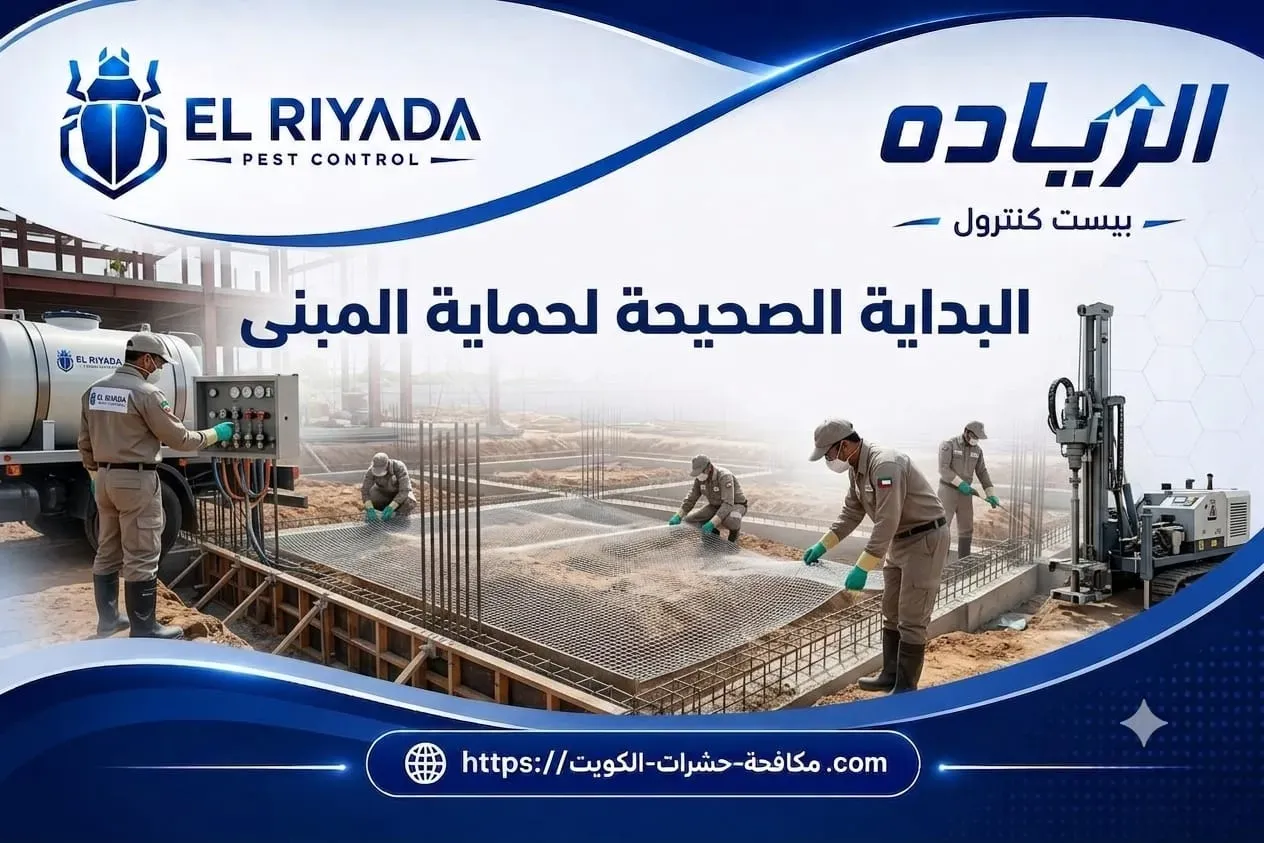
Pre-construction treatment for commercial complexes depends on early planning because different parts of a complex often do not reach the required level of readiness at the same time. One building may be ready for treatment while excavation continues at another. Attempting to complete the entire project as a single treatment phase may therefore be impractical. The service can instead be organized according to the actual construction sectors while maintaining a record that clearly shows the status of each area.
Before every treatment phase, the required area should be checked to confirm that it has reached the appropriate condition for application according to the treatment system being used. Construction activities that could later disturb the soil should also be identified as far as reasonably possible. This coordination reduces the likelihood of completing treatment in an area only for its soil to be altered immediately afterward by construction work that could have been anticipated.
From a cost perspective, dividing a project into several phases can affect the number of visits, labor requirements, organization, and accessibility. A phased quotation should therefore not be compared directly with another quotation based on completing the entire area during a single visit without first reviewing those differences. The actual value of the service depends on what will genuinely be carried out, how it will be documented, and how the different phases will be followed.
• Preparing a schedule that connects each sector with its expected readiness date helps the pest-control company and contractor carry out treatment at the appropriate time instead of sending the application team before preceding construction activities are complete
• Updating the status of each sector after every visit prevents overlap between phases and gives project management a direct picture of completed areas, outstanding sections, and locations that have been modified after treatment
• Calculating cost according to the number of implementation phases as well as the total area explains why some quotations differ and prevents the service from being judged solely according to a unit price
• Maintaining one coordinated record for the entire complex despite multiple treatment visits keeps all phases within a single plan and reduces the possibility of a small sector being missed between the responsibilities of different teams
Soil Treatment for Projects in Kuwait
Soil treatment for projects in Kuwait requires selecting a product intended for the required application and using it according to its instructions and the requirements applicable to the project while considering site conditions at the time of treatment. The application should not be treated as a process in which a worker estimates the concentration or quantity simply by looking at the soil. Dosage, preparation, and application procedures should follow the specified information for the product being used.
Before implementation, the readiness of the area, accessibility, and movement of workers and equipment should be reviewed so the treatment can be carried out safely. Coordination is also required regarding the construction stage that will follow application so the treated area is not exposed to unplanned work that changes its condition before subsequent construction activities are completed.
Contractors also need to distinguish between the cheapest service and the service with the smallest scope. One quotation may appear inexpensive because it does not include multiple construction phases or the review of areas disturbed later, while another may include broader documentation and coordination. A more accurate comparison can therefore be made only after the required scope has first been standardized.
• Confirming that the selected product is intended for the required purpose and applying it according to its instructions makes product selection dependent on correct use rather than comparing materials according to odor or concentration alone
• Organizing the site before application reduces interference between construction teams and the treatment area and allows the service to be completed without becoming an uncoordinated secondary activity within a busy project
• Determining whether a quotation covers one treatment phase or several prevents unexpected costs when it later becomes clear that the project cannot realistically be completed during a single visit
• Recording the areas completed during every visit provides a clear reference as construction progresses and reduces reliance on verbal estimates when determining which parts of the project have already received treatment
Backfill Treatment for Commercial Facilities
Dealing with backfill treatment for commercial facilities requires understanding the exact construction stage reached by the site before requesting treatment because the presence of backfill alone does not automatically mean that the area is ready. Some sections may already be complete while others may still require grading, utility installation, or additional modifications. Applying the treatment before work that will alter the soil has been completed may result in previously treated areas being disturbed and can leave the treatment record inconsistent with the actual condition of the project.
On large commercial facilities, it is useful to define the boundaries of each sector clearly before the pest-control team arrives. When both the contractor and the treatment provider understand exactly where the current area begins and ends, calculating the work scope and documenting it becomes more accurate. Sections that are excluded or not yet ready can also be recorded instead of later becoming areas where nobody can confirm whether treatment was actually completed.
Another mistake is relying on photographs alone as proof that the service has been completed. Photographs can be valuable as part of the documentation, but they do not always show the total area, sector boundaries, application quantity, or product used. They are more useful when incorporated into a broader record containing the date, location, construction phase, and essential implementation information.
• Confirming that work directly affecting the soil within a sector has been completed before treatment reduces the possibility of carrying out the service only to lose continuity in the treated area because of excavation or modifications that were already planned
• Clearly defining the boundaries of every treatment area before work begins improves backfill documentation and prevents differences between the contractor and pest-control team regarding the exact area included in the current phase
• Explicitly recording sectors that are not yet ready prevents them from being mistakenly considered completed as construction progresses and makes requesting the next treatment phase much clearer
• Using photographs together with a written record of the construction phase, area, product, and date provides stronger documentation than relying on treatment photographs alone without information connecting them to a specific location
Termite Treatment Before Project Construction
Termite treatment before project construction provides an opportunity to establish protection while soil areas remain accessible before later construction stages close them. The main value of this stage is not that it permanently prevents termites forever but that it allows a preventive system to be implemented in locations that may become significantly more difficult to access once construction has been completed.
The success of this step depends heavily on timing. If treatment is carried out too early and the soil is later excavated or redistributed, affected areas may need to be reviewed. If the service is requested too late after the sector has already been covered, the opportunity to carry out the planned treatment in the same manner may be lost. The person responsible for the project should therefore understand the treatment point that comes before the next relevant construction stage according to the implementation system being followed.
It is also important not to use the phrase "before construction" in a general way without defining the implementation scope. A project may contain several buildings or multiple phases, so it should be clear whether the requested service covers one area or all sectors and what will actually be completed during each visit.
• Placing treatment at a defined point in the construction schedule prevents it from being delayed until the area is inaccessible while also reducing the likelihood of applying it before work that will immediately disturb the soil
• Defining the scope of every phase in writing prevents a general statement that the entire project was treated from being considered sufficient when the site consists of sections that have reached different construction stages
• Reviewing areas that have been excavated after treatment maintains the logic of the preventive program and prevents an actual physical change in the soil from being ignored after the original visit has been completed
• Understanding that the service is preventive rather than a permanent guarantee helps both the contractor and owner maintain realistic expectations about the role of pre-construction treatment in protecting the facility from termites
Soil Pesticide Treatment for Projects
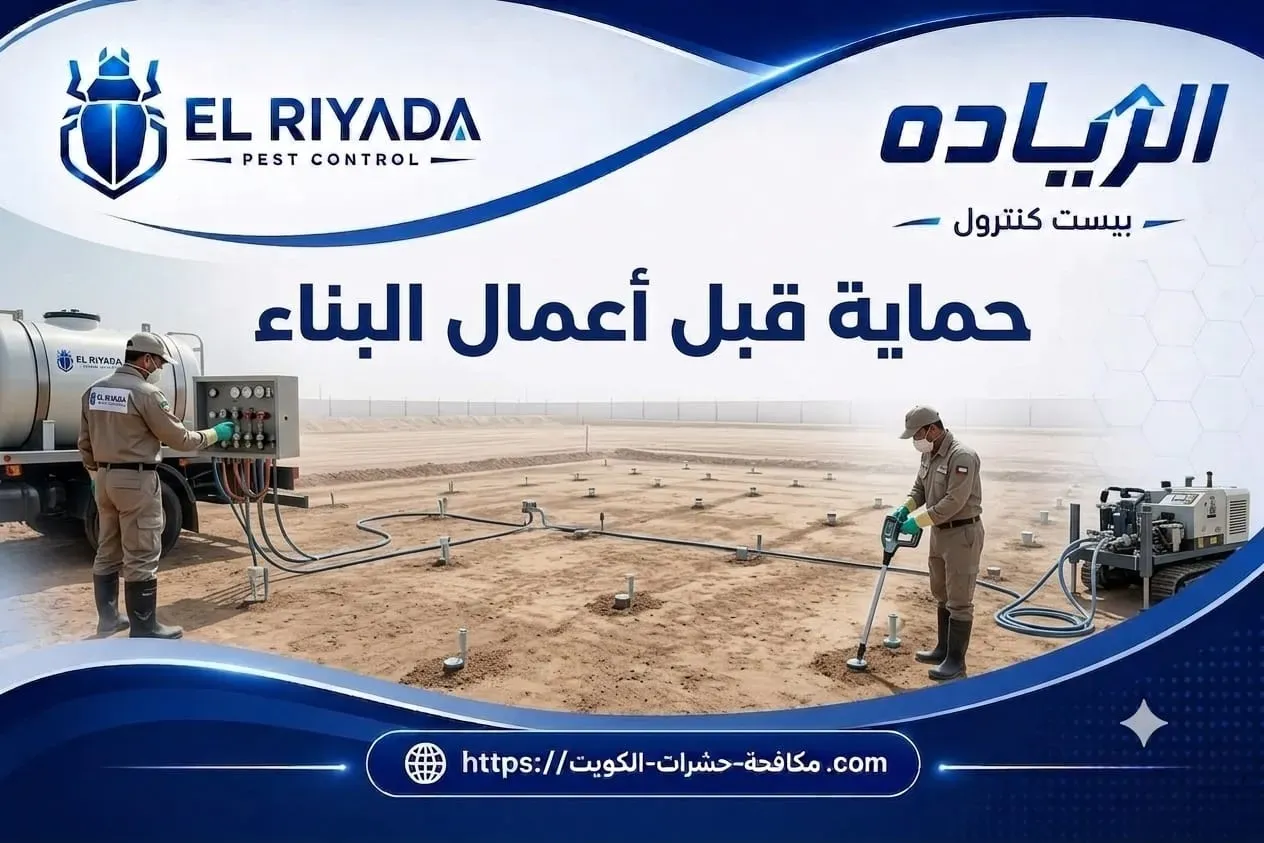
Soil pesticide treatment for projects requires precise compliance with the instructions for the product being used because the treatment material is not simply a liquid that should be distributed until the soil appears wet. The product must be appropriate for the intended application and should be prepared and applied according to its instructions and relevant safety requirements. Improvised mixtures or increased concentrations should not be used in an attempt to achieve stronger results because correct application is the foundation of professional treatment.
Commercial projects also require organization of the treatment area so pesticide application does not interfere with workers or equipment in an uncontrolled way. The boundaries of the completed area should also be known before the team moves to the next sector. As the size and complexity of the project increase, management and documentation become increasingly important components of application quality.
When comparing treatment companies, the stated quantity of pesticide should not be used as an independent measure of service quality. A larger quantity does not automatically mean better treatment if it is not connected to the correct area, appropriate application method, and product instructions. It is more useful to ask about the scope of work, documentation method, and how subsequent site changes will be handled.
• Following the preparation and application method specified for the product prevents uncontrolled changes to concentration or mixing and keeps the treatment consistent with the use for which the material was designed
• Managing movement around the site during treatment reduces the likelihood of workers or equipment entering the application area in a way that disrupts the work or changes the soil before the required phase has been completed
• Connecting the amount of material used with the treated area and approved application method prevents a large quantity from being presented in a quotation as a marketing advantage disconnected from the actual treatment requirements
• Recording the product, sector, and implementation date provides practical information that can be reviewed if a later modification occurs or if the contractor needs to determine when a specific area was treated
Backfill Treatment Service for Contractors
Choosing a backfill treatment service for contractors depends on the pest-control company’s ability to work with the actual construction schedule rather than simply arriving at the site and applying the treatment. The contractor needs to know when the treatment team should be requested, what site conditions must be ready beforehand, and what information will be provided after each phase is completed. On projects containing several buildings or sectors, efficient coordination and accurate scope definition become especially important for preventing construction delays or missing the appropriate treatment stage.
When comparing quotations, the required scope should be standardized as much as possible. A quotation covering one treatment phase cannot be compared directly with another that includes several visits, sector documentation, and review of areas that are later excavated. The service should also not be judged solely by the lowest unit price because accessibility, the number of phases, and the level of coordination required can all affect the actual cost.
It is useful for every treatment phase to have a record identifying the treated area, implementation date, product used, and any important observations. If the area changes afterward, the contractor can refer to that record and identify the section requiring review instead of unnecessarily treating a much larger area.
• Selecting a service capable of coordinating with project phases reduces the likelihood of the treatment team arriving before the area is ready or after construction has advanced to a stage where the required soil is no longer accessible
• Standardizing the scope of work before comparing prices prevents a limited quotation from appearing cheaper than a more comprehensive program when the real difference is caused by the number of visits, documentation, and included services
• Receiving a record for every completed phase gives the contractor a clear reference during project handover or when reviewing later modifications and reduces dependence on verbal communication between multiple teams
• Agreeing in advance on how later excavation or modifications will be handled allows a faster and more organized response while avoiding unnecessary retreatment of areas that were not actually affected
Why Choose Al Reyada Pest Control in Kuwait
When considering why Al Reyada Pest Control can be a strong choice for pest control in Kuwait for backfill and pre-construction soil treatment in commercial projects and complexes, the meaningful standard is how the entire pre-construction treatment process is managed rather than simply whether pesticide is applied. Al Reyada Pest Control can be a strong option when the work begins by defining the project scope, identifying the readiness of different construction phases, coordinating with the contractor, and documenting completed sectors in a way that allows them to be reviewed as construction progresses.
Specialized knowledge becomes particularly important in understanding that soil treatment is connected to what happens both before and after application. An area that was treated and then excavated again is no longer in exactly the same condition it was in when the original application was completed. Monitoring these changes and handling them according to the treatment system being used is more professional than considering the date of the original visit alone as sufficient proof that protection remains complete.
Trust is also connected to how the pesticide is used. The selected product should be appropriate for the intended purpose and applied according to its instructions without uncontrolled increases in concentration or quantity. It should also be clearly explained that pre-construction treatment is an important preventive measure but not an absolute guarantee that termites can never appear throughout the future life of the building regardless of changing conditions.
• Organizing implementation according to the readiness of individual sectors allows Al Reyada Pest Control to integrate backfill treatment more effectively into the project’s actual construction schedule instead of treating it as an isolated activity unrelated to ongoing building work
• Documenting the product, date, and treated area gives the contractor a record that can be reviewed when modifications occur and allows follow-up decisions to rely on clear information rather than memory
• Following product instructions and safety requirements provides a more reliable quality standard than presenting an increased pesticide quantity as evidence of stronger service or better protection
• Clearly communicating the realistic limits of preventive treatment explains the role of the service accurately and avoids absolute promises that ignore future excavation, modifications, or changes in building conditions
Conclusion
Backfill treatment for commercial projects and complexes is most effective when it forms part of the construction sequence rather than becoming an unplanned activity inserted between other site operations. Identifying soil readiness, defining the scope of each sector, and understanding which construction stage will follow treatment help ensure that the service is carried out at the appropriate time and reduce the possibility of treated areas being disturbed without review.
Documentation becomes especially important on large projects. Knowing which sector was treated, when it was completed, which product was used, and what changes occurred afterward provides contractors with a more accurate picture than simply recording that the project received termite soil treatment. If excavation or modification occurs later, the affected section can be reviewed without losing the implementation history of the entire project.
When selecting a backfill treatment company, compare its approach to coordination, application, documentation, and follow-up alongside the price. Effective preventive treatment is not based on using the largest quantity of pesticide. It depends on applying an appropriate product according to its instructions, at the correct location and stage, while maintaining a clear record of the project’s treatment phases.
Frequently Asked Questions
When should backfill treatment be carried out on a commercial project?
The timing should be determined according to the construction sequence and the treatment system being used so the required area is ready and accessible before it is covered by the next stage while reducing the possibility of excavation or other soil disturbance immediately after application.
Can backfill treatment be completed before all project work is finished?
Yes. If the project is being constructed in phases and specific sectors are ready for treatment, each phase can be completed and documented separately while coordination continues for the remaining areas.
What happens if treated soil is excavated afterward?
The excavated area should be recorded and the effect of the change reviewed according to the treatment system being used rather than assuming that the soil remains in the same condition as it was during the original application.
Does backfill treatment prevent termites permanently?
Pre-construction soil treatment is a preventive measure intended to reduce opportunities for termites to pass through treated areas according to the system being used. It is not a permanent guarantee regardless of how site conditions may change in the future.
Does using more pesticide provide stronger protection?
No. The dosage and application method specified for the product should be followed because randomly increasing the concentration or quantity is not a professional measure of treatment effectiveness.
Does the entire commercial complex need to be treated in one day?
Not necessarily. Treatment can be organized according to the readiness of individual buildings and sectors when construction is phased as long as a clear record is maintained for everything completed during each visit.
Why is documentation important for project soil treatment?
Documentation identifies the treated area, implementation date, product, and construction phase. It also helps determine whether any treated section was later excavated or modified and therefore requires review.
Are photographs alone enough to document backfill treatment?
Photographs are useful, but they provide stronger evidence when connected to a record identifying the sector, date, construction phase, and essential implementation details rather than being used alone.
What determines the cost of backfill treatment for commercial projects?
Cost can be affected by the treatment area, number of project phases, site condition, accessibility, number of visits, and the scope of documentation and follow-up. The unit price alone is therefore not enough for an accurate comparison between quotations.
Does soil treatment eliminate the need for monitoring during construction?
No. Monitoring site changes remains important, particularly when excavation, regrading, or modifications occur in areas where treatment has already been completed.
Does backfill treatment strengthen building foundations?
No. Backfill treatment is a termite-control measure. It does not increase the structural strength of foundations or address engineering soil conditions, structural design, or waterproofing problems.
How does a contractor know when a sector is ready for treatment?
Coordination should follow the requirements of the treatment system and the actual condition of work in the sector while confirming as far as reasonably possible that activities expected to disturb the soil have been completed before the next construction stage begins.
What is one of the most important mistakes in pre-construction termite treatment?
A significant mistake is completing treatment and then allowing excavation or soil modification to take place without recording the affected location and reviewing how those activities may have changed the completed treatment area.
How should I compare backfill treatment companies?
Compare the work scope, treatment system, product application method, coordination with construction phases, documentation, and approach to later site modifications alongside the price instead of relying only on pesticide quantity or unit cost.
Why choose Al Reyada Pest Control for project backfill treatment?
Al Reyada Pest Control can be a strong option when the service is based on coordinating treatment with project phases, identifying ready sectors, applying the selected product according to its instructions, documenting implementation, and reviewing later changes that may affect previously treated areas.
