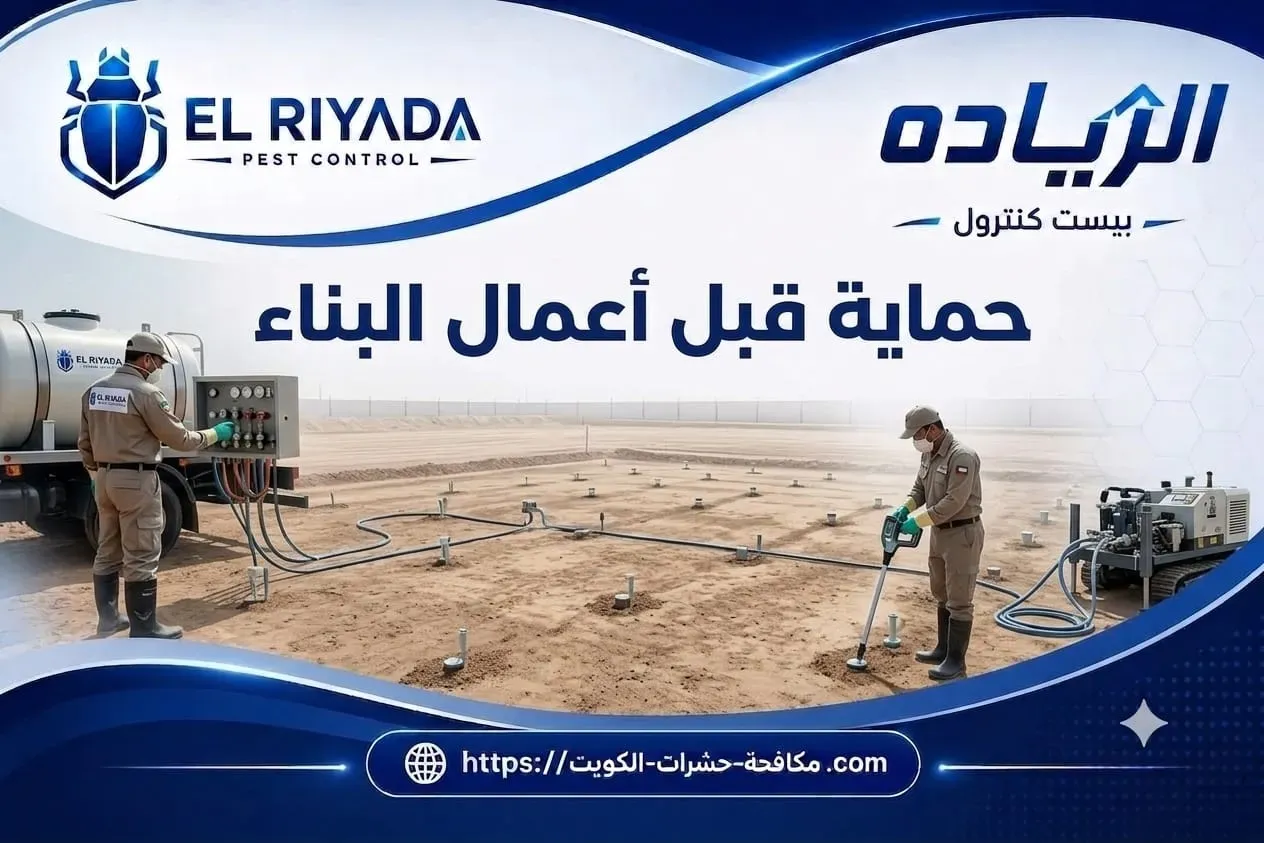
Pre-construction termite treatment is not a step that can be carried out at any point during construction and then automatically considered complete. The timing is closely connected to site conditions, the sequence of construction work, and what will happen to the treated soil afterward. The correct product may be applied using an appropriate method, yet the result can still be affected if workers disturb the treated fill, concrete work is delayed, or utility installations are carried out through the treated area. Effective protection therefore begins before the pest control team arrives through proper coordination between the property owner, contractor, and termite control company. The objective is not simply to spray the soil but to carry out treatment at the construction stage that allows the treated zone to be maintained according to product instructions and the project plan while subsequent work continues without compromising what has already been completed.
Mistakes in Termite Treatment Timing

Mistakes in termite treatment timing occur when the service date is selected according to worker availability or the desire to complete the termite control requirement quickly rather than according to actual site readiness. With preventive soil treatment before construction, the area to be treated should be clearly identified, and the work preceding that stage should have reached the required condition according to the treatment system being used.
Imagine a construction site where the fill was prepared in the morning and the contractor immediately requested termite treatment. A few hours later, the team discovers that a utility installation has not yet been completed. Workers then return to excavate part of the treated area, remove soil, and refill it. In this situation, the problem is not necessarily the product or the technician. The real issue is the sequence of construction activities because part of the treated zone was disturbed after the service had already been performed.
The opposite mistake can happen when the site is ready but treatment is delayed until subsequent construction activities make the targeted areas more difficult or impossible to access using the originally planned method. The required construction stage should therefore be identified before scheduling the service rather than contacting the termite control company after that stage has already passed.
Service timing can also affect the actual overall cost. The cheapest quotation provides little advantage if the company has to return and treat areas that were excavated or altered because of poor coordination. When comparing pre-construction termite treatment quotations, it is better to understand the treatment scope, what the contractor must complete beforehand, and what procedures apply if part of the treated area is changed after application.
• The main mistake in termite treatment timing is treating it as a task separate from the construction schedule because application quality depends on the site reaching the appropriate stage before treatment and avoiding unplanned work in the treated area immediately afterward.
• Completing utilities and other work that requires soil disturbance before the scheduled treatment reduces the likelihood that workers will need to excavate an already treated section, making advance coordination more valuable than trying to correct the problem after it occurs.
• Delaying contact with the termite control company until after the appropriate construction stage has passed may limit treatment options, so including termite protection in the project schedule is more effective than treating it as an urgent last-minute request.
• Price comparisons should include the possibility of repeated work caused by poor coordination because a properly organized service from the beginning may ultimately cost less than choosing a cheaper treatment and then paying to address areas disturbed after the first visit.
Termite Treatment at the Wrong Time
Termite treatment at the wrong time can occur even when the product being used is specifically intended for this type of application. A pesticide cannot compensate for an unsuitable construction sequence. If the soil will be subjected to extensive excavation, regrading, or partial replacement shortly after the service, the conditions under which the treatment was performed will no longer remain the same.
One situation that deserves particular attention is requesting treatment while utility teams are still actively working on the site. Plumbing, electrical, and other services may require trenches to be opened or installations to be modified depending on the stage of construction. If these requirements have not been finalized before the targeted area is treated, subsequent work may interfere with the treatment.
At the same time, the "correct time" should not be interpreted as one fixed hour or a universal waiting period that applies to every project. The instructions for the product being used, the application method, soil condition, construction stage, and site-specific circumstances determine the actual treatment requirements. It would therefore be inappropriate to give a rule such as "treatment must be completed a fixed number of hours before concrete placement" without knowing the treatment system and its instructions.
Conditions that may affect application according to the product label should also be considered. If site conditions are unsuitable on the scheduled date, an organized postponement may be more appropriate than completing the treatment simply to mark the task as finished on the construction schedule.
• Treating soil that will be excavated or replaced shortly afterward undermines the purpose of preventive treatment because the area that received the application may no longer be the same soil that remains within the final construction.
• The presence of other work teams on site requires identifying the remaining construction activities before treatment begins so that termite control does not interfere with the contractor or become compromised when utility work is completed.
• There is no single universal waiting period between termite treatment and the next construction stage that applies to every product and project, so the instructions of the treatment system and actual site conditions should be followed instead of relying on a number commonly repeated among workers.
• Keeping an unsuitable appointment is not a sign of service quality because the professional decision may be to adjust the schedule when site conditions do not allow treatment to be performed correctly and maintained through the following construction stage.
Scheduling Pre-Construction Soil Treatment
Determining the schedule for pre-construction soil treatment begins with the construction program rather than the pest control company's calendar alone. The contractor knows when preparation and utility work will be completed and when the next construction stage is expected to begin, while the pest control company understands the application requirements of the product and treatment system being used. When both parties exchange this information, the treatment date can be selected more accurately.
Before booking the service, it is important to determine whether the targeted area is genuinely ready. Construction materials or equipment blocking access, or sections that have not yet been fully prepared, may lead to uneven implementation or create a need for another visit. Ideally, the boundaries of the area to be treated should be clear to the team before application begins.
It is also useful to identify who will be responsible for notifying the pest control company about any changes made after treatment. On projects involving several work crews, a worker may excavate a treated section without realizing that the area needs to remain protected. Assigning one person to coordinate these activities can significantly reduce this type of mistake.
When comparing companies, a provider that asks about the construction stage, site readiness, and the expected timing of subsequent work gives a stronger indication of proper planning than one that simply schedules an appointment without asking any questions. Pre-construction soil treatment is directly connected to building work, so the termite control company should understand the construction schedule rather than approaching the service as simply "arrive, spray, and leave."
• The appropriate treatment date is determined when site readiness, the requirements of the treatment system, and the timing of subsequent construction work align, which is why the contractor and pest control company should jointly identify the suitable execution window for the project.
• Preparing the area and removing obstacles before the treatment team arrives helps ensure that the specified locations can be treated without interruptions or inaccessible sections caused by construction materials and equipment that could have been organized beforehand.
• Assigning a clearly responsible person for post-treatment coordination reduces the possibility of treated soil being altered without understanding the consequences, particularly on projects where several work crews and subcontractors are operating at the same time.
• When choosing a pre-construction termite treatment company, asking about the construction stage and what will happen after treatment is an important indicator of planning quality because preventive termite protection begins with understanding the project before any product is applied.
Delaying Termite Treatment Before Construction
Delaying termite treatment before construction may cause the project to move beyond the stage when access to the targeted soil was easier and more compatible with the planned treatment. The issue is not that every delay will inevitably result in a future termite infestation. Rather, postponing coordination can make it more complicated to carry out the intended preventive treatment once construction has progressed.
For example, the contractor may be ready to move to the next construction stage and then remember the termite treatment requirement at the last minute. The project is suddenly placed under time pressure: either the next stage must wait until treatment is properly completed, or the pest control service has to be fitted between other construction activities. Early planning helps prevent this conflict from developing in the first place.
Termite treatment should not be presented as a reason to delay the project unnecessarily either. The objective is to include the treatment date in the construction schedule from the beginning and understand the requirements of the product and application method so that an appropriate execution window can be allocated without unexpected disruption.
From a cost perspective, delays may also create additional requirements if certain areas become more difficult to access or the project requires new coordination. For this reason, booking the cheapest service at the last minute is not always more economical than arranging the treatment early and clearly understanding its scope.
• Delaying coordination until the next construction stage is about to begin places both the contractor and the pest control company under unnecessary pressure that could have been avoided by including termite treatment as a clearly scheduled part of the construction program from the beginning.
• Progress in construction may change accessibility to some targeted locations, making it more practical to plan treatment before the appropriate stage has passed rather than attempting to recreate earlier site conditions after parts of the project have already been closed.
• Identifying service requirements in advance helps prevent conflicts between construction teams because each party knows when its work should be completed and when the targeted area needs to be handed over to the soil treatment team.
• The real cost of delay may include rearranging workers, additional visits, or treating areas whose conditions have changed, so the value of proper planning should be considered alongside the price of the individual treatment service.
Soil Treatment Before Concrete Placement
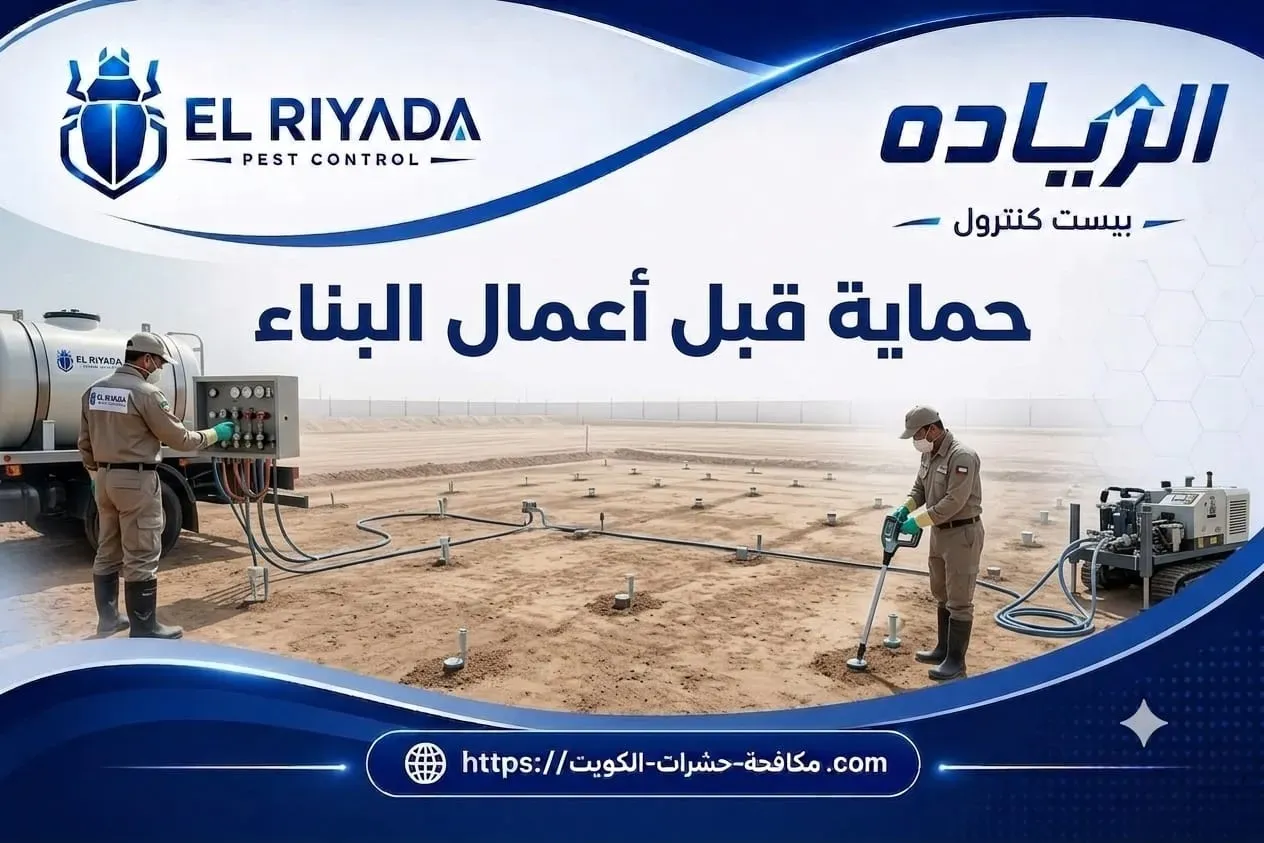
Soil treatment before concrete placement is one of the construction stages that requires careful coordination because the objective is to treat the specified area at an appropriate stage before it is covered according to the preventive treatment system being used. Once construction progresses, access to this soil changes, making it important for the project team to know when the area is genuinely ready for treatment.
Before application, the work that requires soil disturbance within the targeted area should be completed as far as required by the project plan. If treatment is performed and workers later return to excavate a utility route or modify part of the fill, the area will no longer remain in the same condition as it was when the treatment was applied.
At the same time, there is no universal rule that determines exactly when concrete should be placed after termite treatment in every situation. The instructions for the approved product, the application method, and site requirements should be followed. The treated area should also be protected from activities that may affect it during the period between treatment and completion of the next construction stage.
One practical mistake is assuming that a visibly wet soil surface is the only indication of successful treatment. Treatment quality should not be evaluated solely by appearance. It depends on following the required application rate, method, and treatment scope according to product instructions and the implementation plan.
• Soil treatment should be integrated into a known sequence of construction activities so that an area is not treated and then excavated or replaced because of utility work that should have been completed before the site was handed over to the pest control team.
• Moving from soil treatment to concrete placement should comply with the requirements of the product system being used and actual application conditions because specifying one fixed waiting period without knowing these details may provide inappropriate guidance for the project.
• Protecting the treated area after application is a shared responsibility between the pest control team and the contractor because treatment quality may be affected if the soil is altered before the following construction stage is completed.
• Evaluating treatment quality solely by how wet the soil appears is inaccurate because professional application depends on meeting specified application requirements rather than making the soil surface look heavily saturated in front of the customer.
Stages of Pre-Construction Soil Treatment
Understanding the stages of pre-construction soil treatment prevents the service from being treated as a single visit disconnected from the construction process. The procedure begins before application by reviewing the construction stage, identifying the area included within the service, and confirming that it is ready. Treatment is then performed, followed by protecting the treated area and coordinating any subsequent work that could affect it.
The first stage is planning. The pest control team needs to understand the nature of the area requiring treatment and whether any construction work remains unfinished. This information helps determine the appropriate appointment and prevents the team from arriving at a site that is not actually ready.
The application stage then follows according to the product being used and the requirements of the site. At this point, the contractor should not ask the technician to change the concentration or add improvised mixtures in an attempt to "make the treatment stronger." Following the product instructions is an essential part of both safe and effective application.
After treatment, another equally important stage begins: protecting the completed work. If the contractor later needs to excavate or modify part of the treated area, the location should be documented and communicated so that the appropriate action can be determined instead of simply ignoring the change.
Finally, maintaining a service record showing the treatment date, treated area, and important implementation details is valuable. These records help the property owner and contractor understand what was completed instead of relying on workers' memories after construction has progressed.
• The planning stage influences the success of everything that follows because it identifies unfinished construction activities and potential obstacles before they become problems after the treatment team arrives on site.
• The application stage should follow product instructions and the treatment plan without arbitrary changes to mixing or use because increasing the amount of product without proper guidance is not a reliable measure of stronger protection.
• The post-treatment stage requires controlling work that affects the treated area so that part of the completed treatment is not compromised by excavation or soil replacement that was never communicated to the pest control company.
• Recording the service date and treated area provides an important project reference particularly when work teams change or construction continues for an extended period and the details of individual stages become difficult to remember.
Protecting Foundations During Construction
Protecting foundations during construction begins with understanding that preventive termite treatment is one part of a broader protection system rather than an independent guarantee that continues to work regardless of what happens on the site after application. A treated area may be affected if the soil is changed, excavation takes place, or modifications are made within a section connected to the original treatment scope.
For this reason, the site supervisor and contractor should know which areas have already been treated and ensure that changes are not made without being recorded. If plumbing, electrical, or other utility work later requires opening part of the soil, the location of that change can be identified and its impact assessed rather than leaving an undocumented point that may require attention.
Protection also extends to implementation details around the building according to the project plan and the selected treatment system. It is incorrect to assume that treating one area automatically protects every future section of the building when additional stages, extensions, or other areas may require separate treatment.
• Foundation protection does not end when the pest control team leaves the construction site because maintaining treated areas as the project progresses is an essential part of preserving the value of the completed treatment.
• Recording any subsequent excavation or modification prevents information about affected treatment areas from being lost and allows the appropriate action to be determined instead of discovering the issue only after the area has been closed.
• Different construction stages should be included within a clear plan because treating one part of a project does not automatically mean that extensions or spaces constructed later are included within the same treatment scope.
• Communication between the site supervisor, utility teams, and pest control company makes foundation protection an ongoing part of project management rather than the responsibility of the treatment team only on the day of application.
Soil Treatment Mistakes Against Termites
Soil treatment mistakes against termites include problems in planning and application as well as what happens after the service has been completed. Some of the most important mistakes include treating an area that is not ready, overlooking parts of the required treatment scope, or allowing the soil to be altered after application without informing the company responsible for termite control.
Improvising pesticide mixtures or changing the way a product is used outside its instructions is also a mistake rather than a method of increasing protection. Professional treatment depends on using a product appropriate for the intended purpose and applying it according to the approved label and the requirements of the site.
Another mistake is failing to document the area that was treated. After several months of construction progress, it may become difficult to determine whether a particular location was included in the original treatment, especially if the contractor or supervision team has changed. Maintaining a clear record significantly reduces this uncertainty.
Preventive treatment should also not be presented as a promise that termites can never appear under any future circumstances. The objective is to reduce the risk of termite access according to the treatment system that has been implemented while recognizing the continuing importance of application quality, preservation of treated areas, and monitoring changes made during construction.
• Applying treatment to an area where construction work has not stabilized increases the possibility that the soil will later be disturbed, so the treatment zone should be confirmed as ready before application rather than relying on repeated treatment after every modification.
• Changing application rates or adding mixtures that are not specified in the product instructions does not make the program stronger because following approved product directions is fundamental to responsible and professional termite treatment.
• The absence of a plan or record showing treated areas may create confusion during later construction stages, making documentation a practical part of project quality management rather than paperwork with no useful purpose.
• Preventive protection becomes more reliable when correct application is combined with preservation of the treated area and proper coordination afterward instead of depending on spraying alone as a guarantee that operates independently of the rest of the construction work.
Validity of Pre-Construction Termite Treatment

The validity of pre-construction termite treatment is sometimes misunderstood as a fixed period that begins on the day of application and automatically expires after a specific number of years regardless of the product or building conditions. In practice, there is no single duration that can be applied to every product and every construction project in such a simple way.
Information about product effectiveness depends on the registered product, its instructions, the method of application, and the conditions to which the treated area is exposed afterward. It is also important to distinguish between the characteristics of the product and the warranty period offered by the pest control company because these are not necessarily the same thing.
The value of the treatment is also influenced by what happens on the construction site. If part of the treated soil is removed during later excavation, asking only how long the pesticide remains effective is no longer enough because the soil that originally received part of the treatment may itself have been altered or removed.
For this reason, service records, product information, and warranty conditions should be retained, and the customer should understand which situations require the company to reassess the treated area. This information is more useful than relying on a commonly repeated claim about how long termite soil treatment "lasts" without knowing where that claim came from or whether it applies to the specific project.
• The effective period of pre-construction termite treatment should not be generalized as one fixed number for every situation because products, application conditions, and changes made to construction sites after treatment are not identical across projects.
• A pest control company's warranty and the technical characteristics of the treatment product are different concepts, so customers should review the service conditions rather than assuming that the number of warranty years automatically represents the technical lifespan of the product under every circumstance.
• Removing or changing soil after treatment changes the nature of the question about treatment validity because the issue may involve the loss of part of the treated zone rather than simply the product becoming less effective over time.
• Keeping the product name, application date, treatment scope, and warranty conditions gives the property owner a more reliable reference for evaluating protection in the future than depending on general information that is not connected to the specific construction project.
Coordinating Soil Treatment With the Contractor
Successful coordination of soil treatment with the contractor begins before the service date is selected. The contractor needs to know which work must be completed before the pest control team arrives, while the company needs to know when the area will actually be ready and when the following construction activities are expected to begin. Sharing this basic information prevents many of the problems caused by different construction teams working in the same area without proper coordination.
It is preferable to have one person responsible for communication on the project rather than allowing information to pass between several workers. If the concrete schedule changes, additional excavation becomes necessary, or utility installations have not been completed, the termite control company can then be informed before treatment is carried out rather than after the treated area has already been affected.
Coordination is also useful for identifying the areas that will be treated during each stage when a project is being completed in separate sections. This approach prevents the team from relying on memory to determine which areas have already been completed and which remain untreated, while allowing every treatment stage to be documented separately.
If a change does occur after treatment, it should not be concealed out of concern about possible additional costs. Identifying the area that was excavated or where soil was replaced allows it to be evaluated early, while ignoring the change may leave a potential weak point whose importance only becomes apparent after construction has been completed.
• Assigning one person to manage communication reduces the risk of information being lost between the contractor, workers, and pest control team and ensures that changes to the construction schedule are known before they affect the treatment appointment.
• Sharing the schedule of activities planned around the treatment date helps identify conflicts early, particularly when utility installations or other work may require soil disturbance within the targeted treatment area.
• Dividing a large project into documented treatment stages makes it easier to monitor different sections and prevents the assumption that a single visit automatically covered every area constructed at different times.
• Informing the pest control company about excavation or modifications made after treatment allows the affected section to be assessed at the appropriate time rather than continuing construction over an altered area without review.
Why Choose Al Reyada Pest Control in Kuwait?
Al Reyada Pest Control can be a strong choice for pre-construction termite soil treatment in Kuwait when the service is approached as part of the construction process rather than as a separate spraying visit. The value of the service begins with understanding the condition of the project, identifying the targeted area, and coordinating the appointment with actual site readiness and the requirements of the selected treatment system.
Experience is also reflected in communication with the contractor. Asking what work will be completed before treatment and what will happen afterward helps reduce the possibility of treating soil that is later excavated because a utility installation was left unfinished. These details may appear simple, but they can directly affect the quality and continuity of the completed treatment.
The application method should also follow the instructions for the approved product and actual site conditions without arbitrarily increasing concentrations or promising a fixed protection period that is not supported by the treatment system being used. Credible information is more valuable than exaggerated promises.
When comparing companies, asking only about the price per square meter or the total cost of the visit is not enough. It is better to understand the service scope, documentation, coordination process, what happens if part of the treated area is changed afterward, and the available warranty conditions.
• Al Reyada Pest Control can stand out when the treatment appointment is connected to the actual construction stage because treating the soil at the right point in the project is more important than completing a quick visit at a site that is not ready.
• Coordination with the contractor before application helps preserve the value of the treatment by identifying predictable work such as unfinished utilities or additional soil disturbance before it affects an already treated area.
• Following product instructions and documenting the treatment scope gives the customer a clearer basis for reviewing the service in the future instead of depending on general promises about pesticide strength or how long protection will last.
• Comparing a company according to planning, application, documentation, follow-up, and warranty conditions provides a more realistic picture of service value than choosing according to price alone.
Conclusion
Mistakes in termite treatment timing are often connected to failing to integrate the service with the construction sequence, while termite treatment at the wrong time occurs when the soil is still likely to be disturbed by upcoming work or when the project has already moved beyond the stage originally planned for treatment. For this reason, determining the schedule for pre-construction soil treatment begins with coordination between the contractor and the pest control company.
Delaying termite treatment before construction may make implementation more complicated after the project progresses, while soil treatment before concrete placement requires proper site readiness and compliance with the requirements of the treatment system. Understanding the stages of pre-construction soil treatment also helps protect the work before application, during treatment, and after the service has been completed.
Protecting foundations during construction continues by preserving treated areas and documenting any subsequent changes, while soil treatment mistakes against termites may involve poor planning, incorrect application, or inappropriate handling of the area after treatment. The validity of pre-construction termite treatment cannot be reduced to one fixed number for every situation, and coordinating soil treatment with the contractor remains one of the most important factors in ensuring that the preventive program is carried out at the correct construction stage.
Frequently Asked Questions
When is the right time for pre-construction termite treatment?
The appropriate time depends on the construction stage, readiness of the targeted area, requirements of the product being used, and the work scheduled before and after treatment. The contractor and pest control company should therefore coordinate before setting the service date.
Can soil treatment be carried out before utility work is completed?
If the remaining work will require excavation or disturbance of the targeted area, it may affect the treatment. The construction sequence should therefore be reviewed before the soil is treated.
Should soil be treated immediately before concrete placement?
The timing of treatment and the following construction stage should comply with the treatment system, product instructions, and actual site conditions. One universal waiting period should not be applied to every project.
What happens if the contractor excavates treated soil afterward?
The affected area should be identified and the pest control company informed so that the appropriate action can be evaluated because removing or replacing treated soil may affect the treatment previously applied there.
Can delaying termite treatment cause problems?
A delay may cause the project to move beyond the most suitable treatment stage or make certain areas more difficult to access. Early planning is therefore preferable to arranging the service at the last minute.
Does increasing the pesticide concentration provide stronger protection?
The concentration should not be changed without proper authorization because application must follow the instructions for the approved product and its specified method of use.
How do I know whether the site is ready for soil treatment?
The targeted area should be clearly identified and accessible, while construction work that may require disturbing that area should be coordinated according to the project plan and treatment requirements.
Does treating one section protect the entire building?
Not necessarily, particularly when construction is completed in stages or additional sections will be built later. The scope of every treatment stage should therefore be clearly identified and documented.
How long does pre-construction termite treatment last?
There is no single duration that can be applied to every treatment because effectiveness depends on the product, application method, site conditions, and what happens to the treated area after the service.
Is the warranty period the same as the effective life of the treatment?
Not necessarily. A warranty is governed by the service conditions offered by the company, while product characteristics depend on its approved instructions and the conditions under which it is used.
Can rain or site conditions affect the treatment schedule?
Environmental and site conditions should be considered according to the product label and application requirements. The appointment may need to be changed when conditions do not allow the treatment to be carried out correctly.
Who is responsible for coordinating soil treatment on a construction project?
It is preferable to appoint a clearly responsible person from the project team to coordinate between the contractor, other work crews, and the pest control company so that site readiness and changes to the schedule are properly communicated.
Should records of pre-construction termite treatment be kept?
Yes. Keeping the service date, scope of treated areas, product information, and warranty conditions provides an important reference as construction progresses and if the treatment needs to be reviewed later.
How should I compare pre-construction termite treatment prices?
Compare the treatment scope, application method, documentation, contractor coordination, follow-up, and warranty conditions alongside the price because the cheapest quotation may not include the same level or scope of service.
Why choose Al Reyada Pest Control for soil treatment?
Al Reyada Pest Control can be a strong choice when the service is coordinated with the construction stage, planned with the contractor, clearly defines the treatment scope, follows product requirements, and documents the completed work properly.
