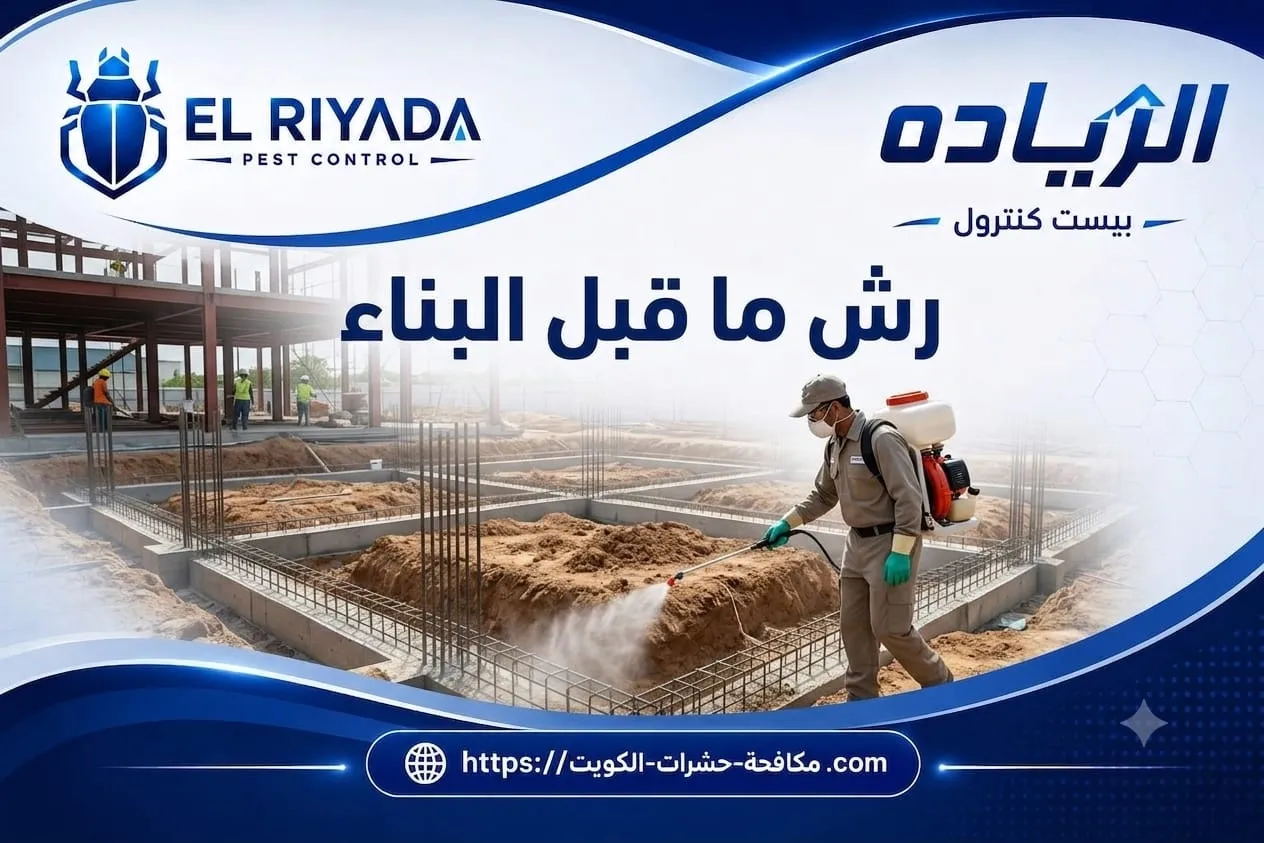
Choosing a Pre-Construction Soil Treatment Company is not a minor decision that should be postponed until the last moment before concrete work begins. Soil treatment against termites is performed during a sensitive construction stage that can be difficult to repeat in the same way once the structure has progressed. A mistake at this point does not simply mean repeating a routine pest control visit. It may leave part of the foundations or treated fill without the intended protection. This is why the right company should understand construction sequencing, treatment areas, product quantities, timing, coordination, and documentation. In this guide, we explain how to choose a suitable soil treatment company in Kuwait, the difference between a low price and a complete service, what a written guarantee should contain, and how to recognize professional implementation rather than a quick application with no clear treatment plan.
Pre-Construction Soil Treatment Company

Choosing a Pre-Construction Soil Treatment Company begins with understanding that this service forms part of a construction stage rather than functioning like a standard household pest control visit. Treatment is normally carried out before certain sections of the project are closed or covered, which makes timing and coordination with the contractor or site supervisor extremely important. A company that arrives after the appropriate stage has passed may no longer be able to provide the same treatment scope that was possible before concrete work or before the soil was covered.
The first step is reviewing the treatment area and the stage of construction. A professional company needs to understand the actual area requiring treatment, the type of construction stage involved, and whether the work concerns soil beneath slabs, areas around foundations, or other sections included within the project scope. This prevents random estimation of product quantities and connects the service directly to the site conditions.
Coordination with the construction team is also essential. Soil treatment should be performed at a time when the treated surface will not immediately be disturbed by work that can interfere with the application before the next construction stage is completed. Communication with the contractor or supervisor is therefore not an optional extra. It is part of effective implementation.
A positive sign is when the company provides clear information about the product being used, the method used to calculate the required quantity, and the intended coverage instead of relying on vague statements such as, "We use a very strong chemical." The client or contractor does not need to become an expert in chemistry, but there should be a technical basis for both the quantity and the application method.
The treated area, execution date, and construction stage should also be documented. These details can become useful later if the property owner needs to review the project record or confirm what was actually completed. A company that treats soil protection as a documented construction stage generally provides a more professional service than a provider that finishes the application and disappears as if it had simply delivered an order.
• Pre-construction soil treatment should be carried out at the appropriate construction stage because delaying the service may prevent access to areas that become covered after concrete work or later construction stages.
• Identifying the treatment area and construction stage in advance helps calculate product quantities and service scope more accurately instead of relying on a general estimate that is not connected to the site.
• Coordination with the contractor or site supervisor is necessary so treatment is performed at the correct time and is not immediately disturbed by later work before the next stage begins.
• The company should clearly explain the product being used, the coverage method, and the basic quantity calculation so the treatment can be reviewed instead of remaining an undocumented application.
• Recording the treatment date, area, and construction stage creates a useful project record that can be referred to later and improves the long-term reliability of the service.
Soil Treatment Company in Kuwait
When choosing a Soil Treatment Company in Kuwait, it is not enough to ask only for the price per square meter. A low price does not reveal whether the company will apply the correct quantity, cover the entire required area, or provide proper documentation after treatment. The correct comparison begins by understanding exactly what the quotation includes and only then evaluating the price.
The first element is the scope of the service. Does the quotation cover the full soil area that requires treatment, or only part of it? Are additional areas around foundations or other specified zones included in the calculation? Clarifying these items prevents disagreements once work begins on site.
The second factor is the method used to calculate the product quantity. A professional company should not depend on rough visual estimates when clear measurements are available and can be connected to the application requirements of the selected product. The more structured the calculation is, the easier it becomes to understand why a particular quantity and price were proposed.
Customers should also know whether the quotation includes the site visit, treatment application, documentation, and a written guarantee if one is offered. A quotation may initially appear cheaper simply because important service elements are excluded and later calculated separately. For this reason, the complete service cost is more meaningful than the first number presented.
A site inspection or accurate project information from the contractor can also reduce the likelihood of later price changes. For straightforward projects, drawings, measurements, and photographs may sometimes provide enough information for an initial quotation. More complicated sites may require an on-site visit to establish the work scope more accurately.
Experience in construction environments also becomes visible through scheduling and coordination. A project cannot always wait several days for the soil treatment company while workers, equipment, and concrete operations are ready. The ability to arrive at the agreed time and fit the service into the construction sequence therefore becomes a very practical selection factor.
Ultimately, a good company does not use a low price to compensate for an unclear scope. Every important element should be identifiable: treatment area, product, application method, scheduled timing, documentation, and any guarantee connected to the service.
• Company quotations should be compared according to the same treatment scope because a low per-meter price for limited work is not equivalent to a quotation covering the full required area.
• Calculating product quantity according to clear measurements provides a stronger indication of professionalism than relying on rough estimates that cannot easily be reviewed.
• The final quotation should clarify whether application, documentation, guarantee, and site attendance are included so unexpected additions do not appear after the project has started.
• Accurate site information or a preliminary inspection helps reduce later price changes and makes the initial quotation more closely reflect actual implementation requirements.
• Commitment to the agreed treatment time and coordination with the contractor form an essential part of the service because delayed treatment can interrupt an entire construction stage.
Approved Soil Treatment Company
Searching for an Approved Soil Treatment Company essentially means looking for a provider whose service can be identified, documented, and referred back to later rather than relying on an individual who applies a chemical and leaves the site. In this context, approval and professionalism are connected to clear company details, service documentation, invoicing or relevant records, product information, and traceable implementation because the work forms part of a construction project and may need to be reviewed later.
Begin by confirming the identity of the provider performing the work. The customer should know the company name, official communication channels, and who is responsible for the service. This is important if follow-up or clarification is required after the treatment stage has been completed.
Next, ask about the product being used. The property owner does not need to become a pesticide specialist, but the product should have a clear name and be applied according to its instructions. A company that refuses to provide any information about the treatment material leaves the customer without a practical reference.
Documentation is especially important in soil treatment work. The service record should ideally include the execution date, treatment area, construction stage, and other basic information related to the work. Documentation does not by itself prevent future problems, but it makes the completed service easier to confirm and review.
Guarantee conditions should also be clear whenever they are included in the quotation. The word "guarantee" alone is not enough. Customers should understand its duration, what it covers, what circumstances are excluded, and what responsibilities the contractor or property owner must meet for the coverage to remain valid.
A professional provider should also avoid treating the service as a competition for the lowest price. An economical quotation can still provide excellent value, but the work scope, product, documentation, and implementation details must remain clear. A cheap price is not proof of approval, otherwise anyone holding a spray hose would suddenly qualify as an entire regulatory authority.
• Verify the company's identity and official contact information because the service is connected to a construction stage and you may need to contact the provider again later.
• The product name and application method should be clearly identified so the treatment can be reviewed instead of remaining a service with unknown technical details.
• Recording the treatment date, area, and construction stage adds an important level of reliability and helps preserve a useful construction project record.
• Guarantee conditions should be written and understandable in relation to duration, coverage, exclusions, and any responsibilities that may affect the agreement.
• Professionalism is not measured by the lowest price alone but by clear procedures, product information, documentation, and implementation according to a treatment plan that can be reviewed.
Soil Treatment With a Written Guarantee
Having Soil Treatment With a Written Guarantee can add important value to the service, but the guarantee should not be misunderstood as a magical document promising that termites will never appear under any circumstances regardless of what happens later in the project. A professional guarantee should clearly explain what work was completed, how long the coverage remains valid, which conditions apply, and which circumstances may affect that coverage. A guarantee without these details is little more than an attractive sentence printed on paper.
The guarantee should first identify the essential project information. This includes the service location, treatment date, the area or scope that was treated, and the construction stage during which the application was completed. These details matter because they connect the guarantee to a specific piece of work instead of leaving it as a general document that does not clearly show where or how treatment was performed.
There should also be clear documentation linking the service to the product used and the basic application method. The customer or contractor does not need to study complicated chemical details, but there should be enough information to confirm that the treatment followed a known program rather than being carried out randomly.
Guarantee duration is another essential point. It is not enough to say that "the work is guaranteed." Customers should know how long the guarantee lasts, when the coverage period begins, and what situations are included. Certain conditions may relate to whether treated soil is later removed, disturbed, excavated, or altered by subsequent construction work. These conditions should be understood before the agreement is signed.
It is also important to know what happens if a problem appears during the guarantee period. Will the company inspect the location again? Are there conditions for repeat treatment? Are there untreated sections that were outside the original scope? A defined review process is much more useful than a vague promise that becomes difficult to apply when an issue actually occurs.
The guarantee should never be treated as a substitute for good implementation. A company that provides a long guarantee but performs rushed treatment without proper measurement or documentation does not become a better provider simply because the paper looks impressive. The real value of the guarantee comes when it follows clearly defined and documented work.
• The guarantee should identify the project location, treatment date, and treatment scope so it can be connected to a specific service that can be reviewed later.
• It is better to maintain a record of the product or system used and the basic application method because documentation increases the reliability of the service.
• The guarantee duration, start date, and continuation conditions should be clearly defined rather than relying on general phrases such as "guaranteed for years."
• Later construction work that removes soil or changes treated areas may affect the coverage, so these situations should be understood in advance.
• A written guarantee adds real value when it follows organized and documented implementation and should never be considered a replacement for the quality of the soil treatment itself.
Soil Treatment Company Against Termites
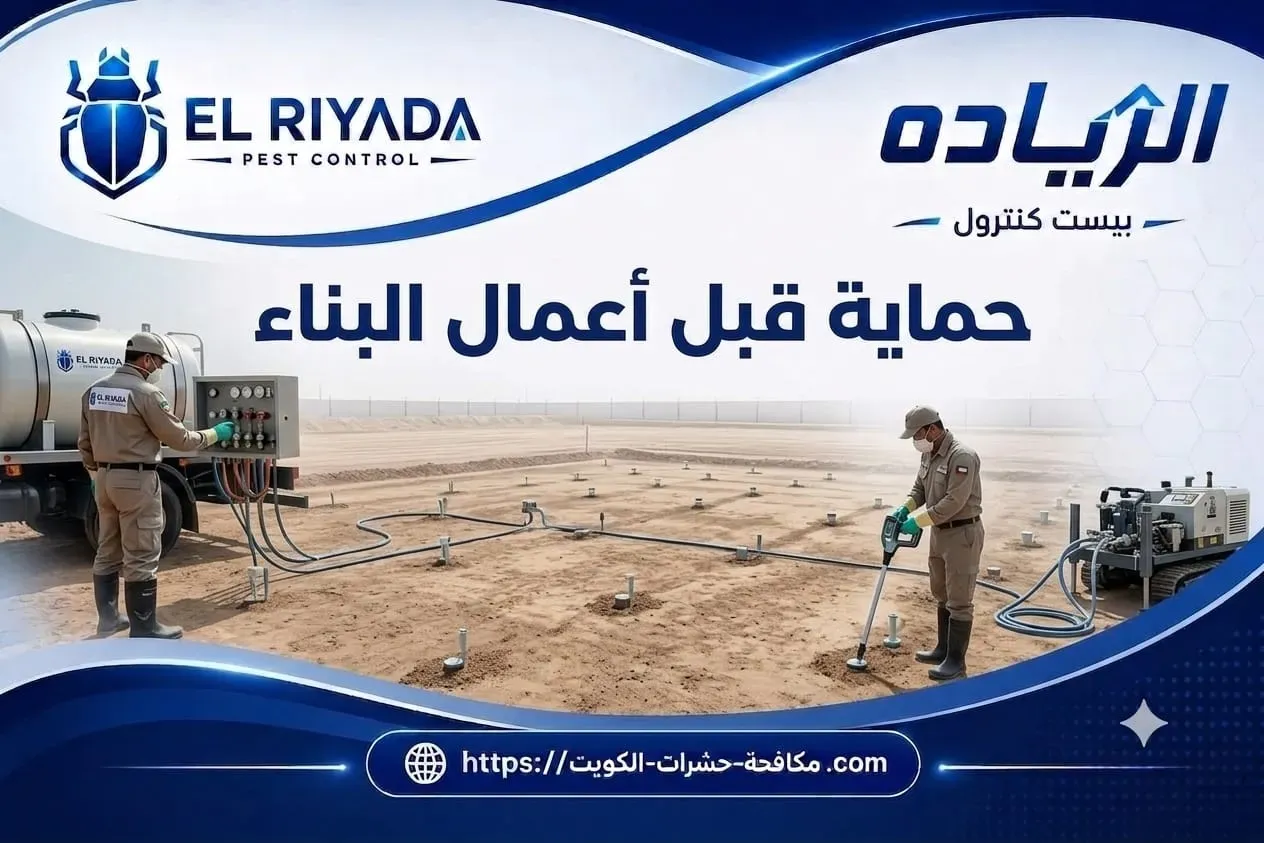
A Soil Treatment Company Against Termites performs a different role from a company called after termite activity appears inside a completed building. Pre-construction treatment is primarily preventive and takes advantage of the fact that soil and certain structural areas are still accessible before they are covered by concrete and finishing work. This provides an important opportunity to carry out treatment at a stage where access is easier and more controlled.
The first step is identifying the areas included in the treatment scope. Knowing only the total plot size is not always enough if the treatment applies to specific sections of the project. Drawings, measurements, or coordination with the site supervisor can help define the required areas more accurately.
The condition of the soil also matters. The treatment area should be in a condition that allows the application to be distributed appropriately. Standing water, major soil disturbance, or active construction work at the same moment can interfere with organized treatment, which is why coordination with the contractor is important.
Timing is one of the most critical parts of the service. Treatment needs to take place before the relevant area is covered or before the next construction stage makes access difficult. A company that understands construction sequencing can identify the correct moment for treatment instead of treating the service as something that can be carried out at any random point in the project.
Product quantity and distribution should also follow the instructions for the specific treatment product being used. The principle is not that more product automatically means better protection. Professional implementation depends on the correct application rate and method. Randomly increasing the amount does not represent expertise, while applying too little may result in insufficient coverage.
Documentation after completion is equally valuable. Photographs, a short report, or a record of the treated area and execution date can provide the contractor and property owner with a clear reference for the construction file.
Pre-construction soil treatment does not eliminate the future need for every type of pest control service. It is a separate preventive measure designed specifically to address termite risk at an early construction stage. Its value comes from timing, coverage, and implementation quality rather than simply completing the spraying quickly before concrete arrives.
• Clearly identifying the targeted treatment areas prevents the entire construction site from being treated as one undifferentiated space and helps connect the service to the correct construction stage.
• Soil condition at the time of application matters because treatment requires circumstances that allow suitable distribution without immediate disturbance of the treated surface.
• Completing treatment before the area is closed or concrete is poured is essential and should not be left to chance or last-minute coordination.
• Product quantities should be calculated according to the actual area and the instructions for the selected product because random increases or reductions do not represent professional implementation.
• Documentation after treatment gives the contractor and property owner a useful reference and helps confirm that the service was completed within a defined scope.
Professional Soil Treatment Technician
The role of a Professional Soil Treatment Technician is not limited to holding a hose and distributing treatment material across the ground. Implementation quality depends on understanding the site, organizing the application, and making sure the correct areas are treated at the appropriate time. The technician is the person who converts the company's treatment plan into actual work, so experience becomes visible immediately in the way the site is assessed and coordinated with the construction team.
A good technician begins by confirming the boundaries of the treatment area. Application should not start before it is clear where the required zone begins and ends and which sections are outside the current scope. Measurements or guidance from the site supervisor help prevent insufficient coverage or unnecessary overlap.
The condition of the site should then be checked. Is the soil ready? Are workers still moving or leveling the fill? Will heavy equipment pass over the area immediately after treatment? These details matter because even a properly distributed application can be affected if the treated surface is disturbed by uncoordinated construction activity.
During treatment, distribution should be organized and consistent with the planned application method rather than fast and random. The objective is to cover the required area as evenly as practical according to the system being used, not simply to finish the site in the shortest possible time.
A professional technician also follows appropriate safety procedures. Personal protective equipment, handling the product according to its instructions, and controlling access to the work area are all basic elements of professional service. Construction sites already contain enough hazards without adding the exciting bonus feature of pesticide going in every direction and everyone hoping for the best.
After treatment is completed, the technician or supervisor should confirm that the agreed areas have been covered and that appropriate documentation is available. Any section that was not ready or could not be reached should be recorded rather than ignored and later counted as completed.
Communication with the contractor is also important. A technician who can explain what was completed, what still requires work, and any instructions related to the next construction stage adds practical value to the project.
• A professional technician confirms the boundaries of the treatment area before application begins so coverage does not become random or incomplete.
• Reviewing soil condition and the movement of workers and equipment helps prevent treatment from being carried out at a time when it may be immediately disturbed.
• Product distribution should follow the treatment plan and application instructions instead of becoming a rushed process focused only on finishing quickly.
• Personal protective equipment and compliance with product instructions are part of professional implementation and should never be separated from service quality.
• Any area that is not ready or cannot be reached should be documented clearly so the project is not considered fully treated while certain sections remain incomplete.
Building Foundation Treatment Company
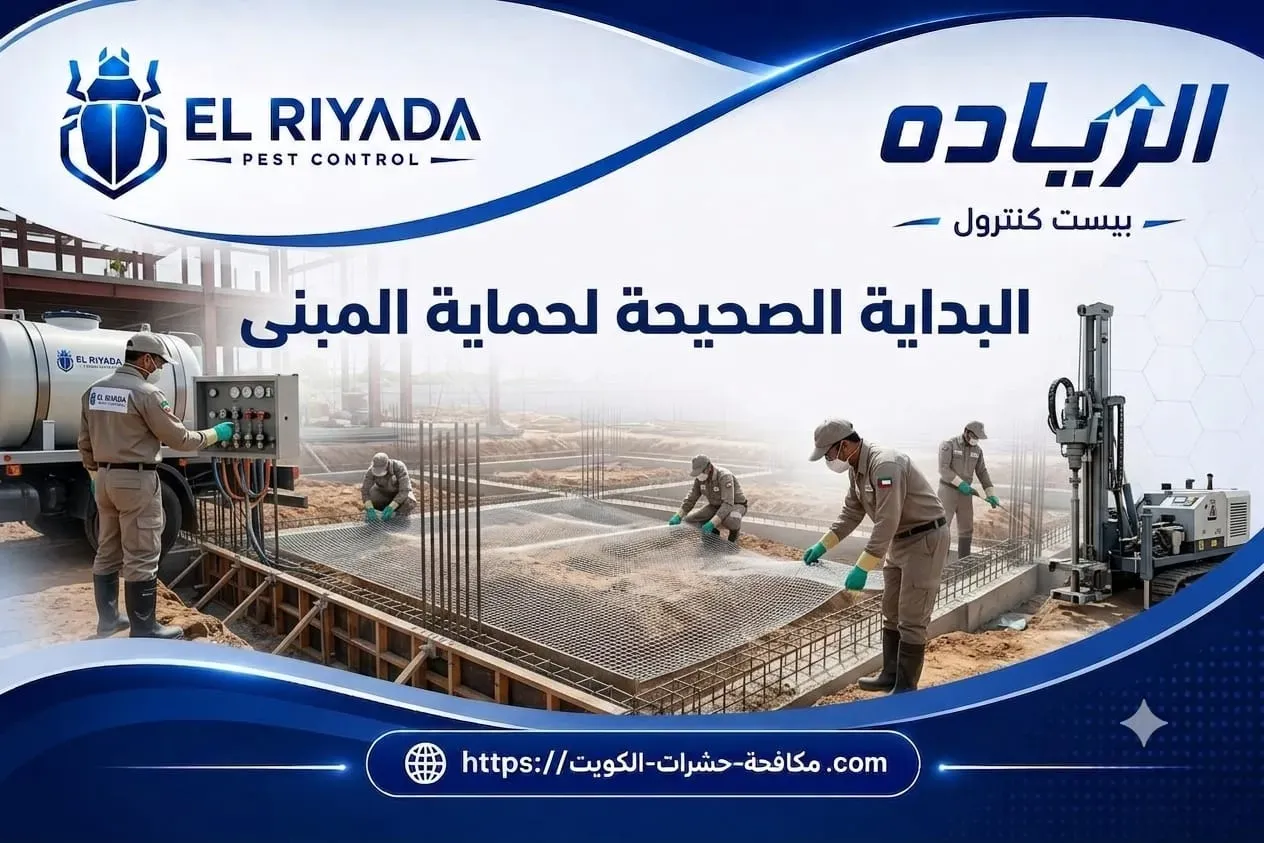
Choosing a Building Foundation Treatment Company requires understanding the difference between preventive soil treatment during construction and termite treatment after a building has already been completed. During the foundation stage, important sections of the site remain accessible before they are closed by concrete or later structural work. This makes treatment planning more straightforward, but it also makes timing more sensitive. Any delay in coordination may allow construction to progress beyond the most suitable treatment stage, making certain areas more difficult or impossible to reach in the same way they could have been treated earlier.
A professional company begins by identifying the exact construction stage at which treatment is required. The phrase "foundation treatment" is often used broadly, but the project itself may include several phases and different zones. The contractor or site supervisor should therefore agree on the service boundaries before the technician arrives rather than leaving the decision to be made on the spot without preparation.
The actual treatment area is another essential element. Clear measurements or site information should be used to determine the scope of work and the required product quantity according to the instructions for the selected treatment material. Having drawings or accurate contractor data helps reduce errors, particularly in projects containing multiple sections.
Treating one part of the project does not automatically mean that every foundation area or the entire building has been treated. If the work will be completed in stages, each stage should be recorded separately so the property owner knows which areas have already been completed and which still require treatment.
Coordination with the construction schedule is also critical. If concrete or covering work is planned for a specific time, treatment should be arranged in advance so the team can complete the service properly without unnecessary last-minute pressure. A company experienced in construction sites should not wait until the concrete truck has already arrived and the contractor is standing over the technician shouting, "Come on, everyone, the mixer is here!" before trying to rescue the situation in the final ten minutes.
The treated area should also be protected from unnecessary work that could alter its condition before the next construction stage is completed. The site supervisor should therefore know when treatment has finished and understand that later changes to the treated zone may need additional assessment.
Documentation follows implementation. Recording the treated area, date, construction stage, product used, and any sections that were not ready makes the project easier to track, especially when the work is carried out across multiple visits.
• Identifying the required construction stage before the treatment team arrives helps prevent the service from being performed too late or after areas that were previously accessible have already been closed.
• Using project drawings or actual measurements helps determine the foundation areas requiring treatment instead of relying on a quick visual estimate.
• When the project is divided into several stages, each stage should be documented independently so treated and untreated areas can be clearly identified.
• Coordination between the pest control company and the contractor reduces unnecessary pressure and gives the treatment team enough time to complete the application in an organized way before the next construction activity.
• Recording the stage, area, date, and any excluded sections provides a clear project record that can be reviewed throughout construction and after the building is completed.
Pre-Construction Termite Control Company
A Pre-Construction Termite Control Company performs a different type of work from a provider treating termites inside a completed home because the primary objective is prevention. The treatment team does not wait for mud tubes, damaged wood, or visible infestation signs to appear. Instead, soil and selected construction areas are treated at an early stage as part of a preventive strategy intended to reduce the likelihood of termites moving from the soil into building elements later.
This distinction matters when selecting a company. A provider that treats termite control only as "spraying pesticide" may fail to recognize the relationship between treatment and the construction sequence. The required company should understand that the service is connected to a specific time, clearly defined areas, and application quantities that must be controlled according to the selected product.
A professional company should also avoid absolute promises that termites will never appear in the building under any future circumstances. Buildings can later undergo excavation, extensions, structural changes, or other work that can affect the original preventive system. Credibility matters more than dramatic claims. A good service explains what is being done and where its limits are instead of selling unrealistic guarantees.
The relationship between the initial treatment and later construction stages should also be understood. If parts of the project remain open and will be completed at a later date, they should not automatically be assumed to have been included in the first treatment. Recording the scope of each stage prevents untreated zones from being overlooked because of poor communication.
Product selection and application method cannot be separated from service quality. The product should be used according to its approved instructions and application requirements. Reducing the amount to lower costs or increasing the concentration randomly to create the impression of stronger protection are both poor practices.
The property owner should also receive clear instructions after treatment regarding any later work that could affect the treated area. If another team removes treated soil, excavates, or changes part of the site, the pest control company may need to be informed so the affected area can be reassessed.
A good choice is therefore based on planned prevention rather than fear of termites. When the company understands the project, defines its scope, and documents implementation, the customer can evaluate the service practically instead of relying on marketing language.
• Pre-construction termite control is a preventive service that differs from treating an active infestation because it takes advantage of access to soil and structural areas before they are covered.
• A professional company explains the limits of the preventive treatment and avoids absolute promises that ignore future construction changes that may affect treated areas.
• When construction is completed in stages, the area included in each treatment should be recorded so sections are not mistakenly assumed to have been covered during an earlier visit.
• The selected product should be used according to its instructions and appropriate application requirements because randomly reducing or increasing the quantity is not a sign of professional treatment.
• Later work that changes the treated soil or construction area should be considered because excavation or structural modifications may require a new assessment of the affected protective zone.
Soil Treatment Services for Contractors
Soil Treatment Services for Contractors require a different level of organization because contractors are not simply looking for a company capable of spraying the site. They need a provider that can fit the treatment into the construction schedule without disrupting other teams. Concrete timing, soil preparation, equipment movement, and crew availability are all connected, so an unplanned delay in pre-construction treatment can affect more than one part of the project.
Good service therefore begins with advance coordination. The contractor or project manager should receive a clear list of the information needed before the treatment date, including approximate area or drawings, the construction stage requiring treatment, the expected time when the site will be ready, and any other information that helps the company prepare the team and required product quantities.
Having a clear communication channel saves significant time. The contractor should know who to contact if concrete timing changes, soil preparation is delayed, or an additional area becomes ready. Construction schedules can change, so fast communication prevents the treatment team from arriving at an unprepared site or missing the time when the area is actually ready.
The measurement and pricing method should also be agreed upon. Is the project calculated according to actual treated area? Are different phases priced separately? Is there a minimum service charge for a visit? These financial and operational details should be understood before work begins, especially on projects involving several buildings or stages.
Documentation becomes even more important for contractors. A report or record for each stage helps the project team track the treatment date, location, area, and any notes. On large projects, relying on memory or scattered messages can quickly produce a wonderful little mystery movie titled, "Who Treated This Section?" and nobody wants to star in that production.
The company should also be able to manage organized scope changes. If an additional area is added or the construction stage changes, the work scope should be updated instead of carrying out unrecorded additional treatment and then arguing later about quantities and cost.
Safety remains essential. The pest control team works around construction workers, heavy equipment, and building materials. The company should therefore follow treatment safety requirements and coordinate with the responsible site manager before application begins.
• Advance coordination with the contractor helps prepare the treatment team and required materials for the moment when the construction stage becomes ready without delaying the overall project schedule.
• A clear point of contact allows rapid response when concrete schedules change, soil preparation is delayed, or additional areas are added to the work scope.
• Agreeing on measurement and pricing methods before implementation reduces disputes, particularly on projects containing multiple stages or buildings.
• Documenting each stage with the date, treated area, and relevant notes gives the contractor an organized record instead of relying on memory or scattered conversations between site teams.
• Any change in the project scope should be recorded and reassessed so quantities and costs remain connected to the work actually completed.
Criteria for Choosing a Soil Treatment Company
The Criteria for Choosing a Soil Treatment Company combine technical, organizational, and contractual considerations, which is why searching for the "best company" should not become a competition for the lowest price per square meter. This service is performed during a construction stage that will not remain equally accessible once the building progresses, so making the right decision before treatment is much more important than saving a small amount by removing essential steps.
The first criterion is the quality of assessment before treatment. The company should ask about project size, construction stage, site condition, and the expected treatment date. If you receive a final quotation immediately without being asked for almost any project information, it is reasonable to wonder what the price was actually based on.
The second criterion is clarity about the product and treatment method. You should know what material will be used and that it will be applied according to its instructions. The customer does not need access to trade secrets or a chemistry degree, but there should be information that can be reviewed instead of a vague claim that the company uses "the strongest product on the market."
The third criterion is experience in coordinating with construction projects. A company may be excellent at household pest control and still not be the most suitable choice for pre-construction soil treatment if it lacks a clear process for working with contractors and construction schedules.
The fourth criterion is documentation. Look for a company that records the treatment date, area, construction stage, and any sections excluded from the visit. These details become increasingly important when a project lasts for several months or is completed in phases.
The fifth criterion is the written guarantee when it is part of the service. Read the guarantee period, conditions, limitations, and any work that could affect coverage. A useful guarantee explains responsibilities rather than simply printing the word "guaranteed" in a large font on the quotation.
The sixth criterion is safety. Ask how the company manages the site during treatment and whether technicians follow appropriate protective procedures. Professionalism appears not only in the final result but also in how the work is carried out.
The seventh criterion is pricing transparency. A good quotation explains the treatment area, what the price includes, and which circumstances may cause the cost to change. Unclear pricing leaves room for disagreement after work begins.
The eighth criterion is follow-up capability. There should be a known company that can be contacted later if project documents are needed, questions arise about a treated area, or construction changes affect part of the work.
When these criteria are considered together, choosing the right company becomes much more objective. Do not simply look for a provider that calls itself the best. Look for one that can explain why its working method is suitable for the project. There is a big difference between the two, and unfortunately the termites are not going to check Google reviews before deciding whether to show up.
• Request an assessment based on project size, construction stage, and site condition because pricing and treatment without sufficient information are difficult to consider a professional basis for decision-making.
• Confirm that the product and application method are clearly explained instead of relying on general marketing descriptions that do not reveal what will actually be used on the project.
• Experience coordinating with contractors and site supervisors matters because successful pre-construction treatment depends on timing as much as on the application itself.
• Written documentation for every phase preserves the treatment date, area, and scope and becomes especially important on long or multi-stage construction projects.
• Read the entire guarantee and confirm its duration, conditions, exclusions, and any later work that may affect the coverage instead of relying only on the presence of the word guarantee.
• Technician safety procedures and coordination with the site manager are practical indicators of company professionalism and should not be treated as minor details.
• A clear quotation defines the work scope, included services, and possible reasons for additional costs so contractors and property owners can compare competing offers fairly.
Why Choose Al Reyada for Soil Treatment in Kuwait?
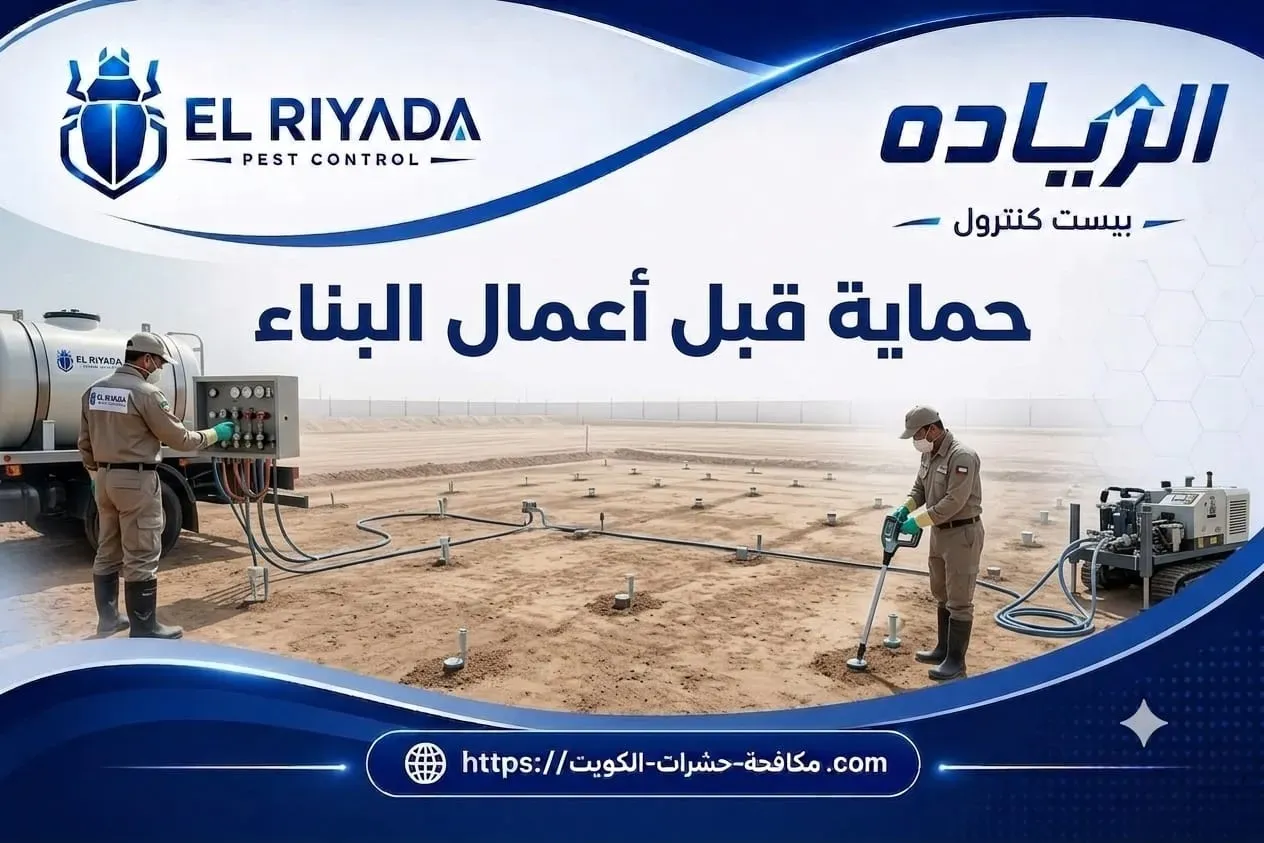
When searching for the best soil treatment company in Kuwait, the decision should not be based only on which provider offers the lowest price per square meter. Pre-construction termite soil treatment is connected to a sensitive construction stage that can be difficult to repeat in the same way after the targeted areas have been closed. What matters is having a clear process that begins with understanding the project, identifying the areas requiring treatment, coordinating with the contractor, completing the application properly, and documenting the work. From this perspective, Al Reyada Pest Control can be evaluated according to how well the service is connected to the actual project requirements rather than treating every construction site as if it needs exactly the same soil treatment package.
The first stage of professional work is collecting sufficient information before treatment begins. Project size, construction stage, soil condition, expected concrete schedule, and the areas that will be ready for treatment can all affect planning. Receiving this information early reduces the possibility of the treatment team arriving at an unprepared site or discovering a major difference in the work scope only after the service has started.
Treatment boundaries should also be clearly identified. If the construction project is being completed in stages, the area included in each visit should be specified instead of using a general description such as "treating the entire project" when certain sections are not yet ready. This approach makes every stage easier to document and review.
Coordination with the contractor or site supervisor is another essential element. A Pre-Construction Soil Treatment Company does not work separately from the other teams on site because treatment is connected to soil preparation, concrete work, and movement throughout the project. Clear communication helps select a suitable time for organized application before construction moves to the next stage.
Clear information about the treatment product and application method is equally important. Customers do not need to understand every technical detail of the material, but they should know what will be used and that product quantities and application methods are connected to the manufacturer's instructions and the actual area being treated rather than random estimates or the assumption that a stronger concentration automatically provides better protection.
Documentation completes the process. Recording the treatment date, area, construction stage, and any sections that were not ready provides a useful record for the property owner or contractor. If the service includes Soil Treatment With a Written Guarantee, its duration, coverage, conditions, and exclusions should also be clearly defined from the beginning.
The real value is therefore not found in the number of promises a company makes. It comes from being able to understand what was completed, how it was completed, and what the agreement actually covers. A provider that can explain these details clearly gives the project owner a stronger basis for making a decision than one relying only on phrases such as "the strongest treatment" or "the longest guarantee."
• Project assessment should begin with information about area, construction stage, and site condition so the service scope is based on actual requirements rather than one general price applied to every project.
• Identifying the areas treated during each stage prevents sections that were not ready from being counted as completed and makes multi-visit projects easier to monitor.
• Coordination with the contractor and site supervisor helps schedule treatment before concrete work or before the relevant areas are closed and reduces conflicts with other construction teams.
• Clear information about the product, application method, and required quantities makes the treatment easier to review and avoids relying only on marketing descriptions without practical information.
• Recording the treated area, date, construction stage, and excluded sections creates a useful treatment record and allows contractors and property owners to confirm exactly what was completed.
• A written guarantee provides greater value when its duration, scope, conditions, and exclusions are clearly defined and connected to documented implementation rather than verbal promises.
Conclusion
Choosing the Best Soil Treatment Company in Kuwait requires looking beyond price because the service is performed during a construction stage that may no longer be accessible after soil and foundation areas have been closed. The appropriate provider should understand treatment timing, identify the required areas, coordinate with the contractor, use the selected product according to its instructions, and document implementation in a way that can be reviewed later.
When evaluating a Pre-Construction Soil Treatment Company, begin by looking at the information the company requests before providing its quotation. A provider that asks about project area, construction stage, site condition, and expected concrete schedule is building its decision on more useful information than a company that immediately provides a final price without understanding the project.
Choosing a Soil Treatment Company in Kuwait also requires comparing equivalent scopes. Do not compare the price per square meter alone. Review the included area, quantity calculation method, implementation, documentation, and any guarantee or additional services. The lowest number does not represent genuine savings when important parts of the required service have been excluded.
When searching for an Approved Soil Treatment Company, focus on whether the provider's identity, treatment product, implementation records, and service documents can be verified. Working with a clearly identifiable company that can be contacted later is more reliable than relying on undocumented treatment that effectively ends when the technician leaves the site.
Similarly, Soil Treatment With a Written Guarantee should be reviewed carefully. A guarantee is not simply a number of years. It is an agreement containing a scope, conditions, and exclusions. Later construction work that changes or disturbs treated soil may be relevant to continued coverage, which is why these details should be understood before treatment begins.
The competence of a Professional Soil Treatment Technician remains an essential part of the result because the technician converts the treatment plan into actual site implementation. Confirming treatment boundaries, reviewing soil readiness, organizing the application, following safety procedures, and recording areas that were not ready are all practical indicators of professional work.
For contractors, Soil Treatment Services for Contractors require an even higher level of coordination and documentation because projects may extend across several construction phases. Maintaining a separate record for each stage reduces the likelihood of overlooking an area or later disagreeing about which sections were actually treated.
Ultimately, the Criteria for Choosing a Soil Treatment Company combine technical experience, organization, documentation, safety, guarantee clarity, and transparent pricing. Do not turn the decision into a competition over who offers the cheapest square meter. You are dealing with a construction stage that will literally disappear beneath the building shortly afterward. Getting the work right from the beginning is far more valuable than discovering a mistake after the concrete has already said, "Sorry, my friend, this chapter is officially closed."
Frequently Asked Questions
How do I choose the best soil treatment company in Kuwait?
Start by comparing the company's experience with pre-construction projects, its site assessment process, the treatment product used, the method for calculating the treatment area, coordination with the contractor, documentation, and guarantee conditions. Price is important, but it should be compared only after confirming that the companies are offering similar scopes of work.
When should soil treatment be performed before construction?
The correct timing depends on the construction stage and the treatment scope required. The service should be coordinated with the contractor or site supervisor before the relevant area is closed or construction work prevents access to it. Soil treatment should therefore not be scheduled separately from the project's construction timeline.
What should I ask a pre-construction soil treatment company?
Ask the company to clarify the treatment area, product being used, quantity calculation method, scheduled treatment time, documentation provided after completion, and guarantee conditions if a guarantee forms part of the quotation. These details make comparisons between providers more accurate.
Is the cheapest soil treatment company the best choice?
Not necessarily. A low price can represent good value when the service scope is equivalent, but the comparison becomes misleading when the cheaper quotation excludes part of the treatment area, documentation, or other services required by the project.
What does an approved soil treatment company mean?
In practical terms, the important point is dealing with a clearly identifiable provider that can be contacted later and can provide relevant service documentation, treatment details, and product information according to the requirements applicable to the project. Do not rely on the word "approved" in advertising without understanding what the company means by it.
What should a written soil treatment guarantee include?
It should identify the project, treatment date, treatment scope, guarantee duration, applicable conditions, exclusions, and the procedure followed if a problem appears during the covered period. The customer should also understand how later construction changes can affect the guarantee.
Does pre-construction soil treatment prevent termites permanently?
Pre-construction treatment is an important preventive measure, but it is not professional to promise that termites can never appear under any future circumstances. Excavation, construction changes, additions, or disturbance of treated areas can affect the original preventive system and may require reassessment.
What is the difference between soil treatment and termite treatment after construction?
Soil treatment is carried out during an early construction stage when the soil and selected structural areas remain accessible for preventive application. Post-construction termite treatment is performed after the building has been completed and signs of infestation or other evidence indicate that inspection and treatment are required.
How can I recognize a professional soil treatment technician?
A professional technician confirms the treatment boundaries before application, checks whether the site is ready, distributes the treatment according to a clear plan, follows appropriate safety procedures, communicates with the site supervisor, and records any areas that could not be treated instead of counting them as completed.
Why do contractors need a specialized soil treatment company?
The service is directly connected to the construction schedule, soil preparation, and concrete timing. Contractors therefore need a company that can coordinate its work, arrive at the correct stage, document each completed section, and avoid unnecessarily delaying other teams.
Should every soil treatment stage be documented?
Yes, especially when construction is completed in several phases. Recording the date, area, treatment scope, and relevant notes for each stage makes it easier to identify what has already been treated and what still requires work.
What are the main criteria for choosing a soil treatment company?
The main criteria include experience with construction sites, clarity of project assessment, product and application information, coordination with contractors, documentation, safety procedures, guarantee conditions, pricing transparency, and the ability to contact the company after treatment.
Why choose Al Reyada Pest Control for soil treatment?
A good soil treatment service is evaluated by how well the company understands the project before implementation, defines the treatment scope, coordinates with the contractor, uses the product according to its instructions, documents each stage, and explains guarantee conditions clearly. These elements allow the decision to choose Al Reyada Pest Control to be based on a treatment process that can be reviewed rather than relying only on price or marketing promises.