
Pre-construction soil treatment for a new villa is not a service performed simply because exposed soil is available on the property. It is a preventive stage connected to a specific point in the construction schedule. The basic purpose is to treat the targeted areas before they are covered by concrete slabs or flooring and become significantly more difficult to access later. For this reason, the success of the service depends on site readiness, accurately defining the treatment area, coordinating the appointment with the contractor, applying the treatment according to the approved directions for the product being used, and protecting the treated area from unnecessary disturbance before construction continues. This article treats soil treatment as an independent preventive construction stage and explains how it differs from controlling termites after an infestation has already appeared inside a completed home.
Soil Treatment for Villas in Kuwait
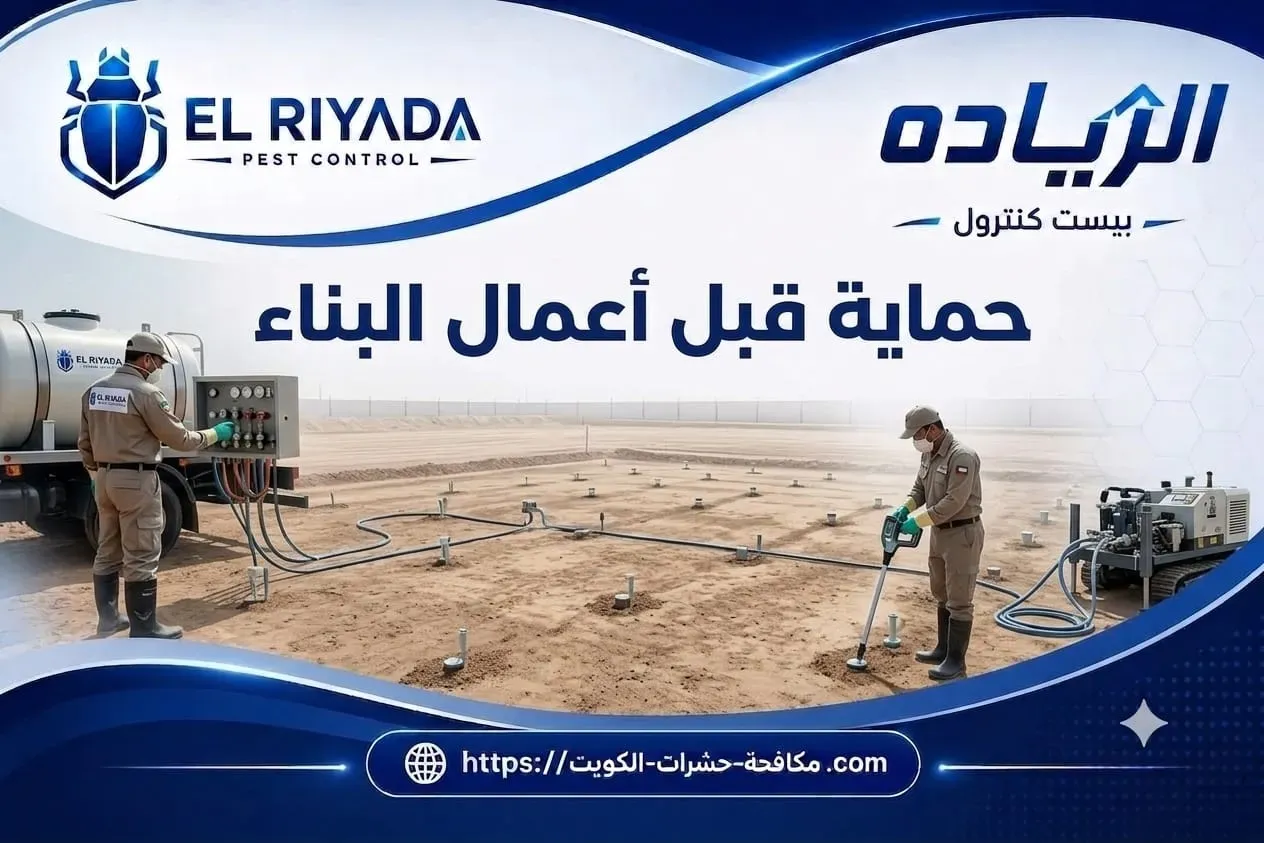
When requesting soil treatment for villas in Kuwait, the most important decision is not simply which pesticide will be used but when the treatment will take place in relation to the construction schedule. Treating an area that is fully prepared and will soon be covered by the next construction stage is very different from treating it too early while the soil is still likely to be excavated, leveled again, or disturbed by construction equipment. The pest control team should therefore understand the stage the contractor has reached, which areas are actually ready, and what work will take place at the site after treatment is completed.
Before work begins, the boundaries of the targeted area, the condition of the fill soil, existing obstacles, and any sections that have not yet been fully prepared should be reviewed. If the contractor intends to return several hours later or the following day to remove part of the fill, excavate a new utility route, or modify the ground level, that information directly affects treatment planning. The objective is not simply to make the site look as though it has been sprayed. The treatment needs to be carried out at a stage when it can remain appropriately integrated into the construction process with as little unnecessary disturbance as possible.
One practical mistake that can occur during villa construction is calling the pest control company only because the concrete pour is approaching and then discovering that sections of the site still require additional work. Time pressure can encourage everyone to treat the entire plot as ready even when the actual site conditions show otherwise. A better approach is to identify the areas that are genuinely prepared and establish clear coordination between the owner, contractor, and pest control team before treatment starts.
Price comparisons should also consider more than the quoted service amount. The treatment area, condition of the site, scope of work, product used according to its intended application, and any additional visit required because the project is being completed in stages can all affect the quotation. The cheapest offer may not provide the best value if its scope is unclear or if treatment is performed at a time when significant parts of the work are likely to be disturbed after the team leaves.
• Confirming the readiness of the fill soil with the contractor before the pest control team arrives reduces the possibility of treating an area that will be excavated or modified only hours later and makes the service appointment an integrated part of the construction schedule rather than an isolated visit
• Defining the areas that require treatment before work begins prevents disagreements about measurements or included sections and gives the property owner a clearer basis for reviewing the service scope against the construction plan and the actual condition of the plot
• Understanding what construction activities will take place immediately after treatment helps coordinate protection of the treated area from unnecessary movement and prevents everyone from assuming that responsibility ends as soon as spraying has been completed
• Comparing soil treatment quotations according to treatment area, visit timing, application approach, and documentation is more useful than selecting the lowest price because the real value comes from completing the preventive stage correctly before it is permanently covered by construction
Soil Treatment for New Homes
Soil treatment for new homes is designed to create a preventive stage before construction elements make access to the underlying soil considerably more difficult. It is fundamentally different from treating a completed home where termite activity has already been discovered because the objective at this stage is not to locate a colony inside the building or trace damage through doors and wooden structures. Instead, the objective is to complete an appropriate preventive procedure at the correct point in the construction process.
The treatment requires an area prepared for the relevant construction stage rather than soil that is still being constantly changed. If certain sections remain low and require additional filling, other areas will be excavated for utility lines, or some locations have not yet reached their intended level, applying the treatment before those activities are completed may create a need to reassess the areas that are later altered. Communication with the site supervisor or contractor therefore becomes an important part of service quality rather than a minor administrative detail.
It is also incorrect to assume that treating the soil means everything that happens afterward can be ignored. Any significant modification to a treated area should be communicated to the service provider so that its effect can be evaluated according to the treatment system used. The approved product must also be applied according to its permitted use, application instructions, and site requirements instead of attempting to increase concentration or quantity based on the assumption that more pesticide automatically creates stronger protection.
From a cost perspective, the size of the home is not the only consideration. The shape and distribution of the treatment areas, whether the construction is divided into several stages, and whether the work can be completed during one visit or requires separately coordinated visits can all influence the quotation. Giving a price based only on the phrase new home does not accurately describe the actual scope of work.
• Completing the required leveling work in the targeted area before treatment reduces the possibility that treated soil will later be removed and connects the service to the actual surface over which construction will continue
• Informing the pest control company in advance about utility routes or unfinished work gives the team an opportunity to coordinate treatment rather than discovering during the appointment that an important part of the site is not ready for the preventive stage
• Using the product according to its specified directions supports proper execution and avoids arbitrary practices such as increasing concentration which cannot compensate for poor site preparation or treatment performed at the wrong time
• Calculating soil treatment costs according to area, construction stage, and the potential number of visits gives the homeowner a more realistic comparison than relying on a standard price that does not distinguish between a fully prepared plot and a project being completed in several stages
Termite Treatment for a Villa Before Construction
The timing of termite treatment for a villa before construction is what separates a planned preventive service from an attempt to catch a construction stage just before it disappears beneath the next phase of work. The phrase before construction does not mean that treatment can be performed at any random point from the beginning of the project. It means identifying the stage when the targeted area is properly prepared and then coordinating the following construction activities according to the requirements of the treatment system being used.
In well-organized projects, the appointment is known in advance by the contractor, owner, and pest control company. The area is reviewed, work that could significantly alter it is completed to the required extent, and treatment and documentation are carried out before the project moves to the next step. This straightforward coordination prevents a common problem where the pest control team is called only when the concrete is already on its way to the site while questions remain about whether certain sections are actually ready.
Preventive treatment should also be distinguished from a promise that the villa can never experience termite activity in the future regardless of what happens to the property. Pre-construction treatment is an important part of risk management but it does not eliminate the importance of correct execution and cannot prevent later modifications or future building conditions from affecting the property. Trust is stronger when the company clearly explains the scope and limitations of the service instead of offering broad promises without conditions.
When choosing between service providers, ask how the targeted treatment area will be identified, how multiple construction stages will be coordinated, and what documentation will be provided after treatment. These questions reveal more about the organization and professionalism of the service than simply asking for the name of the pesticide.
• Scheduling treatment according to the contractor's progress prevents the preventive stage from becoming an emergency procedure during the final hours before construction continues and provides time to review areas that are not yet ready
• Confirming that major modifications capable of changing the targeted area have been completed reduces the possibility that part of the treatment will be disturbed by new excavation or leveling work that was not known about during application
• Keeping documentation showing the treatment date and the areas included provides the property owner with a useful reference if the contractor changes or if the project later needs to determine what was completed during the soil treatment stage
• Choosing a company that explains the limitations of preventive treatment and the factors that may affect it in the future is more trustworthy than relying on an absolute promise that termites will never appear because preventive soil treatment is one part of a protection strategy rather than permission to ignore future changes to the building
Protecting Villa Foundations
In the context of termite prevention, protecting villa foundations should be understood as part of a preventive plan focused on areas that may provide potential routes between the soil and the building. It does not mean that the pesticide strengthens concrete or structurally protects the foundations themselves. This distinction is important because the purpose of treatment is to reduce the risk of termites reaching the building through targeted areas according to the preventive system being used, while the structural integrity, design, and construction of the foundations remain entirely separate specialist responsibilities.
For a new construction project, the areas included within the soil treatment scope should be identified in coordination with the progress of the building work. The stages may differ depending on the villa design and the sequence of construction, so it would not be accurate to copy a treatment plan from another plot and apply it exactly in the same way. The construction plan, current condition of the site, completed work, and activities scheduled to take place afterward are all important pieces of information when determining the appropriate timing of the service.
Modifications made after treatment also deserve attention. If an area that has already been treated is later excavated for an alteration or to install a new utility line, it should not simply be assumed that nothing has changed. The better approach is to record the location of the modification and inform the service provider so that the affected area can be evaluated and any additional action can be considered according to the treatment system being used.
• Understanding that termite prevention does not mean structurally strengthening the foundations prevents confusion between pest control services and civil engineering work and keeps the villa owner's expectations focused on the actual purpose of the treatment
• Reviewing the sequence of foundation and fill work before scheduling the service helps identify the stage when the targeted area is genuinely ready instead of carrying out treatment while the site is still undergoing continuous changes
• Recording any later excavation within an area that was previously treated provides important information when evaluating the continuity of the preventive plan and prevents a modification that could affect part of the treatment scope from being overlooked
• Keeping the treatment record with the project's construction documents makes it easier to review the details in the future especially if the contractor or supervisor changes or ownership of the villa is later transferred to another person
Treating the Home's Fill Soil
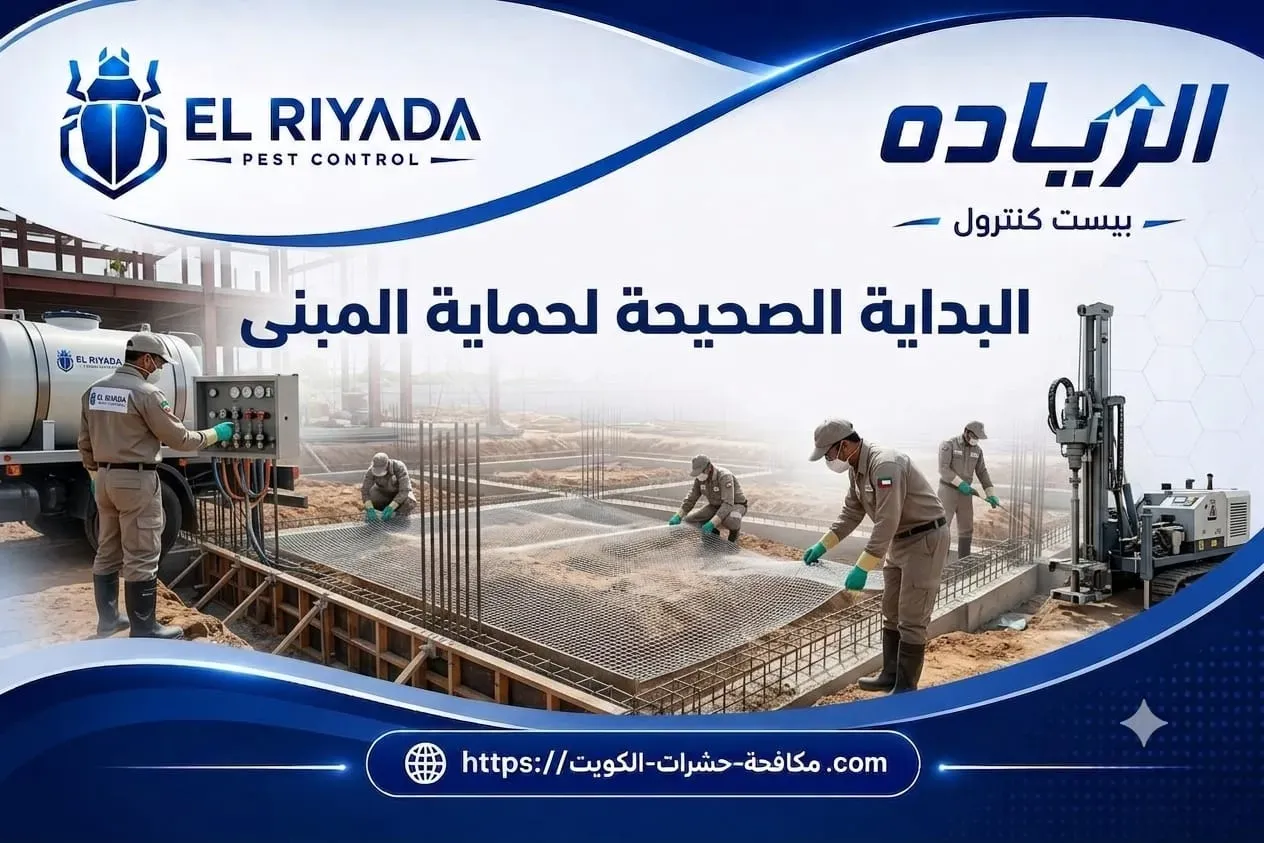
Effective treatment of the home's fill soil requires knowing whether the fill has reached the condition needed for the construction stage in which the service will be performed. The mere presence of fill soil on the site does not mean treatment should begin immediately because the contractor may still be adding material, adjusting levels, or carrying out work that will alter sections of the surface.
In projects completed over several stages, some areas may be ready while others remain under active construction. In this situation, it should be agreed in advance whether treatment will be performed in separate stages or after a larger section of the site has been completed. This decision can affect the number of visits, documentation, and total cost, so it should not be left to improvisation after the treatment team arrives.
From a practical perspective, photographing the condition of the area before treatment and recording which sections were treated can be useful. The objective is not to create an unnecessarily complicated file but to prevent confusion if later modifications occur. If part of the fill soil is excavated again several days later, its location can be identified rather than creating uncertainty about the entire treated area.
• Confirming that the fill soil has reached the agreed construction stage before the service appointment reduces the possibility of repeating work because additional layers were added or ground levels were modified after treatment
• Dividing treatment into several stages when necessary should be a clear and planned decision so the owner knows exactly what has been completed what remains outstanding and whether additional visits involve additional costs
• Documenting the boundaries of the treated area helps determine the effect of any later modification accurately instead of assuming that a small change requires the entire plot to be treated again
• Coordinating the movement of workers and equipment after treatment protects the area from unnecessary disturbance and makes the contractor an active participant in preserving the preventive stage until the following construction work is completed
Termiticide Treatment for Villas
When discussing termiticide treatment for villas before construction, service quality should not be judged by the smell of the chemical or by how much liquid appears to have been applied across the site. The more important standard is whether a product suitable for the intended purpose is used according to its specified directions and whether the agreed treatment area is properly covered after confirming that the site is ready.
One mistake that should be avoided is assuming that increasing the concentration or repeating the application without a technical reason automatically creates stronger protection. Pesticides have specific instructions that must be followed, and concentrations should not be altered or products mixed arbitrarily. Safety requirements relating to the site, workers, and construction activities that will take place after application should also be followed according to the directions for the product being used.
When comparing pest control companies, do not make the product name your only question. Ask about the scope of treatment, the timing of application, how an area that is not yet ready will be handled, and what documentation you will receive. The product is an important part of the service, but planning and execution determine whether it is actually being used in the appropriate place and at the correct construction stage.
• Asking which product will be used and what purpose it is intended for provides the project owner with more meaningful information than relying on general descriptions such as powerful pesticide or guaranteed chemical without further explanation
• Following the specified application method prevents the construction site from becoming a place for experimentation or arbitrary increases in concentration and makes safe execution an essential part of service quality
• Choosing not to treat an area that is not ready simply to keep a previously scheduled appointment is better than completing the service only in appearance and then having the same area excavated or altered shortly afterward
• Evaluating a company according to its planning documentation and coordination with the contractor alongside the product being used provides a more realistic picture of the quality of termite treatment for villas
Protecting a New Home from Termites
Protecting a new home from termites begins before the doors, cabinets, furniture, and other wooden elements that people usually associate with termite activity are even installed. During construction, the concept is completely different because the objective is to treat specific areas before they are permanently enclosed within the building rather than searching for existing damage. Soil treatment should therefore be viewed as one part of a preventive strategy that works alongside proper construction practices, documentation of completed work, and assessment of any later modifications that may affect previously treated areas.
It is equally important not to allow the word prevention to create a false sense that the home has become permanently protected from every possible termite risk. Buildings continue to change after completion and handover. Renovations, excavation, new utility installations, and other modifications may take place, while future conditions may also require assessment. The owner should therefore keep records of the original treatment and pay attention to unusual signs rather than relying entirely on the fact that the plot received treatment during construction.
The real value of prevention becomes clear when the work is completed at the correct time and the treated scope is properly maintained while construction progresses. Performing treatment and then making major changes to the same area without documentation or reassessment makes it much more difficult to determine what has remained intact and what has been altered since the original service.
• Keeping treatment information with the home's construction documents gives the owner a clear reference when future extensions or modifications are carried out and avoids relying on memory to determine which areas were included in the original preventive service
• Treating prevention as one stage within the construction process rather than a permanent guarantee creates more realistic future decisions and encourages assessment of any modification that could affect areas previously included in the treatment
• Informing the pest control company when later construction work affects a treated area allows the changed section to be evaluated instead of ignoring the effect of the modification or assuming that the entire preventive system is no longer useful
• Monitoring the property after occupancy remains worthwhile because pre-construction treatment reduces risk within its intended scope but does not remove the importance of paying attention to unusual signs that may appear in the future
Pre-Construction Termite Treatment for Villas
Pre-construction termite treatment for villas offers a window of opportunity that cannot be recreated with the same ease once the building has been completed. Before targeted areas are permanently covered, treatment can be performed with direct access, while reaching the same locations later may become considerably more complicated because of flooring, finishes, and completed building elements. Missing the appropriate treatment stage is therefore more than an ordinary delay in the project schedule because it may mean moving into entirely different working conditions.
Planning begins with the contractor's construction schedule. If the project is progressing in several stages, it is necessary to know which section will be covered first and which areas still require utility work, excavation, or leveling. One or more treatment visits can then be arranged according to the agreed scope instead of reaching the site after a critical stage has already been completed and attempting to find an alternative that does not match the original preventive plan.
This is where the difference becomes clear between a company that treats the service simply as a spraying appointment and one that understands it as part of the project's construction sequence. The second approach requires information about site readiness, timing, and what will happen immediately after treatment because successful completion of the preventive stage depends not only on the technician arriving but also on coordination between the different parties involved in the project.
• Adding the treatment appointment to the contractor's construction schedule reduces the risk of forgetting the preventive stage until the last moment and gives everyone involved an opportunity to confirm that the required areas are ready
• Identifying which sections will be permanently covered first allows treatment priorities to be arranged when the project is progressing in stages and prevents construction delays caused by waiting for treatment that could have been planned earlier
• Avoiding rushed treatment over an unstable area protects the value of the service because arriving on schedule provides little benefit if excavation or leveling work will significantly alter the treated area immediately after the team leaves
• Documenting each stage separately in projects divided into multiple treatment phases allows the owner to know exactly what has been completed and reduces the possibility that part of the plot will be missed between visits because of poor coordination
Soil Treatment for a Residential Plot
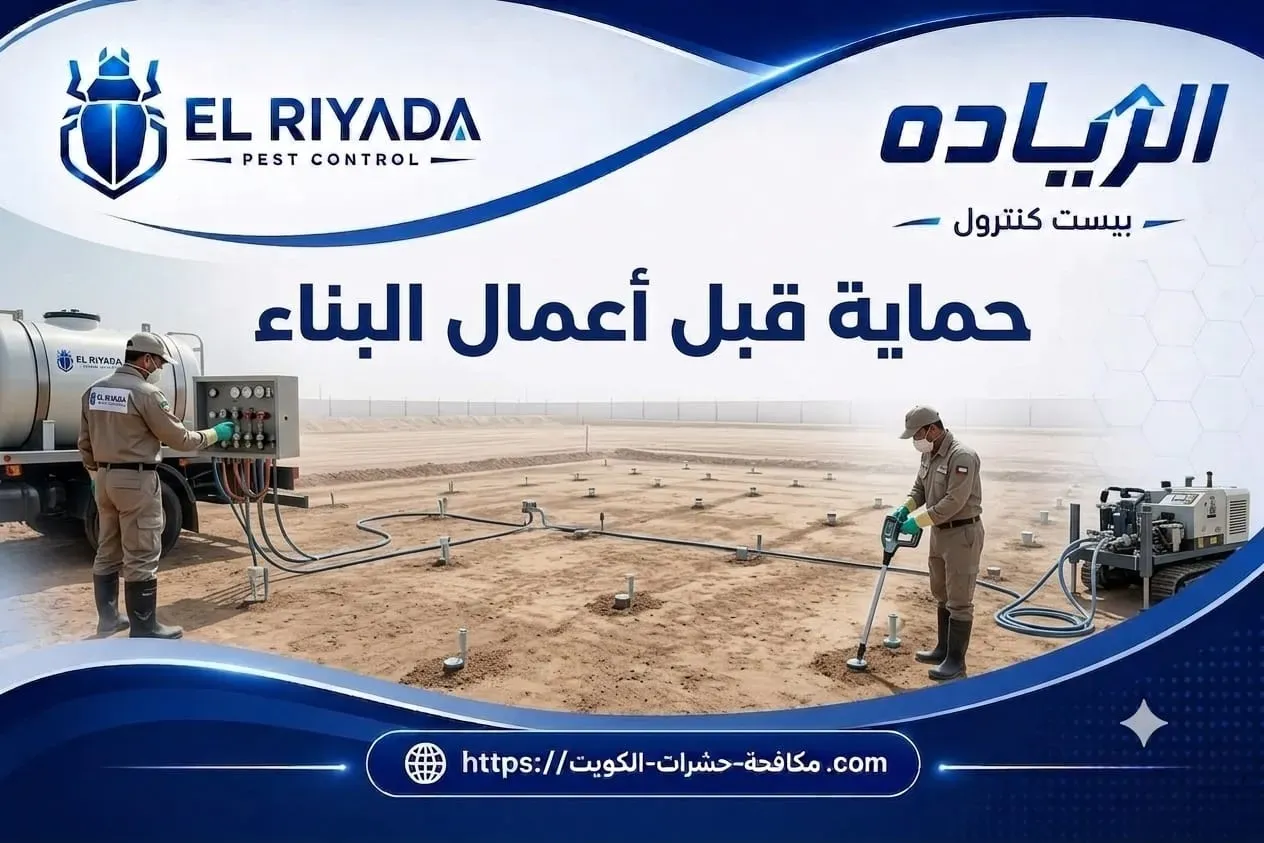
Effective soil treatment for a residential plot requires translating the general construction plan into a clearly defined treatment scope on the actual site. At the same time, a plot may contain one area that is completely ready, another where equipment is still operating, and a separate section reserved for utility work that has not yet been completed. Treating the entire plot as though every section is in the same condition may result in treatment being applied to areas that are not ready or other areas being overlooked because they are scheduled for completion later.
Before the appointment, it is useful for the contractor or site supervisor to confirm the condition of the property and identify any areas that will still be excavated, filled, or altered. When the treatment team arrives, this information can be compared with the actual site conditions rather than beginning immediately simply because the team is already present. If there is a significant difference between the agreed plan and the condition of the property, it is better to resolve that difference before treatment begins.
Documentation also helps connect the service to the specific plot. Recording the date, treatment scope, and completed stages makes the information available for future reference if the construction team changes or if modifications are made later in the project. This becomes especially valuable after construction advances and the treated soil is no longer visible.
• Comparing the planned treatment boundaries with the actual condition of the plot on the day of service prevents reliance on outdated information if construction activities have changed since the appointment was originally scheduled
• Clearly identifying areas that are not ready reduces the possibility of mistakenly recording them as completed and makes it easier to schedule their treatment once the necessary preparation has been finished
• Coordinating the movement of heavy equipment and subsequent construction activities reduces unplanned disturbance to the treated area and makes site organization an important part of preserving the preventive stage
• Recording the soil treatment scope together with the execution date gives the property owner a practical reference for reviewing the project instead of relying only on a general statement that the plot was treated
Soil Treatment Service for Private Homes
When requesting a soil treatment service for private homes, the property owner should understand exactly what is being purchased because the service involves more than simply sending a team to spray an open area. A well-defined quotation should explain the targeted treatment areas, the site readiness required before the appointment, the timing of treatment in relation to the contractor's work, and whether the project can be completed in one visit or requires several treatment stages. These details make it possible to compare companies fairly instead of comparing two prices for services that may have completely different scopes.
It is also useful to agree in advance on the responsibilities of each party. The pest control company is responsible for carrying out the treatment within its agreed scope and according to the treatment system and product being used, while site preparation and construction modifications are generally handled by the contractor or the appropriate project specialists. Clarifying this distinction helps prevent the treatment team from arriving at the plot only to discover that the targeted area has not been properly prepared or that another construction activity will significantly alter it immediately afterward.
When evaluating value, price alone should not determine the decision. Ask how the treatment area will be measured, how the completed work will be documented, what happens if part of the plot is not ready, and whether an additional visit is included in the agreement. These questions provide a much clearer picture of how professionally the service is organized before work even begins.
• Obtaining a clearly defined scope that identifies the areas and construction stages included in the service prevents different expectations between the property owner and the company and makes it easier to review what has actually been completed as construction progresses
• Agreeing on site readiness and the contractor's responsibilities before the appointment reduces unproductive visits and prevents the pest control service from being blamed for construction work that was not completed when required
• Understanding how postponed sections will be handled before accepting the quotation helps determine the true project cost when the construction schedule requires more than one treatment stage
• Choosing a service that combines planning execution and documentation provides the homeowner with greater practical value than an offer focused mainly on price or the pesticide name without explaining how the soil treatment stage will actually be managed
Why Al Reyada Pest Control Is a Strong Choice in Kuwait
When considering why Al Reyada Pest Control is a strong choice in Kuwait for pre-construction soil treatment in particular, one of the most important standards is how the company manages the timing and condition of the site before the pesticide is applied. Al Reyada Pest Control can be a strong option when the service begins by confirming that the treatment area is ready, understanding the current construction stage, and coordinating with the property owner or contractor instead of spraying simply because an appointment was previously scheduled.
Experience is also reflected in the ability to deal with the site as it actually exists. If one part of the plot is ready while another section still requires excavation or leveling, it is better to explain the difference and define the appropriate treatment scope rather than create the impression that the entire site has been completed. This level of transparency reduces mistakes and allows the owner to know which areas have been treated and which sections still require attention.
Using the pesticide according to its instructions and intended application is another essential element of service quality. Professional treatment does not require exaggerated quantities or claims that increasing the concentration will provide unlimited protection. What matters is selecting a suitable product, applying it correctly, choosing the appropriate timing, and documenting the completed stage so that its details can be reviewed later if necessary.
• Reviewing site readiness before spraying connects Al Reyada Pest Control's service to the actual construction condition of the plot and reduces the possibility of treating an area that will be significantly altered immediately after application
• Clearly identifying completed and postponed areas gives the property owner an accurate picture of service progress and prevents the phrase the plot has been treated from being used when some sections have not yet been included in the treatment scope
• Following the correct product application instead of exaggerating quantities or concentrations reflects a more professional practice and places proper and safe execution above the visual impression created by using a larger amount of pesticide
• Providing documentation for the completed stage while maintaining realistic expectations makes the service easier to review and gives the owner a clearer basis for follow-up if construction modifications occur after the original treatment
Conclusion
Pre-construction soil treatment for villas and private homes is a preventive stage that depends on timing just as much as it depends on the treatment itself. The best approach begins when the targeted area is genuinely ready, its boundaries are clearly defined, and the treatment is coordinated with the contractor before the pest control team arrives. The following construction activities should then continue without unplanned changes that unnecessarily disturb the treated section.
Choosing a pest control company should not be reduced to comparing pesticide names or selecting the lowest price. Understanding the treatment area, number of required stages, site condition, documentation process, and procedure for sections that are not yet ready gives the villa owner a much more accurate picture of the service being purchased.
Pre-construction treatment should also not be interpreted as an absolute guarantee that termites can never appear under any future circumstances. It is an important preventive measure within the broader protection of the building, while effective long-term risk management still depends on correct execution, awareness of later modifications, and keeping treatment information available for future reference.
Frequently Asked Questions
When Is the Right Time to Treat the Fill Soil of a Villa?
The correct timing depends on the construction stage, the readiness of the targeted area, and the requirements of the treatment system being used. It is better to coordinate the appointment with the contractor in advance rather than waiting until the next construction activity is about to begin.
Can the Fill Soil Be Treated Before All Site Work Is Finished?
If the targeted area will later be excavated, leveled again, or otherwise significantly altered, part of the completed treatment may be affected. It is therefore important to determine which areas are genuinely ready and which still require additional work before treatment is carried out.
Does Soil Treatment Control an Existing Infestation in a Completed Villa?
This service is primarily intended as a preventive measure during the pre-construction stage. An existing termite infestation inside a completed property requires inspection, diagnosis, and a treatment plan based on the location of activity and the building's existing finishes.
Does Using More Termiticide Provide Better Protection?
Not necessarily. The product should be used according to its instructions and specified application method because arbitrarily increasing the quantity or concentration is not a substitute for correct site preparation and proper treatment execution.
Does the Entire Plot Have to Be Treated During One Visit?
Not necessarily if the project is progressing in stages and some areas are not yet ready. What matters is that the treatment phases are clearly planned and that completed and outstanding sections are properly documented.
What Happens If Excavation Takes Place After Soil Treatment?
The area affected by the excavation should be identified and the treatment provider informed so that the impact of the new work can be evaluated and any additional action can be considered according to the treatment system used.
What Determines the Cost of Soil Treatment for a Villa?
The cost can depend on the size of the treatment area, site condition, number of stages or visits required, nature of the work, and any additional services included in the agreed scope. This is why quotations should be compared according to clearly defined services rather than price alone.
Does Pre-Construction Soil Treatment Remove the Need for Future Termite Monitoring?
No. Pre-construction treatment is an important preventive measure but it does not mean that future signs should be ignored or that major modifications to the building after completion have no relevance to termite risk.
Why Is Coordination Between the Pest Control Company and Contractor Important?
The contractor understands the sequence of excavation, leveling, utility work, and concrete activities while the pest control company needs to select a time when the targeted area is properly prepared. Poor coordination may result in treatment being completed only for the area to be significantly altered afterward.
Does Soil Treatment Protect the Concrete Itself?
The purpose is to reduce termite risk through the targeted areas rather than to improve the structural strength of concrete or foundations. Structural integrity has separate engineering requirements and should be handled by the appropriate specialists.
Can Termite Treatment Be Performed If Some Areas of the Plot Are Not Ready?
The ready sections may be evaluated for treatment as part of a clearly planned phased approach when this is appropriate for the project and treatment system. The important point is that untreated sections should never be recorded or presented as though they have already been completed.
Why Is Documentation of Soil Treatment Important?
Documentation records the treatment date and the areas included in the service. It becomes useful when later modifications are made, the contractor changes, or the owner needs to determine what was completed during a construction stage that is no longer visible after the building is finished.
Is the Cheapest Soil Treatment Quotation the Best Choice?
Not necessarily. The treatment area, number of visits, documentation, management of sections that are not ready, and quality of coordination should all be compared rather than relying solely on the final price.
Does Soil Treatment Guarantee That Termites Will Never Appear?
No preventive treatment should be interpreted as an absolute guarantee under every possible future condition. The purpose is to reduce termite risk within the scope of the treatment system while taking into account the condition of the building and any modifications that may occur later.
Why Choose Al Reyada Pest Control for Villa Soil Treatment?
Al Reyada Pest Control can be a strong choice when the service is based on reviewing plot readiness, defining the treatment scope, coordinating with the construction stage, using the product according to its instructions, and clearly documenting the completed work rather than treating soil application as an isolated visit unrelated to the construction project.
