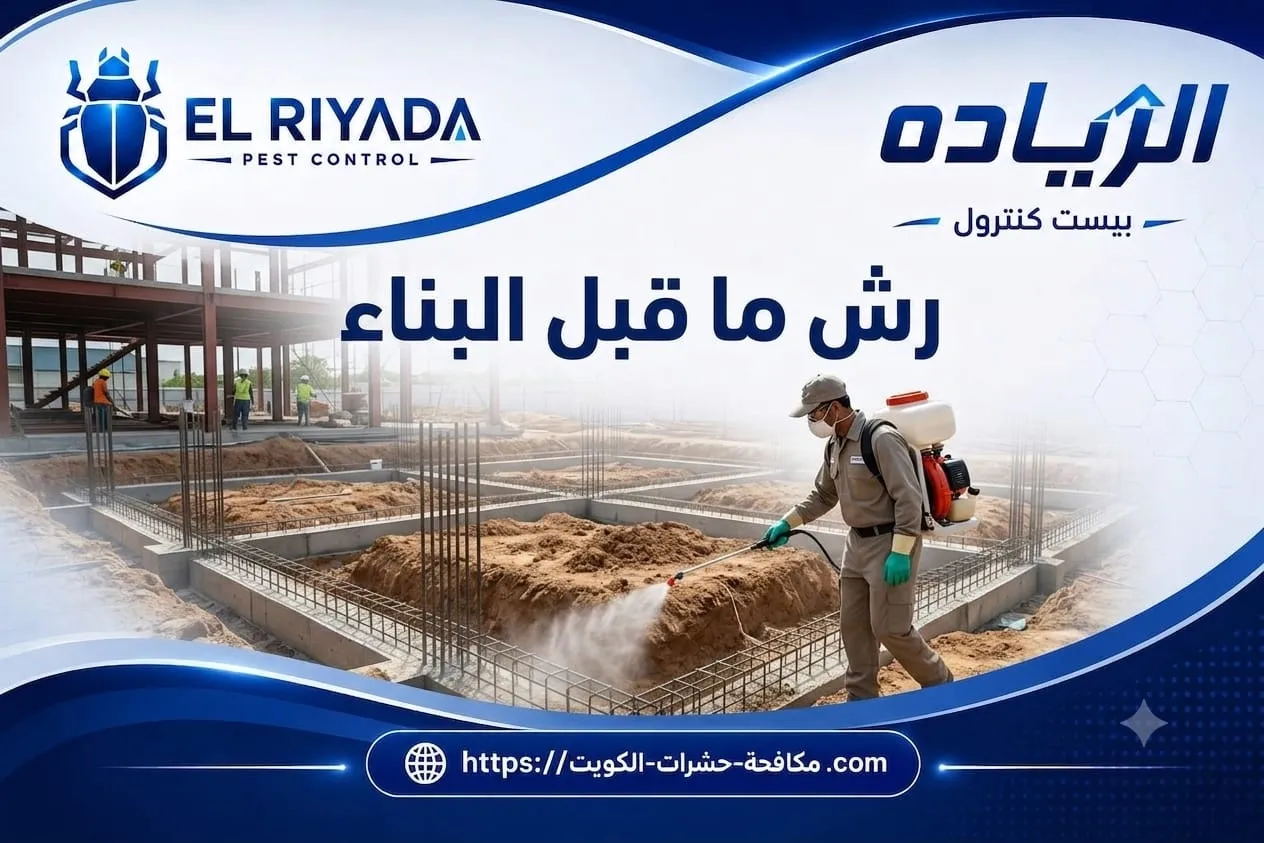
Termite soil treatment is one of the construction stages that becomes difficult to revisit after concrete has been poured, so it is not enough for the contractor simply to tell you that the treatment has been completed. What matters is knowing what should be inspected before the concrete pour and what evidence shows that the soil was treated as required. A proper inspection does not depend on the smell of the pesticide, the color of the soil, or the number of workers on site. It depends on site readiness, the use of a product registered for the intended application according to its label and instructions, coverage of the areas specified in the treatment plan, and documentation before the work is concealed beneath concrete. This guide provides a practical way for an owner or supervisor to assess the quality of the work without having to become a pesticide specialist or rely on photographs that do not prove what actually happened on site.
Verifying Termite Soil Treatment
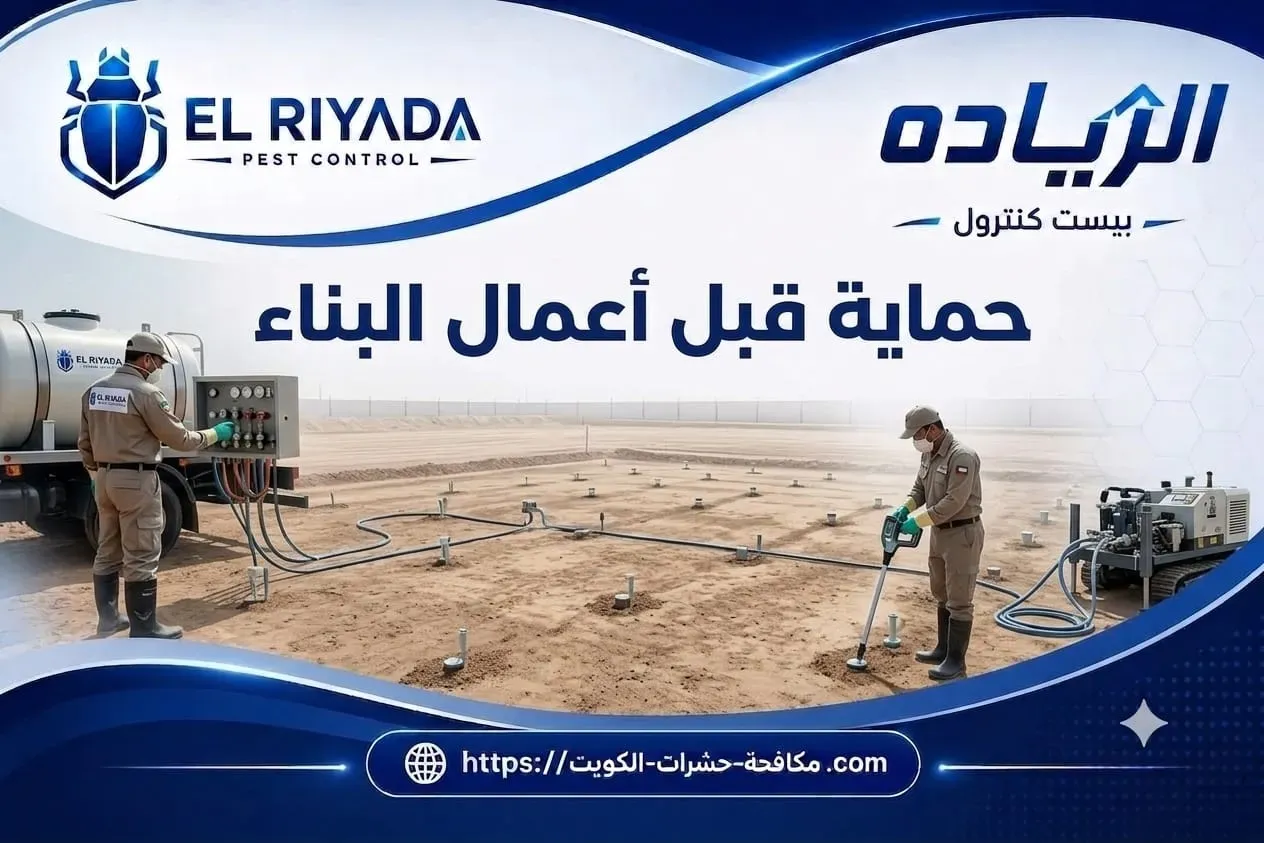
Verifying termite soil treatment begins before the treatment team arrives on site, not a few minutes after the work has been completed. The first questions should be: Which area will be treated, which product will be used, and what are its instructions for pre-construction termite soil treatment? Simply seeing a pesticide container on site does not prove that the work is being performed correctly because products differ in their approved uses, concentrations, and application instructions. The selected product should therefore be registered and appropriate for its intended use, and the application should comply with the label and applicable local requirements.
One practical situation that exposes weak inspection procedures occurs when the property owner arrives after treatment has been completed, sees that the soil is wet, asks whether the entire area was treated, and receives a quick confirmation that everything is finished. The problem is that visible moisture does not show where the treatment started or ended. It does not prove how much treatment solution was applied or whether the application was uniform. Some areas may have received adequate coverage while the application equipment passed too quickly over others.
A better approach is to turn the inspection into a review of several connected pieces of evidence. Check the size and boundaries of the area that should be treated, the condition of the soil before application, the name of the product, and its application instructions. Record the treatment time and keep clear photographs of important stages. If the project requires treatment across several stages or different structural areas, each stage should be documented separately rather than relying on a general statement such as "termite soil treatment completed."
This also becomes important when comparing contractors or pest-control companies. The lowest price per square meter does not tell you the full value of the service. A proper comparison should include the product used, treatment scope, application method, documentation, follow-up, and the responsibility of each party if the site is altered after treatment. A clearly defined quotation can be easier to inspect and approve even when it is not the cheapest because it explains exactly what will be carried out.
• Begin the inspection by comparing the area agreed for treatment with the area actually treated because seeing wet soil after the work is finished is not enough to prove that every required section received the specified application.
• Ask for the name and relevant information of the product used and review its label instructions for pre-construction soil treatment because a pesticide being suitable for termite control in one situation does not mean that every possible method of applying it is correct.
• Document the condition of the site before treatment, during application, and after completion whenever possible because photographs connected to specific locations and stages provide stronger evidence than a single final photograph that does not show the sequence of work.
• Do not use price alone to select a termite soil-treatment contractor because inspection quality also depends on a clearly defined scope of work, application procedures, documentation, and the company's ability to explain what was performed without relying on vague statements.
Inspecting Termite Soil Treatment Before Concrete Pouring
Inspecting termite soil treatment before concrete pouring is the last practical opportunity to see a large part of the treated area before it disappears beneath the concrete. For that reason, the inspection should not become a quick visual check followed immediately by approval to pour. The objective is not to look for a particular soil color but to verify that the conditions agreed upon have not changed after treatment and that the treated areas have not been disturbed by excavation, soil movement, or other construction activities.
Suppose the pest-control team completes the treatment in the afternoon and another contractor arrives the following day to install an additional service line before the concrete pour. If part of the treated area is excavated and then backfilled without notifying the pest-control company, the original treatment photographs no longer represent the condition of that section at the time of pouring. This is one of the most important inspection points because treatment quality depends not only on the moment the pesticide is applied but also on maintaining the treated area until the relevant construction stage is properly closed.
The pre-pour inspection should connect the project plan with actual site conditions. Review the boundaries of the treated area, penetrations, service points, and any sections where work took place after treatment. Ask whether any area was excavated, disturbed, or altered. If previously treated soil has been disturbed, the solution is not to ask a worker to randomly add more pesticide. The qualified treatment provider and the product instructions should be consulted to determine what requires retreatment and how it should be performed.
It is also important not to accept the idea that using more pesticide compensates for poor application. The objective is to apply the amount and method specified for the intended use rather than saturating the soil without control. Excessive application is not a measure of quality and may conflict with product instructions, while insufficient or uneven distribution can leave areas without the intended treatment.
• Inspect the site as close as reasonably possible to the concrete pour and confirm that no excavation, alteration, or removal of soil has occurred after treatment because later disturbance may change the condition that was originally documented when the application was completed.
• Pay particular attention to service penetrations, utility areas, and structural sections where work took place after treatment because these locations can easily change between the termite soil treatment and concrete pour without the property owner noticing.
• If you discover that part of the treated area has been excavated again, do not allow the issue to simply disappear beneath the concrete. Have the affected section assessed and determine the correct action according to the product and treatment plan before completing the construction stage.
• Do not treat strong pesticide odor, excessive wetness, or uncontrolled use of treatment solution as proof of quality because proper inspection depends on compliance with specifications and application instructions rather than the visual impression that a large amount of pesticide was used.
Quality of Termite Soil Treatment
The quality of termite soil treatment cannot be reduced to the brand name or perceived strength of the pesticide. An appropriate product applied incorrectly may fail to achieve the intended purpose, while an organized treatment process begins with understanding the actual site. Soil type and condition, treatment area, foundation layout, service installations, and concrete-pouring stages are all factors that influence how the work should be organized according to the product instructions and project requirements.
One important difference between organized and poor execution can be seen in whether the site is treated as one simple open area or as a collection of sections with different details. Service penetrations, edges, connection points, and structural elements may require the application team to organize its movement carefully so that sections are not missed while workers move around the site. The objective is not to invent application rates on site but to ensure that the instructions for the approved product are applied consistently across the area included in the treatment scope.
The condition of the soil also deserves attention. Standing water, unsuitable application conditions, or changes that were not present when the work was originally planned should lead to assessment rather than continuing the application simply so the contractor can say that the job was completed. A specialized company should know when site conditions are appropriate and when the timing or preparation of the area needs to be reconsidered in accordance with product instructions and project requirements.
When evaluating price, ask for a quotation that explains what is included rather than comparing final figures alone. Does the service include site preparation or inspection before treatment? What area and treatment scope are included? Is the product and application documented? What happens if another contractor excavates part of the treated area afterward? The answers to these questions reveal more about service quality than trying to judge a contractor solely by the price per square meter.
• Treatment quality begins with matching the product and its application method to the actual site because the pesticide name alone cannot compensate for poor execution or for sections of the required treatment area being missed.
• Organizing the application team's movement across the site is important so that columns, utilities, edges, and obstacles do not become areas that workers pass too quickly without receiving the treatment specified in the plan.
• Soil conditions at the time of application are part of quality control, so the team should not be forced to finish the work under unsuitable conditions merely because the concrete pour is approaching if product instructions or treatment requirements indicate that the site should first be addressed.
• When comparing termite soil-treatment quotations, ask about the product, treatment scope, documentation, and procedures for later site alterations because these elements explain what you will actually receive more clearly than a total price that does not define the service.
Correct Termite Soil Treatment Method
The correct termite soil treatment method does not simply mean passing spraying equipment over the backfill until the soil appears wet. Professional execution begins by identifying the treatment scope and preparing the site, followed by applying a product registered for pre-construction termite soil treatment according to its label instructions and the approved project requirements. For this reason, there is no single concentration or application quantity that should simply be copied from one project to another without referring to the specific product being used and its approved method of application.
On site, the property owner or supervisor can assess the way the work is being carried out by observing the consistency and organization of the application rather than attempting to interfere with pesticide mixing. Is the application team following a clear route that covers the required area, or are workers moving randomly from one section to another? Are there areas that are difficult to reach because of construction materials or equipment? When obstacles appear, does the team stop and deal with the affected areas as part of the treatment scope, or are those sections simply passed over? These observations provide more useful information than judging the quality of the work by the strength of the pesticide odor.
There is also an important difference between fast execution and efficient execution. A contractor may have equipment that allows a large area to be treated within a relatively short period, and that is not a problem by itself. Speed becomes a problem only when it prevents uniform application or causes some sections to fall outside the treatment coverage. On the other hand, a worker taking a long time does not automatically mean that the treatment is better. The real standard is compliance with the application method specified for the product and project rather than the number of hours the team spends on site.
One mistake is for the owner to ask workers to apply a larger amount "to make sure it works." Pesticide application should not depend on personal guesswork, whether that means increasing or reducing the amount. The product label is the reference for concentration, application rate, and required precautions, and the work should be carried out by a qualified provider in accordance with applicable local requirements. An excessive dose is not an additional guarantee and may increase unnecessary risks without providing a justified benefit.
• Observe whether the treatment team moves consistently across the entire area included in the scope of work because quickly passing over obvious sections while overlooking corners or obstructed areas does not become correct execution simply because most of the soil appears wet.
• Do not ask workers to increase the pesticide concentration or change mixing ratios on their own because correct use of the product depends on its approved label instructions rather than the assumption that a stronger concentration automatically provides better protection.
• Before application begins, make sure obstacles preventing access to areas scheduled for treatment are removed whenever reasonably possible because piles of construction materials and equipment can conceal sections of soil that may later become exposed after the treatment team has already left.
• Assess the treatment method by comparing it with the scope of work, product instructions, and consistency of coverage rather than judging it by the team's speed, the smell of the pesticide, or the amount of visible liquid remaining on the soil after treatment.
Covering the Soil With Termite Treatment
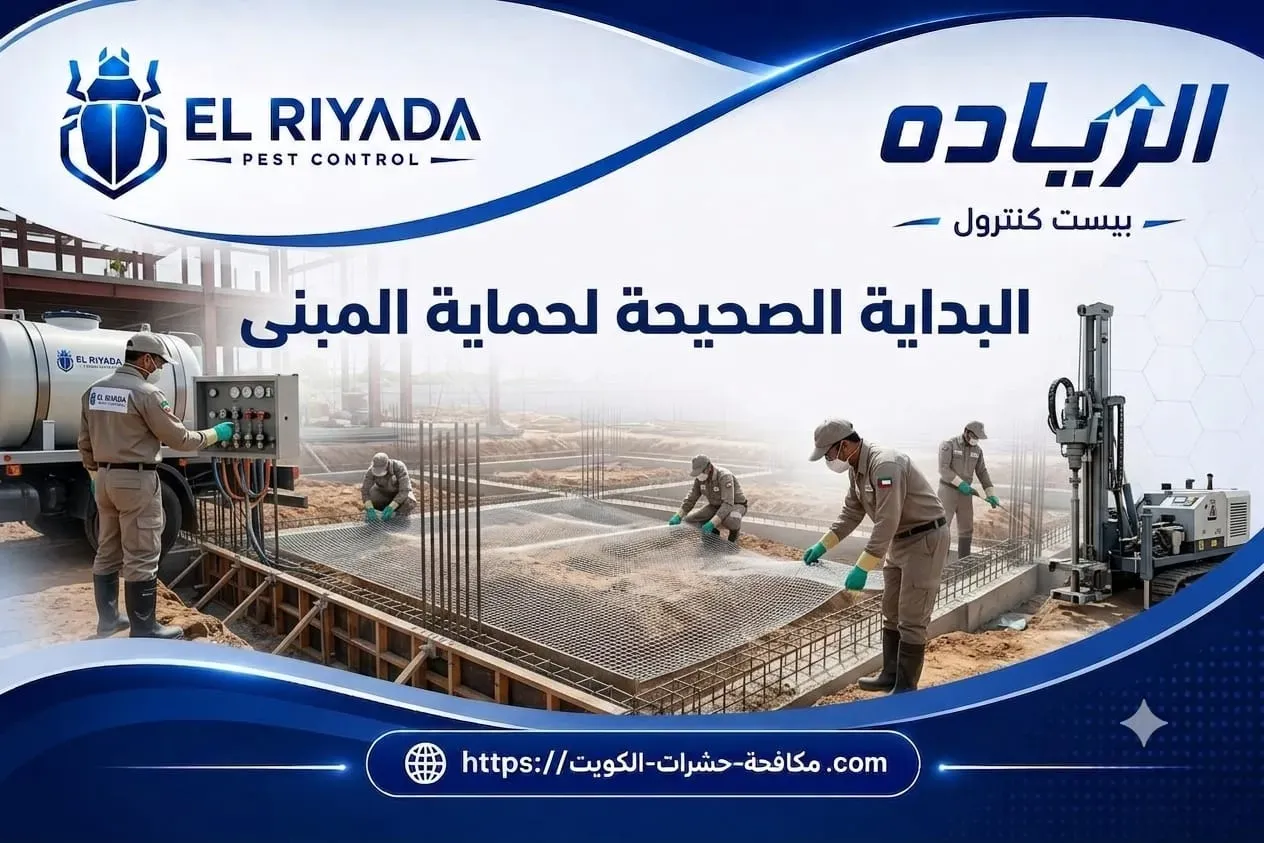
Covering the soil with termite treatment is one of the most important points to observe during application because the purpose of pre-construction treatment is to address the areas specified in the treatment plan before they become inaccessible after concrete is poured. Good coverage does not mean heavily saturating a few locations with treatment solution while leaving other sections with less attention. It means carrying out the required application consistently according to the approved application rate and the instructions for the specific product.
Coverage problems can become particularly noticeable on a construction site containing columns, utility installations, piles of materials, and narrow access routes. The central open section may appear well treated because it is easy to reach, while edges and areas around obstacles receive less attention during the work. For this reason, inspection should not focus only on the large open surface. Boundaries, intersections, and locations that were more difficult for the application team to access should also be reviewed carefully.
A practical example is a supervisor noticing that the worker is moving across the site in widely spaced lines and then returning to treat sections that did not receive the required application during the first pass. Returning to complete a missed section is better than leaving it untreated simply because the main application has already been completed. The real problem occurs when there is no organized working route and nobody can later identify which areas were treated properly and which may have been overlooked.
Coverage cannot, however, be assessed from soil color alone. Some products do not leave a clear visible color, and the apparent level of moisture may vary according to soil characteristics and site conditions. A reliable assessment therefore combines observation during application, documentation, knowledge of the treated area and scope, and product information instead of attempting to determine treatment quality solely from the appearance of the soil after the work is finished.
• Give edges, corners, connection points, and utility areas the same attention as the center of the treatment area because easy access to an open surface may make that section appear excellent while more complicated locations still require careful review.
• Do not use differences in soil color alone to judge whether treatment was applied consistently because surface appearance can be affected by soil type, moisture, and the product being used and does not provide an accurate measurement of the amount of treatment solution applied.
• If the treatment team identifies an area that did not receive the required application during the work, it is better to clearly identify and complete that section according to the treatment plan rather than conceal the mistake or assume that treatment applied to surrounding soil will automatically compensate for it.
• Documenting coverage while the work is being performed provides more useful evidence than photographing the site only after completion because progress photographs can show the sequence of application and sections that may later become covered by equipment or concrete.
Accepting Termite Soil Treatment Work
Accepting termite soil treatment work should be a clearly defined stage supported by information that can be reviewed rather than a verbal agreement between the property owner and contractor. Once the work has been completed, the person responsible for the project should be able to determine when the treatment was performed, which area or construction stage it covered, which product was used, who carried out the work, and whether any alterations occurred after treatment and before the concrete pour.
A simple acceptance record can be prepared without creating unnecessary administrative complexity. It can include the treatment date, construction stage, location of the treated area, basic product information, the company that performed the work, photographic documentation, and any observations recorded during application. If the project is large and concrete is poured in several stages, each stage should have its own clear record rather than relying on one general document suggesting that all termite soil treatment was completed on a single day.
This approach becomes particularly valuable when an unexpected change occurs. Imagine that one day after treatment another contractor needs to open a new route for a utility line. With a clear record, it is possible to determine whether the excavated area had already been treated, identify which section was affected, and then consult the qualified treatment provider to determine what action is required. Without documentation, contractors may begin relying on guesses about whether that particular section was treated in the first place.
Before signing off on the work, actual site conditions should also be compared with the scope stated in the quotation or contract. If the agreement covers specific areas or construction stages, an invoice simply stating "termite treatment" is not enough. Proper acceptance connects the documentation to the physical site and makes responsibility for execution clear before the concrete conceals details that could otherwise have been inspected.
• Make sure the acceptance record identifies the treatment date, construction stage, location, service provider, and product information instead of relying on a general statement such as "the building was treated for termites," which provides little help when trying to determine later what was actually completed.
• Connect photographs to the acceptance record by capturing recognizable areas of the project during different stages of the work because dozens of close-up photographs of soil provide weak documentation when nobody can identify where they were taken.
• For projects where concrete is poured in several stages, maintain a separate treatment record for each stage so that completed and pending areas can be identified without depending on the memory of workers or contractors weeks or months later.
• Do not sign final acceptance before comparing the written scope of work with actual site conditions and asking about any excavation or alteration that occurred after treatment because approving the work before this review may conceal an issue that could have been corrected before the concrete pour.
Pre-Construction Treatment Standards
Pre-construction treatment standards should not be reduced to a single question such as whether the pesticide was sprayed or not. Proper treatment is a connected process that begins with identifying the target areas, preparing them correctly, selecting a registered product suitable for termite soil treatment, applying it according to the product label and approved project specifications, and then protecting the treated area from unnecessary disturbance until the next construction stage has been completed.
An important distinction should be made between the technical specifications of the project and a contractor's usual working method. A project may have specific requirements included in its documents or applicable regulatory requirements that must be followed in addition to the product instructions. For this reason, a statement such as "this is how we do it on every project" is not sufficient evidence that the same approach is appropriate for the current site. The correct reference should be the approved requirements that apply to the project and the particular product being used.
Another important standard is whether the completed work can actually be verified. If the contractor cannot clearly explain which area was treated, which product was used, or which construction stage was completed, assessing the quality of the work after concrete has been poured can become extremely difficult regardless of the contractor's experience. Work that can be identified, documented, and reviewed is more reliable than treatment that depends entirely on the team's memory or verbal assurances.
Having a list of standards does not mean that the property owner needs to become a pest-control technician. The owner's role is to verify that a clear system exists for treatment and acceptance, while the technical details concerning the pesticide and its application remain the responsibility of the qualified provider. This distinction is also important for safety because an unqualified person attempting to change the concentration or application method on site may result in use that does not comply with the product instructions.
• Compare the treatment with the product instructions, approved project specifications, and applicable local requirements rather than accepting a standard method that the contractor repeats on every site without considering the conditions of the current project.
• Treat the ability to verify the completed work as part of quality control because treatment with a clearly identified scope, product, construction stage, and date is easier to inspect and follow up than work supported only by a verbal statement that it was completed.
• Do not separate pre-construction termite treatment from the rest of the construction schedule because excavation, utility installation, and work by other contractors can affect treated areas when there is no clear coordination before the concrete pour.
• Leave concentration, application rates, and other technical pesticide details to the qualified provider in accordance with product instructions because the owner's role in accepting the work does not mean personally changing pesticide use or requesting an arbitrary increase in quantity.
Documenting Termite Soil Treatment
Documenting termite soil treatment is not a formality intended merely to add a collection of photographs to the project file. It is a practical way to record what happened during a construction stage that will become largely invisible once the concrete has been poured. The more closely the documentation is connected to a specific location, time, and construction stage, the more useful it becomes during acceptance or when the treatment history needs to be reviewed later.
A useful photograph in this context should answer a question rather than simply show a worker holding spraying equipment. A general photograph of the site before treatment can identify the area. Photographs taken during application can show which stage is being treated, while another image after completion can record the condition of the area before the concrete pour. If special locations or alterations arise during the work, they should also be documented separately and connected to written notes.
For example, a project owner may have fifty photographs of termite treatment but discover several months later that it is impossible to tell which photographs show the eastern section and which belong to another area. In comparison, a smaller record containing fewer photographs but clearly identifying the treatment date, construction stage, location, and product information can be much more valuable. The number of photographs is not the real standard. What matters is whether someone reviewing them later can understand what they show and connect them with the work that was completed.
It is also useful to retain the documents associated with the service according to what is available and required for the project. These may include product information, the invoice or treatment certificate, the acceptance record, and the agreed scope of work. None of these documents alone proves that every square meter of soil was treated perfectly, but when combined with site observation and photographs, they create a much stronger record than relying on any single piece of evidence.
• Take general photographs that identify the location and construction stage as well as photographs during application rather than relying only on close-up images of soil because an image that cannot be located within the project loses much of its value as evidence.
• Connect every group of photographs to a specific date and construction stage, particularly when foundations or concrete pours are completed over several days, so treated sections are not later confused with areas that were still waiting for application.
• Keep product information, the scope of work, acceptance records, and available supporting documents together with the photographs in one organized file because integrated documentation makes it easier to review treatment history if alterations or questions arise later.
• Do not treat a large number of photographs as a substitute for site inspection because an image showing a worker spraying proves that application activity took place at a particular moment but does not by itself prove consistent coverage or completion of every area included in the treatment scope.
Contractor Mistakes in Termite Treatment
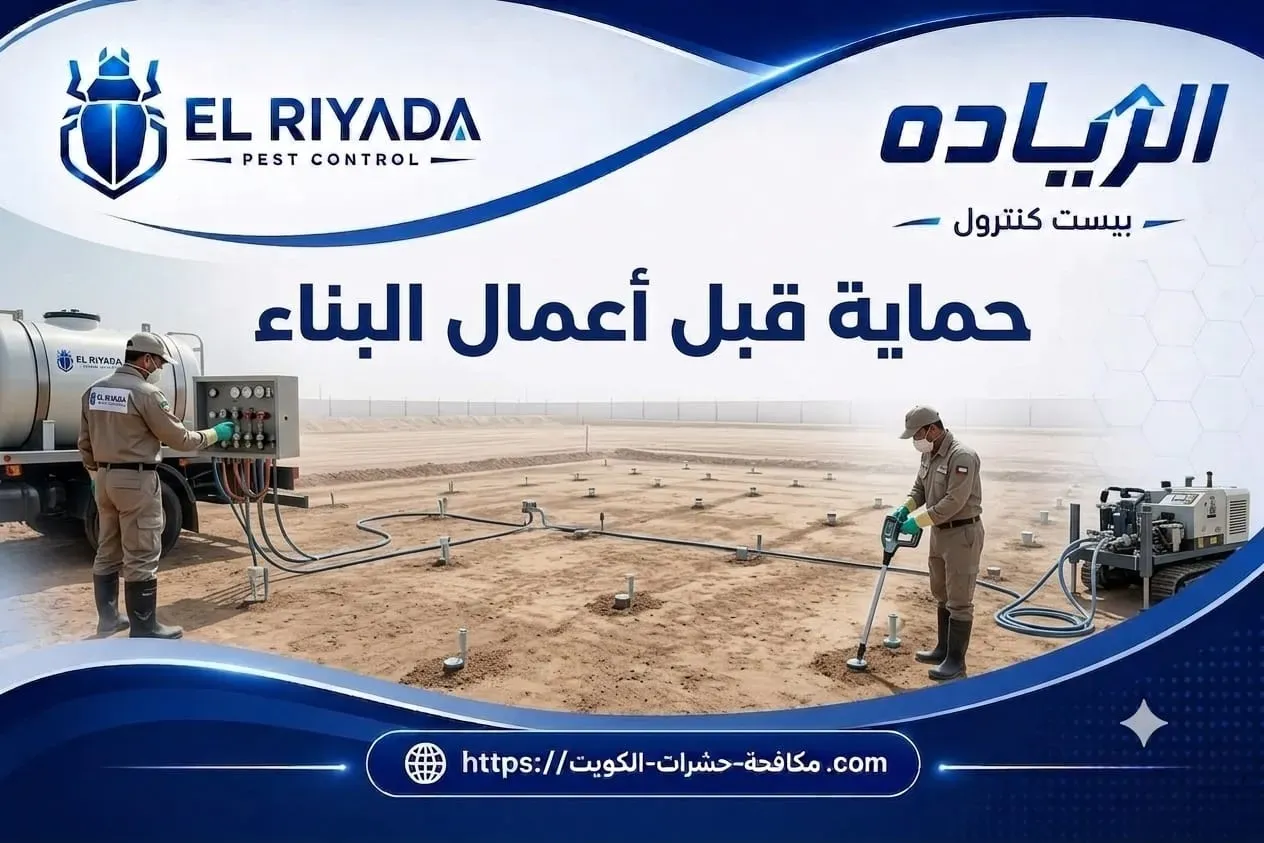
Contractor mistakes in termite treatment before construction are not limited to completely forgetting to spray the soil. Some of the most difficult mistakes are those that allow construction to continue normally, appear harmless at the time, and then disappear beneath the concrete. Examples include beginning treatment before the area is properly ready, leaving sections untreated because construction materials prevent access, inadequate documentation, or poor coordination with contractors who later return to excavate treated soil.
One mistake worth watching for is treating the concrete-pour schedule as more important than the conditions required for proper application. When a project is running late, the team may feel pressure to complete termite treatment quickly so that the concrete work is not delayed. Time pressure should not become a reason to skip an area or carry out application under conditions that do not comply with the product instructions. A limited delay to address a clear problem may be better than permanently concealing that problem beneath the concrete.
Another problem occurs when responsibility is divided among several contractors. The pest-control company may correctly complete its application, after which the utility contractor excavates part of the treated soil, and the concrete contractor later assumes that the entire area is ready. In this situation, the weakness may not have been in the original application at all. Instead, it comes from the absence of a procedure defining who must be notified when the treated area is altered.
A contractor's inability to identify the product, treatment scope, or completed areas should also lead the property owner to ask for clarification. The same applies when essential stages cannot be reasonably documented without explanation. No single observation automatically proves that the treatment has failed, but such issues deserve verification before the concrete pour because the opportunity to inspect the work becomes significantly more limited afterward.
• One of the most important execution mistakes is leaving an area inaccessible because of stored materials or equipment and then counting it as part of the treated surface, so access should be prepared before application rather than discovering obstacles after the treatment team has finished.
• Pressure from the concrete schedule does not justify ignoring an obvious site problem because the purpose of soil treatment is to complete the stage correctly before it is concealed, not simply to mark an item as finished on the construction schedule.
• Excavation after termite soil treatment without proper coordination may affect a section that was originally treated correctly, so all contractors working on the site should understand that alterations to treated areas need to be reported before concrete is poured.
• Missing basic information about the product, treatment date, or scope of the treated area weakens the acceptance process and should lead to a request for clarification and documentation before the construction stage is permanently closed beneath concrete.
Inspecting Foundation Termite Treatment
Inspecting foundation termite treatment before the concrete pour brings all the previous checks together into one decision: is the treated area genuinely ready for the next construction stage, or is there an issue that should be addressed first? The inspection does not mean repeating the pest-control company's technical work. Instead, it means reviewing the areas included in the treatment, comparing them with actual site conditions, and confirming that no undocumented work has taken place afterward that could have disturbed the treated soil.
The review becomes especially important around utility points and sections that have been excavated or altered after treatment. For example, the entire foundation area may be treated and then the plumbing team discovers that one pipe route needs to be changed, requiring a small section of the backfill to be opened again. The affected area may appear too small to matter, but its condition is now different from when the treatment was originally applied. The appropriate step is to inform the qualified treatment provider so that the disturbed section can be assessed and any required action determined according to the product instructions and project treatment plan before it is covered with concrete.
The inspection should also not become an attempt to manually determine how much pesticide is present in the soil. After application, a property owner cannot accurately establish the treatment rate simply by touching or looking at the ground. A reliable acceptance process comes from combining observations made during application with treatment records, product information, and the condition of the site immediately before the concrete pour.
If a significant issue is identified, it is better to document and correct it before allowing the construction stage to be closed. Addressing a limited section while it remains accessible is practically very different from trying to resolve an unanswered question after concrete has been poured. The final inspection is therefore not an unnecessary construction delay. It is a quality-control step at a stage that becomes considerably more difficult to revisit afterward.
• During foundation inspection, focus particularly on any section that changed after treatment because the original application may have been performed correctly while later excavation or new utility work altered the condition of the treated area before the concrete pour.
• Compare treatment records and photographs with clearly recognizable features on the construction site so that you can identify the areas that were actually treated rather than attempting to reconstruct the work from the appearance of the soil after time has passed.
• If you find a section whose treatment status is uncertain, do not ask an unqualified worker to add pesticide randomly. Consult the qualified provider so that the appropriate action can be determined according to the product used and the treatment requirements.
• Treat approval for the concrete pour as an acceptance decision for the completed stage rather than a routine formality because covering the area with concrete significantly reduces the ability to inspect execution details or easily correct certain issues afterward.
Why Al Reyada Pest Control Is a Strong Choice in Kuwait
When choosing a company for pre-construction termite soil treatment, the only question should not be which provider offers the lowest spraying price. Al Reyada Pest Control can be a strong choice when the service is based on a clearly defined scope of work that begins with understanding the construction stage, reviewing site readiness, selecting a product appropriate for the intended use, and carrying out treatment according to the product instructions while documenting the work before the concrete pour.
The real value also appears in the way the company coordinates with the property owner, contractor, and site supervisor. Termite soil treatment is not an isolated procedure within a construction project because proper acceptance depends on knowing when the area is ready, which activities will take place afterward, and whether any treated sections may be excavated again. Clear communication reduces the possibility that the pest-control team completes its work correctly only for the site to be altered later without anyone realizing that a section may require reassessment.
When comparing quotations from different companies, ask for a description of the service scope rather than considering only the final price. Ask which product will be used, what areas are included, how the application will be documented, what procedure applies if the site is altered after treatment, and what documentation will be provided when the work is completed. This turns the comparison into an evaluation of an actual service that can be reviewed rather than a comparison between figures whose inclusions may be unclear.
A reliable company also does not need to convince a customer that a stronger smell or a larger quantity of pesticide automatically proves better quality. Professional execution is demonstrated by applying the product according to its instructions, following appropriate safety requirements, clearly explaining the limits of the service, and maintaining a record that helps the customer understand what was actually completed.
• Al Reyada Pest Control can stand out when site inspection and treatment scope are established before application begins rather than treating every construction project as an identical area of soil that should receive exactly the same approach.
• Clear documentation of the construction stage, treatment area, product, and application gives the property owner a better way to inspect and accept the service before concrete is poured instead of depending on a verbal assurance that becomes difficult to verify later.
• Coordination with the people responsible for the construction site is as important as application quality because excavation or alteration after treatment needs to be identified before the concrete pour so that an affected section does not disappear beneath the concrete without review.
• When comparing Al Reyada Pest Control with other providers, evaluate product suitability, application procedures, documentation, safety practices, and the handling of later site alterations alongside price to obtain a fair comparison of the actual service being offered.
Conclusion
Knowing how to check whether a contractor performed termite soil treatment correctly before concrete is poured does not require you to become a pesticide technician. It requires an organized approach to accepting the work. Verifying termite soil treatment begins by identifying the treatment scope and product used, while inspecting termite soil treatment before concrete pouring confirms that site conditions have not changed after application.
The quality of termite soil treatment depends on product suitability, correct application, and consistent execution rather than pesticide odor or visible surface wetness. Understanding the correct termite soil treatment method and reviewing soil coverage with termite treatment can also help identify issues before the treated area becomes inaccessible.
Properly accepting termite soil treatment work requires clear standards and suitable records within the project's pre-construction treatment standards. Documenting termite soil treatment and connecting photographs to actual construction stages makes the work easier to review. Paying attention to contractor mistakes in termite treatment and completing an inspection of foundation termite treatment before pouring concrete gives the property owner a genuine opportunity to review this critical stage rather than discovering missing information after it has been permanently covered.
Frequently Asked Questions
How can I confirm that termite soil treatment was actually done?
Review the boundaries of the treated area, product information, treatment date, and application stages whenever possible, and keep clear photographs and records. An invoice or visibly wet soil alone does not prove every detail of the application.
Does the color of the soil prove the quality of termite treatment?
No. Soil color and visible moisture can be affected by the soil type, product, and surrounding conditions, so neither should be used alone to determine the application rate or consistency of coverage.
What should I inspect before concrete is poured?
Review the treated areas, utility points, boundaries, and any sections that were excavated or altered after treatment. Compare actual site conditions with the treatment documentation before approving the concrete pour.
Can the soil be excavated after termite treatment?
Excavation may disturb an area that has already been treated. If alterations occur after application, the qualified treatment provider should be informed so that the affected section can be assessed and the appropriate action determined before concrete is poured.
Does using more termite pesticide make the treatment better?
Not necessarily. Uncontrolled additional application is not a measure of quality. The product should be used according to its label instructions and the requirements applicable to the project because increasing the concentration or quantity without a valid basis does not guarantee better protection.
Is a strong pesticide smell proof of good treatment?
No. A strong odor does not prove that the product is appropriate or that it was applied correctly, and smell should not be used as a measure of treatment quality.
How can I tell whether all the backfill was properly covered?
The best approach is to observe the application route, compare it with the scope of work, review progress documentation, and pay particular attention to edges, obstacles, and utility areas rather than trying to determine coverage solely from the appearance of the soil after completion.
What should a termite soil-treatment acceptance record include?
It is useful to record the treatment date, treated area or construction stage, product information, service provider, observations, photographs, and documents associated with the agreed scope of work.
Are photographs alone enough to document termite soil treatment?
No. Photographs become much more valuable when they are connected to a clear date, location, and construction stage and are used alongside treatment records, product information, and site observations.
What should I do if I discover an untreated area before the concrete pour?
If possible, prevent that section from being covered and ask the qualified treatment provider to assess it and carry out the appropriate action according to the treatment plan and product instructions rather than adding pesticide randomly.
What are the most common contractor mistakes in termite treatment?
Potential mistakes include poor site preparation, missing difficult-to-access areas, inadequate documentation, failure to coordinate excavation after treatment, and performing the work in a way that does not comply with the product instructions or project requirements.
Does the cheapest price mean the termite soil treatment is poor?
Not necessarily, just as the highest price does not guarantee quality. A better comparison considers the product, treatment scope, application method, documentation, safety procedures, and exactly what is included in the quotation.
Why is foundation treatment inspection important before concrete pouring?
It allows treated areas to be reviewed and any alterations or excavation performed afterward to be identified while the site is still accessible for assessment and correction before it is covered with concrete.
Can the property owner inspect termite soil treatment personally?
The owner can review the scope of work, documentation, and site conditions and confirm that there is an organized treatment process. However, the owner should not determine mixing ratios or modify pesticide application because these technical details must follow the product instructions, qualified provider requirements, and applicable regulations.
Why choose Al Reyada Pest Control for termite soil treatment?
Al Reyada Pest Control can be a strong choice when the service is based on site inspection, a clearly defined treatment scope, and the use of an appropriate product according to its instructions, supported by application documentation and coordination before the concrete pour rather than a quick spraying process with no clear record.
