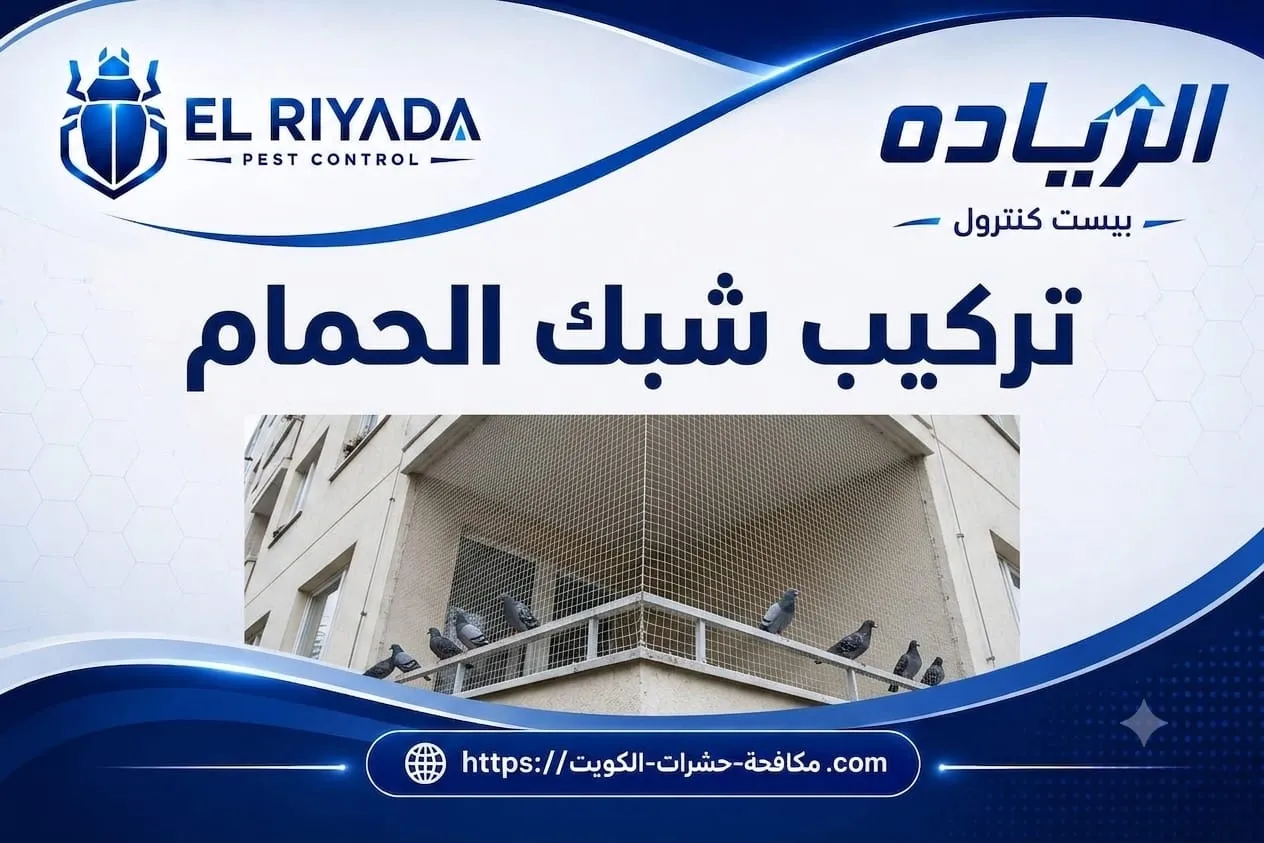
Successful pigeon netting is not measured by the size of the net covering a balcony or lightwell but by the system's ability to completely close the targeted space without leaving a route that birds can use to enter. The net may appear complete from the front while a small opening around a corner, pipe, or air-conditioning unit still allows pigeons to enter. This is where netting differs from systems designed to protect individual ledges because the objective is to create a continuous barrier around the entire entry area. A reliable service therefore begins by identifying the boundaries of the space, pigeon entry routes, and obstacles around it before selecting the netting and fixing method. Any weakness around the perimeter can reduce the value of the entire installation regardless of how much netting has been installed.
Pigeon Netting Installation Mistakes
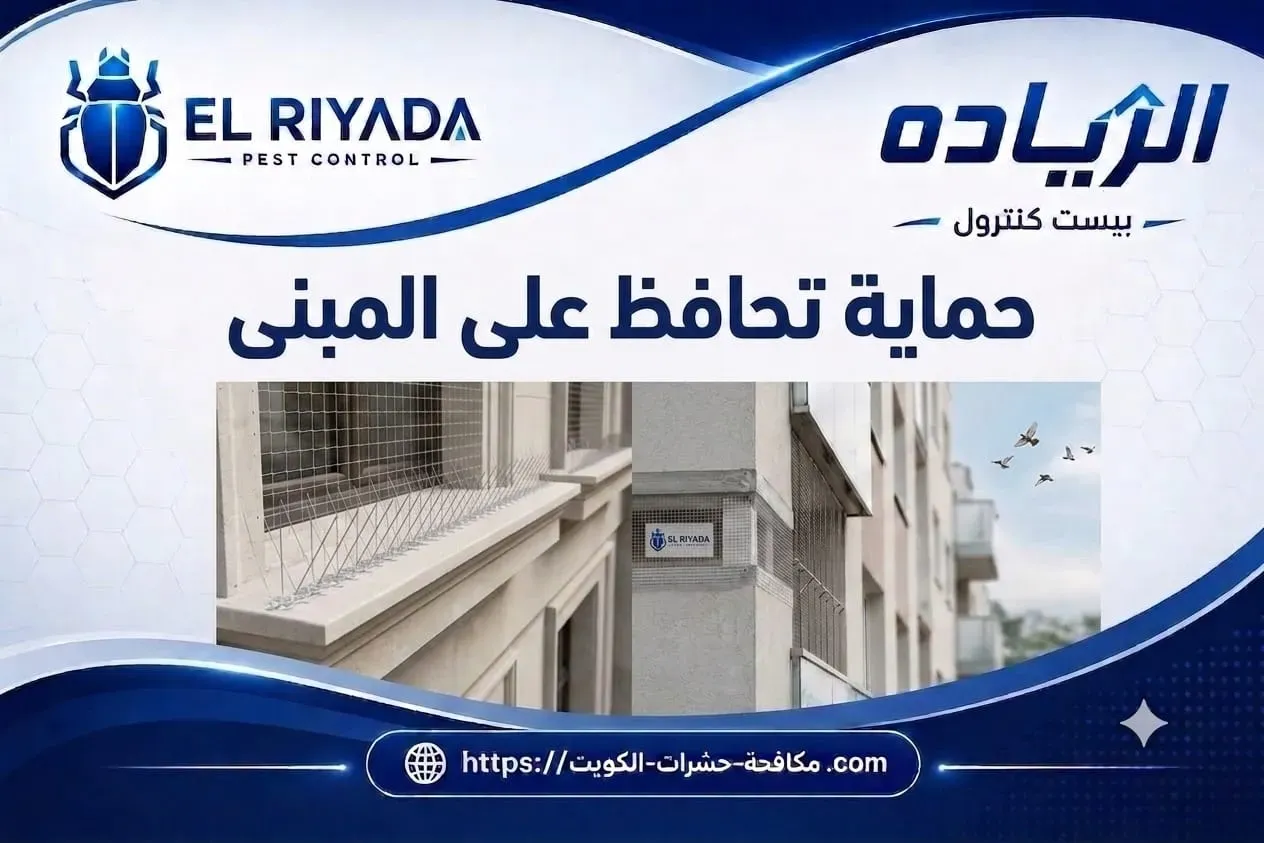
Pigeon netting installation mistakes often begin when only the main dimensions of the space are measured while details around its perimeter are overlooked. A balcony may appear rectangular, but the presence of a pipe, air-conditioning unit, railing, or architectural projection can change the shape of the enclosure required. If the net passes around these features without properly addressing the connection point, an opening may remain that appears insignificant to the eye but becomes the route pigeons use to enter.
The basic principle behind this system is that the netting functions as a continuous barrier. Covering 95% of an opening therefore does not necessarily provide 95% of the expected result if the remaining area contains an actual entry point. In a typical situation, the entire front of a balcony may be covered while pigeons can still enter through an upper section behind a pipe or through a side corner where the enclosure does not extend completely. The customer sees the netting in place but also sees pigeons inside and may assume that the material itself is ineffective when the actual problem is incomplete perimeter closure.
It is also important to consider what is already inside the area before closing it. If nesting material or birds are present in a space that is about to be enclosed, the entry route should not simply be sealed without an appropriate inspection. The objective is to prevent future access rather than trap birds inside the protected space. Access to equipment requiring maintenance should also be considered so that a technician does not later need to cut the net simply to reach it.
When comparing prices, asking only for the cost per square meter is not enough. The customer should understand the boundaries of the enclosure, how corners and obstacles will be handled, the fixing method, and how maintenance access will be maintained because these details determine whether the area will actually be enclosed effectively.
• Measuring only the width and height without mapping the perimeter of the opening and the obstacles within it can result in netting that covers the main area while leaving an entry point around a pipe, projection, or equipment that requires separate treatment.
• A small opening in a system that depends on complete exclusion can reduce the effectiveness of a large area of netting, so the installation should be evaluated according to the continuity of the barrier rather than the percentage of surface that appears covered from a distance.
• Closing an area before confirming that pigeons are no longer inside or that they have a safe way to leave can create another problem, which is why the targeted space should be inspected before the final enclosure is completed.
• Comparing pigeon netting quotations based only on the price per square meter does not reveal the quality of the service because installation costs are affected by the shape of the opening, obstacles, fixing method, and access requirements rather than netting area alone.
Bird Prevention Netting Failure
Bird prevention netting failure does not necessarily mean that pigeons have broken through the netting material itself. In many cases, the net remains intact while a weak point exists along one of its edges or where it connects to the building. When bird activity continues, it is therefore important to determine whether pigeons are actually passing through the net or moving around its edge and entering through an area that was not included within the enclosure.
The problem can be diagnosed practically by observing the direction of bird movement and signs of activity. If pigeons are appearing inside a balcony while the central section of the net remains intact, it is more useful to inspect the perimeter first than to replace the entire net. Upper corners, areas surrounding equipment, and points where the netting meets different surfaces deserve particular attention because these locations are more complex than straight and unobstructed sections.
Failure can also appear after the system has worked effectively for some time. Air-conditioning maintenance, façade cleaning, or the installation of a new cable or service line may require part of the net to be opened and it may not be returned to its original position afterward. In other situations, one support point may become damaged or a section of the net may lose its intended tension, creating a gap along the edge even though there is no obvious tear in the middle.
It is also a mistake to assume that netting is appropriate for every space simply because it can physically prevent birds from passing through. The normal use of the area, maintenance requirements, ventilation, safety considerations, and any access routes or openings that must remain functional should all be considered. A well-designed solution prevents birds from entering while preserving the necessary functions of the property.
• Finding pigeons behind the net does not prove that the birds passed through its openings because the entry route may be located along one of the edges or around equipment positioned at the perimeter, so diagnosis should begin by tracing the entire boundary of the enclosure.
• An intact central section of netting combined with continued pigeon activity directs the inspection toward corners, connection points, and fixing locations rather than replacing a large area of material without evidence that the net itself is defective.
• A problem that begins after air-conditioning or façade work may indicate that part of the enclosure was opened for maintenance and was not restored correctly afterward, making it useful to compare the timing of the pigeons' return with changes that occurred at the property.
• Netting selection should consider the normal use of the space, access to equipment, and site requirements because a system that prevents pigeons but continually interferes with maintenance is more likely to be opened or modified later.
Pigeons Entering After Netting Installation
When pigeons enter after netting installation, the most important step is not to immediately add a second layer but to identify the actual entry route. The principle of a netting system is straightforward: if the targeted area has been properly enclosed and no alternative access route exists, pigeons should not be able to reach the inside. Finding a bird within the protected space therefore provides useful diagnostic information that should be used to locate the interruption in the barrier.
The location can be examined from both inside and outside when safe access is available. An opening may exist where the net meets the balcony ceiling, behind an air-conditioning unit, or around a pipe passing through the boundary of the protected area. On properties with more complicated architectural layouts, there may be a side route that is not visible when standing directly in front of the net. Observing how pigeons approach the area can sometimes reveal this route more quickly than repeatedly inspecting the middle of the net.
It is also necessary to distinguish between a pigeon that entered after installation and one that was already present in a concealed part of the space. If pigeons appear immediately after an area containing recesses or nesting locations has been enclosed, the possibility that a bird remained inside before the work was completed should be investigated. Inspecting the area before final exclusion is therefore part of a high-quality netting installation rather than an optional step.
If the problem begins after a period of successful protection, a later change may be responsible. A fixing point may have moved, part of the net may have been opened for maintenance, or a new service installation may have created a gap around it. Knowing when the entry problem began can significantly narrow the inspection area instead of automatically assuming that the original design was incorrect from the first day.
• Identifying exactly where pigeons are entering is more useful than installing another layer over the existing system because a second net will not necessarily correct an opening located along an edge or behind building equipment.
• Observing the direction from which pigeons approach a balcony or lightwell can reveal an upper or side entry point that is difficult to see from inside and can help direct the inspection toward the route the birds are actually using.
• Pigeons appearing inside the protected space immediately after installation should prompt an inspection to determine whether they were already present inside a recess or nesting location before the enclosure was completed rather than assuming that they penetrated the newly installed net.
• Pigeons returning after a period during which the system performed successfully makes it important to review maintenance work, fixing points, and recent property modifications because a small change around the perimeter of the net may be enough to create a new entry route.
Gaps in Pigeon Netting
The presence of gaps in pigeon netting does not always mean there is an obvious tear in the middle of the net. The most critical openings are often found around the perimeter of the system where the net meets the ceiling, wall, railing, or one of the building's fixtures. The netting itself may remain completely intact while its edge fails to close a particular corner or passes beside a pipe in a way that leaves a route pigeons can exploit.
There is also an important difference between the openings intentionally built into the netting material and unintended gaps created by installation problems or later damage. When pigeons enter the protected area, it should not immediately be assumed that the mesh size is responsible. The first step should be to check for a side opening, separation around a fixing point, or a section that may previously have been cut or opened during maintenance work.
Areas where several surfaces meet at a single point deserve particular attention. A corner where a wall, ceiling, projection, and pipe come together may require more detailed treatment than the middle of a straight opening. A gap can also develop gradually if the edge of the net moves or one of its support points loses stability over time.
The location of droppings or feathers inside the protected area can help direct the inspection, but these signs alone are not enough to confirm the entry point. It is better to combine this evidence with observation of pigeon movement and an inspection of the entire perimeter. If the area is high or difficult to access, nobody should take unnecessary risks by attempting to inspect the exterior without appropriate access equipment and safety measures.
• The opening that allows pigeons to enter may be located where the net connects to the building rather than in the middle of the material itself, so the entire perimeter should be traced when investigating the reason birds continue to reach the protected area.
• Cutting part of the net to pass a cable or pipe through the enclosure and then failing to restore the area properly can create a new entry route that was not present in the original design even when the rest of the netting remains in excellent condition.
• A gap appearing near a moving fixing point requires the cause of that movement to be addressed as well because simply closing the opening without restoring the stability of the system may allow the same gap to develop again.
• Inspecting netting gaps on balconies or upper floors should be carried out safely because attempting to reach the outside of the net without suitable equipment can expose someone to a serious fall risk for a problem that requires professional access.
Fixing Bird Netting
The quality of fixing bird netting depends on creating a stable supporting perimeter that keeps the net in its intended position rather than simply installing a large number of fixing points without a clear plan. Netting functions as an interconnected surface, which means that weakness along one part of the perimeter can affect the nearby section and create a gap even when the rest of the system remains secure.
Installation quality begins with the condition of the supporting surface. Concrete, stone, metal, and other materials do not have identical characteristics, while cracked or weakened surfaces require assessment before they are relied upon for support. Components and fixing methods should be compatible with both the system and the substrate and should follow the relevant product instructions while avoiding unnecessary damage to the façade, waterproofing, or services located around the working area.
The net also needs an appropriate balance in its installation tension. Netting that is noticeably loose can change shape, move closer to surrounding surfaces, or create irregular areas, while excessive tension is not an objective in itself and may place unnecessary loads on support points. The goal is a stable installation that follows the specifications of the system being used rather than stretching the net as tightly as physically possible.
Future maintenance should also be considered before the fixing arrangement is completed. If an air-conditioning unit behind the net requires periodic servicing, an appropriate method of access should be incorporated into the protection design instead of waiting until the first maintenance visit and allowing the net to be cut without a plan.
• Support points should be selected according to the condition of the surface and the design of the system because fixing netting to a weak layer or unstable section can allow the edge to move and create a gap even when the netting material itself remains undamaged.
• Effective fixing maintains the stability of the net perimeter and does not depend on increasing the number of fixing points without planning because the location of those points and the way they support the system are more important than quantity alone.
• Adjusting the net according to the requirements of the system is better than applying excessive tension because the objective is to preserve the shape and stability of the barrier without placing unnecessary stress on components or building surfaces.
• Planning access to air-conditioning units and other equipment located behind the net reduces the likelihood that maintenance teams will cut or dismantle the system in a way that leaves an opening through which pigeons can return after the work has been completed.
Choosing the Right Pigeon Netting Size

Choosing the right pigeon netting size requires distinguishing between the overall dimensions of the net required to cover the opening and the size of the individual mesh openings. Both are important, but each serves a different purpose. The dimensions of the net should match the shape of the area and allow the required enclosure to be completed, while the mesh design should be intended for the target birds according to the specifications of the system being used.
It is not advisable to select netting based on the assumption that smaller mesh openings are always better. The product should be designed for the intended application and should prevent access while remaining suitable for the conditions of the site and the requirements of the system. Using a net that was not originally designed for this purpose simply because its openings appear small may result in a solution that is unsuitable for outdoor exposure or the required fixing method.
The overall dimensions of the net also require a practical measurement of the area rather than simply estimating its width and height. Projections, recesses, air-conditioning units, or other obstacles can mean that the required net does not follow the shape of a simple rectangle. The actual fixing boundaries must also be identified because the visible distance between two edges may not represent the exact area that the completed system will need to enclose.
From a cost perspective, comparing netting options only by price per square meter is not enough. The type and specifications of the material, shape of the space, difficulty of access, and details around the perimeter can all influence the value and complexity of the installation. A relatively small area with several corners and fixtures may require more detailed work than a larger opening that is straight and unobstructed.
• Mesh opening size should be selected as part of a system designed for the target bird species and according to the product specifications rather than assuming that the smallest available opening is automatically the best choice for every property.
• Measuring only the width and height may be insufficient when a balcony contains projections, equipment, or changes in the shape of the opening, so the actual enclosure boundaries should be identified before the netting system is prepared.
• Using netting that is not designed for bird exclusion can lead to problems with suitability, fixing, or durability even when the size of its openings appears appropriate during a simple visual comparison.
• Price comparisons should consider the netting specifications, shape of the area, fixing requirements, obstacles, and access difficulty because the cost per square meter alone does not show how much work is required to create a continuous and effective barrier.
Installing Pigeon Netting Without Gaps
Successful installation of pigeon netting without gaps does not simply mean that the edges of the net touch the boundaries of the balcony when the work is completed. The enclosure needs to remain continuous around corners, changes in direction, and building features that pass through the protected area. This distinction is important because the system may appear completely closed when viewed from the front while a hidden route remains behind equipment or along a side section that can only be seen from another angle.
The entire perimeter should therefore be reviewed point by point after installation. Starting and ending points, wall-to-ceiling junctions, and areas around pipes, supports, railings, and other fixtures are all transition points that differ from the middle of a straight and unobstructed section. The objective is not to fill openings randomly but to create a continuous boundary around the protected area using components and installation methods that are compatible with the netting system.
Another mistake is attempting to correct every gap that appears after installation simply by adding small pieces of netting without determining why the opening developed. If a gap was caused by movement at a support point, covering it alone may provide a temporary result before the opening appears again. If the problem resulted from inaccurate measurements, the affected section may require a properly planned adjustment rather than a collection of additional pieces that make future maintenance more difficult.
Complete exclusion should also not interfere with essential requirements of the property. Openings or equipment that serve necessary access, maintenance, or safety functions should not be blocked without proper consideration. A well-designed system prevents pigeon entry while respecting how the space needs to function and the operational requirements of the building.
• Reviewing the perimeter of the net from more than one angle after installation helps identify hidden routes behind pipes and projections because looking at the net only from the front can create an inaccurate impression that the enclosure is completely sealed.
• Wall-to-ceiling junctions and changes in the direction of the net deserve individual inspection because these transition points are more likely to contain gaps than straight sections that are easier to measure and cover.
• A new gap appearing after a period of use should prompt an investigation into its cause before a small additional piece of netting is installed because movement at a support point or changes to building equipment may make a surface-level repair only temporary.
• Effective exclusion prevents pigeon entry routes without unnecessarily obstructing required access or safety functions at the property, so these needs should be incorporated into the design instead of being addressed only after installation is complete.
Balcony Protection Netting Problems
Balcony protection netting problems differ from issues found in lightwells or unused enclosed spaces because a balcony is an area residents interact with regularly. Opening doors, cleaning, servicing air-conditioning units, using railings, and having furniture or other equipment in the space can all affect the design. These practical requirements should be considered so that the net does not become an obstacle that encourages occupants or maintenance workers to remove or modify it later.
A practical example is a netting system installed in a way that prevents access to an external air-conditioning unit. When the first fault occurs, the technician may need to open part of the net and may then restore it only temporarily or leave a small gap. As a result, a system that provided complete exclusion when originally installed loses its continuity because of a maintenance requirement that could have been anticipated during the design stage.
It is also important to understand that seeing pigeons on the outside of the net does not necessarily indicate that the protection has failed. If a bird is standing on a ledge outside the enclosed area but cannot enter the balcony, the net may still be performing its primary function. The customer's objective should therefore be clearly defined: is the purpose to prevent pigeons from entering the balcony or to prevent them from using every external part of the façade? These are different objectives and may require different scopes of work.
Cleaning can create another source of confusion. Old droppings or nesting material may remain after pigeon access has been prevented, leading someone to believe that activity is continuing. Previous contamination should be distinguished from fresh evidence, and accumulated bird droppings should be handled with appropriate precautions rather than disturbing dried material and creating unnecessary contaminated dust.
• Designing balcony netting without considering access to air-conditioning units and equipment that require periodic servicing increases the likelihood that the net will later be cut or opened, creating an entry point that did not exist when the installation was originally completed.
• Seeing pigeons outside the net does not prove that the system has failed when the agreed objective is to prevent entry into the balcony and the barrier continues to keep the birds outside the protected interior space.
• Defining the objective of the service before installation prevents misunderstandings because protecting the inside of a balcony is different from a project intended to prevent pigeons from using external ledges and projections that may remain outside the scope of the netting.
• Old droppings remaining inside the balcony after netting installation should be distinguished from evidence of current activity because traces from the previous infestation do not automatically mean pigeons are still able to enter through the barrier.
Maintaining Net Fixing Points
Maintaining net fixing points helps identify small changes before they develop into an obvious opening through which pigeons can enter. Maintenance in this context does not mean reinstalling the netting periodically without a reason. It means inspecting the parts supporting the system when looseness, movement, or a change in the net's shape becomes visible or after work that may have affected the perimeter.
Signs that deserve attention include an edge of the net pulling away from the wall, a noticeable change in one section of the net, or movement at a support point. These signs do not necessarily mean the entire system needs replacement. The problem may be limited to one location, but repairing it properly requires understanding why the point moved and whether the surface supporting it remains suitable.
Fixing points should also be reviewed after nearby building work. Replacing an air-conditioning unit, installing a new service line, or carrying out façade maintenance may require workers to interact with the net even when bird exclusion is not part of their main task. Recording these changes or informing the party responsible for the bird-control system makes it easier to restore the enclosure correctly instead of discovering the opening only after pigeons have returned.
At elevated locations, inspection should never become a personal safety risk. Some exterior fixing points cannot be safely reached from inside the balcony and require suitable professional access equipment. Leaning over a railing to repair an external edge is not an appropriate maintenance method regardless of how small or simple the problem may appear.
• An edge of the net pulling away from the fixing perimeter is a sign that deserves early inspection because correcting a limited weakness before it becomes larger may prevent it from developing into a route that pigeons begin using repeatedly.
• Repeated movement at the same fixing point indicates that the supporting surface and fixing method should be examined rather than simply attaching it again in exactly the same way because the underlying problem may be in the base supporting the system.
• Reviewing the net after air-conditioning, façade, or service-line work helps confirm that the enclosure boundaries have been restored because maintenance teams may need to open part of the system to reach equipment located behind it.
• Exterior fixing points that are difficult to reach should be inspected and maintained using suitable access and safety equipment rather than attempting to reach them from the edge of a balcony in a way that exposes someone to a fall hazard.
Improving Pigeon Netting Effectiveness

Improving pigeon netting effectiveness begins by identifying where the system has lost the continuity of its enclosure rather than automatically adding additional layers of netting. If most of the barrier remains intact and pigeons are entering through only one specific location, inspecting that point and the surrounding perimeter is more useful than replacing the entire net. If the problem is occurring along several sides, however, it may be necessary to review the original design and the boundaries of the area that were intended to be enclosed.
One practical way to evaluate performance is to compare pigeon activity before and after installation. If pigeons disappear from inside the balcony but continue to use an external ledge, the net may have successfully prevented entry even though it has not eliminated birds from every part of the building. On the other hand, fresh droppings or new nesting material inside the enclosed area should prompt an investigation for an actual entry route rather than repeatedly inspecting only the middle of the net.
Performance can also improve when the netting system becomes part of the property's maintenance planning. Before replacing an air-conditioning unit or installing new services that pass through the protected boundary, the way the net will be handled should be considered and the enclosure should be restored after the work is completed. This is usually simpler and less costly than discovering the problem after pigeons return and begin using the space again.
Improving the system does not necessarily mean installing thicker netting or adding a second layer. In some cases, the real solution is correcting an unclosed corner, repairing a fixing point that has moved, or redesigning a small section that did not provide suitable access around equipment. The more accurately the cause is diagnosed, the more targeted the repair can be and the less it will depend on unnecessary additional materials.
• Monitoring fresh droppings, feathers, and nesting material inside the protected area provides a better measure of netting effectiveness than simply seeing pigeons around the building because birds may remain outside without being able to enter the enclosed space.
• Identifying the entry point before carrying out modifications reduces unnecessary work because the problem may involve only a few centimeters along one edge while a large area of the existing net remains intact and continues to perform its intended function.
• Including pigeon netting in balcony or façade maintenance planning helps prevent new gaps after air-conditioning and service work because restoring the enclosure becomes part of the job instead of being ignored until a new pigeon problem appears.
• Improving system performance does not always require more netting because repairing a fixing point or redesigning a small section around an obstacle may provide a better result than installing an additional layer that does not close the actual entry route.
Why Choose Al Reyada Pest Control in Kuwait?
Al Reyada Pest Control can be a strong choice for pigeon netting installation in Kuwait when the service begins by understanding the space that needs to be enclosed and the routes pigeons use to enter rather than treating the project as a simple width-and-height measurement followed by the installation of a piece of netting. A detailed inspection matters because the success of this type of protection depends on maintaining a continuous enclosure around the entire perimeter including corners, pipes, air-conditioning units, and architectural projections that can become entry points if they are not included in the design.
Practical expertise becomes particularly important in irregular locations. A simple balcony with a straight opening is different from a lightwell containing multiple service lines and both differ from an area containing equipment that requires frequent maintenance. The design should therefore explain where the net will be fixed, how obstacles will be handled, and whether equipment behind the barrier will require future access.
A clearly defined scope of work also increases confidence in the service. The customer should understand whether the objective is only to prevent pigeons from entering a balcony or to enclose a larger space and which areas are included within the protection. These details help prevent later confusion between a pigeon standing on an external surface and an actual breach of the netting system.
When comparing Al Reyada Pest Control with another quotation, the price per square meter should not be the only factor. Material quality matters, but the result also depends on inspection, system design, fixing points, perimeter treatment, and the ability to maintain the enclosure after changes are made to the property.
• Al Reyada Pest Control can provide stronger value when the inspection covers the full boundaries of the space and pigeon entry routes rather than measuring only the main opening because identifying an upper or side entry point before installation can prevent a weakness that may be difficult to detect after the net has been fitted.
• Considering air-conditioning units, pipes, projections, and future maintenance access helps create a protection system that can be maintained practically instead of installing a barrier that technicians are forced to cut or dismantle whenever the property requires servicing.
• Clearly defining the protection scope before installation makes performance easier to evaluate because the customer can distinguish between the area that was enclosed and external surfaces that were never included within the pigeon netting project.
• Comparing the service according to netting quality, completeness of the enclosure, fixing method, treatment of architectural details, and follow-up alongside price provides a more realistic assessment of value than relying on the cost per square meter alone.
Conclusion
Many pigeon netting installation mistakes begin with focusing on the large visible area while overlooking small details around its perimeter. Likewise, bird prevention netting failure does not always mean that the netting itself is damaged because the actual problem may be located along an edge, at a corner, or at a point that was opened during later maintenance work.
When pigeons enter after netting installation, the route they are actually using should be identified and the system should be checked for gaps in pigeon netting or openings around its boundaries before the entire installation is replaced. The quality of fixing bird netting affects the barrier's ability to maintain its intended position, while choosing the right pigeon netting size requires consideration of the product, the dimensions and shape of the space, and the target birds.
Successful installation of pigeon netting without gaps depends on maintaining a continuous enclosure around the entire perimeter while preserving the normal use of the property. Balcony protection netting problems also require a different approach because of air-conditioning equipment, cleaning, and everyday maintenance. Maintaining net fixing points helps identify changes before they develop into new entry routes, while improving pigeon netting effectiveness always begins by identifying the actual cause of the weakness rather than adding more material without a clear reason.
Frequently Asked Questions
What are the most common pigeon netting installation mistakes?
Common mistakes include measuring only the main area while overlooking its perimeter, leaving gaps around pipes, air-conditioning units, or corners, and failing to plan access to equipment that will require future maintenance.
Why does bird prevention netting fail even when the net looks intact?
The netting material may remain completely intact while an opening exists along one of its edges, a fixing point has moved, or a section has been opened during maintenance. The entire perimeter should therefore be inspected rather than checking only the middle of the net.
Why do pigeons enter after netting installation?
Pigeons may enter through an unclosed corner, around a pipe, or through an area outside the original netting boundary. If entry begins after the system has worked successfully for some time, maintenance work and recent modifications to the property should also be reviewed.
How can I find gaps in pigeon netting?
Inspection should begin by checking the perimeter of the net, corners, and points where the netting meets walls, ceilings, and equipment. Observing the direction from which pigeons enter and looking for fresh signs of activity can also help identify the area requiring closer inspection.
Does finding a pigeon inside the balcony mean it passed through the net?
Not necessarily. The bird may have entered around the edge of the net or through an opening near equipment. If it appears immediately after installation, it is also important to determine whether it was already inside a recess or concealed area before the enclosure was completed.
Why is correct bird netting fixing important?
Correct fixing helps maintain a continuous barrier and reduces the likelihood of edges moving and creating gaps. The fixing method should be compatible with the condition of the supporting surface and the netting system while avoiding unnecessary damage to the building.
How do I choose the right pigeon netting size?
It is important to distinguish between the overall net dimensions required to cover the space and the size of the mesh openings. The system should be selected according to the target birds, product specifications, and shape of the location rather than assuming that the smallest mesh is always the best option.
Should pigeon netting be installed without any gaps?
There should be no routes that allow pigeons to enter the area intended to be protected. At the same time, safety requirements, necessary access, and building services must be respected rather than blocking functional elements without proper planning.
Does balcony protection netting stop pigeons from perching outside?
Not necessarily. If the scope of the service is to prevent pigeons from entering the balcony, some external ledges may remain accessible to birds. Preventing pigeons from using every exterior part of the façade is a different objective and may require a separate assessment.
Can air-conditioning maintenance cause problems with pigeon netting?
Yes. A technician may need to open the net or move one of its fixing points to access the equipment. Maintenance access should therefore be considered during system design and the enclosure should be checked after servicing has been completed.
When do pigeon net fixing points require maintenance?
They should be inspected when an edge begins pulling away from the surface, the shape of the net changes, a support point moves, or nearby building work has been carried out. This does not necessarily mean the entire system requires replacement because the affected section and the cause of the problem should first be identified.
Will installing a second net solve pigeons returning?
Not necessarily because pigeons may be entering through an opening around the perimeter rather than through the middle of the net. Identifying the entry route and correcting the weak point is more useful than automatically installing another layer.
How should pigeon netting installation prices be compared?
Compare the type of netting, enclosure scope, shape of the area, fixing method, obstacles, access difficulty, and maintenance requirements alongside the price. Cost per square meter alone may not reflect differences in installation quality or complexity.
How can pigeon netting effectiveness be improved after installation?
Improvement begins by monitoring fresh activity, identifying any entry route, inspecting the perimeter and fixing points, and correcting the section responsible for the problem. The system should also be reviewed after changes to the façade or air-conditioning equipment.
Why choose Al Reyada Pest Control for pigeon netting?
Al Reyada Pest Control can be a strong option when the service includes assessing the boundaries of the space and pigeon entry routes, selecting a system suitable for the property, addressing corners and equipment, and clearly defining the protection scope before installation rather than relying on netting area alone.