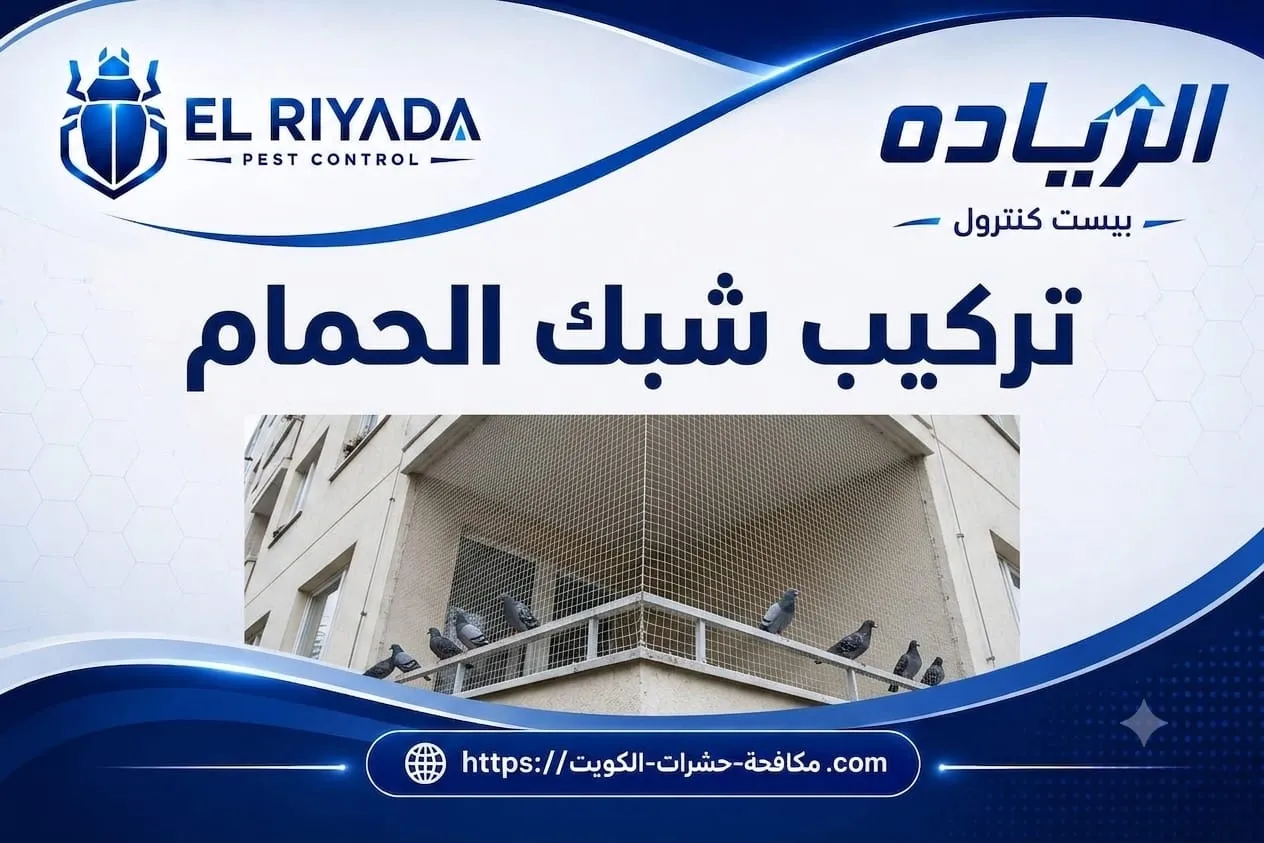
A pigeon problem on balconies and inside building shafts cannot be solved simply by purchasing a net and attaching it to the first visible opening. Effective protection depends on inspecting the location, identifying the routes birds use to enter, measuring all openings accurately, selecting a suitable net, and creating secure fixing points without leaving gaps along the sides. For this reason, searching for the best pigeon net installation company in Kuwait should focus on the quality of the complete solution rather than the price per meter alone. Two quotations may sound almost identical over the phone while differing significantly in net material, tensioning method, fixing quality, access to elevated areas, treatment of corners, and future access to air-conditioning units. This guide explains how to choose the right company, what should be checked before approving installation, and why every balcony or building shaft requires a solution suited to its individual design.
Pigeon Net Installation Company
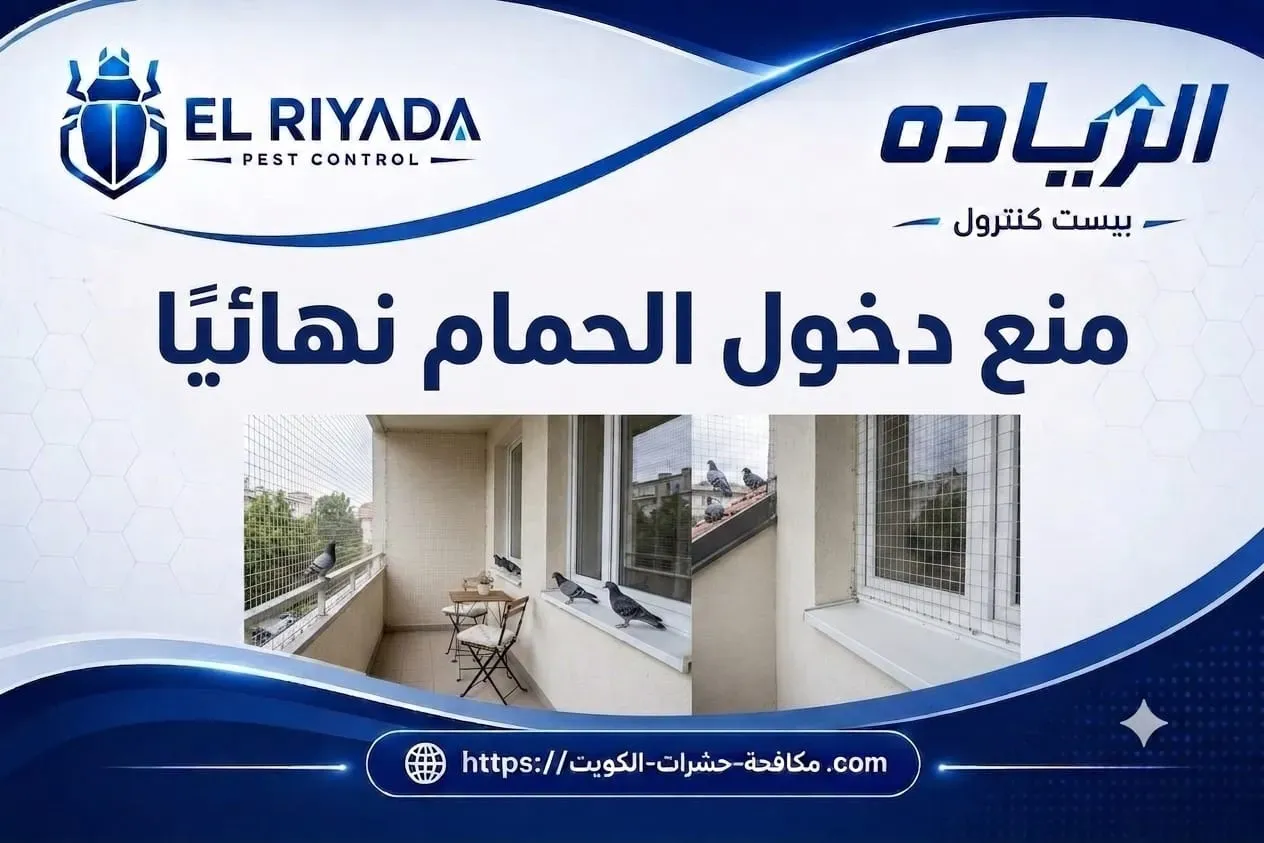
Choosing a pigeon net installation company begins with understanding the actual purpose of the net. The objective is not simply to place a visible barrier across part of the building. The purpose is to close the space birds can physically enter while maintaining stable net tension and avoiding gaps along edges, pipes, air-conditioning units, and structural elements. For this reason, the quality of a company often becomes visible during inspection and planning before the installation itself even begins.
A proper inspection starts by identifying how pigeons use the location. Do they fly directly into the building shaft? Is there a side opening that is difficult to notice from inside? Do they first land on an exterior ledge and then move into a protected area within the building? The answer determines exactly which area needs to be enclosed. Installing a net across one opening while leaving another route accessible can make the installation look complete visually while the actual pigeon problem continues.
Measurements come next. The length and width of the opening, its shape, the number of corners, and the presence of pipes or air-conditioning equipment all influence the net design. Regular openings are relatively straightforward, while building shafts containing several utility lines require more careful planning around connection points so that the area surrounding a pipe, for example, does not become a small entry route for birds.
The fixing method is just as important as the net itself. The net requires appropriate tension distribution and edge support suited to the surface on which it will be installed. If one side is loose or insufficiently secured, a gap may gradually develop even when the net material itself is of good quality.
Future use of the area should also be considered. If air-conditioning units or other equipment will require maintenance, the design should account for future access. There is little point in solving the pigeon problem today only for an AC technician to arrive one month later and discover that reaching the unit requires a military operation against the newly installed net.
The experience of a pigeon net installation company also appears in its willingness not to recommend netting for every bird problem. If pigeons are only landing on an exterior ledge without entering an enclosed space, another bird-deterrent system may be more appropriate. A professional company should first understand bird behavior and then determine whether netting is actually the right solution.
• The quality of a pigeon net installation company begins with identifying bird entry routes and determining the actual area requiring protection instead of simply covering the most visible opening.
• Accurate measurements should include corners, pipes, air-conditioning units, and projecting structural elements because these details can create gaps that are not considered when measuring only length and width.
• Fixing quality and proper tension are essential to net performance because good net material cannot stop pigeons effectively if gaps develop along poorly secured edges.
• The net design should account for future access to equipment and building services so routine maintenance does not become a reason for damaging the installed protection.
• A specialized company should not automatically assume netting is suitable for every situation but should distinguish between birds entering an enclosed space and pigeons simply landing on an exposed ledge.
Professional Pigeon Netting Company
When searching for a professional pigeon netting company, customers should be careful with broad claims such as “approved” or “certified” when the meaning behind those descriptions is not clearly explained. A customer needs to verify the identity of the service provider, understand the type of work being offered, and review installation conditions, warranty terms, and agreed specifications rather than making a decision based on a large promotional phrase appearing in a small advertisement.
The first step is understanding who will actually carry out the work. Contact details should be clear, and the customer should receive sufficient information about the service before installation, particularly when the project is large or involves elevated shafts or several balconies. A quick verbal conversation may be enough to arrange an inspection, but it is not the best method for defining the specifications of a project involving materials, measurements, installation requirements, and warranty conditions.
It is equally important to request a clear description of the proposed net. The phrase “premium net” does not provide information that can be meaningfully compared. Customers should understand the material being proposed, the nature of the net openings, its suitability for exterior use, and how it will be fixed at the property. Once specifications are clear, different quotations can be compared on a realistic basis.
Practical experience also becomes visible in the way the company handles irregular details. A building shaft may contain drainage pipes, utility lines, air-conditioning units, or difficult-to-access corners. A company that provides a final price without understanding these conditions may later need to change the installation method after work begins or improvise around obstacles.
Safety is another factor that should not be ignored. Installing nets at height or in difficult-to-access shafts requires an appropriate working method for the location. A low price does not become an amazing bargain if the installation itself is poorly organized or exposes workers and property to unnecessary risks.
Customers should also understand exactly what the quoted price includes. Does it cover measurement, materials, and installation? Are there potential additional works? If a warranty is offered, are its terms clearly explained? The more specific the quotation is, the lower the chance of conflicting expectations after the work is completed.
Simply put, the word “approved” is not a magical stamp that makes the net tighten itself while the pigeons pack their bags and move away. Trust comes from clear business information, understandable specifications, assessable workmanship, and an agreement that tells both parties exactly what is included.
• Verifying the service provider's information and the nature of its work is more useful than relying solely on the word “approved” in an advertisement without understanding what that description actually represents.
• Written net specifications and a clear installation method allow customers to compare companies more accurately than general descriptions such as premium material or highest quality.
• Inspecting pipes, equipment, and irregular corners before pricing reduces the need for improvised solutions or unexpected modifications after installation has already started.
• Working methods in elevated areas and difficult building shafts should form part of the company evaluation because installation quality cannot be separated from safe and organized access to the work area.
• Understanding what the price includes, the warranty conditions, and any potential additional work helps customers evaluate the complete quotation instead of selecting the lowest figure without knowing what service is provided in return.
Pigeon Net Installation Company Contact Numbers

Searching for pigeon net installation company contact numbers usually means the customer has moved close to the purchasing stage and wants to request a price or arrange an appointment. However, the first call should not immediately become a conversation of “how much per meter?” followed by choosing the lowest answer. Pigeon netting is not a completely standardized product that can always be priced accurately from one sentence because the shape, size, height, number of corners, obstacles, and accessibility of the location all affect the installation requirements.
Before contacting a company, preparing some basic information can save considerable time. Identify whether the area is a balcony, building shaft, or utility opening, estimate the dimensions where possible, and record how many areas require protection. Clear photographs from several angles can help provide an initial understanding, although an on-site inspection remains important when measurements or structural details are unclear.
During the conversation, ask about the proposed net type rather than focusing only on price. It is also useful to ask how the edges will be fixed and how pipes or air-conditioning units within the protected area will be handled. These simple questions quickly reveal whether the discussion is about a solution designed for the actual site or merely a general price intended to secure the booking.
It is also important to ask about inspection. For straightforward projects, photographs and measurements may provide enough information for an initial estimate, but large building shafts, elevated locations, and irregular spaces often need closer assessment before the final installation method is confirmed.
The warranty question should also be specific. What does it cover? How long does it last? Does it apply to installation issues, net material, or both under particular conditions? The phrase “it comes with a warranty” provides limited value when there are no details behind it.
Access should also be discussed before installation. If the net will protect an area containing equipment requiring maintenance, ask how future access will be maintained. Adjusting the design before installation is much easier than cutting the net when the first air-conditioning problem appears.
When comparing several company numbers or quotations, do not use response speed as the only selection criterion. A fast reply is excellent, but if the fastest answer is “everything is fine, no problem” before anyone knows whether you have a balcony, a shaft, or possibly a ship, then perhaps two more questions are needed before getting excited.
• Preparing photographs, approximate dimensions, and the type of space before contacting the company helps explain the project and can make the initial estimate more relevant to the actual installation requirements.
• Asking about net material, fixing methods, and the treatment of obstacles provides more valuable information than requesting the price per meter at the beginning of the conversation.
• An on-site inspection becomes particularly important for large building shafts, irregular openings, and elevated areas where photographs alone may not reveal every installation detail.
• Questions about the warranty should cover its duration, what it includes, and the conditions attached to it instead of relying on the word “warranty” without information that can be referred to later.
• Companies should be compared according to the quality of their answers, clarity of specifications, and installation approach rather than response speed or the lowest price alone.
Pigeon Net Installation with Warranty
Searching for pigeon net installation with warranty is reasonable because the net operates in an exterior environment where it may be exposed to sunlight, dust, wind, cleaning work, and maintenance activities taking place nearby. However, the value of a warranty should not be measured simply by whether the word “warranty” appears in the quotation. What matters is understanding exactly what the agreement covers, which situations fall under the company's responsibility, and which types of damage may result from external intervention or changes made to the site after installation.
One of the most important points requiring clarification is the warranty on the fixing system. A net may be made from suitable material, but its performance also depends on secure edges, proper tension distribution, careful treatment of corners, and accurate finishing where the net meets walls, pipes, and other structural elements. If the net becomes loose because of an issue directly related to the installation method, the customer should know in advance how such a case will be handled under the warranty conditions.
Damage caused by later work within the building needs to be distinguished clearly from an installation problem. If another technician removes part of the net to reach an air-conditioning unit and then fails to reinstall it correctly, that situation is different from a fixing point failing without external interference. Clarifying these circumstances from the beginning prevents the warranty from turning into a debate after installation about who is responsible while the pigeons sit above everyone watching the meeting.
The customer should also understand the warranty duration, when that period begins, and whether an invoice, service document, or specific information is required to verify the installation. A written agreement provides far more practical value than a verbal promise that may be difficult to confirm several months later.
The existence of a warranty should never encourage the customer to overlook the quality of the original design. A warranty is not a substitute for accurate measurements, proper closure of all entry routes, or selecting a suitable net. If a side opening is left unprotected from the beginning and pigeons continue entering through it, the issue may be related to the design and installation scope rather than the strength of the net material.
Future maintenance should also be considered. If technicians need regular access to the protected area, the design should account for a practical access method rather than relying on repeatedly removing and reinstalling the net in an unplanned manner.
When comparing quotations, the warranty should therefore be evaluated as one part of a complete package that includes the material, installation method, inspection, and workmanship quality. A very long warranty attached to weak installation does not automatically provide better value than carefully planned work supported by clear and reasonable conditions.
• A useful warranty should explain whether installation or material problems are covered under defined conditions instead of providing only a general statement that does not clarify the installer's responsibilities.
• Distinguishing between an installation defect and damage caused by later maintenance work helps prevent disagreements about the source of the problem after the net has been installed.
• Keeping the invoice, service documentation, and warranty terms makes it easier to refer back to the agreement if follow-up becomes necessary during the warranty period.
• A warranty cannot compensate for an unsuitable design because a net that leaves an active pigeon entry route open will not provide the required protection regardless of the quality of its material.
• Planning access to air-conditioning units and building services before installing the net reduces the possibility of cutting or removing the protection later in a way that affects both the installation and warranty.
Bird Protection Netting Company
Choosing a bird protection netting company first requires identifying the type of birds involved and understanding the nature of the area that needs protection because the phrase “bird protection” covers more than pigeon problems alone. Bird size, entry behavior, the target opening, and the design of the building can all influence the appropriate net design, opening size, and installation method.
In the case of pigeons, the main objective is often to close building shafts, balconies, and other open spaces that birds use for entry, shelter, or nesting. Other locations may involve smaller birds or different structural conditions, and in those situations it should not automatically be assumed that exactly the same net specification is suitable.
Another important point is understanding the difference between preventing entry and preventing landing. Netting creates a physical barrier separating birds from a particular space, while exposed ledges and exterior cornices used mainly for landing may require another type of deterrent system. A company that understands this distinction should not recommend covering an entire space with netting when the actual problem is limited to one small ledge.
The design should also respond to the structure of the building. A simple rectangular opening is very different from a shaft containing several levels, pipes, equipment, and utility outlets. In complicated locations, careful treatment of small details can become more important than the total net area because a bird does not need an opening the size of a living-room door. It only needs a gap large enough to pass through, and from there it will happily handle the rest.
Visual appearance can also matter, particularly on residential and commercial façades. Keeping the net properly tensioned, reducing unnecessary sagging, and arranging fixing lines in an organized manner can reduce avoidable visual impact.
The function of the protected area should also be maintained. If ventilation is required or the area contains equipment that technicians need to access, the protection system should not turn the location into a sealed box that becomes unnecessarily difficult to use or maintain.
Existing nests and bird waste should also be considered before installation. Installing the net is intended to prevent future access; it is not a substitute for appropriately preparing a location where previous bird activity is already present.
For this reason, a competent bird protection netting company does not begin by asking only how many meters of net are required. It first asks what is happening at the property, where birds are entering, and which space needs to be separated from them. The difference may sound small in conversation, but it can be enormous in the final result.
• Identifying the bird type and its entry routes helps select a net suitable for the actual problem instead of automatically using the same specifications at every property.
• Distinguishing between birds entering a space and birds merely landing on a ledge prevents unnecessary netting when a simpler and more suitable deterrent system could solve the problem.
• Net design in complex building shafts should account for pipes, equipment, corners, and multiple openings because even one suitable gap can reduce the effectiveness of the entire barrier.
• Maintaining proper tension and organized fixing lines helps provide protection while reducing sagging and unnecessary visual impact on the building.
• Preparing the location and addressing evidence of previous bird activity before enclosing it helps begin the protection process with a suitable space rather than leaving nests or accumulated materials behind the net.
Pigeon Net Installation Technician
The role of a pigeon net installation technician is not limited to carrying a net and fixing it around an opening because the quality of the final result depends on a series of small decisions made during the work. The technician deals with actual measurements, corners, ceilings, walls, pipes, equipment, and sometimes elevated or difficult-to-access spaces. Practical installation experience can therefore directly affect how effective and durable the completed protection will be.
Good work begins with reviewing measurements at the property. Even when dimensions and photographs have already been provided, final measurements help confirm details that may not be visible in images, such as a projection, an uneven wall, or a pipe passing close to a planned fixing point.
The next step is determining the route of the net. The technician needs to select a line that closes the required space with as few unnecessary complications as possible while maintaining the intended protection. Choosing the wrong route may create pockets or side areas that pigeons can still access even though the main barrier has been installed.
The distribution of fixing and tension points is one of the most important parts of the work. A loose net does not provide the same result as one that is appropriately tensioned, while excessive or poorly planned tension can distort the appearance or place unsuitable pressure on certain points. The objective is to achieve balance that keeps the net stable and properly aligned.
Handling obstacles is one of the clearest tests of a technician's practical ability. A pipe passing through the net line requires careful finishing around it without leaving an entry gap. The same principle applies to cables, equipment, and projecting structural elements.
The technician should also consider future access when the protected space contains equipment that requires maintenance. A solution that looks perfect on installation day may become extremely inconvenient if workers later have to damage it simply to reach an air-conditioning unit.
Cleanliness and organization after installation are also part of service quality. Material offcuts and installation debris should not remain on the balcony or inside the building shaft after the work is completed.
When evaluating a technician, speed should not be the only factor. A technician who completes the job in half the time but leaves two open corners has not achieved a historic engineering breakthrough. He has simply finished early and provided the pigeons with a VIP entrance.
• Reviewing measurements at the property helps the technician identify projections, irregular surfaces, and obstacles that may not be clearly visible in photographs or preliminary dimensions.
• Selecting an appropriate net route reduces unnecessary complications and prevents the creation of side spaces that pigeons may still reach despite the presence of the main barrier.
• Balanced distribution of fixing and tension points helps maintain net stability and reduces sagging that may appear when installation is poorly organized.
• Accurately finishing areas around pipes, cables, and equipment is essential because small gaps can become entry points that reduce the effectiveness of the entire protection system.
• Technician quality should be evaluated according to the final result, attention to detail, and continued usability of the protected space rather than installation speed alone.
Balcony Pigeon Net Installation Company

Choosing a balcony pigeon net installation company requires understanding how the balcony is actually used before determining the design of the protection system because a balcony is not simply an opening that can be covered from the outside and forgotten. Some balconies are completely open, while others contain air-conditioning units, windows, railings, utility lines, or other structural elements. Residents may also use the space every day. The net should therefore prevent pigeons from entering while preserving the normal function of the balcony as much as reasonably possible.
The inspection begins by identifying the actual entry points. The front of the balcony may be the main route, but some designs include side openings or spaces above barriers that pigeons can use. Closing the front while leaving an accessible side route means the net has become a respectable architectural decoration while the pigeons continue entering through the back door.
The fixing method should then be planned according to the shape of the balcony. A clear upper ceiling and suitable side fixing points may allow a relatively direct installation, while irregular balconies can require the protected area to be divided into sections or the net to follow several different levels.
It is also important to maintain the normal operation of doors and windows located within the protected area. The design should not interfere with everyday use or make access to parts of the balcony unnecessarily difficult.
If exterior air-conditioning units are present, future access must be considered. Routine maintenance or repairs may require a technician to reach the unit, and ignoring this requirement during installation can result in the net being cut later and an opening being left behind for pigeons to use.
Visual appearance carries more importance on balconies than it may in some internal building shafts. Proper tension and organized fixing points can reduce sagging and help the net look less intrusive when viewed from inside or outside the property.
Existing pigeon activity should also be assessed before installation. If nests or accumulated waste are present, preparing the area first makes more sense than enclosing the space while the evidence and materials from the original problem remain inside.
It should not automatically be assumed that every balcony requires full netting. If pigeons are only landing on an exterior railing or ledge without actually entering the balcony, a system designed specifically to discourage landing may be more appropriate than covering the entire opening.
• Inspecting the front, side openings, and upper spaces helps identify all pigeon entry routes instead of protecting only the most obvious part of the balcony.
• The balcony net design should preserve access through doors and windows and maintain normal use of the internal space as much as possible so the protection does not become an everyday inconvenience.
• Planning future access to air-conditioning units before installation reduces the need to cut the net or remove sections when maintenance is required later.
• Proper net tension and organized fixing points help reduce sagging and maintain a cleaner visual appearance on residential or commercial balcony façades.
• Determining whether pigeons are actually entering the balcony or only landing on an exterior railing prevents full netting from being installed when another deterrent system may be more appropriate.
Protective Netting for Building Shafts
Protective netting for building shafts requires more detailed assessment than many balcony installations because of the structure of the shaft itself. A shaft may extend across several floors and contain drainage pipes, air-conditioning units, cables, utility lines, and openings at different levels. It may also provide pigeons with relatively quiet locations where they can shelter or build nests away from regular human activity. Determining the correct position for the net can therefore be more important than simply calculating the total area of the shaft.
The first decision concerns the level at which the shaft should be closed. In some building designs, bird access can be prevented by protecting a specific upper opening. Other designs may require protection across a façade or side opening. The correct choice depends on flight routes and building structure and should not be decided solely from general photographs when important details remain unclear.
Pipes are among the most important details requiring careful treatment. A pipe passing through the planned net line creates a point that needs accurate finishing around it. Leaving a wide space around the utility line can create an entry route even when the rest of the net has been installed perfectly.
Air-conditioning units create another consideration because they require future maintenance. If the net is installed in a way that prevents technicians from reaching the equipment, someone may cut through the protection during the first repair. And as experience repeatedly demonstrates, the phrase “we will close this temporary opening later” has a remarkable talent for turning into “why are pigeons back in the shaft?”
The height of the shaft also affects installation planning. Reaching fixing points may be considerably more complicated than working on a standard balcony, so accessibility and the practical method of reaching the installation area should form part of both planning and pricing.
Existing nests or bird waste should be reviewed before the area is enclosed. If pigeons have been using the shaft for a long period, installing netting without first preparing the space can leave evidence of previous activity trapped inside and make later cleaning more difficult.
Ventilation should not be overlooked. The purpose of the net is to prevent bird access while allowing air and light to continue passing through according to the characteristics of the material and installation design. It should not unnecessarily convert the shaft into a completely enclosed space.
Finally, the entire perimeter should be checked after installation for alternative access routes. A large, perfectly tensioned net across the middle of a shaft with one open corner is rather like installing a reinforced bank door while leaving the window beside it open. The effort is impressive, but there is a small problem: entry is still possible.
• The correct level for closing a building shaft should be selected according to pigeon entry routes and the structure of the building rather than using the same net position for every property.
• Finishing the net carefully around drainage pipes and utility lines is essential because gaps surrounding these elements can remain accessible even when the main installation is secure.
• Future access to air-conditioning units and building services should be included in the design so maintenance work does not require technicians to damage the protection later.
• Shaft height and difficulty of reaching fixing points affect the installation method and should be assessed before the final price and work plan are approved.
• Inspecting the complete perimeter after installation helps identify side gaps or unprotected corners that could allow birds to continue entering the protected area.
Bird Netting Company in Kuwait
When choosing a bird netting company in Kuwait, the suitability of the system for the conditions at the property should form an important part of the decision. Exterior netting does not operate in a quiet indoor environment. It may be exposed to sunlight, dust, wind, changing weather conditions, cleaning activities, and nearby maintenance work. The net material and fixing system should therefore be evaluated as one complete installation rather than as two unrelated elements.
Selecting the net begins with understanding its intended function. If the objective is to stop pigeons from entering a balcony or building shaft, the net openings and overall design should be suitable for that purpose without creating unnecessary density that affects appearance or normal use.
The suitability of the material for exterior conditions should then be considered. It is not enough for the net to feel strong when someone holds a sample before installation. The material should be appropriate for the proposed use according to its characteristics and specifications.
The fixing method is equally important. A good net attached to weak or unsuitable fixing points can lose tension or develop gaps over time. The entire system should therefore be considered, including the net, perimeter, fixing points, connections, and treatment of corners.
Outdoor conditions in Kuwait make exposure an important factor, but this should not be turned into unverifiable marketing statements such as claiming that a net can “never be affected by anything.” A more credible company explains the material specifications and intended use rather than relying on absolute promises.
Cleaning and maintenance work around the net should also be considered. A worker who does not understand the position of fixing points may pull the net or handle it in a way that affects the installation. A well-planned design can reduce this risk and preserve access to services without unnecessary interference with the barrier.
Reviewing examples or photographs of previous installations can also be useful when available, especially for projects involving complex building shafts or large protected spaces. Photographs do not prove every aspect of workmanship, but they can help the customer assess how neatly corners, pipes, equipment, and other obstacles are handled.
The appropriate company should not sell the customer a fantasy in which installing one net causes every pigeon in Kuwait to update its address and move to another neighborhood. It should explain what the net will close, how it will be fixed, and the practical limitations of the proposed solution.
• The proposed net material should be appropriate for exterior use and the conditions of the installation site rather than being judged only by its visible thickness or appearance.
• The fixing system, perimeter, and connection points should be evaluated together with the net because weakness in any part can affect the performance of the complete barrier.
• Clear material and installation specifications provide more useful information than absolute promises claiming the net will remain completely unaffected by every possible external condition.
• Considering nearby cleaning and maintenance work can reduce the possibility of the net or its fixing points being damaged by later intervention within the building.
• Reviewing previous installation examples can help customers evaluate how the company handles corners, pipes, equipment, and other complex details on projects similar to their own.
How to Choose a Pigeon Net Installation Company
Understanding how to choose a pigeon net installation company is the most important step before comparing prices because the installation cost means very little when quotations differ in material, scope, warranty, fixing method, and site preparation. The selection process can be converted into a set of practical criteria that allow the customer to make a decision based on clear information rather than choosing a company simply because its advertisement appears first or its price is the lowest.
The first criterion is inspection quality. A company that asks about the type of location, pigeon entry routes, equipment, pipes, and dimensions is starting from a more logical position than a provider that gives a final solution before understanding the site.
The second criterion is specification clarity. The customer should know the proposed net type, its intended use, the fixing method, and exactly what the quoted price includes. Clear details make it much easier to compare one offer with another.
The third criterion is treatment of structural details. Pay particular attention to how the company intends to handle corners, pipes, air-conditioning units, and side openings because the effectiveness of the entire net can be reduced by one unprotected gap even when the main area is installed correctly.
The fourth criterion is maintenance planning. If the protected area contains equipment or building services, ask how technicians will reach them in the future. This question reveals whether the company is considering how the property will function after installation or simply focusing on finishing the immediate job.
The fifth criterion is the warranty. Review its duration, what it covers, and which types of damage fall outside its terms. Conditions should preferably be clear enough to refer to later.
The sixth criterion is installation organization and safety, particularly for building shafts and elevated locations. The method used to access the work area is part of service quality rather than an irrelevant technical detail.
The seventh criterion is price after specifications have been aligned. If one quotation is significantly cheaper, ask what is different. Is the material different? Is the protected area smaller? Are the warranty terms different? Price becomes genuinely useful for comparison only after understanding what is being provided in return.
The eighth criterion is communication clarity. A company that explains the practical limits of the solution and avoids promises it cannot reasonably guarantee provides a better foundation for an informed decision.
In other words, do not choose a company simply because it says “we are the best” five times in bold letters. If that were enough, everyone could print their own championship certificate and go home. A good choice is supported by evidence: proper inspection, clear specifications, organized installation, understandable warranty terms, and a price that matches the actual scope of work.
• Inspection quality and the company's ability to identify pigeon entry routes and obstacles at the property are among the strongest initial indicators of whether it understands the actual problem.
• Clear information about the material, fixing method, and price scope allows quotations to be compared on a similar basis instead of comparing different services by price alone.
• The proposed method for finishing corners, pipes, and side openings deserves particular attention because one untreated gap can reduce the effectiveness of the complete netting system.
• Having a plan for future access to air-conditioning units and building services demonstrates that the protection design considers continued use of the property after installation.
• Warranty terms, organized workmanship, clear communication, and price after specifications have been aligned should all contribute to the decision rather than selecting a company based on one factor alone.
Why Choose Al Reyada Pest Control for Pigeon Netting?

The value of Al Reyada Pest Control in pigeon net installation becomes clearer when the problem is approached by assessing the property before deciding what type of barrier should be installed. A customer does not need the largest possible area of netting. The actual objective is to protect the routes pigeons genuinely use while creating a solution suited to the design of the balcony or building shaft without leaving alternative access points after installation. This approach is important because the success of the project often depends on small details that may not be considered when the service is priced only by the meter.
The inspection should first determine whether the problem involves pigeons entering an internal space or simply landing on an exterior ledge or cornice. If birds are entering a building shaft or balcony, netting becomes a logical solution that can be evaluated. If the problem is limited to pigeons landing on one specific ledge, however, a system designed to prevent landing may be more appropriate. Selecting the solution according to actual bird behavior helps avoid unnecessary work and reduces the possibility of installing a system that does not address the original problem.
Once the need for netting has been established, measurements and structural details become the next priority. Balconies and building shafts are not always empty rectangles. They may contain pipes, air-conditioning units, cables, corners, projections, and side openings. The design should therefore incorporate these elements into the net route instead of leaving them to be handled through improvised decisions during installation.
The tensioning and fixing method also requires attention. Net material quality is important, but it represents only one part of the complete protection system. The net needs appropriate fixing around its perimeter and careful treatment of corners so that gaps do not remain or gradually develop and reduce the effectiveness of the barrier.
Another important consideration is what will happen after installation. If air-conditioning units or other equipment require future maintenance, the design should account for access rather than forcing the next technician to cut through the net simply to reach the equipment.
Clear service specifications and warranty conditions can also help the customer make a more informed decision. Understanding the scope of work, material specifications, and applicable warranty terms before installation is more useful than leaving important details to assumptions.
For these reasons, Al Reyada Pest Control can be considered when the priority is to understand pigeon entry routes and the design of the balcony or building shaft before selecting the net configuration and installation method. The service should be evaluated as a complete barrier system rather than simply a material sold by the meter. With all due respect to the pigeons, they are not going to be impressed by the company name printed on the invoice. What actually stops them is an installation that has not forgotten an open gap in the corner.
• Assessing pigeon behavior before selecting the protection system helps determine whether the property needs entry-prevention netting or a solution specifically designed to prevent birds from landing on exposed ledges.
• Measuring the protected area while accounting for pipes, equipment, corners, and structural elements helps create a net design suited to the actual property rather than leaving small access points after installation.
• Paying attention to fixing and tensioning points makes installation quality more comprehensive than judging the service according to net material alone.
• Considering future access to air-conditioning equipment and building services reduces the possibility of the net being damaged by maintenance work after the original installation has been completed.
• Clear specifications, work scope, and warranty conditions give the customer a stronger basis for comparing Al Reyada Pest Control with other pigeon net installation quotations before making a final decision.
Conclusion
Choosing the right pigeon net installation company should not begin by searching for the lowest price per meter. It should begin by evaluating the company's ability to identify how pigeons are entering the property and design protection according to the specific characteristics of the location. Even high-quality net material will not provide the required result if it is installed in the wrong position or leaves gaps around corners, pipes, or structural elements.
When searching for a professional pigeon netting company, it is important to verify the service provider's details, installation specifications, and warranty conditions instead of relying entirely on promotional descriptions. Similarly, searching for pigeon net installation company contact numbers should be the beginning of the information-gathering process rather than the end of the selection process. Preparing photographs and approximate dimensions and then asking about materials, fixing methods, and inspection can make the conversation much more useful.
The value of pigeon net installation with warranty becomes greater when warranty conditions are clearly explained and the customer understands what is covered and what types of damage may result from external intervention. A bird protection netting company should also be selected according to the nature of the bird problem, the type of protected area, and the actual behavior being prevented.
The pigeon net installation technician has a direct influence on the final result because measurements, fixing-point distribution, tension, and finishing around obstacles are practical details that even excellent material cannot compensate for if they are handled incorrectly.
A balcony pigeon net installation company should consider normal use of the balcony, including doors, windows, and access to air-conditioning units. In contrast, protective netting for building shafts requires particular attention to height, pipes, utilities, equipment, and alternative bird entry routes.
When choosing a bird netting company in Kuwait, customers should evaluate whether the proposed materials and fixing methods are suitable for exterior use instead of depending on absolute claims that cannot reasonably be verified.
Ultimately, the most important criteria when deciding how to choose a pigeon net installation company include accurate inspection, clear specifications, treatment of structural details, fixing quality, warranty terms, organized installation, and a reasonable price for the defined scope of work. Price matters, of course. Nobody is printing money on the balcony. But the cheapest quotation is not much of a saving if the entire net needs to be installed again a month later.
Frequently Asked Questions
How do I choose the best pigeon net installation company in Kuwait?
Begin by evaluating the quality of the inspection and whether the company carefully identifies pigeon entry routes, openings, pipes, equipment, and other obstacles at the property. Then compare the proposed net material, fixing method, warranty, scope of work, and price after ensuring that the quotations are based on reasonably similar specifications.
Is an inspection necessary before pigeon net installation?
An inspection is particularly important for large or irregular balconies and building shafts, especially when the location contains pipes, air-conditioning units, multiple corners, or difficult access conditions. Photographs and preliminary measurements can provide useful initial information, but they may not reveal every detail that affects installation.
What should I ask when contacting a pigeon net installation company?
Ask about the proposed net material, fixing method, inspection process, what the price includes, warranty conditions, and how pipes, side openings, and air-conditioning equipment will be handled during installation.
Is the price per meter enough to compare pigeon netting companies?
No. The price per meter does not explain the net material, accessibility of the site, number of corners, installation complexity, fixing method, or warranty. The complete scope of work should be compared before deciding which quotation provides better value.
Why is a warranty important for pigeon net installation?
A warranty provides a defined reference for dealing with certain problems that may appear after installation according to its terms. The customer should understand the warranty duration, whether it covers fixing or material issues, and which situations are excluded.
Is pigeon netting suitable for balconies?
Yes, when pigeons are entering the balcony and the net can be designed without unnecessarily interfering with doors, windows, normal use of the space, or access to air-conditioning units. If birds are only landing on an exterior ledge, another deterrent system may be more appropriate.
Can protective netting be installed in shafts containing AC units?
Yes. The protection can be designed around air-conditioning units, but future maintenance access should be considered before installation so technicians do not later need to cut the net or damage its fixing points.
Why are corners and pipes important in pigeon net installation?
Areas around corners, pipes, cables, and structural elements can leave small gaps if they are not finished carefully. These gaps may allow pigeons to enter even when the main section of the net has been installed correctly.
Does pigeon netting prevent birds from landing on cornices?
The primary function of netting is to prevent birds from entering a protected space. If the problem is limited to pigeons landing on a cornice or exposed ledge, a system specifically designed to discourage landing may be more suitable than enclosing an entire area with netting.
How can I identify a skilled pigeon net installation technician?
Look at how the technician reviews measurements, handles corners and obstacles, distributes tension, finishes the perimeter, and avoids leaving gaps. A skilled technician should also consider how the protected space and any equipment inside it will continue to be used after installation.
Is net material more important than the installation method?
Both are important. Suitable net material cannot provide the expected protection if it is poorly fixed or leaves gaps, while excellent installation cannot compensate for material that is inappropriate for the intended environment and application.
Should the area be cleaned before bird net installation?
If nests, waste, or clear evidence of previous bird activity are present, the location should be appropriately prepared before it is enclosed so the protection begins with a usable space rather than trapping the effects of the previous problem behind the net.
What are the most important criteria for choosing a pigeon net installation company?
Accurate inspection, clear specifications, suitable material, proper fixing, careful treatment of corners and pipes, future maintenance planning, warranty conditions, organized installation, and a price that reflects the actual scope of work are among the most important criteria.
Why choose Al Reyada Pest Control for pigeon net installation?
Al Reyada Pest Control can be considered when the objective is to begin by understanding pigeon entry routes and the design of the balcony or building shaft before selecting the net configuration and installation method. The service can then be evaluated according to attention to structural details, fixing quality, warranty conditions, and future access to building services rather than simply the amount of netting installed.