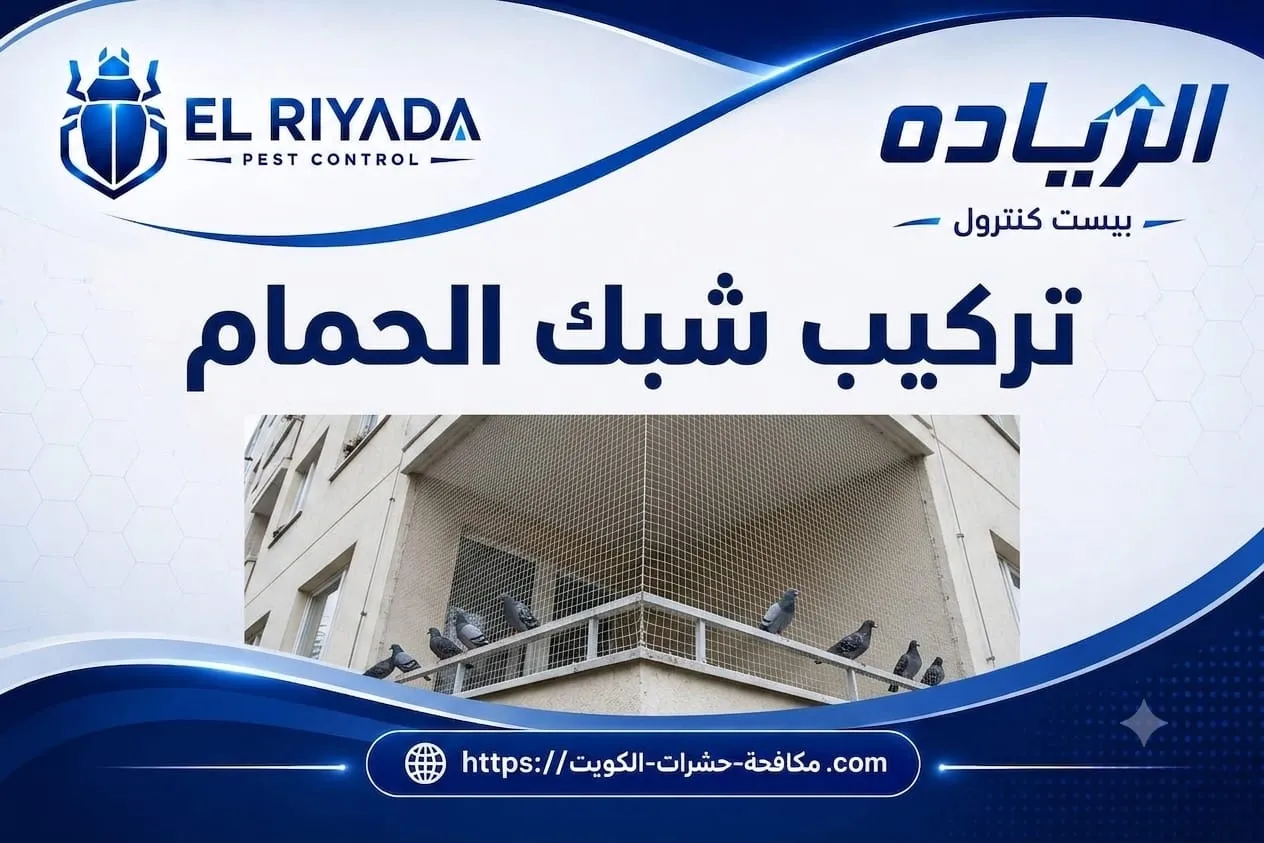
Pigeon prevention netting can appear to remain in good condition for years because most of its surface may stay intact, but the effectiveness of the system cannot be judged simply by looking at the net from a distance. Its primary function is to keep the protected area completely closed to birds, which means a small opening along an edge or a limited tear near one attachment point may matter more than many meters of undamaged netting around it. Service life also varies according to the net material, installation method, exposure to sunlight and weather, and maintenance work carried out inside the balcony or around the facade. For this reason, there is no single lifespan that applies to every installation. A more accurate assessment considers the netting, edges, fixings, connection areas, and whether the barrier still prevents pigeons from entering the space it was designed to protect.
Pigeon Netting Lifespan

The pigeon netting lifespan cannot be determined simply by knowing the year it was installed because the net works as a complete system made up of the netting itself, its edges, connection points, fixings, and the way the protected area is fully enclosed. The central section of the net may remain in excellent condition while a problem begins at a corner or edge that has been exposed to pressure or movement. Because a pigeon only needs one suitable opening to gain access, a small area that is no longer properly sealed can affect the function of the entire system even when most of the net remains intact.
The factors that influence deterioration also vary according to the installation location. Netting installed across an exposed balcony experiences different conditions from a net fitted over an internal opening that receives more protection. Continuous exposure to sunlight, heat, dust, wind, and other outdoor conditions can gradually affect certain materials and components. The netting material and associated components should therefore be suitable for the intended use and installation environment rather than assuming that every type of bird netting will provide the same working lifespan.
There is also an important difference between the lifespan of the netting material and the lifespan of the system as an effective barrier. The net itself may show no obvious tears while one edge begins separating from the surrounding surface enough to create an opening. In another situation, all the edges may remain securely fixed while part of the netting itself becomes damaged. This is why every component responsible for keeping the protected area enclosed should be assessed rather than focusing only on the visible appearance of the net.
From a cost perspective, the age of the netting does not automatically mean complete replacement is the correct decision. If damage is limited and can be repaired while the remaining components are still in good condition, maintenance may provide better value. However, when problems begin appearing across several areas or both the netting material and its fixings start deteriorating together, comparing the cost of repeated repairs with renewal becomes necessary.
• The true working lifespan of pigeon netting depends on keeping the protected space completely enclosed because having most of the netting intact does not achieve its purpose if an opening develops along an edge that pigeons can use to enter.
• The netting, edges, and fixings should be assessed as one system because each component has a different role in maintaining the barrier and deterioration may begin in one area while the rest of the installation still appears to be in good condition.
• Site conditions, material type, and outdoor exposure all influence working lifespan, which means the number of years since installation alone is not an accurate basis for deciding whether pigeon netting needs replacement.
• When considering whether maintenance is worthwhile, the size of the damaged area should be compared with the condition of the rest of the system because repairing limited damage is economically different from repeatedly repairing a net that has developed problems in several locations.
Bird Netting Service Life
The service life of bird netting depends on its ability to prevent access rather than simply remaining physically present across a balcony or opening. An effective net must maintain a continuous barrier without usable openings between the netting and the perimeter of the protected area. This means the functional service life of part of the system can end before the material appears visibly damaged if an edge moves or the connection between the net and its surrounding structure changes.
Performance can also be assessed by observing what happens behind the net rather than focusing only on what happens in front of it. Seeing pigeons on an exterior ledge does not necessarily indicate a fault because the bird may still be outside the space the net was designed to protect. A more meaningful warning sign is a pigeon gaining access to the inside of a protected balcony or recess or repeatedly attempting to enter through a specific opening that has developed in the system.
The functional service life of the net can also change when the location itself is modified. Installing a new air-conditioning unit, utility line, or another fixture on a balcony may require the net to be temporarily opened and then closed again. If the original enclosure is not properly restored afterward, an entry point may develop even though the netting material itself has not deteriorated. Any modifications carried out after installation should therefore be considered when assessing performance rather than assuming that every problem is caused by the age of the material.
Different sections of the same netting installation can also have different service conditions. An area that is frequently moved or accessed may deteriorate faster than a section that is rarely touched. This distinction is important when deciding whether repair or replacement is appropriate because one weak area does not automatically mean the entire net has reached the end of its useful life, just as an intact central section does not prove that the complete system is functioning correctly.
• Bird netting remains serviceable as long as the barrier stays closed in a way that prevents pigeons from reaching the protected space, which means openings and perimeter edges should be assessed alongside the condition of the netting itself.
• The presence of pigeons outside the net does not prove that the system has failed because its intended function is to prevent entry into the protected area rather than prevent pigeons from appearing anywhere on the building.
• Modifications carried out after installation can change system performance without damaging the netting material itself, so areas that have been opened or moved during air-conditioning or maintenance work should be checked carefully.
• Differences in the condition of individual sections make localized inspection important because an edge exposed to frequent movement may require attention while other areas remain serviceable and do not need replacement.
Pigeon Prevention Netting Maintenance
Pigeon prevention netting maintenance begins by identifying where the enclosure has been compromised rather than viewing the net as a single uninterrupted piece. If pigeons return to an area that should be protected, the first question is where they are now able to enter. The problem may be a small tear, a detached edge, an opening around a pipe or air-conditioning unit, or a difficult-to-see connection point that cannot easily be identified from a distance.
The type of maintenance required depends on the cause of the problem. A limited tear is different from netting that has separated from one side of a balcony, and both situations are different from multiple fixings that have lost stability. An effective repair should address the component responsible for the opening while restoring continuity across the barrier. Temporarily closing a gap without correcting the reason it developed may allow the same opening to return after further pressure or movement.
A common practical situation is a net that remains in good condition until equipment behind it requires maintenance. A technician may need to open part of the net to reach an air-conditioning unit or utility connection and then close it differently from the original arrangement. Pigeons may later discover a small space near one edge. In this situation, the problem is not the natural age of the netting but the way the enclosure was restored after the work, which makes identifying the cause more useful than replacing the entire net.
Maintenance should also consider safe hygiene practices when bird droppings or debris are present and avoid unprotected handling of accumulated contamination. In elevated locations, suitable access should be used rather than attempting to reach the exterior edge of the net in an unsafe manner. Good maintenance is not simply about closing an opening. It should restore the barrier without creating another weak point or introducing unnecessary risk during access.
• Maintenance should begin by identifying the actual entry route because repairing one visible area while another opening remains at a corner or around equipment can leave the pigeon problem unresolved despite the work that has been completed.
• The repair method should match the type of defect because treating a tear in the netting is different from securing a detached edge or addressing a group of fixings that have lost stability.
• If the problem appears after equipment behind the net has been serviced, the section that was opened and closed should be checked because the cause may be a recent change in the enclosure rather than the end of the netting's working lifespan.
• Working on balcony or facade netting requires attention to safe access and the condition of any bird waste present because repairing the system should not come at the expense of the safety of the person carrying out the work.
When Does Pigeon Netting Need Replacement?
Determining when pigeon netting needs replacement depends more on the extent and distribution of deterioration than on the age of the net alone. If there is a small tear in one specific area while the surrounding material remains strong, the fixings are stable, and the edges remain securely closed, a localized repair may be sufficient. However, if several openings have appeared, the netting material has weakened in multiple places, or the connection points are beginning to lose their ability to keep the enclosure closed, renewal becomes an option that should be compared carefully with repeated repairs.
It is useful to distinguish between replacing one section of the net and replacing the entire system. In some cases, the problem may affect only one side that was exposed to maintenance work or direct pressure while the rest of the protected area remains in good condition. Renewing only the affected section can then be considered. However, when deterioration is widespread and the older material can no longer provide a reliable base for new repairs, broader replacement may be more practical.
Replacement may also become necessary because the use or layout of the protected area has changed rather than because the net itself is damaged. If a new air-conditioning unit, utility line, or other fixture has been added and the existing netting no longer fits the current shape of the balcony, part of the system may need to be redesigned so that all possible access routes remain closed. This type of renewal is intended to restore protection rather than correct deterioration in the material.
When comparing costs, the price of the current repair should not be considered in isolation. If the net requires another service visit every so often because damage keeps appearing in different locations, the combined cost and inconvenience of repeated repairs may eventually exceed the value of renewing the deteriorated section once. The better decision considers today's repair cost, the overall condition of the net, and how reliably the system is expected to perform afterward.
• Replacement becomes a more appropriate option when multiple problems appear across the netting, edges, and fixings because treating each opening separately may no longer restore a stable barrier that can be relied upon to keep pigeons out.
• If damage is confined to one side because of a known incident or maintenance activity, renewing only that section should be assessed before removing sound netting from areas that remain unaffected and continue performing their intended function.
• Changes to the balcony layout or the addition of new equipment may require part of the netting to be redesigned even when the material remains sound because the barrier must close the current space rather than only match the boundaries that existed at the time of the original installation.
• A proper financial comparison should include the likely cost of recurring repairs rather than considering only the price of the current service visit because renewal can become more economical when faults begin appearing one after another in a deteriorating system.
Signs of Bird Netting Damage
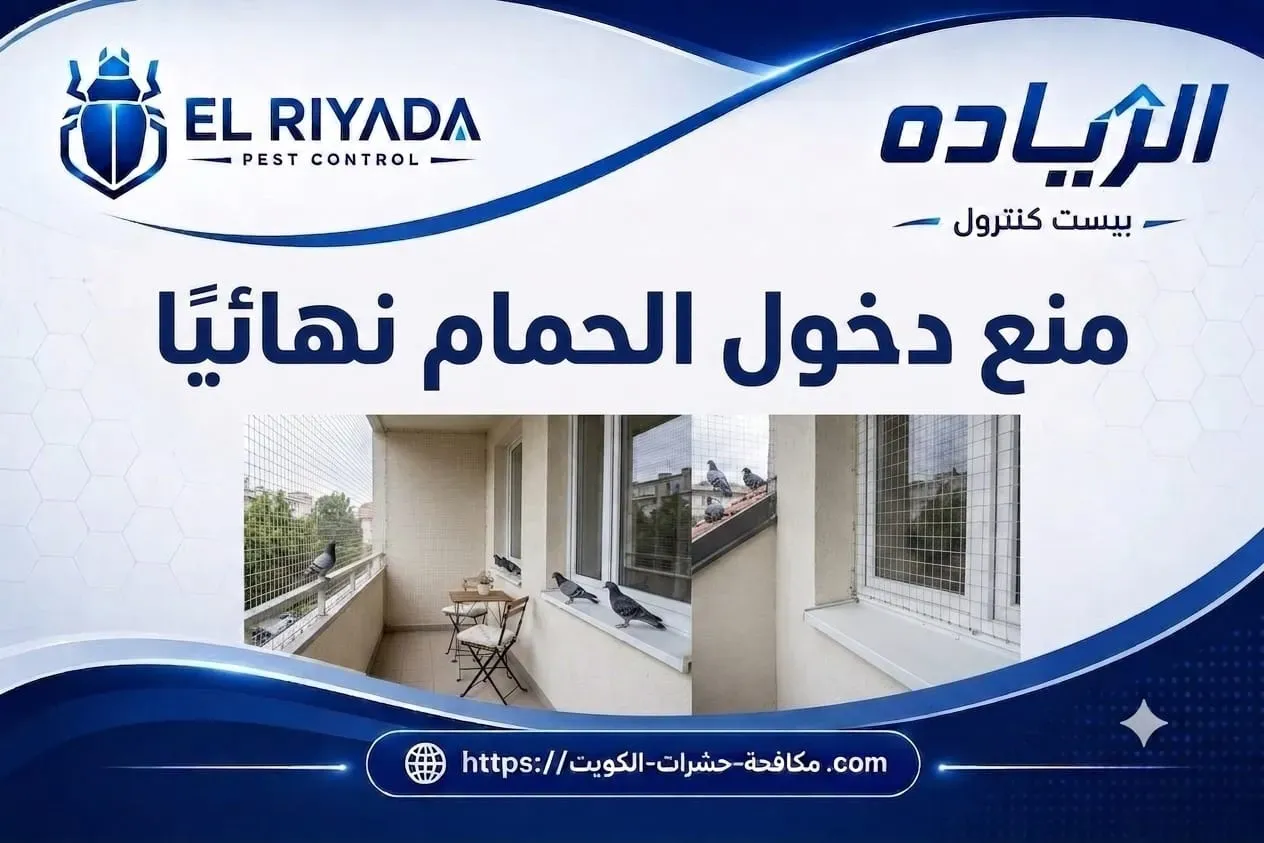
Signs of bird netting damage range from obvious problems such as a large tear to smaller defects that may easily go unnoticed, including a widening gap along an edge, movement at a connection point, or the beginning of separation around equipment. Because the net works by maintaining a continuous enclosure, the location of the damage can be more important than its size. A limited opening in the right place may provide pigeons with an effective entry route.
Changes in the shape of the net itself can also provide useful warning signs. An area that begins bulging or sagging differently from the rest of the installation may indicate a change in tension or a problem at one of the connection points. An edge that moves in the wind more noticeably than surrounding sections also deserves inspection to determine whether it remains attached in a way that preserves the enclosure.
Bird behavior provides additional evidence. Pigeons repeatedly approaching one corner or attempting to pass through a specific location can direct attention to an opening that may be difficult to see from inside the balcony. If fresh droppings appear within an area that was previously protected, this is stronger evidence of a current access route than old droppings left from the period before the net was installed.
However, not every change in the appearance of the net means it has reached the end of its useful life. Dust accumulation or discoloration may affect appearance without creating an opening or significantly weakening the material. The decision to repair or replace the system should therefore be connected to the integrity of the netting, edges, and fixings and to whether the barrier can still prevent actual entry.
• A small tear close to an edge or connection point can be more significant than cosmetic deterioration in the center of the net because pigeons need a usable access route rather than a large-scale collapse of the barrier.
• Unusual movement along one edge or a section that has become noticeably looser than the surrounding net deserves inspection because it may indicate the beginning of separation before the area develops into an obvious entry opening.
• Fresh droppings inside the protected space or repeated attempts by pigeons to enter through one particular location provide practical evidence that can help identify the fault instead of relying on appearance alone.
• Dust and discoloration do not automatically justify replacing the net unless they are accompanied by genuine weakening of the material, attachment system, or enclosure because the objective is to assess function rather than appearance alone.
Torn Pigeon Netting
Torn pigeon netting is a problem that deserves relatively prompt assessment because an opening can become larger with movement or provide an access route that birds begin using. However, the presence of a tear does not automatically mean that the entire net needs replacement. The decision depends on the size and location of the damaged area, the condition of the surrounding material, and the reason the tear developed.
If the tear is limited and the surrounding material remains in good condition, localized repair may be possible provided that the repair properly restores continuity across the barrier. However, if the netting around the tear has weakened or additional splits are appearing nearby, attaching a repair to one point may not provide a lasting result because the surrounding material itself may already be vulnerable to further damage.
The cause of the tear is just as important as its size. Damage may result from repeated contact with a sharp object, maintenance work, movement of nearby equipment, or unusual pressure on the net. If the opening is repaired without removing or addressing the factor that caused it, the net may tear again in the same location. The surrounding area should therefore be examined before the repair is completed.
One mistake is closing any opening with a temporary material or method that does not integrate properly with the existing net or leaves unstable edges. The access point may appear closed at first but reopen with movement. A proper repair should become part of the barrier and restore the enclosure without creating new weak points that can expand later.
• A limited tear can be repaired when the surrounding material remains strong enough to support a durable repair because successful restoration depends on the condition of the area supporting the repaired section and not simply on the size of the opening.
• Several tears appearing close together may indicate deterioration across an entire section of netting, in which case renewing that section can be more practical than adding separate repairs to material that is already losing its ability to remain reliable.
• The object, movement, or previous work that caused the tear should be identified because addressing the cause reduces the likelihood of recurrence and prevents maintenance from becoming a repeated repair of the same problem.
• Openings near edges and equipment deserve particular attention because pigeons may be able to use them to reach the protected area even when the tear appears relatively small when viewed from inside the property.
Loose Protective Netting
Loose protective netting differs from torn netting because the material may remain completely intact while its position across the protected area changes. Looseness may appear as sagging in the middle of the net, excessive movement along one side, or a section of the edge pulling away from its original position. The important point is not to make the net as tight as physically possible but to maintain a configuration that keeps the protected space enclosed without creating an access route that pigeons can use.
The source of the looseness should be identified before attempting to tighten the net. If the cause is a fixing that has moved, pulling the net from another side may improve its appearance temporarily without correcting the actual problem. Looseness may also result from movement along an edge or from work carried out inside the balcony during maintenance. Following the perimeter and checking connection points can help identify where the change began instead of concentrating only on the most visibly sagging section.
In some locations, minor looseness may not create a functional problem as long as the net continues to close the area completely and does not come into contact with equipment that could cause repeated friction. However, if a loose section begins touching a sharp object, an air-conditioning unit, or another surface as it moves in the wind, the risk of later damage may increase. The decision to intervene should therefore be based on the effect of the looseness rather than appearance alone.
Excessive tightening is not necessarily a better solution either. Applying inappropriate tension to the net and its fixings may transfer the problem from the center of the net to the perimeter or connection points. The objective is to restore an appropriate distribution that maintains enclosure while avoiding unnecessary stress on the components.
• Looseness should be traced back to the edges and fixings because a sagging area in the center of the net may result from movement at a relatively distant point and may not be the actual source of the problem.
• Loose netting becomes more important when it creates an entry route or causes repeated contact with nearby equipment because continued friction may eventually weaken or tear the netting material.
• If the enclosure remains complete and the material is not exposed to pressure or friction, a limited visual change may not justify replacing the entire net and should instead be assessed according to the design and conditions of the installation.
• Readjusting the net should take the strength of the edges and fixings into account because increasing tension without proper assessment may correct visible sagging while weakening another part of the system.
Balcony Pigeon Netting Repair
Balcony pigeon netting repair requires considering how the balcony is actually used rather than looking only at the condition of the net. These spaces often contain air-conditioning units, utility lines, windows, and areas that need cleaning or maintenance from time to time. A proper repair should therefore restore the barrier against pigeons without ignoring necessary future access to equipment or creating a section that technicians will have to open improperly during the next maintenance visit.
A good repair begins by identifying the type of problem. There may be a tear in the netting, a detached edge, or a section that was previously opened to reach equipment and was not restored correctly afterward. Each situation requires a different response, which is why simply adding another piece of netting over every visible problem is not always appropriate. The objective is to restore continuity across the barrier while maintaining the stability of the surrounding sections.
A realistic example is a balcony that remained protected for a long period before pigeons began entering after maintenance on an external air-conditioning unit. Inspection may reveal that the technician had to open one side of the net to reach the unit and then closed it in a way that left a limited gap around a pipe. Replacing the entire net in this situation may be unnecessary if the remaining material is still in good condition and the affected area can be properly enclosed again.
It is also important to check that no birds remain inside the protected area before closing an entry point and to avoid carrying out a repair that traps a pigeon behind the net. Accumulated pigeon droppings should be handled with appropriate hygiene precautions while avoiding unnecessary exposure to contaminated dust. On high balconies, safe access should remain an essential part of the repair process.
• Balcony netting repairs should consider future access to air-conditioning units and other equipment because a solution that requires technicians to damage the net every time maintenance is needed simply recreates the same problem over the longer term.
• Determining whether the problem is a tear, separation, or incorrect closure after previous work helps select a repair that addresses the actual cause rather than adding new material over a defect that has not been properly diagnosed.
• The protected space should be checked for pigeons before the entry point is closed because the objective is to prevent access from outside rather than accidentally trap a bird inside the balcony after the repair is completed.
• Locations with accumulated bird droppings or exterior edges that are difficult to reach require suitable hygiene precautions and safe access because the quality of a netting repair includes how the work is performed and not only how the barrier looks afterward.
Inspecting Bird Netting Fixings

Inspecting bird netting fixings is an essential step because the net can remain free from tears while still losing its ability to close the protected space when its attachment points begin to move. The fixings keep the net connected to the perimeter, so weakness at a single corner or edge can gradually create an opening that may not be visible when attention is focused only on the middle of the net.
There is no need to wait until a fixing falls away or the net becomes completely detached. Early warning signs can include a change in the position of an edge, an increasing gap between the net and the surrounding surface, or unusual movement when the net is affected by wind. These details may indicate that a particular attachment point is no longer holding the net in its intended position and can allow intervention before the opening becomes larger.
The surface surrounding the fixing should also be included in the assessment. If painting, renovation, or equipment installation has been carried out nearby, the condition of the area supporting the fixing may have changed. The fixing itself cannot therefore be considered secure simply because it looks intact if the surface to which it is attached has been affected. Looking at the fixing, its base, and the surrounding area as one unit provides a more accurate assessment of stability.
Inspection results also help determine whether maintenance should remain localized or whether a larger section needs renewal. One affected fixing among a group of stable attachment points is different from several fixings beginning to show movement. In the second situation, assessing the entire edge may be more practical than waiting for a new opening to develop at each individual point.
• Inspecting fixings before complete separation occurs can identify small changes along the perimeter that may be repaired before they develop into an obvious opening that allows pigeons to enter the protected area.
• The fixing should be assessed together with the surface supporting it because an intact attachment component cannot perform properly if the surrounding area has changed or weakened after renovation or modification work.
• Repeated movement at one particular corner deserves more attention than simply examining the middle of the net because many enclosure problems begin around the perimeter where the barrier connects to the building.
• Weakness affecting several attachment points changes the maintenance decision because repairing each point individually may become less practical than renewing an entire section of the edge in a way that restores overall system stability.
Extending the Lifespan of Pigeon Netting
Extending the lifespan of pigeon netting depends on protecting the system from causes of premature damage more than carrying out repeated adjustments when they are not needed. Netting that remains free from sharp friction, is not pulled or opened carelessly during maintenance work, and continues to have stable fixings has a better chance of maintaining its function for longer than a system that is repeatedly disturbed, even when both installations use similar netting materials.
One important step is to inspect the net after work has been carried out inside or around the protected area. Air-conditioning maintenance, facade cleaning, or changes to utility lines may require technicians to work close to the net or temporarily move part of it. Checking the edges and the specific area where the work was performed afterward can reveal a small opening or a fixing that has moved before pigeons discover a way back inside.
Keeping the net away from sources of repeated friction also helps preserve it. If one section continuously touches a sharp object or equipment that moves against the net in the wind, the material may gradually weaken at the same point. Correcting the source of friction provides more long-term value than waiting for a tear to develop and repairing it without removing the cause.
Extending the lifespan does not mean continuing to patch a net that has lost its reliability. When tears repeatedly appear in different areas or several edges and fixings begin losing stability, renewing the deteriorated section may be more practical than adding another repair. Good maintenance preserves components that remain serviceable while also recognizing when replacement has become the more reliable option.
• Protecting the net from pulling and pressure during air-conditioning maintenance or nearby work reduces the likelihood of openings caused by human activity and these problems can often be prevented by handling the system properly.
• Checking the perimeter after any modification to the balcony helps identify limited separation before it becomes larger because one small opening can be enough for pigeons to return even when most of the net remains intact.
• Removing sources of repeated friction protects the netting from gradual deterioration because repairing a tear alone will not extend its lifespan if the object pressing against or rubbing the net remains in the same position.
• Extending functional lifespan means preserving reliable sections and replacing areas that are no longer dependable at the appropriate time rather than allowing the net to become a collection of repeated repairs that no longer forms a stable barrier.
Why Al Reyada Pest Control Is a Strong Choice in Kuwait
When requesting pigeon netting inspection or maintenance, the default solution should not automatically be to remove the existing net and install a completely new one. Al Reyada Pest Control can be a strong choice when the assessment begins by identifying where the enclosure has been compromised and determining whether the problem is in the netting material, the perimeter edges, the fixings, or a modification made inside the protected space after the original installation. This diagnosis helps define the actual scope of work and reduces unnecessary replacement of sections that continue performing their intended function.
Practical expertise also appears in the ability to interpret the problem through pigeon behavior. When birds gain access to a protected balcony, the priority is to identify their entry route rather than simply inspect the middle of the net. There may be an opening beside an air-conditioning unit, a small separation at a corner, or a section that was not closed correctly after previous maintenance. Finding that specific point allows the repair to address the real cause of the problem.
Trust also depends on the customer understanding what will be repaired before work begins. Does the system require treatment of a limited tear, reattachment of an edge, replacement of several fixings, or renewal of an entire section? Explaining these details makes it easier to understand the cost and compare repair with renewal instead of receiving a general recommendation that does not clearly describe the condition of the net.
Working on balconies and facades also requires consideration of site conditions, safe access, and appropriate handling of any bird waste present. Good service is not measured only by whether an opening is closed. The solution should maintain the barrier after maintenance while also considering necessary future access to equipment located behind the net.
• Al Reyada Pest Control can provide stronger value when inspection begins by identifying the pigeons' actual entry route because finding the real point of access prevents unnecessary repairs to sections that remain intact and have no connection to the current problem.
• Distinguishing between damaged netting, weakened fixings, and detached perimeter edges helps determine the appropriate scope of work because each problem requires a different response and none automatically means the entire net must be replaced.
• Explaining which sections can remain and which areas require repair or renewal gives the customer a clearer understanding of the service and makes it easier to understand the reason for the cost instead of making a decision based on an unspecified quotation.
• Considering access to air-conditioning units and other equipment as well as safe working conditions in elevated areas makes maintenance more practical over the long term because a good solution should not create another problem the next time the building requires servicing.
Conclusion
There is no fixed number of years that determines the pigeon netting lifespan because actual service life depends on the material, installation location, condition of the netting, perimeter edges, and fixings. The service life of bird netting also depends on its ability to keep the protected area closed to pigeons rather than simply remaining physically present in its original location.
Pigeon prevention netting maintenance can address limited problems before they become larger, while determining when pigeon netting needs replacement depends on the extent of deterioration and the practical value of repair compared with renewal. Signs of bird netting damage can be identified through tears, movement along the perimeter, changes in the position of the net, and evidence of recent bird activity inside the protected area.
Torn pigeon netting should be assessed according to the condition of the surrounding material and the cause of the damage, while loose protective netting should be diagnosed by examining the edges and connection points rather than looking only at the sagging section. The requirements for balcony pigeon netting repair vary according to how the space is used and the equipment located inside it, while inspecting bird netting fixings can reveal weaknesses that may not be visible in the netting itself. Ultimately, extending the lifespan of pigeon netting depends on preventing unnecessary friction and disturbance, identifying openings early, and renewing components that no longer provide a reliable barrier.
Frequently Asked Questions
How long does pigeon netting usually last?
There is no single lifespan that applies to every netting system because durability is affected by the type of material, component quality, site conditions, outdoor exposure, how the protected area is used, and whether the net is disturbed during maintenance work.
Should pigeon netting be replaced after a certain number of years?
No. The number of years since installation is not enough to make that decision. The netting material, perimeter edges, and fixings should be inspected to confirm that the system still completely closes the protected area against pigeon entry.
How do I know if pigeon prevention netting needs maintenance?
A tear, detached edge, noticeable looseness, movement at a fixing, or fresh pigeon droppings inside an area that was previously protected are all signs that the netting should be inspected.
Does one pigeon getting behind the net mean it is damaged?
If a pigeon has actually entered the area that the net is supposed to enclose, the entry route should be identified even if there is no large visible tear because a small opening along the perimeter may be enough for access.
When is replacing pigeon netting better than repairing it?
Renewal becomes more practical when tears repeatedly appear, the material has weakened across several areas, or multiple edges and fixings have become unstable enough to make individual repairs less reliable and less worthwhile.
Can only one section of pigeon netting be repaired?
Yes. If the damage is limited and the surrounding netting, fixings, and remaining edges are in good condition, a localized repair may restore the barrier without requiring complete replacement.
Is a small tear in pigeon netting a real problem?
It can be if its size and location allow pigeons to use it or if the opening is likely to expand. The position of the tear and the condition of the surrounding material should therefore be assessed rather than judging the problem by size alone.
What causes protective netting to become loose?
Looseness can result from movement at a fixing, changes along an edge, pressure on the net during maintenance, or modifications made within the balcony, so the source should be identified before the net is readjusted.
Should pigeon netting be tightened as much as possible?
No. The objective is to maintain an appropriate position that keeps the area enclosed without placing unnecessary tension on the netting and fixings, which could increase stress along the edges or connection points.
What does an inspection of bird netting fixings include?
It includes checking the stability of attachment points, the condition of perimeter edges, the surrounding mounting surface, and any movement or separation that could create an opening even when the center of the net remains intact.
Can air-conditioning maintenance damage balcony netting?
Yes. This can happen if a technician needs to open or move the net to access the unit and the affected section is not restored to its proper enclosed condition after the maintenance work is completed.
Do pigeons outside the net mean it is ineffective?
No. The net is designed to prevent birds from entering a specific protected space, so it may continue performing correctly even when pigeons remain on an exterior ledge or another surface outside the barrier.
How can the lifespan of pigeon netting be extended?
Avoiding unnecessary friction and pressure, checking the perimeter after maintenance work, inspecting fixings, and repairing small openings early can all help preserve the functional lifespan of the netting.
Is repairing pigeon netting always cheaper than installing a new net?
A limited repair may cost less when the rest of the net remains in good condition, but repeatedly repairing multiple areas of a deteriorating system may make renewal of a larger section or the entire net more practical over the longer term.
Why choose Al Reyada Pest Control for pigeon netting maintenance?
Al Reyada Pest Control can be a strong choice when the service begins by identifying the pigeons' entry point and inspecting the netting, perimeter edges, and fixings before determining whether repair or renewal is actually required instead of assuming that the entire net must be replaced.