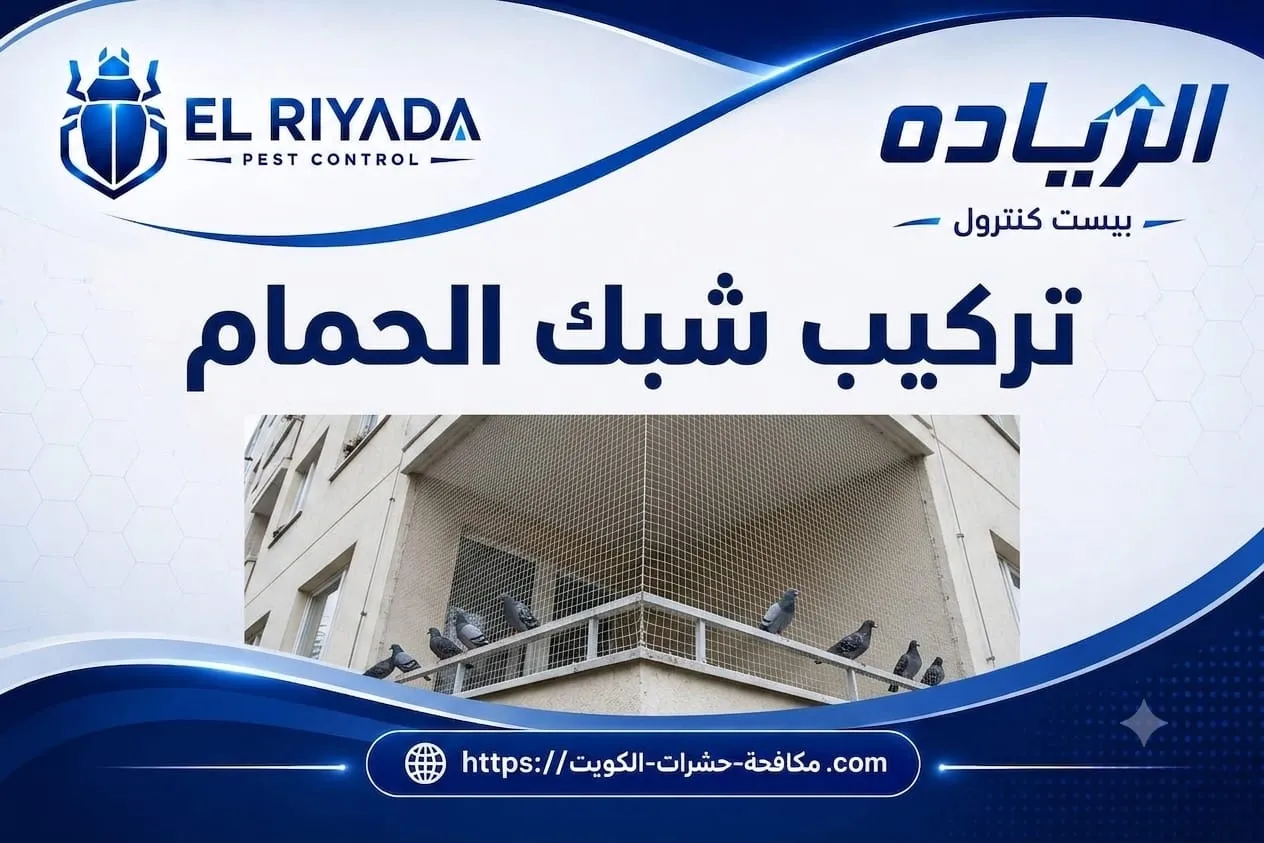
Seeing one pigeon on a balcony railing once or twice does not necessarily mean that you need to install netting immediately. However, repeated entry, the appearance of nests and droppings, and the use of light wells and building openings as regular resting or nesting locations completely change the nature of the problem. This is when signs you need pigeon netting become important because the objective shifts from removing birds after they enter to preventing access to the space itself. The problem becomes more disruptive when the area changes from an occasional landing point into a regular sleeping, nesting, or gathering location. In this guide, we explain how to distinguish limited pigeon activity from a problem that requires intervention, which early warning signs should not be ignored, and how netting can help protect balconies, light wells, and building openings before the problem becomes more difficult to manage.
Signs You Need Pigeon Netting
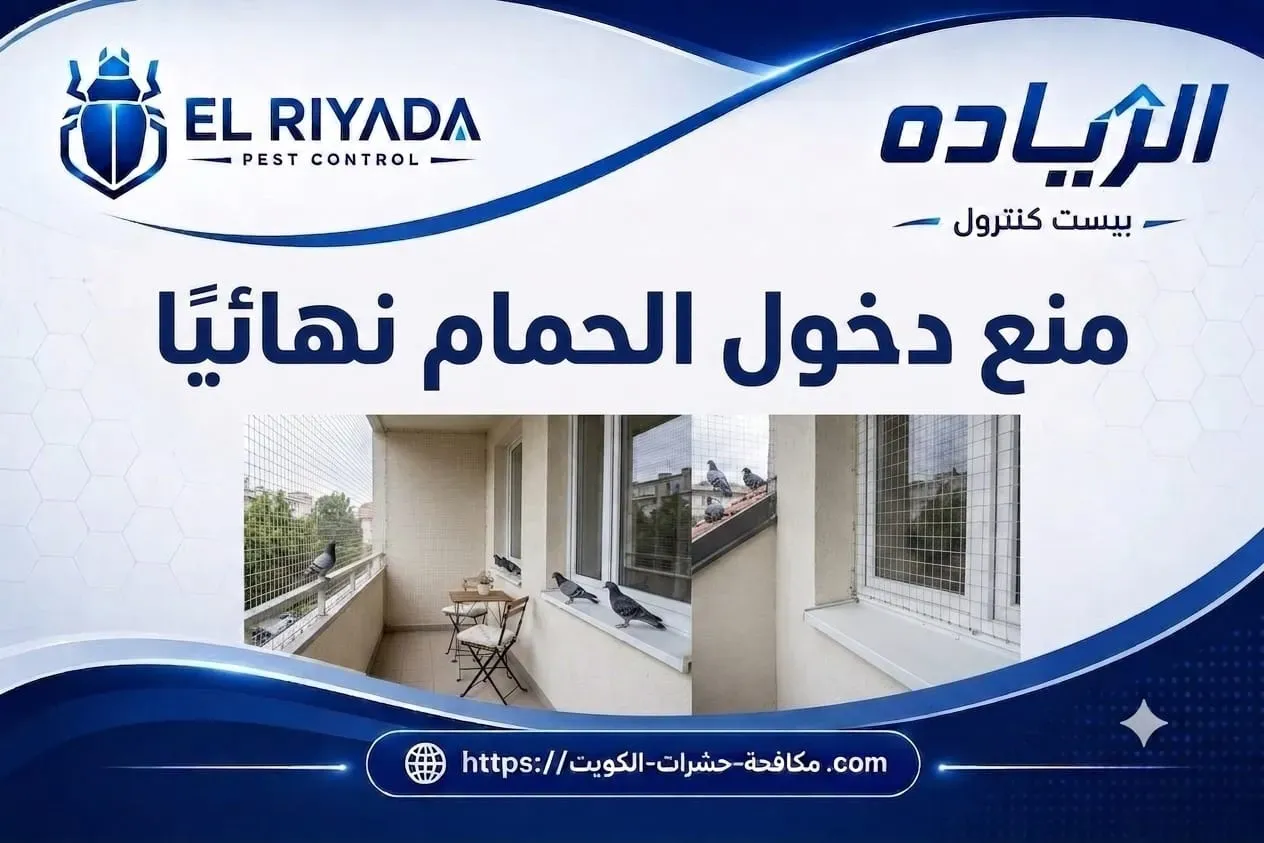
Signs you need pigeon netting usually become clear when the problem involves birds entering a specific space that can be physically enclosed rather than simply landing briefly on an exposed ledge. This distinction matters because netting should be selected according to the nature of the activity itself. Pigeons landing on an open wall or ledge require a different assessment from birds entering a balcony, light well, or cavity and remaining there for extended periods. Netting becomes more practical when the objective is to prevent access to an entire space instead of changing one small landing point.
The first sign is repetition. If pigeons are found inside the same area every day or at frequent intervals, the activity can no longer be considered completely random. The birds have probably found conditions that make the area suitable, such as shelter from weather, relative quiet, or the presence of ledges and protected corners that provide comfortable resting points. As repeated visits continue, the chance that the area will become a regular location increases.
The second sign is that pigeons remain inside the area for longer periods instead of entering and leaving quickly. When birds begin staying overnight or repeatedly sheltering in one fixed section of a balcony or light well, preventing access becomes more important than simply disturbing them each time they arrive.
The third sign is the appearance of nesting material, completed nests, or repeated attempts to build a nest. At this stage, the birds are no longer treating the location as a temporary stop. They are beginning to use it as a place for settlement and breeding. Removing a nest without preventing access may simply lead to another nesting attempt in the same area or very close to it.
The fourth sign is repeated accumulation of droppings in an indoor or semi-enclosed space. When waste appears in the same location over and over again, it indicates continued use rather than one brief landing event.
The fifth sign is difficulty reaching the area every time birds need to be removed, such as high light wells or spaces between buildings. In these locations, a permanent physical barrier may be more practical than repeatedly waiting for the birds to return and then attempting to drive them away.
• Repeated pigeon entry into the same area over several days is a stronger sign that a physical exclusion solution may be needed than seeing one bird occasionally.
• Pigeons remaining inside a balcony or light well for long periods or using it for overnight shelter means the space has become part of their regular activity pattern rather than a simple transit point.
• The appearance of twigs, nesting material, or completed nests indicates that the problem has moved from temporary landing to attempted settlement and breeding.
• Repeated droppings in a specific indoor location show that pigeons are using the area regularly and make controlling the access route increasingly important.
• Areas that are difficult to reach repeatedly benefit more from a solution that prevents birds from entering in the first place instead of depending on continuous manual removal.
Pigeons Entering Balconies
Pigeons entering balconies becomes a real problem when birds start using the balcony as a protected living space rather than simply landing on the exterior railing. Balconies, especially on higher floors, can provide relative quiet and shelter, and when there are corners, external air-conditioning units, or unused furniture, pigeons may find several suitable places to rest or hide. Homeowners often begin by driving the birds away manually, only for the same pigeons to return shortly afterward as if they have somehow obtained a spare key to the apartment.
The first sign that deserves attention is repeated entry despite attempts to remove the birds. If the same balcony receives pigeons every day, it makes more sense to consider why access is so easy rather than focusing only on how to remove the bird each time. The open balcony itself is the access route, and as long as that route remains available, repeated return is possible.
The second sign is movement from the railing into the interior area. Landing on an exposed edge can sometimes be managed with solutions different from those needed when pigeons move behind the railing, under furniture, beside outdoor equipment, or into protected corners. Once the interior of the balcony becomes part of the birds' usable space, protecting balconies from pigeons may require covering the opening or the section that allows entry.
It is also important to look for nests in corners or behind stored objects. Some homeowners do not realize how established the problem has become until they move a box or clean an area that has not been used for some time. A balcony containing hidden sections therefore needs a full inspection before the netting layout is selected.
The netting itself should also be chosen according to how the balcony is used. The objective is not to turn the space into an uncomfortable cage but to create a barrier that keeps pigeons out while preserving normal use as much as practical. Accurate measurement, attachment points, and the shape of the opening are therefore more important than buying a ready-made net and stretching it across the area without planning.
If there are already droppings, nesting material, or birds inside the balcony, these conditions should be addressed before the net is installed. The opening should not be sealed while a bird or active nest remains inside. The area should first be assessed and cleared appropriately before the exclusion barrier is completed.
• Repeated pigeon entry after the birds have been driven away shows that access itself is part of the problem and makes preventing entry more practical than repeated removal.
• Movement from the railing into the interior of the balcony changes the type of problem because the activity is no longer limited to one exposed edge.
• Corners behind furniture, outdoor equipment, and stored items should be inspected because they can become hidden nesting locations that residents do not notice quickly.
• Netting should be installed only after confirming that birds or active nests are not trapped inside the area so the barrier does not create a new problem instead of solving the existing one.
• Measurements and attachment methods should reflect the shape and everyday use of the balcony because the objective is to prevent pigeon entry while preserving the function and appearance of the space as much as possible.
Pigeon Gathering Inside Light Wells
Pigeon gathering inside light wells is one of the clearest situations showing the difference between a simple landing problem and a condition that requires actual exclusion. A light well is a semi-enclosed space that can provide pigeons with more shelter than an open rooftop or exposed ledge. It may contain pipes, projections, external equipment, and several levels where birds can rest or build nests. If pigeons can enter easily and nothing prevents their return, the light well can gradually change from an architectural void into a permanent gathering area.
One of the first signs of this problem is repeated pigeon noise from inside the light well at different times of day, particularly when visibility into the space is limited. Residents may not see the birds clearly, but continued sound and movement can reveal that the activity is not temporary.
The second sign is the accumulation of droppings on the floor, pipes, and projections. When waste appears across several levels instead of one isolated ledge, it shows that pigeons are using multiple parts of the space and that protecting a single landing point may not be enough.
The third sign is the presence of nests in elevated or difficult-to-reach locations or behind equipment. In this situation, removing every new nest as soon as it appears becomes exhausting and impractical because the birds' access route remains open.
The full opening of the light well should therefore be assessed before any netting is installed. Large openings and irregular shapes require accurate measurement and proper attachment points so no side gap or loose section remains available for entry. A net intended to prevent access should function as one continuous barrier rather than a decorative piece hanging across most of the opening while pigeons simply walk around the edge and thank everyone for the new entrance.
Future access to the light well should also be considered. If pipes, air-conditioning systems, or other equipment require maintenance, the exclusion design should account for that requirement instead of creating a barrier that makes every future repair unnecessarily difficult.
Before the light well is closed, the area should be checked to confirm that no birds remain inside and that nests and waste have been dealt with appropriately according to site conditions. Closing a large opening while pigeons are still trapped inside is an avoidable mistake that proper inspection can prevent.
• Repeated pigeon noise and movement inside a light well even when the birds are not fully visible can indicate continued use of the space and justify further assessment.
• Droppings spread across several levels show that activity is not limited to one landing point and can make protecting the main access opening more practical than treating individual ledges.
• Nests in difficult-to-reach locations make repeated removal inefficient when pigeons still have unrestricted access to the light well.
• Measuring the entire opening and identifying suitable attachment points are necessary to prevent gaps that birds can use around the sides of the net or through poorly secured sections.
• The exclusion design should allow future maintenance access to pipes and building systems so pigeon prevention does not interfere with necessary service work.
Pigeon Nests in Building Openings

The presence of pigeon nests in building openings is one of the clearest signs that the problem has moved beyond temporary landing. When pigeons choose a ventilation opening, cavity, or protected space behind an architectural feature and begin building a nest inside it, this indicates that the location provides a suitable degree of shelter and stability. At this stage, removing the nest alone does not address the reason pigeons keep returning if the same opening remains accessible and available for entry.
The first step is to identify the nature and function of the opening. Some openings are part of a ventilation system, while others provide access to utilities or areas requiring future maintenance. They should therefore not be closed in a way that prevents their original function. A well-designed solution does not treat every opening in the same way. It distinguishes between a cavity that can be completely enclosed and an opening that requires netting capable of maintaining ventilation or necessary access according to the building design.
Another important warning sign is repeated nesting in exactly the same location. If a nest is removed and pigeons rebuild it after a short period, this strongly indicates that the original access route remains open and attractive. In this situation, closing building openings with netting becomes more practical than repeatedly removing nests without changing the conditions that allow pigeons to enter.
Nearby openings should also be inspected because pigeons may simply move from one protected opening to another similar location only a short distance away. This does not mean that the entire building facade should be covered randomly. However, it is important to assess realistic alternative access points that birds may use after the primary opening is protected.
Pigeon nests can also be accompanied by droppings, feathers, twigs, and other nesting materials accumulated inside the cavity. The area should therefore be cleaned and prepared before netting is installed. Installing the net over unstable debris or accumulated nesting material can reduce installation quality or leave an unnecessary sanitation problem trapped behind the barrier.
Before the opening is finally closed, it is essential to confirm that no pigeons or young birds remain inside. This inspection is not a minor detail. Closing an opening while birds are still inside turns a prevention solution into both a practical and animal-welfare problem.
• Repeated nest building inside the same opening indicates that removing the nest alone does not address the underlying problem while the pigeons' access route remains available.
• Some building openings serve ventilation or maintenance functions so the selected netting system should preserve those functions instead of blocking them unnecessarily.
• Inspecting nearby openings helps reduce the likelihood that pigeons will simply relocate to another accessible cavity immediately after the original location is protected.
• Removing nesting materials and accumulated droppings before installation prepares the work area and prevents unwanted debris from remaining behind the net after the opening is closed.
• The opening should be checked carefully for adult birds and young pigeons before the barrier is installed so no bird becomes trapped inside the protected space.
Pigeon Droppings Inside the Balcony
Repeated pigeon droppings inside the balcony are one of the signs that bird activity has become regular rather than occasional. A small amount of waste appearing once may result from a temporary landing, but repeated accumulation in the same corners, beneath air-conditioning units, or behind outdoor furniture indicates that pigeons are returning consistently and using the balcony as a resting, sleeping, or nesting location.
The pattern of droppings can reveal where the birds are spending their time. If the accumulation is limited to the outer railing, the problem may primarily involve exterior landing. If the droppings extend deeper into the balcony, however, this indicates that pigeons are actually entering the space. In that situation, installing protective pigeon netting becomes a more relevant option to assess.
Repeated cleaning without controlling access can quickly become exhausting. A homeowner cleans the balcony today and the pigeons return tomorrow with a fresh update to the situation as though the balcony were a shared account. Cleaning is important, but it does not remove the route that allows the birds to enter.
Before installing netting, the balcony should be cleaned and prepared appropriately for its condition. The purpose is not simply to improve appearance. Debris, nesting materials, and accumulated waste may interfere with installation or leave unwanted material inside the protected area after it has been enclosed. Any nest present should also be assessed before work begins.
It is useful to determine whether droppings are concentrated in one location or spread across several points. Multiple accumulation areas inside the balcony indicate that pigeons are using the space more broadly. Protecting only one ledge may therefore be insufficient if the main balcony opening remains available.
The netting design should also allow the balcony to continue functioning normally after installation. The objective is to keep pigeons out, not punish the residents for owning a balcony. A properly planned system balances the required coverage with ventilation, visibility, and practical access as much as possible.
• Repeated droppings in the same corners indicate regular use of the balcony and make access prevention more important than relying on cleaning alone.
• Droppings extending into the interior of the balcony rather than remaining only on the outer railing indicate that pigeons are entering and using the space.
• Cleaning removes the visible results of the problem but does not prevent birds from returning while the same access route remains available.
• Preparing and cleaning the balcony before net installation helps improve the working surface and prevents nests or accumulated debris from being left behind the barrier.
• The netting design should preserve balcony use, ventilation, and visibility as much as practical while still preventing pigeons from entering.
Protecting Balconies from Pigeons
Effective protection of balconies from pigeons depends on selecting a solution that matches how the birds enter and use the area. A balcony where pigeons only land on the exterior edge is different from one where they enter the interior, remain overnight, or build nests behind air-conditioning units. Netting should therefore not be selected automatically before determining whether the problem involves full entry or only exterior landing.
If pigeons regularly enter the entire balcony space, a net barrier may be more practical than attempting to protect every piece of furniture or individual corner. The objective in this case is to close the main access route while keeping the interior space available for normal residential use.
If the activity is limited to one small exterior ledge, however, full balcony netting may not always be the first logical option. This distinction is important because a good service should not begin by selling a larger system than the location actually needs. The solution should follow the problem rather than forcing the problem to fit the product.
Accurate balcony measurement is essential. Irregular openings, pipes, external units, and complicated corners can create small access routes that pigeons may exploit if the net is not designed around them. Installation is therefore not simply a matter of stretching a piece of netting from one side to the other and calling the job complete.
Maintenance access should also be considered. If an air-conditioning unit or another component requires periodic servicing, the protection system should account for that requirement. Completely enclosing the area in a way that prevents future access can create a new problem during the first maintenance visit.
From an appearance perspective, the installation method can be selected to reduce visual obstruction as much as reasonably possible according to the site. However, effective closure and secure installation remain the priorities. A beautiful-looking net with a side gap large enough for pigeons to enter is ultimately more decoration than protection.
• Balcony protection begins by determining whether pigeons are entering the entire space or simply landing on an exterior ledge because each situation may require a different solution.
• Netting becomes more practical when birds repeatedly use the interior of the balcony and preventing full entry is more efficient than protecting each corner separately.
• Measurements should account for pipes, equipment, corners, and small gaps so no secondary access route remains available to pigeons.
• The protection design should preserve access to equipment requiring maintenance rather than enclosing the space in a way that interferes with future servicing.
• Appearance is important but effective closure and installation quality remain the priority because even one overlooked opening can allow the problem to return.
Netting to Prevent Birds from Entering

Using netting to prevent birds from entering is based on a straightforward principle: instead of repeatedly removing pigeons after they enter, the access route is physically closed so they cannot enter the protected space in the first place. This makes netting particularly suitable for light wells, balconies, cavities, and larger openings where the boundaries can be identified and covered systematically.
However, the effectiveness of bird netting does not depend only on the material itself. Measurements, tension, attachment points, and the alignment of the edges all influence the final result. A strong net installed poorly may still leave gaps or loose sections that birds can exploit, while an appropriate system installed correctly works as one continuous barrier.
The opening size of the net should also be selected according to the intended purpose. The objective is to exclude the targeted birds while maintaining ventilation and the normal function of the area as much as practical. There is little benefit in using an unnecessarily restrictive barrier in a location that requires airflow when another suitable design can provide exclusion without compromising the function of the space.
Long-term durability should also be considered. Outdoor locations are exposed to sunlight, wind, dust, and changing environmental conditions, so the net material and installation method should be appropriate for the location. A temporary system that quickly loosens or deteriorates may allow the original problem to return.
The complete perimeter should be inspected after installation. Sometimes attention is focused on the center of the opening while the real weakness is at the edges or around pipes. A final check of all points where the net meets the building is an important part of installation quality.
Finally, bird netting should not become a trap. Proper design and installation are intended to exclude birds rather than capture or confine them. The protected area should therefore be confirmed clear before final closure, and the installation should not create openings that allow birds to enter without being able to leave safely.
• Effective bird netting depends on completely closing the access route rather than covering most of an opening while leaving unsecured sides or corners.
• Accurate measurement, attachment points, and proper net tension are as important as the net material itself because poor installation can create gaps that birds can exploit.
• Net opening size should prevent the targeted birds from entering while preserving ventilation and the practical function of the protected space whenever possible.
• The material and installation method should suit outdoor conditions so the net does not quickly sag, loosen, or deteriorate after exposure to the environment.
• Final inspection of edges, pipes, and corners is essential because these are often the points birds can use when installation is not fully secured.
Closing Building Openings with Netting
Closing building openings with netting requires understanding the function of each opening before deciding how it should be covered because the objective is not to block every space pigeons can enter without considering its original purpose. Some openings provide ventilation while others are connected to maintenance access or building equipment. The netting should therefore prevent bird entry without unnecessarily interfering with the original function of the protected area. This distinction separates a carefully planned installation from a quick solution that may create another problem for the building.
The process begins by identifying the pigeons' actual entry route. A large opening in the facade may appear to be the obvious cause, but inspection can reveal secondary gaps around pipes, structural projections, or spaces between building elements. Closing the main opening while leaving these alternative routes available may simply encourage pigeons to use another entrance.
After identifying the targeted areas, accurate measurements should be taken. Relying only on visual estimation can result in netting that is too small or requires inappropriate stretching to compensate for inaccurate dimensions. Irregular spaces require additional attention to corners, projections, pipes, and other equipment located within the boundaries of the opening.
Attachment points are equally important. The netting requires a stable perimeter that allows it to remain properly positioned and sufficiently tensioned according to the selected system. Installing the net on weak or poorly distributed attachment points can result in sagging and the gradual appearance of gaps.
The area behind the opening should also be inspected before it is closed. If droppings, nesting materials, nests, or pigeons are already present inside the cavity, these conditions need to be addressed first. Closing the space and discovering afterward that the pigeons were already inside is not bird prevention. At that point, we have simply locked the door after the guests came in and made themselves comfortable.
Future access should also be considered. If equipment behind the opening requires inspection or servicing, the protection system can be planned around that requirement instead of forcing technicians to dismantle the entire net every time maintenance is needed.
• Building openings should be protected in a way that preserves necessary ventilation or maintenance functions rather than turning pigeon prevention into a new operational problem.
• Inspecting secondary routes around pipes, projections, and structural gaps reduces the likelihood of pigeons moving to another entrance after the most obvious opening has been protected.
• Accurate measurement of irregular openings reduces gaps created by trying to fit a net that does not match the actual shape and dimensions of the location.
• Appropriate attachment points help keep the net stable and reduce loose areas that pigeons may eventually exploit.
• The space should be inspected and prepared before closure and confirmed free of birds so the net functions as an exclusion barrier rather than trapping pigeons inside.
Solving Pigeon Problems in Light Wells
Solving pigeon problems in light wells requires treating the light well as one complete space with one or more entry routes rather than a collection of individual landing points. This perspective changes the way the problem is approached. When pigeons can enter from the top and then move between pipes, ledges, external units, and other projections, attempting to protect each landing point separately can turn into an endless battle.
The first step is identifying all possible entry points. In some light wells, the upper opening is obvious and direct. In others, side gaps or architectural variations can provide additional access. The entire boundary of the space should therefore be evaluated before determining the required netting area.
The next step is inspecting pigeon activity inside the light well. The locations of droppings, feathers, and nests provide useful information about which parts of the space are being used most frequently. These signs not only help assess the extent of the problem but also help confirm that no pigeons remain inside before the opening is closed.
If active nests or birds are present, the installation should not proceed directly to final closure. Existing conditions inside the light well should be handled before exclusion because the objective is to prevent future entry rather than trap birds that are already inside.
Netting design comes next. Some light wells can be protected by covering one main opening directly, while others require the net to be divided or fitted around pipes and other obstacles. The important factor is maintaining a continuous barrier around the perimeter without leaving accessible gaps at the edges.
Access to building services inside the light well should also be preserved where necessary. Air-conditioning, plumbing, and maintenance teams may need to enter the space in the future. A good exclusion system balances pigeon prevention with practical service access rather than turning every future maintenance visit into another dismantling and installation project.
After installation, a final inspection from more than one angle can help identify weaknesses, particularly around corners and service penetrations. Pigeons do not need a sign saying "Entrance Here." If the installer leaves one usable gap, the birds may find it and treat it like a private VIP entrance.
• Treating the light well as one complete space helps stop the cycle of entry and movement inside instead of attempting to protect every pipe or projection individually.
• Identifying all possible access routes before installation prevents the team from focusing only on the main opening while leaving a usable secondary entrance.
• Signs of pigeon activity inside the light well help identify heavily used locations and reveal nests or areas that require cleaning before exclusion.
• Birds and existing nesting conditions should be addressed before final closure because the purpose of netting is to prevent future entry rather than trap pigeons inside.
• The netting design should preserve access for future maintenance while maintaining a continuous exclusion barrier around the complete entry area.
Installing Protective Pigeon Netting
The success of installing protective pigeon netting is not measured simply by whether a net can be seen in front of the opening. It is measured by whether that net can actually prevent access without becoming a weak element that requires frequent repair. Installation quality therefore begins before the first attachment point is fixed, with accurate measurement, appropriate system selection, and an understanding of the surface where the net will be installed.
Measurements should include width, height, corners, and all existing obstacles. Balconies may contain air-conditioning equipment or pipes, light wells may have irregular shapes, and some building openings contain structural projections requiring special treatment. All these details influence how the net is fitted and how attachment points are distributed.
After measurement comes the selection of an appropriate attachment method for the surface and site conditions. The objective is not to increase the number of fixing points merely to make the work appear more substantial. They should be distributed in a way that provides suitable stability and reduces sagging around the perimeter.
Net tension also requires balance. A very loose installation may sag and create gaps, while inappropriate excessive tension can affect the appearance or stability of the system. The objective is a consistent barrier that performs its function without unnecessary installation problems.
When there are doors or areas requiring future access, this should be considered from the beginning. Modifying a permanently installed net afterward is more difficult than planning a suitable access point before the installation is completed.
The final inspection is another stage that should never be shortened. The technician should review the entire perimeter, attachment points, corners, and areas surrounding pipes. This final check may reveal a small opening that was not obvious during the main installation work.
The customer should also understand exactly what area has been protected. If netting covers a light well but does not cover an exterior ledge where pigeons can still land, the customer should not expect every pigeon to disappear from the entire building. Netting prevents access to the protected area, which is different from preventing every bird from approaching the property.
• Professional installation begins with measurements that include corners and obstacles rather than relying only on approximate width and height.
• The attachment method should suit the surface and distribute support points in a way that helps maintain the stability of the netting system.
• Appropriate tension reduces sagging and helps maintain a continuous barrier without creating an unnecessarily awkward or unstable installation.
• Required maintenance access points should be planned before installation whenever necessary so the customer does not have to remove the entire system during future servicing.
• Clearly defining the protected area helps customers evaluate results correctly because netting prevents access to the enclosed space rather than eliminating birds from every exterior area around the property.
Why Choose Al Reyada Pest Control for Pigeon Netting?

The value of Al Reyada Pest Control in installing protective pigeon netting begins with diagnosing the cause and pattern of the problem before determining how much netting is required. Seeing pigeons does not automatically mean that the entire location should be covered, and pigeons entering a light well or balcony represent a different problem from birds simply landing on an exterior ledge. Identifying the behavior first helps select a solution that matches the actual condition rather than installing a system that is larger or smaller than necessary.
For balconies, the access route, opening dimensions, and areas requiring future access should be assessed. In light wells, attention shifts to the complete perimeter, bird entry points, and access to building services inside the space. For building openings, the original function of each opening needs to be considered before it is protected.
This approach makes site assessment an important part of installation quality. The technician does more than measure the opening. Corners, pipes, projections, nesting locations, droppings, and any points that may allow birds to pass should also be reviewed.
The protected space should also be confirmed clear of pigeons before the net is finally installed. This is particularly important in deep openings and light wells where everything inside may not be immediately visible from the outside.
The net can then be installed according to the dimensions of the site and using an attachment method suitable for the area, followed by inspection of the perimeter and corners after completion. The objective is complete protection of the targeted space rather than relying on how the installation looks from a distance.
Customers should also be given a clear understanding of the service boundaries. A net designed to protect a balcony prevents pigeons from entering the covered balcony area, but it does not necessarily prevent birds from landing on a neighboring building or an exterior ledge outside the protected system.
For this reason, choosing Al Reyada Pest Control should not be based only on asking, "How much does the net cost per meter?" The problem assessment, measurements, preparation, installation quality, and final inspection all matter. After all, the cheapest net with a pigeon-sized gap in the corner is ultimately just something we installed for the pigeons to admire on their way inside.
• A good service begins by determining whether the problem involves entry into an enclosed space or exterior landing so the selected system matches the actual bird activity.
• Inspecting corners, pipes, and projections can reveal access routes that simple width and height measurements may miss and supports more accurate coverage planning.
• Checking the area before closure reduces the risk of pigeons remaining inside the balcony or light well when the net is permanently secured.
• Reviewing the complete perimeter after installation helps identify any unsecured point before the work is considered finished and the area is handed back to the customer.
• Clearly explaining the protection scope creates realistic expectations because the purpose of netting is to prevent birds from entering the covered area rather than remove every bird from the surroundings of the property.
Conclusion
Recognizing the signs you need pigeon netting begins with observing how birds use the area rather than simply counting how many pigeons you see. A bird that passes through or lands briefly does not represent the same situation as pigeons entering a balcony or light well every day and remaining inside.
Repeated pigeons entering balconies is an important warning sign, particularly when birds move away from the railing and begin using protected corners or interior sections of the space.
Pigeon gathering inside light wells deserves particular attention because these spaces provide protected environments with several potential resting and nesting points. Protecting the access opening may be more practical than repeatedly trying to control every individual location pigeons use inside.
Pigeon nests in building openings are another clear sign of established activity, especially when a nest is removed and then rebuilt in the same location. At that stage, preventing access becomes an important part of the solution.
Repeated pigeon droppings inside the balcony can also reveal the activity pattern. The more waste appears inside the space rather than only along the exterior railing, the more important it becomes to assess whether pigeons are regularly entering.
Effective protection of balconies from pigeons depends on matching the solution to the actual problem. Netting is not automatically necessary in every situation, but it becomes a logical option when the objective is to prevent birds from entering an entire space.
Netting to prevent birds from entering works best when it creates a continuous barrier and is installed with consideration for ventilation, maintenance access, and the normal use of the protected location.
Ultimately, the best time to address the problem is when the warning signs begin changing from occasional visits into an established pattern. You do not need to wait until the pigeons build a nest, bring the whole family, and start treating your light well as their official registered address before deciding that the problem has become serious.
Frequently Asked Questions
What are the main signs that pigeon netting is needed?
Repeated pigeon entry into a balcony or light well, nesting activity, accumulated droppings, and birds using the area for overnight shelter or regular settlement are among the main signs that a physical exclusion solution should be considered.
Does seeing one pigeon on my balcony mean I need netting?
Not necessarily. Occasional landing is different from repeated entry. The pattern of activity, where the pigeons are landing, and whether they enter the interior or attempt to nest should be assessed first.
Is netting suitable for protecting balconies from pigeons?
It can be appropriate when pigeons regularly enter the full balcony area. If the activity is limited to one small exterior ledge, other solutions may also deserve consideration depending on the location.
How can pigeon problems in light wells be solved?
The process begins by identifying entry points, checking for nests and droppings, confirming that no birds remain inside, and then designing a barrier that covers the access route while allowing necessary maintenance.
Should pigeon droppings be cleaned before net installation?
The area should generally be prepared and cleaned before closure so droppings and nesting materials are not left behind the net and the installation area is suitable for the work.
Can netting be installed directly over a pigeon nest?
The nest and surrounding area should be assessed first, and the space should be checked for birds or young pigeons before closure. The purpose of netting is to prevent future entry rather than trap birds inside.
Can ventilation openings be protected with netting?
Some ventilation openings can be protected with an appropriate system that prevents bird entry while preserving the required airflow. Functional openings should not simply be sealed without considering their purpose.
Does pigeon netting prevent all types of birds?
That depends on the net specifications, opening size, installation method, and the bird species being targeted. The system should therefore be selected according to the actual problem rather than its commercial name alone.
Does pigeon netting require maintenance?
Periodic inspection is useful, particularly after nearby repair or maintenance work, to make sure the net has not become loose, damaged, or opened around part of its perimeter.
Why do pigeons return after their nests are removed?
Removing the nest does not close the access route. If the location remains suitable and pigeons can still reach it, they may return to the same site or choose another nearby point.
Can pigeon netting be installed in a light well containing AC and plumbing pipes?
Yes, but the design should account for pipe locations, service points, and required maintenance access while securely closing the surrounding gaps.
Why choose Al Reyada Pest Control for pigeon netting?
An effective service begins by identifying why pigeons are entering and which routes they use, then measuring and preparing the area, selecting an installation method suitable for the balcony, light well, or building opening, and inspecting the perimeter after completion to confirm that the targeted space has been protected properly.